
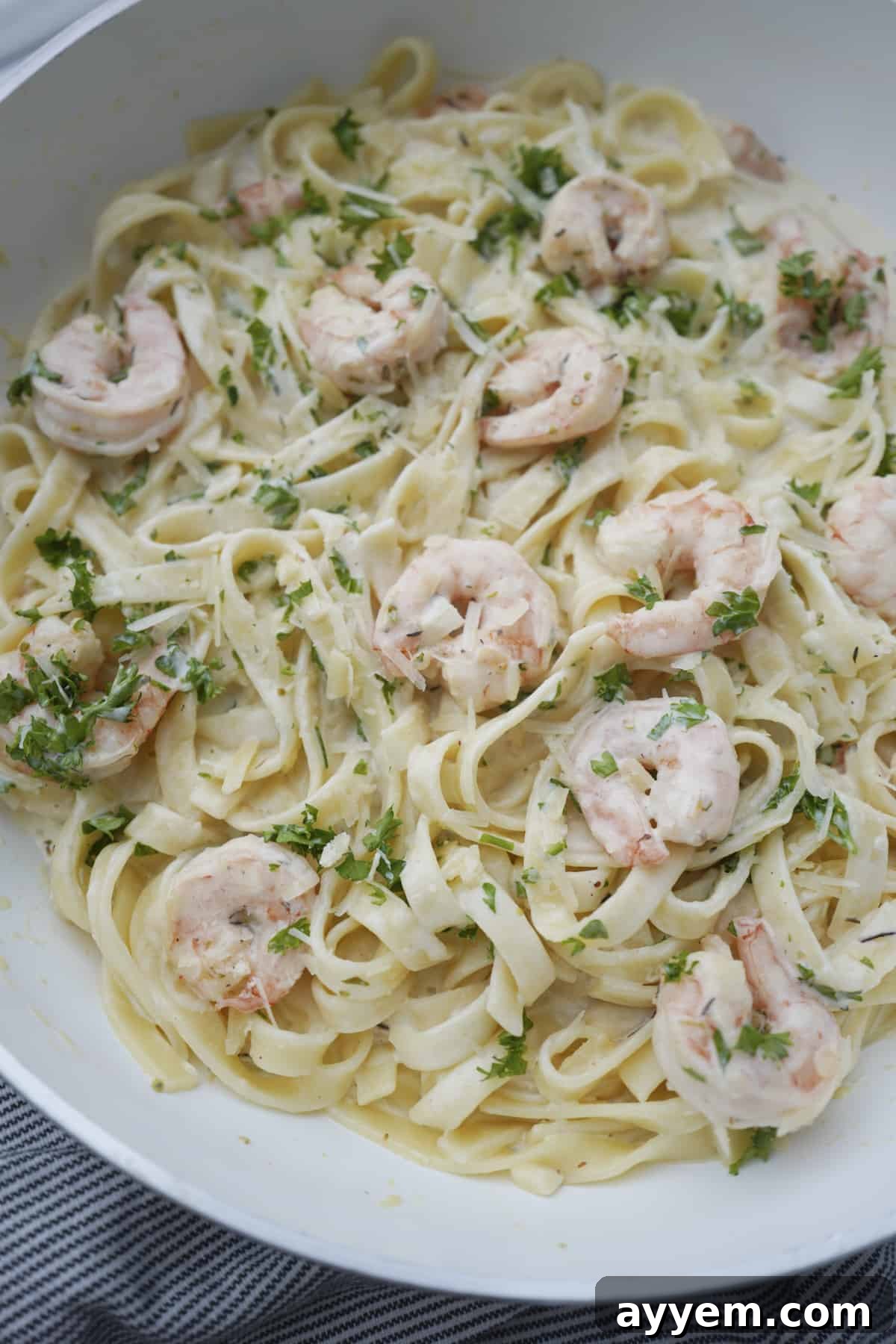
Irresistible Creamy Shrimp Alfredo Pasta: Your Guide to a Perfect Italian-Inspired Meal
Imagine yourself transported to a charming coastal town in Italy, the gentle sea breeze carrying the aroma of a delicious meal. Our Creamy Shrimp Alfredo Pasta promises to deliver that very experience right in your kitchen. This exquisite dish combines tender, succulent shrimp with perfectly cooked pasta, all enveloped in a rich, velvety Alfredo sauce. Topped with fragrant fresh herbs and a generous sprinkle of Parmesan cheese, this recipe is guaranteed to become a family favorite, leaving everyone craving for more. It’s an elegant yet surprisingly simple meal, perfect for a cozy weeknight dinner or a special occasion.
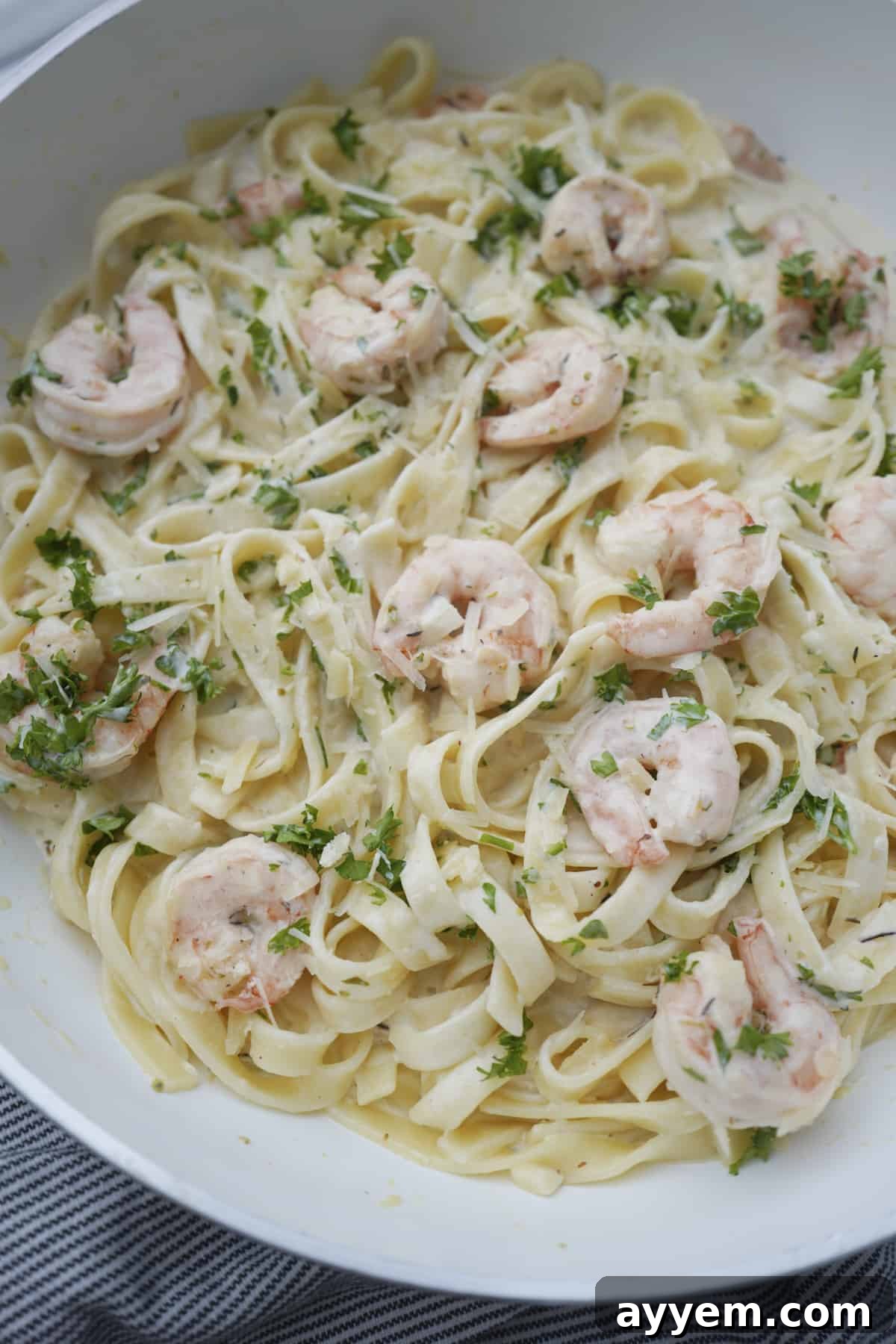
Choosing the Perfect Pasta for Your Shrimp Alfredo
The foundation of any great pasta dish lies in selecting the right type of pasta. For a decadent sauce like Alfredo, the noodle shape plays a crucial role in how well it clings to and absorbs the creamy goodness. Our preference leans towards flat, ribbon-shaped pastas, as their wider surface area and slight ridges are ideal for cradling rich sauces. While many options exist, here are some of the best noodles to consider for your Shrimp Alfredo:
We absolutely adore using Tagliatelle pasta for our Alfredo. Its medium width and flat, slightly porous texture make it perfect for soaking up every drop of that luscious, creamy Alfredo sauce. It’s a versatile choice that never disappoints.
Beyond tagliatelle, here are some other excellent noodle shapes that beautifully complement this recipe:
- Fettuccine: When you think of Alfredo sauce, fettuccine is likely the first pasta that comes to mind, and for good reason! It is the most traditionally paired noodle with Alfredo sauce. Its long, flat ribbons are slightly wider than tagliatelle, offering ample surface area for the sauce to cling to, ensuring a flavorful bite every time.
- Linguine: Another fantastic flat pasta noodle, linguine is similar in shape to both fettuccine and tagliatelle but is notably more narrow. Its flat profile is superior to fine, round noodles like spaghetti when it comes to absorbing and holding creamy sauces, making it an excellent choice for our Shrimp Alfredo.
- Pappardelle: If you’re seeking a more robust and luxurious pasta experience, pappardelle is your answer. As the widest ribbon-shaped pasta noodle, it boasts an impressive width that instantly tells you it’s a perfect match for hearty, dairy-based pasta sauces. These wide ribbons cook quickly and effectively carry thick sauces, providing an incredibly satisfying texture.
- Farfalle (Bow Ties): For those who prefer a shorter, more whimsical pasta shape, farfalle, also known as bow ties, are a delightful alternative. The distinctive pleats and crevices of the bowtie pasta are wonderful at cradling and capturing the thick, creamy Alfredo sauce, ensuring a burst of flavor with every bite.
No matter which pasta shape you choose, ensure it is made from quality durum wheat semolina for the best texture and flavor. The right pasta enhances the entire dining experience, transforming a simple meal into a culinary delight.
Mastering the Art of Perfectly Cooked Pasta
Achieving perfectly cooked pasta is a fundamental skill in Italian cooking, and it elevates any pasta dish from good to extraordinary. Unlike some of our one-pot pasta recipes where the noodles cook directly in the sauce, for this rich Shrimp Alfredo, we cook the pasta separately before incorporating it into the creamy sauce. If you’re curious about our favorite one-pot pasta recipes that simplify cooking, you can find them here.
To cook your pasta to absolute perfection, start with a large stockpot filled with ample water. The general rule is to use at least 4-6 quarts of water for every pound of pasta, allowing the noodles enough space to move freely and cook evenly. Bring the water to a rapid, rolling boil. This is a crucial step; adding pasta to water that isn’t vigorously boiling can cause it to stick together and cook unevenly.
Once the water is at a rolling boil, it’s time to salt it generously. Many chefs advise making the water taste “like the sea.” This isn’t just a culinary flourish; it’s essential for seasoning the pasta from within. Pasta absorbs flavor as it rehydrates during cooking, and properly salted water ensures that each noodle is seasoned right to its core. While your Alfredo sauce provides the primary flavor, the pasta itself won’t have much opportunity to absorb those flavors after it’s cooked, making salting the water paramount.
Add your chosen pasta to the boiling, salted water and stir immediately to prevent sticking. Cook according to the package directions, or until it reaches the desired “al dente” consistency. Al dente, meaning “to the tooth,” describes pasta that is tender yet firm to the bite, offering a slight resistance without being hard or mushy. Overcooked pasta can become gummy and lose its ability to hold sauce effectively.
Before draining, remember to reserve about a cup of the starchy pasta cooking water. This liquid gold is incredibly useful for adjusting the consistency of your Alfredo sauce later, helping it to emulsify and achieve that perfect silky texture. Once done, drain the pasta thoroughly but resist the urge to rinse it. Rinsing removes the beneficial surface starch that helps the sauce adhere to the noodles, diminishing the overall richness and flavor of your dish.
Can I Make Shrimp Alfredo Gluten-Free?
Absolutely! Adapting this creamy Shrimp Alfredo recipe to be gluten-free is incredibly simple, allowing everyone to enjoy this delightful meal. The main adjustment you’ll need to make is substituting traditional wheat-based pasta with your favorite gluten-free alternative. The market now offers a wide array of excellent gluten-free pastas made from rice, corn, quinoa, or a blend of these ingredients.
While you can use any shape you prefer, we still recommend opting for a ribbon-shaped gluten-free pasta, such as gluten-free fettuccine, tagliatelle, or linguine. These shapes, just like their wheat counterparts, are best at catching and holding the rich Alfredo sauce, ensuring a satisfying bite every time. However, feel free to experiment with other shapes like penne or fusilli if that’s what you have on hand or prefer.
It’s important to note that gluten-free pasta often cooks differently from wheat-based pasta. It can sometimes be more delicate and may require specific cooking times or methods to achieve the ideal texture. Therefore, always be sure to carefully follow the cooking instructions provided on the packaging of your chosen gluten-free pasta. This will help you achieve that perfect al dente bite and prevent the pasta from becoming mushy or breaking apart. With this simple swap, you can effortlessly transform this classic dish into a delicious and inclusive gluten-free option for all.
How to Make Shrimp Linguine Alfredo: A Step-by-Step Guide
Creating this restaurant-quality Shrimp Linguine Alfredo at home is a straightforward process when you follow these clear steps. The key is preparing each component perfectly before bringing them together into a harmonious, creamy dish.
- Sauté the Shrimp: Begin by adding olive oil to a wide-based pan. Heat the pan over medium heat until the oil shimmers. Add the raw, uncooked shrimp to the hot pan and season them generously with salt, black pepper, dried thyme, and oregano. Sauté the shrimp for just 2-3 minutes per side, or until they turn opaque and pink. Be careful not to overcook them, as this can make them rubbery. Once perfectly cooked, remove the shrimp from the pan and set them aside on a plate. The residual flavors in the pan will be a fantastic base for your sauce.
- Prepare the Aromatics: To the same pan (no need to clean it, as the shrimp flavors will add depth), add the unsalted butter. Allow the butter to melt over medium heat. Once melted, add the minced garlic and sauté it for about 1-2 minutes until it becomes soft, fragrant, and lightly golden. Avoid burning the garlic, as it can turn bitter.
- Build the Alfredo Sauce: Pour in the low-sodium vegetable broth and heavy cream. Immediately follow with the freshly shredded Parmesan cheese. Using a whisk, continuously combine these ingredients, stirring gently but consistently to develop a smooth and luscious Alfredo sauce.
- Note: If you are using a non-stick pan, make sure to use a silicone whisk or wooden spoon to avoid scratching the bottom of the pan.
- Thicken the Sauce: Allow the sauce to gently bubble and simmer for a few minutes, stirring occasionally. It will naturally begin to thicken as the cheese melts and the cream slightly reduces. If the sauce becomes too thick, you can thin it with a splash of the reserved pasta cooking water.
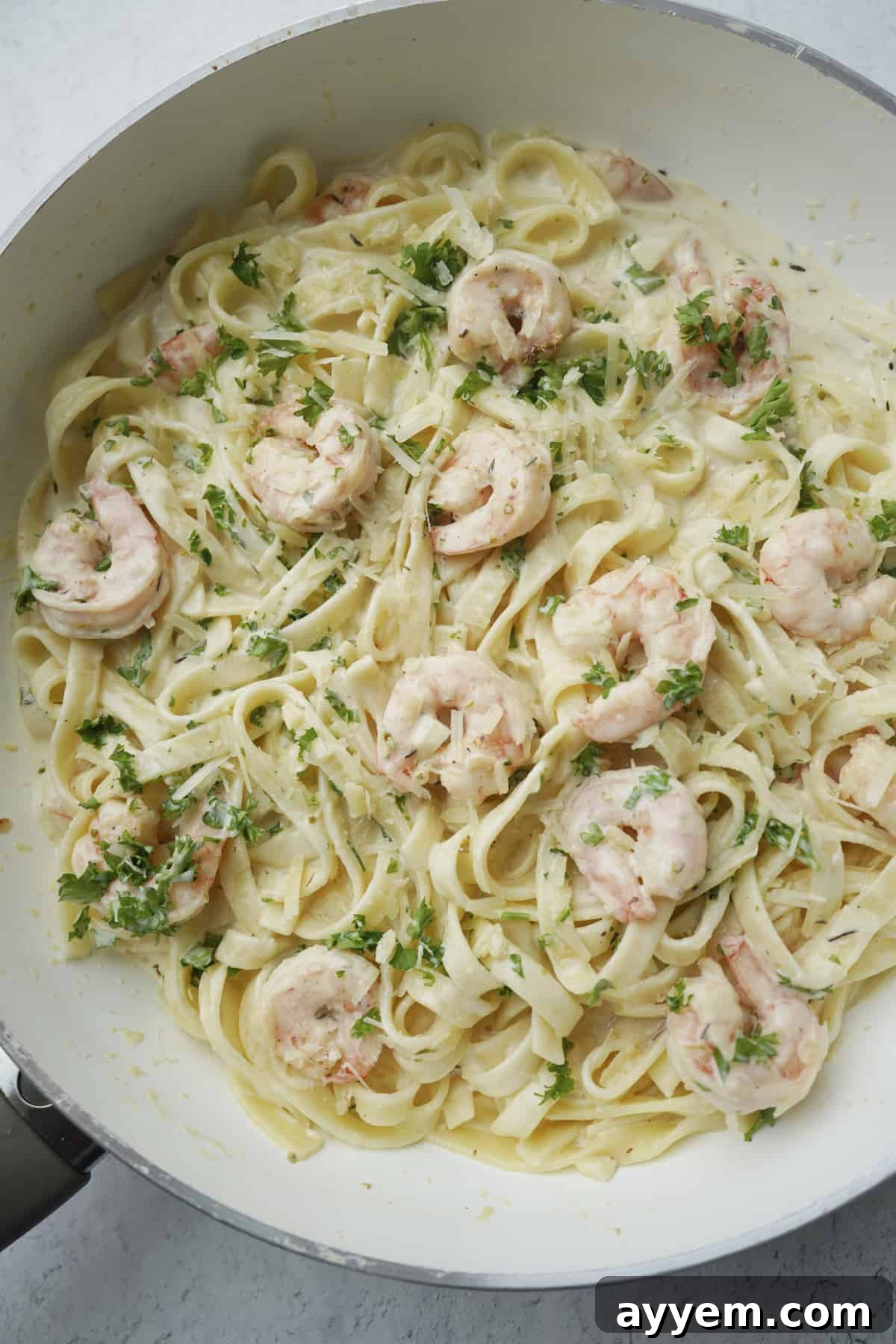
- Combine and Finish: Carefully return the cooked shrimp to the pan with the Alfredo sauce. Immediately add the cooked linguine pasta. Lastly, sprinkle in the fresh, chopped parsley. Gently toss all the ingredients together until the pasta and shrimp are thoroughly coated with the creamy sauce.
- Serve Immediately: Serve the Shrimp Linguine Alfredo hot, garnished with an extra sprinkle of Parmesan cheese and a few more fresh herbs for a beautiful presentation and added flavor. Enjoy this comforting and elegant meal!
For even more delightful Alfredo creations, don’t miss our One Pan Fettuccine Alfredo recipe!
Expert Tips for a Flawless Shrimp Alfredo
Achieving a truly outstanding Shrimp Alfredo involves a few key techniques and considerations. Here are some expert tips to ensure your dish is nothing short of perfection:
The Secret to a Smooth, Stable Alfredo Sauce
A common concern with Alfredo sauce is separation, where the butter and cheese solids split from the cream, resulting in a grainy or oily texture. The ultimate secret to preventing this is temperature control. Keep your heat at medium-low throughout the sauce-making process and, critically, never allow the sauce to come to a rolling boil. Gentle simmering is key to maintaining a stable emulsion. Additionally, using room-temperature heavy cream and freshly grated Parmesan cheese makes a significant difference. Pre-grated cheeses often contain anti-caking agents that can interfere with melting and lead to a less smooth sauce. Freshly grated cheese melts beautifully, creating a silky, cohesive sauce that clings perfectly to your pasta.
Why Cook Shrimp Before Adding to Alfredo?
Cooking your shrimp separately before incorporating them into the Alfredo sauce serves multiple purposes, all contributing to a superior dish. First, it allows you to perfectly control the doneness of the shrimp, preventing them from becoming tough or rubbery from overcooking within the sauce. Shrimp cook very quickly, and adding them at the end ensures their tender texture. Second, by cooking the shrimp first in a separate pan with some olive oil, butter, and seasonings (like the salt, pepper, thyme, and oregano in our recipe), you infuse them with delicious flavor. What’s more, the flavorful residues left in the pan become the aromatic base for your Alfredo sauce, adding an extra layer of depth and complexity to the entire dish. This initial step sets the stage for a truly gourmet experience.
Troubleshooting: Why is My Alfredo Sauce Too Thick?
If your Alfredo sauce turns out thicker than desired, it’s usually due to reducing it for too long or adding an excessive amount of cheese. Both can lead to a sauce that’s too dense and doesn’t coat the pasta effortlessly. The good news is, the fix is incredibly simple! Just thin it out with a splash or two of the reserved pasta cooking water. The starchy water not only helps to loosen the sauce but also aids in emulsification, ensuring it remains silky and maintains that perfect, desirable consistency without diluting the flavor. Add it gradually, stirring until you reach your preferred texture.
Reheating Shrimp Alfredo Without Breaking the Sauce
Reheating pasta dishes, especially those with creamy sauces, can be tricky. The key to successfully reheating Shrimp Alfredo without the sauce separating or the shrimp becoming rubbery is a “low and slow” approach. Transfer your leftover Alfredo to a saucepan and heat it gently over low heat. As it warms, add a splash of heavy cream, milk, or even a little chicken or vegetable broth, stirring continuously. This added liquid will help to revive the sauce’s creaminess and prevent it from breaking. It’s generally best to avoid the microwave if possible, as its uneven heating can quickly overcook the shrimp and cause the delicate Alfredo sauce to separate. If using a microwave, heat in short bursts, stirring frequently, and still add a splash of liquid.
Can I make Alfredo sauce ahead of time?
While Alfredo sauce is best served fresh, you can prepare the base components ahead of time. You can make the sauce up to 2 days in advance and store it in an airtight container in the refrigerator. When reheating, do so gently over low heat, stirring in a splash of cream or milk to restore its smooth consistency. Cook the pasta and shrimp fresh when you’re ready to serve for the best results.
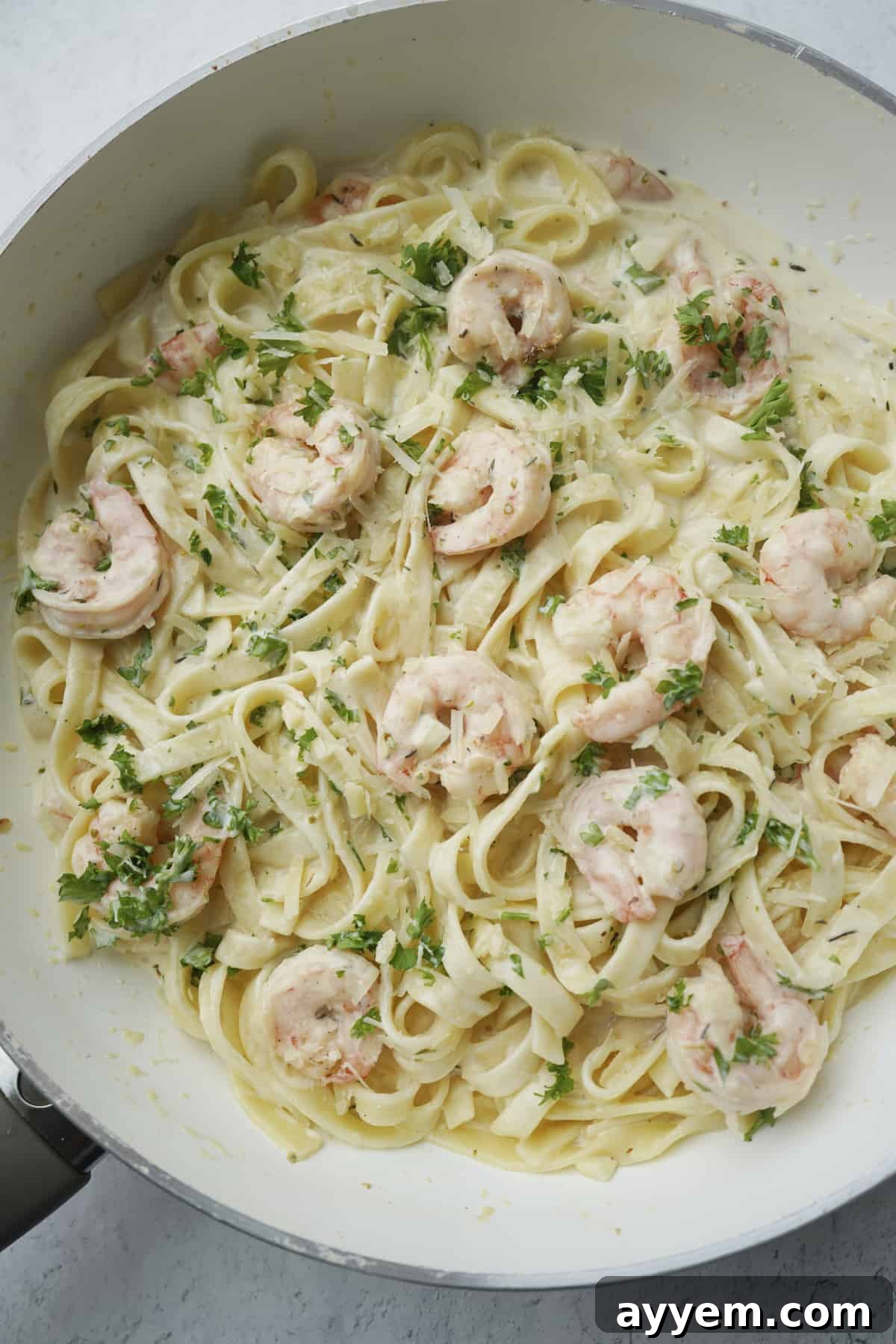
Linguine Shrimp Alfredo
This Shrimp Alfredo pasta is both light and comforting – a perfect dinner solution! If you’re looking for creamy pasta with tender shrimp, this recipe truly hits the spot.
Rating: 5 out of 5 stars from 3 votes
Author: Food Dolls
Servings: 6 servings
Prep Time: 20 mins
Cook Time: 20 mins
Total Time: 40 mins
Ingredients
- 2 Tablespoons Olive oil
- 20 large raw uncooked shrimp
- 1 teaspoon salt
- ½ teaspoon pepper
- ½ teaspoon thyme
- ½ oregano
- 2 Tablespoons unsalted butter
- 6 cloves garlic, minced
- 1 cup low sodium vegetable broth
- 1 ½ cup heavy cream
- 1 cup grated parmesan cheese
- 12 ounces linguine pasta
- ¼ cup fresh parsley, chopped
Instructions
- Add olive oil to a wide-based pan. Heat the pan on the stovetop over medium heat.
- Next, add the shrimp and season with salt, pepper, thyme, and oregano. When the shrimp turn pink and opaque, remove them from the pan and set aside.
- Add butter to the same pan you used to cook the shrimp. Follow that by adding minced garlic and sauté the garlic until it is soft and fragrant (about 1-2 minutes).
- Then, add in the broth, heavy cream, and shredded parmesan cheese. Combine these ingredients using a whisk to develop a smooth Alfredo sauce, ensuring no lumps.
- Allow the sauce to gently bubble and thicken over medium-low heat for 5-7 minutes, stirring occasionally. Do not bring to a rapid boil.
- Put the cooked shrimp back in the pan, followed by the cooked linguine pasta. Lastly, add the fresh parsley and gently mix everything together until well combined and coated.
- Serve hot with an extra sprinkle of Parmesan cheese and fresh herbs, if desired.
Equipment
- 1 Large Pan (wide-based)
- 1 Large Stockpot (for pasta)
- Whisk
Nutrition
Serving: 1 serving | Calories: 568 kcal | Carbohydrates: 48g | Protein: 15g | Fat: 36g | Saturated Fat: 19g | Polyunsaturated Fat: 2g | Monounsaturated Fat: 11g | Trans Fat: 0.2g | Cholesterol: 96mg | Sodium: 719mg | Potassium: 236mg | Fiber: 2g | Sugar: 3g | Vitamin A: 1153IU | Vitamin C: 2mg | Calcium: 211mg | Iron: 1mg
Nutrition information is automatically calculated and should only be used as an approximation.
We hope you love this Creamy Shrimp Alfredo Pasta as much as we do. Its comforting flavors and elegant presentation make it a showstopper for any meal. Don’t forget to share your experience and thoughts in the comments below!