
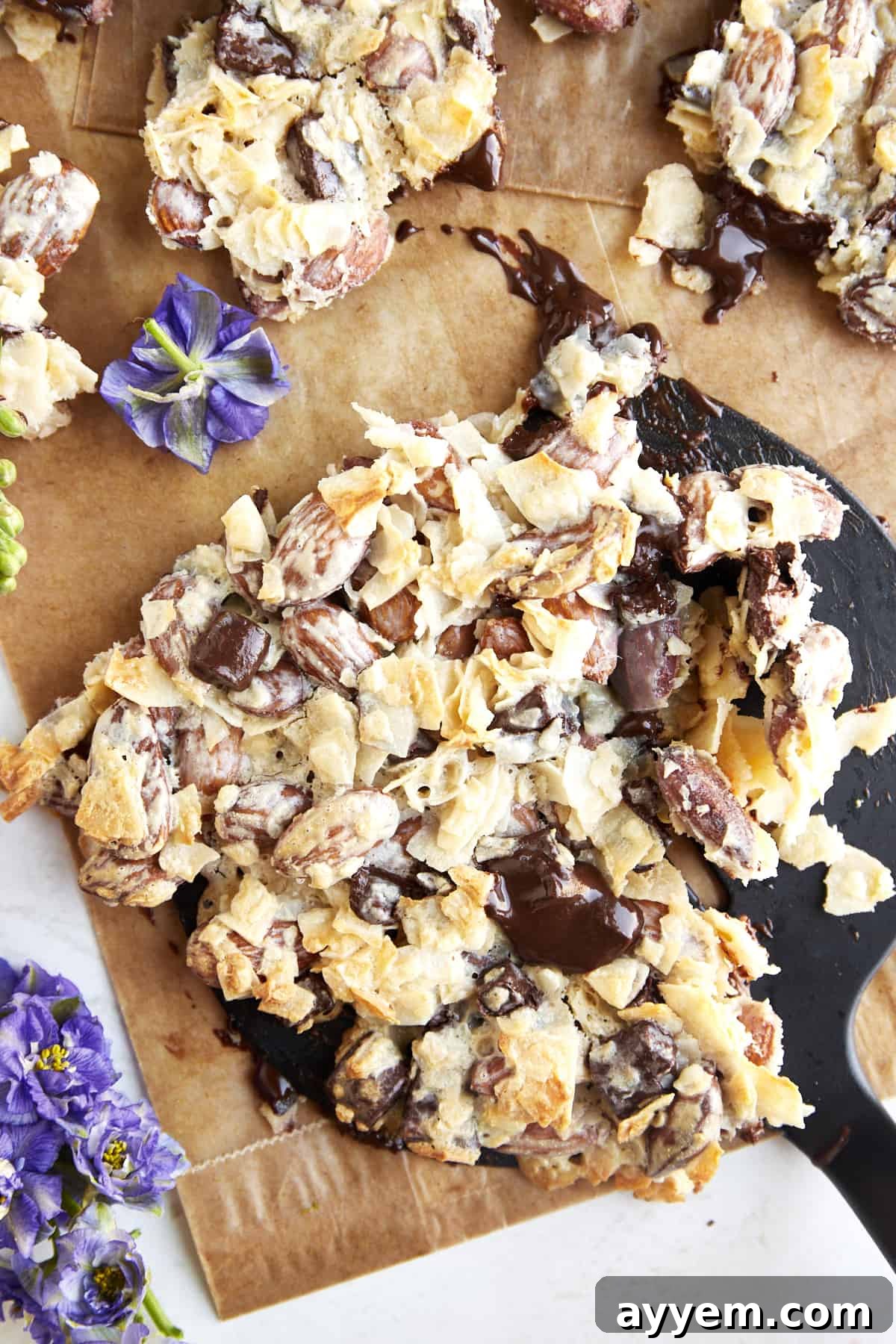
Indulge your senses with this incredibly simple yet utterly irresistible Coconut Chocolate Almond Bark. This delightful dessert brings together the rich flavors of decadent chocolate, the satisfying crunch of almonds, and the tropical sweetness of flaky coconut, all bound by luscious condensed milk. The result is a taste and texture experience that is truly out of this world, making it a guaranteed crowd-pleaser for any occasion.
What if we told you that creating this heavenly treat requires minimal effort and time? This easy, one-bowl recipe eliminates complex steps, coming together in mere minutes before the oven transforms it into golden perfection. Whether you’re preparing for a festive gathering, seeking a thoughtful homemade gift, or simply craving an indulgent afternoon snack, this coconut chocolate bark is the ideal solution. It’s a testament to how effortlessly extraordinary desserts can be.
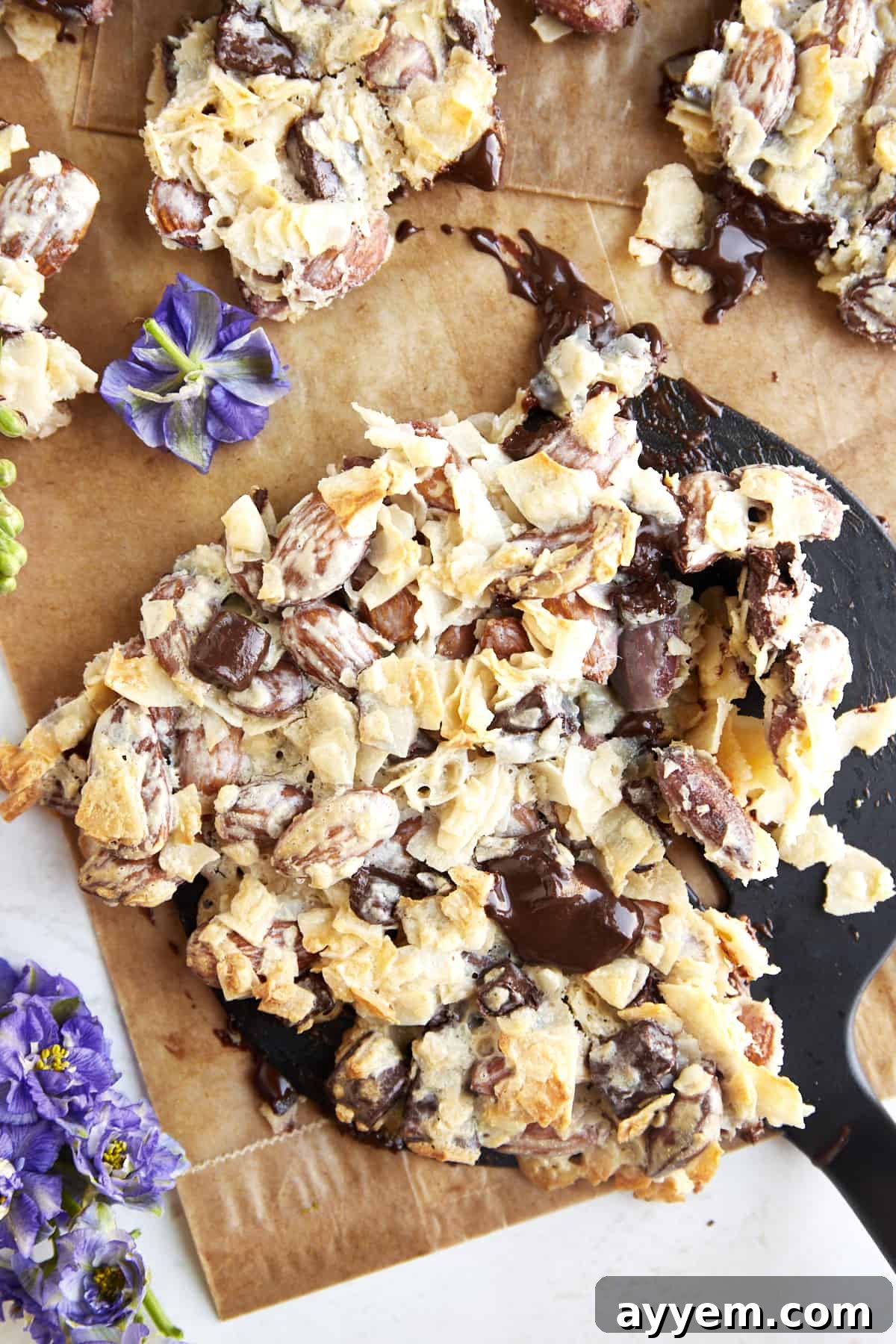
Unveiling the Delicious World of Chocolate Almond Bark
Chocolate almond bark is a widely celebrated confection, particularly popular during holidays and special events. At its core, it’s a wonderfully straightforward dessert crafted from melted chocolate generously combined with either sliced or chopped almonds. This delightful mixture is then spread thinly onto a sheet pan and allowed to cool and set, either at room temperature or in the refrigerator. The beauty of chocolate bark lies in its rustic charm and versatility.
Once completely cooled, the chocolate sets into a firm, crunchy sheet. This sheet is then artfully broken into irregular pieces, making it a perfect grab-and-go treat. These individual shards are ideal for adorning holiday platters, packaging into charming gift bags, or simply storing in an airtight container for whenever a sweet craving strikes. While classic almond bark traditionally features a single type of chocolate and almonds, the concept has evolved to include a myriad of flavors and textures, with our Coconut Chocolate Almond Bark being a stellar example of this delicious innovation. It’s a versatile canvas for culinary creativity, offering endless possibilities for customization.
Almond Bark vs. Melting Chocolate: Understanding the Distinction
Before diving deeper into our exquisite coconut chocolate almond bark recipe, it’s crucial to clarify a common point of confusion: the difference between “almond bark” and “melting chocolate.” While both are used in confectionery, they are not interchangeable, and understanding their unique properties can significantly impact your baking results.
Traditionally, “almond bark” (or more broadly, “chocolate bark”) refers to a confectionery coating designed for easy melting and setting without the need for tempering. This type of bark is often made with vegetable fats, such as palm kernel oil, instead of cocoa butter, which is the primary fat in real chocolate. It’s also known as “confectionery coating” or “summer coating” because it tends to be more stable in warmer temperatures and sets with a smooth, shiny finish effortlessly. Its ease of use makes it a favorite for dipping, coating, and creating simple bark recipes.
In contrast, “melting chocolate,” or “dipping chocolate,” is typically made with real cocoa butter and often requires tempering. Tempering is a process of precisely heating and cooling chocolate to stabilize its crystal structure. This results in a glossy finish, a satisfying snap when broken, and prevents blooming (the formation of grayish streaks). While real melting chocolate offers a superior flavor and mouthfeel, it is more delicate and demands a more intricate preparation process compared to confectionery coatings. Our recipe cleverly uses real dark chocolate chunks and sweetened condensed milk to achieve a rich flavor and perfect set without the fuss of tempering, offering the best of both worlds.
Crafting Vegan Coconut Chocolate Almond Bark
For those adhering to a vegan lifestyle, a common question arises: “Is almond bark vegan?” The answer, delightfully, is that it entirely depends on the specific ingredients used in the recipe. Traditional almond bark often contains dairy-based chocolate and sometimes other non-vegan additives. However, it’s incredibly simple to adapt many recipes, including ours, to be fully plant-based.
To transform this delicious coconut chocolate almond bark into a vegan-friendly treat, the key is to make a couple of straightforward substitutions. First and foremost, opt for high-quality vegan chocolate chunks. Many excellent dairy-free chocolate brands are available today, offering a rich and satisfying flavor profile that rivals traditional chocolate. Secondly, ensure your sweetened condensed milk is plant-based. There are fantastic vegan condensed milk alternatives made from coconut milk or oat milk, which work beautifully in this recipe, maintaining the creamy texture and sweet flavor. With these simple swaps, you can enjoy a decadent, animal-friendly coconut chocolate bark that is just as delicious and impressive as its conventional counterpart, making it accessible for everyone to enjoy.
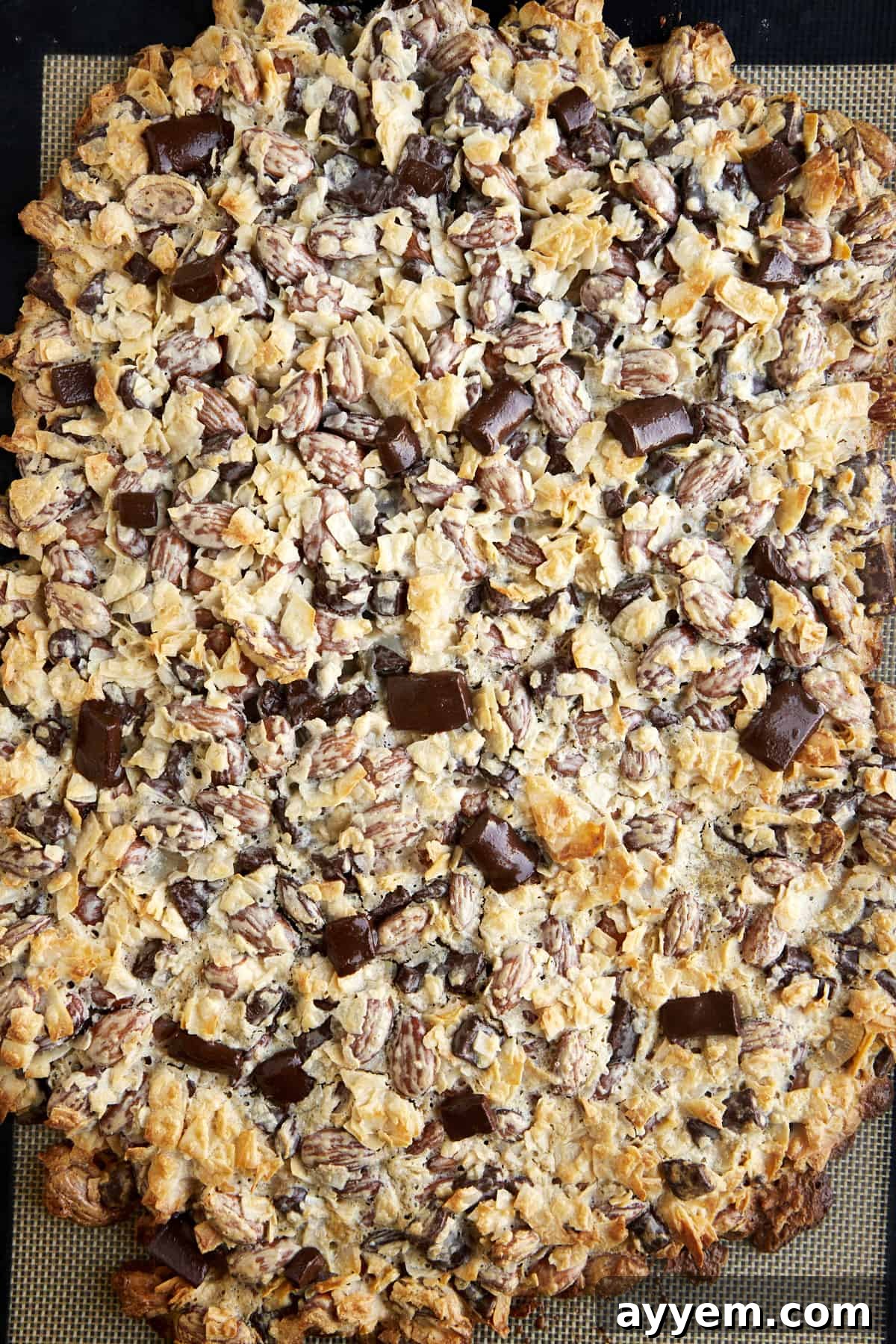
Why You’ll Fall Head Over Heels for This Coconut Chocolate Almond Bark
While we deeply appreciate the timeless appeal of classic almond bark with its generous slabs of chocolate and abundant nuts, we set out to create something truly special with this coconut chocolate almond bark recipe. We took the beloved traditional concept and infused it with a tropical, chewy twist that elevates it to a new level of deliciousness. This isn’t just another dessert; it’s an experience designed to captivate your taste buds and simplify your baking routine.
Our unique take features less than ten simple, wholesome ingredients, including genuine, luscious chocolate, ensuring a premium flavor without any artificiality. But the allure of this recipe extends far beyond its ingredient list:
- It demands **minimal prep time**, meaning you spend less time in the kitchen and more time enjoying your creation or company.
- The **total time from start to finish is under 30 minutes**, making it an ideal choice for spontaneous cravings or last-minute entertaining.
- It boasts incredible **adjustability to suit your preferences and needs**, whether you want to experiment with different nuts, chocolates, or add-ins. This flexibility ensures you can personalize every batch.
- It delivers a **unique combination of tastes and textures** that truly sets it apart. Imagine a crisp, snappy bite yielding to a delightfully chewy interior, all while experiencing a perfect harmony of sweet and subtly salty notes. It’s a multi-sensory delight that will keep you coming back for more.
- It uses **real chocolate**, not just confectionery coating, providing a richer, deeper chocolate flavor that melts beautifully in your mouth.
- The addition of **sweetened condensed milk** acts as a brilliant binder, eliminating the need for complex tempering while imparting a creamy, indulgent foundation to the bark.
This coconut chocolate almond bark isn’t just easy; it’s an intelligent and flavorful approach to homemade treats that promises satisfaction with every single piece.
Essential Ingredients for Your Delectable Bark
For avid bakers like us, it’s highly probable that your pantry is already stocked with everything required to whip up this incredible almond bark recipe. However, it’s always a good idea to quickly review the list below to ensure you have all the necessary components for a seamless baking experience. Each ingredient plays a crucial role in creating the perfect balance of flavor and texture in this irresistible treat.
- Almonds: We strongly recommend using raw almonds for the best flavor and texture development as they toast beautifully in the oven. The choice between whole, chopped, or slivered varieties is entirely yours, depending on the textural experience you prefer. Whole almonds offer a robust crunch, while chopped or slivered varieties integrate more subtly throughout the bark.
- Shredded Coconut: Unsweetened shredded coconut flakes are key here. As they bake, they toast to a glorious golden perfection, releasing their natural oils and an intensified tropical aroma. This contributes a delicate sweetness and a wonderfully satisfying chewy texture that contrasts beautifully with the crisp almonds and chocolate.
- Dark Chocolate Chunks: These are the star of the show! Dark chocolate chunks melt down beautifully in the oven, creating the rich, luscious foundation that holds the entire bark together. The intensity of dark chocolate perfectly balances the sweetness of the condensed milk and coconut, offering a sophisticated depth of flavor. You can adjust the chocolate percentage to your liking, from semi-sweet to extra dark.
- Sweetened Condensed Milk: This magical ingredient is a game-changer for this recipe. It not only acts as an excellent binder, ensuring all the ingredients meld together seamlessly, but it also infuses the bark with a rich, creamy flavor and contributes to its delightful chewiness. Crucially, it eliminates the need to pre-melt the chocolate, making the preparation process incredibly simple and mess-free.
- Salt: Just a small pinch of salt is all it takes to elevate and enhance the flavors of all the other ingredients. A little bit goes a long way in balancing the sweetness, making each bite more complex and utterly addictive. Consider a flaky sea salt for an extra touch of gourmet appeal and a subtle textural contrast.
Creative Optional Mix-Ins to Elevate Your Bark
The beauty of this coconut chocolate almond bark recipe lies in its incredible versatility. It serves as a fantastic base that eagerly welcomes a myriad of additional ingredients and toppings, allowing you to customize each batch to your heart’s content. Feel free to mix and match any of your favorite extras – just remember to make slight adjustments to the amounts of chocolate and condensed milk if adding a significant volume of mix-ins, ensuring your bark maintains its perfect structural integrity.
Here are some of our most beloved additions to inspire your culinary creativity:
- Dried Cranberries or Cherries: These add a lovely tart burst of flavor and a chewy texture, cutting through the richness of the chocolate and sweetness of the coconut.
- Graham Cracker Pieces: For a delightful crunch and a hint of honeyed sweetness, graham cracker pieces bring a comforting, nostalgic flavor reminiscent of s’mores.
- Mini Marshmallows: Swirling in mini marshmallows creates pockets of soft, gooey sweetness when baked, adding another layer of delightful texture.
- Pumpkin Seeds: Offering a nutty, earthy flavor and an extra layer of crunch, pumpkin seeds (pepitas) are a fantastic addition, especially for a slightly healthier twist.
- Chia Seeds: These tiny powerhouses provide a subtle nutty flavor and a boost of omega-3s, adding a unique textural element without overpowering the main flavors.
- Sunflower Seeds: Similar to pumpkin seeds, sunflower seeds offer a mild, nutty taste and a satisfying crunch, complementing the almonds beautifully.
- Sprinkles: For a festive and fun touch, especially when making bark for celebrations or gifts, a generous scattering of colorful sprinkles adds visual appeal and a playful sweetness.
- White Chocolate Chips: Swirl in some white chocolate chips for a beautiful contrast in color and an extra layer of creamy sweetness.
- Orange Zest: A hint of fresh orange zest can brighten the flavors and add an aromatic, sophisticated twist.
Don’t be afraid to experiment! This recipe is a canvas for your imagination, so let your favorite flavors guide you in creating your signature coconut chocolate almond bark.
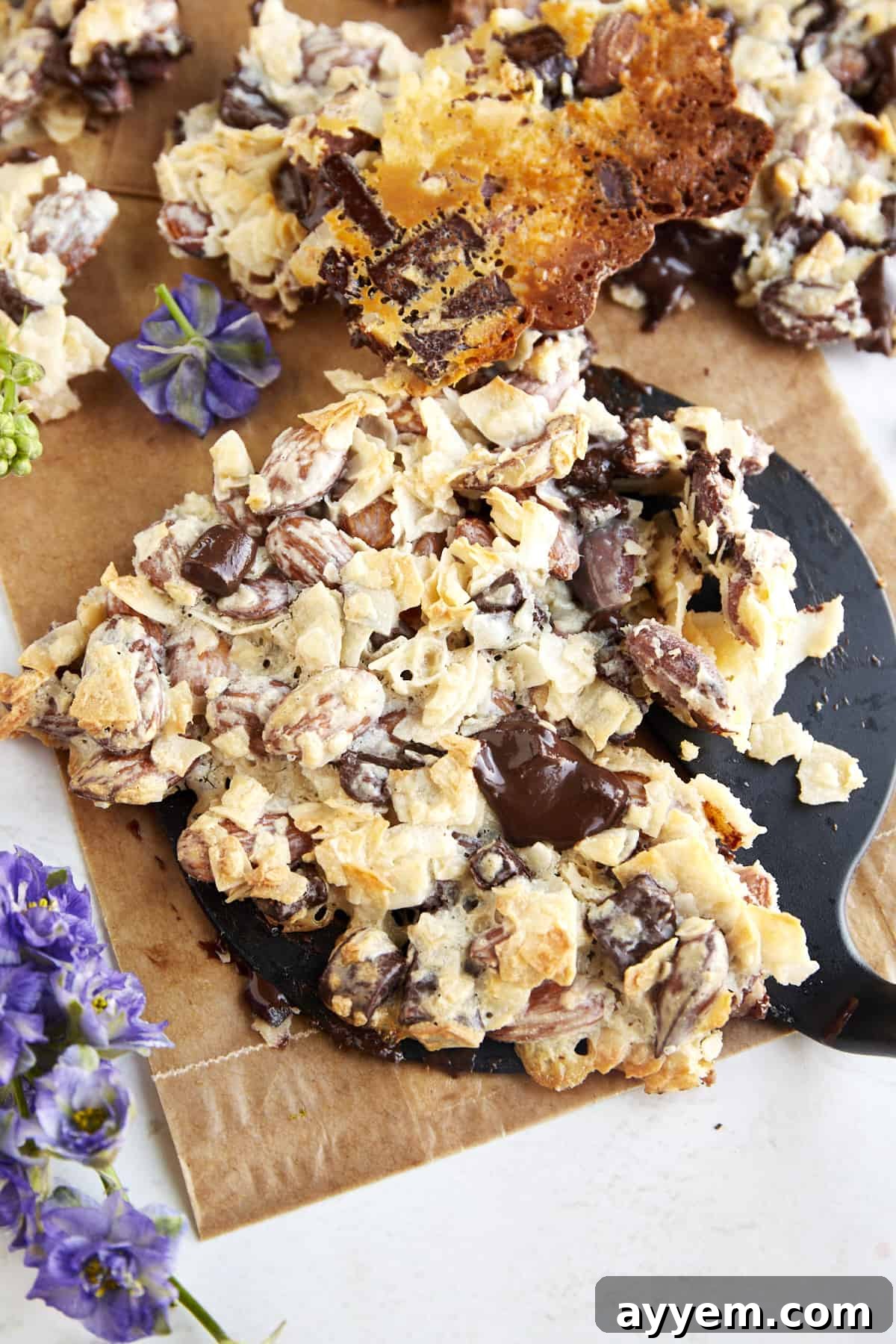
Mix, Bake, and Delight: The Effortless Guide to Making Coconut Chocolate Almond Bark
Forget the tedious prep work and the messy double boilers often associated with traditional chocolate bark recipes! Our Coconut Chocolate Almond Bark stands out for its extraordinary simplicity, coming together in a single bowl with a remarkably hands-off approach. This makes it not only a joy for seasoned bakers but also a perfect activity to get the kids involved – without the usual worry of chocolate splatters everywhere!
- Preparation is Key: Begin by preheating your oven to 350 degrees Fahrenheit (175 degrees Celsius). This ensures a consistent baking temperature from the moment your bark goes in. Next, line a sturdy baking dish or sheet pan with either a high-quality silicone baking mat (like a Silpat) or reliable parchment paper. This crucial step prevents sticking and ensures easy removal of your finished bark.
- Effortless Combination: In a large mixing bowl, combine all your ingredients: the raw almonds, unsweetened shredded coconut, dark chocolate chunks, sweetened condensed milk, and a pinch of salt. Stir these ingredients thoroughly until everything is evenly combined and coated. The condensed milk will act as the binder, pulling all the wonderful components together into a cohesive mixture.
- Achieving Evenness: Transfer the entire mixture from the mixing bowl to your prepared baking dish. Using a spatula, gently but firmly spread the mixture out into an even layer. Aim for a consistent thickness across the entire surface to ensure even baking and setting. This step is important for uniform texture in your finished bark.
- The Magic of Baking: Carefully transfer the baking dish to your preheated oven. Bake for approximately 10 to 12 minutes. Keep a close eye on it! You’re looking for the chocolate chunks to be fully melted and the edges of the bark to turn a beautiful, light golden brown, indicating the coconut and almonds are perfectly toasted. Be diligent not to overbake, as burnt coconut can quickly spoil the flavor.
- Patience for Perfection: Once baked, remove the dish from the oven and set it aside to cool completely at room temperature. This cooling period is vital for the bark to firm up and set properly. If you’re in a bit of a hurry, you can carefully transfer the dessert to the refrigerator to speed up the setting process. However, be aware that chilling rapidly might slightly diminish the chocolate’s natural shine, though it won’t affect the incredible taste.
- Serve and Savor: Once the chocolate has fully hardened and the bark is completely cool, it’s time for the fun part! Break the chocolate almond bark into pieces of any size or shape you desire – part of its charm is its perfectly imperfect nature. Then, simply dig in and enjoy this delightful homemade treat!
How to Artfully Break and Cut Homemade Chocolate Almond Bark
One of the most appealing aspects of homemade chocolate bark is its wonderfully rustic and imperfect charm. Unlike meticulously cut confections, bark is meant to be broken into shards, celebrating its organic shapes and varied sizes.
The easiest and most enjoyable way to portion this delicious treat is simply to snap it into pieces with your hands once it has fully cooled and hardened. The satisfying crack and irregular edges are part of the experience, offering a visual appeal that hints at its homemade goodness. Don’t worry about achieving perfect uniformity; the beauty is in the variation!
However, if you prefer a slightly neater presentation or wish to create more uniform pieces for gifting, you can certainly slice the cooled bark with a sharp, heavy knife. Simply place the entire slab on a sturdy cutting board and press down firmly to create cleaner breaks. Again, embrace any slight imperfections – they only add to the character of your homemade creation. Whether you choose to break it by hand or slice it with a knife, the outcome will be equally delicious and ready to be enjoyed.
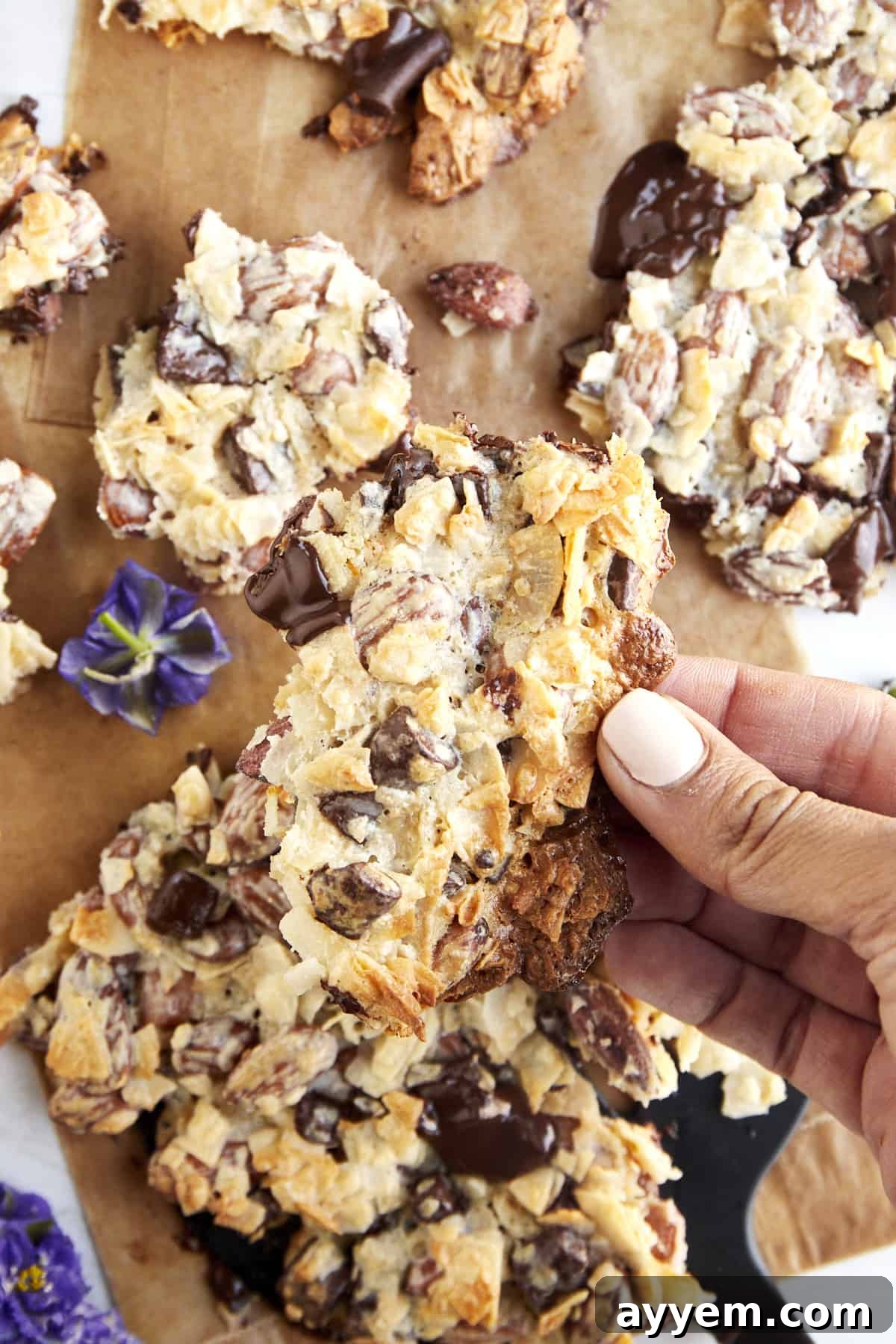
Optimal Storage Solutions for Your Delicious Bark
One of the many fantastic qualities of this coconut chocolate almond bark recipe is its excellent make-ahead potential. This feature also makes it an ideal candidate for thoughtful gifting, as it holds up beautifully over time.
Once your bark has fully cooled and been broken into individual pieces, proper storage is key to maintaining its freshness, flavor, and delightful texture. Transfer the pieces to an airtight container or a heavy-duty Ziploc bag. It’s best to store the bark at **room temperature in a cool, dry place**, away from direct sunlight or any heat sources. Stored correctly, your homemade coconut chocolate almond bark will remain fresh and delicious for an impressive period of **up to one month**. This generous shelf life means you can prepare a large batch in advance for holiday entertaining, create personalized gifts, or simply have a delectable treat on hand whenever a craving arises. Avoid storing it in the refrigerator unless absolutely necessary for setting, as rapid temperature changes can sometimes affect the chocolate’s texture and appearance.
Common Questions About This Coconut Chocolate Almond Bark Recipe
For this versatile recipe, you have a delightful range of choices! Dark chocolate (semi-sweet or bittersweet), or even milk chocolate, all work wonderfully. We highly recommend opting for good quality chocolate chips or solid chocolate bars that are known to melt smoothly. Using a mix of different chocolate types, such as dark and milk, can add an incredible depth of flavor and complexity to your bark, creating a richer tasting experience.
Absolutely! A generous sprinkle of flaky sea salt over the top of the bark just after it comes out of the oven is a fantastic idea. The subtle saltiness not only enhances the chocolate and coconut flavors but also provides a wonderful contrast, making each bite pop with a perfect balance of sweet and savory. It’s a simple addition that takes the bark to a gourmet level.
Yes, it’s entirely possible to make this coconut chocolate almond bark vegan! The swaps are quite straightforward. Simply ensure you use dairy-free chocolate chunks or chips, and substitute regular sweetened condensed milk with a plant-based alternative. Many brands now offer delicious vegan condensed milk made from coconut or oat milk. These easy changes will yield an incredibly rich and satisfying plant-based bark that everyone can enjoy.
This bark is absolutely perfect for gifting! Its homemade charm, delicious flavor, and impressive shelf life make it an ideal present. Break it into beautiful, substantial shards, then wrap them elegantly in parchment paper, cellophane bags, or small decorative boxes. Tie with a festive ribbon, and you have a wonderful homemade gift for the holidays, birthdays, or any time you want to sweeten someone’s day with a personal touch.
The most common mistakes are overbaking, which can burn the coconut and almonds, and not letting the bark cool completely before breaking. Overbaking leads to a bitter taste, while breaking it too soon can result in a soft, messy bark that doesn’t hold its shape. Ensure your oven temperature is accurate and give it ample time to set.
Absolutely! While almonds provide a classic crunch, feel free to experiment with other nuts. Walnuts, pecans, cashews, or even hazelnuts would make delicious substitutions or additions. Each nut will impart its own unique flavor profile and texture, allowing you to tailor the bark to your personal preferences. Just ensure they are raw before baking to achieve that perfect toasted flavor.
Discover More Easy Chocolate Treats
If this coconut chocolate almond bark has sparked your passion for effortless yet delicious chocolate creations, you’re in luck! We have an array of simple recipes designed to satisfy your sweet tooth and impress your friends and family. Explore these other easy chocolate treats that promise maximum flavor with minimal fuss:
- Slow Cooker Chocolate Covered Pretzels
- Slow Cooker Candy
- Slow Cooker Puppy Chow (Cookies and Cream)
- Hazelnut Chocolate Crock Pot Candy
- Chocolate Chip Cookie Dough Bark
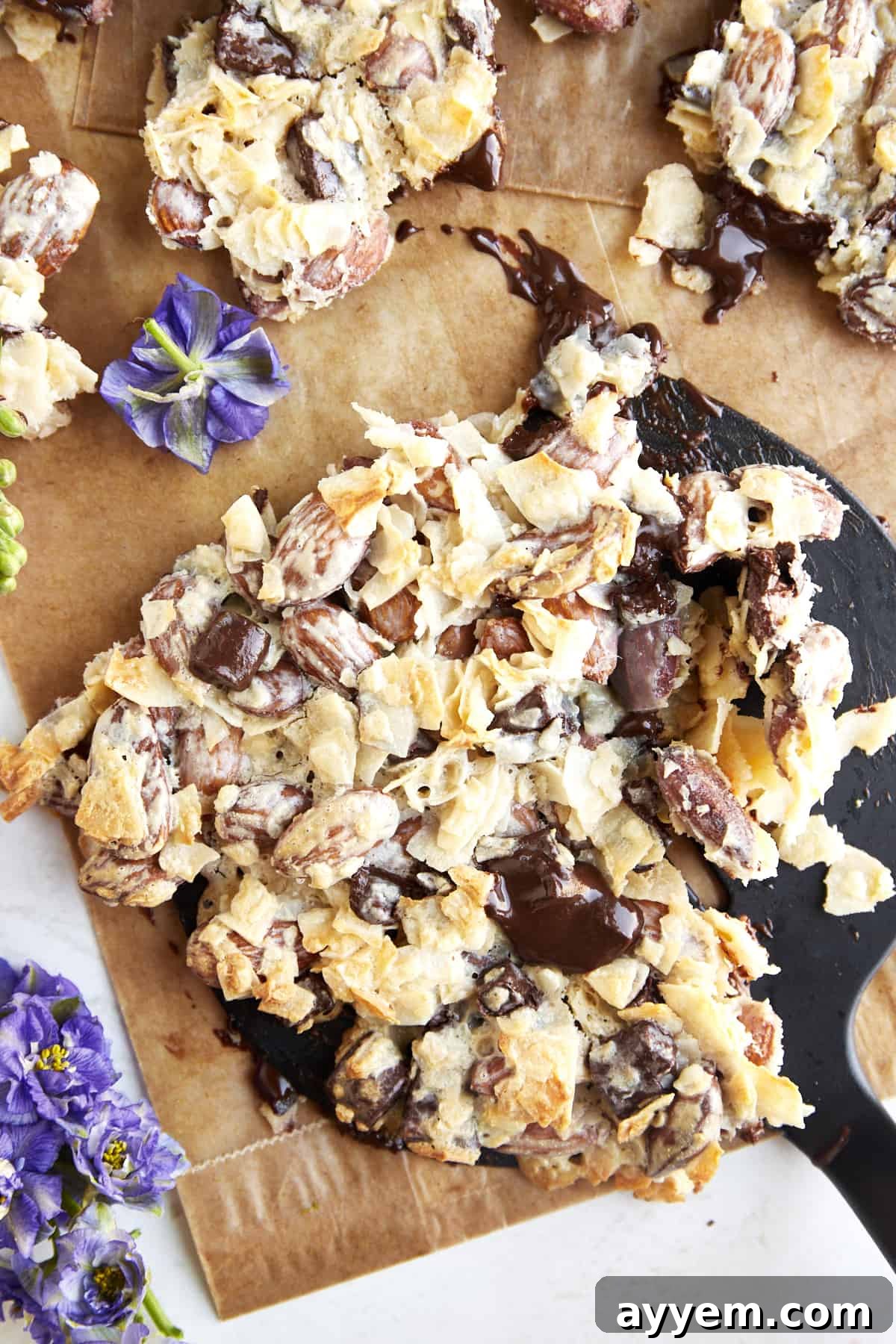
Coconut Chocolate Almond Bark Recipe
Food Dolls
12 servings
5 minutes mins
10 minutes mins
15 minutes mins
Ingredients
- 2 cups raw almonds
- 2 cups unsweetened coconut flakes
- 1 cup dark chocolate chunks
- 8 ounces sweetened condensed milk
- 1/2 teaspoon salt
Instructions
-
Preheat the oven to 350 degrees Fahrenheit (175 degrees Celsius).
-
In a mixing bowl, combine the almonds, shredded coconut, dark chocolate chunks, sweetened condensed milk, and salt.2 cups raw almonds,
2 cups unsweetened coconut flakes,
1 cup dark chocolate chunks,
8 ounces sweetened condensed milk,
1/2 teaspoon salt -
Line a baking dish with a silpat mat or parchment paper.
-
Pour the mixture into the prepared baking dish, spreading it out evenly.
-
Bake in the preheated oven for 10 to 12 minutes or until the chocolate is melted and the edges turn slightly golden.
-
Remove the baking dish from the oven, and let the mixture cool completely.
-
Once cooled, break the almond coconut chocolate bark into pieces.
-
Serve and enjoy! Store any leftovers in an airtight container for up to 1 month.
Equipment

Nutrition
Calories: 300kcal |
Carbohydrates: 19g |
Protein: 7g |
Fat: 23g |
Saturated Fat: 9g |
Polyunsaturated Fat: 3g |
Monounsaturated Fat: 10g |
Trans Fat: 0.01g |
Cholesterol: 0.5mg |
Sodium: 139mg |
Potassium: 330mg |
Fiber: 5g |
Sugar: 11g |
Vitamin A: 6IU |
Vitamin C: 0.1mg |
Calcium: 77mg |
Iron: 3mg
Nutrition information is automatically calculated, so should only be used as an approximation.