
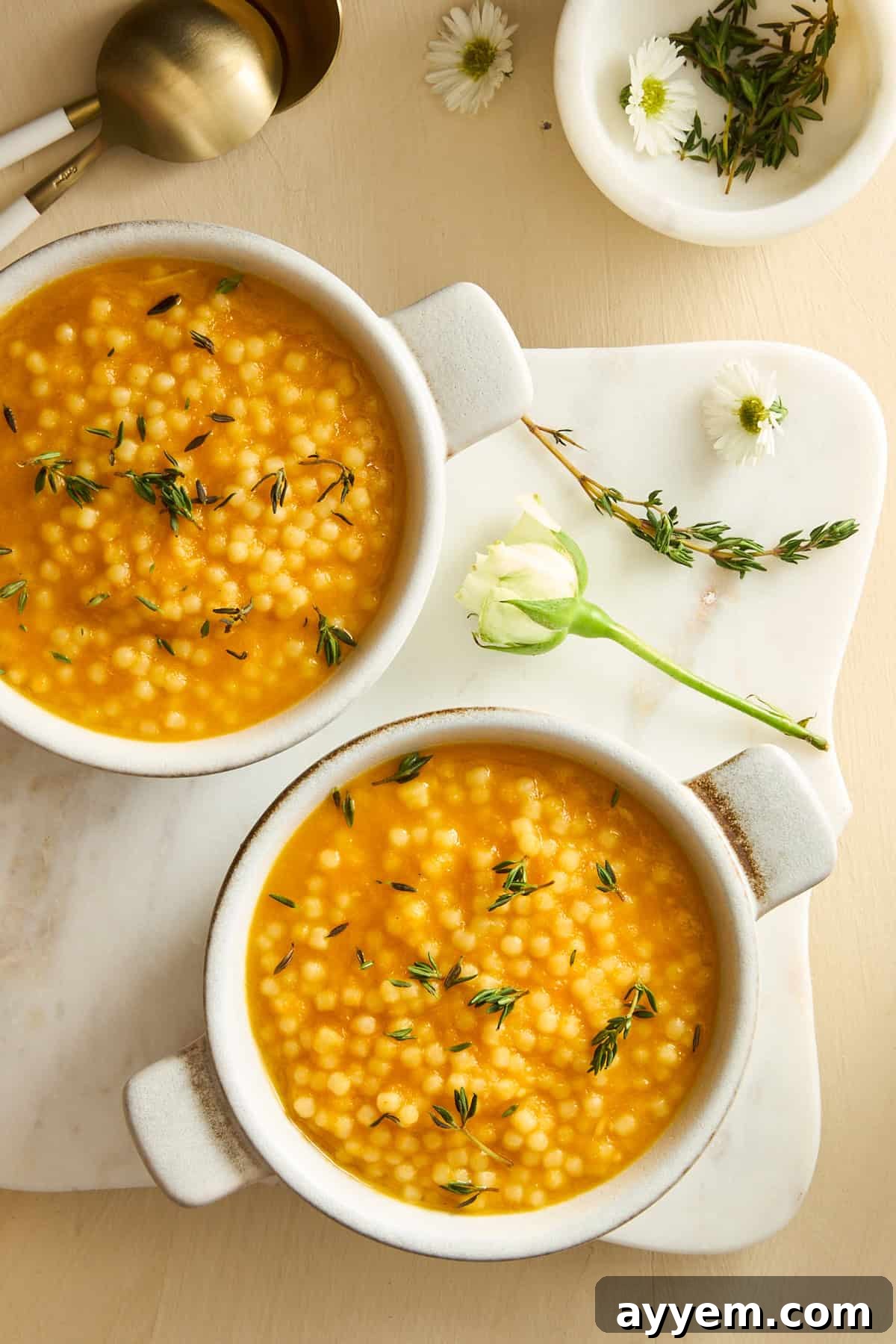
Pastina Soup is more than just a meal; it’s a culinary embrace, a spoonful of pure comfort that transports you to simpler times. This beloved Italian classic is renowned for its heartwarming qualities, offering a cozy, satisfying, and deeply nourishing experience. Crafted from a handful of simple, wholesome ingredients, it gracefully comes together in one exquisite bowl of warm, flavorful goodness, making it the ultimate remedy for chilly evenings or a gentle pick-me-up.
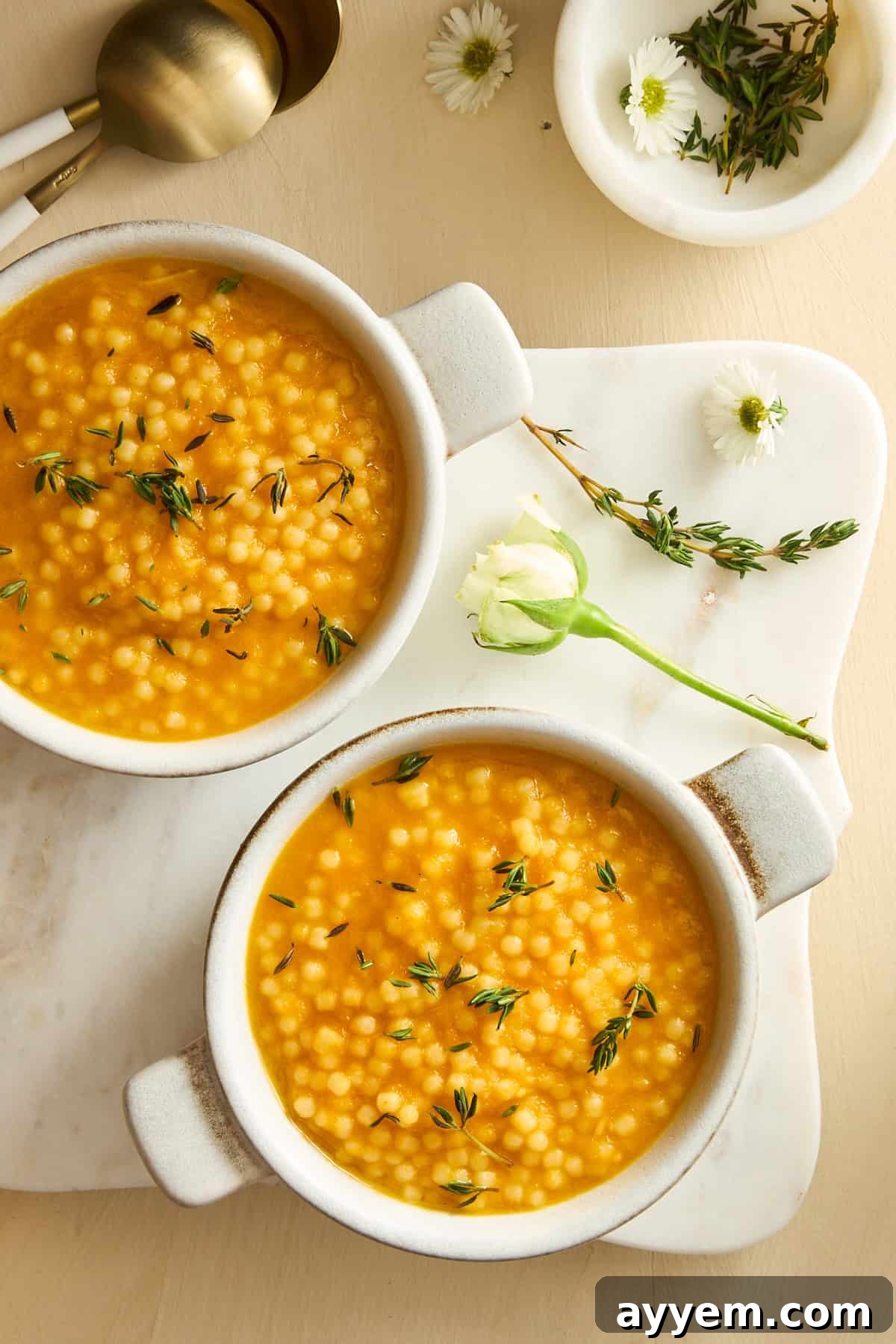
What is Pastina Soup? A Deeper Dive into this Italian Classic
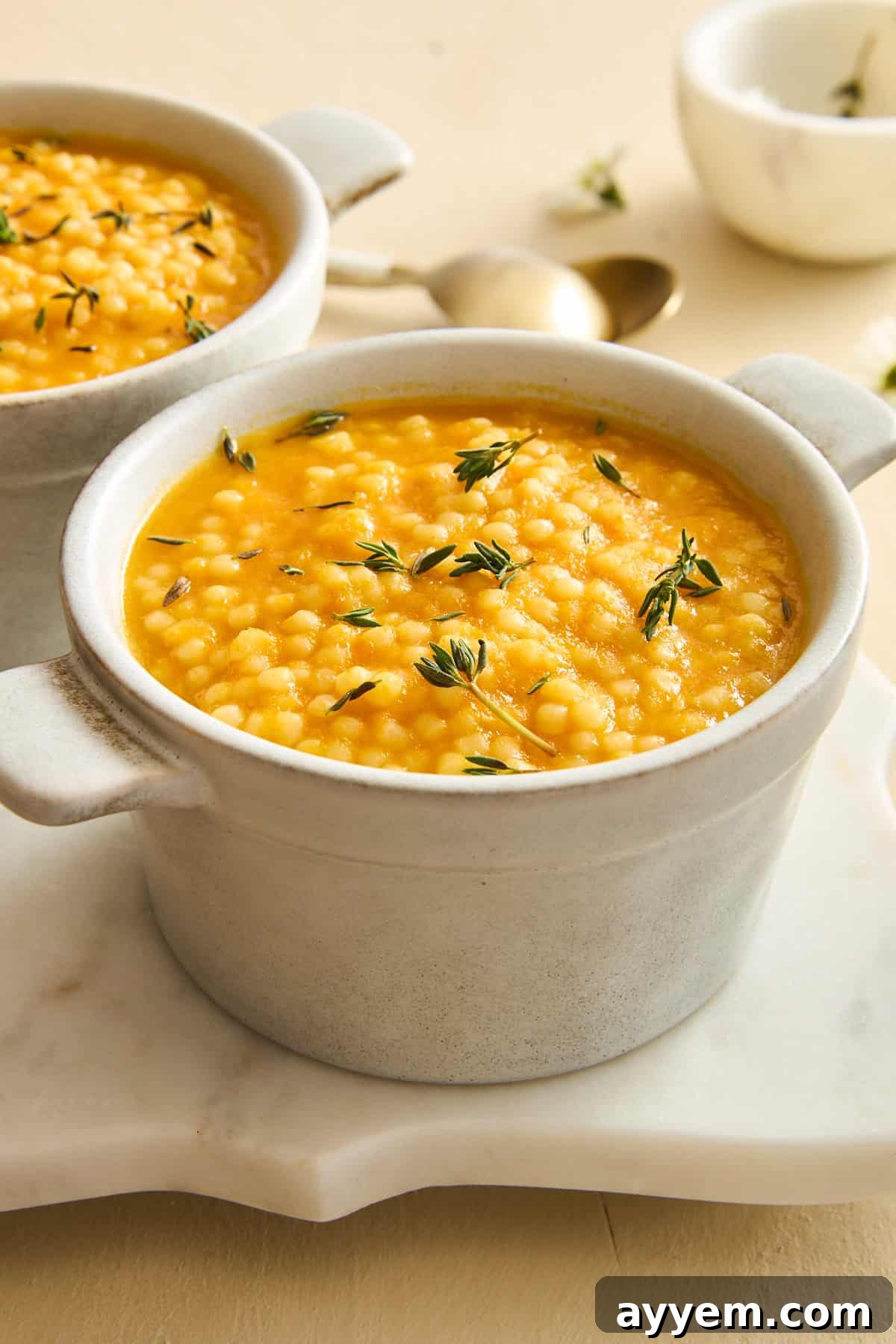
Pastina soup stands as a testament to Italian culinary wisdom: using minimal ingredients to create something truly extraordinary and comforting. At its heart, it’s a delicate broth-based soup featuring tiny pasta, typically served when a touch of warmth and nourishment is needed most. For many, it evokes powerful childhood memories, often prepared by loved ones to soothe a cold, offer solace during illness, or simply provide a cozy meal on a brisk day. This deceptively simple soup delivers an unparalleled sense of comfort and satisfaction with every spoonful.
The magic begins with its foundation: a rich, savory broth, often deeply infused with the umami notes of a Parmesan rind as it simmers. This creates a depth of flavor that is both robust and subtle, perfectly complementing the other elements. The star of the show, pastina pasta (meaning “little pasta”), adds a wonderful texture and a comforting heartiness. These minuscule pasta shapes, often resembling tiny stars or beads, absorb the flavorful broth beautifully, making each bite incredibly satisfying. Alongside the pasta, a medley of colorful, finely blended vegetables, like carrots, celery, and onion, are incorporated, providing natural sweetness and essential nutrients, often discreetly hidden for even the pickiest eaters.
While traditionally a light, brothy preparation, pastina soup is remarkably versatile and can be adapted to suit various tastes and dietary needs. Some enthusiasts enjoy whisking in a beaten egg at the end, creating a silken, slightly richer texture reminiscent of Italian stracciatella. For those seeking additional protein, shredded cooked chicken can be stirred in, transforming it into a more substantial meal. Vegetarian versions can easily be made by swapping chicken broth for a high-quality vegetable broth. No matter how you choose to personalize it, this classic Italian pastina soup is destined to become a cherished household favorite, celebrated for its nostalgic charm, nourishing qualities, and super-satisfying simplicity. It’s truly a hug in a bowl, perfect for any occasion when you crave something genuinely comforting and wholesome.
Essential Ingredients for Your Perfect Pastina Soup
Crafting a truly exceptional pastina soup relies on a selection of fresh, high-quality ingredients that build layers of flavor. Each component plays a crucial role in achieving that signature comforting taste. Here’s what you’ll need, along with why each ingredient is key:
- Low-Sodium Chicken Broth – This is the soul of your soup. Opting for a low-sodium chicken broth is essential as it gives you complete control over the final saltiness of your dish. A good quality broth ensures a rich, savory base without being overly salty, allowing the other flavors to shine.
- Yellow Onion – Sliced into large pieces, yellow onion contributes a foundational natural sweetness and aromatic depth to the broth as it slowly simmers. It mellows beautifully, creating a subtly sweet backdrop without being overpowering.
- Carrots – Cut into thin strips or smaller pieces, carrots soften during cooking, releasing their inherent sweetness and vibrant color into the soup. They add a touch of earthiness and essential vitamins, enhancing both flavor and nutrition.
- Celery – Large pieces of celery infuse the broth with its distinct, earthy flavor. This provides a crucial balance to the sweetness of the carrots and onions, adding complexity and a fresh, green note that is indispensable in a classic soup base.
- Garlic – Whole cloves of garlic are a must for that subtle, yet irresistible, warm and pungent undertone. As they cook down in the broth, they impart a gentle garlicky essence that deepens the overall savory profile of the soup.
- Parmesan Rind – This is your secret weapon for an elevated flavor profile. Adding a discarded rind from a block of Parmesan cheese while the broth simmers bestows an extra layer of umami, nuttiness, and a luxurious richness that will transform your simple broth into something truly gourmet. Don’t skip this step!
- Kosher Salt – A foundational seasoning. A good pinch of kosher salt is vital for awakening and enhancing all the other wonderful flavors in the soup. Remember to adjust it to your personal taste throughout the cooking process.
- Pastina or Acini di Pepe – These tiny pasta shapes are the namesake and heart of the dish. They are designed to soak up the flavorful broth, providing the soup with its characteristic comforting texture and substantial body. If you can’t find pastina, acini di pepe is an excellent alternative.
- Fresh Parsley – Finely chopped and sprinkled generously on top just before serving, fresh parsley adds a burst of vibrant color, a fresh herbaceous aroma, and a clean, bright flavor that lifts the entire dish.
- Grated Parmesan Cheese – A final flourish of grated Parmesan cheese is non-negotiable for serving. It melts slightly into the hot soup, adding a salty, nutty, and wonderfully cheesy richness to every single spoonful, completing the classic pastina soup experience.
Crafting the Perfect Bowl: How to Make Pastina Soup
Making pastina soup is a delightfully straightforward process, broken down into a few easy steps. The beauty lies in its simplicity and the way flavors naturally meld to create a truly comforting dish. Follow these instructions to bring this nourishing Italian classic to your table:
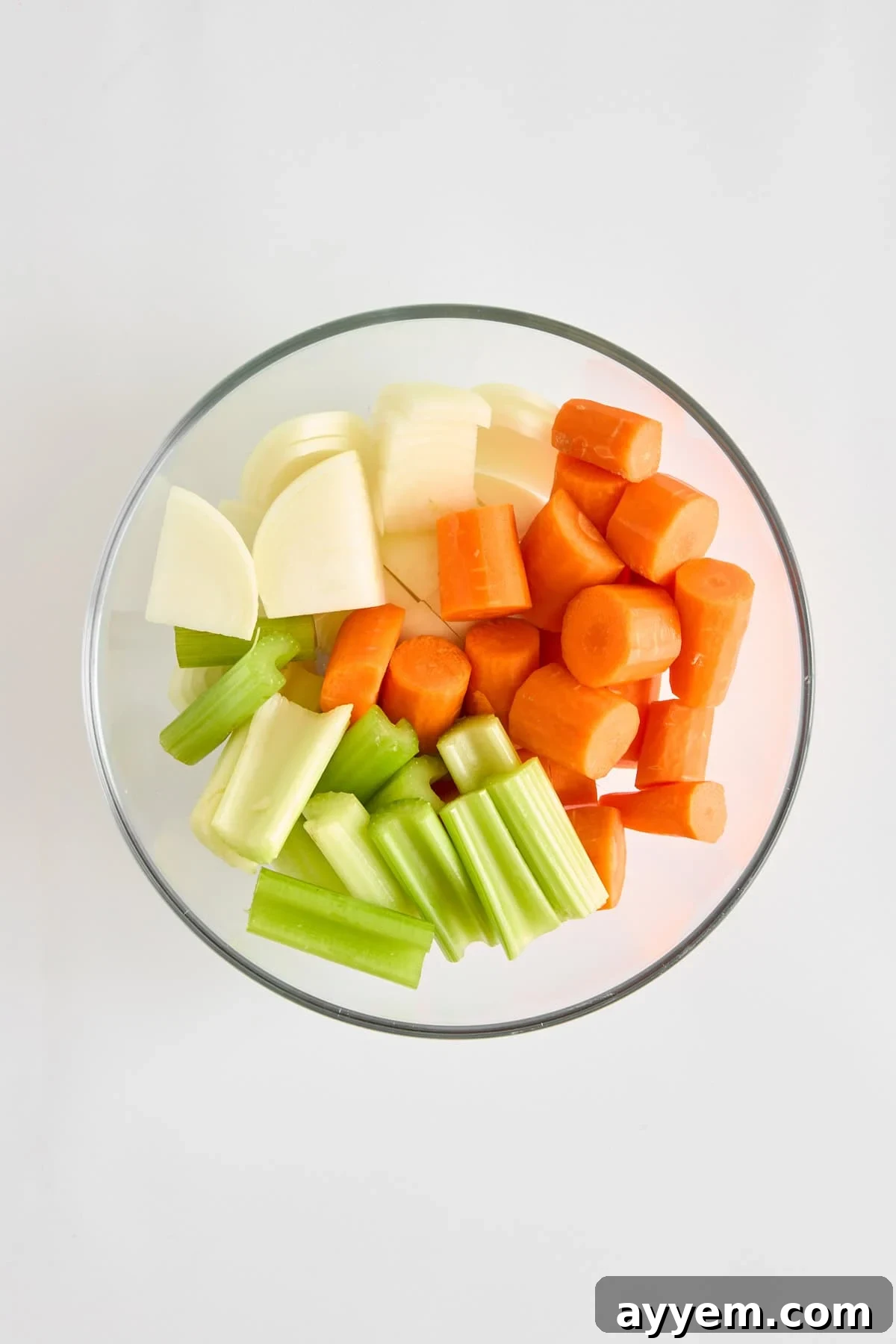
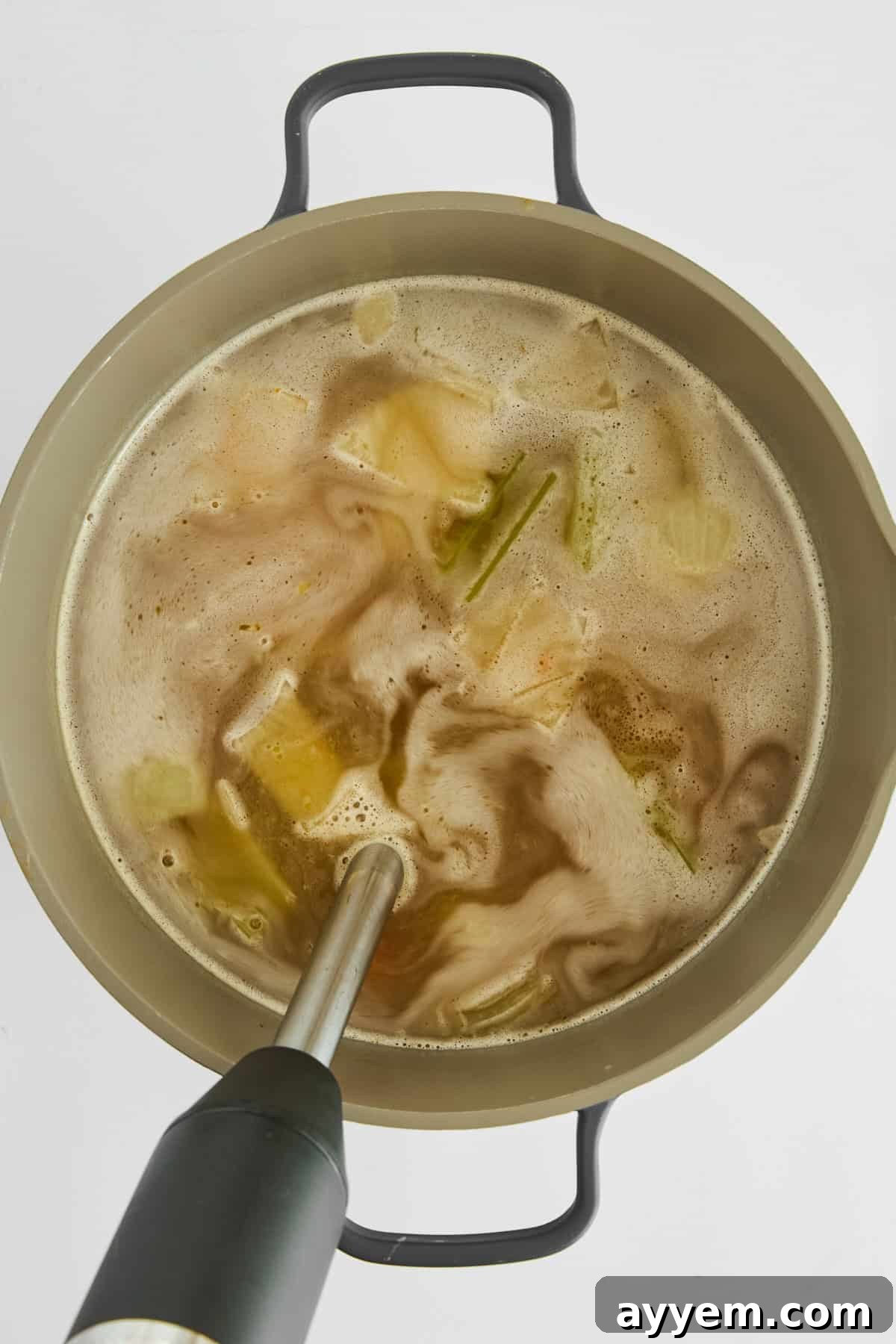
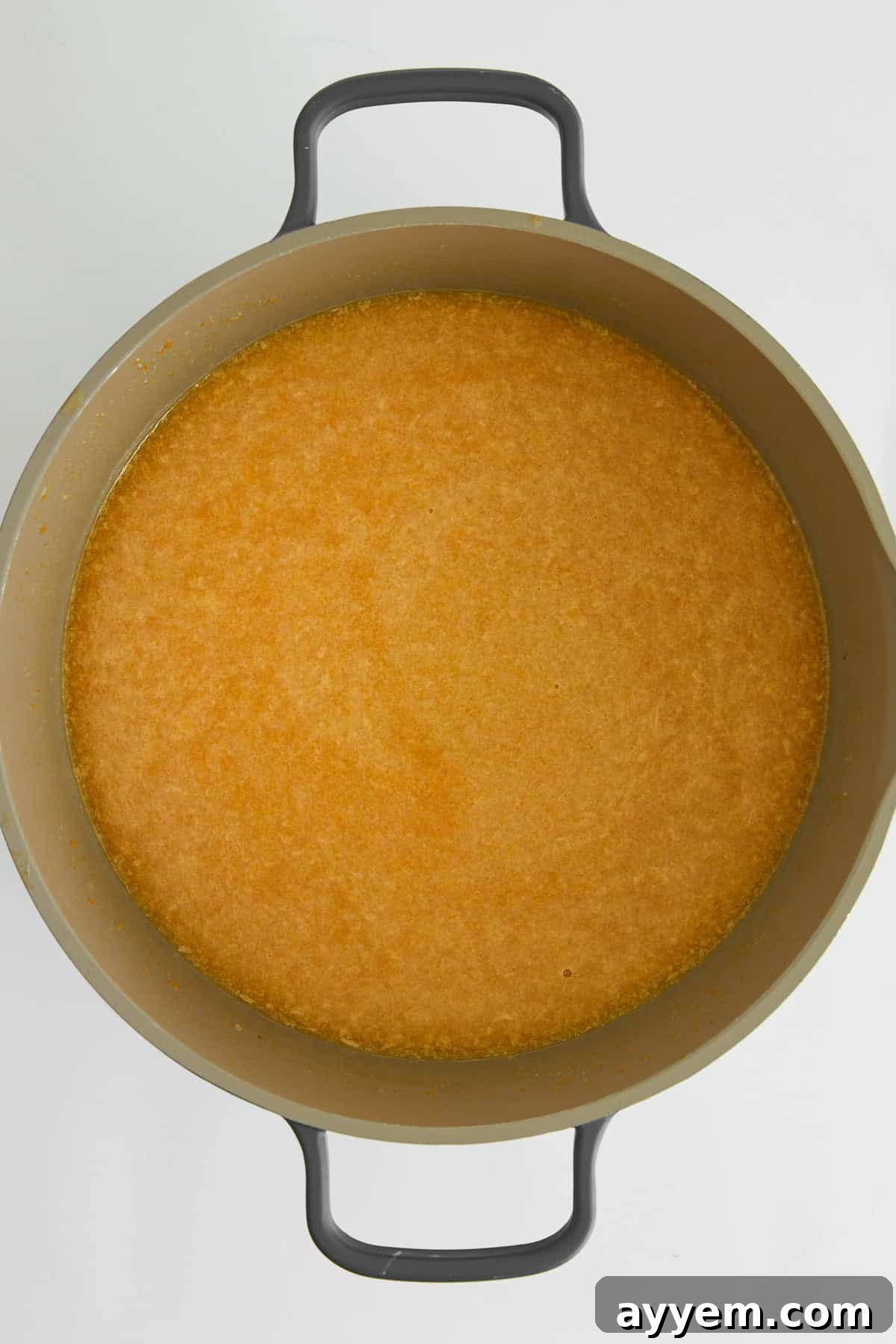
- Build the Aromatic Broth: Begin by combining the low-sodium chicken broth, large pieces of yellow onion, sliced carrots, celery, whole garlic cloves, and that essential Parmesan rind in a large, heavy-bottomed pot. Add a initial pinch of kosher salt. Bring this mixture to a rolling boil over high heat. Once boiling, reduce the heat to low, cover the pot tightly, and allow it to gently simmer. This slow simmering process, for about 20 to 30 minutes, is crucial for the vegetables to become fork-tender and for all the flavors to deeply infuse into the broth, creating a rich and aromatic foundation.
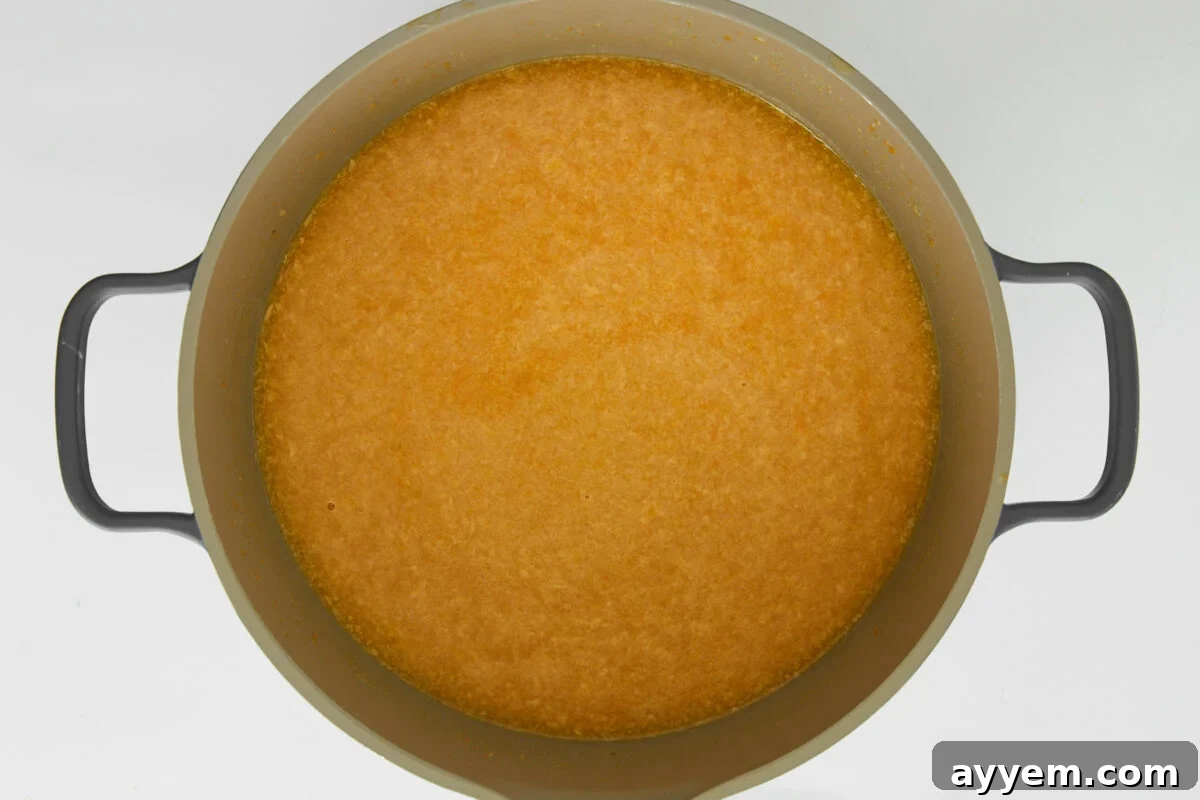
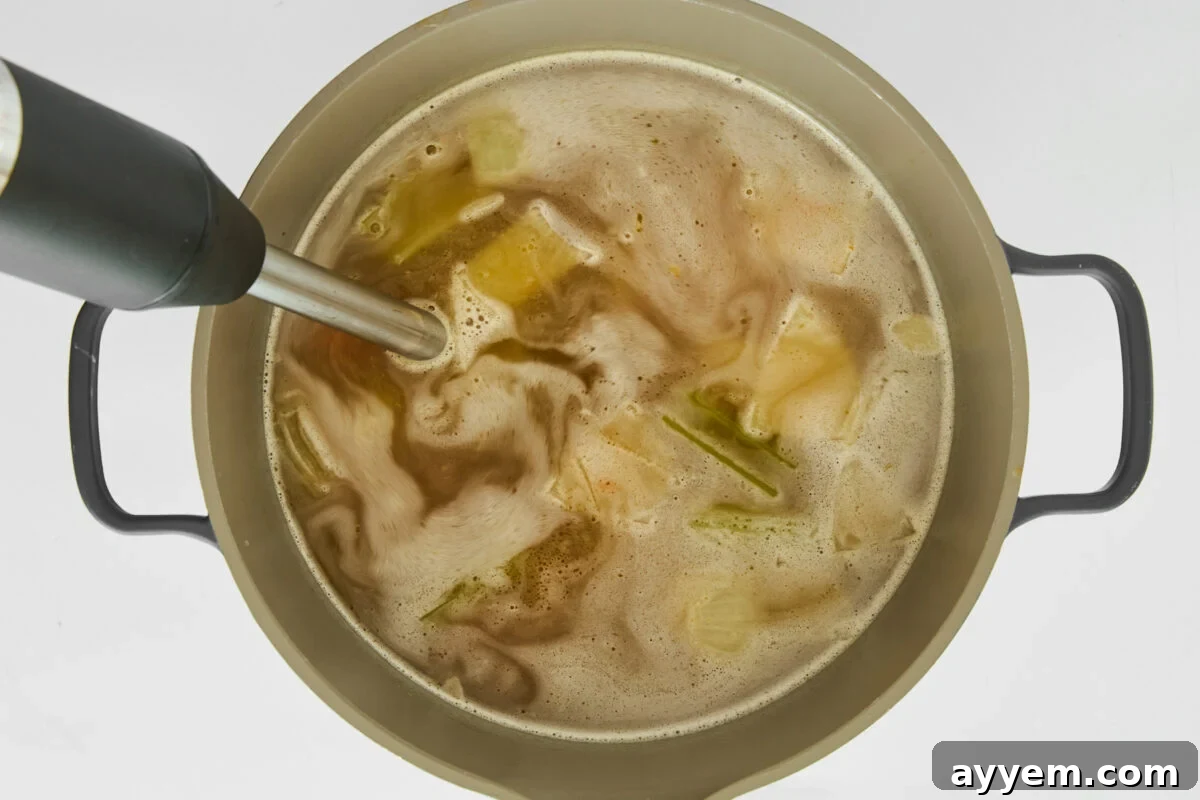
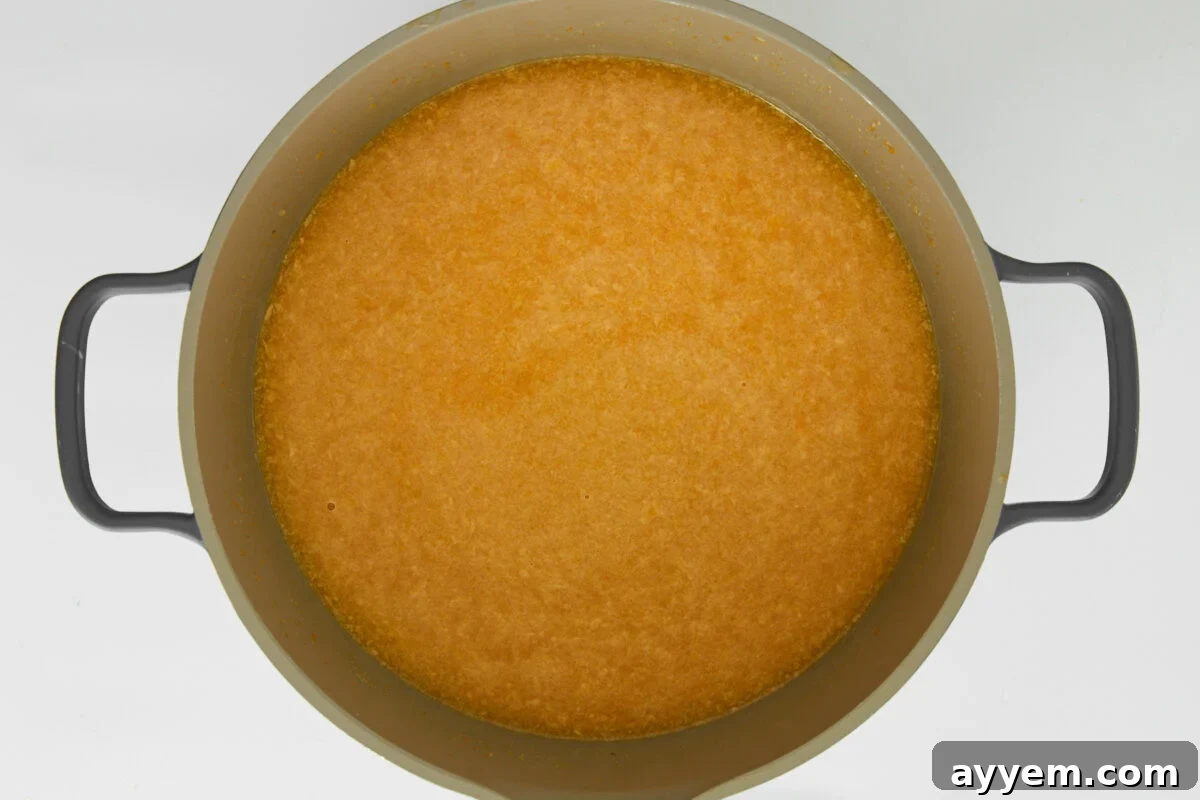
- Puree the Nourishing Vegetables: Once your vegetables are perfectly tender and the broth is deeply flavorful, carefully remove the Parmesan rind (it has served its purpose!). Using a slotted spoon, transfer the softened vegetables and garlic cloves from the broth into a blender or food processor. For an even easier method, an immersion blender can be used directly in the pot. Ladle in a bit of the simmering broth – just enough to help the blending process – and process until the mixture is completely smooth and creamy. This step is a fantastic way to incorporate nutrients and body into your soup without visible chunky vegetables, making it ideal for those who prefer a velvety texture. Stir the smooth, pureed vegetables back into the broth in the pot, enriching the soup’s consistency and flavor.
- Cook the Delicate Pasta: Increase the heat beneath the pot again, bringing the now-enriched broth back to a gentle boil. Once bubbling, stir in the pastina pasta. Continue to boil, stirring occasionally to prevent the tiny pasta from sticking to the bottom of the pot or clumping together. Pastina cooks very quickly, typically becoming tender in just about 3 minutes. Keep a close eye on it to ensure it reaches al dente perfection—tender but not mushy. As soon as the pastina is cooked to your liking, remove the soup from the heat to prevent overcooking.
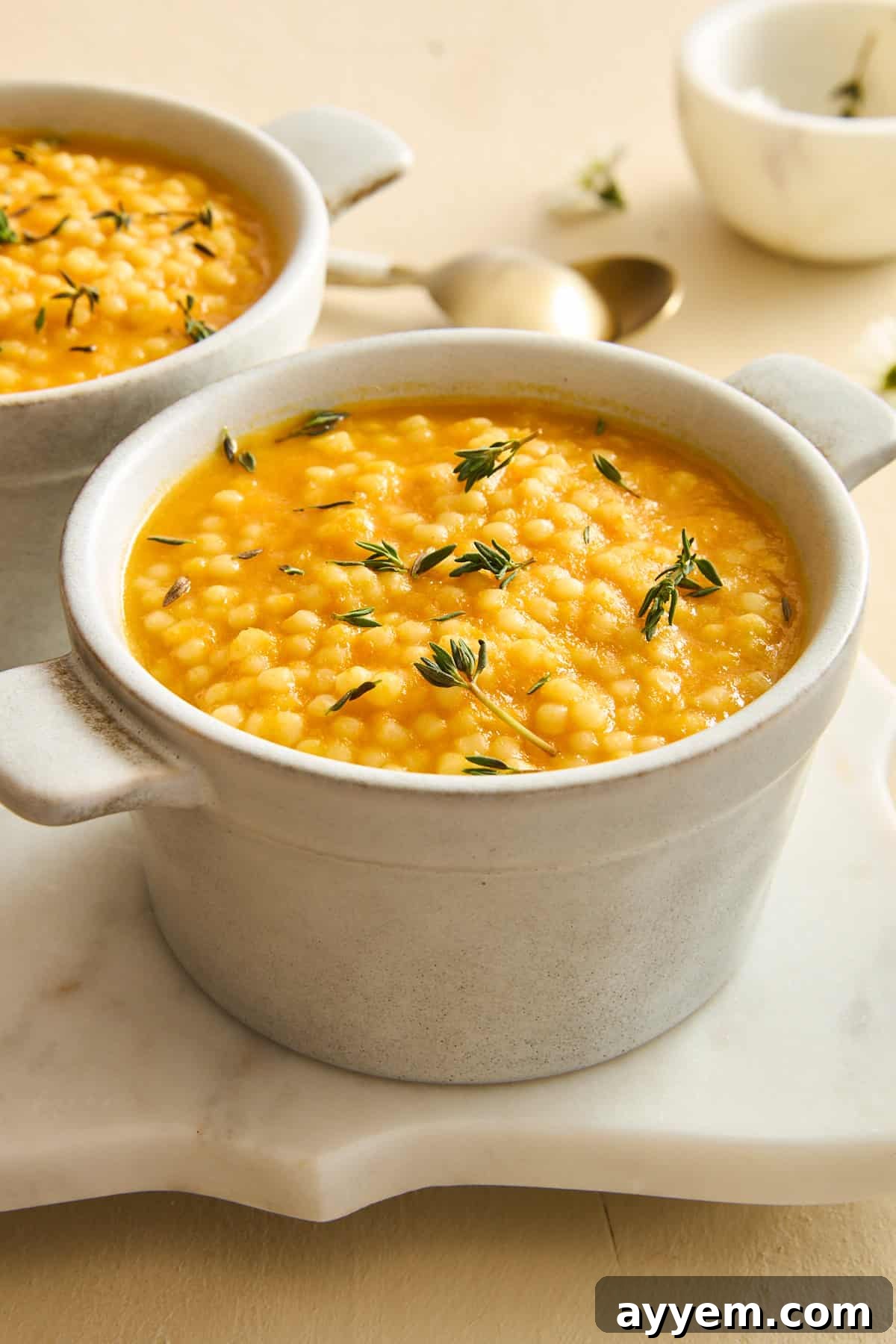
- Season and Serve with Flair: Before serving, taste the soup and adjust the seasoning. If it tastes a little flat, add more kosher salt a pinch at a time until the flavors truly pop. Ladle the hot pastina soup into individual serving bowls. For the finishing touches, generously sprinkle each bowl with freshly chopped parsley leaves, which add a vibrant color and fresh aroma, and a mound of grated Parmesan cheese for that ultimate salty, nutty, and creamy finish. Serve immediately and enjoy this comforting masterpiece.
- Chef’s Note: If you anticipate having leftovers and prefer a thinner broth, consider cooking the pastina separately. Boil the pasta in a separate pot of salted water until al dente, then spoon the cooked pastina into individual serving bowls and pour the hot, flavorful broth over it just before garnishing and serving. This method helps maintain the broth’s consistency for longer.
Exciting Variations to Customize Your Pastina Soup
One of the many charms of Pastina Soup is its incredible adaptability. While the classic version is perfect as is, it serves as a wonderful canvas for culinary creativity. Feel free to experiment with these delicious variations to make it uniquely yours or to suit different dietary preferences:
- Hearty Chicken Pastina: For an added boost of protein and a more substantial meal, stir in some shredded cooked chicken breast or rotisserie chicken at the very end of the cooking process, just before serving. This transforms it into a full-fledged chicken noodle soup with tiny pasta.
- Silky Egg Drop: For an extra layer of richness and a delightful, velvety texture reminiscent of Italian stracciatella, whisk one or two beaten eggs directly into the hot soup during the final minute of cooking. Stir continuously to create delicate ribbons of cooked egg throughout the broth.
- Wholesome Vegetarian Option: Easily transform this recipe into a meat-free delight by substituting chicken broth with a high-quality vegetable broth. The Parmesan rind still adds a wonderful umami depth, keeping it flavorful and satisfying for vegetarians.
- Bright Lemon Zest: A squeeze of fresh lemon juice added just before serving can work wonders. It brightens up all the flavors in the soup, adding a wonderful tangy note that provides a refreshing contrast to the richness. You can also add a pinch of lemon zest for even more aroma.
- A Hint of Spice: If you enjoy a touch of heat, a pinch of red pepper flakes stirred into the broth as it simmers will add a gentle warmth without overpowering the delicate flavors of the soup. Start with a small amount and add more to taste.
- Alternative Pasta Shapes: Can’t find pastina? No problem! Other small pasta shapes work beautifully. Consider orzo, ditalini, tiny stelline (stars), or even broken vermicelli for a similar comforting effect. Adjust cooking times according to package directions.
- Fresh Herb Boost: Beyond parsley, fresh herbs can add another delightful dimension. A sprig of fresh thyme or a few torn basil leaves added during the last few minutes of simmering, or as a garnish, can introduce new aromatic complexities.
- Cheese Varieties: While Parmesan is traditional, experiment with other hard Italian cheeses like Pecorino Romano for a sharper, saltier kick, or a blend of Italian cheeses for a more complex flavor profile.
- Green Goodness: Stir in a handful of fresh spinach or finely chopped kale during the last minute of cooking for added greens and nutrients. They will wilt quickly into the hot broth.
Storing Leftovers for Future Comfort
Pastina soup, like many comforting dishes, can be enjoyed as leftovers, but with a slight consideration regarding the pasta. Understanding how to store it properly will ensure you get the best possible experience when reheating.
If you choose to store the pastina soup with the pasta already mixed into the broth, be aware that the tiny pasta shapes will continue to absorb the liquid over time. This means your soup will likely become significantly thicker, and the pastina might become softer than al dente upon reheating. If you prefer your pastina to maintain a firmer texture and your broth to remain thinner and more prominent, it is highly recommended to cook the pasta separately. Then, add the freshly cooked pastina to individual bowls and pour the reheated broth over it just before serving.
For short-term storage, transfer any leftover pastina soup (with or without the pasta) into an airtight container. It will keep beautifully in the refrigerator for up to 3 days. This makes it an excellent meal prep option for a few days of comforting lunches or quick dinners.
For longer preservation, especially if you made a large batch, it is best to freeze only the broth portion without the pasta. Allow the broth to cool completely, then transfer it to freezer-safe containers or bags. It can be frozen for up to 3 months. When you’re ready to enjoy a warm bowl, simply thaw the broth in the refrigerator overnight or gently reheat it on the stovetop. Once the broth is hot, cook a fresh batch of pastina separately, add it to the reheated broth, garnish, and serve. This method ensures optimal texture for the pasta and preserves the integrity of your delicious, nourishing soup.
Common Questions About Pastina Soup Answered
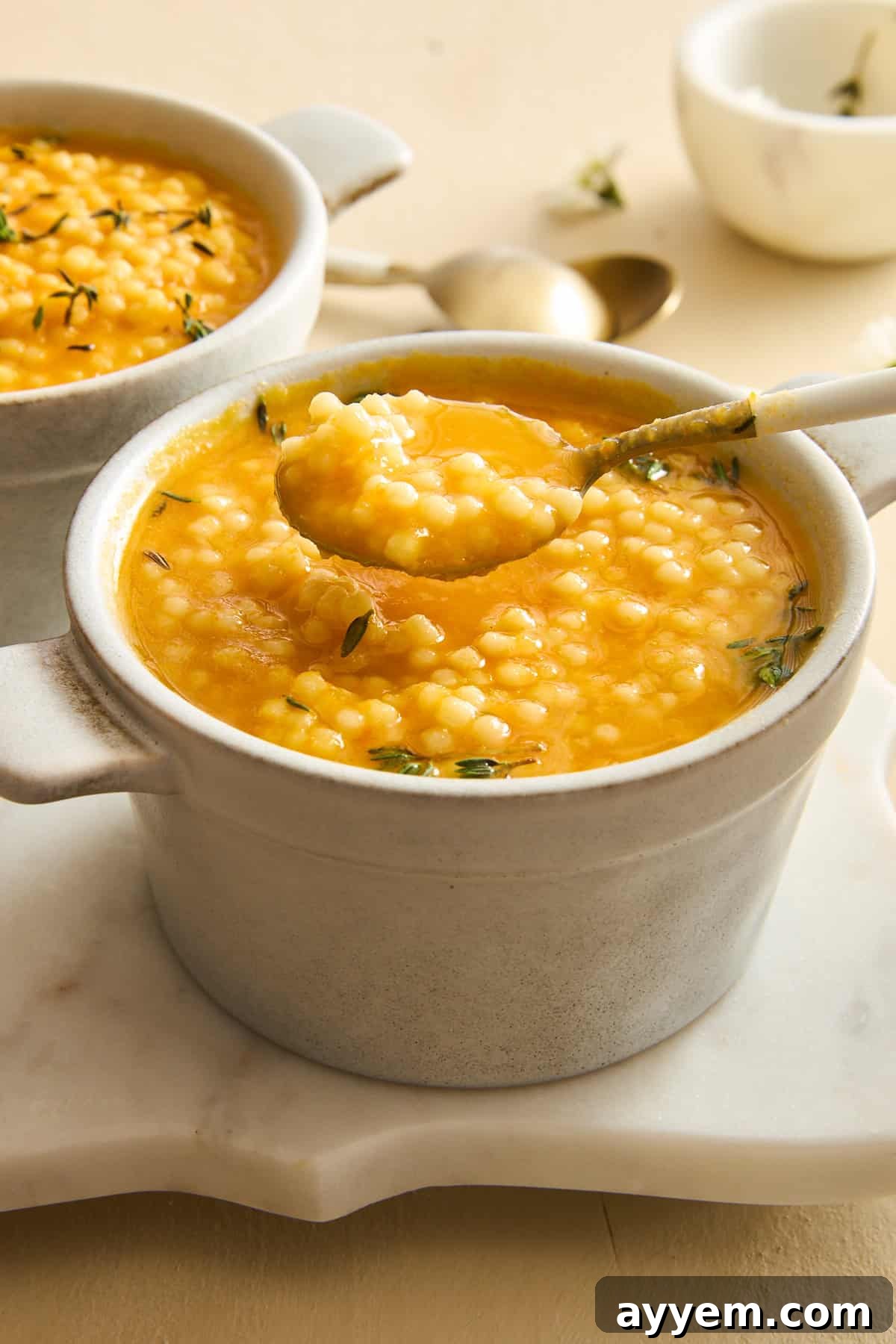
Pastina, which translates to “little pasta” in Italian, refers to a category of very small pasta shapes. Traditionally, it’s made from durum wheat semolina, just like most Italian pasta. You’ll find it in various adorable shapes, but the most common are tiny stars (stelline), small beads (acini di pepe), or little rings (anelli). Its diminutive size makes it ideal for light broths and soups, absorbing flavors beautifully and providing a tender, comforting texture.
Absolutely, store-bought broth works wonderfully for pastina soup! While homemade broth always adds an extra layer of richness, a high-quality, low-sodium store-bought chicken or vegetable broth is a perfectly acceptable and convenient alternative. The key is to select a low-sodium version, as it allows you to precisely control the seasoning of your soup, ensuring it’s never too salty and always perfectly balanced.
Adding a Parmesan rind to your simmering soup broth is a brilliant Italian culinary secret that significantly enhances the flavor. As the rind slowly simmers, it gradually releases its deep, savory umami notes, as well as a subtle nuttiness and a wonderful richness into the broth. It doesn’t fully melt but softens and infuses the liquid with an incredible depth of flavor that can’t be achieved with grated Parmesan alone. It’s a fantastic way to utilize what might otherwise be discarded, adding an authentic, complex layer to your pastina soup.
Yes, making this soup gluten-free is very simple! The main ingredient that contains gluten is the pastina pasta itself. To adapt the recipe, simply swap the traditional pastina for a good quality gluten-free tiny pasta. Many brands offer gluten-free versions of small pasta shapes like orzo or stelline made from corn, rice, or a blend of gluten-free flours. Alternatively, you could use a small amount of rice (like arborio or orzo-shaped rice) for a similar comforting texture, ensuring a delicious and safe meal for those with gluten sensitivities.
Pastina Soup is wonderfully versatile and pairs well with a variety of sides. For a light meal, a slice of crusty bread or garlic bread is perfect for soaking up the delicious broth. A simple green salad with a light vinaigrette offers a refreshing contrast. For a more substantial meal, consider serving it alongside a mild sandwich, such as a grilled cheese, or a light protein like grilled chicken or fish. Ultimately, its comforting nature means it can stand alone as a light, nourishing meal or complement heartier dishes.
More Comforting Soup Recipes to Warm Your Soul
If you’ve enjoyed the comforting embrace of this Pastina Soup and are seeking more recipes that offer warmth and nourishment, you’re in the right place! Explore these other delightful soup creations from our kitchen, each practically a hug in a bowl, perfect for any season or mood.
Easy Cheese Tortellini Soup – A rich and creamy soup featuring tender cheese tortellini, perfect for a hearty family meal.
Cheesy Potato Soup – Indulge in this thick, creamy, and undeniably cheesy potato soup, a true comfort classic.
Creamy Mushroom Soup – Earthy mushrooms simmered in a luscious, velvety broth, offering sophistication and comfort.
Roasted Cauliflower Soup – A surprisingly flavorful and creamy soup made with caramelized roasted cauliflower, a healthy delight.
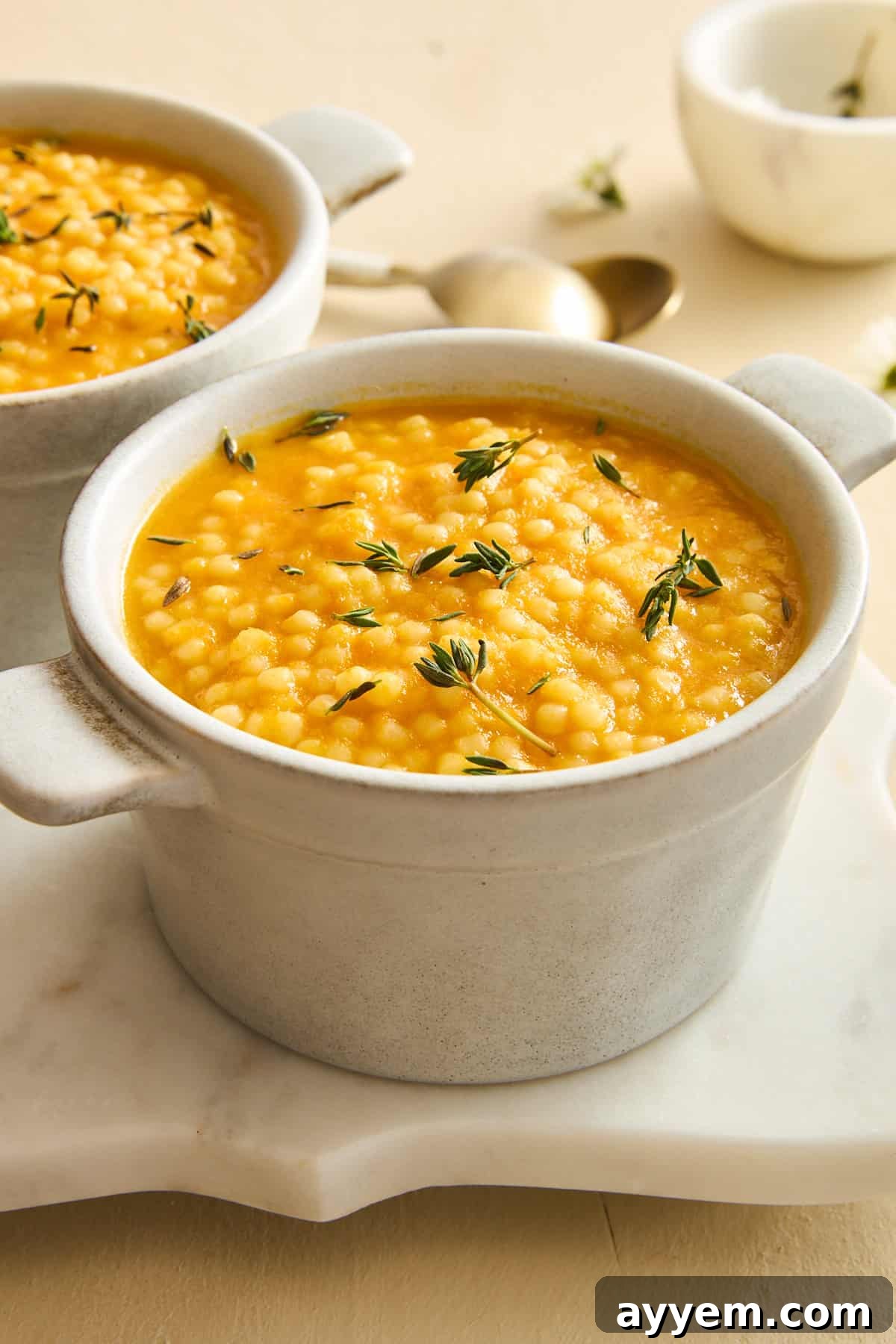
Easy & Comforting Pastina Soup Recipe
★
★
★
★
Food Dolls
4
servings
10 minutes
35 minutes
45 minutes
Ingredients
- 8 cups low-sodium chicken broth
- 1 medium yellow onion sliced into large pieces
- 3 medium carrots about 6 inches long, sliced crosswise and then lengthwise into thin strips
- 3 celery ribs sliced into large pieces
- Kosher salt to taste
- 3 cloves garlic whole
- 1 parmesan rind about 2-inches long
- 1 1/2 cup pastina or acini di pepe
- 1/2 cup finely chopped parsley leaves for garnish
- Grated parmesan cheese for serving
Instructions
-
1. Simmer the broth. In a large pot with a lid, combine the broth, onion, carrots, celery, garlic cloves, parmesan rind, and an initial pinch of salt. Bring this mixture to a boil over high heat, then reduce the heat to low, cover the pot, and let it simmer until all the vegetables are very tender, which usually takes about 20 to 30 minutes. This step is crucial for developing a rich, flavorful base.8 cups low-sodium chicken broth,
1 medium yellow onion,
3 medium carrots,
3 celery ribs,
1 parmesan rind,
Kosher salt,
3 cloves garlic
-
2. Puree the vegetables. Carefully remove and discard the parmesan rind from the pot. Use a slotted spoon to transfer the cooked vegetables and garlic to a food processor or blender. Alternatively, an immersion blender can be used directly in the pot. Add a couple of ladles of the hot broth to the vegetables and blend until the mixture is completely smooth and free of lumps. Scrape the pureed vegetables back into the pot with the broth. This adds body and nutrition to the soup.
-
3. Cook the pasta. Return the broth to high heat and bring it back to a gentle boil. Once boiling, stir in the pastina (or acini di pepe). Continue to boil, stirring occasionally to prevent the pasta from sticking, until the pastina is tender, which typically takes about 3 minutes. Be careful not to overcook it. Once the pasta is cooked, remove the soup from the heat immediately.1 1/2 cup pastina or acini di pepe
-
4. Serve and garnish. Taste the soup and adjust the seasoning as needed; if the flavors aren’t vibrant, a little more salt will make a big difference. Ladle the hot pastina soup into individual serving bowls. Finish each bowl with a generous sprinkle of finely chopped fresh parsley leaves and grated Parmesan cheese. Serve immediately and savor this deliciously comforting Italian classic.1/2 cup finely chopped parsley leaves,
Grated parmesan cheese
Equipment
Nutrition
Serving:
1
serving
|
Calories:
106
kcal
|
Carbohydrates:
7
g
|
Protein:
11
g
|
Fat:
5
g
|
Saturated Fat:
2
g
|
Polyunsaturated Fat:
1
g
|
Monounsaturated Fat:
2
g
|
Cholesterol:
5
mg
|
Sodium:
252
mg
|
Potassium:
431
mg
|
Fiber:
0.1
g
|
Sugar:
1
g
|
Vitamin A:
183
IU
|
Vitamin C:
1
mg
|
Calcium:
79
mg
|
Iron:
1
mg
Nutrition information is automatically calculated and should be used as an approximation.
Enjoyed this comforting recipe?
Please leave a comment below and let us know what you think! Your feedback helps others discover delicious meals.