
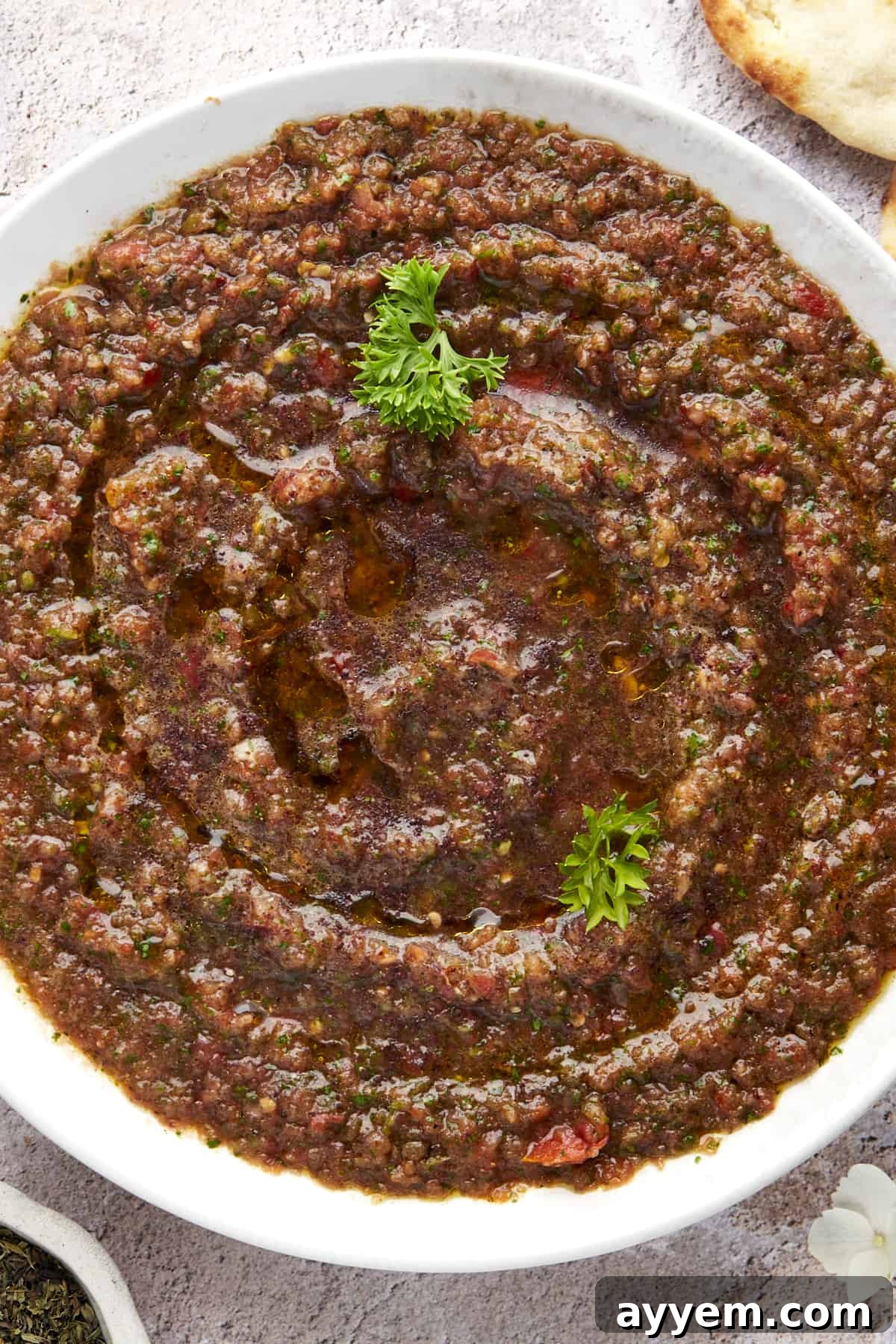
Embark on a culinary journey to the vibrant heart of Turkey with this incredibly simple yet profoundly authentic Turkish Ezme recipe. This refreshing and intensely flavorful dip, salad, or spread is a cornerstone of Turkish cuisine, promising to invigorate your palate with every bite. Whether you’re seeking the perfect accompaniment for a crusty loaf of fresh bread, a zesty dip for succulent kebabs, or a bright, healthy addition to your mezze spread, Ezme is a versatile dish that delivers on taste and simplicity.
Its harmonious blend of fresh vegetables and aromatic spices creates an unforgettable experience, making it a staple for anyone eager to explore the rich tapestry of Mediterranean and Middle Eastern flavors. This no-cook recipe emphasizes fresh ingredients and straightforward preparation, ensuring a delightful result every time. (For more authentic Turkish culinary delights, be sure to explore our recipes for Turkish pasta and Turkish poached eggs, offering further glimpses into the diverse tastes of Turkey.)
What is Turkish Ezme? A Culinary Gem
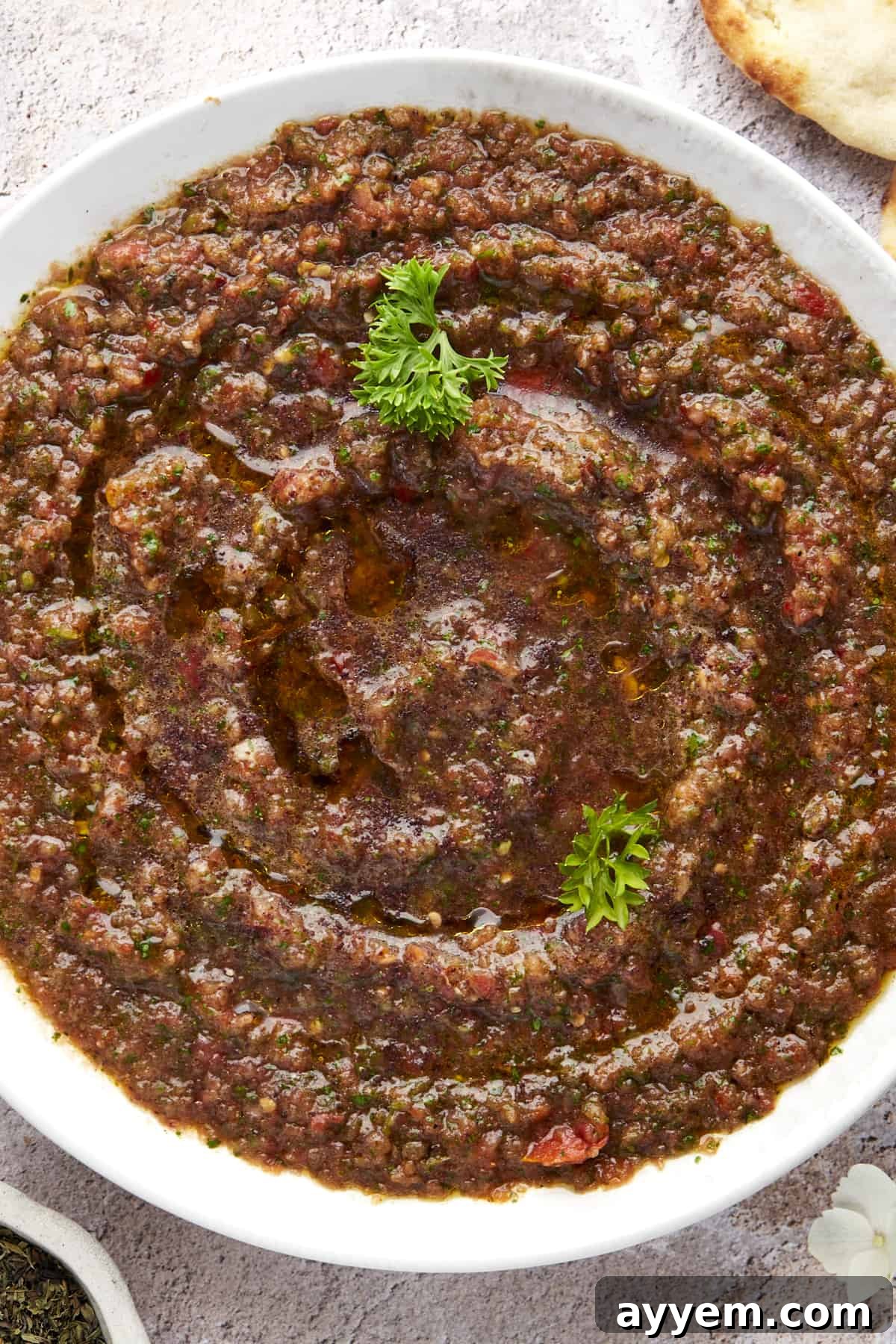
Ezme, pronounced “ez-meh,” is more than just a dish; it’s a celebration of freshness in Turkish and Mediterranean cooking. The word “ezme” itself carries the literal meaning of “crushed” or “smashed” in Turkish, perfectly describing the preparation method that yields its distinctive chunky, yet cohesive, texture. This vibrant appetizer, often likened to a finely chopped salsa or a rich tapenade, stands out with its bright red hue and exhilarating blend of savory, sweet, and spicy notes.
Originating from the southeastern regions of Turkey, particularly Gaziantep, a city renowned for its rich culinary heritage, Ezme has become a beloved accompaniment across the entire country and beyond. It typically features a base of intensely flavorful fresh tomatoes, often complemented by various peppers, onions, and garlic, all brought together with a generous drizzle of olive oil and a medley of authentic Turkish seasonings. While the core ingredients remain consistent, every region, and indeed every household, boasts its unique interpretation. Some variations, known as acılı ezme, emphasize a spicier profile with the addition of extra hot chili peppers or a more liberal use of red pepper flakes, catering to those who crave an extra kick.
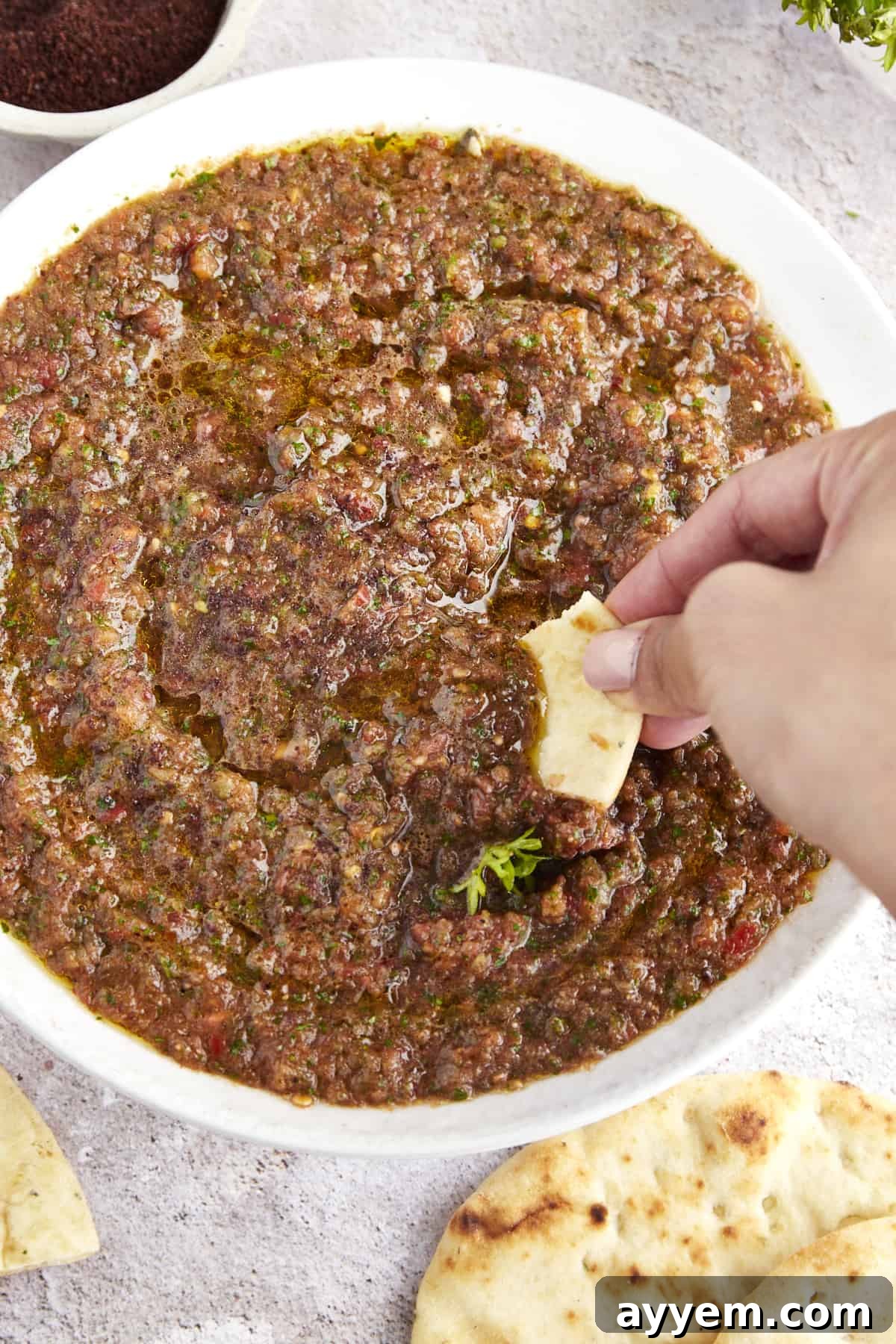
Most commonly, Ezme is enjoyed as a vital component of a mezze platter, a delightful array of small dishes served as appetizers. It pairs exquisitely with warm, fluffy pita bread or traditional lavash, making it ideal for dipping. Beyond mezze, it’s a fantastic condiment for grilled meats, especially kebabs, where its freshness beautifully cuts through the richness of the meat. Its versatility ensures there’s never a wrong time to savor this refreshing Turkish delight, whether it’s part of a lavish feast or a simple, healthy snack.
Unpacking the Flavors: What Goes Into Authentic Ezme?
As with many traditional recipes, each Ezme will have its own subtle nuances, reflecting local tastes and family traditions. Our rendition, however, is carefully crafted to deliver a symphony of flavors – a harmonious balance of natural sweetness from ripe tomatoes, a tantalizing kick of spice, and a profound savory depth. The result is an Ezme that is not just irresistible but truly unforgettable, made with a selection of premium, fresh ingredients that sing together.
Here’s a closer look at the essential components that bring our Ezme to life:
- Farm-Fresh Vegetables – The backbone of our Ezme comprises plump, ripe tomatoes, a crisp yellow onion, pungent garlic, vibrant red bell pepper, verdant green bell pepper, fiery jalapeños, and potent red chili peppers. This combination forms a robust base, offering a kaleidoscope of flavors, essential nutrients, satisfying crunch, and a customizable degree of heat. The quality and freshness of these vegetables are paramount for the best Ezme experience.
- Bright Fresh Parsley – A generous amount of freshly chopped parsley is vital. It introduces a burst of herbaceous freshness that beautifully balances the spice and richness of the other ingredients, adding a lovely aroma and a touch of vivid green color.
- Zesty Lemon Juice – Freshly squeezed lemon juice is always preferred for its bright, tangy acidity, which awakens all the other flavors and adds a crucial zing. While bottled varieties can be used in a pinch, fresh juice elevates the Ezme to another level.
- Concentrated Tomato Paste – A small but mighty ingredient, tomato paste deepens the tomato flavor profile, adds a subtle sweetness, and helps to slightly thicken the mixture, giving it a richer body.
- Tangy Pomegranate Molasses – A true hallmark of Middle Eastern cuisine, pomegranate molasses (nar ekşisi in Turkish) is indispensable for its unique sweet and tart, slightly syrupy flavor. It lends a distinctive fruity complexity that is utterly addictive and truly defines the authentic taste of Ezme.
- Rich Olive Oil – Extra virgin olive oil is crucial for both flavor and texture. It binds the ingredients, emulsifies the mixture, adds a silky richness, and contributes a wholesome, fruity note that enhances the overall savoriness.
- Aromatic Seasonings – A carefully selected blend of spices is key to Ezme’s complex profile. We use sea salt to enhance all flavors, red pepper flakes for adjustable heat, earthy sumac for its lemony tang and deep red color, and fragrant dried mint for a refreshing coolness that beautifully complements the other vibrant ingredients. This combination results in a rich, savory, earthy, spicy, and wonderfully refreshing dish.
Chef’s Note: While our recipe focuses on core ingredients, many Ezme variations include delightful additions. Some culinary enthusiasts incorporate chopped walnuts for an added layer of richness and a pleasant textural contrast, while others might add finely diced cucumbers for an extra burst of refreshing flavor and a crisp crunch, making the dish even more dynamic. Feel free to experiment with these options to tailor Ezme to your personal preference!
Crafting Perfection: An Easy, No-Cook Ezme Recipe
Prepare to be amazed by how effortless it is to create this sensational Ezme recipe. With zero cooking required, a trusty food processor, and just a few simple steps, you’ll have a fresh, vibrant, and utterly delicious Turkish Ezme ready in what feels like the blink of an eye. This method ensures maximum flavor with minimum fuss, perfect for busy weeknights or impromptu gatherings.
- Precision Vegetable Preparation: Begin by thoroughly washing all your vegetables to ensure cleanliness. Then, roughly chop your tomatoes, yellow onion, and garlic cloves. This initial chop makes them easier for the food processor to handle. For the bell peppers (red and green), jalapeño, and red chili pepper, carefully remove all seeds and membranes. This step is crucial for controlling the heat level and achieving a smooth texture. Once deseeded, slice these peppers into smaller, manageable pieces to facilitate even processing.
- The Art of Processing: Transfer all your prepared vegetables (tomatoes, onion, garlic, and all peppers) along with the fresh parsley into a food processor that’s fitted with a sharp chopping or mixing blade. The key here is to pulse the ingredients. Use short, quick bursts rather than continuous blending. This technique ensures that the vegetables are finely chopped and beautifully combined, yet retain a distinct, chunky consistency. Be vigilant not to over-process the mixture; we are aiming for a rustic, salsa-like texture, not a smooth puree or paste. A slightly chunky texture is characteristic of authentic Ezme.
- Flavor Integration: Once the vegetables have reached the desired texture, carefully transfer the finely chopped mixture from the food processor to a large mixing bowl. Now, add the remaining cast of flavor-enhancing ingredients: the tangy lemon juice, concentrated tomato paste, unique pomegranate molasses, rich olive oil, salt, red pepper flakes (adjusting to your desired level of heat), earthy sumac, and refreshing dried mint. Using a spatula or large spoon, stir all the ingredients together thoroughly. Ensure everything is well combined and evenly coated, allowing the various flavors to begin to meld. At this stage, it’s essential to taste the mixture and adjust the seasonings as necessary – perhaps a touch more salt, a squeeze of lemon, or an extra dash of spice to suit your personal preferences.
- The Essential Chill: This final step is crucial for optimal flavor development and a truly refreshing experience. Cover the Ezme salad tightly with plastic wrap or a lid, and place it in the refrigerator. Allow it to chill for at least 30 minutes before serving. This resting period is not merely for cooling; it allows all the individual flavors to deepen, marry, and fully integrate, resulting in a much more cohesive and robust taste. A chilled Ezme is far more refreshing and delightful, especially on a warm day.
Versatile Serving Suggestions for Turkish Ezme
Get ready to captivate your guests and elevate any meal with this show-stopping Ezme salad! Its vibrant colors and explosive flavors make it an instant favorite, whether served as an elegant side dish or a captivating appetizer. Witness the magic as this simple dish transforms your dining experience. Here are some inspired serving suggestions to help you make the most of your homemade Ezme:
As the Star of a Mezze Platter: Ezme truly shines on a traditional Mediterranean mezze platter. Arrange it beautifully alongside other dips and appetizers like creamy hummus, smoky baba ganoush, rich muhammara, tangy labne with a swirl of olive oil, and crispy spanakopita triangles. Don’t forget an abundance of warm, fluffy pita bread, crunchy pita chips, or crusty artisanal bread for dipping. The textural contrast and medley of flavors will leave your guests utterly impressed.
Perfect Main Course Companion: Beyond appetizers, Ezme excels as a refreshing condiment or side dish for a variety of main courses. Its bright acidity and spicy kick make it an ideal partner for rich, grilled proteins. Serve it generously alongside traditional Turkish kebabs, grilled chicken, lamb chops, or even grilled fish. It also complements our air fryer lime chicken, savory beef kofta, or tender chicken kofta. Its versatility means it pairs well with virtually any grilled meat or roasted vegetable dish, adding a burst of freshness and flavor.
Beyond the Plate: Get creative! Spread Ezme on toast or crackers for a quick, healthy snack. Use it as a vibrant spread in sandwiches or wraps to add a Mediterranean flair. Spoon it over scrambled eggs or an omelet for a unique breakfast twist. Its vibrant flavor can even enliven a simple bowl of grains like bulgur or quinoa.
The beauty of Ezme lies in its adaptability. Don’t hesitate to experiment with different pairings and presentations to discover your favorite way to enjoy this Turkish culinary masterpiece!
Common Questions About This Authentic Turkish Ezme Recipe
Absolutely! Authentic Turkish Ezme is known for its invigorating, flavorful punch, thanks to a combination of fresh peppers, ripe tomatoes, and chili flakes. The beauty of homemade Ezme is that you have complete control over the heat level. You can easily amplify the spiciness by adding more jalapeños or red chili peppers, or temper it by reducing them. It’s all about tailoring it to your desired heat threshold for a truly personalized experience.
Ezme’s texture is one of its defining characteristics. It should be finely chopped but still possess a pleasingly chunky consistency – imagine a delightful cross between a robust homemade salsa and a rustic Italian bruschetta topping. The goal is to have a vibrant mix of distinct tomato, pepper, and herb bits in every single scoop. Avoid over-processing, as a smooth puree would diminish the authentic experience and satisfying mouthfeel that Ezme is famous for.
While both Ezme and tabbouleh are renowned for their incredible freshness and generous use of herbs, they have distinct differences. Ezme primarily relies on the vivid colors and zesty flavors of finely chopped tomatoes and peppers as its base, creating a rich, saucy, and chunky dip. Tabbouleh, on the other hand, is a grain-based salad, with a foundation of fine bulgur wheat, which gives it a lighter, grainier texture, complemented by parsley, mint, and tomato. Both are refreshing, but Ezme is all about that vibrant, veggie-forward mix, while tabbouleh centers on the wholesome goodness of bulgur.
Without a doubt! Ezme is an incredibly healthy choice. It’s packed with a rainbow of fresh vegetables, which are rich in vitamins, minerals, and antioxidants. The fresh herbs contribute additional nutrients, and the generous amount of extra virgin olive oil provides heart-healthy monounsaturated fats. Being a low-calorie, nutrient-dense option, Ezme offers a fantastic way to boost your daily vegetable intake while enjoying an explosion of flavor. It’s a guilt-free pleasure that nourishes your body while delighting your taste buds.
Ezme is best enjoyed fresh, but it can be stored in an airtight container in the refrigerator for up to 3-4 days. In fact, making it a few hours ahead of serving allows the flavors to meld and deepen even further, enhancing its overall taste. Just give it a good stir before serving, and if it seems a bit dry, you can add another drizzle of olive oil or a splash of lemon juice to revive its vibrant texture and flavor.
Absolutely! While a food processor makes the chopping process much faster and easier, Ezme can certainly be made without one. You’ll just need a very sharp knife and a bit of patience. The key is to finely dice all the vegetables by hand to achieve that signature chunky texture. Aim for pieces that are as small and uniform as possible. This traditional method can actually be quite therapeutic and gives you even more control over the final texture, ensuring a rustic and authentic result.
Pomegranate molasses provides a unique sweet-tart flavor that is central to authentic Ezme. If you don’t have it, a decent substitute can be a mix of lemon juice and a touch of honey or maple syrup to mimic the sweet and tangy notes. Some people also use balsamic glaze for a similar syrupy consistency and tang, though the flavor profile will differ slightly. For the most authentic taste, however, we highly recommend seeking out pomegranate molasses at a specialty food store or Middle Eastern market.
Explore More Easy & Flavorful Appetizer Recipes
If you’ve enjoyed the effortless preparation and vibrant flavors of our Turkish Ezme, you’re in luck! We understand the craving for quick, delicious appetizers and snacks that come together in a flash, perfect for entertaining or simply elevating your everyday meals. Look no further for your next culinary inspiration; we’ve got your back with a tempting array of options below, designed to impress with minimal effort and maximum taste.
- Refreshing Cucumber Cottage Cheese Dip – A light and creamy dip perfect for summer gatherings.
- Aromatic Easy Bread Dipping Oil – Elevate simple bread into an exquisite starter with this herbed oil.
- Exotic Za’atar Hummus with Olive Tapenade – A Middle Eastern classic reimagined with a flavorful twist.
- Elegant Feta Board with Marinated Olives – A visually stunning and incredibly simple platter for cheese lovers.
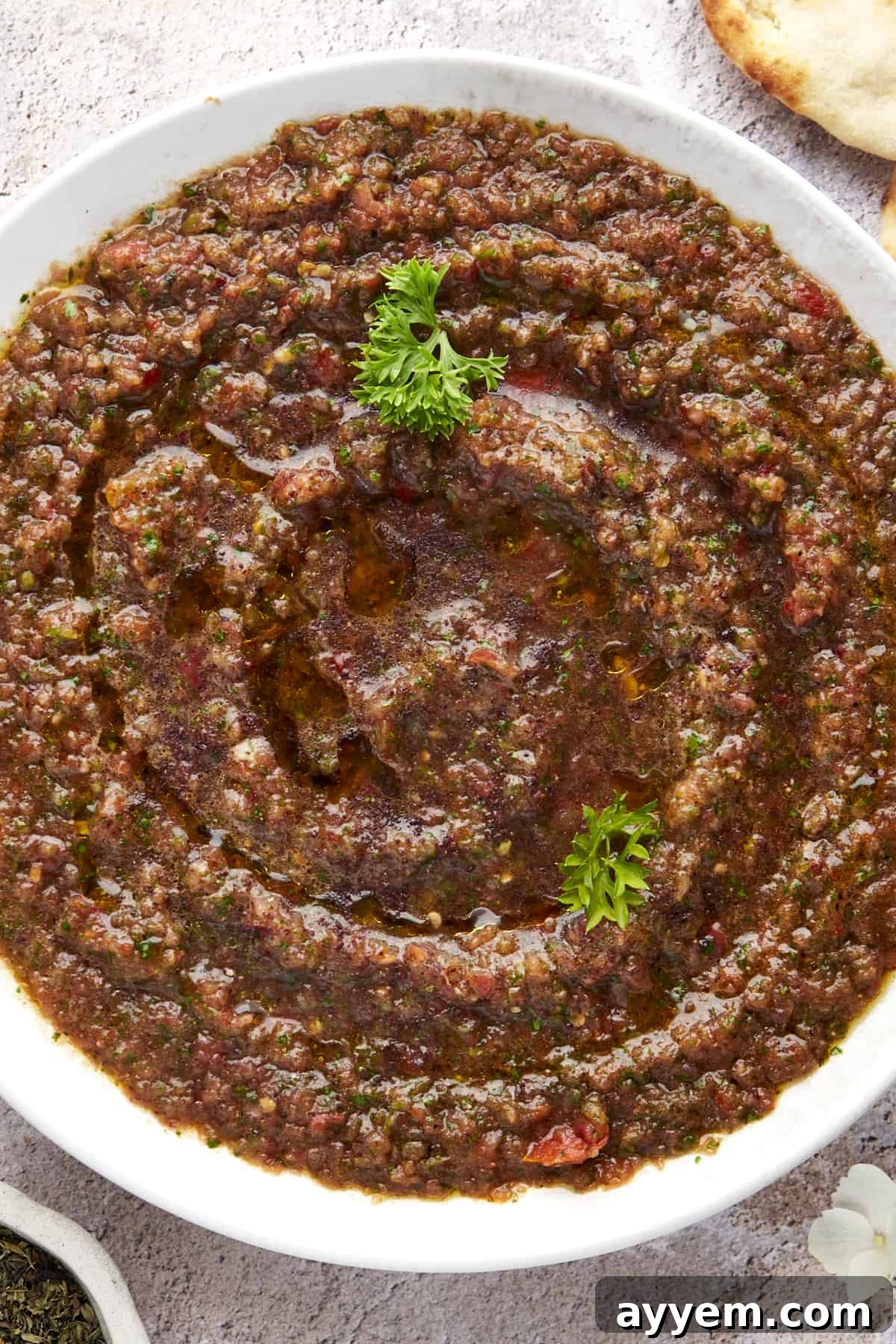
Turkish Ezme Recipe
Pin
Would you like to save this recipe? 🔖
We’ll email this post to you, so you can easily come back to it later!
Ingredients
- 5 medium-sized tomatoes
- 1 onion
- 2 cloves garlic
- 1/2 jalapeño pepper adjust to your desired level of spiciness
- 1 red chili pepper adjust to your desired level of spiciness
- 1/2 red bell pepper
- 1/2 green bell pepper
- 1/4 cup chopped parsley
- 2 Tablespoons lemon juice
- 2 Tablespoons tomato paste
- 2 Tablespoons pomegranate molasses
- 3 Tablespoons olive oil
- 1/2 teaspoon salt adjust to taste
- 1/2 teaspoon red pepper flakes adjust to taste
- 1 teaspoon sumac
- 1 teaspoon dried mint
Instructions
-
Wash all vegetables thoroughly. Roughly chop the tomatoes, onion, and garlic.5 medium-sized tomatoes, 1 onion, 2 cloves garlic
-
Carefully remove the seeds and white membranes from the red and green bell peppers, jalapeño, and red chili pepper. This helps manage the heat and texture.
-
Slice the deseeded jalapeño, red chili pepper, red bell pepper, and green bell pepper into smaller, uniform pieces to ensure even processing.1/2 red bell pepper, 1/2 jalapeño pepper, 1 red chili pepper, 1/2 green bell pepper
-
Place all the prepared vegetables (tomatoes, onion, garlic, and all peppers) and the chopped fresh parsley into a food processor fitted with a chopping or mixing blade.1/4 cup chopped parsley
-
Pulse the ingredients in the food processor in short bursts until they are finely chopped and well combined. It is crucial not to over-process; the mixture should maintain a chunky texture, similar to a rustic salsa, and not become a smooth puree.
-
Transfer the finely chopped vegetable and parsley mixture into a large mixing bowl.
-
Add the lemon juice, tomato paste, pomegranate molasses, olive oil, salt, red pepper flakes, sumac, and dried mint to the bowl. Stir vigorously to ensure all ingredients are thoroughly combined and coated, allowing the flavors to begin to meld.2 Tablespoons lemon juice, 2 Tablespoons tomato paste, 2 Tablespoons pomegranate molasses, 3 Tablespoons olive oil, 1/2 teaspoon salt, 1/2 teaspoon red pepper flakes, 1 teaspoon sumac, 1 teaspoon dried mint
-
Taste the Ezme and adjust the seasonings as needed. You might desire a bit more salt, a brighter lemon tang, or a richer pomegranate sweetness – tailor it to your preference.
-
Cover the Ezme salad tightly and refrigerate it for at least 30 minutes before serving. This essential chilling period allows the flavors to fully meld, deepen, and develop, resulting in a wonderfully refreshing and cohesive taste experience.
-
Serve the chilled Ezme salad as a versatile side dish, an invigorating appetizer with warm pita bread or lavash, or as a flavorful condiment alongside grilled meats, kebabs, or roasted vegetables.
-
Store any leftover Ezme in an airtight container in the refrigerator for up to 3-4 days to maintain its freshness and flavor.
Equipment
Nutrition Information
Nutrition information is automatically calculated, so should only be used as an approximation.