
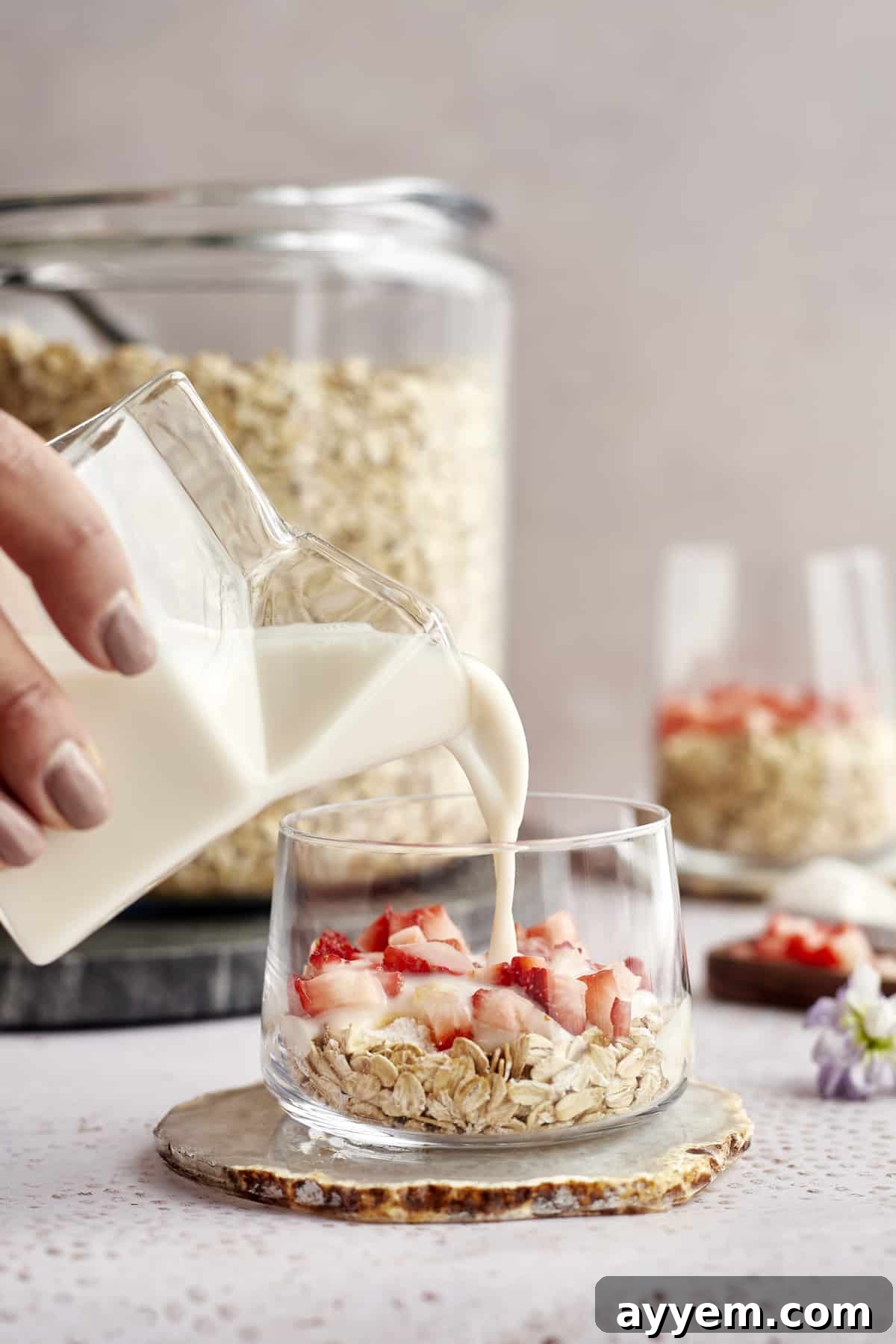
Milk Substitutions: Rescue Your Recipe When You’re Out of Milk (and Dairy-Free Options!)
Picture this: You’re halfway through a recipe—oven preheated, ingredients prepped—and then, disaster strikes. You reach for the milk carton, only to find it empty. Or perhaps you’re simply looking to skip dairy for dietary reasons, but aren’t sure how to maintain the texture and flavor your recipe demands. Whatever the scenario, there’s no need to abandon your culinary creation!
Running out of milk or seeking a dairy-free alternative is a common kitchen dilemma, but thankfully, there are plenty of ingenious swaps that can keep your dish just as creamy, tender, and perfectly balanced. This comprehensive guide will walk you through the best milk substitutions for every situation, explaining when to use them, how they’ll affect your results, and providing expert tips to ensure your cooking and baking success. From enriching savory sauces to creating light and fluffy baked goods, we’ve got your back with reliable milk alternatives that will save your recipe every time.
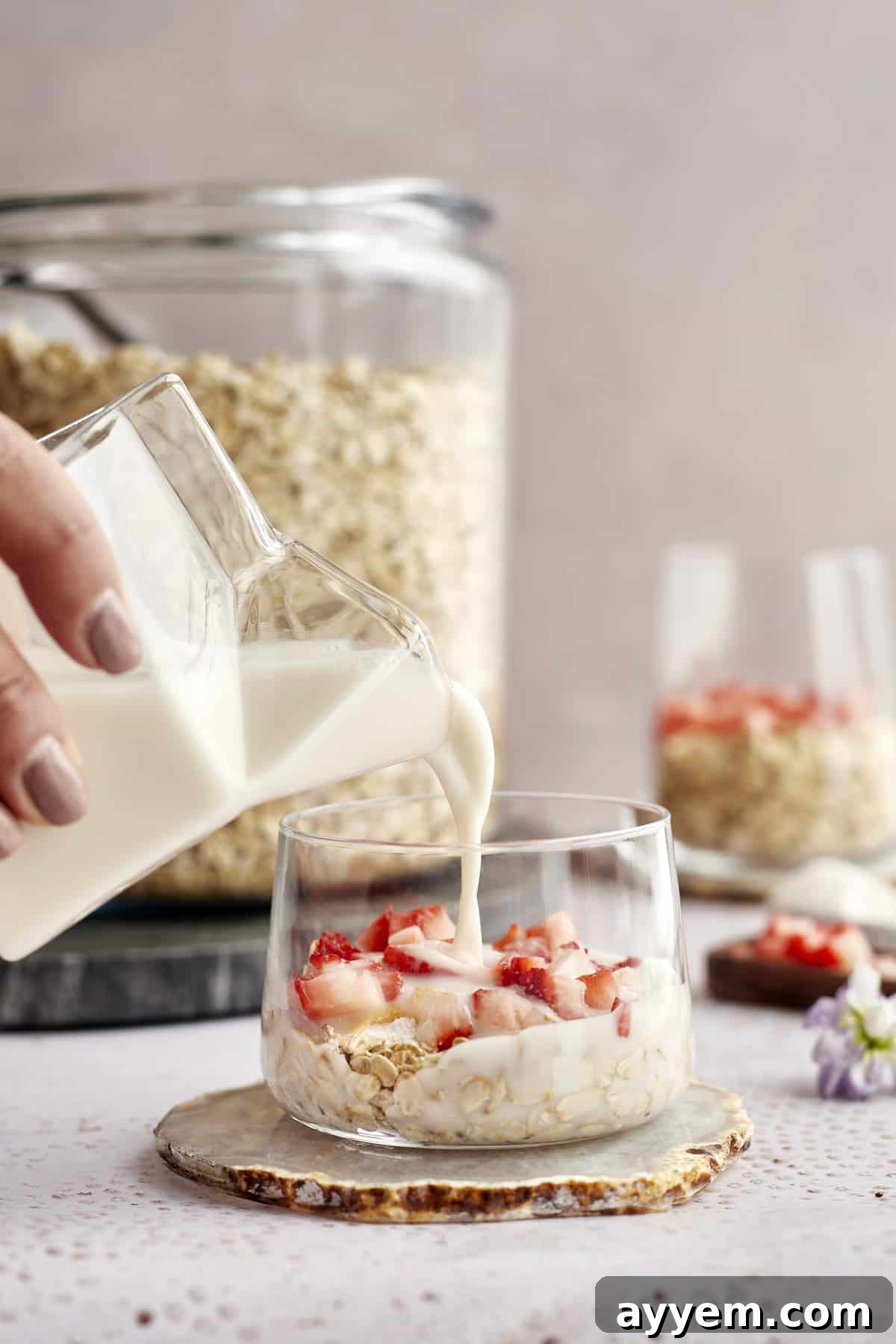
Why Milk Makes a Difference in Cooking and Baking
Milk is far more than just a liquid ingredient; it plays a critical, multifaceted role in both cooking and baking, influencing everything from flavor and texture to structure and appearance. Understanding its functions is key to choosing the right substitute when you’re out of milk or opting for a dairy-free lifestyle.
Here’s a closer look at why milk matters:
- Moisture and Tenderness: Milk contributes essential moisture, which keeps baked goods like cakes, muffins, and breads from becoming dry and crumbly. Its presence ensures a soft, tender crumb.
- Richness and Flavor: The fat content in milk adds a rich, creamy mouthfeel and enhances overall flavor. It acts as a flavor carrier, helping to distribute spices and other ingredients evenly throughout a dish.
- Structure and Binding: The proteins in milk help to bind ingredients together, providing structure to batters and doughs. In sauces, it aids in emulsification, creating smooth, cohesive textures.
- Browning: The natural sugars (lactose) in milk caramelize during baking, contributing to the beautiful golden-brown crusts and rich flavors in breads, cookies, and other baked goods.
- Leavening Support: In recipes containing baking soda, the mild acidity of milk can activate the leavening agent, leading to a lighter, airier texture.
When you know precisely what role milk is intended to play in your recipe, it becomes much easier to identify the perfect milk alternatives that will match its specific needs—whether that’s adding luxurious creaminess, a delicate tang, a neutral base, or crucial moisture.
The Best Milk Substitutions for Any Recipe
Don’t let an empty carton derail your cooking or baking plans. Here are the most reliable and effective milk swaps, complete with guidance on how and when to use them, ensuring your recipe stays perfectly on track, no matter what’s in your fridge or pantry.
1. Heavy Cream
If you have heavy cream on hand, you’re in luck! It’s one of the closest and most luxurious substitutes for whole milk. Its high fat content provides exceptional richness and a velvety texture. To use heavy cream as a milk replacement, simply thin it out:
- Ratio: Mix equal parts heavy cream and water (e.g., ½ cup heavy cream + ½ cup water for 1 cup of milk).
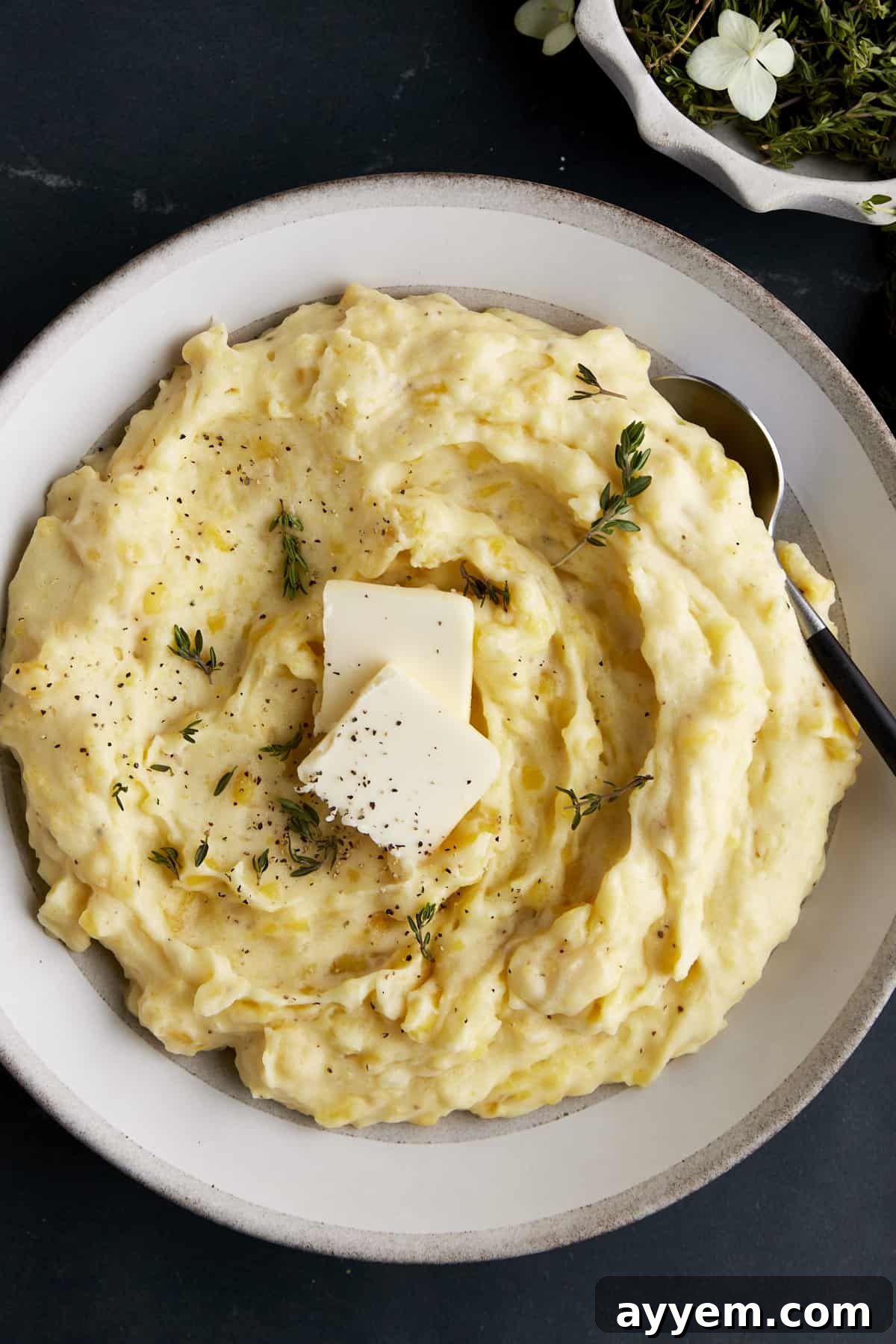
- Best For: Creamy sauces, soups, gravies, quiches, casseroles, and especially mashed potatoes. It adds unparalleled richness and a decadent mouthfeel.
- Considerations: Expect a slightly creamier and richer result due to the higher fat content, which can be a delicious upgrade in many dishes.
2. Evaporated Milk
Evaporated milk is cow’s milk from which about 60% of the water has been removed, resulting in a thicker, more concentrated product. It’s a fantastic shelf-stable option for when fresh milk isn’t available.
- Ratio: Dilute with an equal amount of water before using (e.g., ½ cup evaporated milk + ½ cup water for 1 cup of milk).
- Best For: Baked dishes, custards (like in a delightful bread pudding), casseroles, creamy soups, and even pumpkin pie. Its smooth consistency and slightly caramelized flavor enhance both sweet and savory recipes.
- Considerations: Offers a unique, slightly cooked flavor that can be desirable. It adds a lovely creaminess without being overly heavy.
3. Sour Cream or Plain Yogurt
For recipes that benefit from a bit of tang and extra moisture, sour cream or plain yogurt can be excellent milk alternatives. Their acidity can also react with baking soda to aid in leavening, making them ideal for quick breads.
- Ratio: For every cup of milk, use approximately ¾ cup sour cream or plain yogurt, thinned with a few tablespoons of water or milk to reach a pourable consistency.
- Best For: Pancakes, waffles, muffins (like our copycat Starbucks blueberry muffins), quick breads (we love sour cream in our banana bread), and some creamy sauces where a subtle tang is welcome.
- Considerations: These substitutes will impart a noticeable tangy flavor and can make baked goods exceptionally tender and moist. Ensure you use plain, unsweetened varieties.
4. Coconut Milk (Canned or Carton)
For a rich, creamy, and dairy-free option with a delightful tropical twist, coconut milk is a fantastic choice. It comes in two main forms, each with different applications.
- Canned Coconut Milk (Full-Fat):
- Ratio: Can be used cup-for-cup in many recipes, though its thickness might require a slight thinning with water for lighter dishes.
- Best For: Curries, creamy soups, stews, and desserts (like our peaches and strawberry fruit ice cream). It adds a silky texture and a distinct, rich coconut flavor.
- Carton Coconut Milk (Beverage):
- Ratio: Use cup-for-cup as a direct substitute for dairy milk.
- Best For: Cereals, smoothies, lighter baking, and any recipe where you want a subtle coconut flavor without the richness of canned milk.
- Considerations: Be mindful of the coconut flavor, which can be prominent. Always opt for unsweetened varieties unless specified for desserts.
5. Almond Milk
Almond milk is a popular dairy-free milk substitute known for its mild, slightly nutty flavor and lighter consistency. It’s an excellent choice for those avoiding lactose or looking for a plant-based option.
- Ratio: Use as a one-to-one substitute for dairy milk in most recipes.
- Best For: Sweet recipes like pancakes, custards, light baked goods, smoothies, and cereal. It works wonderfully as a dairy alternative in dishes like our Crockpot French toast casserole.
- Considerations: Always choose unsweetened almond milk for savory dishes and most baking to control the flavor balance. It won’t provide the same richness as whole dairy milk due to its lower fat content.
6. Oat Milk
Oat milk has rapidly gained popularity as a creamy, neutral-flavored dairy-free milk alternative that behaves remarkably similar to dairy milk in many applications.
- Ratio: An easy one-to-one substitute for dairy milk.
- Best For: Both cooking and baking, including creamy sauces, soups, smoothies, coffee, and desserts like tiramisu chia seed pudding. It’s particularly favored for its smooth texture and ability to create luscious results without a strong flavor profile.
- Considerations: Great for those with lactose intolerance, nut allergies, or who prefer a vegan option. Choose unsweetened varieties for versatility.
7. Soy Milk
Soy milk has been a staple plant-based milk substitute for decades, largely due to its protein structure, which is quite similar to dairy milk. This makes it one of the most versatile vegan milk alternatives.
- Ratio: A reliable one-to-one substitute for dairy milk.
- Best For: Holds up exceptionally well under heat, making it ideal for sauces, savory soups, casseroles, and traditional milk puddings like our Mahalabia (Middle Eastern milk pudding).
- Considerations: Choose unsweetened soy milk for savory applications and sweetened if your recipe calls for it or you’re making a dessert. Some people may detect a slight “beany” flavor, which is less common in newer formulations.
8. Cream Cheese
While not a direct liquid substitute, cream cheese can be an incredible ingredient to add creaminess and body, especially in savory dishes where milk’s role is primarily about texture and richness.
- Ratio: Not a one-for-one swap. Start with 2-4 tablespoons per cup of milk and adjust consistency by thinning.
- Best For: Rich, creamy casseroles (like one-pot mac and cheese) or other pasta sauces, gratins, and savory dips.
- Considerations: Combine cream cheese with melted butter, vegetable broth, or starchy pasta water to thin it out to the desired consistency. It adds a delicious tangy boost and a thick, luxurious texture that can elevate many dishes.

Specific Milk Replacements: Whole Milk and Sweetened Condensed Milk
Sometimes a recipe specifically calls for a particular type of milk, such as whole milk for its richness or sweetened condensed milk for its unique syrupy sweetness and texture. Here’s how to create effective improvisations for these:
- For Whole Milk: When a recipe relies on the higher fat content and creamy mouthfeel of whole milk, a simple blend can replicate it. Combine a half cup of heavy cream with a half cup of water. This mixture closely mimics the richness and consistency of whole milk, making it perfect for anything from custards to rich sauces and baked goods.
- For Sweetened Condensed Milk: This ingredient is distinctive for its intense sweetness and thick, syrupy consistency, often used in desserts, pies, and beverages. To make a homemade version, mix 1 cup of evaporated milk with 1 ½ cups of granulated sugar. Gently heat the mixture over low heat, stirring constantly, until the sugar is completely dissolved. Allow it to cool completely before using it in your recipes. This swap is ideal for desserts, ice creams, or any application where its unique character is essential.
These specific substitutions are crucial for preserving the rich character and specific texture that certain recipes—like decadent pies, creamy puddings, or no-bake cheesecakes—depend on, ensuring your improvised dish tastes just as intended.
How to Choose the Right Milk Substitutions for Your Recipe
Selecting the best milk substitute isn’t just about what you have available; it’s about understanding the primary role milk plays in your specific recipe. Consider these factors when making your choice:
- What is the Recipe’s Primary Need?
- For creamy soups, sauces, and mashed potatoes: Focus on substitutes that offer richness and smooth texture. Heavy cream (diluted), soy milk, or evaporated milk are excellent choices. Cream cheese can also add incredible body and flavor.
- For cakes, muffins, and quick breads: Look for options that provide moisture and can contribute to tenderness or leavening. Oat milk, almond milk, or plain yogurt (thinned) work well here.
- For desserts like puddings or ice cream: Consider how the substitute will impact flavor and texture. Coconut milk creates a smooth, luscious texture with a hint of tropical flavor, while oat or almond milk offer a neutral base.
- Dietary Considerations:
- Lactose Intolerance/Dairy-Free: Plant-based milks like almond, soy, and oat are your go-to options, allowing you to keep your recipes just as creamy and satisfying without dairy. Coconut milk is also a fantastic dairy-free choice, especially for richness.
- Nut Allergies: Oat milk or soy milk are safe and effective alternatives if almond or coconut milk are off-limits.
- Flavor Profile: Some substitutes, like coconut milk or sour cream, introduce their own distinct flavors. Decide if this flavor will complement or clash with your dish. For neutral recipes, oat milk or unsweetened almond/soy milk are often the safest bets.
- Fat Content: Whole milk has a significant fat content that contributes to richness and mouthfeel. If your recipe relies on this, consider heavier alternatives like diluted heavy cream or full-fat coconut milk for similar results. Lighter plant milks will result in a less rich final product.
By thinking critically about the function of milk in your dish and the characteristics of each substitute, you can confidently make a swap that ensures a delicious outcome.
Tips for Perfect Milk Substitutions
Mastering milk substitutions involves a bit of culinary intuition. Keep these expert tips in mind to ensure your swaps are successful every time:
- Always Choose Unsweetened Varieties: Unless your recipe is a dessert and specifically calls for sweetened milk, always opt for unsweetened versions of plant-based milks (almond, oat, soy, carton coconut). This gives you complete control over the flavor balance of your savory dishes.
- Match the Temperature: When adding a milk substitute to a hot mixture (like a soup or sauce), warm it gently first. Adding cold liquid to a hot mixture can sometimes cause curdling, especially with plant-based milks or those with higher protein content.
- Adjust Consistency Gradually: If a substitute is thicker (like heavy cream or evaporated milk), dilute it slowly with water until it reaches the desired consistency. If it’s too thin, you might need to reduce the amount slightly or add a thickener (like a cornstarch slurry) if texture is critical.
- Expect Subtle Flavor Differences: While many substitutes are neutral, some have a distinct flavor profile (e.g., coconut milk, sour cream, almond milk). These notes can actually enhance certain recipes, but be aware of them and consider if they complement your dish. Taste and adjust seasonings accordingly.
- Consider Fat and Protein Content: If your recipe relies heavily on the fat for richness (e.g., ice cream, creamy sauces), a low-fat substitute might yield a thinner, less satisfying result. Similarly, protein content affects structure and binding in some baked goods and savory dishes.
- Don’t Be Afraid to Experiment (in moderation!): Cooking is an art. If you’re unsure, try a small batch or use a substitute in a dish where the stakes aren’t too high. Over time, you’ll learn which substitutes work best for your favorite recipes.
Conclusion: Never Let an Empty Carton Stop You Again!
Running out of milk or choosing to go dairy-free doesn’t have to be a kitchen catastrophe. With this comprehensive guide to milk substitutions, you’re now equipped with the knowledge and confidence to tackle almost any recipe. From creamy, indulgent dishes to light, tender baked goods, there’s a perfect alternative waiting in your pantry or fridge.
Remember to consider the role milk plays in your recipe, whether it’s for moisture, richness, or structure, and choose your substitute accordingly. Embrace the versatility of ingredients like heavy cream, evaporated milk, and a variety of plant-based milks, and discover how easily you can adapt, innovate, and still create incredibly delicious meals. So next time you’re faced with an empty milk carton, smile, pick your best swap, and continue cooking with confidence!