
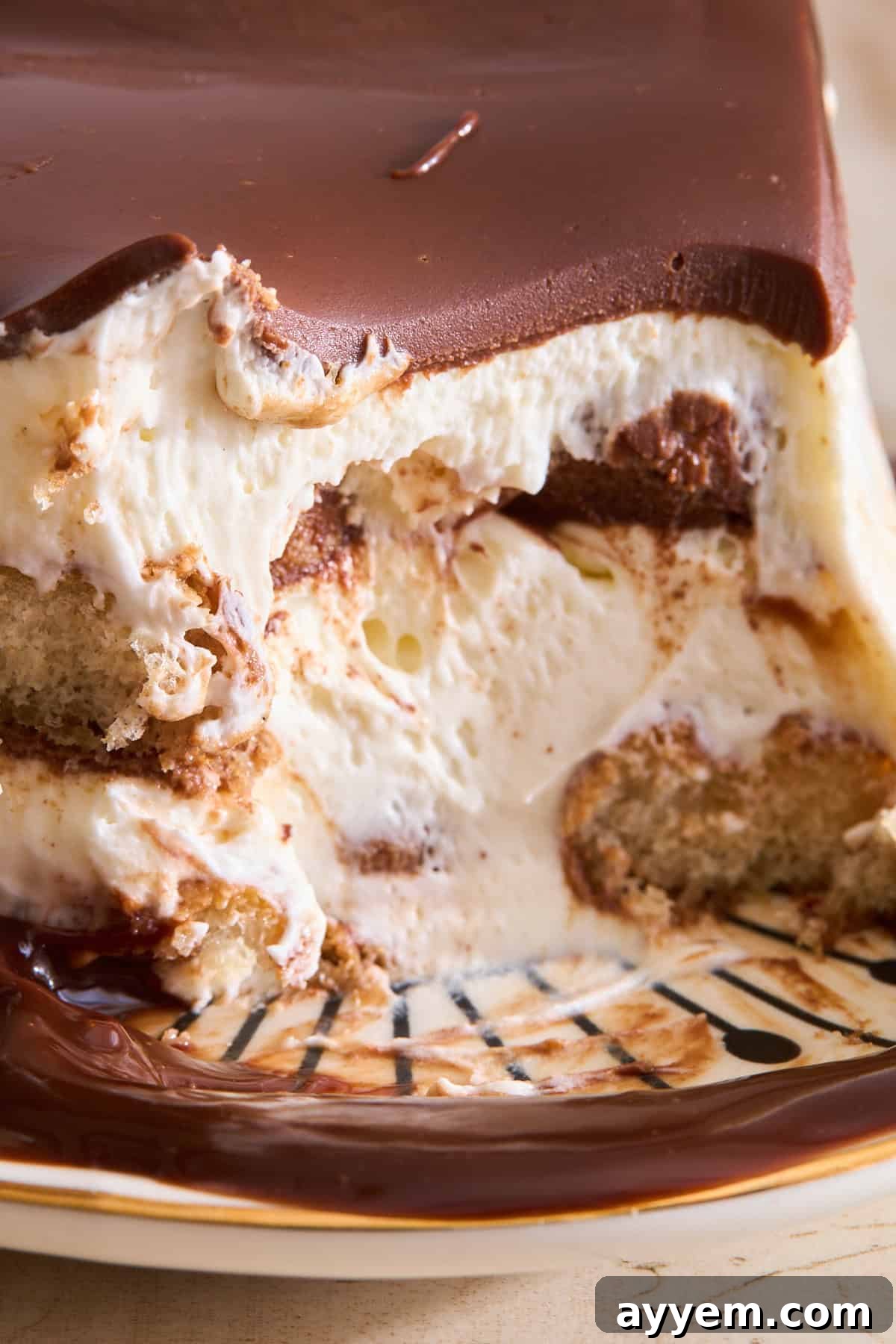
Baking without eggs? Absolutely! Navigating the world of egg-free baking is simpler than you might think, especially once you understand the fundamental roles eggs play in your favorite recipes. From providing structure to adding moisture and binding ingredients, eggs are multitasking marvels. But fear not, for a vast array of effective and delicious substitutes awaits. This comprehensive guide will walk you through the science behind egg functions, help you choose the best alternatives for different recipes, and empower you to master the art of egg substitution for delightful, plant-based, or allergy-friendly baked goods. Dive in to discover how to unlock a whole new realm of culinary possibilities.
Why Eggs Matter in Baking & Binding: Understanding Their Multifaceted Roles
Before embarking on egg substitution, it’s crucial to grasp the diverse functions eggs perform in a recipe. They are often the unsung heroes, contributing far more than just “an ingredient.” Recognizing their roles will guide you in selecting the most appropriate substitute, ensuring your baked goods achieve the desired texture, flavor, and structure. Eggs typically serve several key purposes:
- Binding: Eggs act as a natural glue, holding wet and dry ingredients together. Their protein structure coagulates when heated, creating a cohesive network that prevents cookies from crumbling and muffins from falling apart. Without a binder, baked goods would be too fragile or dry.
- Moisture & Richness: Eggs contain a significant amount of water and fat (in the yolk), which contribute to the overall moisture content and richness of a recipe. This moisture keeps baked goods from being dry and crumbly, while the fat adds a luxurious mouthfeel and often a beautiful golden hue.
- Leavening & Structure: When eggs are beaten, they trap air, which expands during baking to provide lift and create a light, airy texture. Egg whites, in particular, can be whipped into stiff peaks, creating stable foams essential for meringues and soufflés. The proteins in eggs also provide structural integrity, preventing cakes from collapsing once out of the oven.
- Emulsifying: Egg yolks are powerful natural emulsifiers due to their lecithin content. They help disparate ingredients like oil and water combine smoothly, preventing separation in batters and creating a homogenous mixture. This leads to a consistent texture throughout your baked product.
When you remove eggs, you need substitutes that can replicate one or more of these critical functions. A replacement might excel at binding but offer little in terms of rise, or vice versa. The art of successful egg substitution lies in thoughtfully matching the substitute’s properties to the specific needs of your recipe.
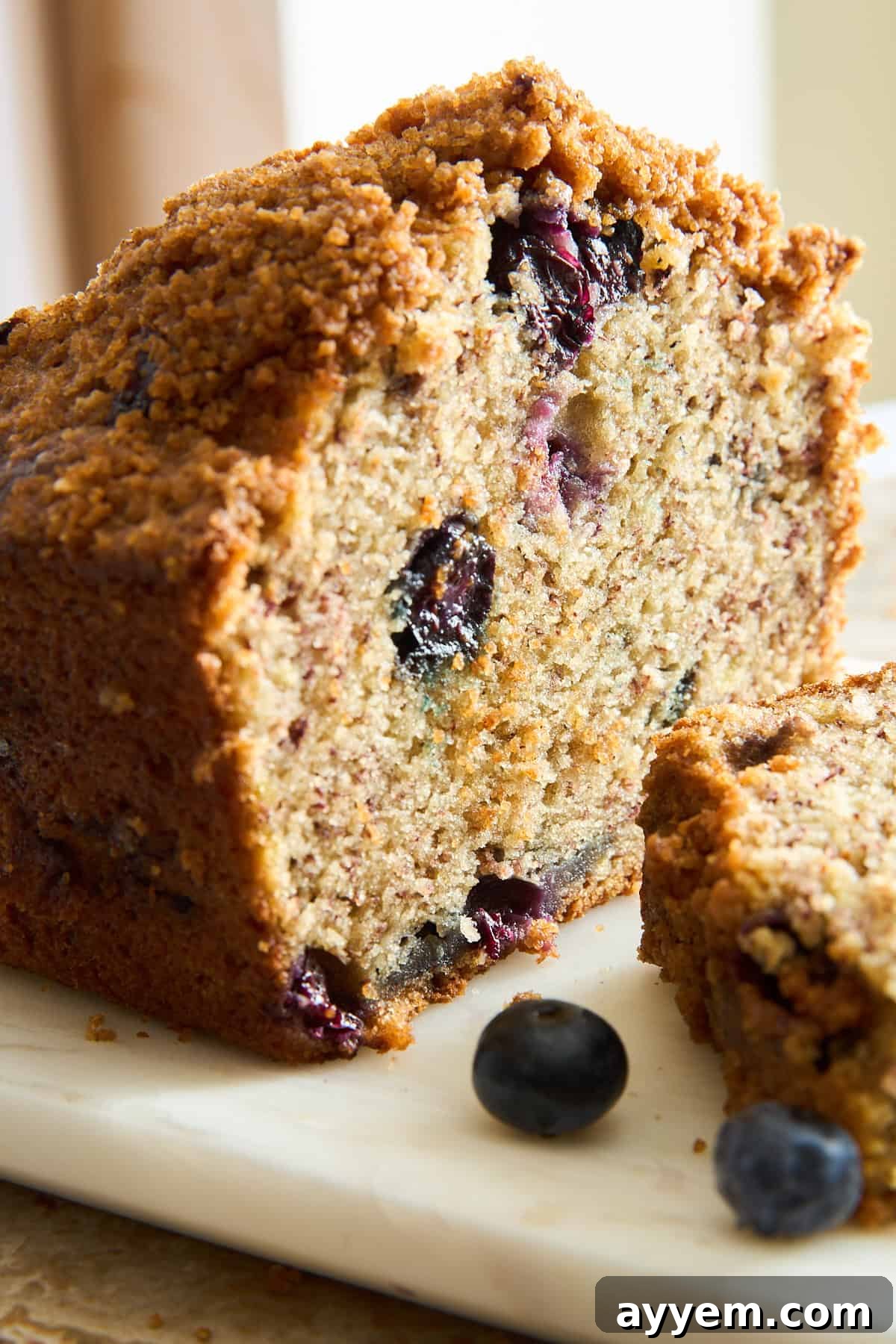
How to Choose the Right Egg Substitute: Key Considerations for Success
Selecting the ideal egg substitute isn’t a one-size-fits-all endeavor. It requires a thoughtful approach, considering the specific demands of your recipe and the properties of the available alternatives. Here are essential tips to guide your choice and ensure successful egg-free baking:
- Understand the Egg’s Primary Role in Your Recipe: This is paramount. For a dense brownie or a chewy cookie, binding and moisture are often the most crucial functions. In contrast, for a light and airy sponge cake or fluffy muffins, leavening and structural support become paramount. Identify what the egg is primarily contributing before choosing a substitute.
- Test Substitutions Gradually: Especially when adapting a familiar recipe, avoid overhauling all eggs at once. If a recipe calls for multiple eggs, try replacing just one initially to observe how the texture, flavor, and overall outcome are affected. This gradual approach allows for fine-tuning without risking an entire batch of ingredients.
- Balance Texture and Flavor Profile: Some egg substitutes, like mashed banana or applesauce, introduce distinct flavors and can add considerable moisture or density. Others, such as silken tofu or commercial replacers, are more neutral in taste. Consider if the added flavor will complement your recipe or if a neutral option is preferred to maintain the original taste profile. Similarly, some substitutes might make your bake denser, while others aim for lightness.
- Mind the Ratios and Adjust Other Liquids: A common mistake is assuming a 1:1 volume substitution. Many egg replacements require different volumes than a standard large egg (approximately ¼ cup or 4 tablespoons). Always follow the recommended ratio for your chosen substitute. Furthermore, if you’re using a very moist substitute (like pureed fruit or yogurt), you might need to slightly reduce other liquids in the recipe to prevent the final product from becoming too wet or gummy. Conversely, drier substitutes might necessitate a slight increase in liquid.
- Consider the Number of Eggs: Recipes calling for one or two eggs are generally easier to adapt with substitutes. Recipes that rely heavily on eggs for structure and lift (e.g., those with three or more eggs, like soufflés or angel food cakes) are considerably more challenging to convert successfully with simple substitutes. For such recipes, it’s often best to seek out recipes specifically developed to be egg-free.
By keeping these tips in mind, you’ll be well-equipped to make informed choices and achieve delightful results in your egg-free baking adventures.
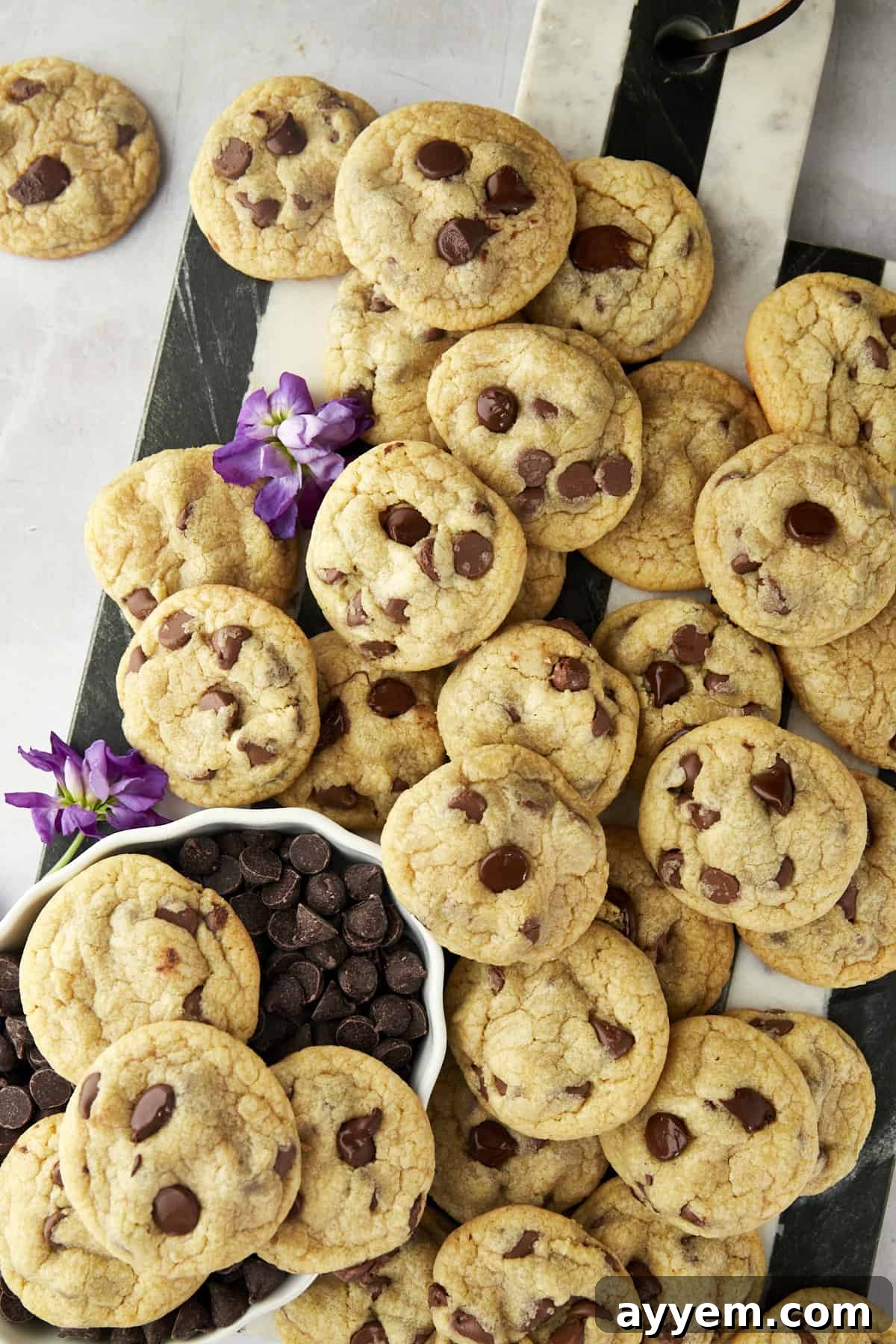
Top Substitutes for Eggs for Binding & Baking: Your Essential Guide
Embracing egg-free baking opens up a world of versatile ingredients that can stand in for eggs. Each substitute offers unique characteristics, making it suitable for different types of baked goods. Below is a detailed list of reliable and widely used egg replacements, along with their ideal applications and important tips for best results. Choose the one that best complements your recipe’s desired outcome.
| Substitute | Approximate Equivalent (for 1 large egg) | Best For | Notes & Tips for Optimal Use |
| Ground Flaxseed (“Flax Egg”) | 1 Tbsp finely ground flaxseed + 3 Tbsp water | Cookies, muffins, quick breads, pancakes, dense cakes, veggie burgers | Combine ground flaxseed with water and let it sit for 5-10 minutes until it forms a thick, gelatinous consistency. This “flax egg” acts as an excellent binder and adds a subtle nutty, earthy flavor and beneficial omega-3s. It works well in recipes where a slightly denser texture is acceptable and helps create a chewy texture in cookies. It’s generally not ideal for light, airy bakes. |
| Chia Seed “Egg” | 1 Tbsp chia seeds + 3 Tbsp water | Similar to flaxseed: Muffins, quick breads, cookies, oatmeal, binding in savory dishes | Prepare identically to a flax egg. Mix chia seeds with water and allow to gel for 5-10 minutes. Chia seeds offer similar binding properties and a neutral to slightly earthy flavor. They are packed with fiber and nutrients. Note that tiny seeds might be visible in the final product, which is usually fine for rustic bakes. |
| Applesauce (Unsweetened) | ¼ cup (60g) unsweetened applesauce | Muffins, brownies, quick breads, moist cakes, pancakes | A fantastic source of moisture and mild sweetness, applesauce works well in recipes that benefit from a slightly denser, very moist crumb. Always use unsweetened to control the sugar content of your recipe. If your recipe uses a lot of sugar, applesauce can often slightly reduce the need for additional sweetener. Be mindful of its fruity flavor impacting the overall taste. |
| Mashed Banana | ½ medium ripe banana (approx. ¼ cup or 60g) | Banana breads, muffins, pancakes, some moist cakes, cookies where banana flavor is desired | Mashed ripe banana provides excellent binding and moisture, contributing to a rich, dense, and tender texture. It will, however, impart a distinct banana flavor, so choose recipes where this is a welcome addition. Use very ripe, spotty bananas for the best sweetness and binding power. Like applesauce, it can add significant moisture, so slight liquid adjustments might be needed. |
| Silken Tofu (Pureed) | ¼ cup (60g) pureed silken tofu | Brownies, dense cakes, quiches, custards, puddings, cheesecake, savory bakes | Silken tofu is remarkably versatile due, to its neutral flavor and high water content. Blend it until absolutely smooth to avoid any gritty texture in your bake. It contributes moisture and binding, creating a dense, rich, and creamy texture, particularly good for fudgy brownies or moist cakes. It does not contribute much to leavening. |
| Yogurt (Vegan) / Buttermilk (Vegan) | ¼ cup (60ml) vegan yogurt (plain, unsweetened) or vegan buttermilk (almond/soy milk + vinegar) | Cakes, muffins, quick breads, pancakes | The acidity in yogurt or buttermilk reacts with baking soda in the recipe, creating carbon dioxide gas which provides lift and tenderizes the crumb. This works best when the recipe already contains baking soda. For vegan buttermilk, combine 1 cup unsweetened plant milk with 1 tablespoon lemon juice or apple cider vinegar; let sit for 5 minutes until curdled, then measure ¼ cup. |
| Vinegar + Baking Soda | 1 Tbsp vinegar (white, apple cider) + 1 tsp baking soda | Light cakes, quick breads, muffins where leavening is key | This dynamic duo creates a powerful leavening agent. The acid (vinegar) reacts with the alkali (baking soda) to produce carbon dioxide, providing a significant boost of rise and a light, airy texture. This combination is particularly effective for recipes that rely on eggs primarily for leavening and don’t need much binding. Add the vinegar to the wet ingredients and the baking soda to the dry ingredients, combining them just before baking. |
| Oil + Water + Baking Powder | 1½ Tbsp vegetable oil + 1½ Tbsp water + 1 tsp baking powder | Many baked goods, especially where eggs add moisture and some lift | This combination addresses multiple egg functions: the oil provides richness and moisture, the water helps with consistency, and the baking powder offers leavening. It’s a good general-purpose substitute for recipes where eggs contribute a balanced role of moisture and a little lift. It’s relatively flavor-neutral and won’t significantly alter the taste. |
| Aquafaba (Chickpea Liquid) | 3 Tbsp (45ml) aquafaba (liquid from a can of chickpeas) for 1 whole egg; 2 Tbsp (30ml) for 1 egg white | Meringues, mousse, macarons, light cakes, pavlova, whipped toppings | Aquafaba is a revolutionary egg white substitute. When whipped, it can mimic egg whites, forming stable peaks perfect for meringues and airy desserts. For a whole egg, it provides some binding and leavening. It has a neutral flavor and is excellent for achieving light and fluffy textures in appropriate recipes. Reduce the liquid if using in a dense cake. |
| Commercial Egg Replacer Powders | Per the package directions (typically 1 Tbsp powder + 2-3 Tbsp water) | General baking: cakes, muffins, cookies, pancakes | These pre-formulated powders are convenient and designed to mimic the binding and leavening properties of eggs. They are generally flavor-neutral and work reliably across a wide range of baked goods. Ideal for those who want a straightforward, consistent solution without experimenting with various ingredients. Always follow the specific instructions on the product packaging. |
With these diverse options at your fingertips, you’re well on your way to mastering the art of egg-free baking, creating delicious treats tailored to any dietary need or preference.
Essential Ingredients to Keep on Hand for Effortless Egg-Free Baking
For those who frequently bake egg-free or are keen to explore plant-based options, maintaining a well-stocked pantry is key. Having a selection of common egg substitutes readily available ensures you can whip up delicious treats on a whim without last-minute trips to the store. Here are the pantry staples that will empower your egg-free baking journey:
- Ground Flaxseed or Chia Seeds: These tiny powerhouses are excellent binders and last for ages in a cool, dry place. A bag of either (or both) means you’re always ready to make a reliable “egg” for cookies, muffins, or quick breads.
- Unsweetened Applesauce: An incredibly versatile fruit puree that adds moisture and a subtle sweetness. It’s a healthy, fat-free option perfect for cakes and brownies, and it keeps well in the fridge or pantry (if unopened).
- Silken Tofu: Shelf-stable silken tofu is a secret weapon for creamy textures and dense baked goods. It’s neutral in flavor and provides excellent binding, making it great for cheesecakes, quiches, or fudgy brownies.
- A Can of Chickpeas (for Aquafaba): Don’t drain that chickpea liquid! Aquafaba is a magical ingredient that can be whipped like egg whites, opening up possibilities for meringues, mousse, and even macarons. Keep a can or two in your pantry for unexpected baking inspiration.
- Baking Soda and Vinegar (Apple Cider or White): These common kitchen staples, when combined, create a potent leavening reaction, providing lift and lightness to cakes and muffins. They are inexpensive, readily available, and a must-have for many egg-free recipes.
- Vegan Yogurt or Buttermilk (or Ingredients to Make It): Vegan yogurt (plain, unsweetened) adds moisture and tang, while vegan buttermilk (plant milk + vinegar) provides both moisture and leavening power. These are excellent for tender cakes and moist muffins.
- Commercial Egg Replacer Powder: For ultimate convenience and consistent results, a box of your favorite commercial egg replacer powder is invaluable. It’s designed to work across various recipes and takes the guesswork out of substitution.
Having a diverse selection means you’re prepared for any recipe, whether you need a neutral binder, a moistening agent, or something to help your bake rise. This flexibility allows you to adapt recipes to your preferences, sometimes opting for a hint of banana, other times seeking a clean, neutral profile.
How to Seamlessly Swap in Your Favorite Egg Substitutes: A Baker’s Cheat Sheet
Successfully integrating egg substitutes into your cherished recipes requires a nuanced approach. Beyond simply replacing one ingredient with another, consider how each substitute interacts with the overall chemistry of your bake. Here’s a practical “cheat sheet” to help you adapt recipes with confidence:
- Begin with Small Changes: If a recipe calls for multiple eggs, start by replacing just one egg with your chosen substitute. Observe how the texture, moisture, and flavor are affected. This gradual approach allows you to learn and adjust without ruining an entire batch. For recipes requiring only one or two eggs, direct substitution is usually more straightforward.
- Match Substitute to Desired Texture: In lighter, airier bakes like delicate cakes, soufflés, or choux pastry, avoid dense or heavy substitutes like mashed banana or pureed tofu, as they will weigh down the batter. Opt instead for leavening-focused options like vinegar and baking soda, aquafaba, or commercial replacers designed for lift.
- Adjust Other Liquids for Moisture-Rich Substitutes: When using highly moist substitutes such as applesauce, mashed banana, or pureed silken tofu, you might need to slightly reduce the amount of other liquids (milk, water, oil) in the recipe. This prevents the final product from becoming overly dense, gummy, or collapsing due to excess moisture. Start by reducing other liquids by 1-2 tablespoons and adjust as needed in future attempts.
- Balance Leavening When Using Rise-Focused Substitutes: If you’re employing a substitute primarily for its leavening power (e.g., vinegar + baking soda or oil + baking powder), ensure that the existing leavening agents in the recipe (like baking powder or soda) are appropriately balanced. Sometimes, these substitutes work best when they complement, rather than completely replace, a recipe’s inherent leavening structure.
- Consider Savory Applications: Egg substitutes aren’t just for sweet treats! For savory items like veggie burgers, meatloaf, or binding in croquettes, flax eggs, chia eggs, mashed beans (like black beans or cannellini), or even a tablespoon of cornstarch mixed with water can provide excellent binding without altering the flavor profile significantly.
- Don’t Overmix: Many egg-free batters can become tough if overmixed, especially when using flour. Mix only until ingredients are just combined.
- Monitor Baking Times: Egg-free baked goods can sometimes bake faster or slower than their egg-containing counterparts. Keep a close eye on your oven and use standard doneness tests (like the toothpick test) rather than relying solely on time.
By keeping these guidelines in mind, you’ll gain the confidence to adapt a wide variety of recipes, turning them into delightful egg-free creations.

When Egg Substitutions Don’t Work Well: Recipes to Approach with Caution
While the world of egg-free baking is vast and exciting, there are certain classic recipes where eggs play such an integral and complex role that simple substitutions are often insufficient or yield significantly different results. In these scenarios, attempting to convert an egg-heavy recipe can lead to frustration and disappointment. It’s often more successful to seek out recipes specifically designed to be egg-free for these categories.
- Classic Soufflés, Meringues, and Angel Food Cakes: These iconic desserts are almost entirely dependent on the unique structural properties of whipped egg whites. The ability of egg whites to trap and hold air, creating a stable foam that expands dramatically with heat, is exceptionally difficult to replicate. While aquafaba can create impressive meringue-like structures, the precise texture and stability of a true soufflé or angel food cake are challenging to achieve without eggs.
- Custards, Crème Brûlée, and Flan: These creamy, delicate desserts rely on the coagulation of egg proteins under gentle heat to achieve their characteristic set yet silky-smooth texture. Eggs provide both the rich mouthfeel (from yolks) and the structural integrity (from proteins) that allow them to set without becoming rubbery or watery. Replacing eggs in these recipes often results in a watery, unset, or strangely textured custard.
- Some Chiffon Cakes or Rolled Sponge Cakes: While many cakes can be adapted, those particularly light and springy chiffon cakes or delicate sponge cakes designed for rolling (like for Swiss rolls) often rely heavily on the aeration and elasticity provided by multiple beaten eggs. The eggs contribute significantly to their height, tender crumb, and ability to remain pliable without cracking. Simple substitutions may lead to a denser, less elastic, and harder-to-handle cake.
- Pasta Dough and Certain Breads: In fresh pasta dough, eggs provide elasticity, richness, and help bind the flour. While egg-free pasta is certainly possible, the texture will be different – often firmer and less silky. Similarly, some enriched breads use eggs for a tender crumb and golden crust, which can be harder to achieve without them.
In these challenging cases, it’s not to say egg-free versions are impossible, but rather that attempting a direct substitution in a traditional recipe will likely fall short. For truly authentic results, look for recipes that were specifically developed from the ground up to be egg-free, as these will utilize alternative ingredients and techniques to achieve a comparable (though perhaps not identical) and delicious outcome.
What Works Best? The Art of Contextual Egg Substitution
As we’ve explored, there’s no single “best” egg substitute; the ideal choice is always contextual. Successful egg-free baking hinges on a clear understanding of what you want to achieve and what role the eggs originally played. The most effective substitute depends on three critical factors:
- The Primary Role of Eggs in Your Recipe: Is it mainly for binding (e.g., cookies), moisture (e.g., brownies), or leavening and structure (e.g., fluffy cakes)? Select a substitute that excels in that particular function.
- The Desired Flavor Profile: Do you want a neutral taste, or would a subtle fruity (applesauce, banana) or earthy (flax, chia) note enhance the recipe?
- The Desired Texture: Are you aiming for a light and airy crumb, a chewy texture, or a dense and moist consistency? Different substitutes will yield distinct textural outcomes.
Embrace experimentation, start with the most suitable option, and don’t be afraid to tweak. With practice, you’ll develop an intuitive sense for which substitute will bring your egg-free baking vision to life.
Delicious Egg-Free Recipe Ideas to Get You Started
The beauty of egg substitution is that it opens up a world of possibilities for delicious bakes, catering to allergies, dietary choices, or simply a spontaneous need to bake with what you have on hand. From fudgy chocolate chip cookies to wholesome quick breads, there’s no shortage of recipes you can adapt with the right egg substitute. Here are a few of our favorite recipes that are either naturally egg-free or easily converted, perfect for experimenting with the substitutes discussed:
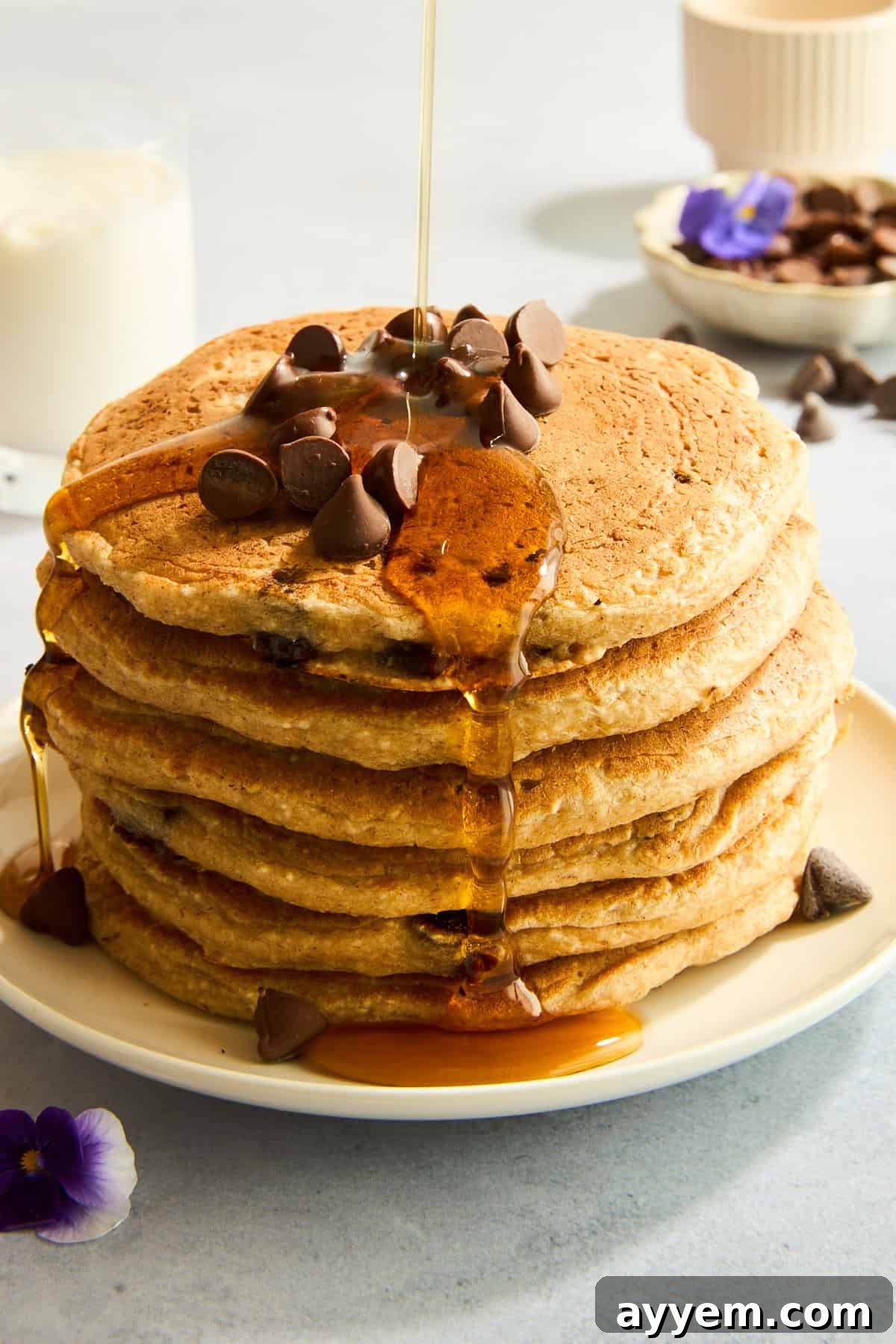
Perfect for a cozy breakfast, these Chocolate Chip Protein Pancakes can be made wonderfully fluffy with the right egg alternative.
For a delightful treat with a twist, try this moist and flavorful Biscoff Banana Bread, where mashed banana naturally helps bind and moisten the loaf.
These classic, comforting Jam Thumbprint Cookies can maintain their delicate structure with substitutes like flax eggs.
Add an exotic touch to your baking with Tahini Banana Bread, where the banana and tahini create a rich, moist crumb that often needs minimal egg replacement effort.
Happy baking, and enjoy exploring the endless possibilities of egg-free delights!