
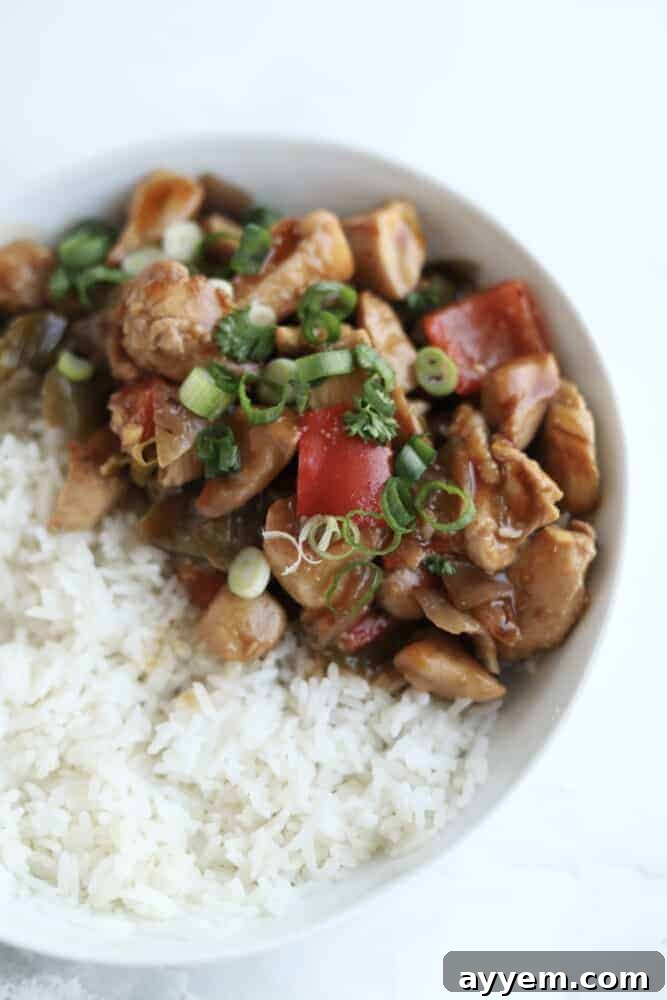
Welcome to the ultimate guide for crafting an authentic and incredibly delicious Kung Pao Chicken right in your own kitchen! Prepare your palate for a culinary journey to the vibrant Szechuan region of China, known for its bold and complex flavors. This beloved Chinese stir-fry dish offers a captivating balance of sweet, spicy, and savory notes, combined with a unique texture that will leave you craving more. Our recipe is designed to be easy to follow, budget-friendly, and promises to deliver an unforgettable dining experience that your entire family will adore. Forget takeout; with this recipe, you’re just minutes away from a restaurant-quality meal that truly bursts with flavor.
Unveiling the Delights of Kung Pao Chicken
Kung Pao chicken, or Gong Bao chicken (宫保鸡丁), is a classic stir-fry dish originating from the Szechuan (also spelled Sichuan) province in southwestern China. This region is world-renowned for its distinct and often fiery cuisine, characterized by a sophisticated interplay of tastes. The hallmark of Szechuan cooking is its emphasis on the “mala” flavor profile – a tantalizing combination of numbing (ma 麻) and spicy (la 辣), primarily achieved through the liberal use of Szechuan peppercorns. While authentic Szechuan peppercorns provide a unique tingling sensation, our recipe strategically uses readily available Thai chili peppers to deliver a satisfying heat, making this iconic dish accessible for home cooks while still honoring its spicy heritage.
Beyond its spicy kick, what truly sets Kung Pao chicken apart from other stir-fried dishes is its intricate flavor balance and exceptional texture. The sauce, a harmonious blend of soy sauce for umami, rice vinegar for tang, and granulated sugar for sweetness, perfectly complements the heat of the chili peppers. This creates a symphony of flavors that is both complex and incredibly addictive.
The secret to Kung Pao chicken’s signature velvety texture lies in a technique called “velveting.” By coating the chicken pieces in cornstarch before stir-frying, they develop a remarkably soft, tender exterior that locks in moisture and prevents them from drying out. This luscious coating on the chicken, combined with the crisp-tender vegetables, offers a delightful contrast in every mouth-watering bite. It’s a dish that engages all your senses, from the vibrant colors to the aromatic steam and the irresistible combination of textures and flavors.
The Magic of Cornstarch: More Than Just a Thickener
Cornstarch is, as its name suggests, a fine white powder derived from the endosperm of corn kernels. While its culinary applications might seem modern, cornstarch has a surprisingly long history, with evidence suggesting its use as early as 1000 B.C. by Egyptian Pharaohs as a cosmetic adhesive. It wasn’t until the late 1800s that it was widely rediscovered and adopted for consumption, revolutionizing many culinary practices.
Today, cornstarch is most commonly recognized as a powerful thickening agent for a wide array of dishes, from gravies and sauces to soups and fruit pie fillings. Its ability to create a smooth, glossy consistency is unmatched. However, in Chinese cooking, and particularly for this delicious Kung Pao chicken recipe, cornstarch takes on a different, equally vital role: “velveting.”
Velveting is a traditional Chinese cooking technique where proteins, typically chicken or pork, are coated in a mixture of cornstarch, egg white, and sometimes a little liquid (like soy sauce or rice wine) before being briefly blanched in oil or water, or directly stir-fried. This protective coating ensures the meat remains incredibly tender, juicy, and silky-smooth even when subjected to high heat cooking methods like stir-frying. It prevents the protein from overcooking and drying out, while also giving it that characteristic soft, luxurious exterior that melts in your mouth.
For those with corn allergies or intolerances, several effective substitutes can be used for the cornstarch coating. **Tapioca starch**, derived from the cassava root, is an excellent alternative, producing a similar translucent and chewy texture. **Potato starch** is another viable option, offering good thickening and tenderizing properties. When substituting, a good rule of thumb is to use 1.5 times the amount of tapioca or potato starch compared to cornstarch to achieve a comparable velvety texture. For example, if the recipe calls for 2 tablespoons of cornstarch, use 3 tablespoons of tapioca or potato starch.
In a pinch, **all-purpose flour** can also be used, though it is our least recommended substitute. Flour creates a cloudier sauce and a less delicate coating, potentially altering the dish’s signature texture. If you must use it, double the amount of all-purpose flour compared to cornstarch. We highly encourage using cornstarch or its recommended alternatives for the best results, as the velveting technique is fundamental to the authentic Kung Pao chicken experience.
Choosing Your Protein: Chicken Breast or Thigh?
Traditionally, Kung Pao chicken recipes call for **chicken breast**, and this cut remains our top recommendation for its lean profile and quick cooking time. Chicken breast has a low-fat content, which means it cooks rapidly in the high heat of a wok, making it perfect for stir-fries. It’s also widely available and generally more economical, making it a convenient choice for home cooks. When properly velveted, chicken breast becomes incredibly tender and absorbs the rich flavors of the sauce beautifully, defying its reputation for sometimes being dry.
However, if chicken breast isn’t your preference or is unavailable, **chicken thighs** offer a fantastic alternative. Chicken thighs are known for their slightly higher fat content, which translates to a more succulent and flavorful result. They are also less prone to drying out, offering a more forgiving cooking experience. The primary caveat when using chicken thighs is that they may require a slightly longer cooking time due to their higher fat content. To avoid a chewier texture, ensure they are cooked thoroughly until tender. Their inherent richness can add another layer of depth to your Kung Pao chicken.
While chicken is traditional, feel free to explore other protein options to customize your dish. Cubed firm tofu can make an excellent vegetarian Kung Pao, absorbing flavors wonderfully. Shrimp also works beautifully for a seafood variation, requiring even less cooking time. Whichever protein you choose, the key is to cut it into uniform, bite-sized pieces to ensure even cooking and optimal absorption of the delicious Kung Pao sauce.
Crafting Your Kung Pao Chicken: A Step-by-Step Guide
Making restaurant-quality Kung Pao chicken at home is simpler than you might think. The secret lies in proper preparation (mise en place) and cooking at high heat. Follow these steps to create a truly spectacular dish:
- **Prepare the Chicken Marinade:** In a medium bowl, combine the low sodium soy sauce and cornstarch. Whisk them together until smooth, creating the base for your velveting mixture.
- **Cube the Chicken:** Take your chicken breast (or thighs) and chop them into small, uniform bite-sized cubes. Consistency in size ensures even cooking.
- **Velvet the Chicken:** Add the raw chicken cubes to the cornstarch and soy sauce mixture. Toss well to ensure every piece is thoroughly coated. Set this aside to marinate briefly while you prepare other ingredients; this step is crucial for that tender, velvety texture.
- **Heat the Wok:** Place a large wok or a heavy-bottomed skillet over medium-high heat. Allow it to heat thoroughly until it’s very hot – almost smoking. Then, add the sesame oil, swirling to coat the bottom.
- **Cook the Chicken:** Once the oil is shimmering, carefully add the coated chicken pieces to the hot wok in a single layer, ensuring not to overcrowd the pan. Cook until golden brown and cooked through, about 3-5 minutes. Remove the chicken from the wok and set it aside on a plate.
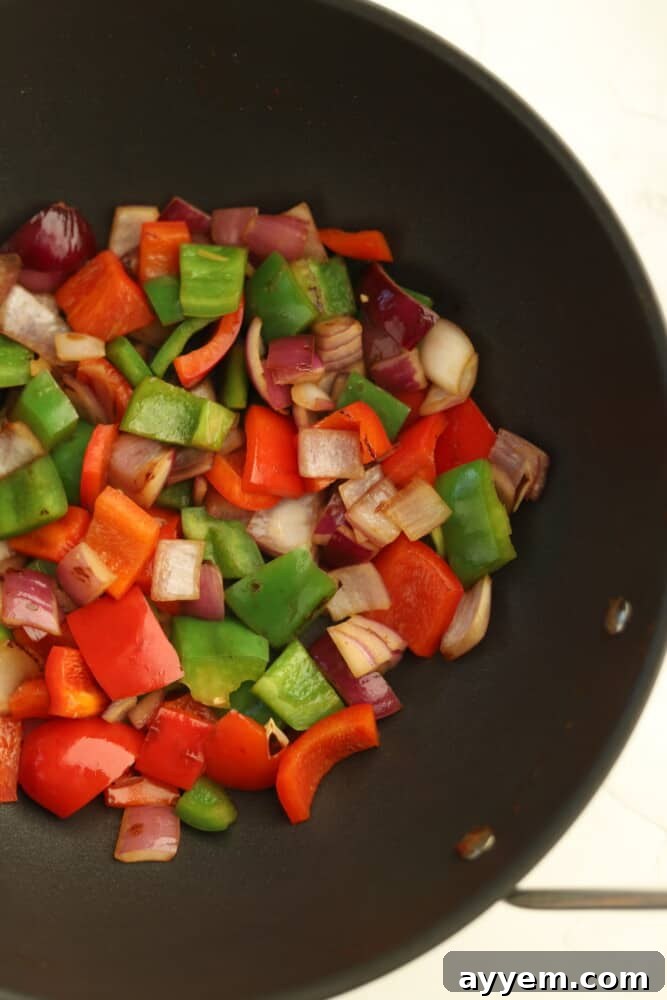
- **Sauté the Vegetables:** Add the chopped red onions, diced red bell peppers, and chopped green bell peppers to the same wok. Stir-fry for a few minutes until they begin to soften but still retain a slight crispness.
- **Infuse Aromatics and Spice:** Introduce the Thai chili peppers (adjust quantity to your spice preference), followed by the minced garlic cloves, freshly grated ginger root, and the white parts of the green onion stalks. Stir-fry for about 30-60 seconds until fragrant, being careful not to burn the garlic.
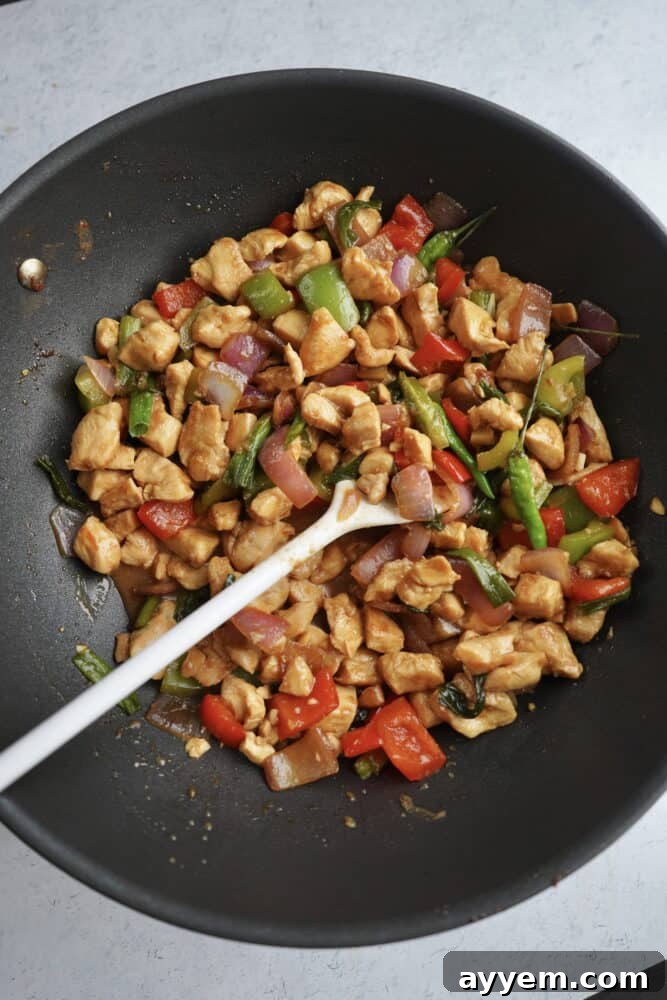
- **Reintroduce Chicken:** Return the cooked chicken back into the pan with the aromatic vegetables. Toss everything together to combine.
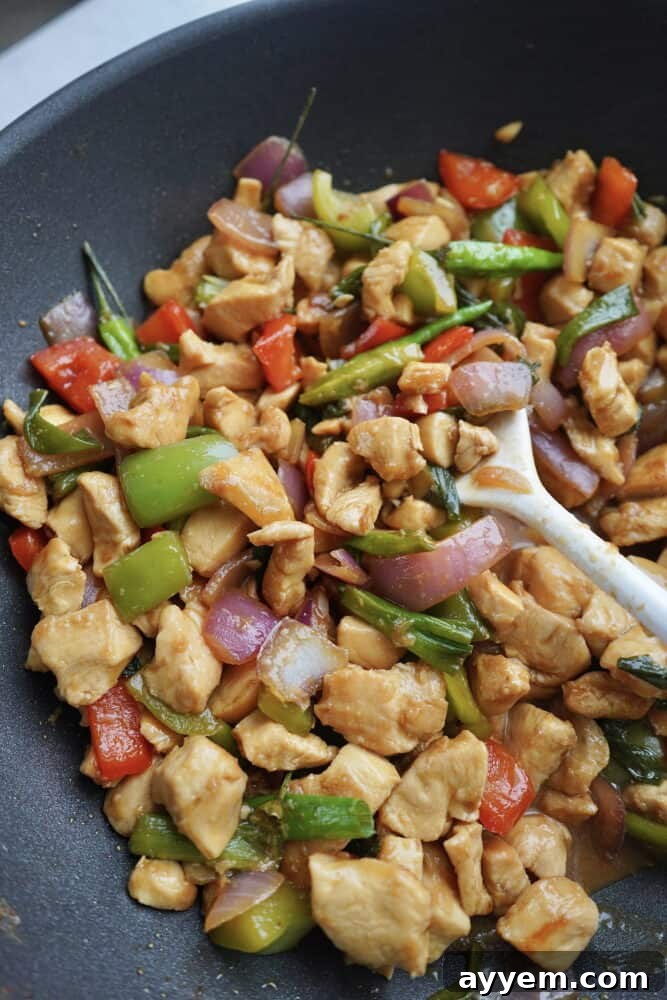
- **Craft the Sauce and Combine:** In a separate small bowl, whisk together the seasoned rice vinegar, granulated sugar, and the remaining low sodium soy sauce until the sugar is dissolved. Pour this exquisite sauce mixture into the hot wok. Toss vigorously to ensure all ingredients are evenly coated and the sauce thickens slightly, clinging to the chicken and vegetables.
- **Serve and Garnish:** Serve your piping hot Kung Pao chicken immediately, either on its own or, traditionally, over a fluffy bed of steamed white rice. For an authentic touch and added crunch, sprinkle with crushed roasted peanuts or cashews, and garnish with the green parts of the chopped green onions. Enjoy your homemade Szechuan masterpiece!
Common Questions About Kung Pao Chicken
While both are incredibly popular Chinese-inspired chicken dishes, they hail from different culinary traditions and possess distinct characteristics. Kung Pao chicken, originating from the Szechuan region, features a lighter, glossy sauce with a balance of sweet, savory, and a prominent spicy kick from chilies, often accompanied by the numbing sensation of Szechuan peppercorns. It typically includes stir-fried chicken pieces, peanuts, and various vegetables like bell peppers and onions. General Tso’s chicken, on the other hand, is an American Chinese creation, known for its deep-fried, crispy chicken coated in a thicker, syrupy, much sweeter sauce with a milder spice level. The preparation and flavor profiles are quite different, with Kung Pao being more about a fresh stir-fry and General Tso’s leaning into a richer, fried experience.
Authentic Kung Pao Chicken from the Szechuan region traditionally keeps the vegetable component relatively simple, focusing primarily on the chicken, chilies, and peanuts. You’d typically find diced or sliced onions, scallions (green onions), and occasionally a bit of celery for added crunch. Many Americanized versions, including this one, have evolved to include a wider array of colorful vegetables like bell peppers (red and green), and sometimes zucchini or carrots, to add more nutritional value and visual appeal. While not strictly traditional, these additions are delicious and widely accepted today.
The quintessential accompaniment for Kung Pao Chicken is plain steamed white rice. Its neutral flavor and soft texture perfectly absorb the rich and spicy sauce, acting as a canvas for the dish’s bold flavors. However, jasmine rice, with its delicate fragrance and slightly sticky texture, adds an aromatic dimension that beautifully complements the spicy and savory notes. For a healthier option, brown rice also works wonderfully, offering a nutty flavor and chewy texture that stands up well to the robust stir-fry.
When prepared traditionally as a stir-fry, Kung Pao Chicken can indeed be a nutritious meal. It relies on lean protein (chicken breast), is packed with fresh vegetables, and uses minimal oil for the stir-frying process, rather than deep-frying. The cornstarch velveting technique also uses very little fat. While the sauce contains sugar and sodium, opting for low-sodium soy sauce and controlling the amount of sugar can make it even healthier. It provides a good source of protein, essential vitamins from the vegetables, and can be a balanced meal when served with a moderate portion of rice.
Absolutely! The beauty of homemade Kung Pao Chicken is that you have full control over the heat. The Thai chili peppers are the primary source of spice in this recipe. If you prefer a milder dish, you can reduce the number of chili peppers or even remove the seeds, which hold most of the capsaicin. For those who love intense heat, feel free to add more chili peppers or even a dash of chili oil at the end. Taste as you go and adjust to your personal preference!
Leftover Kung Pao Chicken stores remarkably well, making it a great meal prep option. Allow the dish to cool completely, then transfer it to an airtight container and refrigerate for up to 3-4 days. To reheat, you can use a microwave for convenience, but for best results, gently warm it in a wok or skillet over medium heat with a splash of water or chicken broth to prevent drying out and help rejuvenate the sauce. Stir occasionally until heated through.
More Asian-Inspired Recipes to Elevate Your Dinner
If this delightful Kung Pao Chicken has sparked your interest in Asian cuisine, you’re in luck! We have a treasure trove of other fantastic recipes to help you explore the rich and diverse flavors of Asia and bring exciting new dishes to your dinner table. Expand your culinary horizons with these favorites:
**Easy Vegetarian Ramen** is a fantastic option for a quick, comforting, and flavor-packed meal that can be ready in less than 14 minutes. It’s perfect for busy weeknights.
**Wok Fried Rice** would be an absolutely perfect pairing with this Kung Pao Chicken, creating a complete and satisfying Chinese-inspired feast. Its savory notes complement the spicy and sweet chicken beautifully.
Did you know you can make **Fried Rice as a One-Pot dish**? This non-traditional yet incredibly convenient recipe makes preparing fried rice incredibly easy and still delivers all the delicious flavors you love, minimizing cleanup!
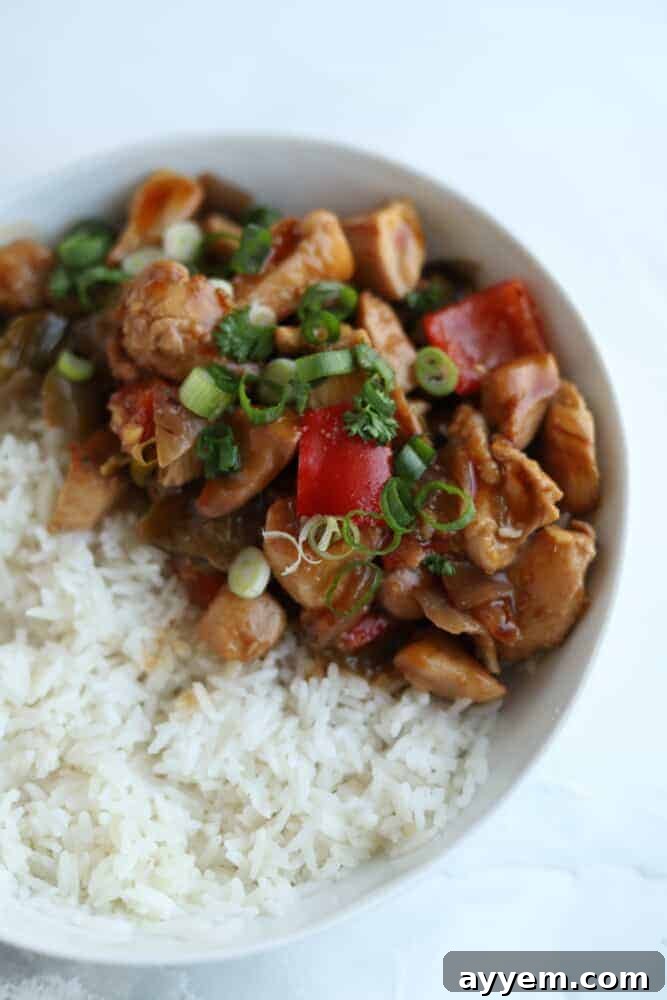
Kung Pao Chicken
Pin
Would you like to save this? 🔖
We’ll email this post to you, so you can come back to it later!
Ingredients
- 1/4 cup low sodium soy sauce
- 2 Tablespoons cornstarch
- 2 pounds chicken breast
- 2 teaspoons sesame oil
- 1 chopped red onion
- 1 chopped red bell pepper
- 1 chopped green bell pepper
- 5 Thai chili peppers
- 4 minced cloves garlic
- 1 inch grated ginger
- 4 stalks green onions
- 1/3 cup seasoned rice vinegar
- 2 teaspoons granulated sugar
- 1/4 cup low sodium soy sauce
Instructions
-
Combine soy sauce and cornstarch.1/4 cup low sodium soy sauce, 2 Tablespoons cornstarch
-
Chop the chicken in small bite size pieces.2 pounds chicken breast
-
Coat the raw chicken with the cornstarch and soy sauce mixture and set aside.
-
Heat up a wok over medium-high heat. Add sesame oil.2 teaspoons sesame oil
-
When the pan is hot, add the chicken into the pan and cook. Remove the chicken from the pan and set aside.
-
Add the chopped red onions, diced red bell peppers, and chopped green bell peppers to the pan. Allow them to soften in the pan.1 chopped red bell pepper, 1 chopped red onion, 1 chopped green bell pepper
-
Add the Thai chili peppers, followed by garlic cloves, grated ginger root, and green onion stalks. Stir everything together over the heat.5 Thai chili peppers, 4 minced cloves garlic, 1 inch grated ginger, 4 stalks green onions
-
Add the chicken back into the pan and mix.
-
Separately, whisk seasoned rice vinegar, sugar and soy sauce together. Add this mixture into the hot wok and toss together with the ingredients.2 teaspoons granulated sugar, 1/3 cup seasoned rice vinegar, 1/4 cup low sodium soy sauce
-
Serve hot on its own or with a side of rice!
Video
Equipment
Nutrition
Nutrition information is automatically calculated, so should only be used as an approximation.