
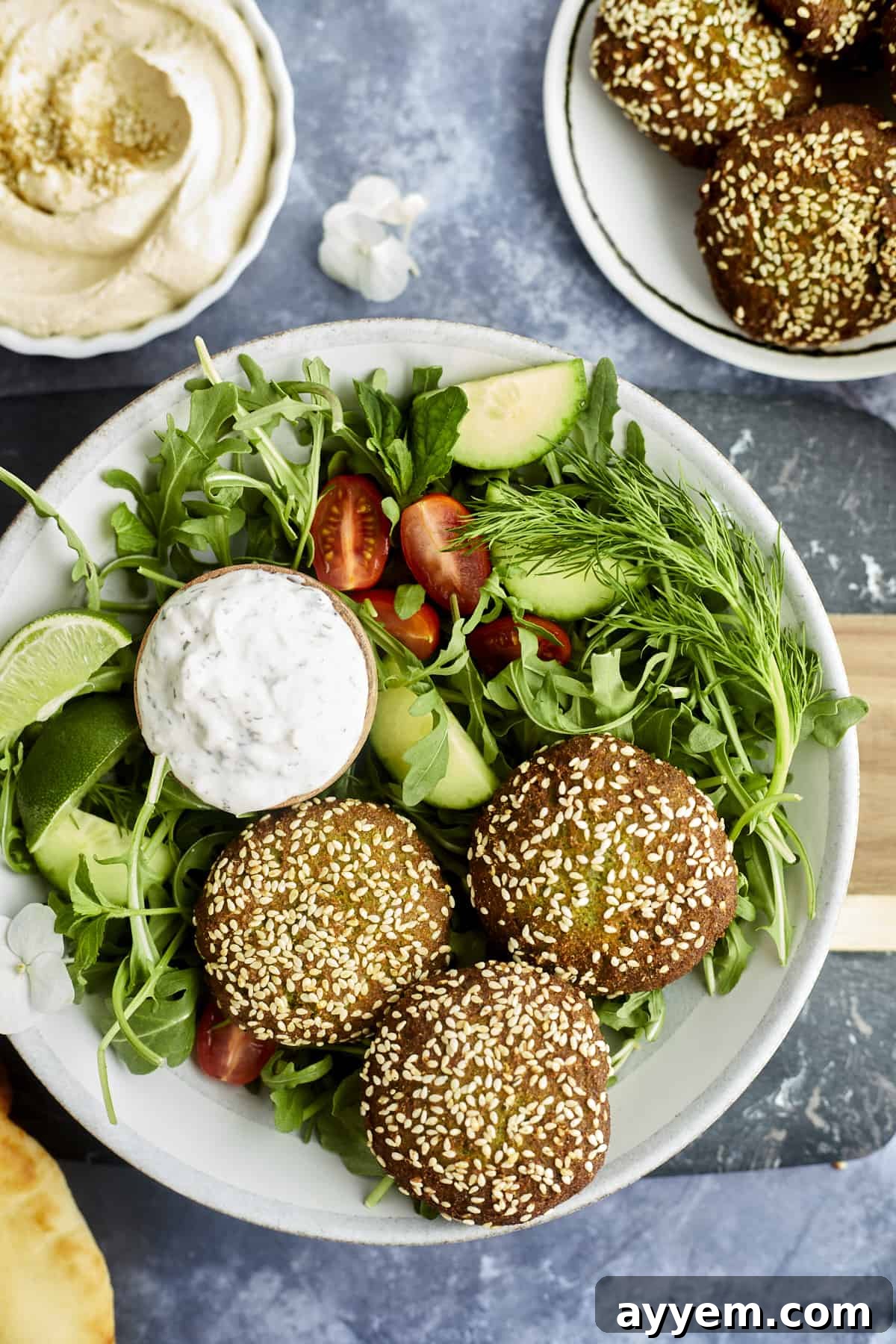
Mastering Authentic Falafel: A Delightful Homemade Recipe Guide
Falafel isn’t just a dish; it’s a global sensation, a finger-food marvel that consistently steals the spotlight in any culinary setting. It embodies the perfect blend of cozy comfort and wholesome goodness, making it a beloved staple across diverse cultures. Prepare this recipe for your loved ones, and you’re guaranteed to win instant fans with its irresistible charm and satisfying crunch.
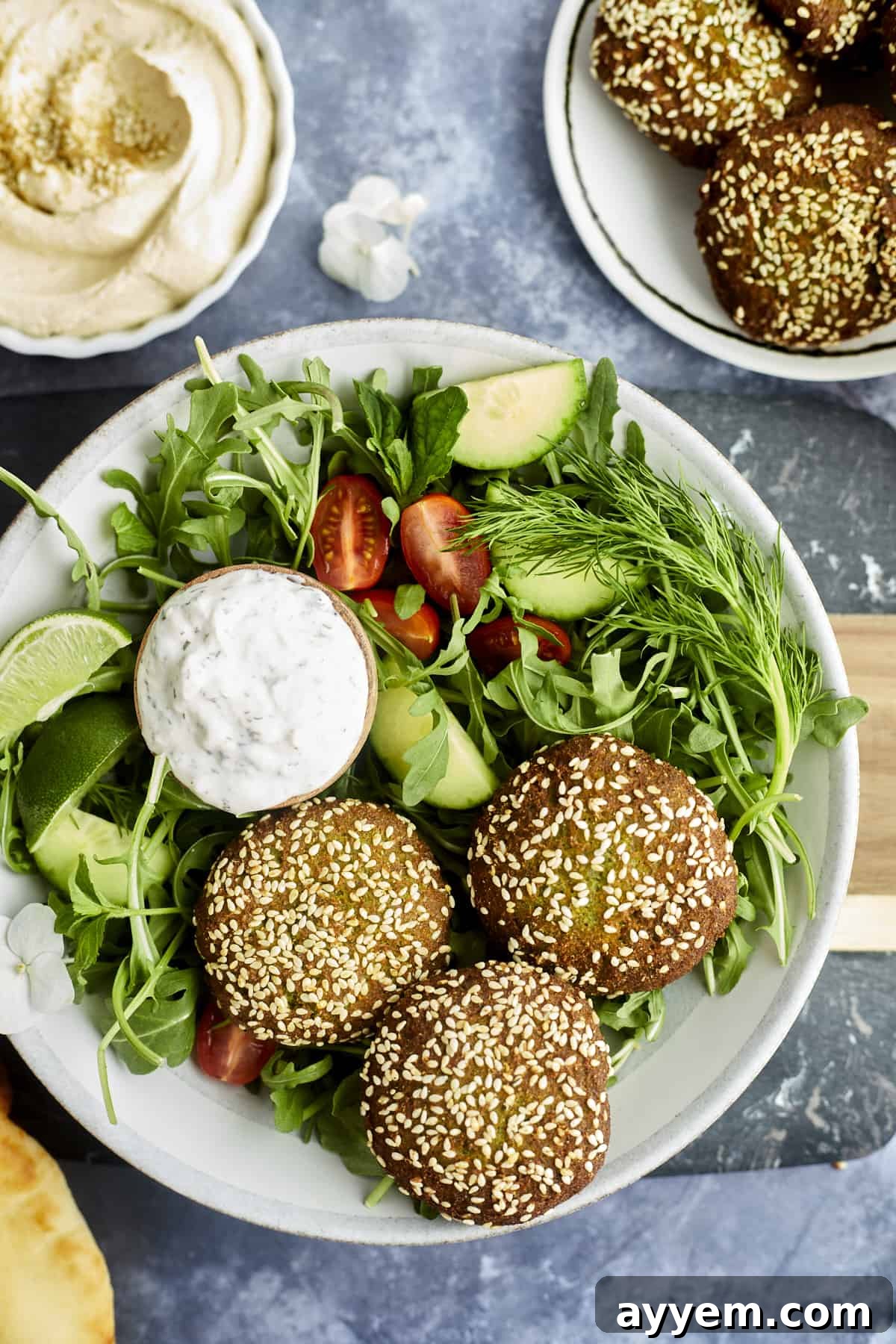
The Rich Tapestry of Falafel’s History
The origins of falafel are as rich and layered as its flavor, making it challenging for food historians to pinpoint the exact moment this iconic dish first came to be. Many culinary scholars trace falafel’s roots back over a millennium to ancient Egypt. Legend suggests that an enterprising baker, inspired by diverse culinary traditions encountered during travels across the Middle East, began frying seasoned balls of chickpea batter, thus giving birth to what we now cherish as falafel.
However, other historians propose an alternative theory, suggesting that the original concept for falafel might have emerged from India. This historical debate mirrors similar discussions surrounding other classic dishes, like crème brûlée, where multiple early origin stories converge into a more widely accepted modern narrative. Interestingly, falafel, in its journey through time, appears to beautifully blend elements from both Egyptian and Indian cuisines, creating a unique culinary legacy.
One of the more substantiated origin stories dates to 1882, following the British occupation of Egypt. During this period, recipes for falafel began appearing in Egyptian cookbooks. It is believed that British soldiers, accustomed to vegetable croquettes from their time in India, requested similar dishes. Egyptians ingeniously adapted this concept, utilizing readily available local ingredients like fava beans and chickpeas, combined with the frying methodology, to create the delicious falafel we know today. This fusion truly highlights falafel’s multicultural heritage.
Regardless of its precise genesis, falafel has undoubtedly transcended its historical context to become a globally beloved dish, celebrated for its versatility and delicious taste.
Crafting Perfect Falafel: Ingredients & Preparation
The secret to truly exceptional falafel lies in the quality of its core ingredients and the meticulous preparation steps. Our recipe focuses on achieving that coveted crispy exterior and tender, flavorful interior that defines authentic falafel. Understanding the nuances of chickpeas, fava beans, and the perfect blend of herbs and spices is key to unlocking its full potential.
Essential Ingredients for Authentic Flavor
The foundation of our falafel recipe rests on a harmonious blend of chickpeas and fava beans, which are crucial for achieving the traditional Egyptian texture and depth of flavor. Fresh green onions, aromatic garlic cloves, and a generous bunch of fresh cilantro infuse the mixture with vibrant, herbaceous notes. The spices—sea salt, black pepper, ground coriander, and cumin—are not just seasonings; they are the soul of falafel, contributing to its distinct Middle Eastern character. Finally, a touch of baking soda ensures a light and airy texture when cooked, while a sprinkle of sesame seeds adds a delightful nutty crunch to the exterior.
The Art of Soaking: Why it Matters for Texture
For an authentic falafel experience, soaking dried chickpeas and fava beans overnight is a non-negotiable step. This rehydrates the legumes, making them soft enough to blend into a smooth yet slightly coarse mixture, which is ideal for falafel. Uncooked, soaked beans provide a sturdier texture that prevents the falafel from falling apart during cooking, unlike cooked beans which can lead to a mushy consistency. Proper soaking also aids in digestion and enhances the overall flavor profile.
Time-Saving Shortcuts: Canned Beans for Busy Cooks
While traditional recipes call for soaking dried beans, we understand that time is often a luxury. For a quicker approach, you can opt for canned chickpeas and fava beans. This significantly reduces preparation time, allowing you to enjoy homemade falafel even on busy weekdays. It’s important to note that canned legumes tend to have a higher sodium content. To mitigate this, always give them a thorough rinse under cold water after draining. Rinsing helps to wash away excess sodium and any canning liquid, preparing them perfectly for your food processor.
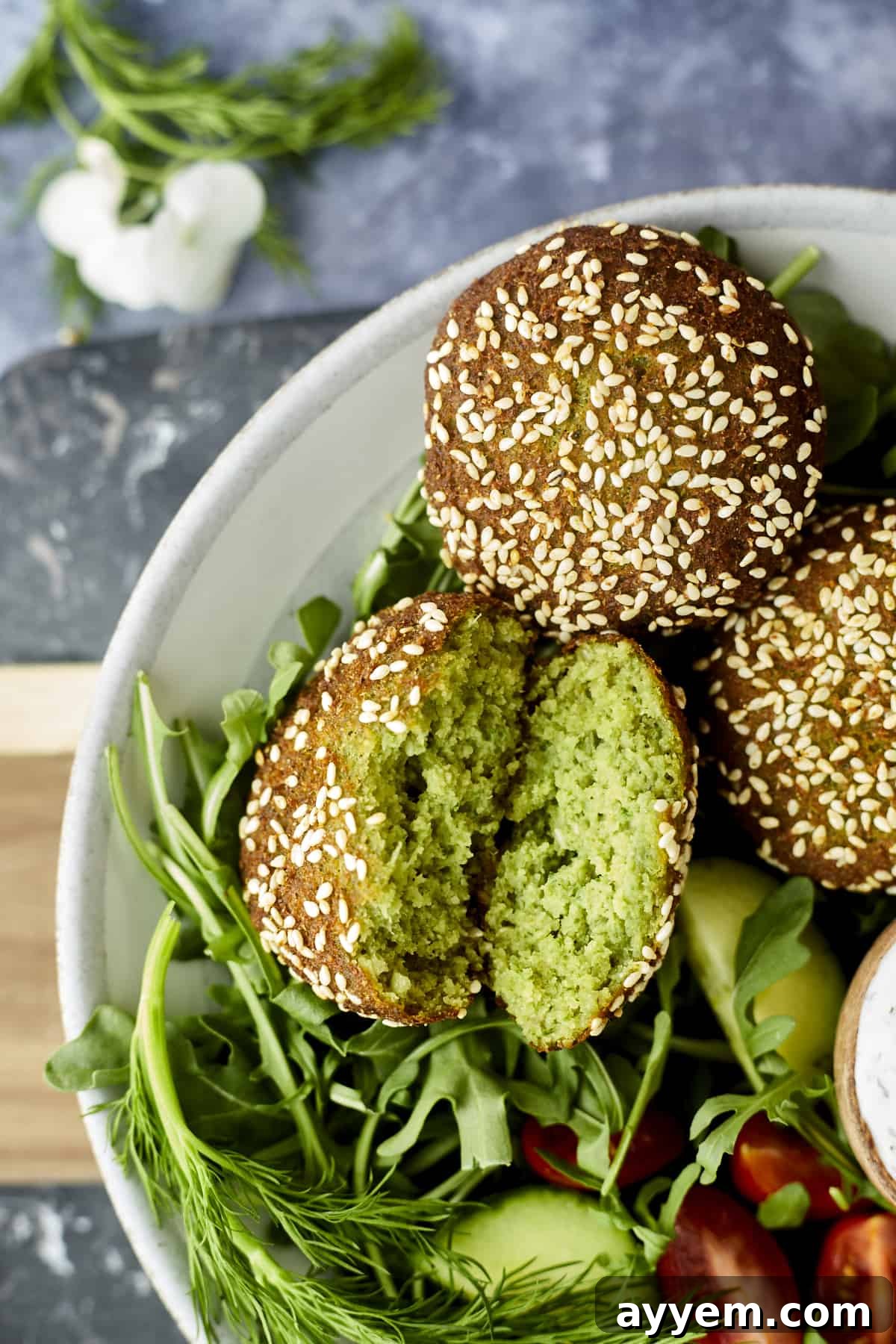
A Step-by-Step Guide to Our Irresistible Falafel
Preparing the Falafel Mixture
- **Soak the Legumes:** Begin by soaking your chickpeas and fava beans overnight. This crucial step ensures they are adequately rehydrated and ready for processing, forming the perfect base for your falafel.
- **Combine Aromatics and Legumes:** Set up your food processor. Add the soaked chickpeas, fava beans, green onions, chopped red onion, garlic cloves, and fresh cilantro to the bowl. Process these ingredients until you achieve a coarse, yet cohesive mixture. Avoid over-blending; a slightly textured consistency is ideal for falafel.
- **Season with Spices:** Next, incorporate the sea salt, black pepper, ground coriander, and cumin into the food processor. Pulse briefly to evenly distribute the spices throughout the mixture, ensuring every falafel ball is bursting with flavor.
- **Rest the Dough:** Transfer the falafel mixture from the food processor into a mixing bowl. Cover it and let it rest in the refrigerator for at least 30 minutes. This resting period allows the flavors to meld and the mixture to firm up, making it easier to shape.
Shaping and Cooking Techniques
- **Activate the Baking Soda:** Just before you’re ready to cook, add the baking soda to the falafel mixture in the bowl. Mix it thoroughly. Baking soda helps create a lighter, fluffier falafel with a perfect crispness.
- **Shape the Falafel:** Use an ice cream scooper or a falafel mold to form uniform balls or patties. Gently release the falafel dough into your hand and, if desired, press some sesame seeds onto the exterior for an extra layer of texture and flavor.
- **Choose Your Cooking Method:**
- **For Deep Frying (Traditional Method):** Heat cooking oil in a deep pot to approximately 350-375°F (175-190°C). Carefully drop the shaped falafel into the hot oil, ensuring not to overcrowd the pot. Fry for 3-5 minutes, or until deeply golden brown and crispy on all sides. Remove with a slotted spoon and place on a wire rack lined with paper towels to drain excess oil.
- **For Air Frying (Healthier Alternative):** For a lighter option, arrange the falafel in a single layer in your air fryer basket. Cook at 350°F (175°C) for 15-18 minutes. Make sure to flip the falafel halfway through the cooking time to ensure even crisping and a golden finish on all sides. This method results in a delicious, guilt-free falafel without sacrificing much of the desired crunch. You can find our dedicated Air Fryer Falafel recipe here for more details.
- **Serve Immediately:** Serve your falafel hot or at room temperature. It’s delicious on its own as a snack or appetizer, but truly shines when paired with traditional accompaniments.
Elevate Your Meal: Delicious Serving Suggestions for Falafel
The beauty of falafel lies in its incredible versatility. While delicious on its own, it truly shines when complemented by a variety of sidekicks. Given that falafel can sometimes be a tad dry, pairing it with the right dips and fresh components elevates the entire culinary experience. Here are some of our absolute favorite ways to enjoy each crunchy falafel bite:
Classic Dips & Sauces
- Our **Roasted Red Pepper Whipped Feta** is outrageously good. Its creamy texture and smoky flavor from the roasted red peppers create an exquisite balance that perfectly complements the earthy notes of falafel.
- For true chickpea enthusiasts, serving falafel alongside our **Hummus with Roasted Tomatoes and Olives** is a must. While it might seem like doubling up on legumes, the smooth, rich hummus acts as an ideal dipping companion, enhancing the falafel’s flavor.
- A traditional accompaniment, **Tahini Sauce**, offers a nutty, tangy contrast that brightens the falafel. Mix tahini paste with lemon juice, water, and garlic for a classic drizzle.
- A simple, garlicky **Yogurt Sauce** (similar to tzatziki) provides a refreshing and cooling counterpoint to the warm falafel, offering a creamy and tangy zest.
- For those who enjoy a kick, a dollop of zesty **Harissa** or a drizzle of **Sriracha** can add a fantastic spicy element.
Fresh Salads & Vibrant Sides
- If you haven’t tried burrata, imagine mozzarella’s creamier, more decadent cousin. Our **Burrata with Roasted Tomatoes and Za’atar Pita** makes an incredible platter companion, offering a refreshing balance and luxurious texture alongside your falafel.
- Our **Roasted Eggplant and Tomatoes with Yogurt Dip** is another hit that pairs beautifully with falafel. You can prepare the whole recipe or simply make the cooling yogurt dip to serve on the side.
- Classic Middle Eastern salads like **Fattoush** (with toasted pita bread, fresh vegetables, and a tangy dressing) or **Tabouleh** (a fresh parsley and bulgur salad) offer a burst of freshness and crunch.
- A simple plate of fresh mixed greens with a lemon-tahini dressing provides a light and healthy complement.
Wholesome Wraps & Platters
Falafel is famously served stuffed into warm pita bread, creating a hearty and portable meal. Load your pita with fresh falafel, crisp lettuce, juicy tomatoes, cucumbers, pickles, and a generous drizzle of tahini sauce. For a more elaborate presentation, arrange falafel on a large platter with various dips, fresh vegetables, olives, and warm flatbreads for a delightful mezze spread that’s perfect for sharing.
For more whipped dip ideas that pair wonderfully with falafel, be sure to check out our roundup of Our Most Popular Whipped Dip Recipes.
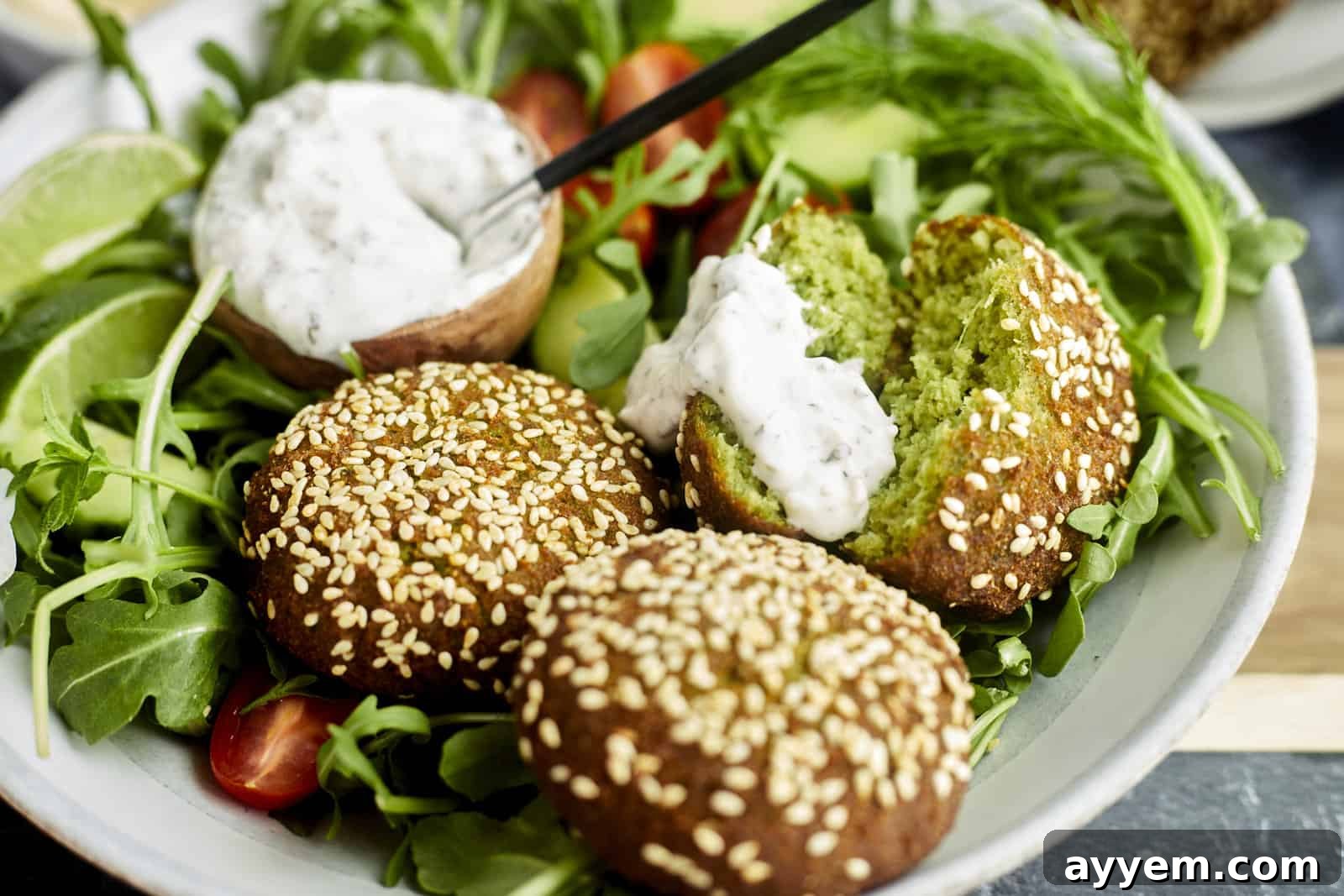
Storing Your Homemade Falafel for Future Enjoyment
One of the many advantages of making falafel from scratch is how easily it stores, making it a fantastic candidate for meal prepping. Whether you’ve made a large batch of cooked falafel or prefer to prepare the dough in advance, proper storage ensures you can enjoy this delicious treat whenever the craving strikes.
Refrigeration and Freezing Best Practices
For cooked falafel, allow them to cool completely before transferring them to an airtight container. They will keep fresh in the refrigerator for 3-5 days, making them perfect for quick lunches or snacks throughout the week. For longer storage, falafel freezes exceptionally well. Place cooled, cooked falafel in a single layer on a baking sheet and freeze until solid. Once frozen, transfer them to a resealable freezer bag or an airtight container, and they will stay fresh for up to 3 months.
You can also freeze uncooked falafel dough. Shape the dough into balls or patties, then place them on a parchment-lined baking sheet and freeze until firm. Once frozen, transfer the dough to a freezer-safe bag or container. When ready to cook, thaw the dough in the refrigerator overnight before frying or air frying as per the recipe instructions.
Effortless Meal Prep with Falafel
Don’t overlook adding our falafel recipe to your meal prep calendar! Preparing a big batch allows for ultimate convenience. You can freeze a significant quantity, then simply take out the precise amount you need for a quick meal. A sturdy resealable freezer bag or reusable silicone bag works wonderfully for this purpose, keeping your falafel fresh and organized. This proactive approach ensures you always have a healthy, delicious, and homemade option readily available, saving you time and effort during busy days.
Your Falafel Questions Answered: FAQs
What sauces go well with falafel?
Traditional accompaniments include creamy tahini sauce, tangy hummus, or a refreshing garlicky yogurt sauce (like tzatziki). For those who enjoy a bit of heat, try adding some zesty harissa or a drizzle of sriracha for a spicy kick. Don’t forget fresh lemon juice for a bright finish!
Is falafel gluten-free?
Absolutely! Traditional falafel recipes, including ours, are naturally gluten-free as they are primarily made from chickpeas (or fava beans) and fresh herbs. However, some commercial or modified versions might use flour as a binder, so it’s always wise to check ingredients if you have sensitivities or simply make your own to ensure they are completely gluten-free.
How do I keep falafel from falling apart?
Achieving the right consistency for your falafel mixture is paramount. The key is using soaked, uncooked chickpeas or fava beans, which provide a sturdier texture compared to cooked ones. If your mixture feels too wet, incorporating a small amount of chickpea flour or a tablespoon of breadcrumbs can help bind it together effectively without altering the flavor too much.
How do you serve falafel?
Falafel is incredibly versatile! We love serving it in many ways: stuffed into warm pita bread with fresh salad, pickles, and plenty of tahini sauce; as the star component of a vibrant salad bowl; or simply as a standalone snack with an array of dipping sauces for a delicious appetizer.
Can I bake falafel instead of frying?
Yes, you certainly can! Baking falafel is a healthier alternative to deep-frying. Preheat your oven to 400°F (200°C), lightly brush the falafel balls with olive oil, and bake for 20-25 minutes, flipping halfway through, until they are golden brown and crispy. While the texture might be slightly different from deep-fried, they are still incredibly delicious.
What’s the difference between Egyptian and Levantine falafel?
The primary difference lies in the main ingredient. Egyptian falafel (ta’ameya) is traditionally made with ground fava beans, sometimes mixed with chickpeas, resulting in a lighter green interior. Levantine falafel (common in Lebanon, Syria, Jordan, Palestine) primarily uses chickpeas, yielding a more golden-brown interior. Both styles incorporate fresh herbs and spices, offering unique but equally delicious flavors and textures.
How to make falafel crispy?
To achieve maximum crispiness, ensure your oil is at the correct temperature (350-375°F / 175-190°C) for deep frying, and don’t overcrowd the pot. For air frying, preheating your air fryer and flipping the falafel halfway through are essential. Adding a small amount of baking soda to the mixture just before cooking also contributes to a lighter, crispier texture.
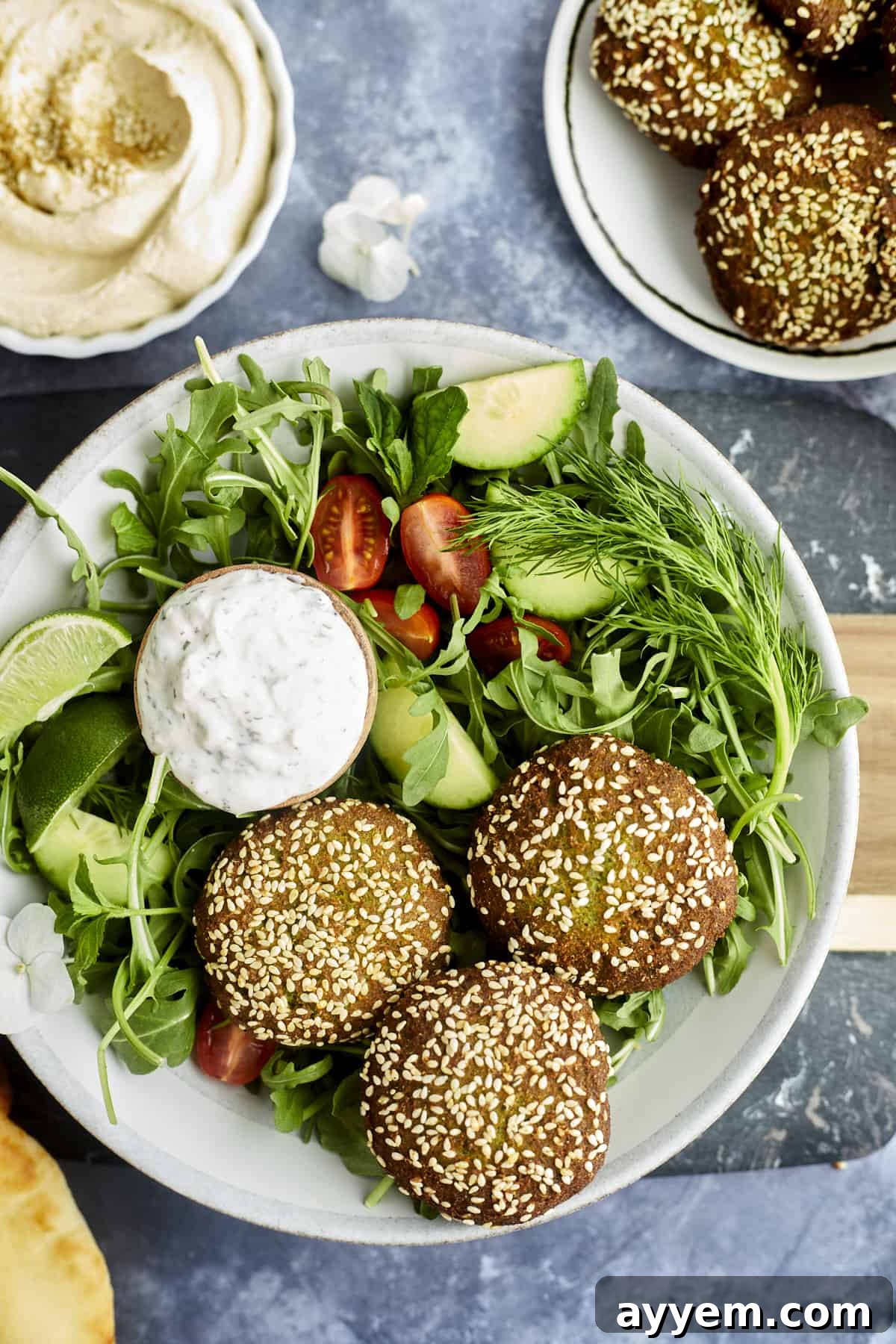
Authentic Egyptian-Style Falafel
Food Dolls
8 servings
20 mins
15 mins
35 mins
Pin Recipe
Print Recipe
Email Recipe
Ingredients
-
1 cup chickpeas (soaked overnight) -
2 cups fava beans (soaked overnight and shelled) -
6 whole green onions -
1 medium red onion -
4 garlic cloves -
1 small bunch of cilantro stems removed -
1 teaspoon sea salt to taste -
1/2 teaspoon pepper to taste -
1 teaspoon ground coriander -
1 teaspoon cumin -
1 teaspoon baking soda -
Sesame seeds for topping -
Cooking oil for frying (if not air frying)
Instructions
-
Soak the chickpeas and fava beans overnight to rehydrate them.
-
Set up your food processor. Add soaked chickpeas, fava beans, green onion, chopped red onion, garlic cloves, and cilantro to the food processor. Blend everything together until the mixture is coarse but cohesive.
-
Next, add sea salt, pepper, ground coriander, and cumin to the food processor. Pulse it together to combine the spices evenly.
-
Remove the falafel dough mixture from the food processor and place it in a bowl. Cover and refrigerate for at least 30 minutes to firm up.
-
When you are ready to cook, add the baking soda to the falafel mixture in the bowl and mix it all together thoroughly.
-
Use an ice cream scooper or a falafel mold to scoop out small balls of falafel dough. Gently release into your hand and sprinkle with sesame seeds, pressing lightly to adhere.
-
For Air Frying: Arrange the falafel in a single layer in the air fryer basket. Cook for 15-18 minutes at 350°F (175°C). Flip the falafel halfway through the cook time to ensure they’re crunchy and golden on both sides.
For Deep Frying: Heat cooking oil in a deep pot to 350-375°F (175-190°C). Carefully drop the falafel into the hot oil and cook for 3-5 minutes, or until golden brown and crispy. Remove with a slotted spoon and drain on a wire rack.
-
Serve hot or at room temperature on its own or with tahini, hummus, pita bread, and a fresh salad.
Video
Enjoy this step-by-step video guide to making perfect homemade falafel.
Equipment
Nutrition
Nutrition information is automatically calculated and should only be used as an approximation.
Enjoyed this recipe?
Please leave a comment and share your experience!