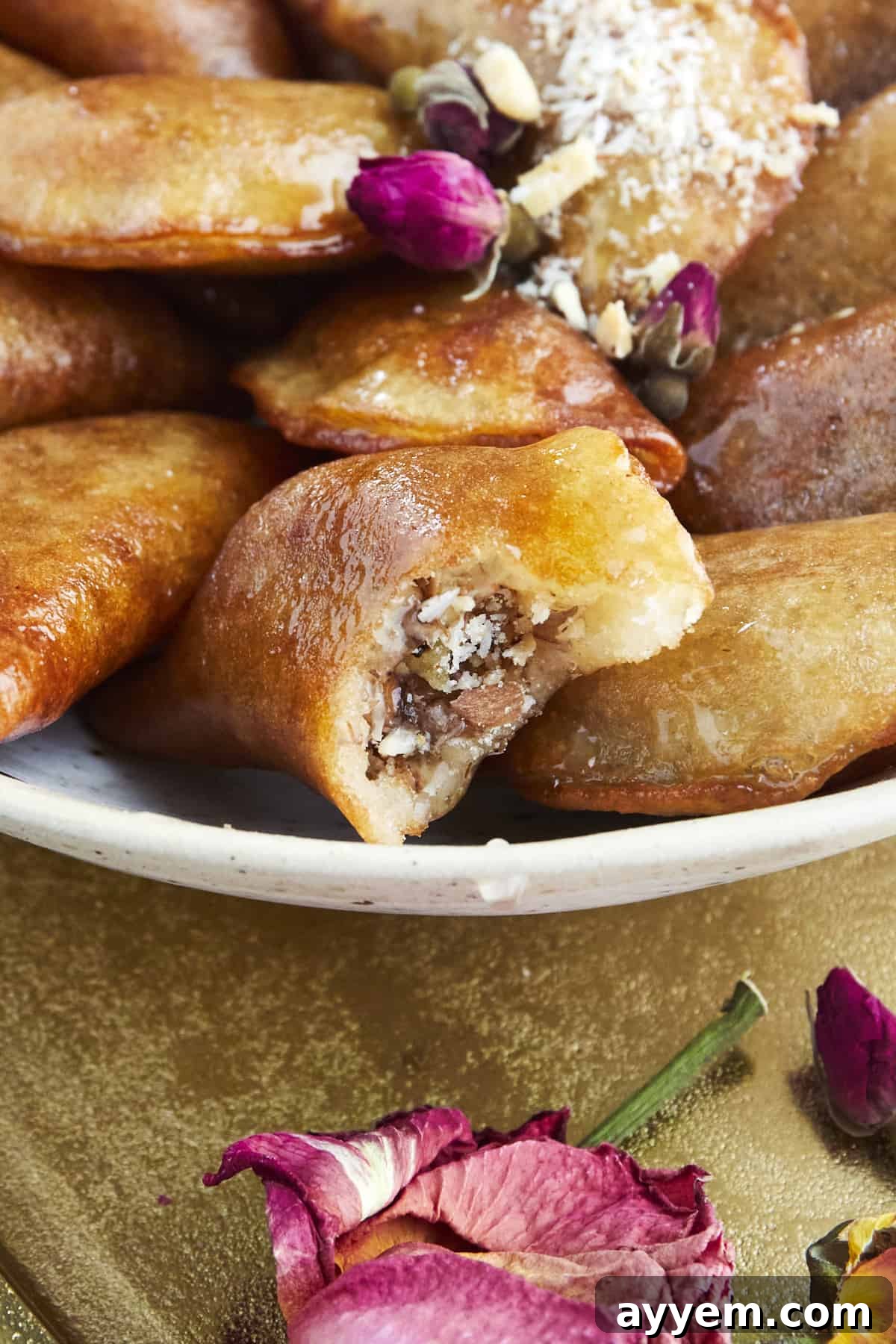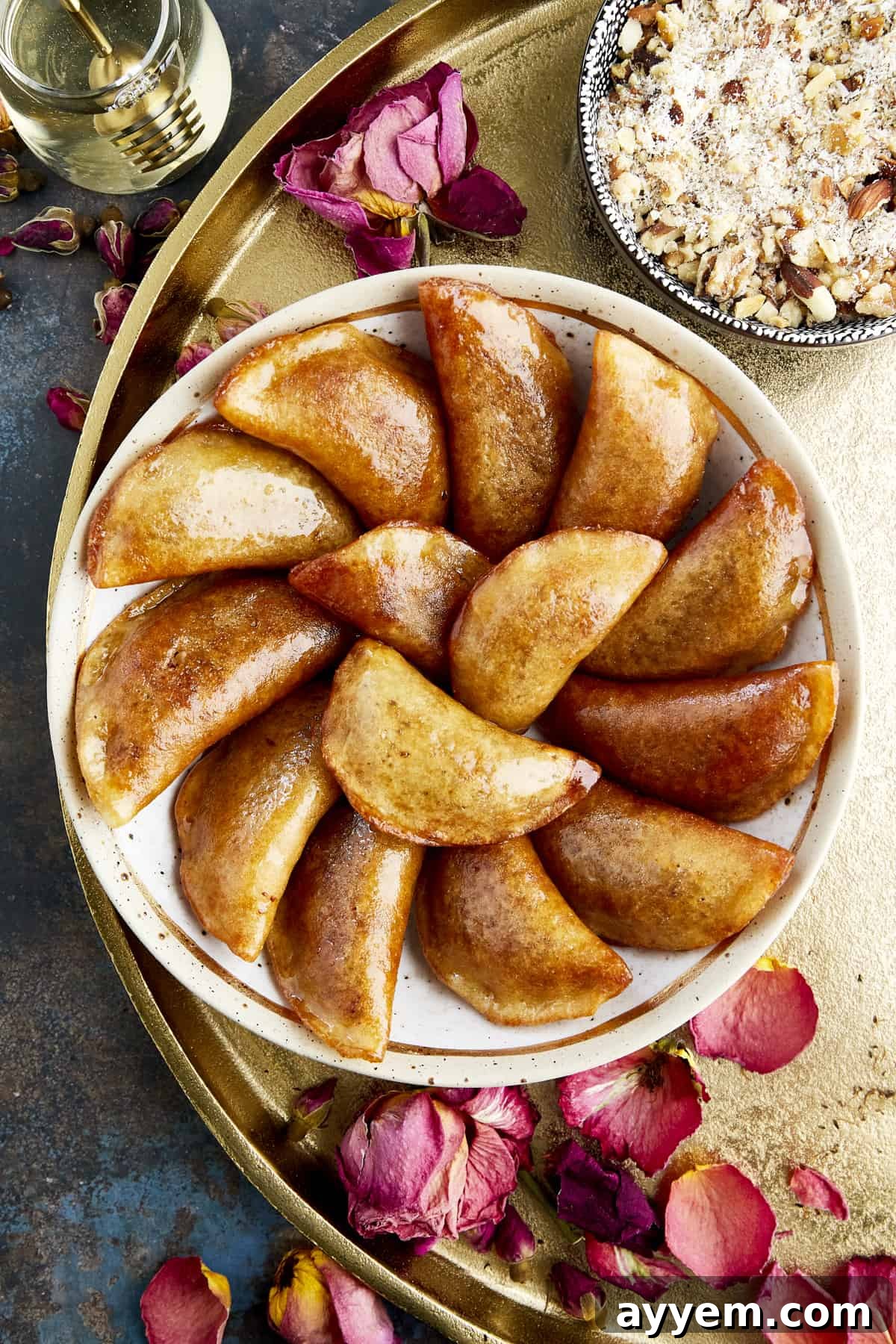
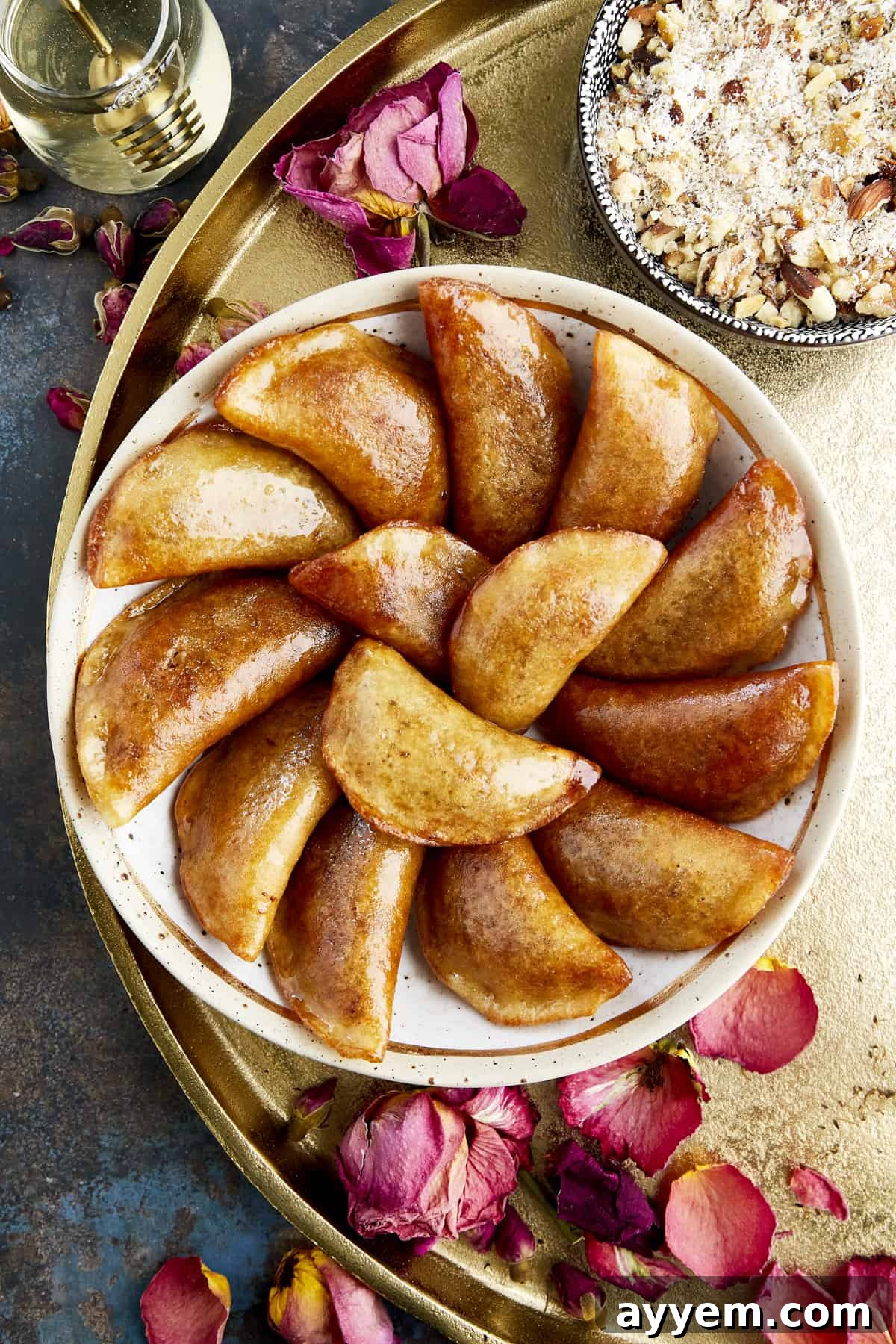
Indulge in the irresistible allure of Qatayef, a timeless Middle Eastern dessert that promises a delightful symphony of sweet flavors and satisfying textures. Imagine a tender, pancake-like pastry, delicately fried to a golden crisp, then generously filled with a rich, crunchy blend of sweetened nuts. Each bite delivers a harmonious contrast of fluffy dough, aromatic spices, and a nutty core, all enveloped in a glistening, fragrant simple syrup. This exquisite treat is more than just a dessert; it’s a culinary tradition, particularly cherished during the holy month of Ramadan, bringing joy and warmth to every gathering.
Unveiling Qatayef: A Culinary Gem
Qatayef, often referred to as katayef or atayef, is a revered dessert deeply embedded in Middle Eastern culture. While the name technically denotes only the unique, leavened batter that forms its foundation, it has become synonymous with the entire decadent pastry. This delicacy typically features a delicate, semi-cooked pancake-like disc, which is then generously stuffed with a sweet, spiced nut mixture. The filled pastry can be either deep-fried to achieve a beautifully crisp exterior or baked for a lighter touch, before being drenched in a fragrant, sticky simple syrup. The artistry of Qatayef lies in its versatile presentation; some prefer them folded into a half-moon shape with pinched edges, resembling a sweet dumpling, while others favor a more open cone-like structure, often filled with cream just before serving. Regardless of the precise method, the result is consistently a treat that captivates the senses and satisfies the sweetest cravings.
Historically, Qatayef holds a special place in Middle Eastern celebrations, especially during Ramadan, the Islamic holy month. It’s a customary dessert served during Iftar, the evening meal that breaks the daily fast, symbolizing communal joy and hospitality. Its origins are believed to trace back to the Abbasid Caliphate, with tales of it being prepared for caliphs and nobles. Over centuries, its popularity spread across the Levant, Egypt, and beyond, evolving into the beloved staple it is today. Each region might have its subtle variations in preparation or filling, but the essence of Qatayef – a sweet, comforting, and celebratory dessert – remains universally cherished.
The Exquisite Flavor and Texture of Qatayef
Beyond its visual appeal, Qatayef offers an incredibly unique and multifaceted flavor experience that truly sets it apart. The classic rendition, particularly with a nut filling, can be likened to an elevated version of sweet, nutty pastries or even a sophisticated doughnut. Imagine a delightful contrast: the outer layer, when fried, is wonderfully crisp, giving way to a soft, airy, and slightly chewy pancake-like interior. This tender casing cradles a robust, crunchy nut filling, bursting with the earthy richness of walnuts and almonds, often enhanced by the warm notes of cinnamon and the subtle sweetness of coconut. The entire creation is then bathed in a simple syrup, which infuses it with a deep, honeyed sweetness and a touch of refreshing citrus zest, creating a perfectly balanced profile that is both rich and invigorating.
While the nut-filled Qatayef is a timeless favorite, the versatility of this dessert allows for numerous exciting variations. For those who prefer a creamier indulgence, there are options like Qatayef with Cream Cheese Filling, offering a tangier, smoother texture that beautifully complements the sweet syrup. Another popular choice is Qatayef with Whipped Cream and Pistachios, which presents a lighter, more ethereal dessert, often served cold, where the vibrant green pistachios add both color and a delicate crunch. Regardless of the filling, the fundamental promise of Qatayef remains: a truly sweet and satisfying experience that caters to diverse palates, always leaving a memorable impression.
Essential Ingredients for Perfect Qatayef
Crafting this beloved Qatayef recipe relies on a combination of readily available ingredients, many of which you likely have stocked in your pantry. We’ve stayed true to traditional flavors, ensuring an authentic and deeply satisfying result. Here’s a detailed breakdown of what you’ll need for both the delightful Qatayef pastry and its essential accompanying simple syrup:
For the Qatayef Pastry and Filling
- All-Purpose Flour and Cream of Wheat: This dynamic duo forms the cornerstone of the Qatayef batter. The all-purpose flour provides structure, while the cream of wheat (semolina) contributes to the pastry’s unique, slightly coarse yet incredibly fluffy texture, making it pliable and easy to work with for stuffing.
- Water: Crucial for hydrating the dry ingredients and activating the yeast. Ensure it’s room temperature, as excessively hot water can deactivate the yeast, preventing the batter from rising properly.
- Yeast (Regular): The magic behind the Qatayef’s characteristic airy and slightly sticky texture. Yeast fermentation creates bubbles in the batter, leading to a light and spongy pancake that fries beautifully.
- Granulated Sugar: A sweetening agent used in both the Qatayef batter and the nut filling. It provides the essential sugary notes that define this dessert.
- Baking Powder and Baking Soda: These leavening agents work in conjunction with the yeast to ensure a perfectly risen, airy batter. Always check their freshness to guarantee optimal results.
- Cornstarch: Acts as a thickening agent for the batter, contributing to its smooth consistency and aiding in the development of a delicate crispness when cooked.
- Salt: A small pinch of salt is vital, not just for seasoning but also to balance and enhance the natural sweetness and depth of flavor from the other ingredients.
- Nuts (Walnuts, Almonds or Pistachios): The heart of the traditional filling. A mix of chopped walnuts and finely chopped almonds or pistachios provides a diverse range of textures and rich, earthy flavors. Their crunch is essential to the Qatayef experience.
- Unsweetened Coconut Flakes: These add a delightful, subtly chewy texture and a hint of exotic, rich flavor that complements the nuts beautifully. Opt for fine flakes for a better blend within the filling.
- Cinnamon: While optional, a dash of ground cinnamon is highly recommended. Its warm, spicy notes elevate the nut filling, creating a complex and incredibly delicious aroma and taste profile that takes this dessert to another level.
- Optional Add-in: Raisins: For an extra burst of concentrated sweetness and a delightfully chewy element, some people enjoy incorporating a small amount of chopped raisins into their nut filling.
For the Simple Syrup (Ater)
- Water: The primary base for the syrup, dissolving the sugar and allowing it to transform into a viscous, sweet liquid.
- Sugar: The key ingredient for creating the sweet, glossy consistency of the syrup (ater).
- Citrus Juice (Lemon or Lime): A vital component that prevents the syrup from crystallizing and adds a refreshing, bright zest. This subtle acidity beautifully cuts through the richness of the fried pastry, creating a balanced and invigorating flavor contrast.
- Vanilla Extract: Aromatic vanilla extract is stirred in at the end to add depth, warmth, and a comforting fragrance to the simple syrup, enhancing the overall dessert experience.
Crafting Classic Qatayef: A Step-by-Step Guide
While the intricate appearance of Qatayef might suggest a challenging culinary endeavor, the process is surprisingly straightforward and enjoyable. With a little practice, you’ll find yourself effortlessly creating these delectable pastries. Follow these steps to prepare your own batch of classic Qatayef.
Phase 1: Preparing the Fragrant Simple Syrup (Ater)
- Boil the Base: In a medium saucepan, combine the water and granulated sugar. Place the saucepan over high heat and bring the mixture to a rolling boil, stirring occasionally to ensure the sugar fully dissolves.
- Infuse with Citrus: Once boiling, add the freshly squeezed lemon or lime juice to the syrup mixture. Stir well to incorporate the citrus, which helps prevent crystallization and adds a pleasant tang.
- Simmer to Perfection: Reduce the heat to low. Allow the syrup to gently simmer for approximately 6-8 minutes. This slow simmer is crucial for the flavors to meld and for the syrup to thicken to the desired consistency. It should be viscous but still pourable.
- Add Vanilla and Cool: Remove the saucepan from the heat. Stir in the vanilla extract, ensuring it’s evenly distributed. Set the syrup aside to cool completely to room temperature. A cool syrup is essential as it clings better to the hot Qatayef, creating that perfect sugary glaze.
Phase 2: Preparing and Cooking the Qatayef Pastry
- Create the Batter: In a blender, combine the all-purpose flour, cream of wheat, regular yeast, cornstarch, granulated sugar (for the batter), baking powder, and salt. Carefully pour in the room temperature water. Blend the ingredients until they are thoroughly combined and the batter is smooth. Finally, add the baking soda and pulse a few more times, being careful not to overmix. Overmixing can develop the gluten too much, leading to a tough pastry. Cover the blender or bowl and let the batter rest for 20 minutes; this allows the yeast to activate and the batter to achieve its optimal texture.
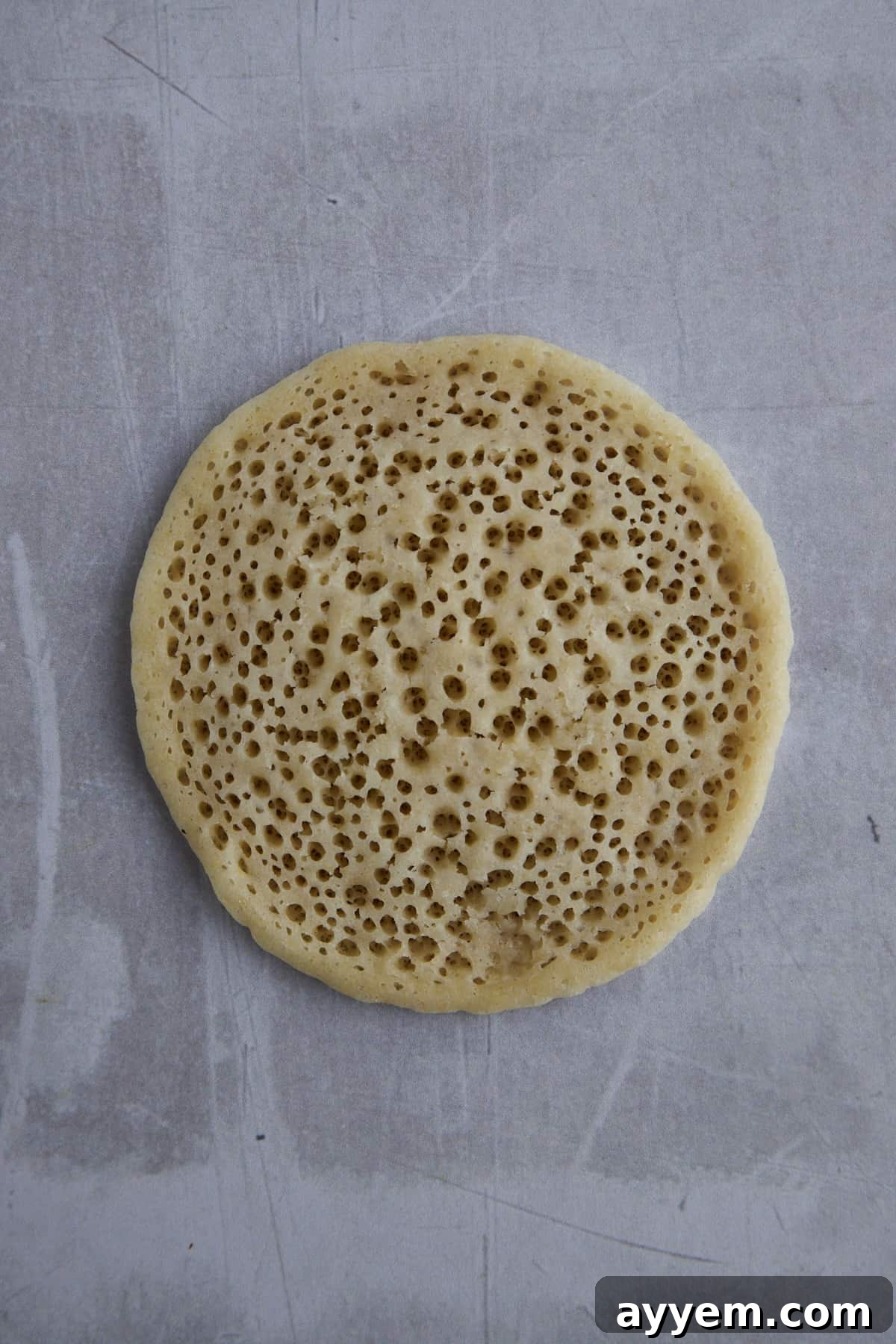
- Cook the Qatayef Pancakes: Heat a non-stick skillet or griddle over medium heat. Lightly grease the pan if necessary, though a good non-stick surface often won’t require it. Using a small ladle, scoop a portion of the batter onto the hot pan, creating small, round pancakes of uniform size. Cook the Qatayef on one side only. You’ll know they are ready when the edges begin to puff up, and numerous bubbles form and burst on the surface, leaving behind a dry, cooked top. The underside should be lightly golden.
- Keep Them Moist: As each Qatayef pancake finishes cooking, immediately transfer it to a clean kitchen towel or plate, ensuring the cooked (bubbly) side faces up. Cover them with another towel or plastic wrap to keep them warm and moist. This prevents them from drying out, which is crucial for easy stuffing and sealing later. Repeat this process until all the batter has been used.
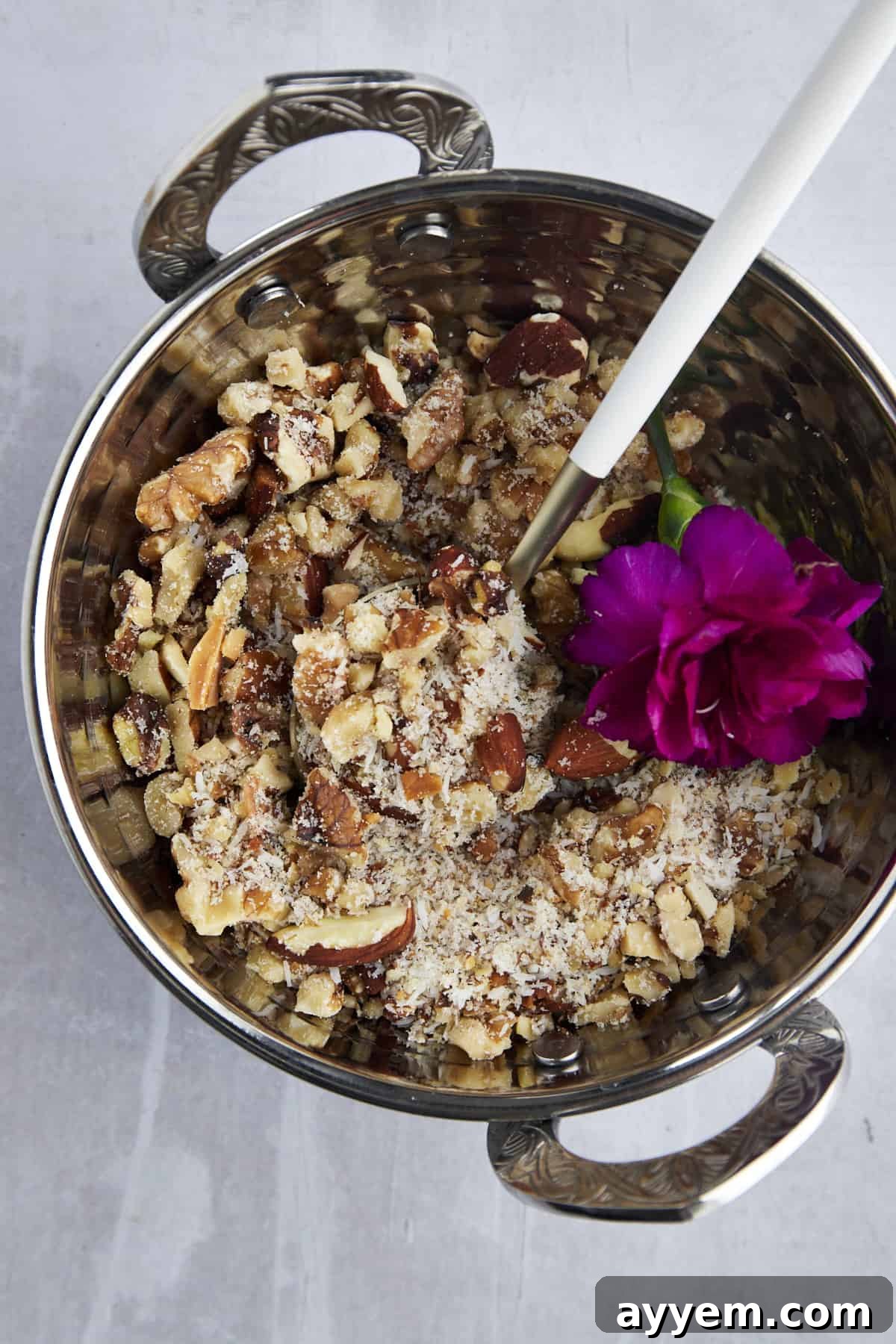
- Prepare the Nut Filling: In a small mixing bowl, combine the chopped walnuts, almonds (or pistachios), unsweetened coconut flakes, granulated sugar (for the filling), and the optional cinnamon. Mix thoroughly until all ingredients are well distributed. If you’re adding raisins, incorporate them here too.
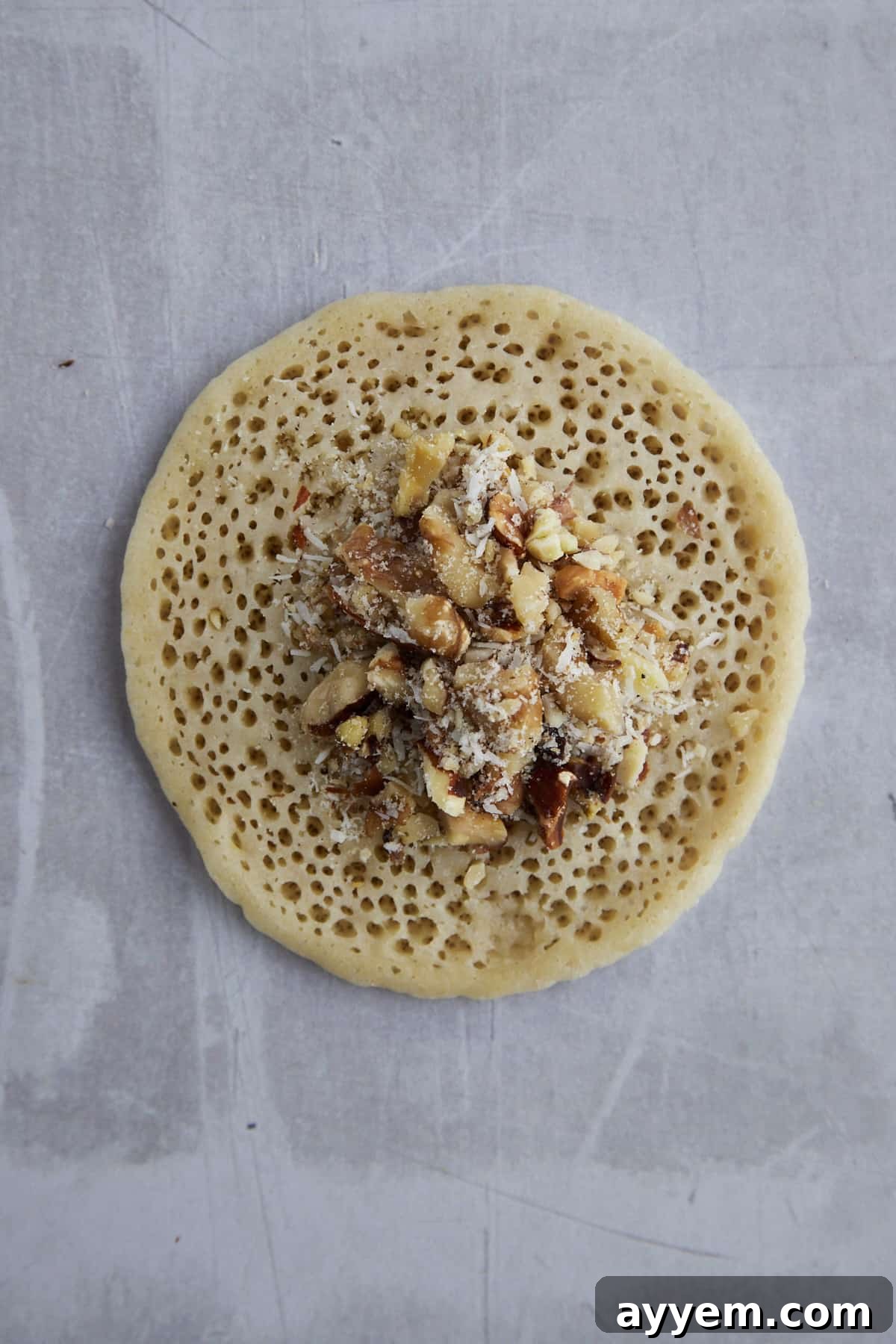
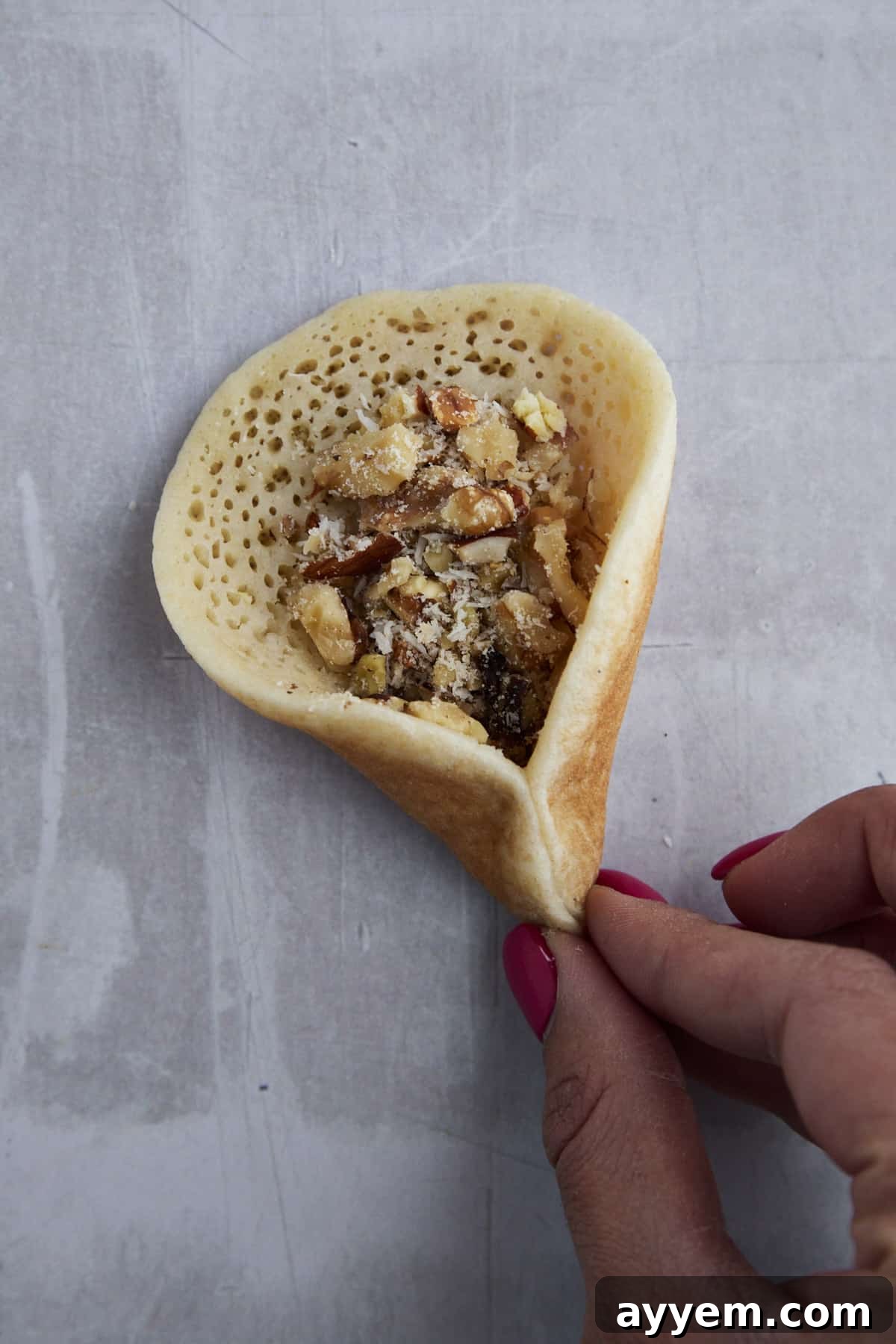
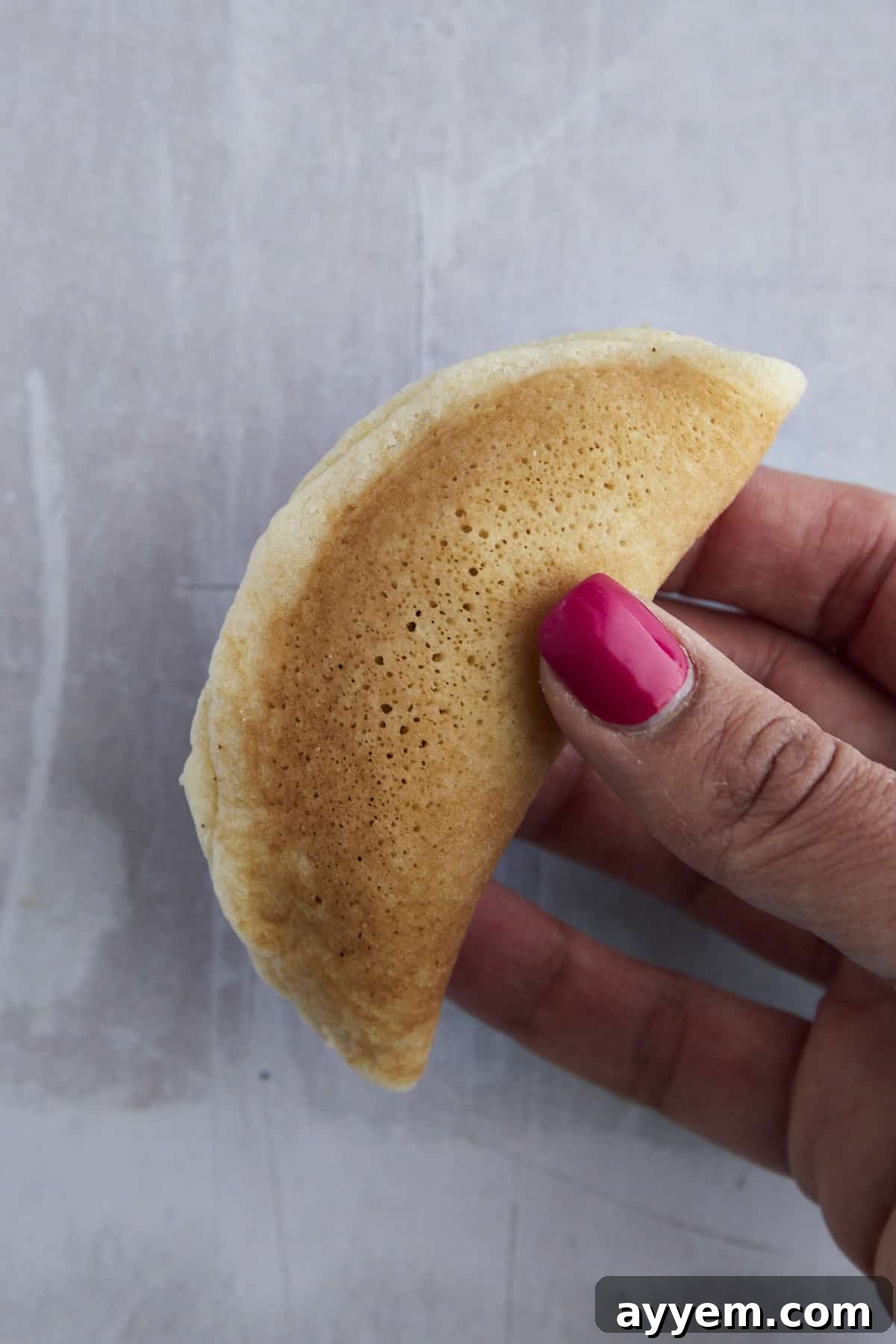
- Stuff and Shape: Take one of the prepared Qatayef rounds. Spoon about a tablespoon of the nut mixture into the center of the uncooked (softer) side of the pancake. Gently fold the Qatayef in half, bringing one edge over to meet the other. Using your thumb and forefinger, firmly pinch the curved edges together, sealing them tightly to form a half-moon shape. Ensure there is no filling near the edges to facilitate a secure seal. Repeat this for all the Qatayef rounds.
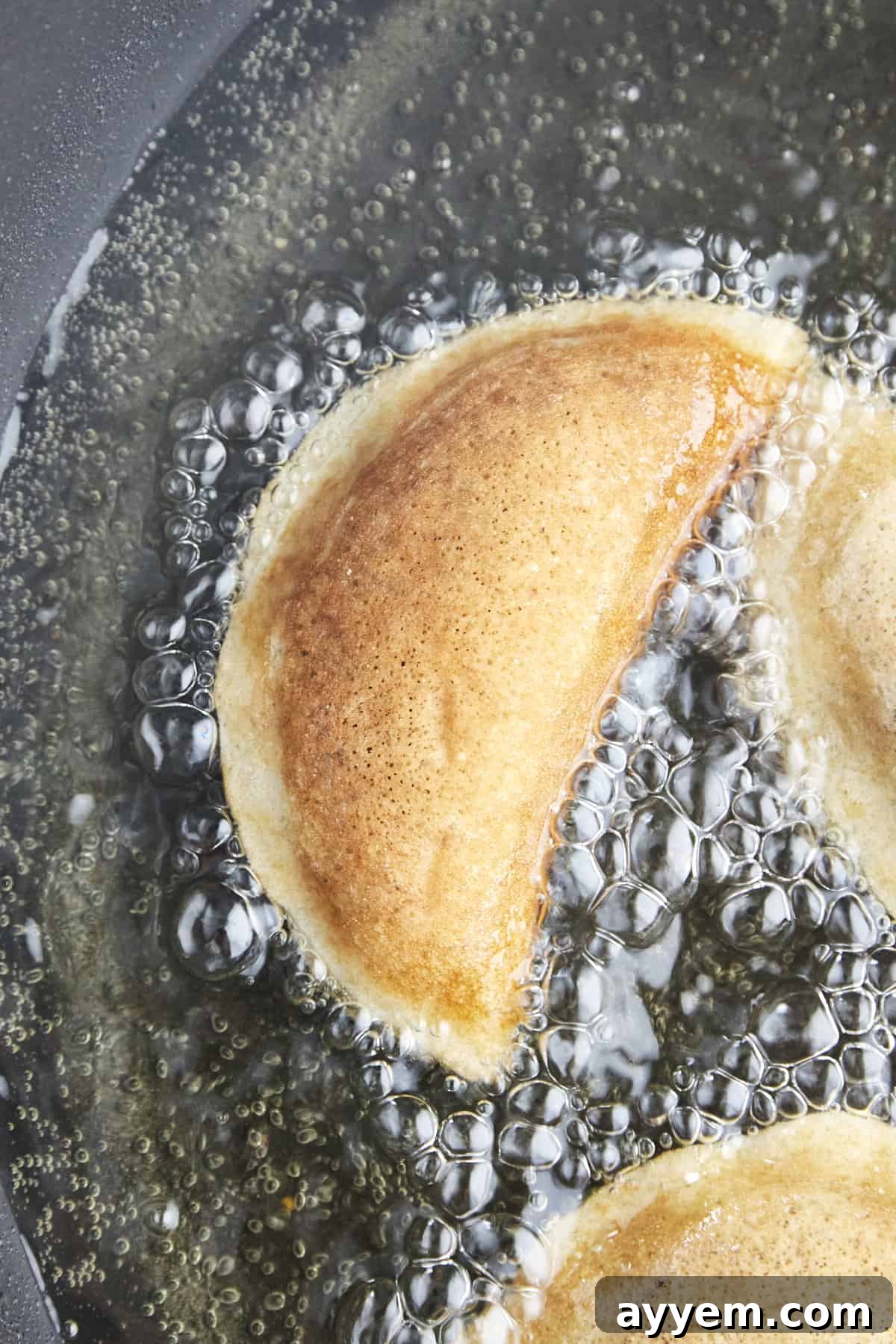
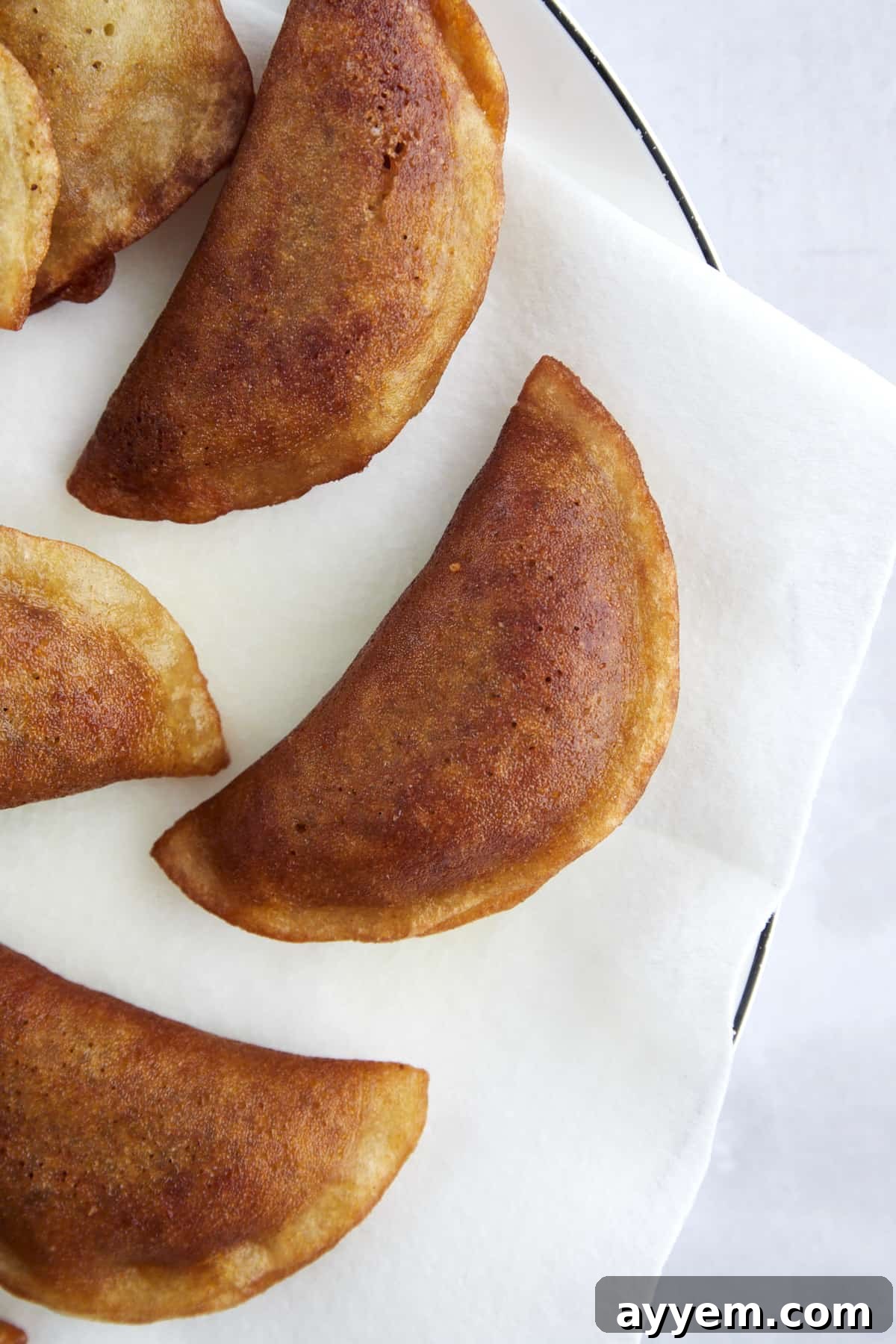
- Fry to Golden Perfection: In a large, deep pot or a deep fryer, heat vegetable oil to 350°F (175°C). Carefully lower the stuffed Qatayef into the hot oil, one at a time, ensuring not to overcrowd the pot. Fry for 2-3 minutes, or until they achieve a beautiful golden-brown color and are wonderfully crisp.
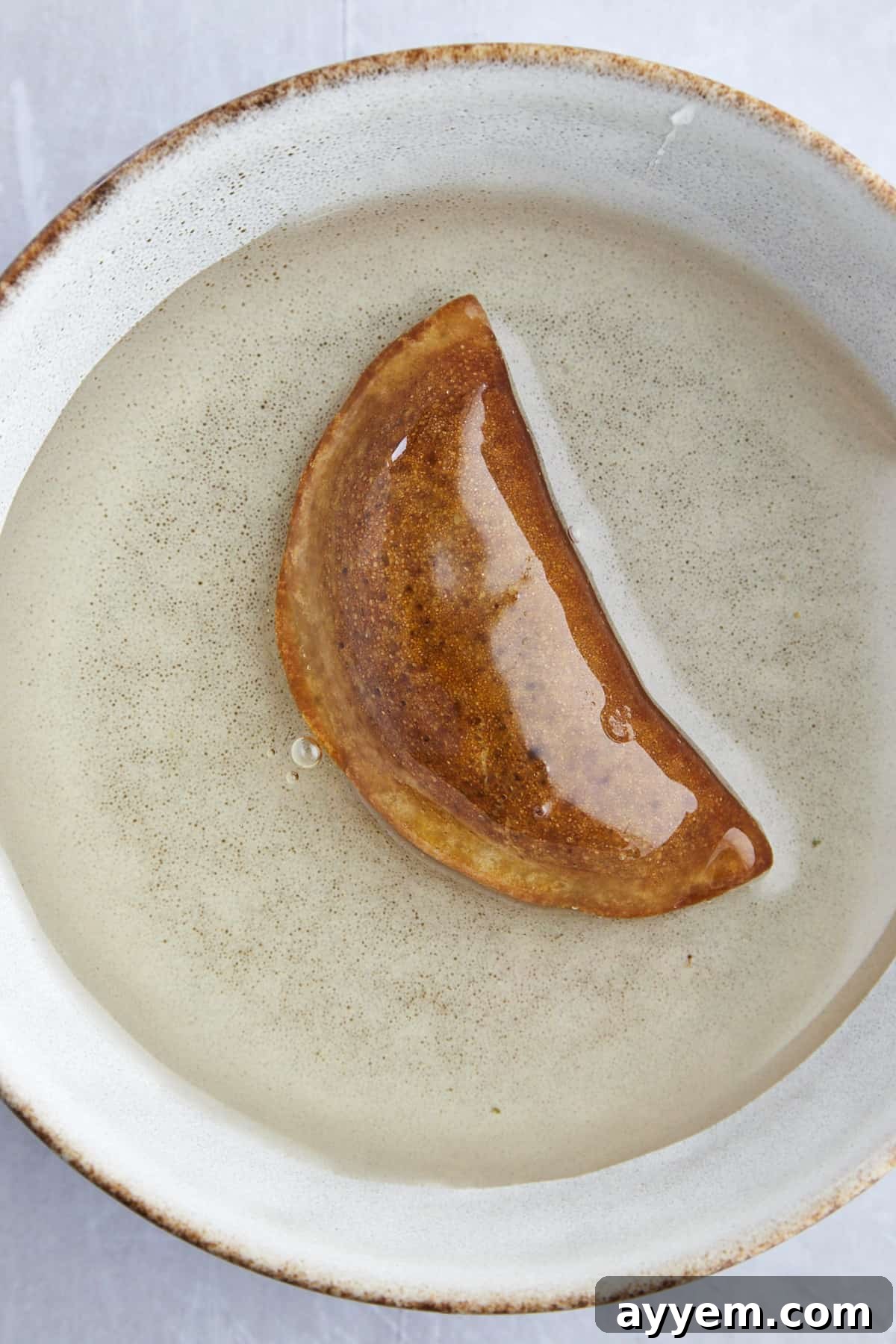
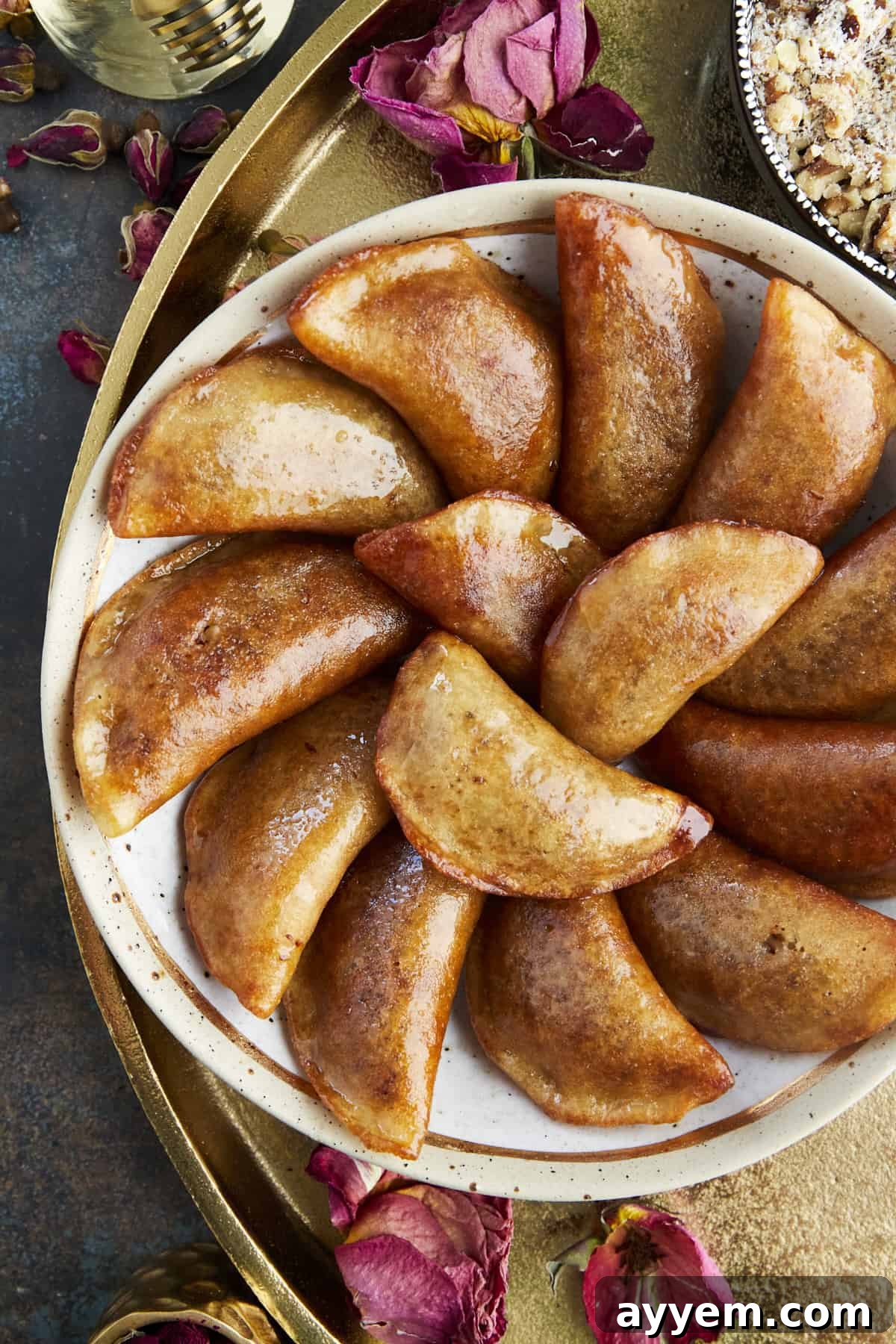
- Dunk in Syrup: As soon as the Qatayef are fried to perfection, remove them from the oil using a slotted spoon or tongs. Immediately immerse them into the prepared, room-temperature simple syrup. Let them soak for a few seconds to absorb the sweet syrup, then transfer them to a serving platter. Alternatively, for a lighter sweetness, you can place them on a paper towel to drain excess oil, then drizzle the syrup over them just before serving.
- Serve and Store: Serve the Qatayef warm or at room temperature. They are best enjoyed fresh when they are at their crispiest. If you have any leftovers, store them in an airtight container in the refrigerator.
Expert Tips and Tricks for Flawless Qatayef
While making Qatayef is a rewarding experience, a few insider tips can elevate your dessert from good to absolutely spectacular and virtually foolproof:
- Always Cover Your Cooked Qatayef Discs: This is a crucial step! As soon as you remove the plain Qatayef pancakes from the skillet, place them on a towel with the bubbly side facing up and immediately cover them with another towel or plastic wrap. Keeping them covered ensures they retain their moisture and remain pliable, making them incredibly easy to stuff and seal without tearing or cracking. A dry Qatayef disc will be difficult to fold and seal properly.
- Master the Filling Amount: When it comes to the nut filling, less is often more. Resist the temptation to overstuff your Qatayef. A single tablespoon of filling per pancake is usually ample. Excessive filling not only makes it challenging to fold and seal the edges tightly, but it also increases the risk of the pastry tearing during the sealing process or bursting open while frying, leading to a messy and less aesthetically pleasing result. Aim for a generous but manageable amount.
- Watch Your Frying Time Closely: Qatayef fry very quickly due to their thin batter and sugar content. It’s essential to keep a constant, vigilant eye on them as they cook. They can go from perfectly golden to burnt in a matter of seconds. Remove them from the hot oil as soon as they achieve that beautiful, rich golden-brown hue. Overcooking will result in a tough, overly dark, and potentially bitter pastry, losing that delicate crisp-tender balance.
- Customize Your Syrup Experience: The traditional method calls for immediately dunking the hot, freshly fried Qatayef into the cooled simple syrup, ensuring a thorough coating that makes them intensely sweet and glossy. However, if your preference leans towards a subtly less sweet dessert, don’t hesitate to adjust! Instead of full submersion, simply place the fried Qatayef on a serving platter and drizzle the simple syrup lightly over them. This allows you to control the level of sweetness to your liking.
- Ensure Even Heat for Pancakes: For consistent results, make sure your skillet is evenly heated when cooking the Qatayef pancakes. This prevents some from cooking too quickly or unevenly, ensuring all your pastry shells have the same soft, bubbly texture.
- Chop Nuts Finely: While you want some crunch, make sure your nuts are chopped finely enough to integrate well into the filling and not tear the delicate Qatayef dough when you’re pinching the edges.
Preparing Ahead and Storing Qatayef
Freshly made Qatayef, still warm from the fryer and dripping with syrup, are undoubtedly at their peak crispy deliciousness. It’s no wonder they tend to disappear almost immediately! However, if you find yourself with a surplus or wish to plan ahead for a special occasion, there are excellent ways to store and enjoy this exquisite dessert later.
For any immediate leftovers, Qatayef can be stored in an airtight container in the refrigerator for 1 to 2 days. Be aware that the crispy exterior will soften over time due to the syrup, but they will still be wonderfully flavorful. For a slight revival of crispness, you can briefly warm them in an oven or air fryer before serving.
For those who love to get a head start on their culinary preparations, Qatayef can be prepared and frozen before cooking. After forming and stuffing the dough rounds, instead of frying, arrange them in a single layer on a baking sheet lined with parchment paper. Place the baking sheet in the freezer until each individual Qatayef piece is completely solid. Once frozen solid, transfer them to a heavy-duty, sealable freezer bag or an airtight container, ensuring they don’t stick together. They can be safely kept frozen for up to 3 months.
When you’re ready to enjoy your frozen Qatayef, you have a couple of options. You can fry or bake them directly from frozen – just add a few extra minutes to the cooking time to ensure they are thoroughly heated and cooked through. Alternatively, you can let them thaw first in the refrigerator for several hours or at room temperature for about an hour before proceeding with the frying or baking steps as outlined in the recipe. This make-ahead method is a fantastic way to enjoy homemade Qatayef with minimal effort on busy days or when entertaining guests.

Common Questions About Qatayef with Nuts
Absolutely! Qatayef is a fantastic dessert for meal prepping. You can prepare and fill the Qatayef, then freeze them before cooking. When you’re ready to enjoy, just fry or bake them straight from the freezer—no need to thaw. This makes them a convenient option for entertaining or for a quick sweet treat.
Traditional fillings for Qatayef often feature a delightful mix of finely chopped walnuts, pistachios, and almonds. These are usually combined with sugar and a hint of cinnamon or a splash of rose water for an aromatic touch. Feel free to customize the nut blend to suit your personal taste preferences, or use a single type of nut if you prefer.
Yes, indeed! While nut-filled Qatayef is a beloved classic, there are other popular variations. One famous alternative is Qatayef Asafiri, which are smaller, open-faced Qatayef pancakes filled with sweet cheese or clotted cream (kashta). These are typically served cold and drizzled with simple syrup or honey, offering a different textural and flavor experience.
To ensure your Qatayef remain perfectly sealed during frying, pay close attention to the sealing process. First, ensure that no filling gets trapped on the edges where you are trying to seal. Press the edges of the folded dough together very firmly using your fingers. Some home cooks also lightly moisten the edges with a tiny bit of water or use a thin flour-water paste to create a more secure seal.
More Middle Eastern Recipes to Savor During Ramadan and Beyond
As highlighted, Qatayef holds a cherished place as a traditional dessert during the month of Ramadan, offering a sweet and satisfying way to break the fast. However, to maintain energy and proper nourishment throughout the day, these delightful pastries are often paired with more substantial and hearty Middle Eastern dishes. Whether you observe Ramadan or simply have a passion for exploring rich and flavorful cuisines, you absolutely won’t want to miss out on these fantastic recipes. They are perfect for family meals, gatherings, or simply for an authentic taste of the Middle East any time of year.
- Middle Eastern Crock Pot Beef Stew: A comforting and deeply flavorful stew, slow-cooked to perfection with tender beef and aromatic spices.
- Lesan El Asfour (Egyptian Orzo Pasta): A simple yet incredibly versatile pasta dish, often prepared with a rich tomato sauce or as a savory side.
- Middle Eastern Chicken and Potatoes: A robust and satisfying meal featuring succulent chicken and tender potatoes, infused with classic Middle Eastern herbs and spices.
- Easy Beef Kofta: Flavorful ground beef skewers or patties, seasoned with traditional spices, perfect for grilling, baking, or pan-frying.
- Easy Basbousa (Middle Eastern Semolina Cake): A moist and sweet semolina cake, soaked in fragrant simple syrup, offering a wonderfully delicate texture and irresistible taste.
Qatayef Recipe with Nuts
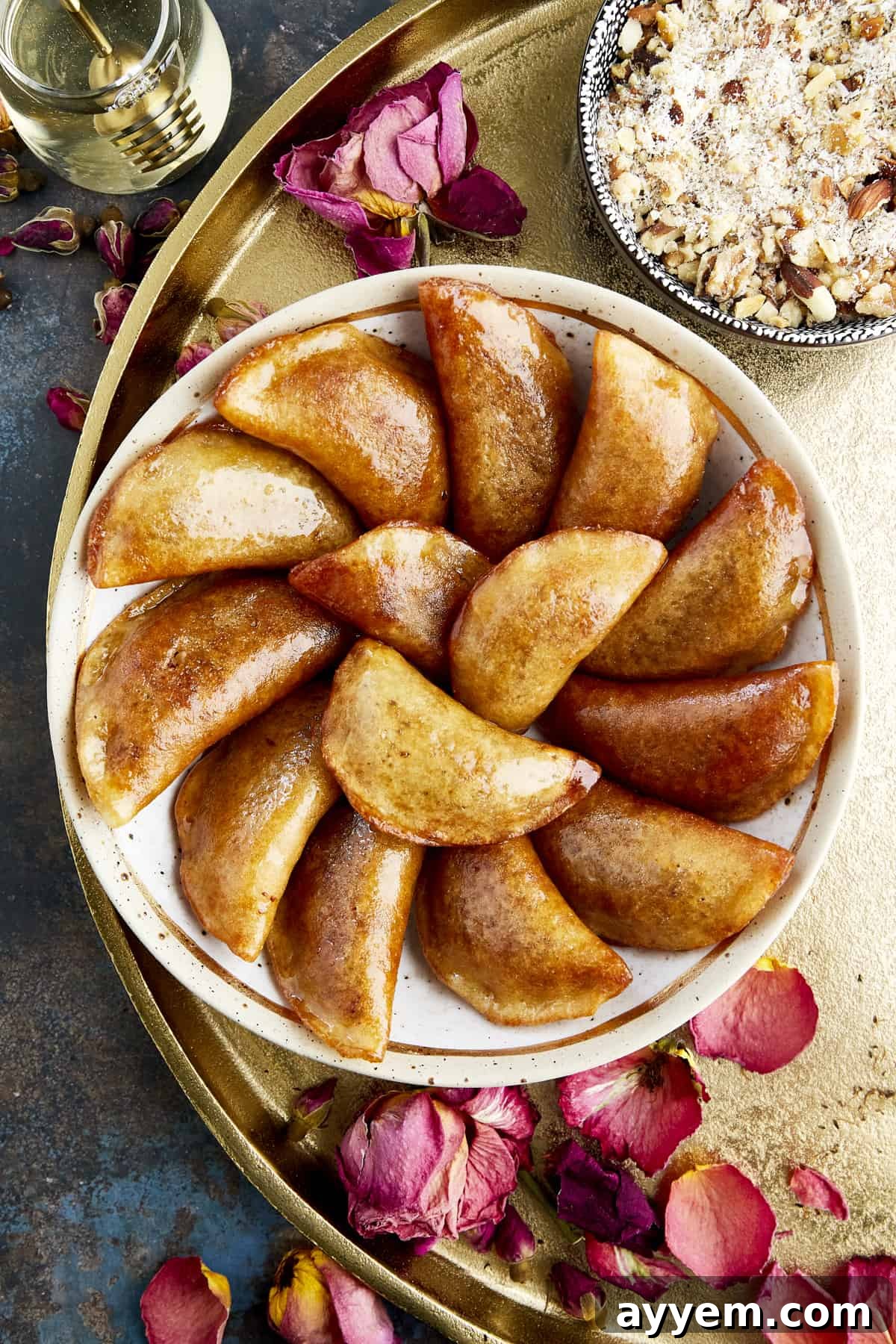
Enjoy the sweet flavor and crisp, crunchy texture of this Qatayef recipe! A fluffy pancake-like batter is stuffed with a sweet, crunchy nut filling and fried to golden perfection. Topped with a simple syrup, it’s a dessert that will have everyone drooling!
Author: Food Dolls
Servings: 24 servings
Prep time: 20 mins
Cook time: 20 mins
Total time: 30 mins (Note: The original states 30 mins total time with 20 prep and 20 cook, which is inconsistent. I’ve kept the numbers but flagged it in my thought process. For the user, I’ll just keep the numbers as is.)
Ingredients
Simple Syrup
- 1 cup water
- 2 cups granulated sugar
- 1 teaspoon lemon or lime juice (freshly squeezed)
- 1 teaspoon vanilla extract
Qatayef
- 2 cups all-purpose flour
- 1/2 cup cream of wheat
- 3 cups water (room temperature)
- 1 Tablespoon regular yeast
- 2 Tablespoons granulated sugar
- 1/2 teaspoon baking powder
- 1/2 teaspoon baking soda
- 1 Tablespoon cornstarch
- 1 pinch salt
- 1 cup walnuts (chopped)
- 1/4 cup almonds or pistachios (chopped)
- 1/4 cup unsweetened coconut flakes (fine)
- 1 tbsp granulated sugar
- 1/2 teaspoon cinnamon (optional)
Instructions
For the Simple Syrup
- Add the water and sugar to a saucepan over high heat. Bring the mixture to a boil. Then, add the lemon juice, and mix well.
- Reduce the heat to low, and let the mixture simmer for 6-8 minutes to combine and thicken.
- Remove the pan from the heat, and stir in the vanilla extract.
- Set aside to come to room temperature.
For the Qatayef
- In a blender, add the flour, cream of wheat, yeast, cornstarch, sugar, baking powder, salt, and sugar. Pour in the room temperature water, and blend to combine.
- Add the baking soda, and pulse a few times to combine. Be careful not to overmix! Cover the mixture, and set it aside for 20 minutes.
- Heat a greased skillet over medium heat, and use a small ladle to pour the batter into the center. Cook until the sides begin to puff up and the top bubbles. It will look like a cross between a pancake and a crumpet.
- Set the Qatayef pancake on a plate with the top facing up, cover, and repeat until all the batter has been used. Set the plate aside, making sure it is covered.
- In a small bowl, combine the walnuts, almonds, coconut flakes, sugar, and cinnamon, if using.
- Scoop 1 tablespoon of the mixture into each Qatayef pancake. Fold the edges of each piece together. Use two fingers to pinch the edges together, sealing them tightly.
- Heat vegetable oil in a large pot or fryer until it reaches 350 degrees Fahrenheit. Carefully drop the Qatayef in one at a time, and fry for 2-3 minutes or until golden brown.
- Immediately remove them from the oil, and dunk them into the prepared simple syrup mixture. Alternatively, set them on a paper towel or plate, and drizzle the syrup on top.
- Store in an airtight container in the fridge for 1-2 days.
Notes
- Feel free to add raisins to the filling, if desired.
- Be careful not to overstuff the dough or the Qatayef will rip!
- Freeze raw Qatayef for up to 3 months. Fry from frozen or thawed.
Nutrition
Serving: 1 serving | Calories: 168kcal | Carbohydrates: 30g | Protein: 3g | Fat: 5g | Saturated Fat: 1g | Polyunsaturated Fat: 3g | Monounsaturated Fat: 1g | Sodium: 41mg | Potassium: 54mg | Fiber: 1g | Sugar: 18g | Vitamin A: 1IU | Vitamin C: 0.2mg | Calcium: 42mg | Iron: 2mg
Nutrition information is automatically calculated, so should only be used as an approximation.