
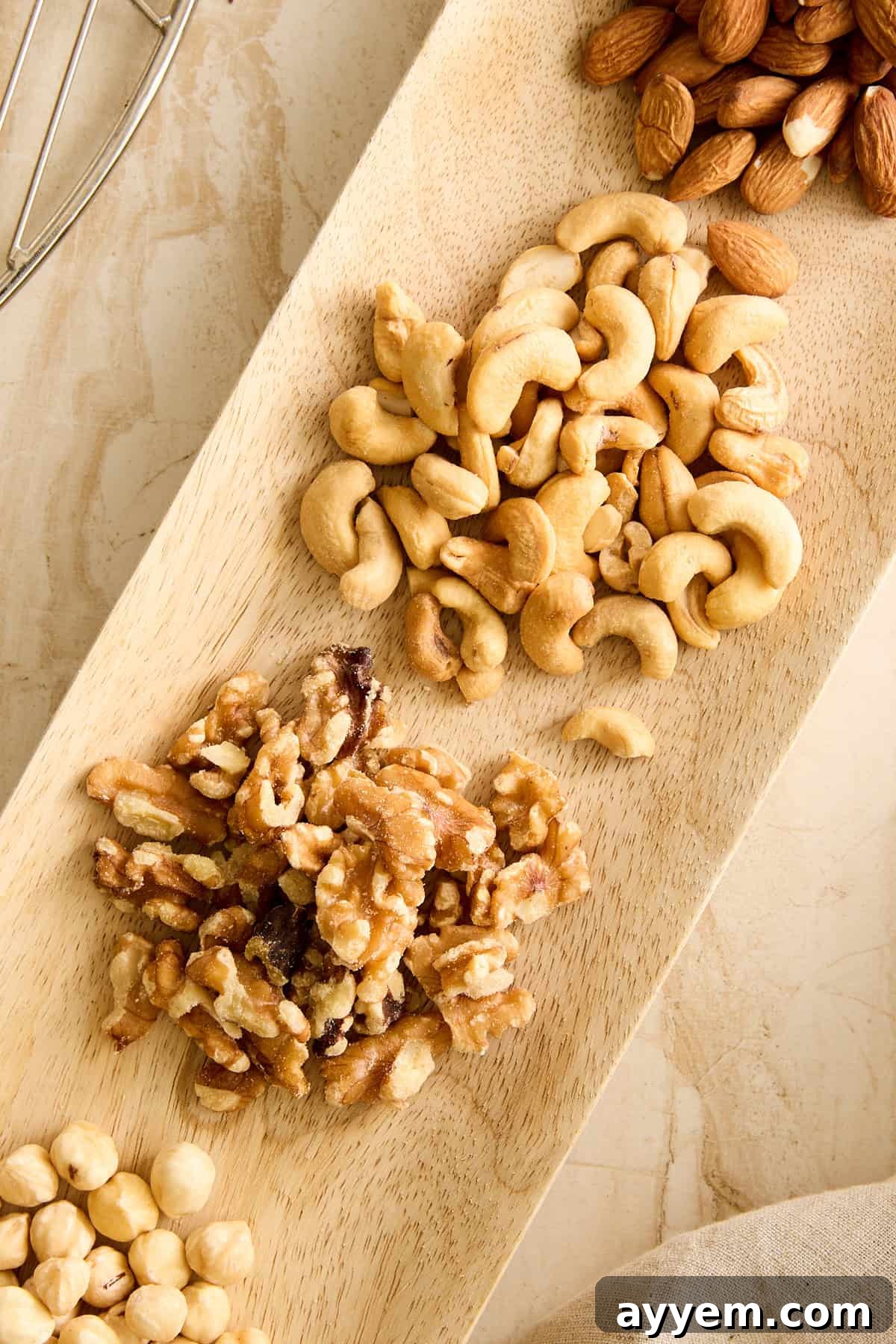
Knowing How to Roast Nuts is a basic kitchen skill that instantly improves everything from salads to baked goods. A brief spell in the oven draws out natural oils, deepens flavor, and creates a crisp, satisfying texture.
Roasted nuts stand up to bold flavors instead of fading into the background. Once you learn how different varieties respond to heat, roasting becomes quick, predictable, and rewarding.
Why Roasting Nuts is Worth the Extra Step
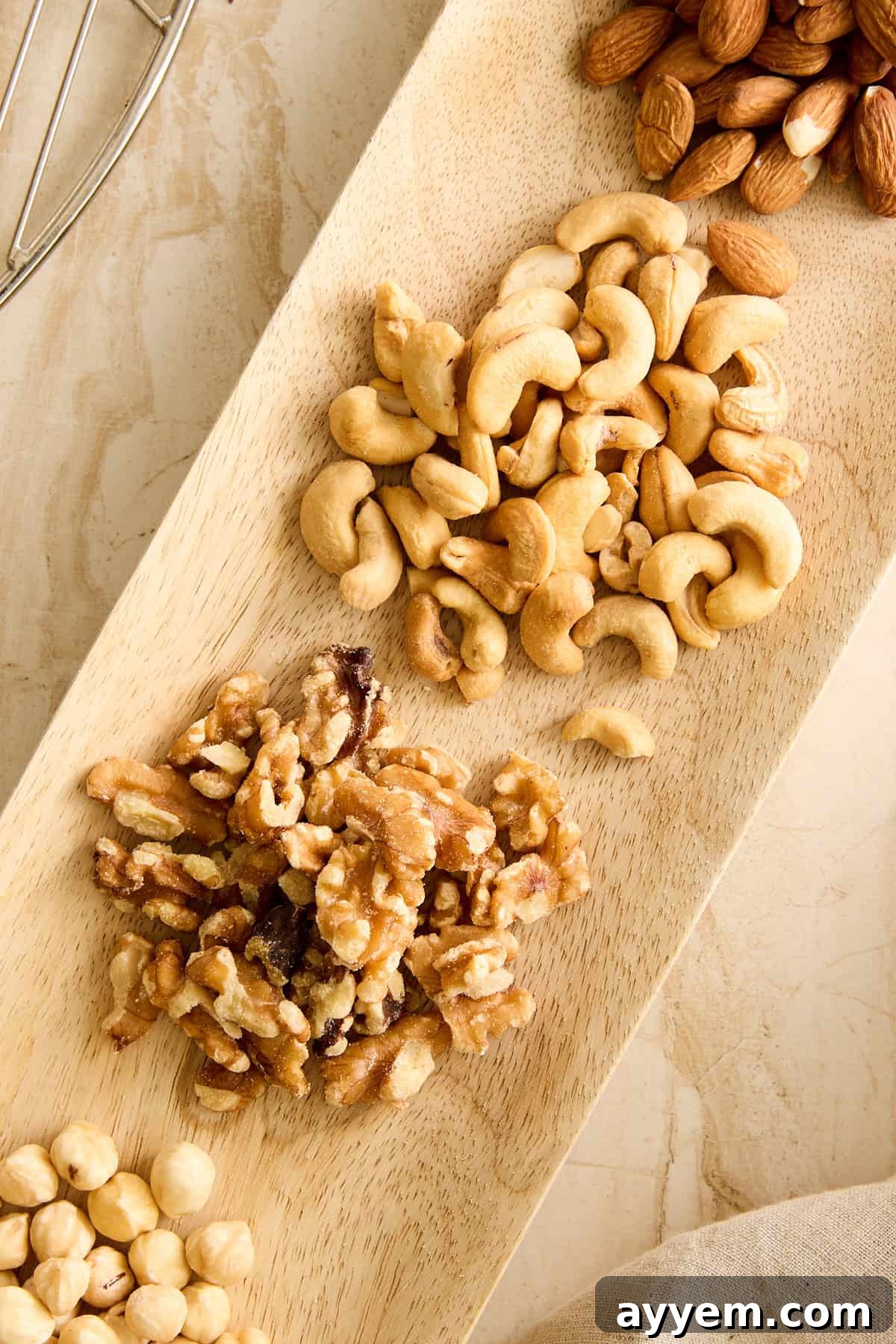
Roasting nuts does more than add crunch. Heat changes their flavor profile—milder, raw nuts become fragrant and complex as their oils migrate to the surface. That aromatic lift makes nuts taste richer and more satisfying.
Beyond flavor, roasted nuts perform better in dishes: they stay crisp longer, contrast nicely with soft or creamy elements, and balance both sweet and savory preparations. Whether finishing a salad, enhancing a grain bowl, or boosting baked goods, roasted nuts add depth that raw nuts can’t provide.
Best Nuts for Roasting
Almost any nut can be roasted, but these types are especially reliable and versatile:
- Pecans – Buttery and sweet, they become intensely aromatic when toasted.
- Walnuts – Roasting tempers bitterness and emphasizes their earthy notes.
- Almonds – Crisp and adaptable for both savory and sweet uses.
- Pine Nuts – Small and delicate, they develop a rich, buttery flavor when toasted.
- Macadamia Nuts – Naturally creamy; gentle roasting provides a pleasant crunch.
- Cashews – Mildly sweet and golden after roasting.
- Hazelnuts – Deep, toasty flavor—removing most skins enhances their aroma.
- Pistachios – Distinctly savory and colorful, they work well in many dishes.
Ingredients You Need
- Raw nuts – Start with unsalted, unroasted nuts for maximum control of flavor.
- Olive oil or melted butter – A light coating promotes even browning and helps seasonings adhere.
- Salt – Enhances the natural nutty flavor without overwhelming it.
- Optional seasonings – Try cinnamon, smoked paprika, rosemary, chili flakes, or a touch of sugar or maple. Spice blends can also work well; keep mixes simple so the nut’s flavor still shines.
How to Roast Nuts in the Oven
Preheat the oven to 350°F (175°C). Spread the nuts in a single layer on a rimmed baking sheet so they roast instead of steam. Toss lightly with oil or melted butter and a pinch of salt if desired. Roast until the nuts are fragrant and lightly golden, stirring once halfway through to promote even browning.
Remove the pan from the oven and let the nuts cool completely on the baking sheet. They will continue to crisp up as they cool, so resist the urge to taste immediately.
Roasting Times and Tips by Nut Type
Pecans
Roast 8–12 minutes. Their high oil content helps them brown evenly, but they can turn dark quickly near the end—watch closely.
Walnuts
Roast 7–10 minutes. Because pieces vary in size and shape, stir well halfway through to avoid uneven browning.
Almonds
Whole almonds need about 12–15 minutes. Sliced or slivered almonds require only 6–8 minutes and should be monitored carefully.
Pine Nuts
Roast 4–6 minutes. Stir frequently and remove them as soon as they turn pale golden and smell buttery—they go from perfect to burnt very fast.
Macadamia Nuts
Roast gently for 8–10 minutes at a slightly lower temperature to avoid an oily taste and to preserve their creamy texture.
Cashews
Roast 10–12 minutes until lightly golden. They will firm up further as they cool.
Hazelnuts
Roast 12–15 minutes until the skins loosen. While still warm, rub them in a clean kitchen towel to remove most of the skins if you prefer a cleaner flavor and texture.
Pistachios
Roast shelled pistachios for 8–10 minutes. Lightly salting before roasting enhances their savory character.
Seasoning Ideas for Roasted Nuts
Roasted nuts can be kept simple or layered with bold flavors. For savory snacks, toss warm nuts with rosemary and sea salt, smoked paprika and garlic powder, or chili flakes with a little olive oil. For sweeter treats, coat warm nuts with cinnamon and sugar, maple syrup and flaky salt, or a light honey glaze.
Always season while the nuts are still warm so spices and sweeteners adhere well and distribute evenly.
How to Use Roasted Nuts
Roasted nuts add crunch, flavor, and texture across a wide range of dishes. Sprinkle chopped nuts on salads, grain bowls, pasta, or roasted vegetables. Use them to contrast creamy soups such as squash or cauliflower, or fold them into quick breads, muffins, cookies, and granola for extra depth.
They also make excellent snacks and board accompaniments—pair roasted nuts with dried fruit, fresh or pickled olives, and a selection of cheeses for a balanced appetizer.
Storing Roasted Nuts
Once completely cool, transfer roasted nuts to an airtight container. At room temperature they stay good for about a week; refrigerated, they keep up to a month. For longer storage, freeze them—frozen roasted nuts thaw quickly and retain their texture and flavor.
How to Fix Potential Nut Fails
If nuts taste bitter, they were likely over-roasted. Next time, reduce the oven time and remember residual heat continues to cook them after removal. If nuts are soft after cooling, they were probably crowded on the pan or not roasted long enough—spread them out and extend the roasting time slightly.
Uneven browning is usually solved by stirring the nuts halfway through roasting. If seasonings won’t stick, toss with the spices while the nuts are still warm so flavors cling instead of falling off.
The Bottom Line
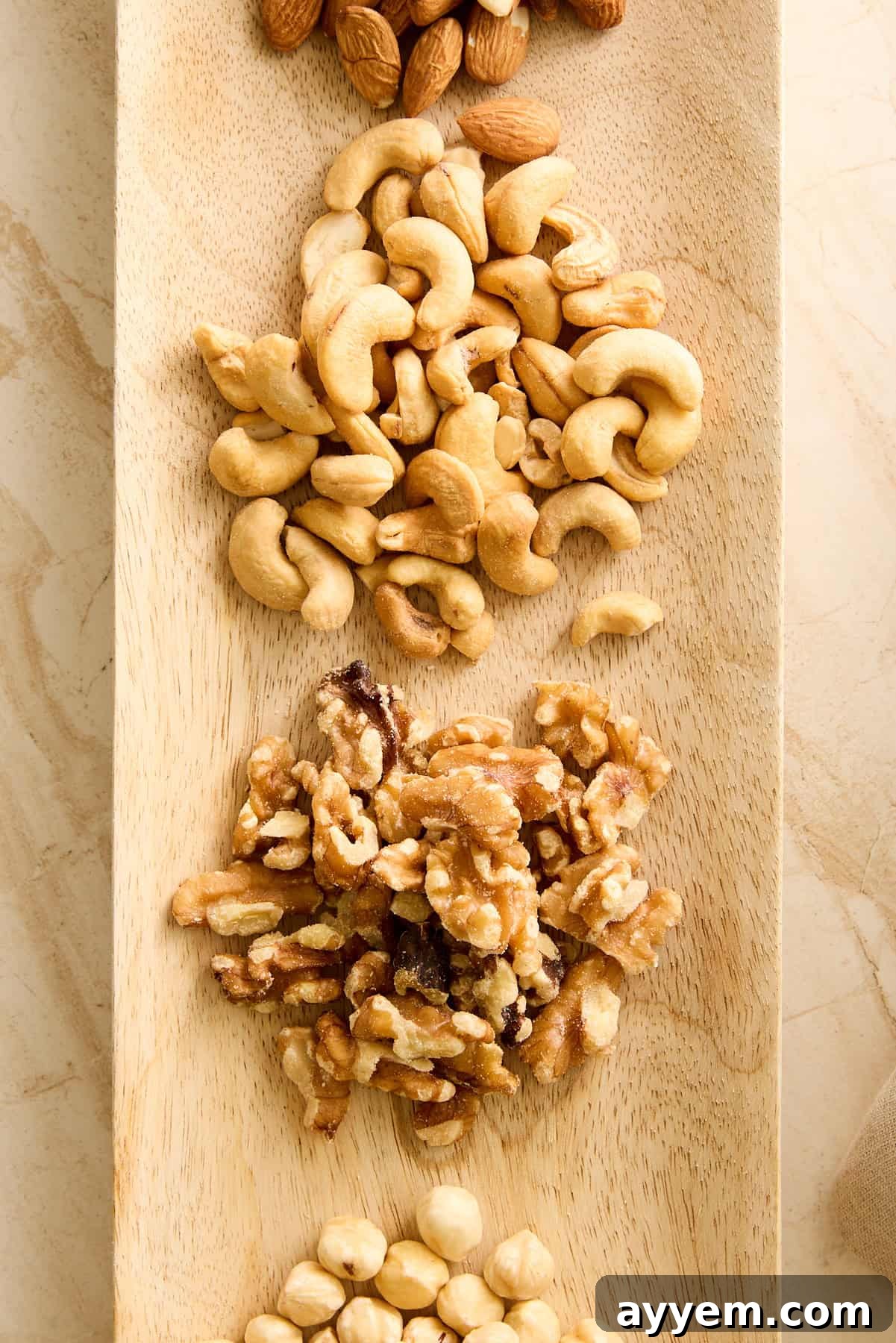
Learning how to roast nuts is a small effort that delivers big results. From pecans and walnuts to pine nuts, macadamias, almonds, and beyond, roasting unlocks richer flavor, better texture, and greater versatility in everyday cooking. Once you start roasting your own nuts, you’ll find countless ways to use them in both sweet and savory recipes.