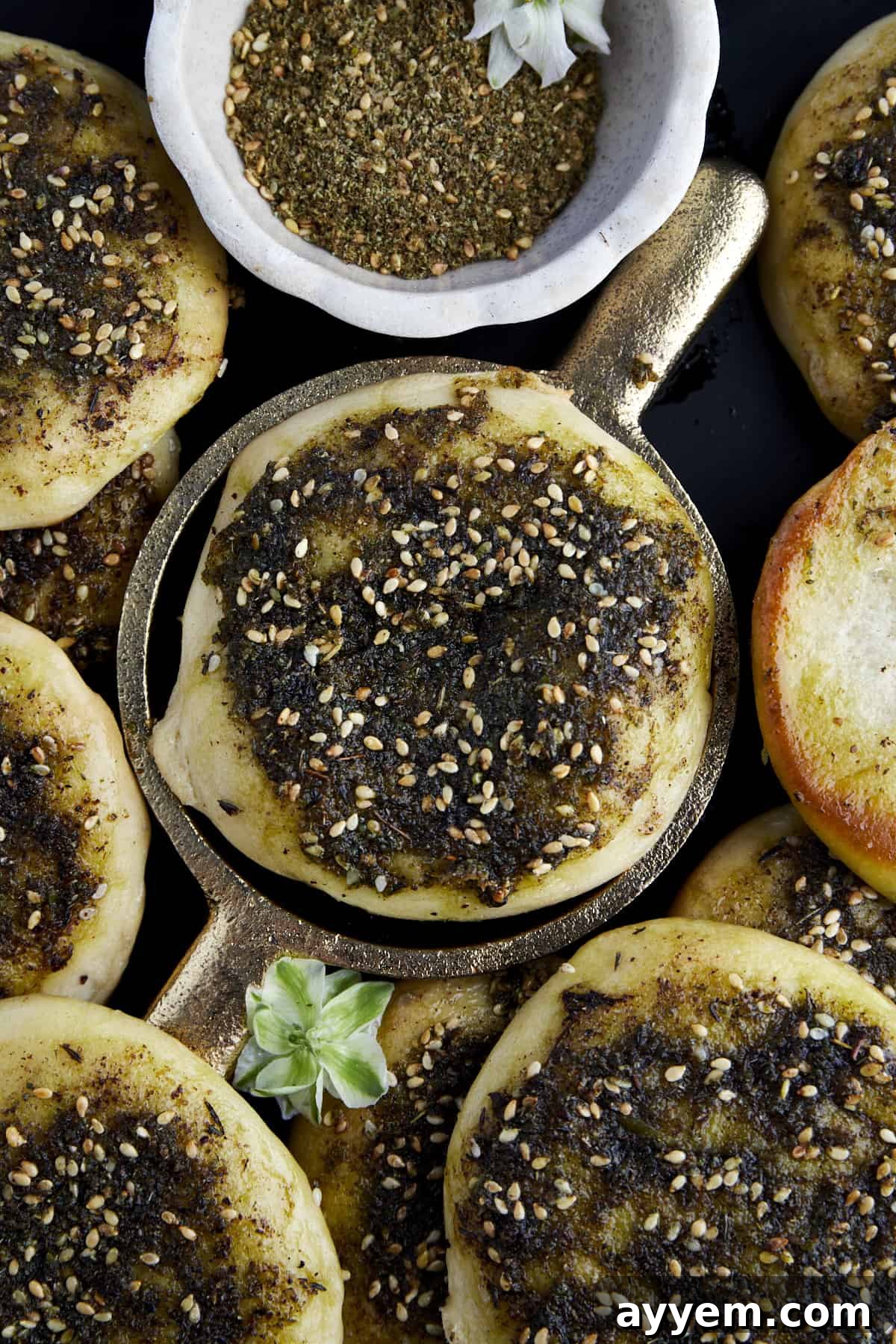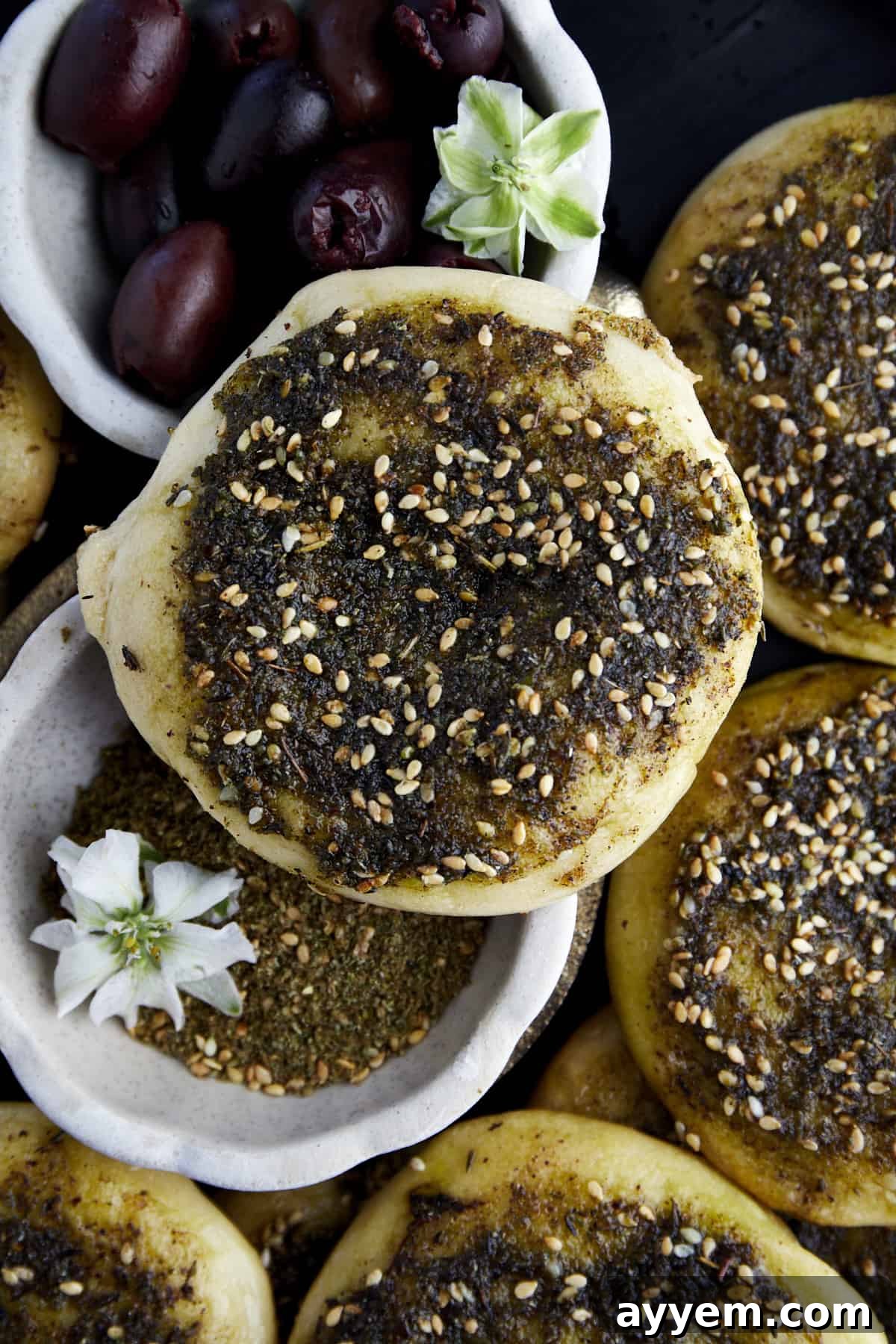
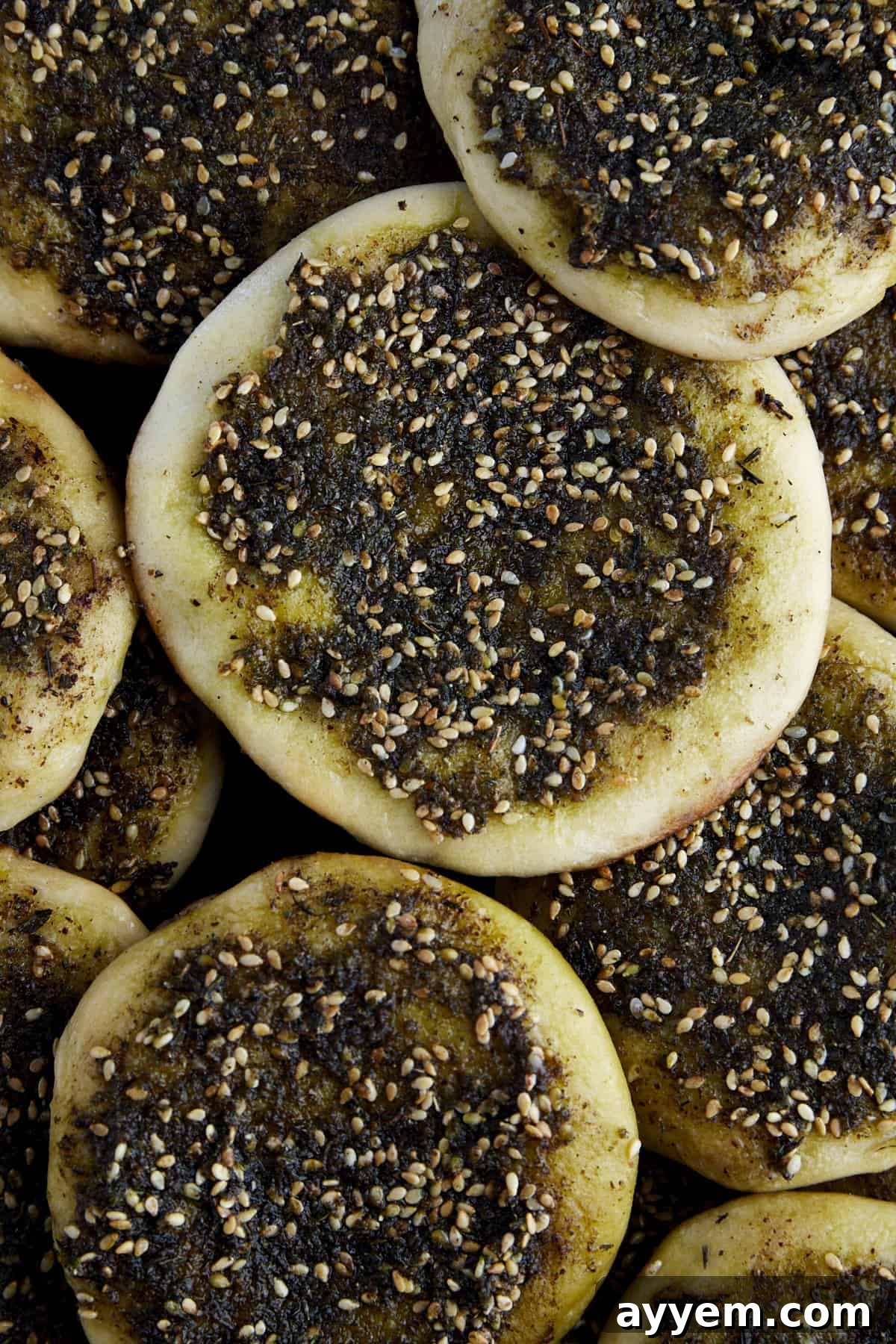
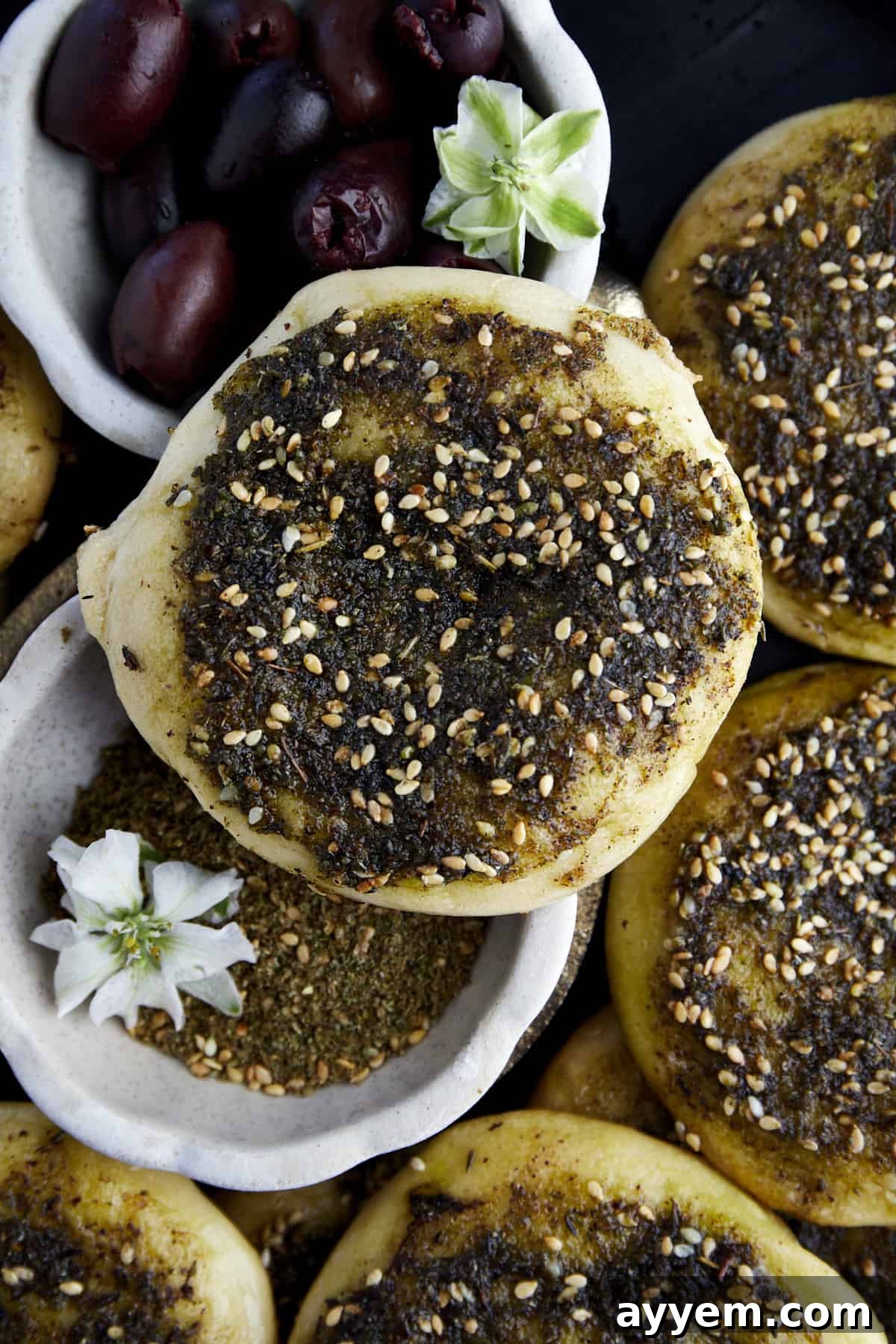
Manakeesh, an iconic Middle Eastern flatbread, holds a cherished place in the culinary traditions of the Levant. Whether gracing the breakfast table or serving as a satisfying lunch, this savory delight is a testament to simple ingredients coming together to create extraordinary flavor. Our simplified approach to this classic recipe brings the authentic taste of Manakeesh right into your home, making it accessible for everyone. Topped with a generous drizzle of golden olive oil and a sprinkle of aromatic za’atar, each bite offers an irresistible blend of earthy, tangy, and savory notes that will undoubtedly leave you craving more.
Imagine a warm, pillowy flatbread, fresh from the oven, its surface glistening with rich olive oil and fragrant za’atar. This sensory experience promises to transport your taste buds straight to the bustling markets and cozy kitchens of the Middle East. Manakeesh is more than just bread; it’s a versatile delicacy perfect for any occasion. Enjoy it as a fulfilling snack on its own, or elevate your meal by pairing it with an array of your favorite dips, cheeses, and fresh vegetables. This recipe focuses on ease without compromising the beloved, mouthwatering flavors that make Manakeesh a timeless favorite.
What Is Manakeesh? A Beloved Middle Eastern Flatbread
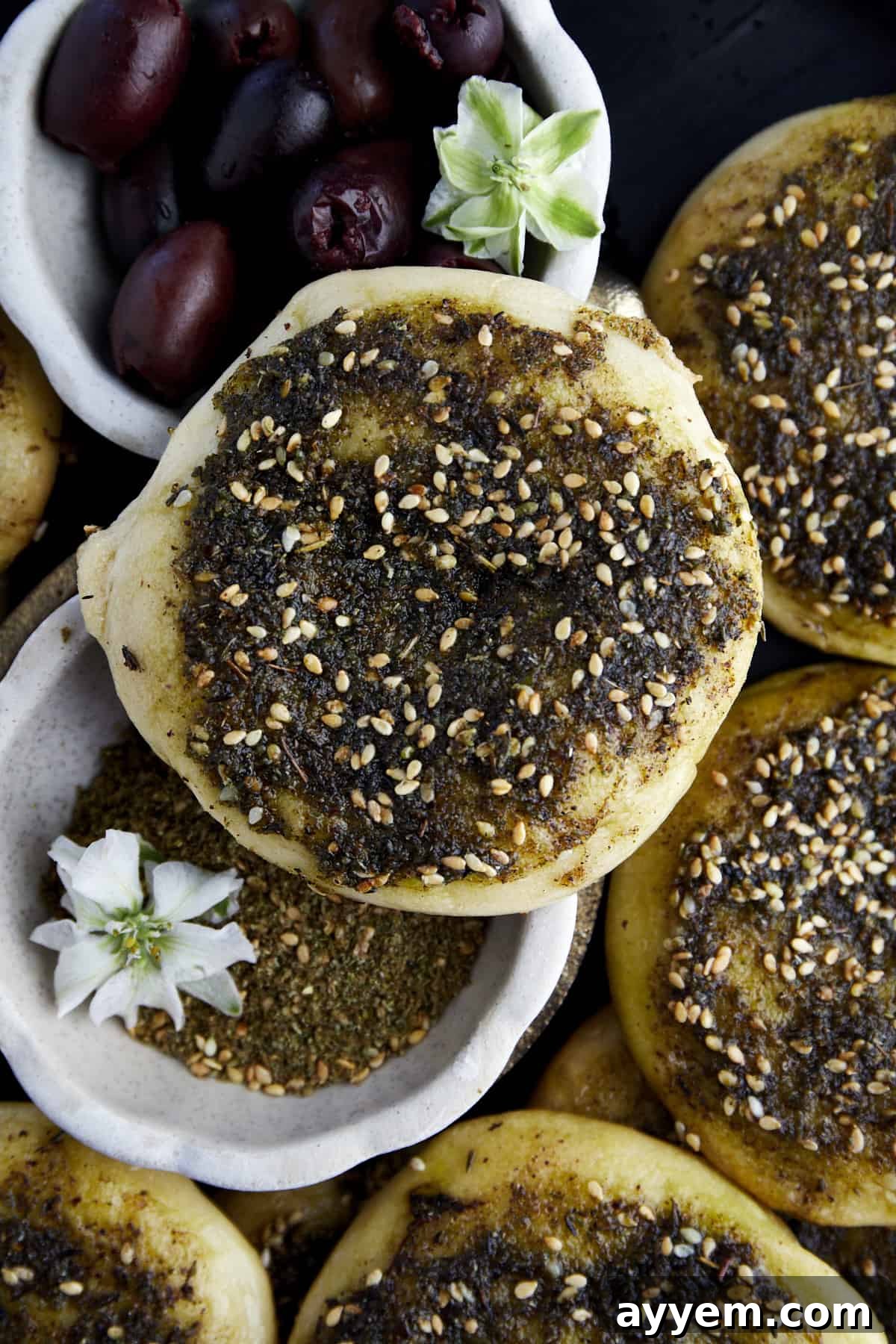
Manakeesh, pronounced “mah-na-keesh” and also known by its singular form manousheh, is a cornerstone of Levantine cuisine. This traditional flatbread is a staple across the Middle East, particularly popular in countries like Lebanon, Syria, Jordan, and Palestine. While most commonly enjoyed as a hearty breakfast item, its versatility also makes it a favored choice for lunch or a satisfying snack throughout the day. Its rich history dates back centuries, evolving from simple bread baked in communal ovens to the diverse, flavorful variations we enjoy today.
At its heart, Manakeesh is essentially a round, flattened dough, similar in concept to a pizza or focaccia, but with distinctly Middle Eastern toppings and flavors. The dough serves as a canvas for a variety of delicious combinations. The three most traditional and widely recognized varieties include:
- Za’atar Manakeesh (Manakeesh b’Za’atar): This is arguably the most iconic version, featuring a vibrant green blend of za’atar spice mixed with olive oil, spread generously over the dough. Its tangy, earthy, and aromatic profile is instantly recognizable and deeply comforting. This is the star of our recipe today!
- Cheese Manakeesh (Manakeesh b’Jibneh): A favorite among all ages, this version is topped with a savory cheese blend, often including Akkawi, Nabulsi, or even a mix of mozzarella and feta, which melts into a gooey, delightful layer.
- Minced Meat Manakeesh (Lahm Bi Ajeen): For those seeking a more substantial option, this Manakeesh is topped with spiced ground lamb or beef, often mixed with tomatoes and onions, offering a rich and savory experience.
Regardless of the topping, the preparation often involves shaping the dough into individual flat, round discs. Small indentations are typically made in the dough before baking to help hold the toppings in place and create an appealing texture. Once baked to a golden perfection, Manakeesh is traditionally enjoyed by tearing, folding, or slicing it, making it perfect for sharing – though you might find it hard to resist devouring a whole one yourself!
The Enchanting Flavor of Za’atar: A Middle Eastern Spice Essential
No discussion of Manakeesh, especially the beloved Za’atar variety, is complete without diving into the essence of the spice itself. Za’atar is far more than just a spice blend; it’s a foundational element of Middle Eastern cuisine and a cherished part of many households, including ours. Its unique, complex flavor profile is both earthy and tangy, with herbaceous undertones that instantly evoke the warmth and richness of the region.
While specific blends can vary from one region or family to another, authentic za’atar almost always includes a harmonious combination of dried herbs such as wild thyme (the most prominent herb), oregano, and marjoram. These herbs are typically mixed with toasted sesame seeds, which add a nutty depth, and sumac, which imparts its signature lemony, tangy zest. A touch of salt often balances these flavors. The result is a highly aromatic and intensely flavorful blend that elevates any dish it touches.
The versatility of za’atar extends far beyond Manakeesh. It’s a fantastic seasoning for a wide variety of recipes, from meats and vegetables to salads and dips. You’ll often find it sprinkled over Za’atar Chicken, enhancing the flavor of Za’atar Air Fryer Potato Wedges, or adding a vibrant twist to Burrata with Roasted Tomatoes and Za’atar Pita. Its ability to transform simple ingredients into something extraordinary makes it an essential pantry item.
Fortunately, high-quality za’atar is becoming increasingly accessible and can often be found in the spice aisle of most well-stocked local grocery stores or specialty Middle Eastern markets. For those who enjoy a hands-on approach, crafting your own za’atar blend at home is also a rewarding experience, with recipes like this one providing guidance. No matter where you source it, ensure your za’atar is fresh and vibrant to unlock the full potential of its flavor in your Manakeesh.
Why Choose This Easy Manakeesh Recipe?
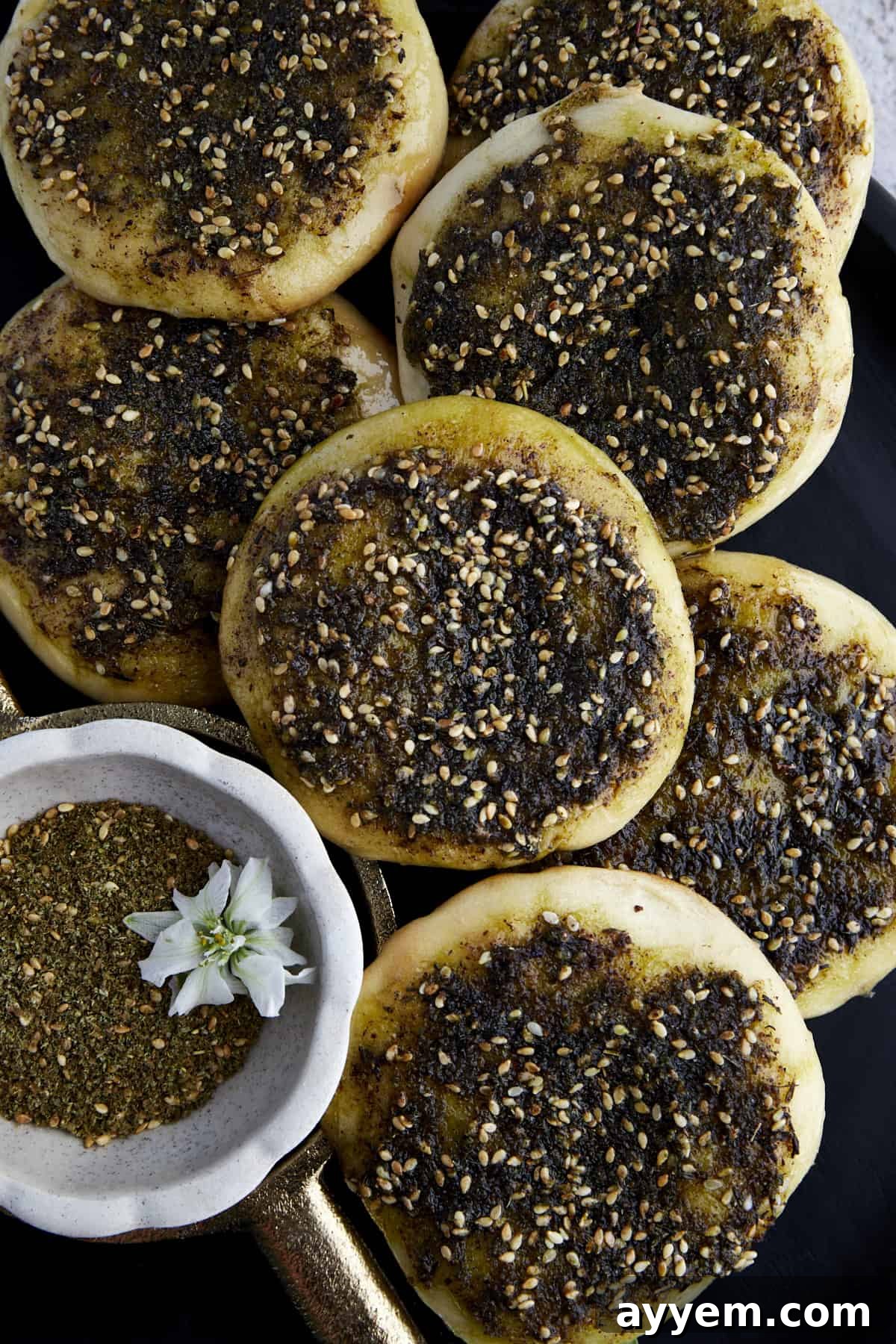
While traditional Manakeesh calls for a homemade yeast dough, a process that can be time-consuming and intimidating for novice bakers, our recipe offers a brilliant shortcut without sacrificing flavor or authenticity. We understand that in today’s busy world, finding ways to enjoy beloved dishes with less effort is key. This recipe is designed to be incredibly easy, allowing you to whip up delicious Za’atar Manakeesh in a fraction of the time, making it perfect for busy weeknights or impromptu gatherings.
By utilizing readily available frozen dinner rolls, we bypass the lengthy kneading and rising times associated with traditional bread making. This “secret weapon” allows you to achieve that wonderfully fluffy, soft flatbread texture with minimal fuss. This approach makes Middle Eastern cuisine more approachable for everyone, whether you’re new to baking or simply looking for a quick and satisfying meal. You’ll be amazed at how simple it is to bring the rich flavors of the Middle East to your kitchen!
Essential Ingredients for Your Easy Za’atar Manakeesh
The beauty of this recipe lies in its simplicity and reliance on just a few key ingredients. We’ve streamlined the process to make it as accessible as possible, ensuring you can create delicious Manakeesh with ease. Here’s what you’ll need:
- Za’atar Seasoning: The star of the show! As discussed, this vibrant Middle Eastern spice blend is crucial for authentic flavor. While you can certainly make your own za’atar seasoning from scratch, using a high-quality pre-made blend like this one saves considerable time and effort without compromising taste.
- Extra Virgin Olive Oil: This isn’t just a cooking oil here; it’s a vital component of the topping. When combined with za’atar, it forms a rich, aromatic paste that not only infuses the bread with its savory flavor but also helps the spice blend adhere beautifully to the dough, creating that irresistible golden crust. Opt for a good quality extra virgin olive oil for the best results, as its nuanced flavor truly shines through.
- Frozen Dinner Rolls: Our ingenious shortcut! Any brand of plain, fluffy frozen dinner rolls will serve as the perfect base for your Manakeesh. They rise beautifully and bake into a tender, chewy flatbread that rivals traditional homemade dough. This simple swap is what makes this recipe “super easy” and accessible for everyone.
How to Make Quick & Easy Za’atar Manakeesh (Sheet Pan Method)
Forget the complexities of traditional dough-making! This method leverages the convenience of frozen dinner rolls to deliver incredibly delicious Manakeesh with minimal effort. While making dough from scratch is a rewarding experience, this shortcut ensures that a mouthwatering Middle Eastern flatbread is always within reach.
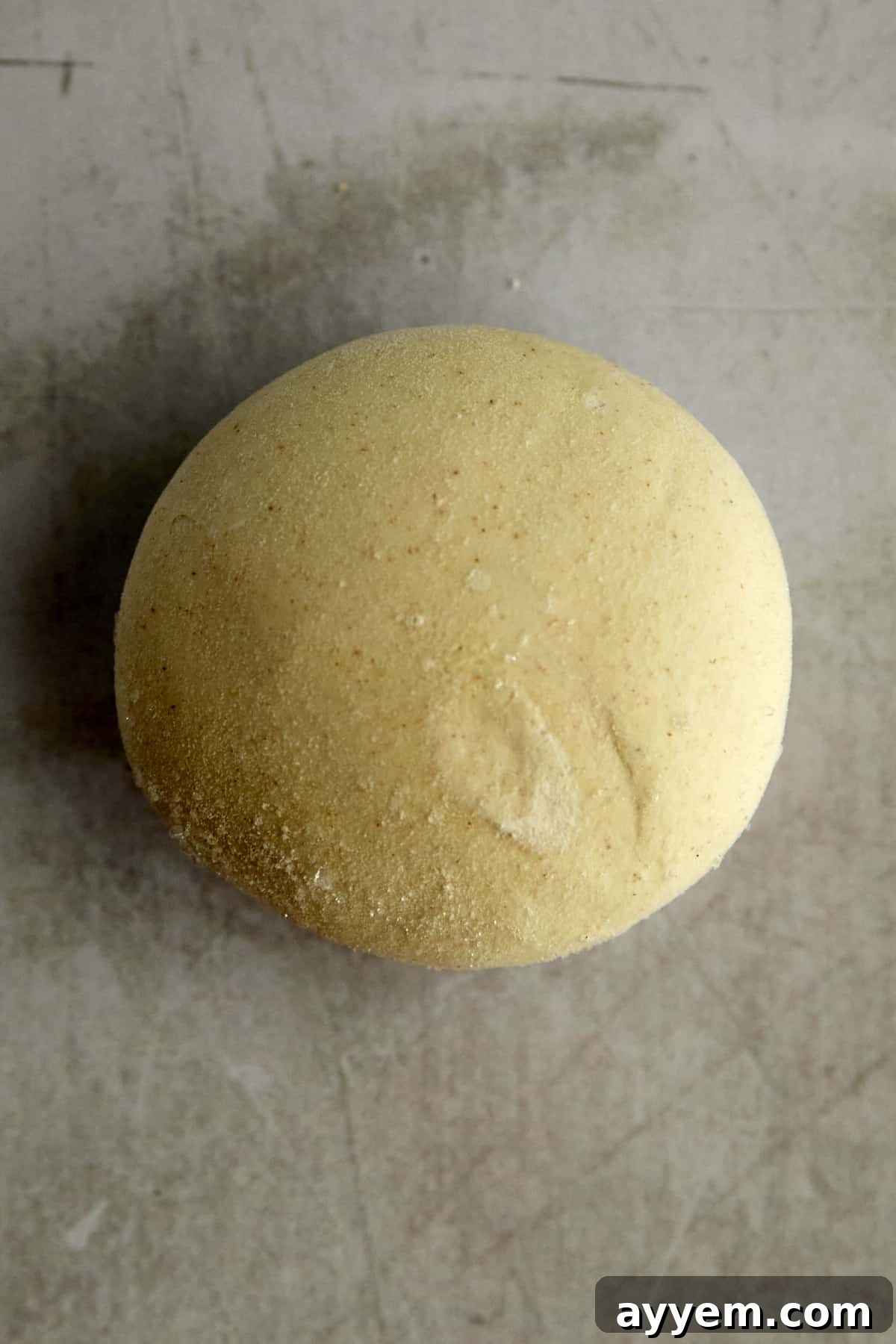
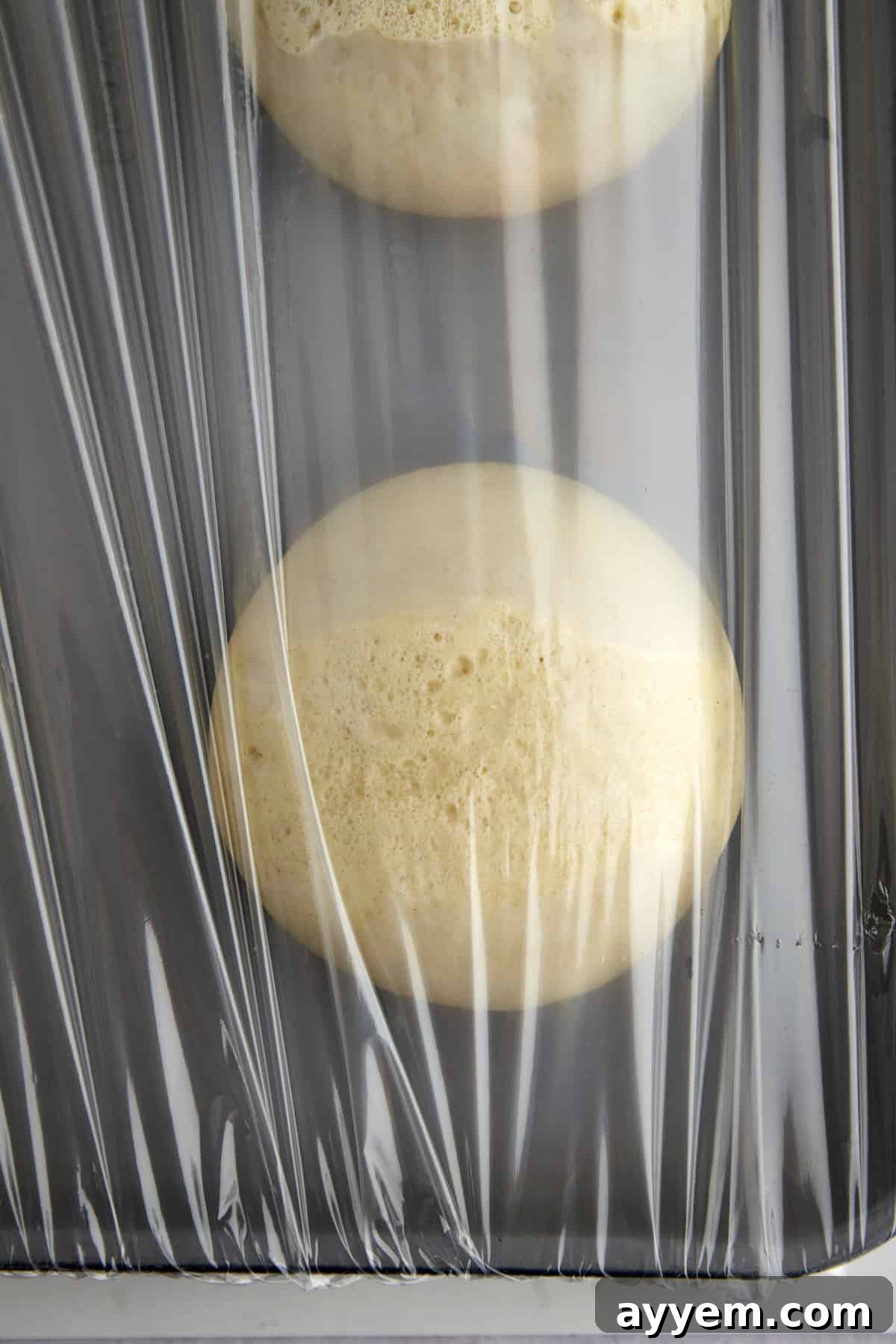
- Prepare the Rolls for Rising: Begin by lightly greasing a large baking sheet (such as a 13×18 inch sheet) with olive oil. Arrange the frozen dinner rolls on the prepared sheet pan, ensuring they are spaced roughly 3 inches apart to allow for proper expansion. Cover the entire sheet pan loosely with plastic wrap. Find a warm, draft-free spot in your kitchen (like a slightly warm oven that’s turned off, or near a sunny window) and let the rolls rise until they have visibly doubled in size. This crucial step usually takes about 3-4 hours, depending on the warmth of your environment.
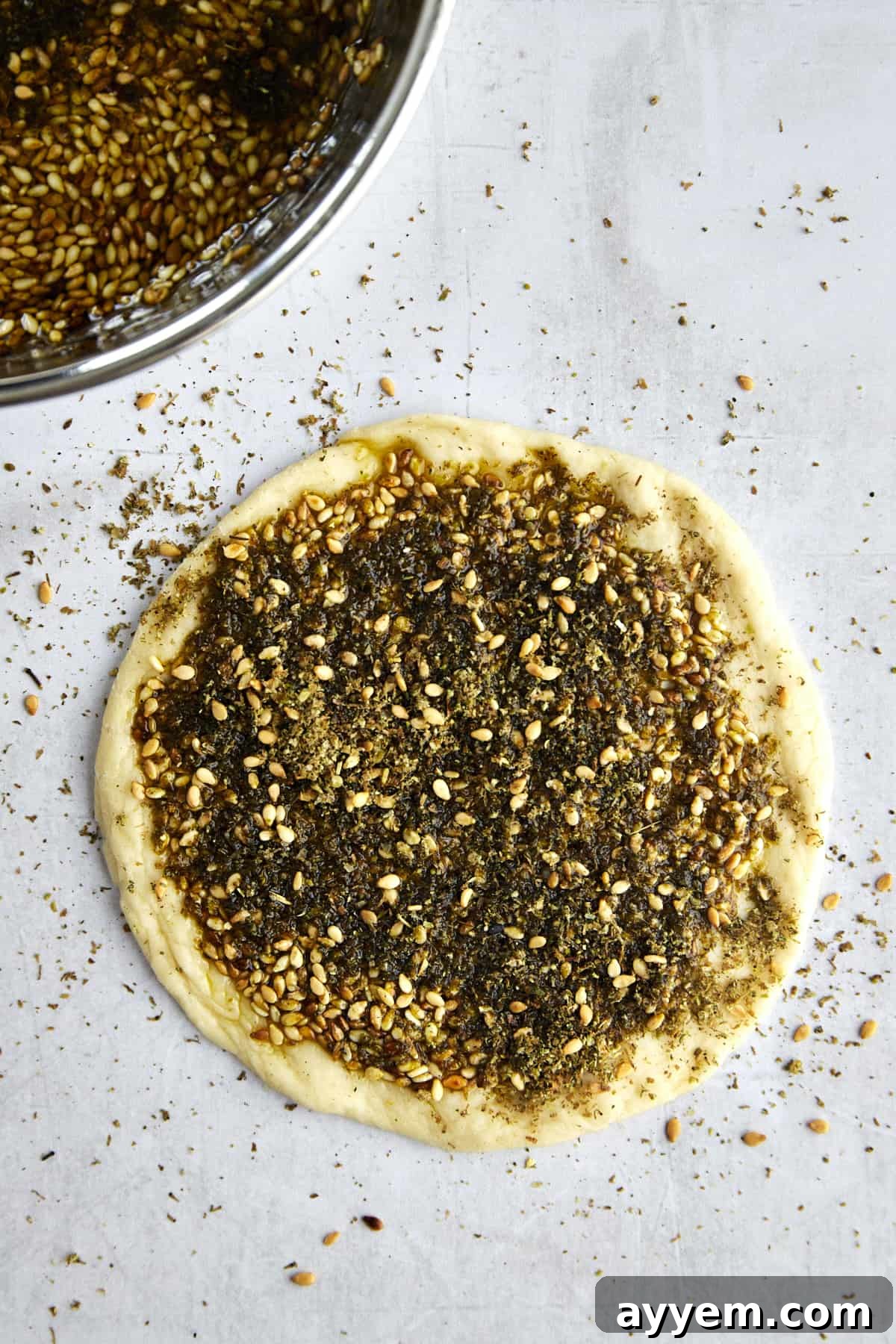
- Create the Aromatic Za’atar Seasoning: While the rolls are rising, prepare your flavorful topping. In a small bowl, combine the za’atar seasoning with the extra virgin olive oil. Whisk the mixture thoroughly until it forms a smooth, spreadable paste. The consistency should be thick enough to cling to the bread but loose enough to brush easily.
- Gently Shape the Dough Discs: Once the dinner rolls have fully risen and are plump, gently remove the plastic wrap. Using your fingertips, carefully pat down each roll until it forms a circular, flattened disc.
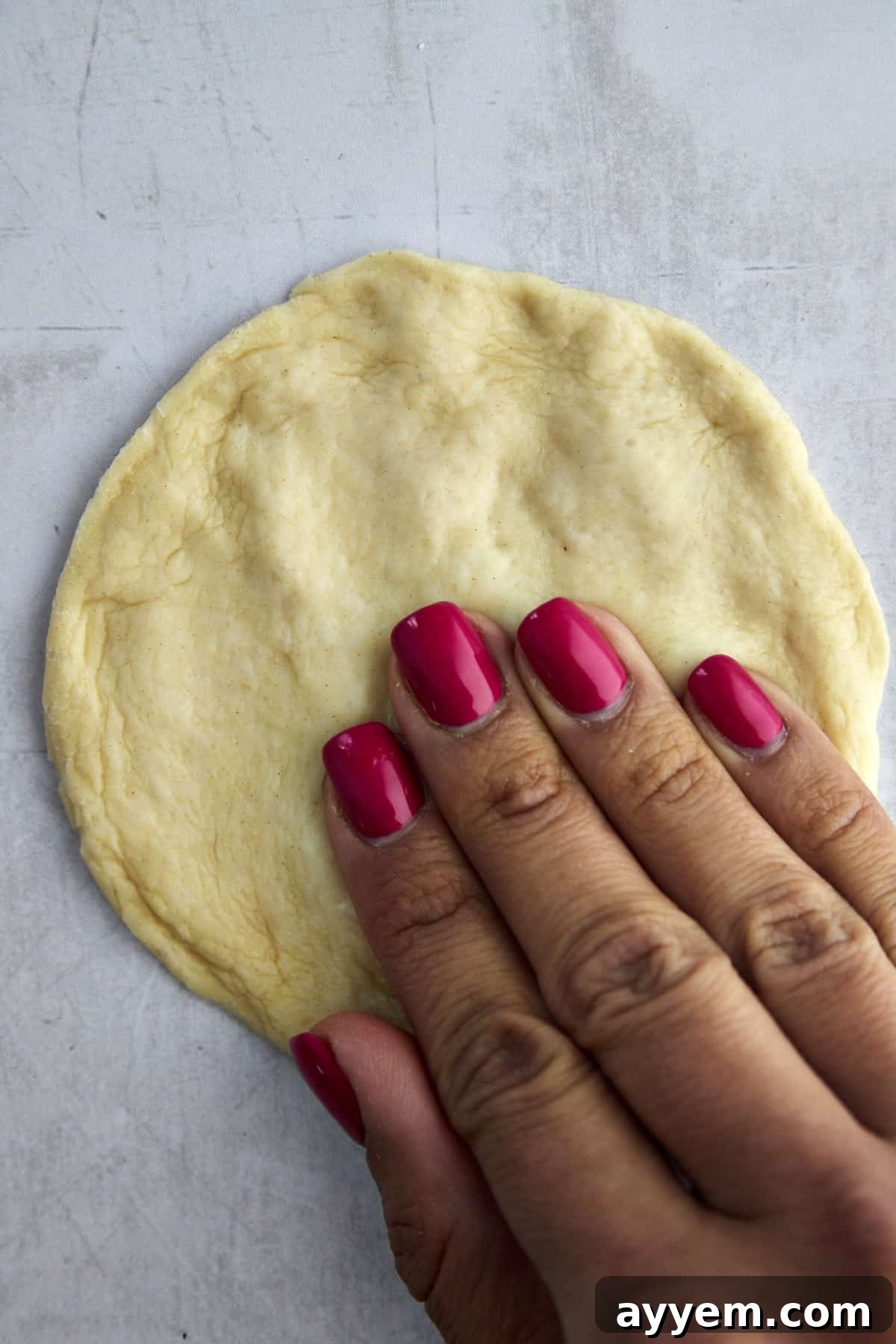
Important Note: Be careful not to flatten the dough out too much! You want them to be flat enough for the topping, but still retain some of their fluffy thickness. If they become paper-thin, they are prone to overbaking, becoming crispy and potentially burning rather than achieving that soft, chewy Manakeesh texture.
- Bake to Golden Perfection: Preheat your oven to 350°F (175°C). Brush a generous tablespoon of the za’atar mixture on top of each dough disc, ensuring the entire surface is evenly covered. If necessary, rearrange the rolls on the greased baking sheet, leaving adequate spacing (at least 2 inches) between each roll to allow for continued expansion and even baking. Bake in the preheated oven for 15-18 minutes, or until the edges of the Manakeesh are lightly golden brown and the topping is fragrant.
- Cool and Serve: Once baked, carefully transfer the Manakeesh to a wire rack to cool completely. While they can be enjoyed warm, allowing them to cool slightly helps the flavors meld and the texture set. Serve them flat or folded, as preferred, and get ready to savor this delightful Middle Eastern treat!
An Alternative: Manakeesh Muffins
For a different presentation or if you prefer individual, thicker portions, you can easily adapt this recipe to create Manakeesh Muffins. This method yields a slightly different texture, with more pronounced edges and a delightful chewiness, perfect for a grab-and-go snack or a party appetizer.
- Prepare Rolls: Lightly grease a standard 12-cup muffin tray. Place one frozen dinner roll into each section of the prepared muffin tray.
- Rise: Cover the muffin tray with a clean cloth or plastic wrap. Allow the rolls to rise in a warm spot until they have doubled significantly in size, typically about 3-4 hours, similar to the sheet pan method.
- Press & Season: Once the rolls are fully risen and fluffy, gently press down on the center of each roll with your fingers, creating a slight indentation. Add approximately 1/2 tablespoon of olive oil and 2 teaspoons of za’atar seasoning directly on top of each pressed roll.
- Bake: Preheat your oven to 350°F (175°C). Bake the Manakeesh muffins for 14-20 minutes, or until they turn a beautiful golden brown color and are cooked through. The slightly longer baking time compared to the flatter version ensures they are thoroughly cooked.
Tips for the Best Homemade Manakeesh
Achieving perfect Manakeesh, even with a shortcut, involves a few key considerations that can elevate your results:
- Don’t Rush the Rise: The rising time for the frozen rolls is crucial for a light and fluffy texture. Ensure your rolls have truly doubled in size before proceeding. A warm, humid environment is ideal for optimal rising.
- Quality Matters: While the recipe is simple, the quality of your ingredients significantly impacts the final flavor. Use good quality extra virgin olive oil and a fresh, fragrant za’atar blend. This will make all the difference.
- Gentle Handling: When patting down the risen rolls, be very gentle. Overworking the dough can deflate it and result in a tougher Manakeesh. Aim for a soft, pliable disc rather than a dense, thin one.
- Even Spacing: Ensure ample space between each Manakeesh on the baking sheet. This allows for proper air circulation, leading to even baking and a beautiful golden crust.
- Customize Your Topping: While our recipe focuses on Za’atar, feel free to experiment with other toppings if you feel adventurous with your own dough or even these rolls! Cheeses, or a mix of both, are popular alternatives.
- Monitor Baking Time: Ovens can vary. Keep a close eye on your Manakeesh during the last few minutes of baking. You’re looking for golden edges and a thoroughly cooked but still soft center, not a burnt crisp.
Serving Suggestions and Pairings
Manakeesh is incredibly versatile and can be enjoyed in numerous ways, making it suitable for any meal of the day. Here are some ideas to make your Manakeesh experience even more delightful:
- Classic Breakfast Spread: Serve your Manakeesh alongside traditional Middle Eastern breakfast items such as creamy labneh (strained yogurt), salty halloumi cheese, fresh cucumbers and tomatoes, a sprinkle of fresh mint, and olives. A cup of hot mint tea or strong Arabic coffee completes the experience.
- Hearty Brunch Option: Pair Manakeesh with protein-rich dishes like baked scrambled eggs or a vibrant shakshuka. The combination of savory flatbread with eggs is truly satisfying.
- Lunch or Snack: Enjoy Manakeesh on its own as a quick and satisfying lunch. It’s also perfect for packing in lunchboxes or serving as a hearty snack.
- Appetizer at Gatherings: Cut the baked Manakeesh into smaller wedges and arrange them on a platter for an easy and impressive appetizer. Serve with a side of hummus, baba ghanoush, or plain yogurt for dipping.
- Fresh Herb Garnish: Before serving, sprinkle some freshly chopped parsley or mint over your Za’atar Manakeesh for an added burst of freshness and color.
Storage and Reheating Manakeesh
If you happen to have any leftover Manakeesh (a rare occurrence!), proper storage and reheating can ensure you enjoy its deliciousness for days to come.
- Storage: Store cooled Manakeesh in an airtight container at room temperature for up to 2-3 days. For longer storage, place them in the refrigerator, where they will keep well for up to 1 week.
- Freezing: Manakeesh freezes beautifully. Wrap individual pieces tightly in plastic wrap, then place them in a freezer-safe bag or container. They can be frozen for up to 2-3 months. Thaw overnight in the refrigerator before reheating.
- Reheating: To restore their best texture and flavor, reheat Manakeesh in a preheated oven or a toaster oven at 300°F (150°C) for 5-10 minutes, or until warmed through and slightly crisp on the edges. You can also quickly warm them in a non-stick pan over medium heat for a few minutes per side. Avoid microwaving, as it can make them soft and rubbery.
Manakeesh Common Questions
Manakeesh comes in various delicious forms, each with its own unique appeal. The most common and beloved toppings include the tangy and aromatic za’atar mixed with olive oil, a rich blend of cheeses (often a combination of traditional Middle Eastern cheeses like Akkawi or Nabulsi, or a milder blend of mozzarella and feta), and savory ground meat seasoned with spices (known as Lahm Bi Ajeen). Beyond these staples, some regional variations also feature labneh (strained yogurt), fresh vegetables, or a sweet topping for a different kind of treat. Our recipe today focuses on the ever-popular za’atar variety.
Historically, Manakeesh was, and often still is, baked in a traditional wood-fired oven. This method imparts a distinctive smoky flavor and a wonderfully crispy crust while keeping the interior soft and chewy. The high heat of these ovens cooks the flatbread very quickly. However, for home cooks, it’s also commonly and successfully baked in conventional modern ovens, which still yield a delicious result, especially when cooked at a high temperature to mimic the traditional method.
Manakeesh is incredibly versatile! While it’s certainly delicious enough to enjoy on its own, it truly shines when served as part of a traditional Middle Eastern breakfast or lunch spread. Common accompaniments include a variety of fresh cheeses like halloumi or labneh, a refreshing plate of fresh vegetables (cucumbers, tomatoes, olives), and perhaps some mint leaves. For a more substantial meal, we love serving Manakeesh alongside hearty dishes such as baked scrambled eggs, a vibrant shakshuka, or even a simple side of hummus. Don’t forget a cup of strong tea or coffee!
Absolutely! While Manakeesh is a quintessential breakfast favorite throughout the Middle East, its deliciousness and versatility make it suitable for any mealtime. It’s widely enjoyed as a satisfying lunch option, a quick and flavorful afternoon snack, or even as an appetizer for dinner gatherings. Its savory profile and comforting nature make it a perfect choice whenever you’re looking for a delightful bite.
More Bread and Flatbread Recipes to Explore
If you’ve fallen in love with the comforting flavors of Manakeesh and are looking to expand your repertoire of savory bread recipes, you’re in luck! Here are some other mouthwatering options that are sure to delight your taste buds and impress your family and friends:
- Easy Focaccia Recipe with Tomatoes: A delightful Italian flatbread, soft and airy, studded with juicy tomatoes.
- Garlic Caprese Bread: A fresh and flavorful bread featuring the classic combination of mozzarella, tomatoes, basil, and garlic.
- Homemade Garlic Bread with Spinach and Artichokes: A decadent twist on garlic bread, packed with creamy spinach and artichoke goodness.
- Cheesy Garlic Bread Recipe: The ultimate comfort food, perfectly crispy on the outside, soft on the inside, and loaded with gooey melted cheese.
Za’atar Manakeesh Recipe
Food Dolls
24 servings
10 minutes
18 minutes
28 minutes
Ingredients
- 24 dinner rolls frozen
- ⅓ cup za’atar seasoning
- ¼ cup extra virgin olive oil
Instructions
-
Preheat the oven to 350 degrees Fahrenheit (175°C). Brush a 13×18 baking sheet with olive oil. Set aside.
-
Place the frozen dinner rolls 3 inches apart on the prepared baking sheet. Cover with saran wrap, and place in a warm, dry place for 3-4 hours or until the rolls have doubled in size.24 dinner rolls
-
In the meantime, combine the za’atar seasoning and olive oil in a small bowl, whisking until smooth to create a spreadable paste.⅓ cup za’atar seasoning, ¼ cup extra virgin olive oil
-
Using your fingertips, gently pat down the risen dinner rolls just until they are spread out into circular discs. Be careful not to flatten them too much, as this can make them tough.
-
Brush 1 tablespoon of the prepared za’atar mixture on top of each roll, ensuring the entire surface is covered.
-
Place the seasoned dough back on the greased baking sheet, maintaining 2 inches of space between each roll.
-
Bake for 15-18 minutes, or until the edges are beginning to turn golden brown and the Manakeesh is cooked through.
-
Transfer to a wire rack to cool completely before serving.
-
Store in an airtight container at room temperature for 2-3 days or in the fridge for up to 1 week.
Notes
Ingredients:
- 12 Rhodes frozen dinner rolls
- 6 tablespoons olive oil
- 1/4 cup zaatar seasoning
Instructions:
- Prepare Rolls: Place a frozen dinner roll in each section of a muffin tray.
- Rise: Cover with a cloth and let the rolls rise in a warm spot until they double in size, about 3-4 hours.
- Press & Season: Once risen, gently press down on each roll. Add 1/2 tablespoon olive oil and 2 teaspoons of zaatar on top of each roll.
- Bake: Preheat the oven to 350°F (175°C). Bake the rolls for 14-20 minutes, or until golden brown.
Nutrition
Calories: 146kcal |
Carbohydrates: 22g |
Protein: 4g |
Fat: 5g |
Saturated Fat: 1g |
Polyunsaturated Fat: 1g |
Monounsaturated Fat: 3g |
Sodium: 226mg |
Potassium: 91mg |
Fiber: 3g |
Sugar: 1g |
Vitamin A: 56IU |
Vitamin C: 0.1mg |
Calcium: 128mg |
Iron: 3mg
Nutrition information is automatically calculated, so should only be used as an approximation.