
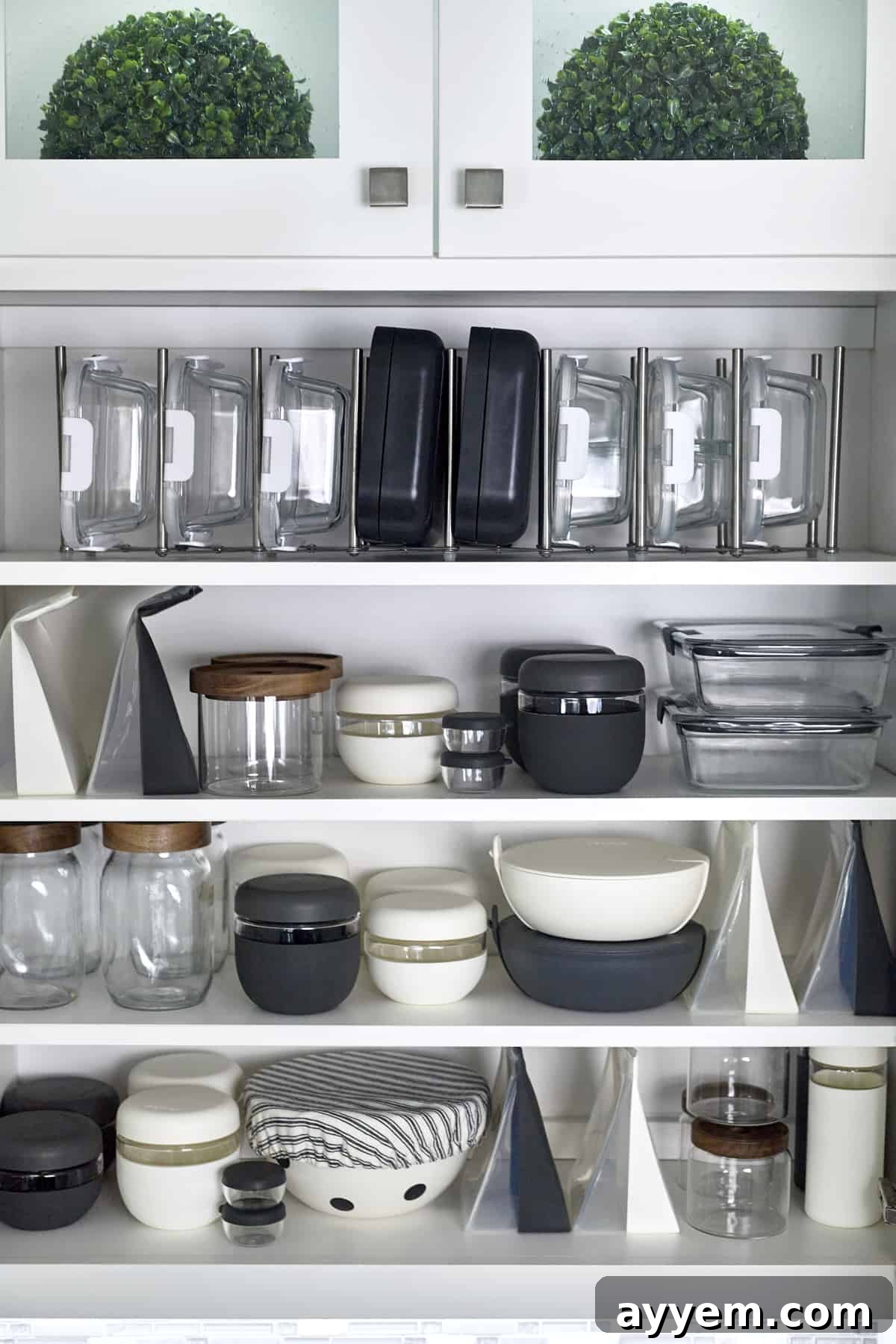
Welcome to the ultimate guide to finding the best food storage containers! In a world where healthy eating and mindful living are paramount, keeping your food fresh, flavorful, and accessible is more important than ever. Whether you’re a dedicated meal prepper looking to streamline your weekly routine, a savvy home cook aiming to reduce food waste by storing leftovers efficiently, or simply seeking durable, leak-proof options for packing a nutritious lunch on the go, this comprehensive guide has you covered. We’ve meticulously researched and compiled the top options, exploring everything from material choices to design innovations, ensuring your culinary creations remain delicious for days.
Investing in high-quality food storage containers isn’t just about convenience; it’s about extending the life of your groceries, saving money, and promoting a more organized kitchen. Say goodbye to soggy salads, stale snacks, and mystery freezer items. With the right containers, you can confidently store, freeze, reheat, and transport your food, knowing it’s protected and preserved. Let’s dive into what makes a truly great food storage container and discover the perfect solutions for all your diverse needs.
What to Look for In Food Storage Containers
Navigating the vast market of food storage containers can feel overwhelming. With countless brands and styles available, discerning the truly excellent from the merely adequate requires a keen eye for specific features. Not all containers are created equal, and choosing wisely ensures longevity, safety, and optimal food preservation. Here are the crucial aspects we meticulously evaluate to pinpoint the best of the best:
- Material: The material of your food storage containers is perhaps the most critical factor, influencing everything from durability and safety to versatility. The two most common materials are glass and plastic, each with distinct advantages and disadvantages. While plastic containers are often lighter, more affordable, and less prone to breaking when dropped, concerns about chemicals like BPAs (Bisphenol A) and phthalates have led many consumers, including ourselves, to gradually transition towards glass. Glass containers offer superior durability, are non-porous (meaning they won’t absorb food odors or stains), are oven-safe, and free from harmful chemicals, making them a safer and more sustainable long-term choice. However, glass is heavier and more susceptible to shattering. Other options include stainless steel, excellent for durability and non-toxicity, and silicone, known for its flexibility and freezer-safe properties.
- Shape and Size Versatility: An ideal food storage collection boasts a variety of shapes and sizes to accommodate diverse culinary needs. From small containers perfect for sauces and nuts to large ones designed for family-sized leftovers or bulk meal prep, variety is key. However, beyond mere assortment, we prioritize containers with smooth, straight edges. This design significantly enhances stackability, allowing you to neatly organize your pantry, fridge, or freezer, thereby maximizing space and minimizing clutter. Rectangular and square containers generally offer better space efficiency compared to round ones.
- Lids and Sealing Mechanism: A food storage container is only as effective as its lid. A poorly designed lid can lead to spills, leaks, and rapid food spoilage. We actively seek out lids that feature a robust clasping or sealing mechanism, such as snap-on latches or secure silicone gaskets, rather than those that merely rest or loosely lock in place. These superior sealing methods create an airtight and watertight barrier, preventing leaks, locking in freshness, and extending the shelf life of your food. Look for lids made from durable plastic or bamboo, ensuring they are also easy to clean and free from warping.
- Leakproof Assurance: For us, leakproof performance is a non-negotiable feature. There’s nothing more frustrating than opening your lunch bag or fridge to find a sticky mess caused by a leaky container. Whether you’re transporting soups, sauces, or marinated dishes, a truly leakproof seal provides peace of mind. This quality is typically achieved through high-quality silicone gaskets combined with strong, reliable latches that create a tight, impenetrable barrier against spills.
- Dishwasher-Safe Convenience: While not an absolute dealbreaker, the convenience of dishwasher-safe containers is a major perk that significantly simplifies post-meal cleanup. Spending hours hand-washing dishes can be tedious and time-consuming. Containers that can withstand the high temperatures and powerful detergents of a dishwasher make life considerably easier, allowing you to focus on more enjoyable activities. Always check the manufacturer’s instructions, as some lids or specialized materials may require hand-washing to maintain their integrity.
The Best Food Storage Containers for All Your Needs
Whether you’re embarking on a complete overhaul of your kitchen’s food storage collection or simply aiming to add a few versatile pieces, navigating the options can be a journey. Our curated selection below focuses on specific use cases, highlighting the features that make containers ideal for various tasks. By understanding these distinctions, you can confidently choose precisely what you need to keep your kitchen organized and your food impeccably fresh.
Best for Meal Prep Enthusiasts
For those who dedicate time to weekly meal preparation, the right containers are essential. Look for sets that are uniform in size and shape, allowing for efficient stacking in the fridge or freezer. Glass containers with airtight, snap-on lids are highly recommended, as they are safe for oven reheating (without the lid) and won’t stain or retain odors from vibrant foods like curries or tomato sauces. Compartmentalized containers are also a game-changer for keeping different food components separate, ensuring your main course, sides, and sauces maintain their integrity until mealtime. Consider options that are explicitly labeled freezer-to-microwave safe for ultimate convenience.
Ideal for Storing Leftovers
Leftovers are a delicious way to avoid food waste and enjoy another meal without extra effort. For everyday leftover storage, versatility is key. A mix of glass and high-quality, BPA-free plastic containers can be beneficial. Glass is excellent for foods you plan to reheat, offering even heat distribution and avoiding plastic leaching. Plastic containers, being lighter, are often preferred for lighter meals or when refrigerator space is at a premium. Focus on containers with robust, leak-proof lids to prevent spills, especially when storing saucy dishes. Having various sizes available ensures you always have the perfect fit, whether it’s a single serving or a family-sized portion.
Top Picks for Freezing Food
Freezing is a fantastic method for long-term food preservation, but it requires containers designed to withstand extreme cold and prevent freezer burn. Thick-walled glass or heavy-duty, BPA-free plastic containers are ideal. Ensure they are specifically labeled “freezer safe” to prevent cracking. Glass containers are particularly effective as they are less likely to absorb odors or stains over time. When filling, remember to leave a little headspace for liquids to expand. Silicone containers are also excellent for freezing, as their flexible nature makes it easy to pop out frozen portions.
Perfect for On-the-Go Lunches and Snacks
When packing lunches for work, school, or outings, portability and leak protection are paramount. Lightweight, durable, and completely leak-proof containers are essential. Stainless steel options are fantastic for durability and eco-friendliness, while robust plastic containers with secure latches are also a great choice. Look for designs that are easy to carry and fit well into lunch bags. For snacks, smaller, stackable containers that prevent crushing or spoilage are invaluable. Some containers come with built-in dividers or condiment cups, enhancing convenience for packed meals.
Smart Solutions for Pantry Organization
While not for fresh food, organizing your pantry with airtight containers is crucial for keeping dry goods fresh and extending their shelf life. Clear containers made from durable plastic or glass allow you to easily identify contents and monitor stock levels. Look for stackable designs that maximize vertical space in your cupboards. These are perfect for storing flour, sugar, pasta, cereals, coffee, and snacks, protecting them from moisture, pests, and staleness. Airtight seals are vital here to maintain freshness and crispness.
Organization Tips
Now that you’ve discovered the best food storage containers, the next logical step is to establish an effective system for keeping them organized. If you’re anything like us, your collection of containers and lids can quickly devolve into a chaotic jumble, making it nearly impossible to find a matching pair when you need it most. But fear not! With a few simple strategies, you can transform your storage cupboard into a model of efficiency and order:
Designate a Dedicated Spot. The first and most crucial step is to consolidate. If possible, choose one specific cupboard, cabinet, or drawer to store all your food storage containers. This eliminates the frantic search across various kitchen zones for the right container and lid. A centralized location ensures that everything is easily accessible and prevents containers from migrating to forgotten corners of your kitchen.
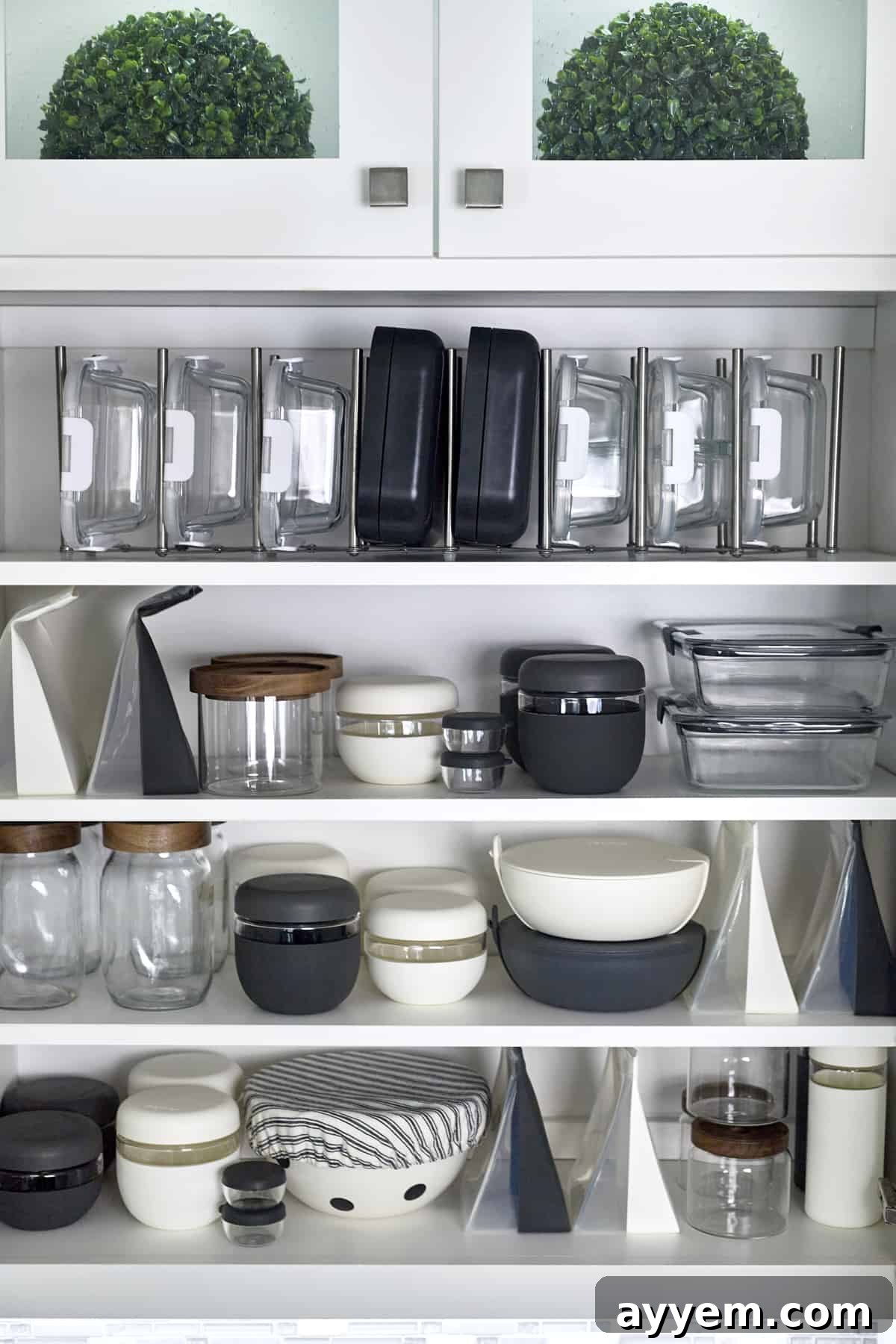
Utilize Smart Organizers. Maximize your storage space and keep everything neatly arranged with purpose-built organizers. Consider expandable racks, tiered shelving, or vertical dividers designed specifically for lids and containers. Organizers, similar to those used for pots and pans, are incredibly effective for keeping your containers stacked neatly and preventing them from toppling over. They’re also fantastic for fridge organization, helping to compartmentalize items and make the most of every inch.
Embrace the Power of Stacking. Whenever possible, stack your containers on top of each other. Group similar containers by size and shape, placing the lids either underneath the corresponding container or in a dedicated lid organizer. Stacking not only reduces the overall footprint of your collection but also makes it easier to grab what you need without rummaging. Aim for nesting designs where smaller containers fit inside larger ones, further optimizing space.
Label Everything. Especially for pantry items or freezer meals, labeling containers with their contents and the date stored can save you significant time and prevent food waste. Use erasable markers on glass or plastic, or adhesive labels that are easy to remove. This simple habit keeps you informed and ensures nothing gets forgotten at the back of the fridge or freezer.
Regular Decluttering. Periodically go through your collection. Discard any cracked or warped containers, missing lids, or pieces that are no longer usable. This prevents unnecessary clutter from accumulating and ensures that every item in your cupboard serves a purpose.
Common Questions about Food Storage Containers
The “best” food storage containers excel in several key areas: durability, ensuring they withstand daily use without easily breaking or degrading; airtight and leakproof seals, which are paramount for maintaining food freshness and preventing spills; and versatility across different environments like the fridge, freezer, microwave, and oven. They are also typically easy to clean (dishwasher-safe is a huge plus!), stackable for efficient storage, and made from safe, non-toxic materials like BPA-free plastic or glass. Ultimately, the best containers make meal prep and storing leftovers effortless and worry-free.
While technically you can use almost any container, choosing wisely for meal prep significantly enhances the experience. It’s highly recommended to select containers that are stackable and feature truly airtight, leak-proof seals to preserve freshness and prevent messes. Containers with multiple compartments are incredibly useful for keeping different food components (like proteins, carbs, and sauces) separate until you’re ready to eat, preventing sogginess. Additionally, opting for uniform sizes within a set makes fridge organization a breeze, maximizing space and creating a tidy appearance. Freezer-safe and microwave-safe properties are also crucial for convenient reheating.
Many modern food storage containers are specifically designed to safely handle significant temperature changes, moving directly from the freezer to the microwave. Glass containers, especially those made from borosilicate glass, are generally excellent for this as they are highly resistant to thermal shock. Microwave-safe plastics (always check for the “microwave-safe” symbol) can also manage this transition. However, it’s crucial to avoid sudden, extreme temperature shifts – for example, never place a frozen glass container directly into a preheated hot oven, as this can still cause it to shatter. Always remove lids before microwaving and check manufacturer guidelines for specific product recommendations.
Absolutely! Investing in good food storage containers can lead to substantial savings over time. By keeping leftovers fresh longer, they drastically reduce food waste, meaning you throw away less expired food. They also make meal prepping much easier, encouraging you to cook at home more often and rely less on expensive takeout or restaurant meals. Furthermore, buying ingredients in bulk and storing them properly in airtight containers can often be more cost-effective than purchasing smaller, pre-packaged portions. This combination of waste reduction and smarter meal planning makes quality food storage a financially savvy investment.
The choice between glass and plastic largely depends on your priorities. Glass containers are renowned for their durability, non-porous nature (no stains or odors), chemical-free composition (BPA-free), and versatility for oven use. They also look more aesthetically pleasing. However, they are heavier, more expensive, and prone to breaking if dropped. Plastic containers, on the other hand, are lightweight, more affordable, and shatter-resistant, making them ideal for kids’ lunches or travel. When choosing plastic, always opt for high-quality, BPA-free options. Many households find a mixed approach works best, using glass for meal prep and reheating, and plastic for lighter storage or portability.
Airtight seals are fundamental to effective food storage, offering numerous benefits. Primarily, they prevent air and moisture from entering or escaping the container, which significantly slows down the spoilage process, keeping food fresher for much longer. This helps maintain texture, flavor, and nutritional value. Additionally, airtight seals prevent odors from strong-smelling foods (like onions or garlic) from permeating your fridge, and conversely, stop other fridge odors from affecting your stored food. Crucially, they also make containers leak-proof, ensuring sauces, soups, and dressings stay safely inside during transport or storage, eliminating messy spills.
Do you have extra tips for organizing food storage containers or specific brands you swear by that we absolutely need to try? We love discovering new ways to enhance kitchen efficiency and food preservation! Let us know your insights and recommendations in the comments below. Your experiences could help countless others create a more organized and waste-free kitchen!