
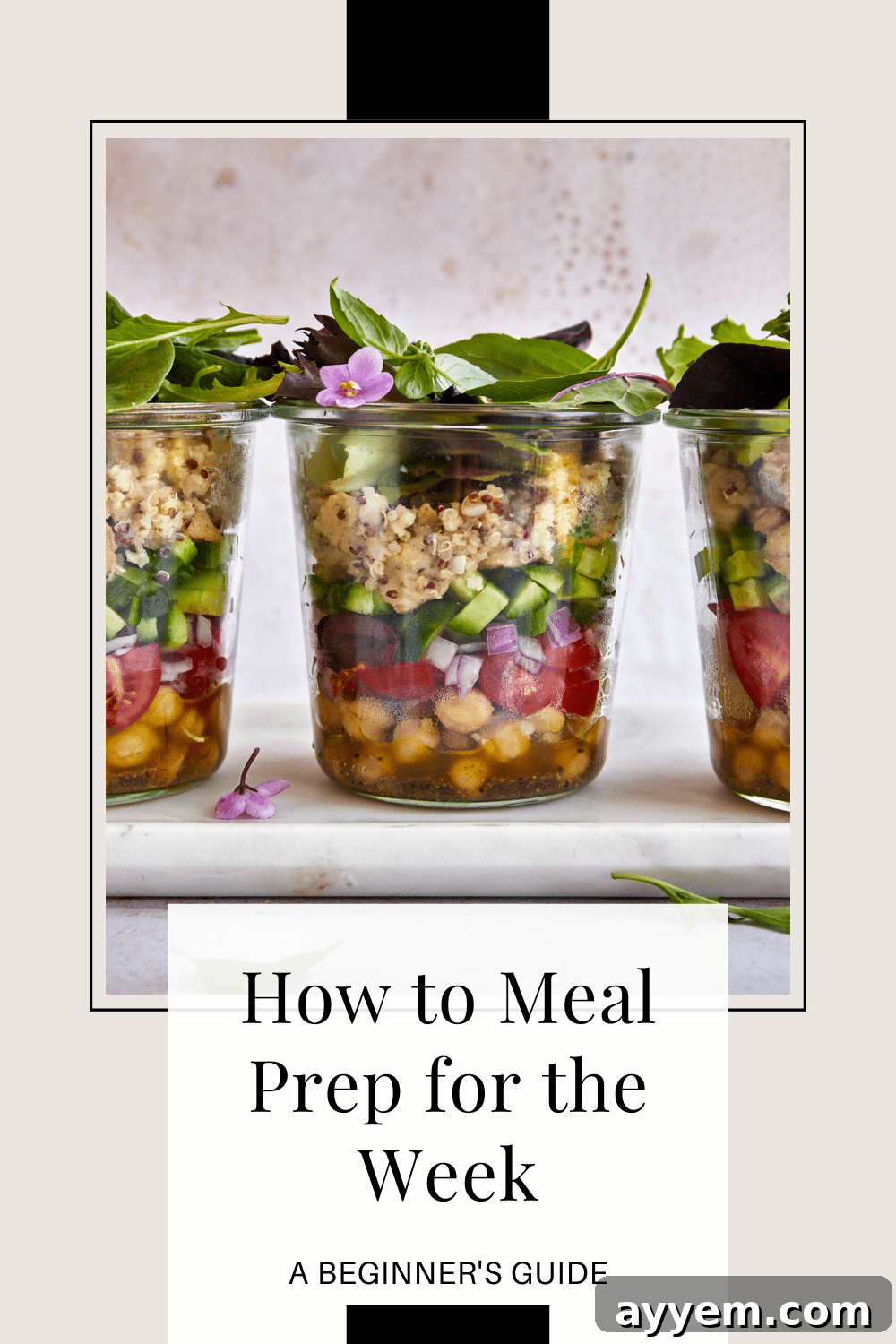
Embarking on the journey of how to meal prep for the week is a transformative step that promises to revolutionize your relationship with food, time, and personal finances. Far from being a daunting or time-consuming endeavor, weekly meal preparation is an accessible practice that simplifies healthy eating and optimizes your schedule. This comprehensive guide will equip you with the essential knowledge, clever tricks, must-have tools, and inspiring recipes to master meal prepping with unparalleled ease, aligning with all your wellness goals.
What Exactly Is Meal Prepping?
Meal prepping, in its essence, is a strategic form of food planning and preparation that involves cooking individual ingredients or entire dishes in advance of when they will be consumed. This forward-thinking approach allows you to dedicate a specific block of time, typically once or twice a week, to prepare meals for the days ahead. Whether you’re cooking for one, a couple, or a bustling family, learning how to meal prep is an invaluable skill. It significantly reduces daily cooking demands, smooths out hectic weekdays, and provides a powerful framework for achieving diverse health and nutritional objectives. With nutritious, pre-portioned options readily available, you can effortlessly grab and go, making healthy choices a natural part of your routine rather than a struggle.
The beauty of meal prepping lies in its flexibility. It’s not a one-size-fits-all concept, but rather a customizable system that adapts to your lifestyle, dietary preferences, and culinary skill level. From chopping vegetables to cooking grains or fully assembling meals, every step taken in advance frees up precious time during the busiest parts of your week, bringing calm and control back to your kitchen.
Unlocking the Abundant Benefits of Meal Prep
The widespread popularity of weekly meal preparation is no accident; its extensive list of advantages makes it a cornerstone for many seeking a healthier, more organized life. Here are some of the most compelling reasons to embrace meal prepping:
- Significantly Saves Cooking Time: Imagine arriving home after a long day and having a delicious, healthy meal ready in minutes. Meal prepping eliminates the daily scramble of deciding what to eat, prepping ingredients, and cooking from scratch. You consolidate your cooking efforts into a single session, freeing up evenings and lunch breaks.
- Reduces Food Waste: By planning your meals and purchasing only the ingredients you need, meal prepping dramatically cuts down on forgotten produce and expired groceries. Everything you buy has a purpose, ensuring you use ingredients efficiently and minimize what goes into the bin. This is not only good for your wallet but also for the environment.
- Can Help Reduce Grocery Bills: Strategic meal planning allows you to create a precise shopping list, preventing impulse purchases and enabling you to buy ingredients in bulk when they are on sale. Knowing exactly what you need and sticking to your list at the supermarket can lead to substantial savings over time.
- Makes Sticking to Healthy Options Effortless: When nutritious meals are already prepared and portioned, the temptation to reach for unhealthy takeout or convenience foods drastically diminishes. Meal prepping empowers you to maintain dietary goals, control portion sizes, and ensure your body receives the fuel it needs without daily willpower battles.
- Lowers Stress and Boosts Mental Well-being: The mental load of daily meal planning, cooking, and cleaning can be overwhelming. Meal prepping removes this burden, providing a sense of calm and control. Knowing your meals are taken care of reduces anxiety, frees up mental space, and allows you to focus on other aspects of your life.
- Encourages Culinary Creativity: While it might seem restrictive, meal prepping can actually spark creativity. By focusing on components, you can mix and match flavors and textures, experimenting with different seasonings and sauces throughout the week to keep things exciting.
Addressing Potential Downsides and How to Overcome Them
While the advantages of meal prepping are extensive, it’s true that some individuals might encounter a few drawbacks. The most common concerns include boredom from eating the same dishes repeatedly or a general dislike for leftovers. However, these challenges are easily surmountable with a few smart strategies:
If you find yourself prone to “food fatigue,” consider these easy ways to keep your palate engaged:
- Vary Seasonings and Sauces: Prepare a base protein or vegetable, but swap out the flavor profile each day. A plain chicken breast can transform with a different sauce or spice rub, offering a fresh experience without extra cooking.
- Prepare Components for Mix-and-Match Meals: Instead of full dishes, focus on cooking individual components like grilled chicken, roasted vegetables, and grains. This allows you to assemble diverse meals throughout the week. One day, chicken and rice; the next, chicken with a salad and quinoa.
- Make Smaller Batches: If you truly dislike eating the same meal for days on end, prepare smaller quantities. Instead of five portions of one meal, aim for 2-3 portions of two different meals, giving you variety and reducing the chance of burnout.
- Incorporate Fresh Elements: Even if your main components are prepped, add fresh garnishes, herbs, or a squeeze of lemon just before serving to brighten up flavors and textures.
- Consider Freezing: For meals that freeze well, prepare larger batches and freeze individual portions. This allows you to rotate through a wider variety of meals over a longer period, preventing the feeling of eating the same thing all week.
Another potential downside is the initial time investment required for a dedicated prep session. While it saves time long-term, setting aside a few hours can be a hurdle for some. Start small – prep only lunches or dinners for 2-3 days – and gradually build up your routine as you become more efficient.
Your Step-by-Step Guide to Weekly Meal Prep
Every individual develops a unique rhythm when it comes to meal prepping, but the fundamental process remains straightforward. Don’t be intimidated; mastering how to meal prep for the week is an achievable goal, and we’re here to guide you through various methods, essential tips, and more, helping you discover a routine perfectly tailored to your lifestyle and preferences.
Before diving into specific methods, let’s outline a general approach:
- Assess Your Needs: Consider your schedule, dietary goals, and the number of meals you want to prep.
- Choose Your Recipes: Select recipes that are suitable for meal prep and align with your preferences.
- Create a Shopping List: List all necessary ingredients to ensure an efficient grocery run.
- Dedicate Prep Time: Set aside 2-4 hours on a chosen day (e.g., Sunday) for cooking.
- Execute Your Prep Plan: Follow a logical sequence for cooking, starting with longer-cooking items.
- Portion and Store: Divide meals into appropriate containers and store them correctly to maintain freshness.
Exploring Diverse Meal Prepping Methods
The most effective meal prepping method is one that aligns with your personal preferences, specific dietary needs, and the number of individuals you’re cooking for. Here are some of the most widely adopted and flexible approaches:
- Full Meals: This method is exceptionally popular, especially for those feeding a family or individuals who appreciate ultimate convenience. The idea is to select a few of your favorite balanced meals—think a protein, a carb, and a vegetable—and prepare them entirely in advance. These complete dishes are then stored in the fridge or freezer, offering family-friendly dinners or lunches that can be on the table in mere minutes with minimal effort. This approach is fantastic for busy evenings when cooking from scratch is simply not an option.
- Batch Cooking: Ideal for maximizing efficiency and versatility, batch cooking involves focusing on a specific foundational ingredient and cooking it in large quantities ahead of time. For example, you might roast a whole chicken, cook a large pot of beans, or prepare a big batch of quinoa. These bulk-cooked items are then kept on hand to be incorporated into a wide variety of different meals throughout the week. This allows for diverse culinary creations from a single prep session, preventing meal fatigue.
- Individual Ingredients: This method is a lifesaver for those who crave variety and get bored easily. Here, you prepare an assortment of different ingredients separately. Imagine having cooked quinoa, fluffy rice, grilled chicken, seared beef strips, and roasted veggies all ready to go. With these components, you can mix and match to create unique meals daily, assembling fresh and exciting dishes in just minutes, tailored precisely to your cravings.
- Single Servings: This option is highly recommended for preparing easy, portable lunches or when you’re primarily cooking for yourself. The concept involves preparing and packaging individual, single-serving meals such as vibrant salad jars or flavorful Chipotle chicken boxes. Each container holds a complete, ready-to-eat meal, requiring nothing more than a quick warm-up (if needed) before enjoyment. This method ensures perfect portion control and ultimate convenience for grab-and-go nourishment.
Selecting the Best Foods for Efficient Meal Prep
When you’re learning how to meal prep effectively, choosing the right ingredients is paramount. It’s crucial to select foods that not only appeal to your taste buds but are also simple to prepare in advance and maintain their quality and texture throughout the week. Our top recommendations prioritize durability, versatility, and ease of preparation:
- Frozen Vegetables: These are an absolute godsend when time is of the essence! Beyond their incredible convenience, frozen vegetables are typically more affordable and are flash-frozen at their peak ripeness. This process locks in nutrients, often meaning they contain more vitamins and minerals than some “fresh” vegetables that have traveled long distances. They’re perfect for roasting, steaming, or adding to stir-fries.
- Starchy Vegetables: Think hearty options like potatoes (sweet or regular), carrots, parsnips, and other root vegetables. These tend to store exceptionally well after cooking, retaining their texture and flavor. They make excellent bases for bowls, side dishes, or additions to stews.
- Crunchy Veggies: Items such as celery sticks, bell peppers, cucumbers, and snap peas hold up beautifully in the fridge. They are fantastic for snacking, perfect for dipping, or adding a refreshing crunch to sandwiches, salads, and wraps without getting soggy.
- Hearty Greens: While delicate lettuces can wilt, robust greens like spinach, kale, and collard greens are much more forgiving for meal prep. They can easily be washed, dried thoroughly, and stored to form the base of healthy meals. Always ensure they are completely dry before storing to prevent spoilage.
- Grains and Pulses: A cornerstone of any good meal prep plan, grains like oats, quinoa, buckwheat, and rice, along with pulses such as lentils, chickpeas, and various beans, offer incredible versatility. They are affordable, excellent sources of fiber and protein, and make for deliciously filling meals or components that can be seasoned in countless ways.
- Lean Proteins: You simply cannot go wrong with meal prepping a variety of proteins. From flaky salmon and lean chicken breast to robust beef, ground turkey, hard-boiled eggs, creamy yogurt, and cottage cheese – all work exceptionally well. Proteins are essential for satiety and muscle health, and they can be easily paired with all your favorite recipes, whether roasted, grilled, or shredded.
- Whole Fruit: Keep a selection of whole, unpeeled fruits like apples, oranges, bananas, and berries on hand. These can be sliced up and added to meals, oatmeal, or consumed as quick snacks just before eating. For the best flavor, nutritional value, and most economical options, prioritize in-season produce.
Inspiring Meal Prep Ideas to Kickstart Your Week
Now that we’ve explored our preferred ingredients, let’s illustrate how to transform them into delicious, ready-to-eat meals with a selection of our favorite meal prep recipes. These ideas will help you craft a balanced and exciting menu for the week ahead.
Energizing Breakfasts to Grab and Go
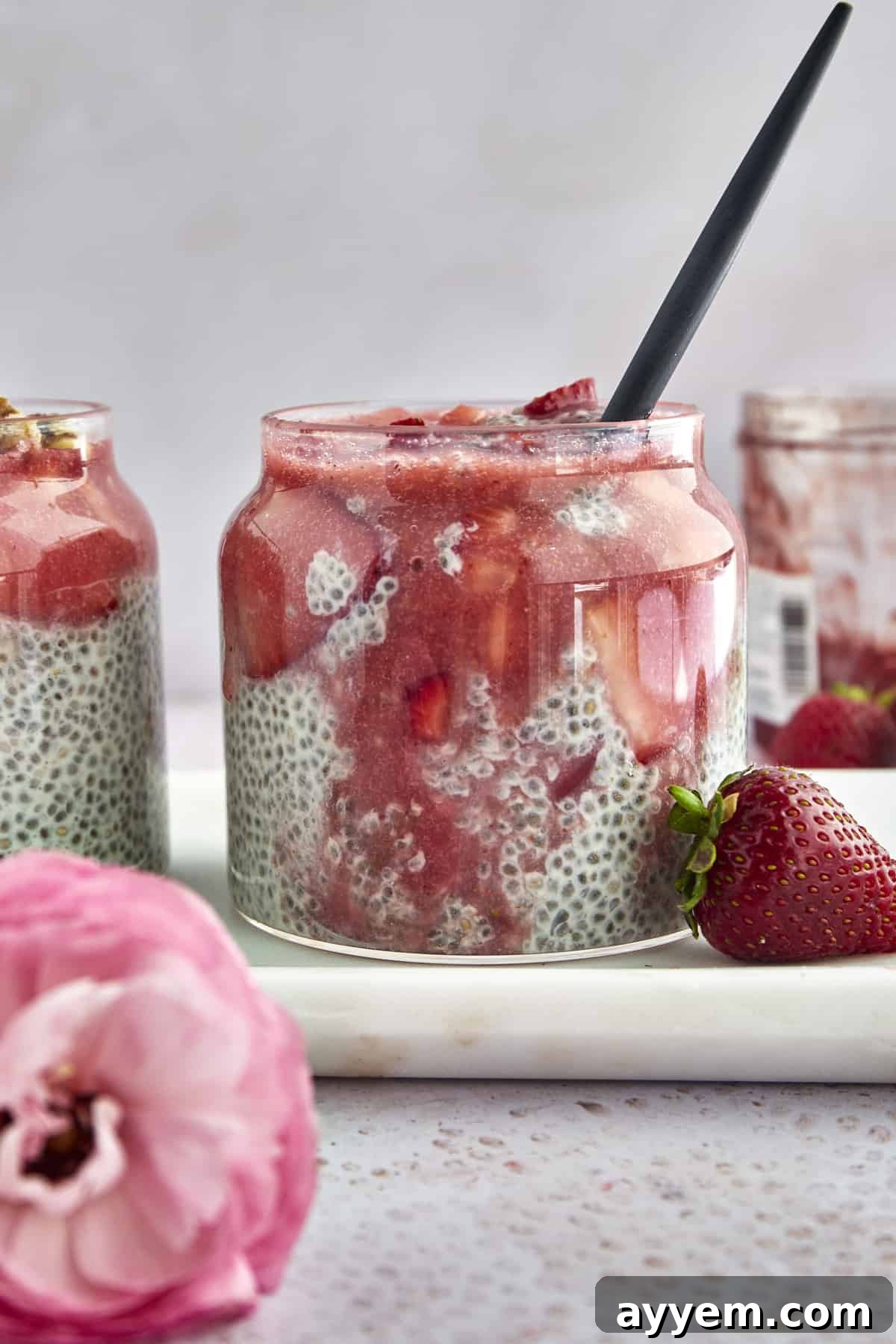

- Strawberry Chia Pudding with Coconut Milk – This delightful pudding is sweet, packed with healthy fats and fiber. Prepare a large batch and portion it into individual jars for quick, nutritious breakfasts that are perfect for busy mornings on the go.
- Easy Banana Blueberry Muffins – Crafted with just nine simple ingredients, these homemade muffins offer a healthier-for-you option that the entire family will adore. They’re excellent for a quick breakfast or a wholesome snack.
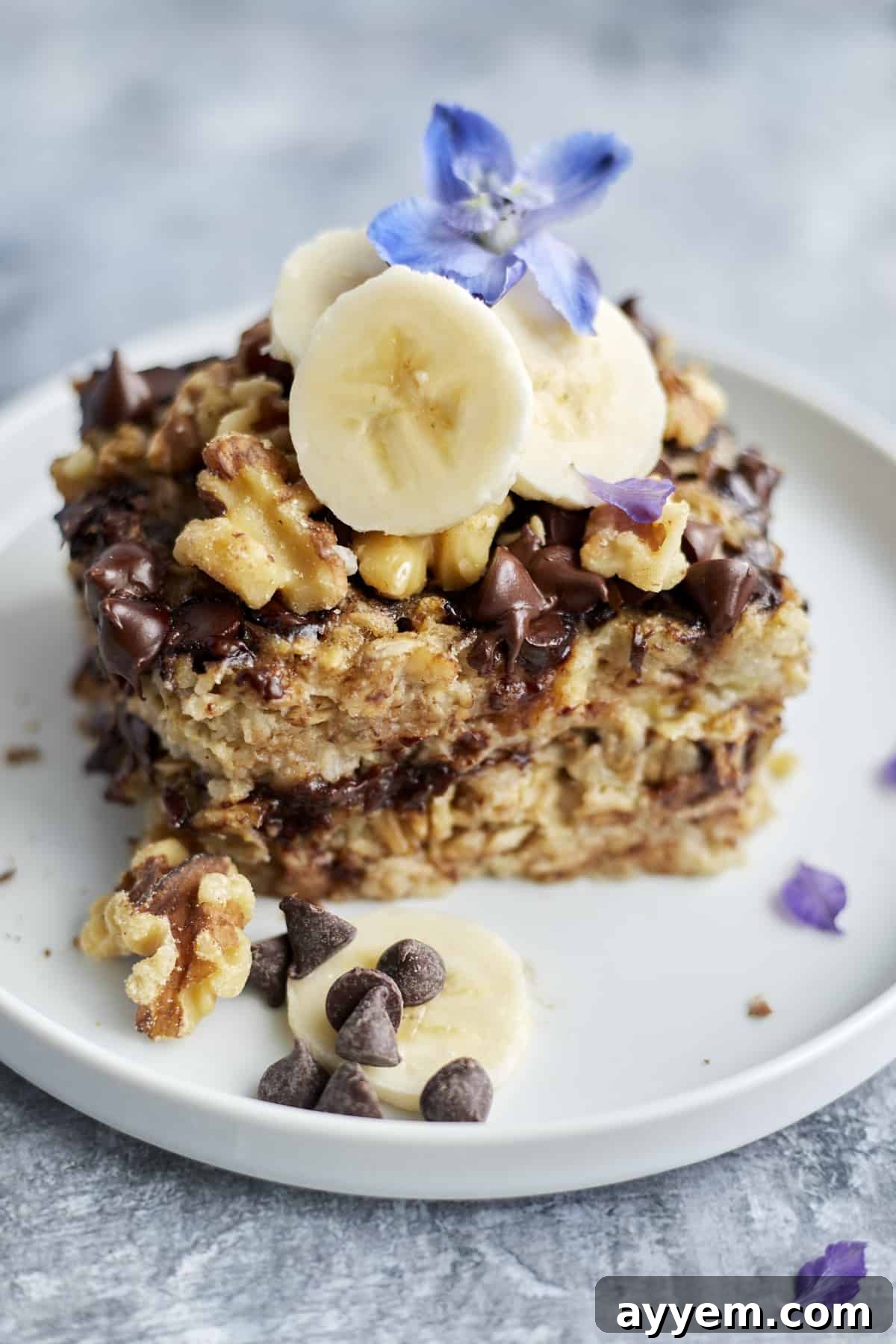
- Banana Bread Baked Oatmeal – Satisfy your sweet tooth while staying full and energized until lunchtime with this incredibly hearty, make-ahead baked oatmeal recipe. It reheats beautifully and offers comforting flavors.
- Protein-Packed Egg Muffin Sandwiches – Ditch the drive-thru! Prepare a large batch of these savory egg muffin sandwiches and store them in the fridge or freezer for a convenient and satisfying breakfast option throughout the week.
- Baked Scrambled Eggs – This genius recipe allows you to prepare a whole batch of cheesy scrambled eggs in the oven. Easily add them to breakfast wraps, serve with toast, or pair them with all your favorite breakfast sides.
Satisfying Lunches for Productive Mid-days
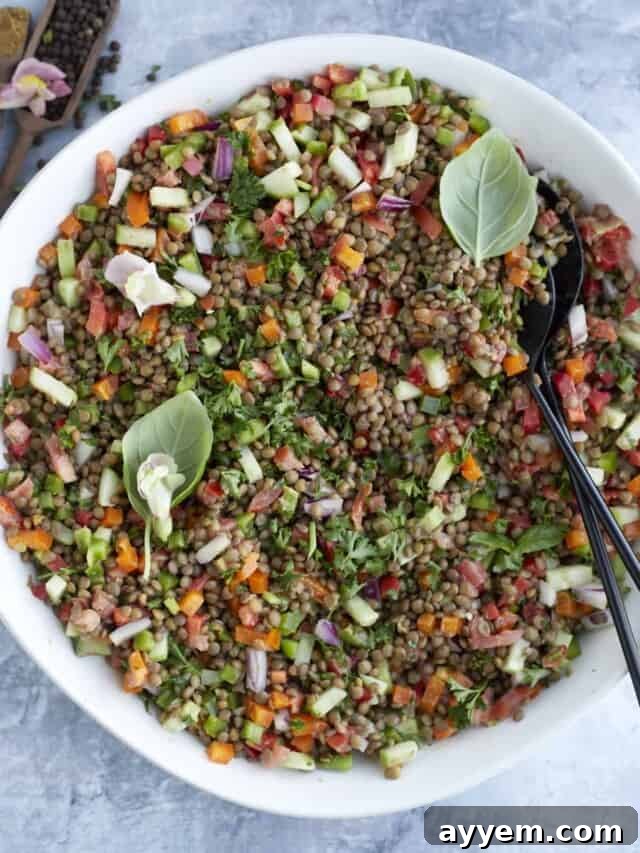
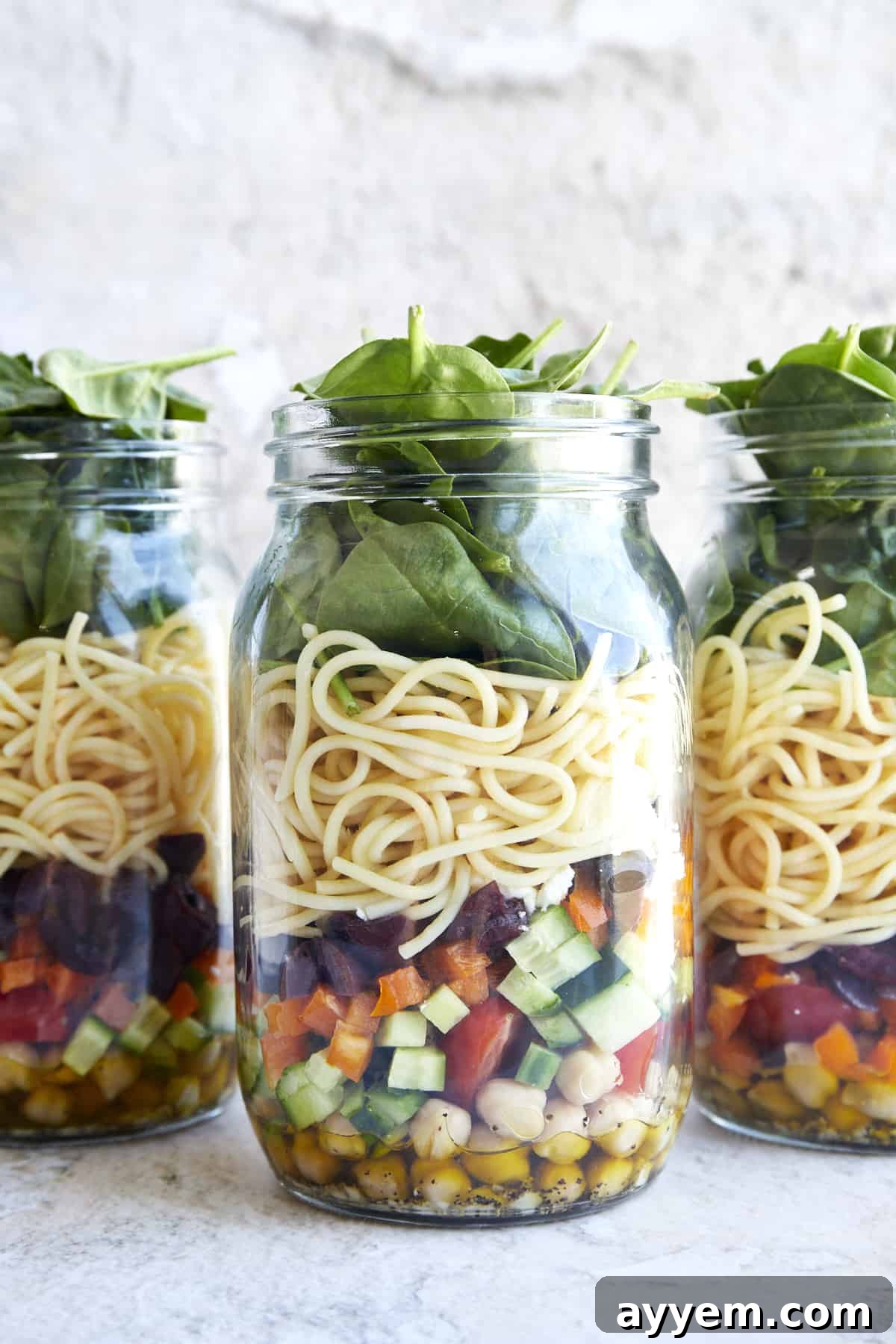
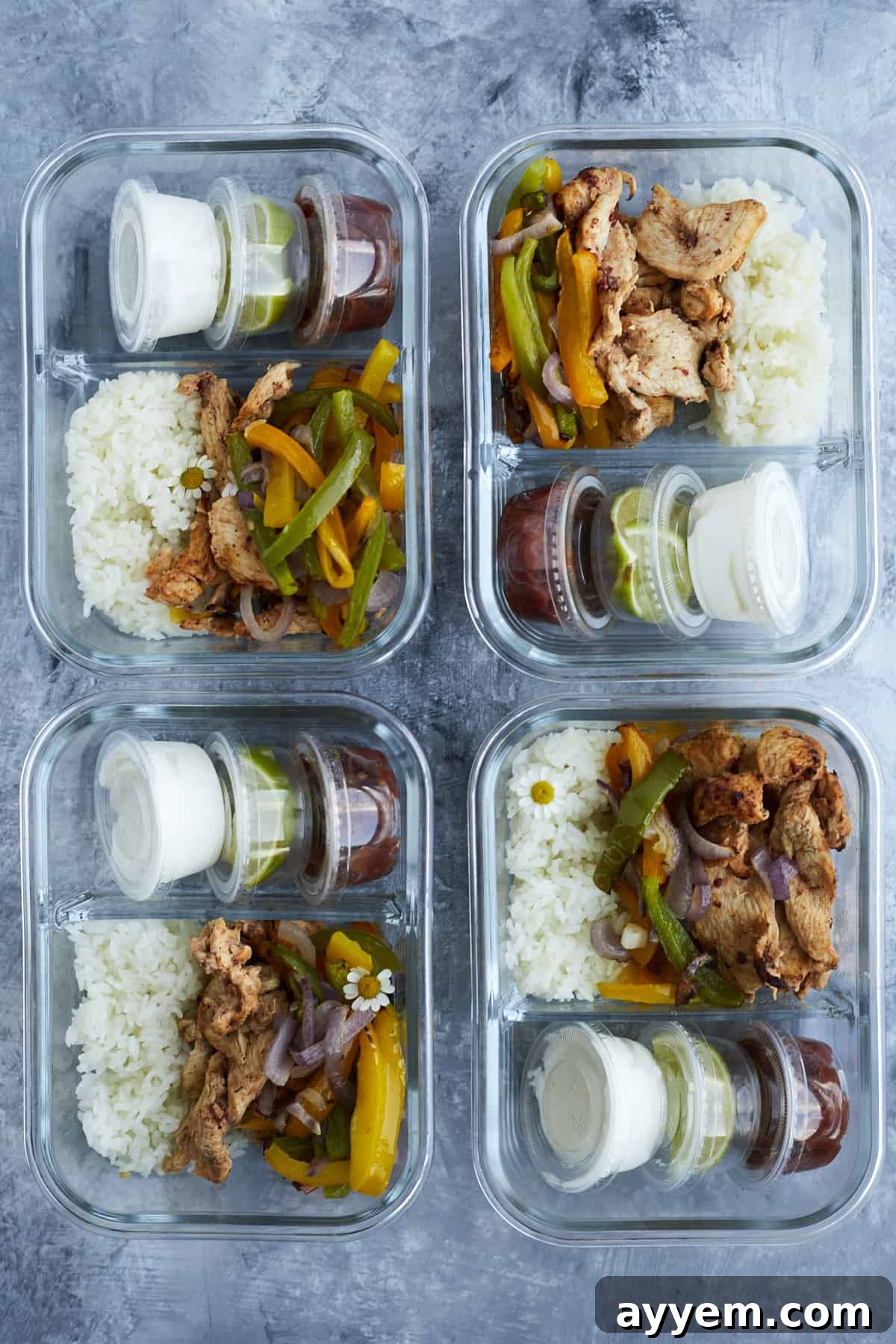
- Hearty Lentil Salad Recipe – Both robust and refreshing, this veggie-loaded meal is so flavorful and satisfying that you’ll eagerly anticipate eating it again and again. It’s packed with plant-based protein and fiber.
- Easy Chicken Fajita Sandwich – With just one bite of this flavorful baked sandwich, you’ll feel instantly transported to your favorite Mexican restaurant. It’s a convenient way to enjoy vibrant flavors at home or work.
- Slow Cooker Pasta and Beans Soup – A fantastic hands-off meal prep option! Simply combine all the ingredients in your slow cooker, and you’ll yield comforting, hearty soup portions for the entire week with minimal effort.
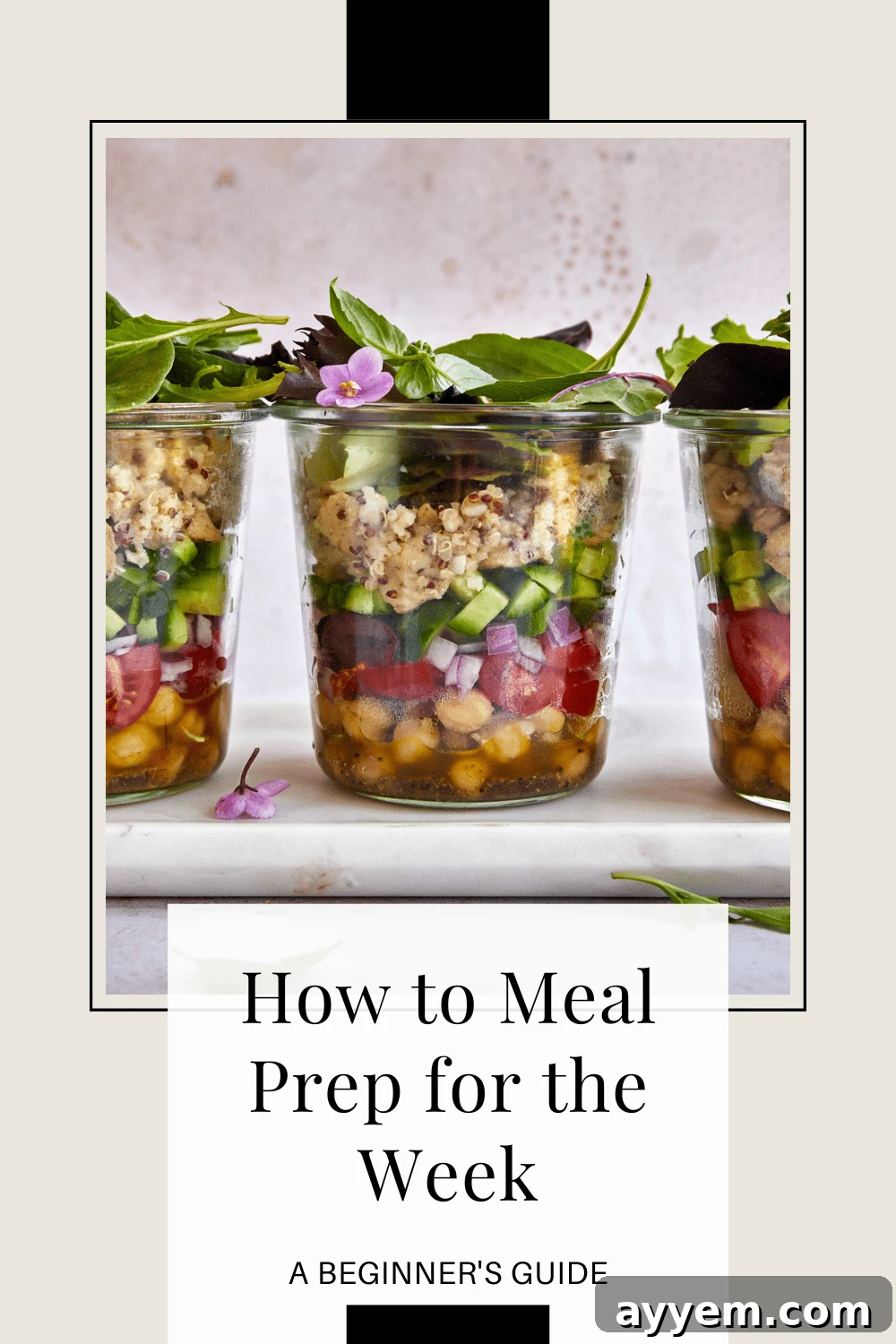
- Meal Prep Mason Jar Salad – Our ultimate go-to for lunch! These layered salads are not only incredibly easy to assemble but also super versatile and delightfully fun to eat. The dressing stays at the bottom, keeping greens fresh.
- Meal Prep Chipotle Chicken Bowls – Enjoy all the beloved flavors of your favorite Chipotle bowl at a fraction of the cost, complete with homemade guacamole. These bowls are perfect for a satisfying and healthy lunch.
Effortless Dinners for Relaxed Evenings
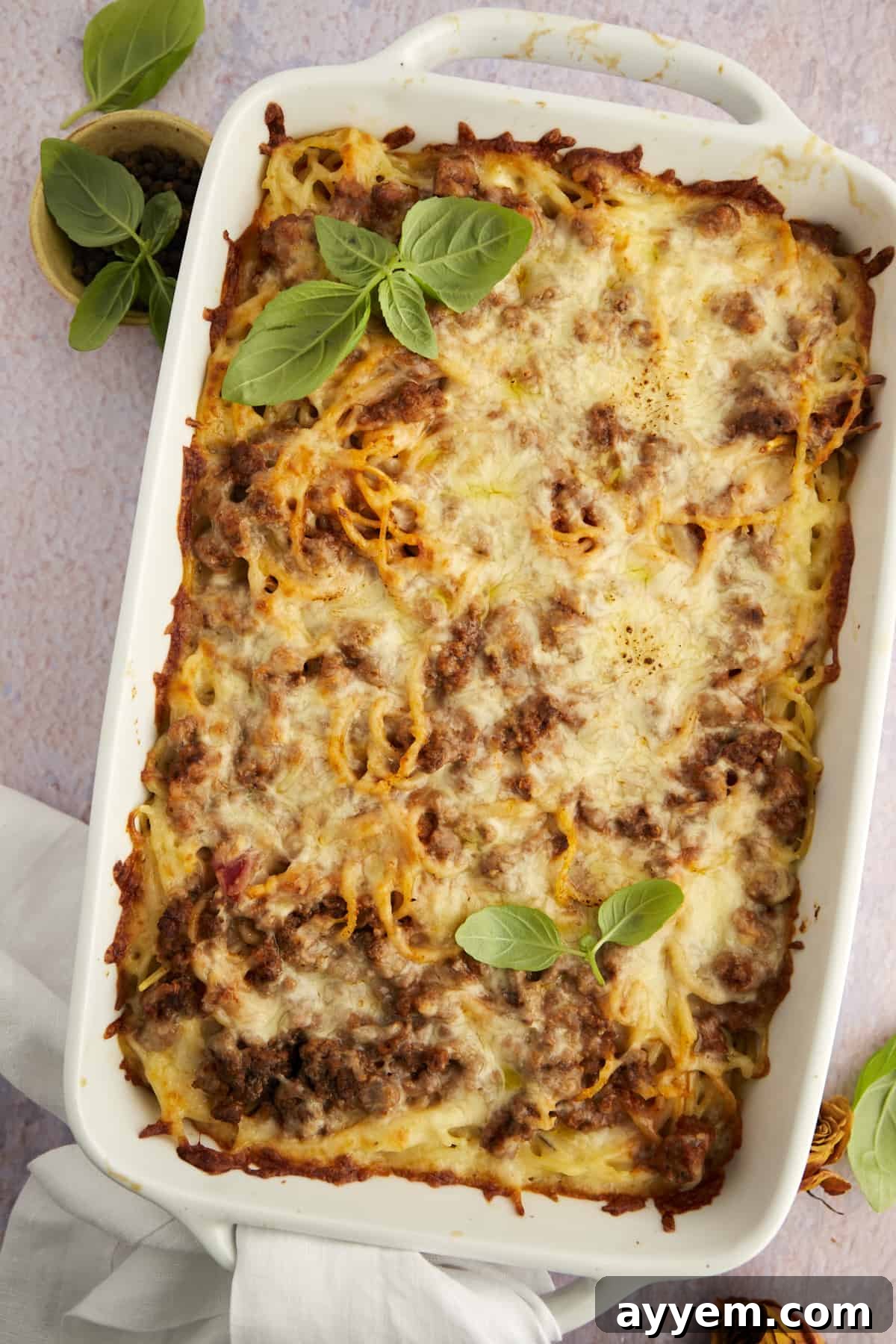
- Baked Million Dollar Spaghetti – A cherished Midwestern classic, this hearty dinner is a frequent request in many families. It’s incredibly quick to assemble, offers layers of flavor, and freezes exceptionally well, making it a meal prep superstar.
- Flavorful Kung Pao Chicken – This Chinese-inspired chicken dish is superb for making in bulk. It’s perfect for serving over a generous batch of fluffy rice or tender noodles, providing a delicious and balanced meal.
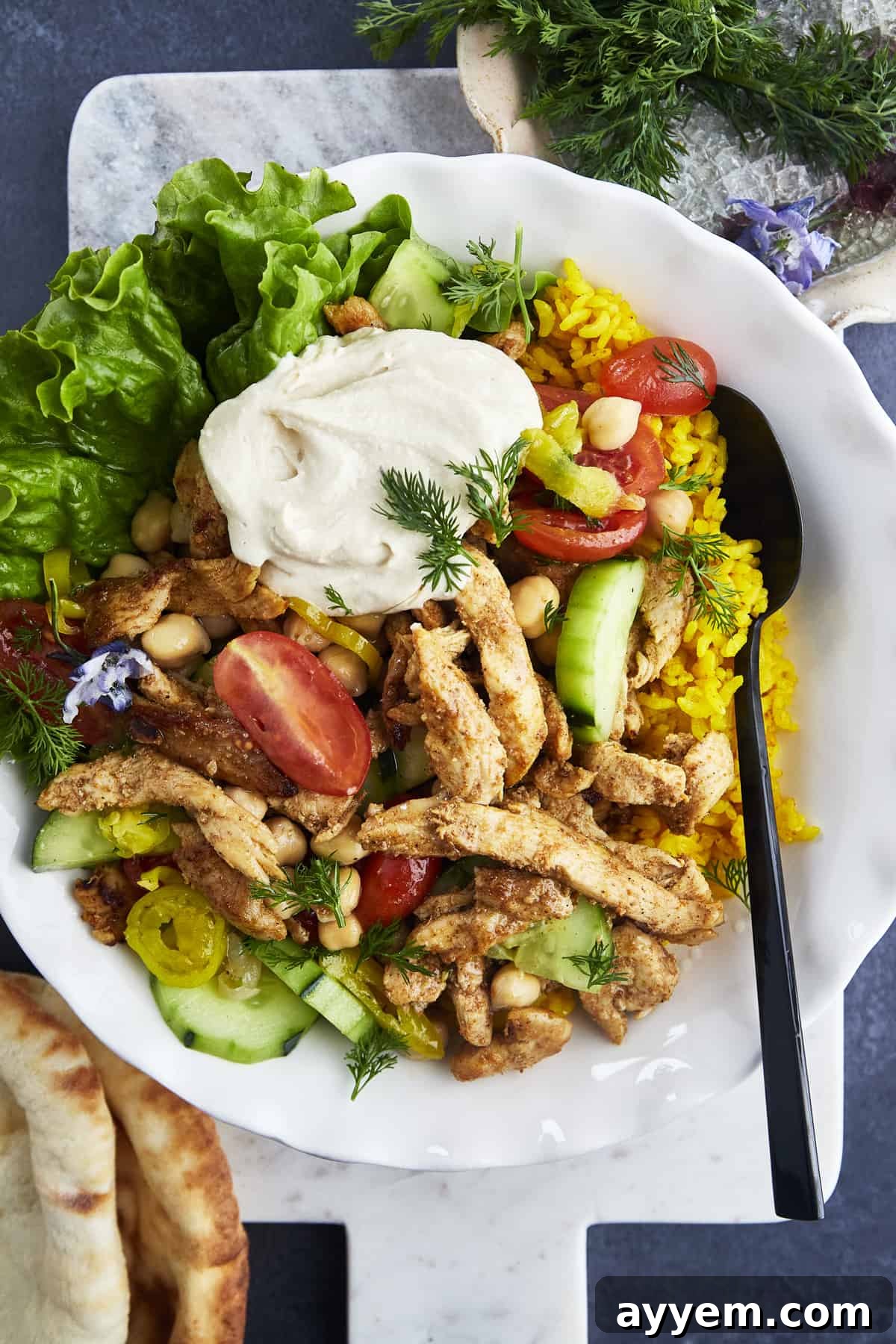
- Shawarma Chicken Sheet Pan Dinner – Ready in just 30 minutes, this vibrant chicken can be prepped in mere minutes, leaving you ample time to prepare a batch of flavorful seasoned rice or pita bread for serving. It’s quick, easy, and bursting with flavor.
- Baked Feta Salmon – Healthy, wonderfully low-carb, and ready in only 30 minutes, meal prep simply doesn’t get easier—or more deliciously satisfying—than this elegant dish. It’s a fantastic way to enjoy healthy fats and protein.
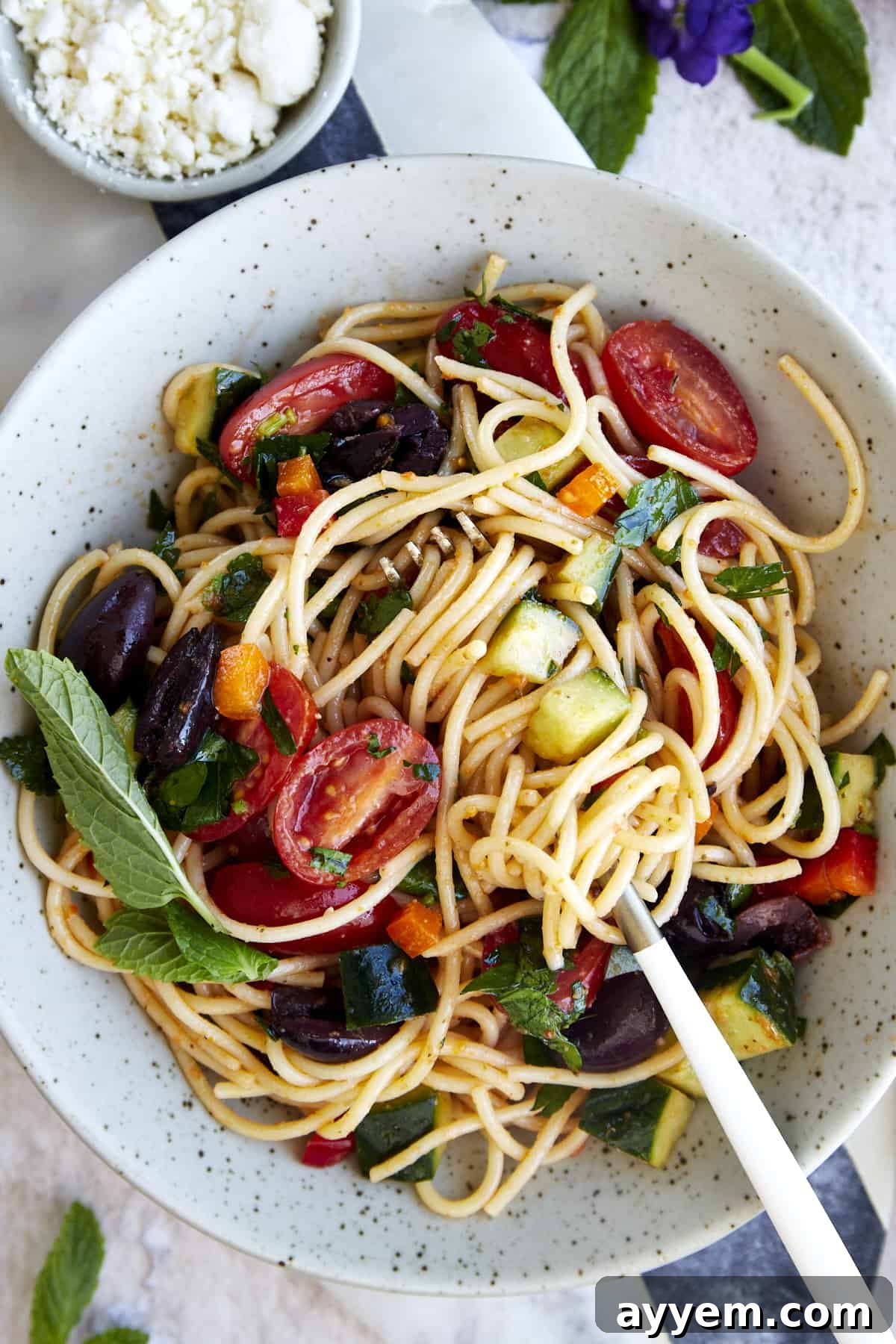
- Greek Spaghetti Salad – This refreshing pasta salad actually tastes even better the day after it’s made, making it absolutely ideal for meal prep. Enjoy it as is for a delightful vegetarian option, or enhance it with your favorite lean protein.
Essential Tips and Tricks for Mastering Meal Prep
Learning how to meal prep efficiently involves more than just cooking; it’s about establishing smart routines and optimizing your kitchen workflow. Here are some invaluable tips and tricks to help you become a meal prep pro:
- Designate a Single Prep Day: Integrating meal prepping into your weekly schedule is the surest way to guarantee it gets done, ensuring you have delicious, healthy meals ready for the entire week. Many individuals find Sundays to be ideal, but midweek options like Wednesday can also work perfectly. Choose whichever day best fits your personal schedule and commit to it.
- Determine Your Prep Scope: Before you even start cooking, clarify how many meals you intend to prepare. Will you focus solely on lunches, or are you aiming for a full breakfast, lunch, and dinner spread? Experiment with different levels of commitment to discover what works best for you, but always make a clear plan before you begin.
- Craft a Detailed Grocery List: The secret to preventing food waste and maximizing savings lies in knowing exactly what you’ll cook before you shop. Write down every ingredient you need, cross-referencing with what you already have, and rigorously stick to your list at the store. This disciplined approach prevents impulse buys that often lead to wasted food and money.
- Strategize Your Cooking Flow: To significantly cut down on time spent in the kitchen, we highly recommend choosing recipes that utilize different cooking tools or methods simultaneously. For instance, you could have chicken or fish roasting in the oven while rice cooks unattended in your rice cooker, and a comforting soup simmers in the slow cooker. Alternatively, for simpler prep, assess the cooking time for each recipe and plan your method of attack accordingly, starting with items that take the longest.
- Invest in Quality Tools: Having the right kitchen tools can make meal prepping much faster and more enjoyable. A good set of sharp knives, a large cutting board, a food processor, and various cooking appliances (like an Instant Pot or slow cooker) can drastically reduce prep time.
- Start Small and Scale Up: Don’t try to prep every single meal for the entire week on your first attempt. Begin by preparing just a few components (like cooked grains and a protein) or 2-3 lunches. As you gain confidence and efficiency, gradually expand your meal prepping efforts.
- Season at the Last Minute: While basic seasoning can be done during prep, reserving stronger or fresh herbs and spices, or specific sauces, for when you reheat or assemble the meal can significantly enhance freshness and flavor.
Choosing the Best Storage Containers for Meal Prep Success
Believe it or not, the choice of your meal prep containers can profoundly impact the enjoyment and safety of your prepared meals. It’s disheartening when a delicious, carefully prepared meal goes bad prematurely or, worse, leaks all over your fridge! Therefore, paying attention to container features is crucial.
When selecting the proper meal prep storage containers, we look for several key attributes that ensure food safety, freshness, and convenience:
- Airtight and Leak-Proof Seals: This is non-negotiable. An airtight seal is essential to keep your food fresh for longer, preventing oxidation and the entry of bacteria. Leak-proof design ensures liquids stay securely inside the container, protecting your fridge and bag from messy spills.
- BPA-Free Materials: Prioritize containers made from BPA-free materials. These are generally safer for your health and tend to clean exceptionally well. We particularly love Pyrex and other glass containers for their durability, non-porous nature, and chemical-free composition.
- Microwaveable: For ultimate convenience, ensure your containers are safe to use in the microwave. This means you can simply reheat and eat directly from the container, minimizing extra dishes and streamlining your mealtime.
- Freezer-Safe: If you plan on batch cooking or extending the shelf life of your meals, freezer-safe containers are a must. They prevent freezer burn and keep your food protected from temperature fluctuations, preserving its quality for weeks or even months.
- Compartmentalized Design: These containers are a game-changer if you’re preparing full meals with multiple components or using sauces. Compartments are excellent for keeping items separate, preventing softer foods from becoming soggy and ensuring flavors don’t mix when you prefer to enjoy them individually.
Mastering Storage, Freezing, and Reheating for Food Safety
Now that you’ve mastered how to meal prep for the week like a culinary pro, the final crucial step is to ensure your food remains safe, delicious, and free from foodborne illness. Adhering to proper storage, freezing, and reheating guidelines is vital for both health and taste.
To handle your prepped meals effectively and safely, keep these guidelines in mind:
- Maintain Optimal Fridge and Freezer Temperatures: Always verify that your refrigerator is set to 40° Fahrenheit (4° Celsius) or lower, and your freezer is at 0°F (-18°C) or below. These temperatures are critical for inhibiting bacterial growth and keeping your food safely stored.
- Cool and Store Rapidly: The longer cooked food sits at room temperature, the higher the risk of bacterial proliferation. To keep your foods fresh and safe, spread them out in shallow containers immediately after cooking, and place them in the fridge to cool down quickly. Once cooled, cover them tightly. Regardless, ensure all your meal prep is stored in the refrigerator within two hours of preparation.
- Cook Thoroughly: When preparing proteins, use a reliable meat thermometer to double-check that all your meats are cooked completely to their safe internal temperatures. The general rule of thumb is that poultry should reach at least 165°F (74°C), and other meats have specific guidelines, to effectively kill harmful bacteria.
- Thaw Completely Before Reheating: Transfer any frozen meals from the freezer to the refrigerator a day or two in advance, allowing them to thaw completely before reheating. Thawing on the countertop is not a safe method, as the outer layers can warm up to unsafe temperatures while the inside remains frozen. Planning ahead is key for safe thawing.
- Reheat Only Once: Reheating food multiple times increases the risk of food poisoning due to temperature fluctuations that can encourage bacterial growth. Plan your consumption and warm your meals only once, ensuring they are heated to an internal temperature of 165°F (74°C) throughout. Consume reheated meals within 24 hours of defrosting.
- Be Mindful of Storage Time: Don’t forget to clearly label all your containers with the date of preparation and the meal name. Keep a close eye on how long they’ve been in the fridge! As a general rule, refrigerated meal prep should be eaten within 3-4 days. Frozen foods can last longer, typically 3-6 months, but should be thawed and consumed within a day once defrosted.
Expand Your Culinary Knowledge with More Guides
Eager to discover additional strategies for preparing food in advance and maintaining its peak freshness? We’ve got you covered with a selection of our most insightful guides below, designed to further enhance your kitchen skills and food preservation techniques:
- How to Safely Store Uncooked Ground Beef
- Expert Tips on How to Store Ginger for Longevity
- The Best Ways to Store Garlic to Keep It Fresh
- How to Effectively Freeze Tomato Paste for Future Use
By integrating these practices into your routine, you’ll not only enjoy the immediate benefits of delicious, ready-to-eat meals but also cultivate a more organized, healthier, and stress-free approach to eating.