
Ginger, with its distinctive pungent and spicy flavor, is a beloved ingredient in kitchens worldwide, renowned for both its culinary versatility and impressive health benefits. From simmering savory curries to brewing soothing teas or adding a zesty kick to baked goods, fresh ginger is an indispensable staple. However, its unique root-like structure often leaves home cooks wondering about the best ways to keep it fresh for longer. Whether you’re stocking up on a large batch, have a small piece remaining from a recent recipe, or simply want to ensure you’re using it at its prime, mastering proper ginger storage is key to maximizing its flavor and shelf life. This comprehensive guide will walk you through everything you need to know, from selecting the freshest ginger at the store to various storage techniques—refrigeration, freezing, and more—ensuring you always have this aromatic rhizome ready for your next culinary creation.
What is Ginger?
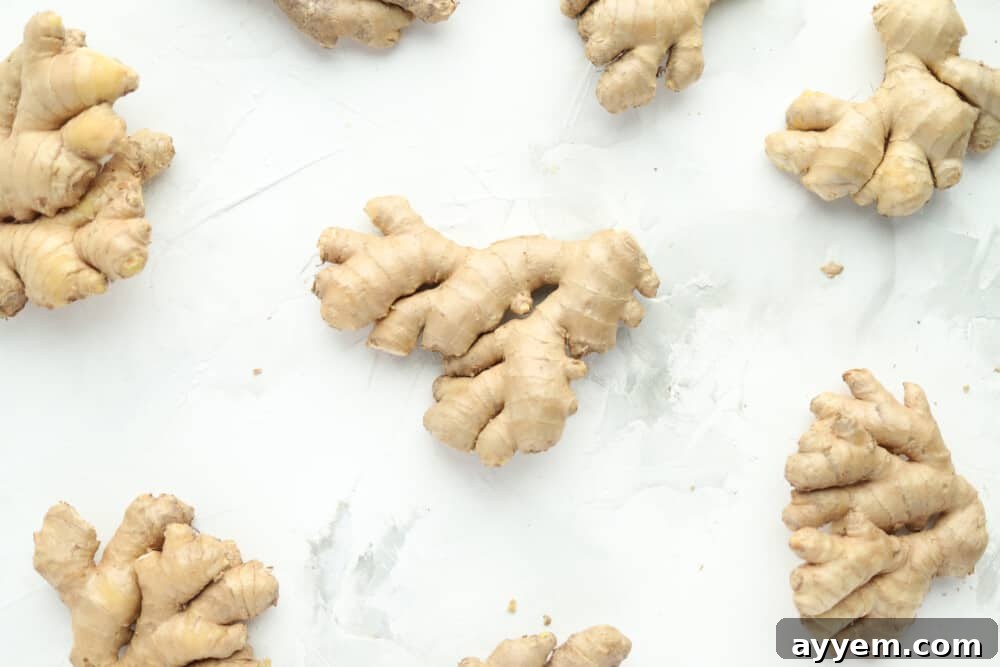
Ginger, scientifically known as Zingiber officinale, is a flowering plant whose rhizome (underground stem) is widely used as a spice and a traditional medicine. Often mistakenly called ginger root, this knobby, aromatic ingredient has been cultivated for thousands of years, with its origins tracing back to maritime Southeast Asia. From there, it spread to India, China, and eventually to Europe and the Caribbean, becoming a fundamental component in various global cuisines and medicinal practices.
The culinary appeal of ginger lies in its complex flavor profile—a unique blend of spicy, pungent, sweet, and warm notes. This versatility makes it a star ingredient in an incredibly diverse range of dishes. In Asian and Indian cooking, it’s a foundational element in stir-fries, curries, and marinades, adding depth and a vibrant aroma. In Western cultures, ginger is a beloved addition to baked goods like gingerbread, ginger snaps, and pumpkin pie, as well as refreshing beverages such as ginger ale and ginger tea. It also brightens up savory dishes, soups, and stews. Whether used fresh, dried, powdered, pickled, or candied, ginger consistently delivers a distinct flavor and an invigorating aroma that elevates any recipe.
Explore the vibrant flavors of ginger in recipes like our energizing ginger turmeric shots or our delicious whole roasted chicken tikka, where its zingy essence truly shines.
The Abundant Health Benefits of Ginger
Beyond its culinary prowess, ginger is celebrated for its impressive array of health-promoting properties, largely attributed to its main bioactive compound, gingerol. Gingerol, along with other related compounds like shogaols and zingerone, possesses potent anti-inflammatory and antioxidant effects, making ginger a powerhouse for holistic well-being.
Incorporating ginger into a balanced diet can offer a multitude of health advantages, supported by centuries of traditional use and modern scientific research. These benefits include:
- Alleviating Nausea: Ginger is a well-known remedy for various forms of nausea, including morning sickness, motion sickness, and chemotherapy-induced nausea. Its compounds help soothe the digestive system and reduce feelings of discomfort.
- Supporting Weight Management: Studies suggest ginger can play a role in weight loss by increasing thermogenesis (calorie burning), reducing hunger, and improving fat digestion.
- Reducing Osteoarthritis Symptoms: Thanks to its anti-inflammatory properties, ginger can significantly reduce pain and improve function in individuals suffering from osteoarthritis, particularly in the knee.
- Helping Lower Blood Sugar: Some research indicates that ginger may help lower blood sugar levels and improve various heart disease risk factors in people with type 2 diabetes.
- Easing Menstrual Pain: Ginger has been found to be as effective as some over-the-counter pain relievers in reducing the severity of menstrual cramps.
- Lowering Cholesterol Levels: Regular ginger consumption can help reduce levels of LDL (bad) cholesterol and blood triglycerides, contributing to better cardiovascular health.
- Potential Cancer Prevention: Preliminary studies suggest that the active compounds in ginger may have anti-cancer properties, helping to inhibit the growth of certain types of cancer cells.
- Protecting Against Alzheimer’s Disease: Ginger’s antioxidant and anti-inflammatory effects may help protect the brain from oxidative stress and inflammation, factors implicated in neurodegenerative diseases.
- Fighting Infections: Ginger possesses antimicrobial properties that can help inhibit the growth of bacteria and viruses, potentially boosting the body’s defense against various infections.
For more detailed information on ginger’s health impacts, you can explore resources like Johns Hopkins Medicine’s insights on ginger benefits. Always consult with a healthcare professional before making significant dietary changes, especially if you have underlying health conditions.
Picking Fresh Ginger from the Store
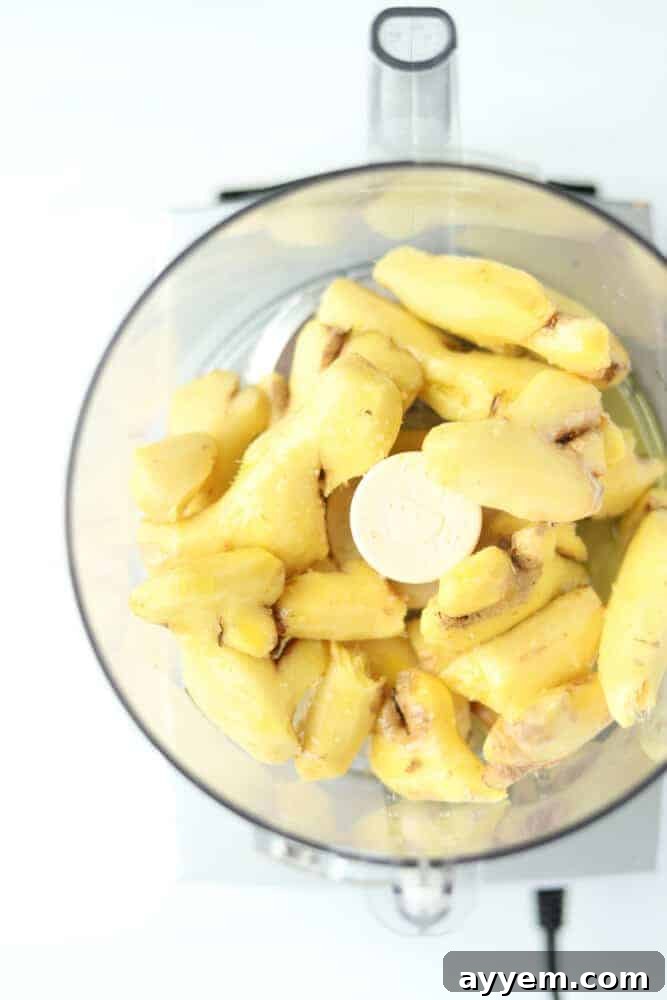
The journey to long-lasting ginger freshness begins right at the grocery store. Choosing a high-quality rhizome is crucial, as its initial condition directly impacts how well it will store. When selecting ginger, look for these key indicators:
- Shiny, Taut, and Thin Skin: Fresh ginger should have smooth, tight, and relatively thin skin that looks slightly shiny. Avoid pieces with dull, shriveled, or thick, fibrous-looking skin, as these are signs of older ginger that has begun to dry out.
- Firmness to the Touch: Pick up the ginger and give it a gentle squeeze. It should feel firm and heavy for its size. Any soft spots, sponginess, or mushiness indicates that the ginger is past its prime and has started to decay.
- Absence of Punctures or Discoloration: Inspect the entire piece for any cuts, punctures, or dark, moldy spots. These blemishes can lead to premature spoilage. The color of the skin should be consistent, usually a light brownish-yellow.
- Pungent, Spicy Aroma: A good piece of ginger will emit a strong, fresh, and slightly spicy fragrance. If you can’t smell much or it has an off, musty odor, it’s best to choose another piece.
- Few Bumps and Knobs: While ginger naturally has an irregular shape, opt for pieces with fewer small knobs, as these are easier to peel and process later.
By carefully selecting fresh, high-quality ginger, you’re setting yourself up for successful storage and ensuring maximum flavor in your dishes.
How to Tell if Ginger Has Gone Bad
Even with the best storage practices, ginger won’t last forever. Knowing the signs of spoilage is essential to avoid using rotten ginger, which can not only taste unpleasant but also potentially pose health risks. The easiest way to determine if your ginger has gone bad is to pay close attention to its sensory characteristics:
- Visual Cues:
- Blemishes and Discoloration: Look for any dark spots, brown patches, or an overall dull appearance. Healthy ginger has a vibrant, light brown skin.
- Mold Growth: This is the most definitive sign. If you spot any fuzzy, green, white, or black mold on the surface, the ginger must be discarded immediately. Do not attempt to cut off moldy parts, as the mold spores can spread throughout the entire rhizome.
- Tactile Cues (Feel):
- Soft or Mushy Texture: Fresh ginger is firm and crisp. If it feels soft, rubbery, or mushy to the touch, it indicates deterioration and moisture loss or decay.
- Wrinkled or Shriveled Skin: While a little wrinkling can occur with age, excessive shriveling suggests the ginger has dried out significantly and lost its moisture and flavor.
- Olfactory Cues (Smell):
- Off or Sour Odor: Fresh ginger has a distinct, pungent, and spicy aroma. If your ginger smells sour, musty, or otherwise unpleasant, it’s a clear sign that it has gone bad.
- Internal Appearance (if cut):
- Dark or Bluish-Gray Interior: When you cut into fresh ginger, the flesh should be a pale yellow. If you notice a dark gray, blue, or even green discoloration, especially around the edges, it means the ginger is spoiling.
If you observe any of these signs, it’s always best to err on the side of caution and dispose of the ginger. Using spoiled ginger can negatively impact the flavor of your dishes and may not be safe to consume.
How to Store Fresh (Unpeeled) Ginger Root
Storing unpeeled ginger properly is crucial for extending its shelf life and preserving its potent flavor. If left at room temperature on a countertop, fresh ginger root will typically start to shrivel and rot within a week due to moisture loss and exposure to air. For longer-term preservation, especially if you buy in bulk or want it to last for several weeks or months, proper storage methods are essential.
The best way to store unpeeled ginger is in the refrigerator, ideally in the crisper drawer. Here’s how to do it:
- Keep it Unpeeled: The skin acts as a natural protective barrier, shielding the ginger from dehydration and spoilage. Only peel the amount you need right before use.
- Airtight is Key: Oxygen is ginger’s enemy when it comes to freshness. To minimize exposure, place the whole, unpeeled ginger root into an airtight container or a resealable plastic bag. If using a bag, press out as much air as possible before sealing.
- The Crisper Drawer Advantage: The crisper drawer in your refrigerator is designed to maintain a higher humidity level, which is ideal for root vegetables like ginger. This environment helps prevent the ginger from drying out too quickly.
- Optional Paper Towel Wrap: For an extra layer of protection against moisture, you can wrap the unpeeled ginger in a paper towel before placing it in the airtight container or bag. This helps absorb any excess condensation that might form, preventing mold growth.
When stored correctly in an airtight container or bag in the refrigerator’s crisper drawer, whole, unpeeled ginger can stay fresh and flavorful for up to three to four weeks. Always inspect it for any signs of spoilage before use.
How to Store Peeled Ginger
Once ginger is peeled, its protective outer layer is removed, exposing the flesh to oxygen and moisture loss, which significantly shortens its shelf life. However, there are still effective ways to store peeled ginger to keep it fresh for longer than just a few days.
- Tight Plastic Wrap in the Fridge: The simplest method is to tightly wrap the peeled ginger in plastic wrap, ensuring no air can reach its surface. Then, place the wrapped ginger in an airtight container or a resealable bag in the crisper drawer of your refrigerator. Stored this way, peeled ginger can remain fresh for approximately two to three weeks.
- Submerged in Alcohol or Vinegar: For an even longer-lasting solution, especially if you peel a larger quantity, consider storing peeled ginger submerged in alcohol or vinegar.
- In Alcohol: Place peeled ginger pieces in a small, clean jar and cover them completely with a neutral spirit like vodka, dry sherry, or sake. Seal the jar tightly and store it in the refrigerator. The alcohol acts as a preservative and can keep the ginger fresh for several weeks, or even up to a couple of months. The ginger may absorb some of the alcohol’s flavor, which can be a pleasant addition to certain dishes.
- In Vinegar: Similarly, peeled ginger can be stored submerged in white vinegar or rice vinegar. Place the pieces in a jar, cover with vinegar, seal, and refrigerate. This method also preserves ginger for several weeks and can be particularly good if you plan to use the ginger in Asian-inspired dishes where a vinegary tang is welcome.
Always ensure the ginger is fully submerged in your chosen liquid to prevent exposure to air and potential spoilage. When ready to use, simply remove the piece, pat it dry, and incorporate it into your recipe.
How to Store Minced or Grated Ginger
Prepping ginger by mincing or grating it ahead of time is a fantastic way to streamline meal preparation, saving precious minutes when you’re busy cooking. While its shelf life is shorter in this form due to increased surface area exposure to air, you can still store it effectively for immediate use.
- Airtight Container in the Fridge: Once minced or grated, transfer the ginger into a small, airtight container. Press it down lightly to remove any trapped air, then seal the container tightly. Store this in the main compartment of your refrigerator. Minced ginger stored this way will stay fresh and flavorful for up to one week.
- Freezing for Longer Storage: If you’ve minced a larger quantity than you expect to use within a week, freezing is an excellent option for long-term preservation. (See the “Can You Freeze Ginger?” section for detailed instructions on freezing paste or minced ginger in ice cube trays.)
While convenient, remember that minced or grated ginger will lose some of its potent aroma and flavor more quickly than whole ginger. Therefore, it’s best to mince only what you anticipate using within a short timeframe for optimal freshness.
Can You Freeze Ginger?
Absolutely, freezing is by far the best method for long-term ginger storage, allowing you to keep it fresh and flavorful for several months. Freezing preserves ginger’s pungent aroma and many of its beneficial compounds, making it a highly convenient option for home cooks. You can freeze ginger in various forms—whole, in pieces, or as a puree or paste. Here’s how to do it for each method:
- Freezing Whole Ginger:
This is arguably the easiest method. There’s no need to peel the ginger before freezing, as the skin actually helps protect it from freezer burn. Simply wrap the unpeeled ginger root tightly with plastic wrap, ensuring every part is covered to prevent air exposure. Then, place the wrapped ginger into a freezer-safe resealable plastic bag or an airtight freezer container. Remove as much air as possible from the bag before sealing. Whole frozen ginger can be stored in the freezer for three to four months, and even longer, often up to six months, without significant loss of quality. The beauty of this method is that you can grate or slice the frozen ginger directly from the freezer; there’s no need to thaw it first, which makes it incredibly convenient for cooking!
- Freezing Cut Ginger (Pieces):
If you prefer to have pre-portioned ginger, you can cut it into smaller, manageable pieces before freezing. First, you can peel the ginger if desired, but it’s not strictly necessary. Slice your ginger root into 1-2 inch chunks, or into coins, depending on how you typically use it. Wrap these individual pieces tightly in plastic wrap, or arrange them in a single layer on a parchment-lined baking sheet and freeze until solid. Once frozen, transfer the pieces to a freezer-safe resealable bag or an airtight container. This prevents them from sticking together. Cut ginger pieces can be frozen for three to four months. They can be added directly to stews, soups, or even grated from frozen.
- Freezing Ginger Paste/Puree (Ice Cube Method):
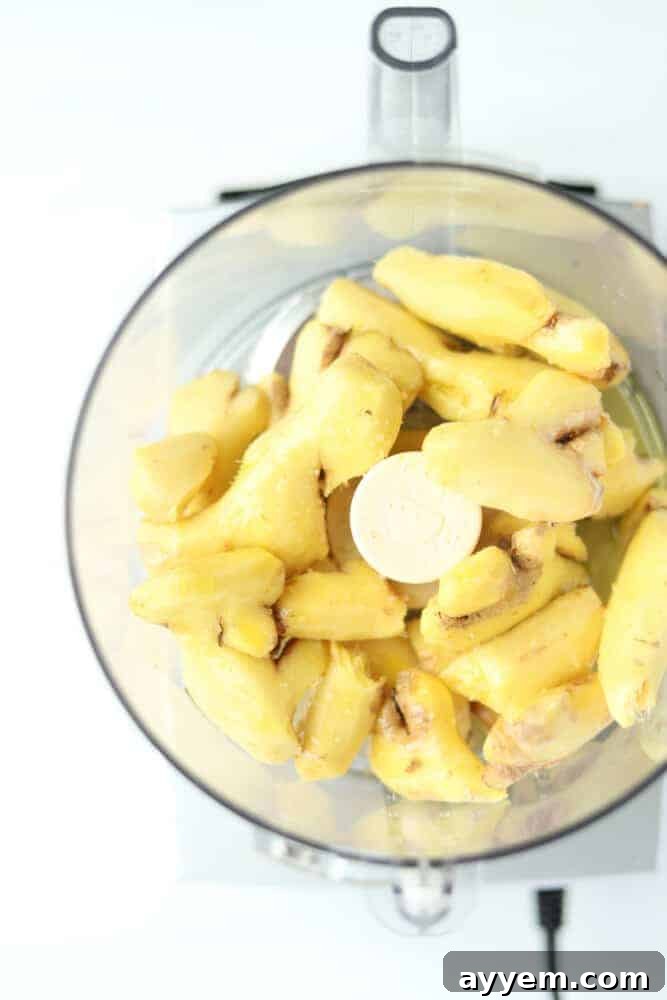
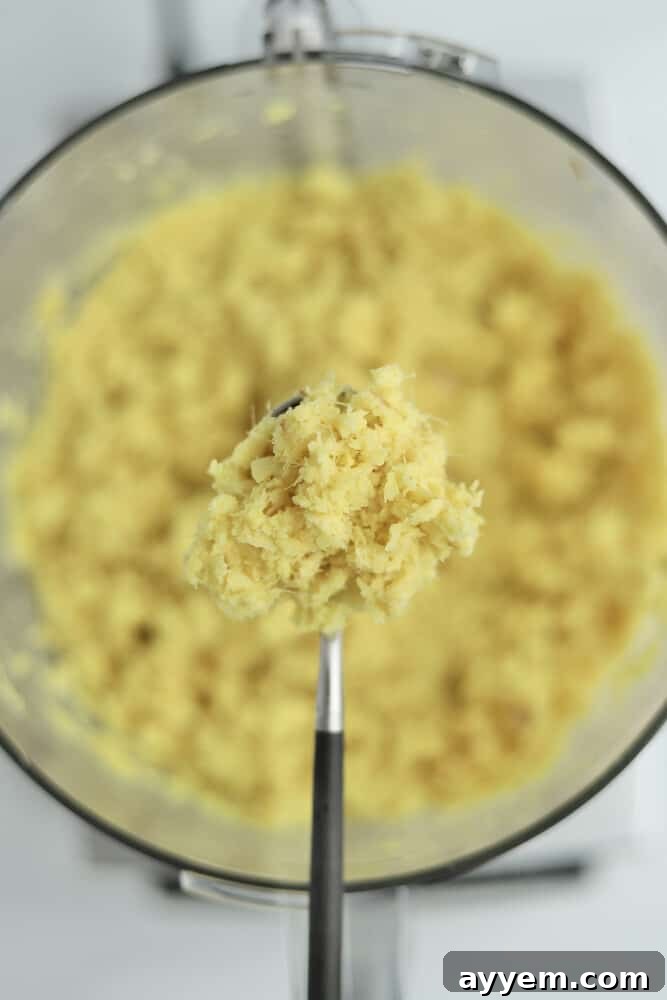
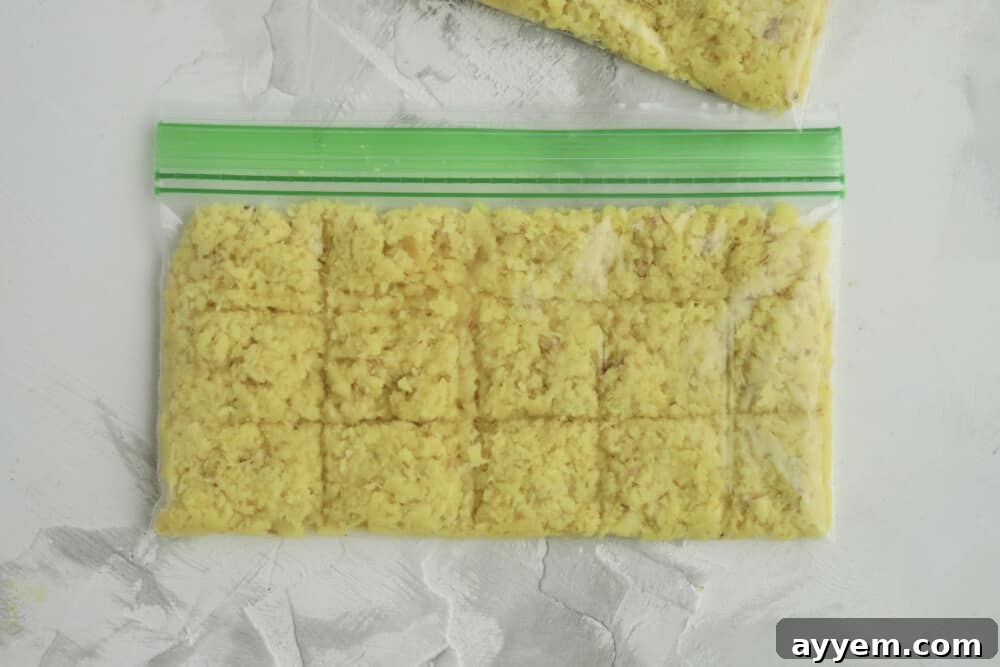
This method is fantastic for quickly adding ginger to recipes without any grating or mincing on the spot. First, peel the fresh ginger using a spoon or peeler. Cut the peeled ginger into chunks. Then, puree the ginger in a food processor until a smooth paste forms. You might need to add a tiny amount of water (about a teaspoon or two) or a neutral oil to help it blend if your food processor struggles. Once pureed, transfer the ginger paste into an ice cube tray, filling each compartment to your desired portion size (e.g., 1 teaspoon or 1 tablespoon per cube). Freeze the tray until the cubes are solid. Once frozen, pop the ginger cubes out and transfer them to a freezer-safe resealable bag or an airtight container. Label with the date. Ginger paste cubes can be frozen for three to four months, providing convenient, pre-portioned ginger for all your culinary needs. Just drop a cube directly into your cooking!
When using frozen ginger, you generally don’t need to thaw it beforehand. For whole or cut pieces, simply grate them with a microplane or chop them with a sharp knife while still frozen. Ginger paste cubes can be added directly to hot dishes, where they will quickly melt and integrate.
Using Stored Ginger Efficiently
Having properly stored ginger on hand makes cooking a breeze. Here are some quick tips on how to incorporate your fresh, refrigerated, or frozen ginger into your daily meals:
- Fresh (Refrigerated) Ginger: This is ideal for recipes where ginger is a star, such as marinades, fresh juices, dressings, or finely grated garnishes. Its texture is crisp, and its flavor is at its peak.
- Frozen Ginger: Don’t thaw whole or cut frozen ginger before using! A microplane zester works wonders on frozen ginger, creating a fine, fluffy texture that melts seamlessly into stir-fries, curries, soups, and baked goods. For larger pieces, simply chop or slice directly from frozen for stews or braises.
- Ginger Paste Cubes: These are incredibly convenient for last-minute additions to sauces, sautéed vegetables, or morning smoothies. Just drop a cube into your pan or blender, and it will quickly dissolve, infusing your dish with fresh ginger flavor.
Remember that the strong, pungent flavor of ginger can vary slightly depending on its age and how it’s stored, so adjust quantities to your taste.
Common Questions When Learning How to Store Ginger
While unpeeled ginger can be left at room temperature for about a week in a cool, dark place, refrigeration significantly extends its shelf life. Once ginger is peeled, sliced, or pureed, it absolutely needs to be refrigerated to slow down spoilage and maintain freshness.
Whole, unpeeled ginger stored properly in an airtight container or bag in the crisper drawer of your refrigerator can stay fresh for about three to four weeks. Peeled ginger will last slightly less, around two to three weeks, using similar storage methods.
Ginger skin is perfectly safe to consume and contains many beneficial nutrients. It is also quite thin, especially on younger ginger. Most people prefer to peel it because it can be fibrous and tough to chew, or simply for aesthetic reasons in certain dishes. If you’re grating ginger into a dish or brewing tea, leaving the skin on is often fine. For recipes where smooth texture is important, like purees or finely minced applications, peeling is recommended.
Yes, peeled ginger can be stored submerged in water in the refrigerator, but it’s generally a short-term solution (up to a week). Place peeled ginger pieces in a small jar, cover them completely with fresh water, and seal the jar. Change the water every couple of days to prevent bacterial growth and spoilage. While this keeps the ginger hydrated, it may also leach some of its flavor and nutrients into the water over time.
The easiest way to peel ginger, especially for its irregular shape, is to use the edge of a spoon. Simply scrape the spoon against the skin; it will come off quickly and with minimal waste. Alternatively, a vegetable peeler works well for larger, flatter sections, and a small paring knife can be used carefully for stubborn knobs.
While some recipes suggest storing minced ginger covered in oil, it is generally NOT recommended for long-term storage, especially at room temperature. Fresh ginger, like garlic, is a low-acid food that can harbor Clostridium botulinum bacteria. When submerged in oil without proper acidification and refrigeration, an anaerobic (oxygen-free) environment is created, which is ideal for the growth of this dangerous bacteria. If you choose to store ginger in oil, it must be kept strictly refrigerated and consumed within a few days to minimize risk.
More Essential Kitchen Guides
If you found this comprehensive guide on ginger storage helpful, be sure to explore more of our expert tips and tricks for mastering your kitchen and preserving other fresh ingredients. These guides are designed to help you cook more efficiently and reduce food waste!
- How to Store Garlic
- How to Cut a Cantaloupe (3 Ways)
- How to Store Parsley
- How to Store Uncooked Ground Beef
By implementing these simple yet effective storage methods, you can ensure your ginger stays fresh, flavorful, and ready to enhance your favorite dishes whenever inspiration strikes!