
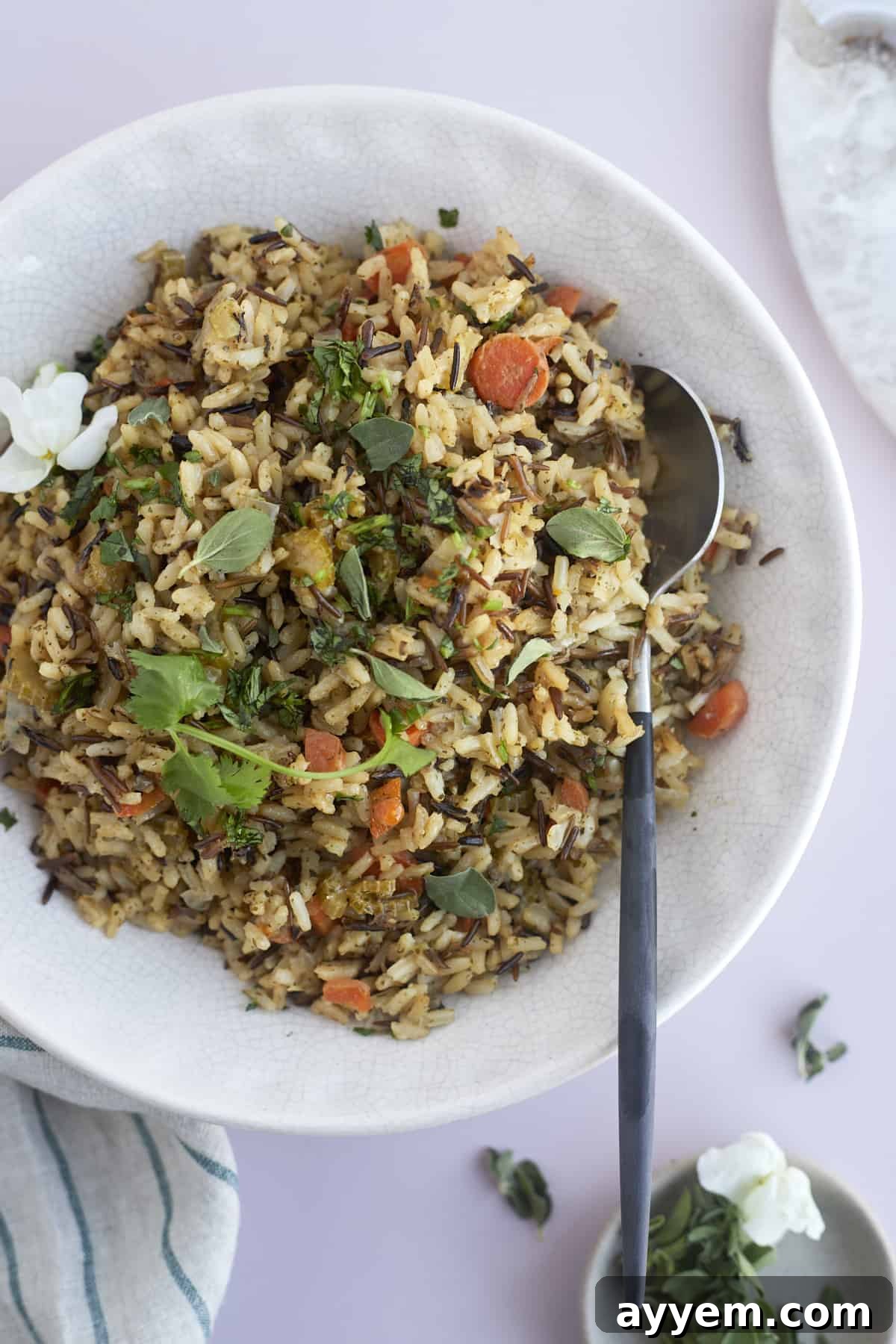
Welcome to the definitive guide for crafting the most delectable, healthy, and incredibly easy Seasoned Rice Pilaf Recipe. This versatile side dish is a culinary delight, bursting with fresh vegetables and aromatic herbs, designed to complement any main course you serve. Whether paired with succulent chicken, flaky fish, tender pork, or a hearty vegetarian entrée, this rice pilaf promises to be a family favorite, consistently earning rave reviews. Its rich flavor profile and comforting texture make it an irresistible addition to any meal, transforming ordinary dinners into extraordinary dining experiences.
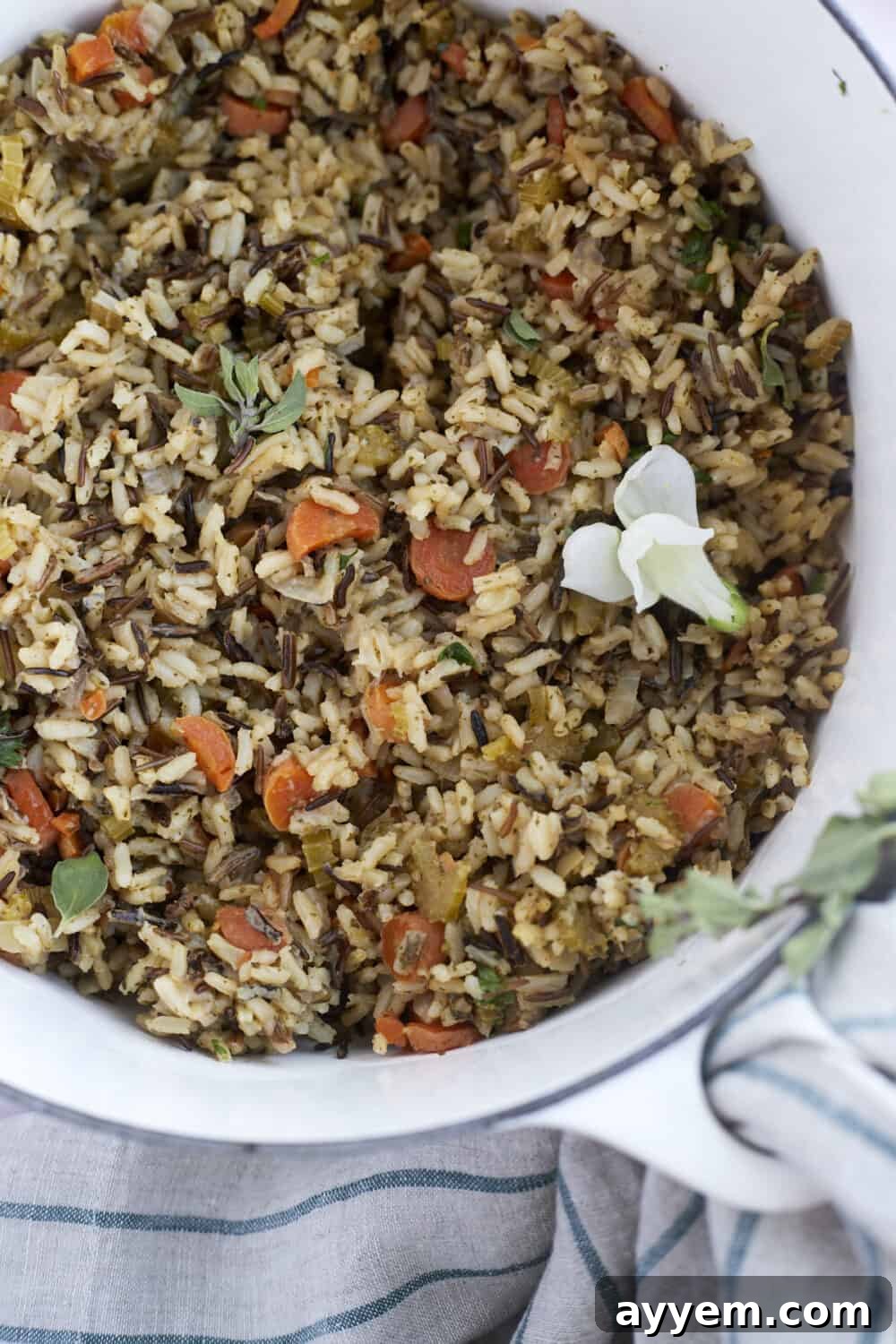
Why This Easy Seasoned Rice Pilaf Will Become Your Go-To Side Dish
In our kitchen, a truly great side dish is just as important as the main course, and this seasoned rice pilaf holds a special place among our top recipes. It’s a dish we find ourselves making on repeat, and for good reason! Here’s why we’re confident you’ll fall in love with it too:
- Effortlessly Customizable: This recipe serves as a fantastic foundation, allowing you to easily swap in your favorite vegetables, grains, and seasonings. Want to add a touch of spice? Go for it! Prefer a different herb blend? The choice is yours. It adapts beautifully to your dietary preferences and whatever ingredients you have on hand.
- Perfect Pairing Potential: Its balanced flavors make it an ideal companion for virtually any protein or entrée. From roasted chicken and grilled fish to savory pork tenderloin or a vibrant vegetarian curry, this pilaf enhances without overpowering, making meal planning a breeze.
- Nutrient-Rich and Wholesome: Loaded with a colorful array of fresh vegetables, this pilaf is a powerhouse of essential vitamins, minerals, and dietary fiber. It’s a delicious way to boost your daily nutrient intake, supporting overall health and well-being with every spoonful.
- Unanimously Kid-Approved: We understand the challenge of finding dishes that please everyone at the table. This pilaf, with its tender grains and subtly sweet veggies, consistently gets a thumbs-up from even the pickiest eaters. It’s a delicious and nutritious way to introduce children to different vegetables.
- Fantastic for Meal Prep and Crowds: This recipe scales wonderfully, making it perfect for feeding a large family, entertaining guests, or preparing healthy meals in advance. It stores exceptionally well, ensuring you have flavorful, ready-to-eat portions throughout the week.
Understanding Rice Pilaf: A Culinary Staple
Rice pilaf, often referred to as pilau, is more than just a dish; it’s a revered method of cooking that has transcended cultures and centuries. Originating in ancient Persia and spreading across the Middle East, Central Asia, and beyond, pilaf is characterized by rice that is first toasted in fat (like butter or oil) with aromatics, then simmered in a flavorful liquid until the grains are light, fluffy, and separate. This technique infuses the rice with incredible depth and prevents it from becoming sticky or mushy.
While the core method remains consistent, rice pilaf boasts an astonishing variety of flavors and ingredients across different regions. It can be elegantly simple, featuring just rice, a clear broth, and a few key seasonings, or it can be a complex tapestry of ingredients, incorporating small pasta like orzo, an assortment of fresh or dried vegetables, nuts, dried fruits, and even various meats. The beauty of pilaf lies in its adaptability, allowing for endless creative expressions while always delivering a comforting and deeply satisfying experience. The end result is consistently a flavor-infused dish that’s soft, wonderfully fluffy, and incredibly delicious.
Rice vs. Rice Pilaf: Unpacking the Key Distinctions
The fundamental difference between simply cooked rice and flavorful rice pilaf lies in the preparation method and the depth of flavor it achieves. When you cook “regular” rice, it’s typically a straightforward process: rice grains are simmered in plain water until tender, resulting in a neutral base that’s often used to accompany other dishes. While perfectly functional, this method doesn’t imbue the rice itself with significant flavor beyond its natural taste.
Rice pilaf, however, is a more intentional and aromatic endeavor. As previously highlighted, the process begins by toasting the uncooked rice grains in a pan with butter or olive oil, often alongside finely chopped aromatics like onions, garlic, or celery. This crucial toasting step, known as *sautéing*, develops a delightful nutty flavor in the rice and helps to seal the individual grains, ensuring they remain separate and fluffy rather than clumping together. Following this, the toasted rice is cooked in a rich, flavorful stock (chicken, vegetable, or beef broth), which is often seasoned with herbs, spices, and other flavor enhancers. This layered approach creates a side dish that is far more complex and indulgent, with each grain infused with savory goodness, offering a much more satisfying eating experience than plain steamed rice.
Choosing Your Grain: The Best Rice for Pilaf
While rice pilaf recipes traditionally call for long-grain rice varieties, which cook up light and separate, the beauty of this dish lies in its flexibility. Different types of rice offer unique textures and flavors that can significantly alter the final result, allowing you to tailor your pilaf to your personal preference or the main course it accompanies.
For a classic, tender, and distinct grain, **Basmati rice** or **Jasmine rice** are excellent choices. Their slender grains remain separate and fluffy, absorbing flavors beautifully. If you’re looking for a slightly chewier texture and a bolder, earthier taste, we highly recommend **wild rice**. Although technically a grass seed, wild rice brings a delightful nutty flavor and a satisfying chewiness that adds another dimension to the pilaf. A blend of **long-grain and wild rice** (like Uncle Ben’s, as used in our recipe) offers a fantastic balance of textures and flavors. **Brown rice** can also be used for a heartier, more fibrous pilaf, though it will require a longer cooking time and potentially more liquid. Feel free to experiment with whatever rice you have on hand or what you enjoy most; the key is to adjust cooking times and liquid ratios accordingly to achieve that perfectly fluffy, flavorful pilaf.
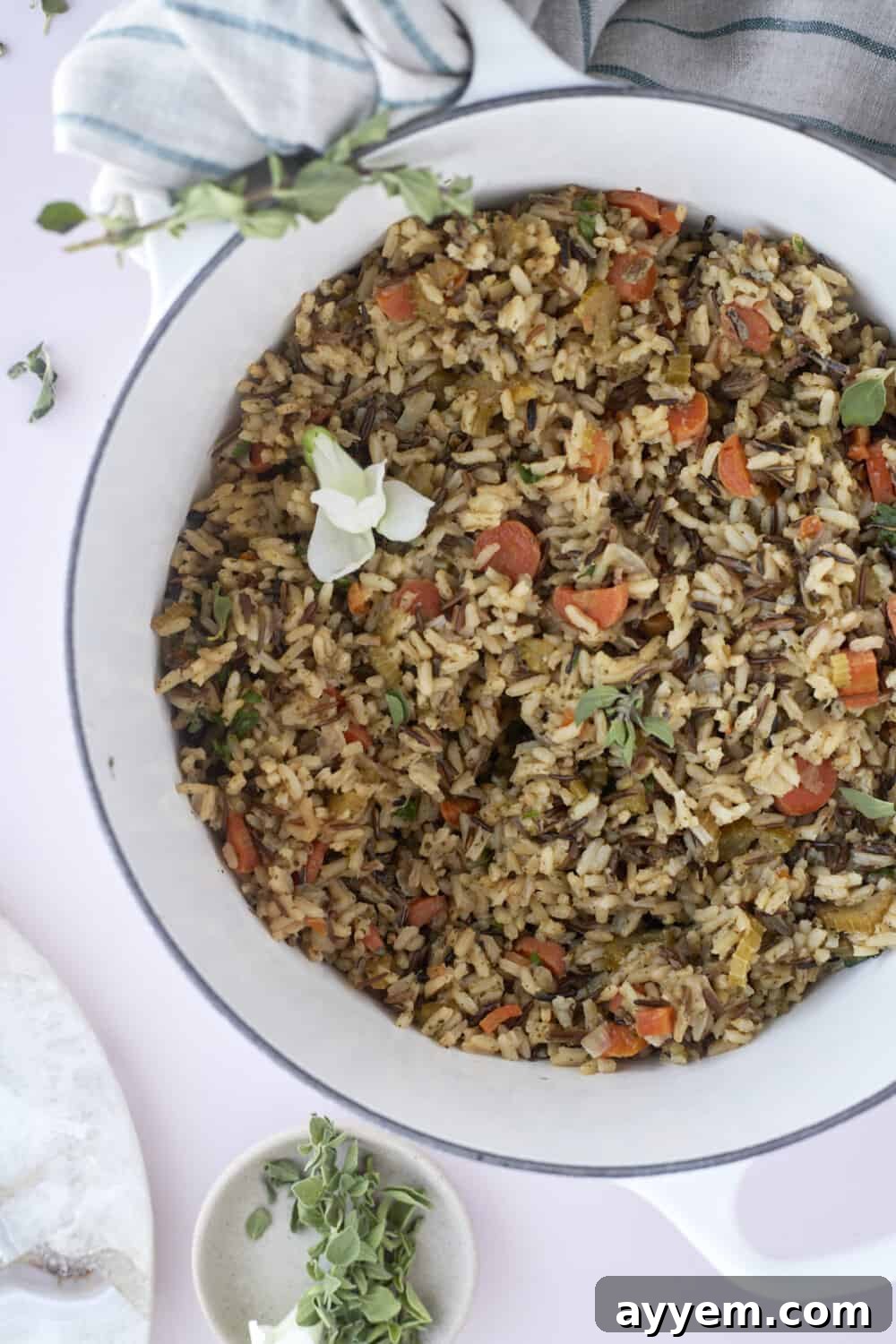
Essential Ingredients for Your Perfect Pilaf
One of the many wonderful aspects of seasoned rice pilaf is its adaptability. You can truly customize it with a wide array of ingredients and flavors to match your culinary preferences and whatever you have available in your pantry. For this specific recipe, we’ve chosen a straightforward yet incredibly flavorful combination of staples. Here’s a closer look at what you’ll need to create this comforting dish:
- Olive Oil: This serves as our primary cooking fat, providing a rich base for sautéing the vegetables. It helps to develop a beautiful caramelized flavor in the aromatics, which is essential for the overall depth of the pilaf.
- Fresh Vegetables: We’ve opted for a classic mirepoix base – a combination of finely chopped carrots, celery, and onion. This trio not only adds a delightful pop of color and natural sweetness but also infuses the dish with essential vitamins, minerals, and a foundational savory flavor. Their slow sautéing builds a robust flavor profile.
- Flavorful Broth: The liquid used for cooking the rice is crucial for maximum flavor. Both chicken broth and vegetable broth work wonderfully, depending on your dietary needs or preferences. We highly recommend using low-sodium varieties. This allows you to control the overall saltiness of the dish and prevent it from becoming overly seasoned, letting the natural flavors shine through.
- Aromatic Enhancers: To elevate the savory profile of our pilaf, we incorporate several key seasonings. The seasoning packet that often accompanies wild rice mixes adds a unique, pre-blended depth. Alongside this, a pinch of salt is vital for seasoning to taste, while fresh oregano and vibrant cilantro introduce bright, herbaceous notes that truly awaken the senses.
- Chosen Rice: For this recipe, we prefer wild rice due to its distinctive nutty taste and pleasant chewiness, which adds a fantastic textural contrast. However, remember that flexibility is key! Any long-grain rice you have on hand – be it Basmati, Jasmine, or even a brown rice variety – will work beautifully. Simply ensure you adjust cooking times as needed for your selected grain.
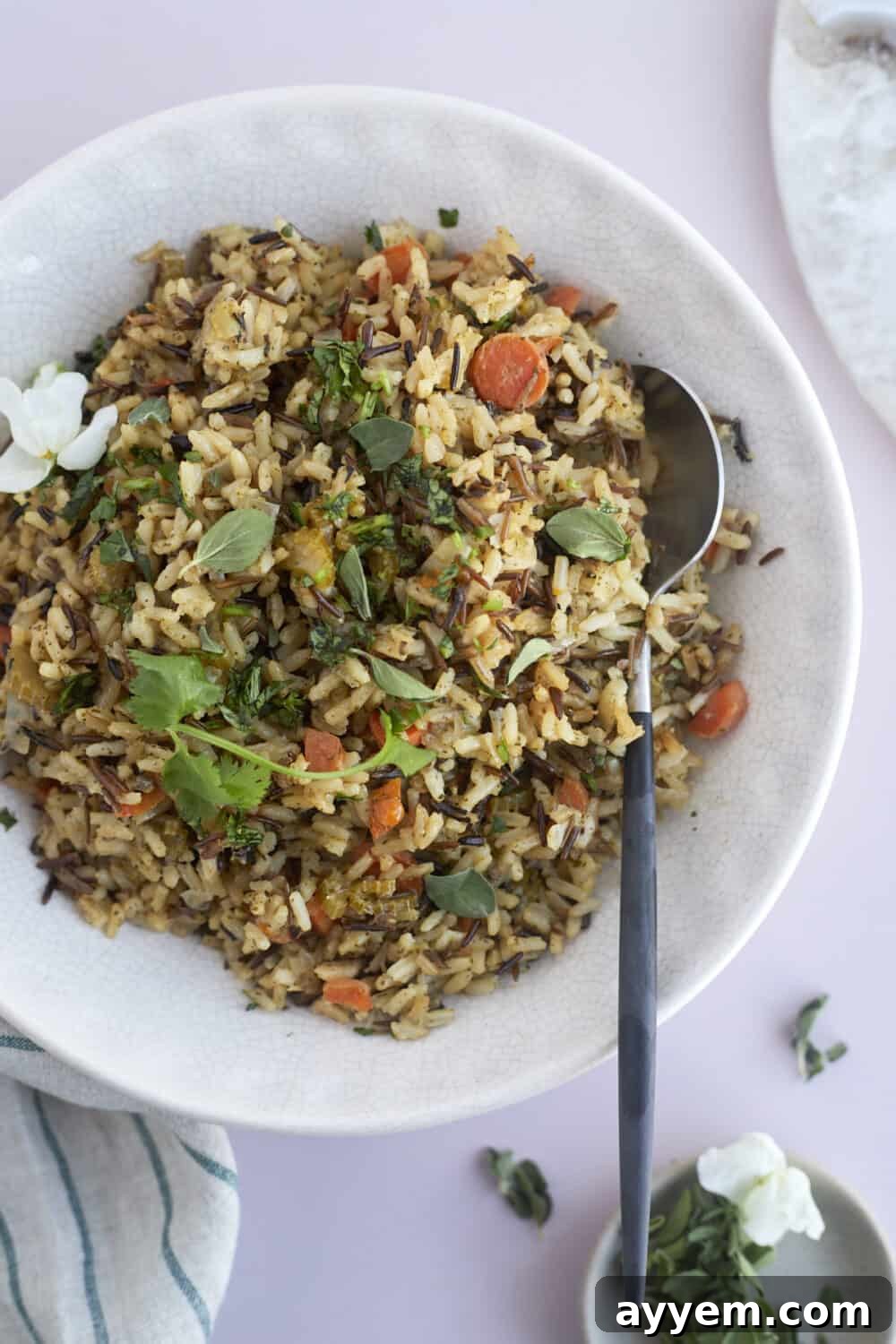
Step-by-Step Guide: Crafting Your Easy Rice Pilaf
Creating this flavorful side dish is surprisingly simple, allowing you to prepare it effortlessly on the stovetop while your main course comes together. Follow these easy steps to achieve a perfectly fluffy and seasoned rice pilaf:
- Sauté the Aromatics: Begin by warming the olive oil in a medium-sized skillet over medium-high heat. Once shimmering, add the chopped celery, onions, and carrots. Sauté these vegetables for approximately 5 minutes, stirring frequently, until the onions become translucent and the carrots and celery are tender-crisp. This step is crucial for building the foundational flavor of your pilaf.
- Toast the Rice: If using a rice mix with an herb packet, carefully remove the herb packet from the rice grains and set it aside for later. Add the uncooked rice (or rice mix, without the herb packet) to the skillet with the sautéed vegetables. Stir continuously to coat the rice grains evenly with the olive oil and aromatics. Continue toasting the rice for about 2-3 minutes, until it appears slightly opaque and a nutty aroma fills your kitchen. This toasting step is vital for ensuring individual, fluffy grains in the final pilaf.
- Add Liquid and Simmer: Pour in the broth and add the reserved seasoning packet (if applicable) to the skillet. Stir everything together thoroughly to ensure the seasonings are well distributed. Bring the mixture to a rapid boil. Once boiling, immediately reduce the heat to its lowest setting, cover the skillet tightly with a lid, and allow the rice to simmer gently for 45-50 minutes. Resist the urge to lift the lid during this time, as trapped steam is essential for proper cooking.
- Rest and Fluff: After the simmering time, remove the skillet from the heat, but keep the lid on. Let the rice rest undisturbed for an additional 5-10 minutes. This resting period allows any remaining liquid to be fully absorbed and the steam to distribute evenly, resulting in perfectly tender grains. Once rested, remove the lid. Use a fork to gently fluff the rice, separating the grains. Taste and adjust seasonings as needed, adding a little more salt, pepper, or fresh herbs if desired. Garnish with additional fresh herbs like cilantro or parsley, and serve immediately. Enjoy your perfectly cooked, aromatic rice pilaf!
Smart Storage and Reheating Options
This seasoned rice pilaf is not only delicious but also an excellent candidate for
Refrigerator Storage: Once your rice pilaf has cooled completely to room temperature (this is important to prevent bacterial growth), transfer it to an airtight container. It can be safely stored in the refrigerator for up to 5 days. Ensure the container is sealed tightly to maintain freshness and prevent the rice from drying out or absorbing other odors from the fridge.
Freezer Storage: For a more extended storage solution, rice pilaf freezes exceptionally well. After cooling, transfer the pilaf to a freezer-safe container or a heavy-duty, sealable freezer bag. If using a bag, press out as much air as possible before sealing. Label with the date. Your frozen pilaf will maintain its quality for up to 3 months. For best results, consider freezing individual portions for easy retrieval.
Reheating Instructions: When you’re ready to enjoy your stored pilaf, allow it to thaw overnight in the refrigerator if it was frozen. For reheating, you have a couple of convenient options:
- Stovetop: Place the desired amount of pilaf into a pot or skillet. Add a dash of broth (chicken or vegetable) or a tablespoon of water per cup of rice. Cover the pot and warm over medium-low heat, stirring occasionally, until it’s heated through and fluffy again. The added liquid helps to rehydrate the grains and prevent dryness.
- Microwave: For a quick reheat, transfer a portion of pilaf to a microwave-safe dish. Add a splash of broth or water (about 1-2 teaspoons per cup of rice) and cover loosely. Heat on high for 1-2 minutes, stirring halfway through, until it reaches your desired temperature. Again, the added liquid is key to preventing dry rice.
Always ensure the rice is heated thoroughly to an internal temperature of 165°F (74°C) for food safety. If the rice appears a little dry after reheating, don’t hesitate to add another small splash of broth and stir gently to bring it back to its optimal texture.
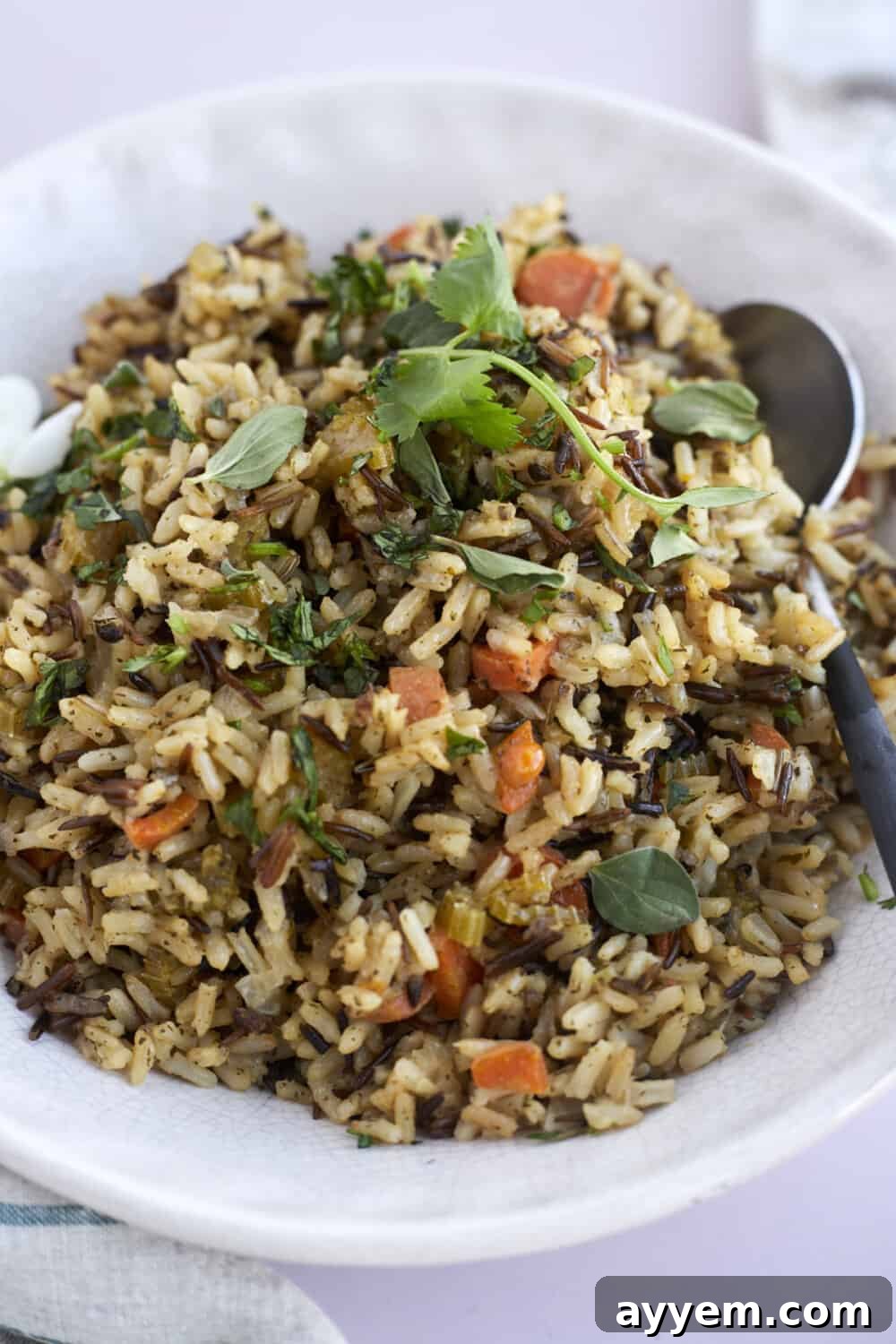
Inspiring Serving Suggestions
The beauty of this easy seasoned rice pilaf is its incredible versatility. It truly complements almost any main dish, making it a fantastic culinary chameleon. We love serving it with a wide array of proteins and entrées, but here are some of our absolute favorite pairings that we know you’ll adore:
- Sheet Pan Salmon with Roasted Vegetables: The light, flaky salmon and tender vegetables find a perfect partner in the savory, herbaceous notes of the pilaf, creating a balanced and wholesome meal.
- Oven-Baked Chipotle Chicken Skewers: The subtle spice and smoky flavor of the chicken are beautifully mellowed and enhanced by the comforting goodness of the rice pilaf, offering a delightful contrast.
- CrispyAir FryerChicken Wings: For a more casual yet satisfying meal, the tender interior and crisp exterior of these wings are wonderfully offset by the fluffy, seasoned rice, providing a complete and enjoyable experience.
- Baked Feta Salmon with Herbs: The tangy, salty creaminess of the feta-crusted salmon marries exceptionally well with the earthy flavors of the rice pilaf, creating a Mediterranean-inspired feast.
Beyond these suggestions, consider serving it alongside roasted lamb, grilled steak, pan-seared scallops, or even as a flavorful base for a vegetarian bowl with added chickpeas or black beans. Its robust yet adaptable flavor profile ensures it will elevate any meal it joins.
Common Questions About Easy Seasoned Rice Pilaf
The sky’s the limit when it comes to customizing your rice pilaf with vegetables! Common and delicious additions include diced bell peppers (red, yellow, or green for color and sweetness), green peas (fresh or frozen), sliced mushrooms, corn kernels, and even finely chopped zucchini. Sauté harder vegetables like bell peppers and mushrooms with the onions, celery, and carrots at the beginning to ensure they cook through and build a flavorful base. For quick-cooking greens like spinach or kale, stir them in during the last few minutes of simmering or just after you remove the pilaf from the heat, allowing them to wilt gently.
Rice itself is naturally gluten-free, which means rice pilaf can certainly be a gluten-free dish. However, it’s crucial to be mindful of all ingredients used. Some pilaf recipes, particularly those from specific culinary traditions, might incorporate small pasta shapes like orzo or vermicelli, which are typically made from wheat and contain gluten. Always check the labels of your rice, broth, and any seasoning packets or spice blends to ensure they are certified gluten-free if you are following a strict gluten-free diet. Opt for pure rice varieties and ensure your broth is explicitly labeled gluten-free.
Achieving perfectly fluffy, non-mushy rice pilaf is all about technique. The most important step is to thoroughly sauté (toast) the dry rice grains in oil or butter for a few minutes before adding any liquid. This process, called “toasting,” helps to create a protective barrier around each grain, preventing it from absorbing too much liquid too quickly and breaking down. Additionally, ensure you use the correct rice-to-liquid ratio as specified in the recipe (usually around 1:2 rice to liquid, but this can vary by rice type). Avoid overcooking by removing the pot from heat once the liquid is absorbed and letting it rest covered, allowing residual steam to finish the cooking. Lastly, resist the urge to constantly stir the rice while it simmers, as this can release starch and lead to a gummy texture.
Absolutely! Adding protein transforms rice pilaf from a fantastic side dish into a complete and satisfying one-pot meal. Diced chicken (thigh or breast), shrimp, sliced sausage, ground turkey, or even plant-based proteins like firm tofu or chickpeas are excellent additions. It’s generally best to cook your chosen protein separately first, ensuring it’s fully cooked and seasoned. Then, gently stir the cooked protein into the pilaf during the last few minutes of simmering or after the rice has rested and been fluffed. This approach ensures the protein retains its ideal texture and doesn’t get overcooked or dry while the rice simmers.
More Delicious and Filling Side Dish Recipes
If you’re constantly on the lookout for more satisfying and easy-to-make side dishes to elevate your everyday meals, look no further! These simple yet flavorful recipes are perfect companions for a variety of main courses and are sure to become new favorites in your kitchen:
- Easy Mexican Rice Recipe with Cheese and Veggies: A vibrant and zesty one-pot wonder, packed with savory spices, tender vegetables, and gooey cheese for a comforting and complete side.
- Hearty Veggie Rice: A wholesome and nutritious rice dish brimming with a colorful medley of your favorite vegetables, making it a light yet fulfilling accompaniment.
- Traditional Greek Rice Bake: Experience the flavors of the Mediterranean with this aromatic baked rice, infused with classic Greek herbs and perhaps a hint of lemon for a refreshing twist.
- Exotic Coconut Turmeric Rice: A beautifully fragrant and subtly spiced rice dish, featuring the creamy richness of coconut milk and the golden hue and earthy warmth of turmeric, perfect for pairing with Asian-inspired meals.
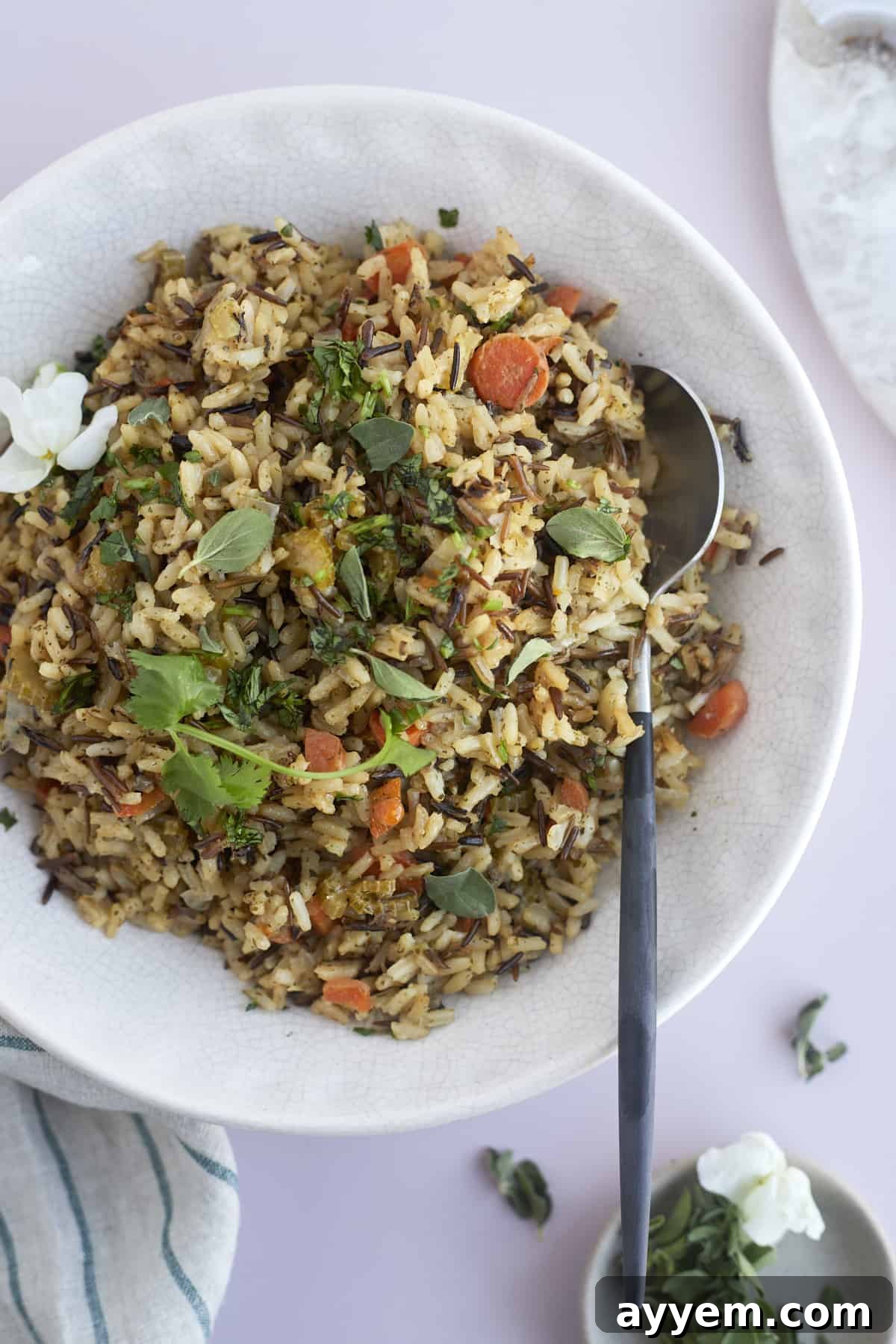
Easy Seasoned Rice Pilaf Recipe
Print Recipe
Email Recipe
Ingredients
- 2 Tablespoons olive oil
- 1/2 cup chopped celery
- 1 chopped onion
- 1/2 cup chopped carrots
- 10 oz long grain and wild rice mix (such as Uncle Ben’s)
- 1 packet wild rice seasoning (found in the rice mix box)
- 2 2/3 cup broth (chicken or vegetable)
- 1 teaspoon fresh oregano (chopped)
- 2 teaspoons fresh cilantro (chopped, for garnish or stirred in)
- Salt to taste
Instructions
-
Warm the olive oil in a large skillet over medium-high heat. Add the celery, onion, and carrots, and sauté for about 5 minutes or until the onions are translucent and the veggies are tender-crisp, stirring frequently.
-
If your rice mix contains an herb packet, remove it and set it aside. Add the rice (without the herb packet) to the skillet, and stir continuously to toast the grains for 2-3 minutes, until all of the oil has been absorbed and the rice appears slightly opaque.
-
Pour in the broth and add the reserved seasoning packet, stirring well to combine all ingredients.
-
Cover the pot tightly, and bring the ingredients to a boil. Immediately reduce the heat to low, and allow the rice to simmer gently for 45-50 minutes, or until nearly all of the liquid has been absorbed. Avoid lifting the lid during this process.
-
Remove the skillet from the heat, and let the rice sit, still covered, for 5-10 minutes. This resting period allows the steam to finish cooking the rice and ensures fluffy grains.
-
Uncover, use a fork to gently fluff the rice, adjust the seasonings to taste with salt and pepper, and garnish with fresh cilantro or oregano. Serve warm and enjoy!
-
Store any leftover rice pilaf in an airtight container in the fridge for up to 5 days.
Nutrition
Nutrition information is automatically calculated, so should only be used as an approximation.