
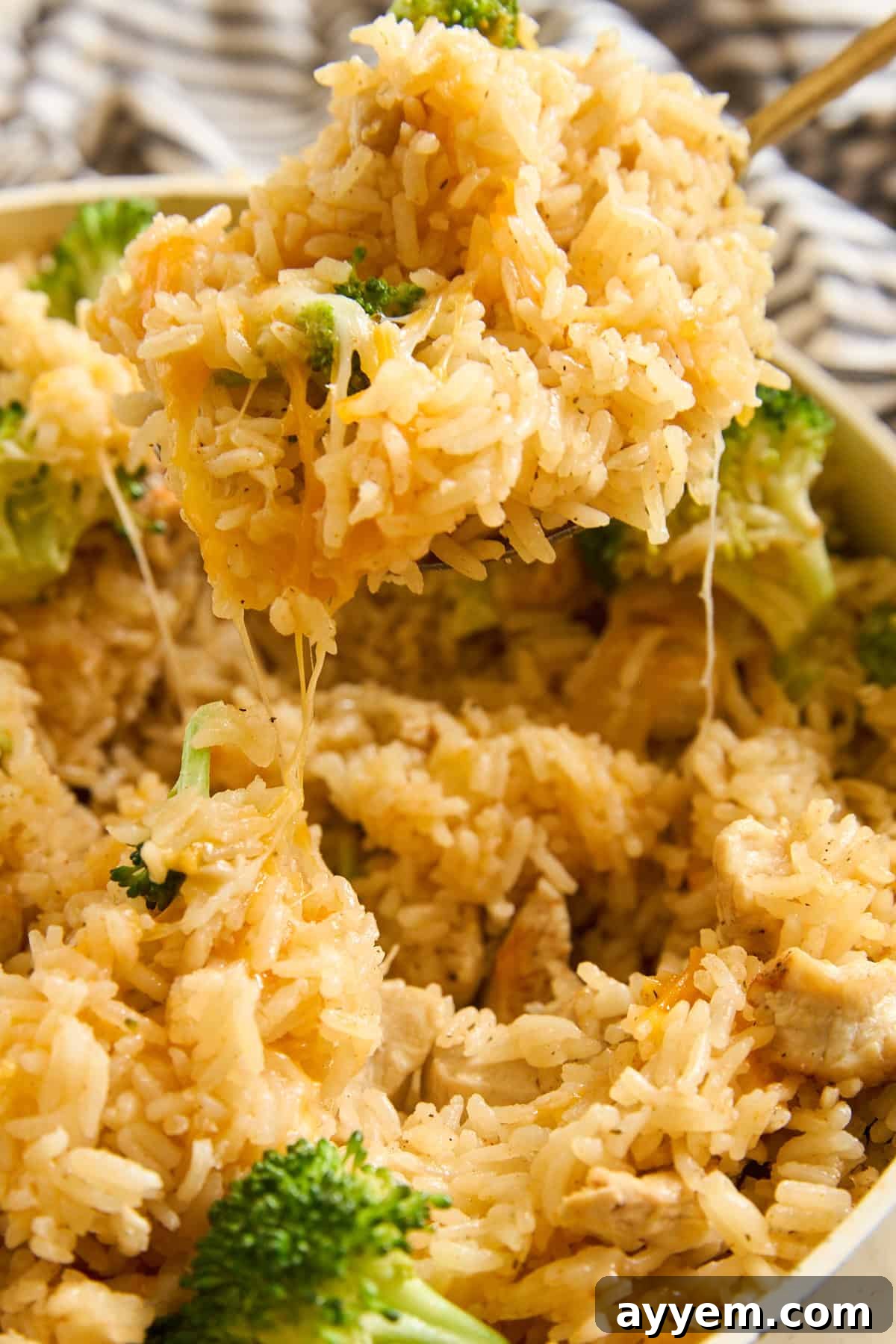
If you’ve ever hoped for a pot of perfectly fluffy, separate rice grains, only to uncover a sticky, clumpy mess, you’re not alone. This guide is specifically designed for you! Mastering how to fix gummy rice isn’t just a culinary skill; it’s a dinner-saving superpower that can rescue your meal—and your sanity. Gummy rice can happen in the blink of an eye, turning a staple side dish into an unappetizing mound. However, the good news is that this common kitchen mishap is often entirely fixable, and even better, entirely preventable. With a few simple techniques and a deeper understanding of what goes wrong, you can transform that sticky situation into perfectly cooked grains, or repurpose it into something delicious.
What Exactly is Gummy Rice? Unpacking the Sticky Problem
Gummy rice is essentially rice that has released an excessive amount of its natural starch into the cooking water, resulting in an undesirable texture. Instead of individual, distinct, and tender grains that easily separate, the rice clumps together, adopting a gluey, pasty, or mushy consistency. While certain culinary creations, such as creamy risotto, traditional rice pudding, or even specific Asian sticky rice dishes, intentionally leverage this starch release for their characteristic texture, most everyday rice preparations aim for a light, fluffy result.
This frustrating texture issue isn’t exclusive to one type of rice; it can manifest in everything from fluffy white rice to hearty brown rice, fragrant jasmine rice, or delicate basmati rice. The root cause rarely lies with the quality of the rice itself, but almost always stems from the cooking technique employed. This means that with a few minor adjustments to your preparation and cooking process, you can dramatically improve your rice-cooking success rate. Understanding the science behind starch and how it interacts with water during cooking is the first step towards achieving consistently perfect grains.
Why Does Your Rice Turn Gummy? Common Mistakes to Avoid
Pinpointing the exact reason your rice turned gummy is crucial for both fixing the current batch and preventing future occurrences. The problem almost always boils down to one or a combination of common cooking errors:
- Excessive Stirring: Stirring rice too much while it’s cooking is a major culprit. Agitation causes the individual rice grains to rub against each other, releasing their surface starch directly into the cooking water. This creates a starchy, glue-like liquid that binds the grains together as they cool, leading to a gummy texture.
- Too Much Water: Using an incorrect water-to-rice ratio, specifically too much water, is another frequent cause. When rice grains absorb more moisture than they can properly handle, they become oversaturated. This can lead to the grains bursting open, releasing their internal starch content and resulting in a mushy, sticky consistency. The exact ratio varies by rice type, but precision is key.
- Skipping the Rinse: Many rice varieties, particularly white rice, come with a layer of loose starch adhering to their exterior. If you skip the crucial step of rinsing your rice thoroughly before cooking, this excess surface starch will dissolve into the cooking water. This creates a sticky environment that promotes clumping and a gummy texture. Rinsing until the water runs clear is a simple yet powerful preventive measure.
- Overcooking: Leaving rice on the heat for too long pushes it beyond its tender sweet spot. As rice continues to cook past its ideal doneness, the grains absorb more and more water, eventually swelling excessively and breaking down. This releases starch and transforms the texture from fluffy to swollen and sticky.
- Using the Wrong Rice for the Dish: Not all rice is created equal, and using an inappropriate type for your desired outcome can also result in gumminess. Short-grain rice, for instance, is naturally higher in amylopectin (a type of starch) and designed to be stickier (think sushi rice or arborio for risotto). Long-grain varieties like basmati and jasmine rice, on the other hand, contain more amylose, which allows them to remain separate and fluffy after cooking. Mismatching rice type with recipe expectations can lead to unexpected gummy results.
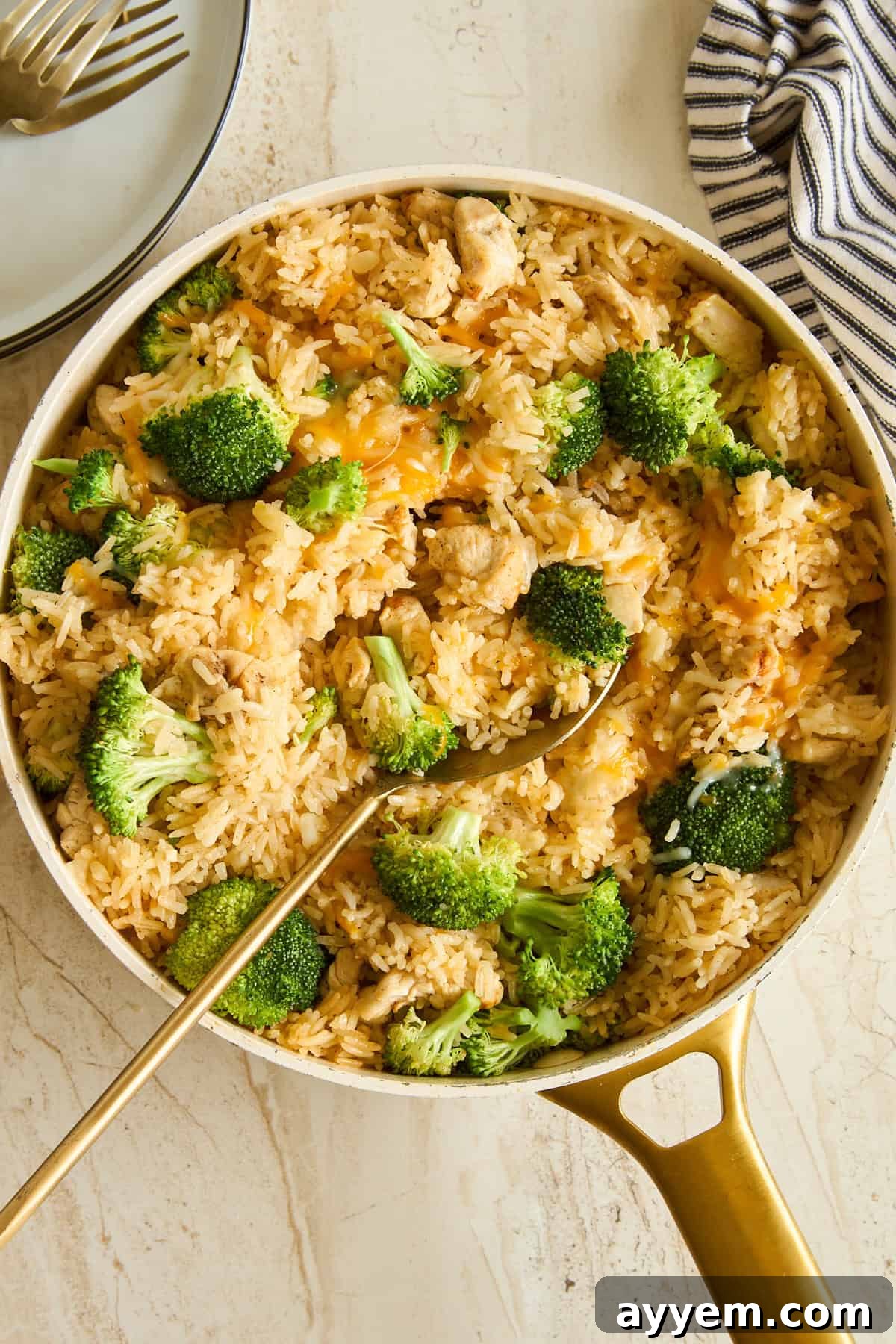
How to Fix Gummy Rice After It’s Cooked: Rescue Missions for Your Meal
Discovering a pot of gummy rice can be disheartening, but don’t surrender and toss it out just yet! Many sticky situations are salvageable with a few clever techniques. The goal is to remove excess moisture and separate those clinging grains. Here’s how you can attempt to rescue your cooked rice:
1. The Drainage & Drying Method for Waterlogged Rice
If your rice appears severely waterlogged, sticky, and almost mushy, the first step is to eliminate that excess moisture. Carefully transfer the rice into a fine-mesh strainer. Allow it to sit over the sink for a few minutes, gently shaking it occasionally, to let any trapped water drain away. For an even more effective drying process, spread the drained rice thinly and evenly onto a baking sheet. The increased surface area allows steam to escape rapidly, helping the grains to firm up and separate. You can leave it at room temperature for 10-15 minutes, or for an accelerated revival, pop the baking sheet into an oven preheated to 300-350 degrees Fahrenheit (150-175°C) for about 5-10 minutes. This gentle heat will evaporate remaining moisture without further cooking the rice, effectively bringing it back to life.
2. Gentle Evaporation for Slightly Sticky Rice
For rice that’s only mildly sticky but not soaked, avoid putting it back in water. Instead, return it to a clean, dry pot over very low heat. Leave the pot uncovered to allow steam to escape freely. Use a wooden spoon or a fork to gently stir the rice once or twice. The key word here is “gently” – you want to aerate the rice and encourage moisture release without mashing the grains further. This method slowly evaporates residual moisture, helping the grains to dry out and improve their texture over 5-10 minutes.
3. The Quick Rinse for Repurposing
If your rice is severely gummy and the above methods aren’t yielding satisfactory results for serving plain, a quick rinse under warm water can be surprisingly effective. This washes away a significant amount of the surface starch that’s causing the stickiness. However, be aware that this will also cool the rice down. This method is best employed when you plan to immediately use the rice in another dish where its texture will blend in, such as fried rice, hearty soups, flavorful casseroles, or stuffed vegetables. It essentially “resets” the stickiness for a new culinary purpose.
4. The Culinary Pivot: Repurposing Gummy Rice
Sometimes, despite your best efforts, the rice might still be too gummy to serve as a fluffy side. In these cases, the best “fix” is often a creative pivot! Gummy or overcooked rice works exceptionally well in dishes where its texture isn’t the star, but rather a beneficial component. Consider these ideas:
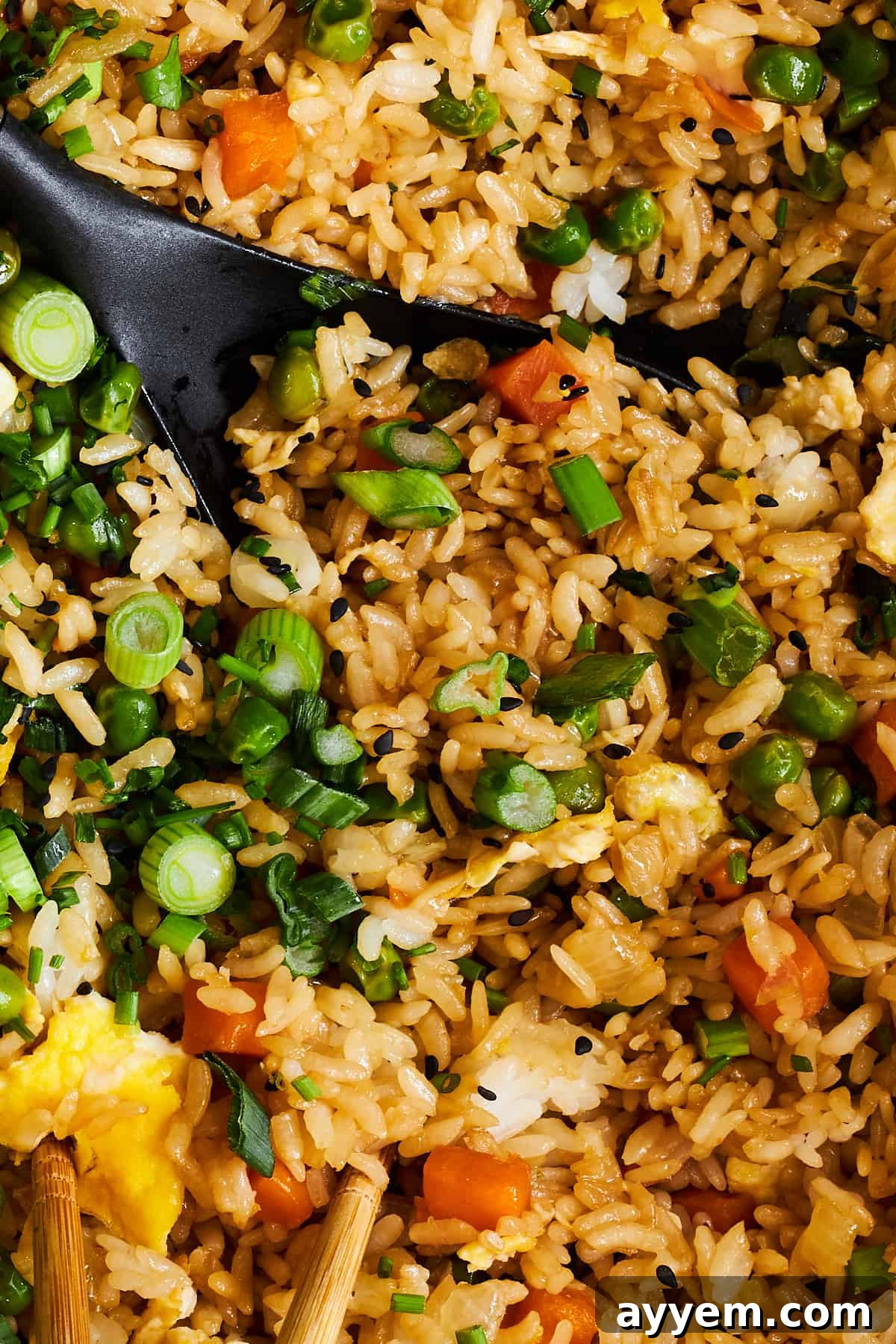
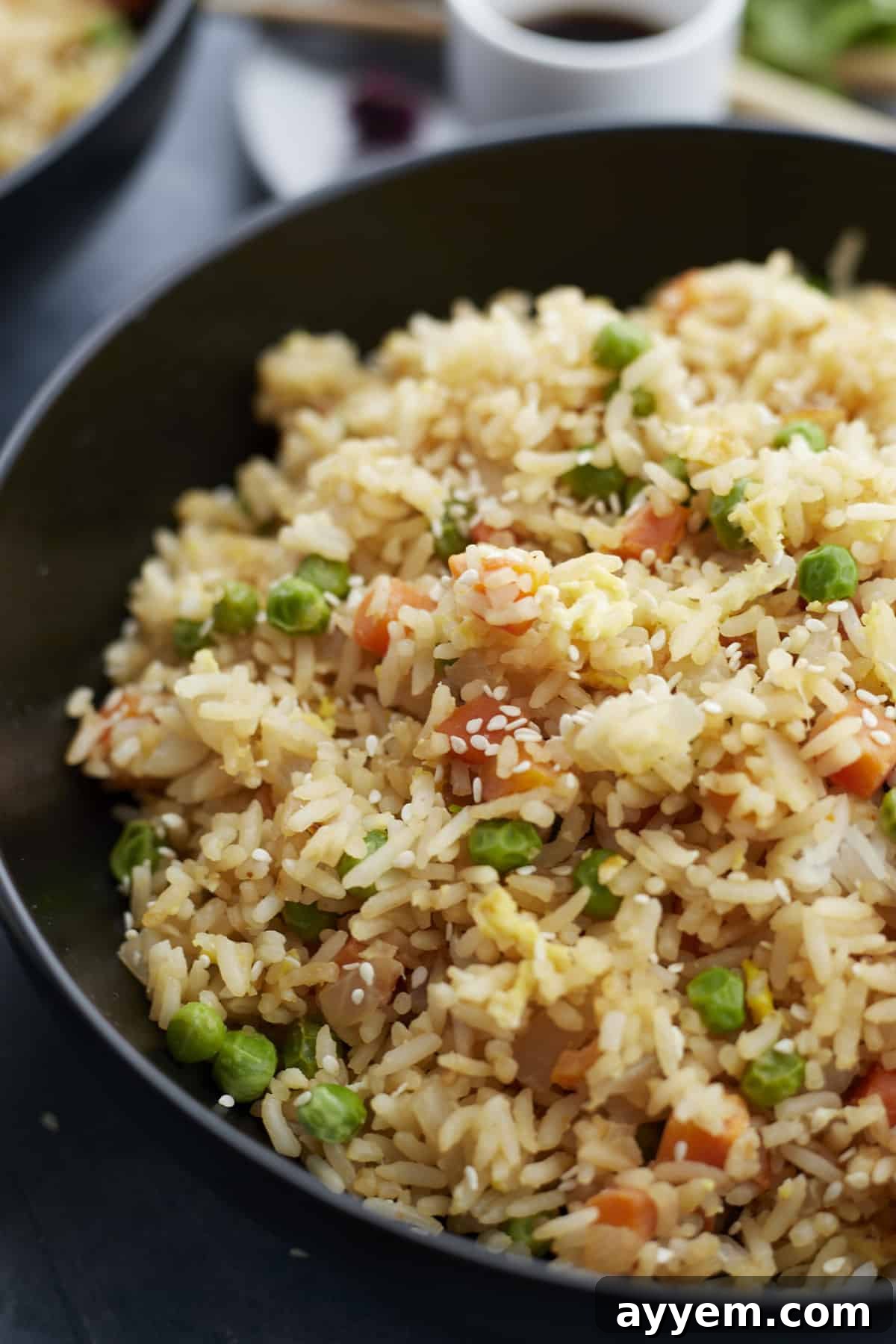
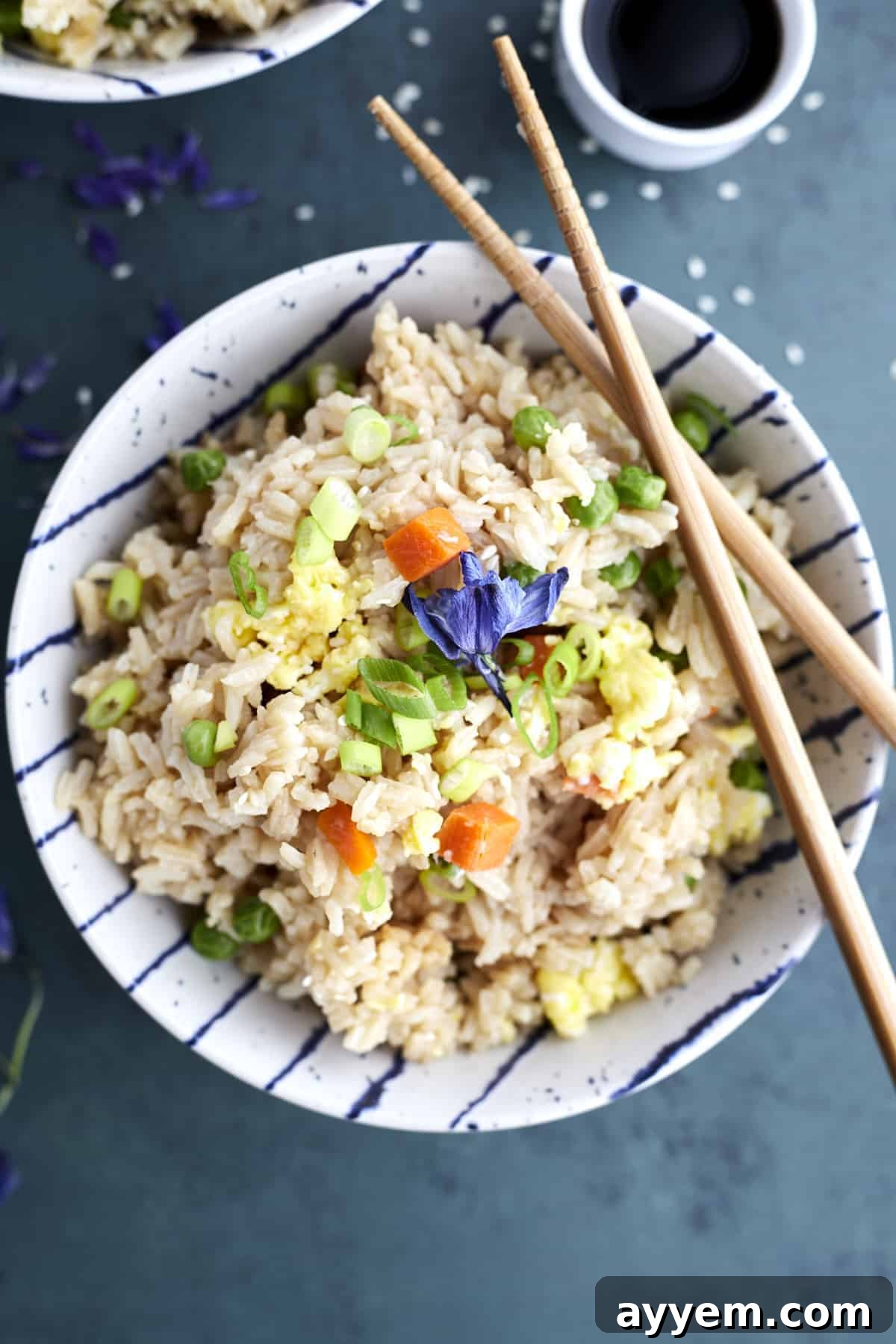
- Fried Rice: The slight stickiness of gummy rice can actually be an advantage in fried rice, allowing it to hold together better and absorb flavors beautifully. Just make sure to cool it completely first.
- Rice Fritters or Patties: Mash the gummy rice with some herbs, spices, an egg, and a little flour, then pan-fry for delicious fritters.
- Stuffed Vegetables: Use it as a filling for bell peppers, tomatoes, or zucchini.
- Soups and Stews: Add it to thicken soups or stews; the extra starch will integrate seamlessly.
- Rice Pudding: If it’s a sweet, short-grain rice, turn it into a comforting rice pudding.
- Rice Balls (Arancini): Mix with cheese and other ingredients, form into balls, and fry.
- Homemade Veggie Burgers: Gummy rice can act as a binder in vegetarian burger patties.
Essential Ingredients to Aid Your Gummy Rice Rescue
You won’t need an arsenal of exotic ingredients to save your gummy rice. In fact, a few kitchen staples are all it takes to improve both its texture and flavor:
- Water: While excess water is often the cause of gumminess, a strategic light rinse with warm water can be key for removing surface starch from severely sticky grains, especially if you plan to repurpose the rice.
- Olive Oil or Butter: A small amount (about a teaspoon or two per cup of cooked rice) of a healthy fat like olive oil or melted butter can work wonders. When gently mixed into warm, separated rice, it coats the individual grains, helping to prevent them from sticking back together and adding a subtle richness. Use sparingly to avoid making the rice greasy.
- Salt: A pinch of salt, added after rinsing or during reheating, can help refresh the flavor of the rice, which might have become bland or slightly off due to the texture issue. It can also subtly enhance any dishes you might repurpose the rice into.
Helpful Tools for the Job
- Fine-Mesh Strainer: Indispensable for draining waterlogged rice and rinsing away excess starch.
- Baking Sheet: Provides a large, flat surface for spreading out rice, maximizing air exposure for quick drying.
- Wooden Spoon or Fork: Essential for gently aerating and fluffing rice without crushing the delicate grains. A fork is often preferred for its ability to separate without mashing.
How to Prevent Mushy Rice in the Future: Mastering the Art of Fluffy Grains
Once you’ve successfully navigated the rescue mission of gummy rice, the next logical step is to prevent it from happening again. Prevention is truly easier than fixing, and with a few consistent habits, you can achieve perfectly fluffy rice every time.
1. Rinse Your Rice Thoroughly
This is arguably the most critical step for many white rice varieties. Place your uncooked rice in a fine-mesh strainer and rinse it under cold running water. Agitate the grains gently with your hand. Continue rinsing until the water running off the rice appears clear, not cloudy. This process removes the loose surface starch that is a primary cause of clumping and stickiness, dramatically improving the final texture.
2. Measure Water Accurately
The water-to-rice ratio is paramount. Too much water leads to oversaturated, mushy grains, while too little results in undercooked or burnt rice. While ratios vary slightly by rice type and desired consistency, a common starting point for white long-grain rice is 1 part rice to 1.5-2 parts water. Always use a measuring cup for both rice and water, and avoid eyeballing. Some rice cookers or recipes might suggest different ratios, so always consult those specific instructions.
3. Resist the Urge to Stir
Once your rice is simmering, put the lid on and walk away. Avoid stirring the rice while it cooks. As discussed earlier, agitation breaks the delicate grains and releases starch, leading to stickiness. Let the rice cook undisturbed until all the water is absorbed.
4. Choose the Right Rice for Your Dish
Understanding the characteristics of different rice types is key. For dishes requiring fluffy, separate grains, opt for long-grain varieties like basmati or jasmine rice, which have a lower starch content. Short-grain or medium-grain rice, being naturally stickier due to higher starch, is better reserved for recipes like sushi, risotto, or paella where their unique texture is desired and beneficial.
5. Let Rice Rest After Cooking
Once the rice has finished cooking and the water is absorbed, turn off the heat but keep the lid on. Allow the rice to rest undisturbed for 10-15 minutes. This crucial resting period allows the steam within the pot to redistribute evenly throughout the grains, ensuring they become perfectly tender and fluffy. It also gives any remaining moisture a chance to be fully absorbed, preventing soggy spots and promoting better separation.
6. Fluff with a Fork, Not a Spoon
After resting, remove the lid and gently fluff the rice with a fork. A fork is ideal because its tines can separate the individual grains without mashing or crushing them, which a spoon might do. This aeration step further enhances the light and fluffy texture.
7. Use the Correct Pot Size and a Tight-Fitting Lid
Ensure you’re using a pot that is appropriately sized for the amount of rice you’re cooking; too large a pot can lead to faster evaporation and uneven cooking, while too small can boil over. A tight-fitting lid is essential to trap steam effectively, ensuring the rice cooks evenly and absorbs all the water without drying out prematurely.
8. Manage Your Heat
Bring the water to a rolling boil initially, then immediately reduce the heat to the lowest possible setting. This gentle simmer prevents the water from evaporating too quickly, allowing the rice to cook through without burning or becoming mushy from aggressive boiling.
Can You Fix Gummy Rice in a Rice Cooker?
Yes, you can often address gummy rice in a rice cooker, but timing is critical. If you notice the rice is slightly too moist or sticky just as it finishes cooking, unplug the cooker and immediately remove the lid. Let the rice sit, uncovered, for an additional 5-10 minutes. The residual heat will continue to evaporate some moisture, and the exposure to air will help the grains dry out and firm up. If the rice is already severely sticky and mushy even after this airing out, trying to re-cook it will likely only make it worse. In such cases, your best bet is to spread the rice out on a baking sheet to dry it further, or better yet, repurpose it for one of the dishes mentioned above, like fried rice or fritters, where its texture is less critical.
Final Thoughts: From Sticky Situations to Culinary Success
The dreaded gummy rice scenario is a common kitchen frustration, but as you’ve learned, it’s rarely a lost cause. Whether you opt to drain and dry it, gently evaporate excess moisture, give it a quick rinse, or creatively rework it into an entirely new dish, there’s almost always a viable way to fix or utilize a sticky batch. More importantly, understanding the underlying causes empowers you to prevent it from happening again.
By adopting a few simple yet effective habits—meticulously rinsing your rice, precisely measuring your water, avoiding unnecessary stirring, and allowing for a crucial resting period—you can consistently achieve that coveted fluffy texture. Embrace these techniques, and you’ll transform your rice-cooking experience from a game of chance into a reliable culinary success. Say goodbye to gummy rice and hello to perfectly prepared grains every single time!
Rice Recipes You’ll Love
Now that you’re equipped with the knowledge to master the art of crafting perfectly cooked rice, explore some of our favorite recipes that put this versatile grain to delicious use. From aromatic sides to hearty main courses, your perfectly cooked rice will shine!
Easy Turmeric Rice: A vibrant and flavorful side dish that’s simple to make and pairs well with almost any meal.
Vermicelli Rice: A classic Middle Eastern pilaf with toasted vermicelli pasta, offering a delightful texture and nutty flavor.
Greek Rice Bake: A comforting and savory casserole featuring seasoned rice baked to perfection with Greek-inspired ingredients.
Spanish Style Rice: A zesty and aromatic rice dish, infused with traditional Spanish flavors and vibrant colors, perfect as a side or base for various proteins.