
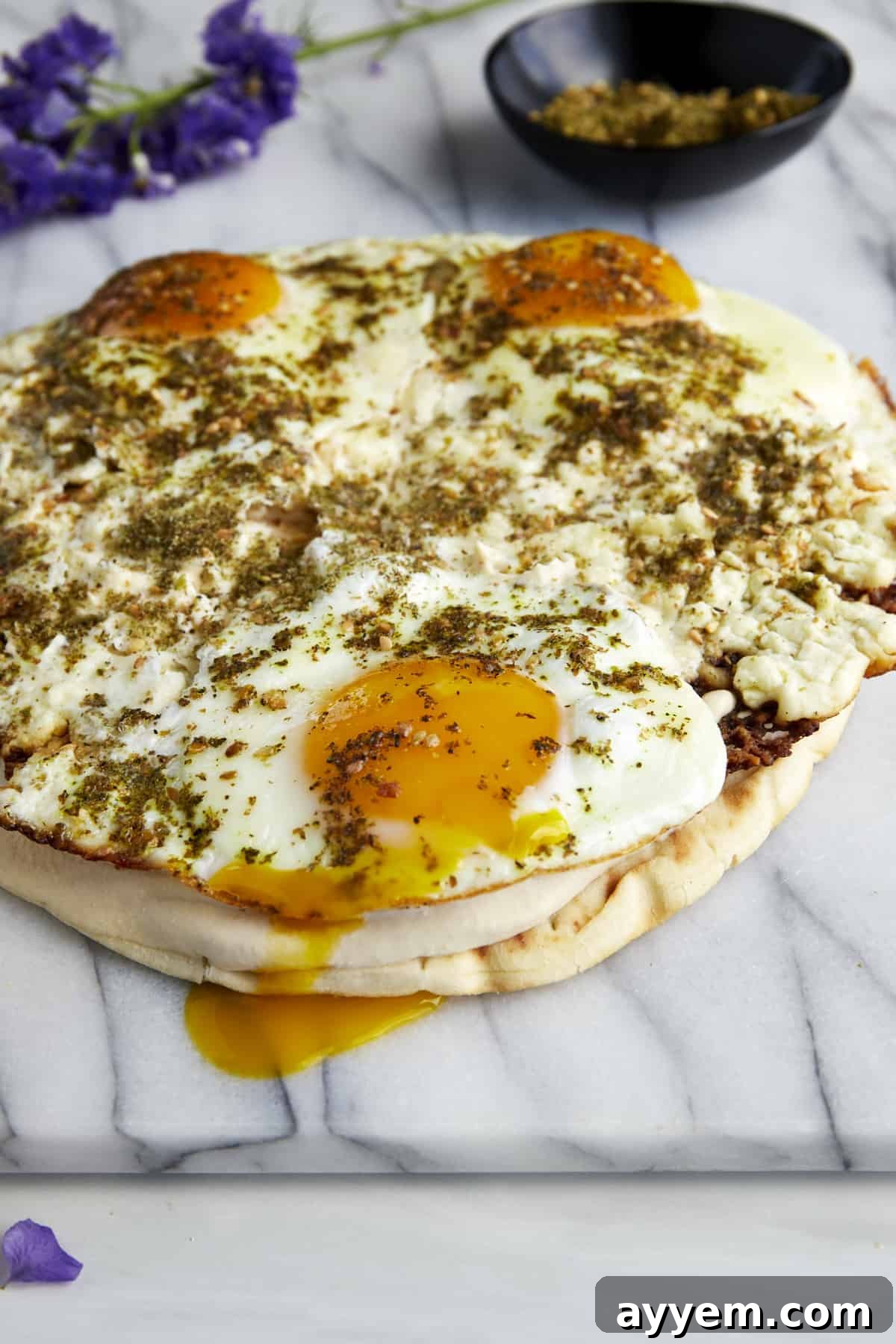
Experience a truly unforgettable breakfast with this Mediterranean-inspired rendition of the sensational Viral Feta Fried Eggs recipe! In a matter of minutes, you can create perfectly crispy fried eggs, elevated by the delightful tang of crumbled feta cheese and the aromatic charm of za’atar. This vibrant dish is traditionally served warm over soft, fluffy pita bread generously slathered with creamy, rich hummus. It transforms a simple breakfast into a savory feast that is both nutritious and incredibly satisfying, sure to leave everyone craving more. Prepare to redefine your morning routine with a burst of Mediterranean flavor!
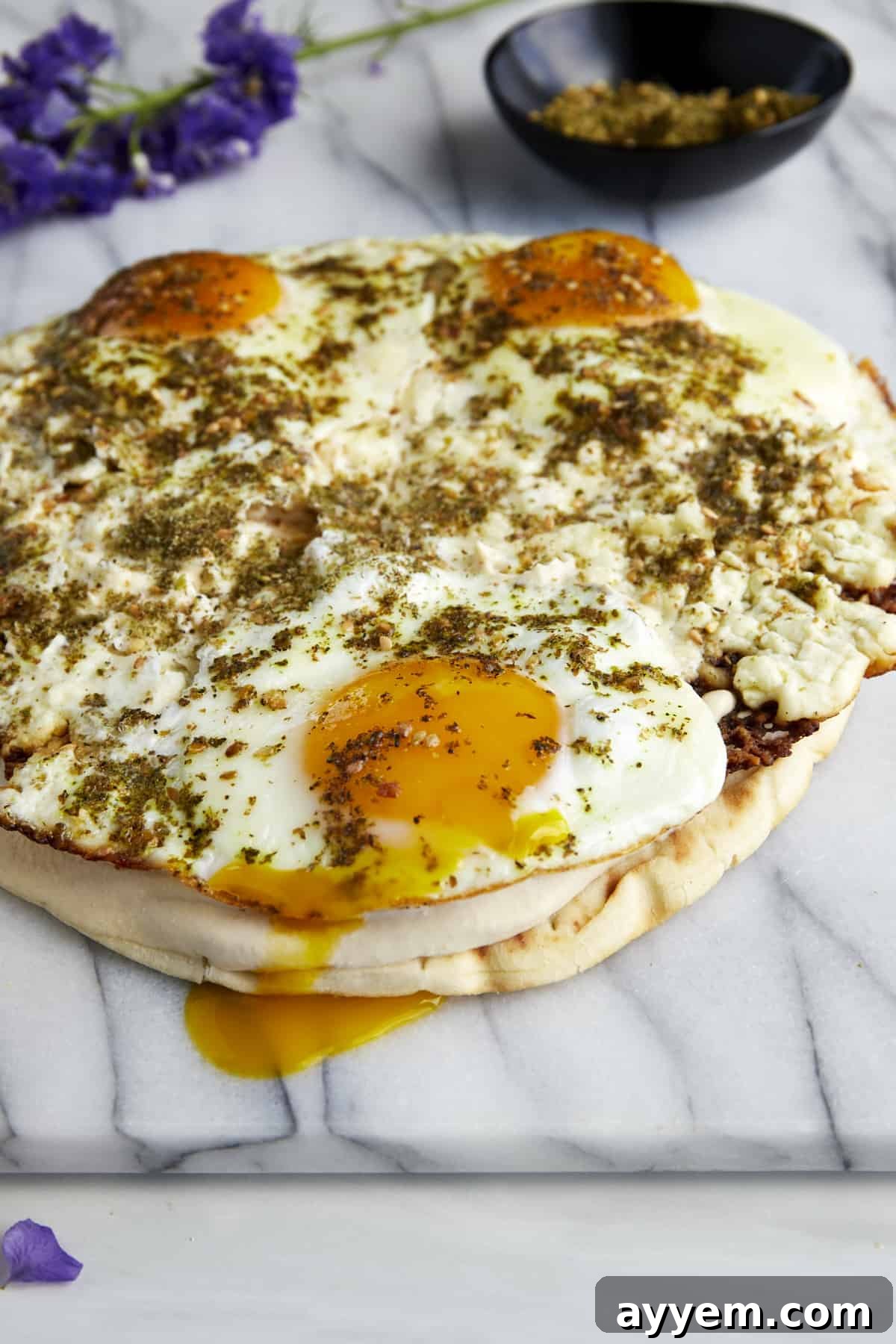
Why the Viral Feta Fried Eggs Trend is a Must-Try
If you’ve spent any time browsing food content online recently, you’ve likely encountered the phenomenon of fried feta eggs. This culinary trend has rapidly gained immense popularity across social media platforms, and for good reason! What makes these viral feta fried eggs so captivating is their incredible simplicity, speed of preparation, and remarkable versatility. They offer a refreshing departure from ordinary breakfasts, transforming everyday ingredients into an exciting and delicious meal.
The beauty of this recipe lies in its minimalist approach. With just a few staple ingredients, you can whip up a gourmet-quality breakfast or brunch in mere minutes. This makes it an ideal choice for busy mornings when time is precious, yet you still desire something more substantial and flavorful than a quick piece of toast. But it’s not just about convenience; the unique combination of flavors and textures is what truly sets this dish apart.
Naturally, as enthusiasts of bold and vibrant flavors, we couldn’t resist putting our own signature spin on this popular dish. Our version elevates the classic concept by infusing it with authentic Mediterranean influences. While retaining the irresistible crispy edges of the fried eggs and the creamy, salty essence of the feta, we enhance the experience with an extra layer of aromatic seasoning – za’atar – and serve it alongside warm, fluffy pita bread and silky-smooth, homemade hummus. The result is not just a meal, but a culinary journey to the Mediterranean coast, promising a savory breakfast sensation that will have your entire family saying, “Yes, please!” every single time.
Beyond the Trend: Benefits of Feta Fried Eggs
- Effortless & Quick: Perfect for any day, from hurried weekdays to relaxed weekends, these eggs are ready in under 10 minutes.
- Nutritionally Rich: Packed with protein from the eggs and healthy fats from feta and olive oil, this breakfast provides sustained energy. Paired with whole-wheat pita and hummus, it adds fiber and essential nutrients.
- Incredibly Versatile: While our Mediterranean take is exquisite, the base recipe is a blank canvas. Experiment with different spices, herbs, and toppings to suit your palate.
- Bursting with Flavor: The combination of salty, tangy feta, savory za’atar, and perfectly cooked eggs creates a dynamic flavor profile that is both comforting and exciting.
Key Ingredients for Your Mediterranean Feta Fried Eggs
Crafting these delectable crispy, savory feta fried eggs requires fewer than ten ingredients, most of which are likely already in your pantry! Before you begin, take a moment to review the list below to ensure you have everything ready for a seamless cooking experience. The quality of your ingredients significantly impacts the final flavor, so opt for the best you can find.
- Eggs: As the undeniable star of this dish, eggs form the foundational texture and richness. We recommend using large, fresh eggs. Whether you prefer organic, free-range, or conventional, the freshness will contribute to a more vibrant yolk and firm white. Don’t worry if your yolks aren’t perfectly centered – the flavor will still be outstanding!
- Feta Cheese: For an authentic taste and the best melt-and-crisp texture, we highly advise using full-fat crumbled feta cheese. Blocks of feta that you crumble yourself often yield superior results, providing a creamier interior and crisper edges compared to pre-crumbled varieties, which can sometimes be drier. The tangy, salty notes of high-quality feta are crucial to the dish’s Mediterranean character.
- Pita Bread: The perfect vehicle for our flavorful eggs. While we often enjoy making our own white or whole-wheat homemade pita bread for an unparalleled freshness and chewiness, high-quality store-bought pita works wonderfully for convenience. Look for soft, pliable pita that warms up easily.
- Hummus: A creamy, savory counterpoint to the eggs and feta. Having a batch of homemade hummus on hand is always a bonus for its fresh flavor and smooth texture. However, if time is of the essence, your favorite store-bought brand will integrate beautifully into this recipe, adding a layer of garlicky, tahini-infused creaminess.
- Za’atar: This unique Middle Eastern spice blend is a game-changer for this recipe. Comprising a mix of dried thyme, oregano, marjoram, toasted sesame seeds, and sumac, za’atar offers a savory, earthy, and slightly tangy flavor with a subtle hint of citrus. It adds an incredible depth and authenticity to the fried eggs, distinguishing our Mediterranean twist.
- Red Pepper Flakes: These provide a customizable kick of heat. Use as little or as much as you like to achieve your desired level of spice. They add a vibrant visual element and a pleasant warmth that complements the other flavors.
- Oil: Essential for frying the eggs and achieving that desirable crispy feta base. Extra virgin olive oil is our preferred choice, imparting a fruity and robust flavor that aligns perfectly with the Mediterranean theme. However, avocado oil is also an excellent alternative due to its high smoke point and neutral taste.
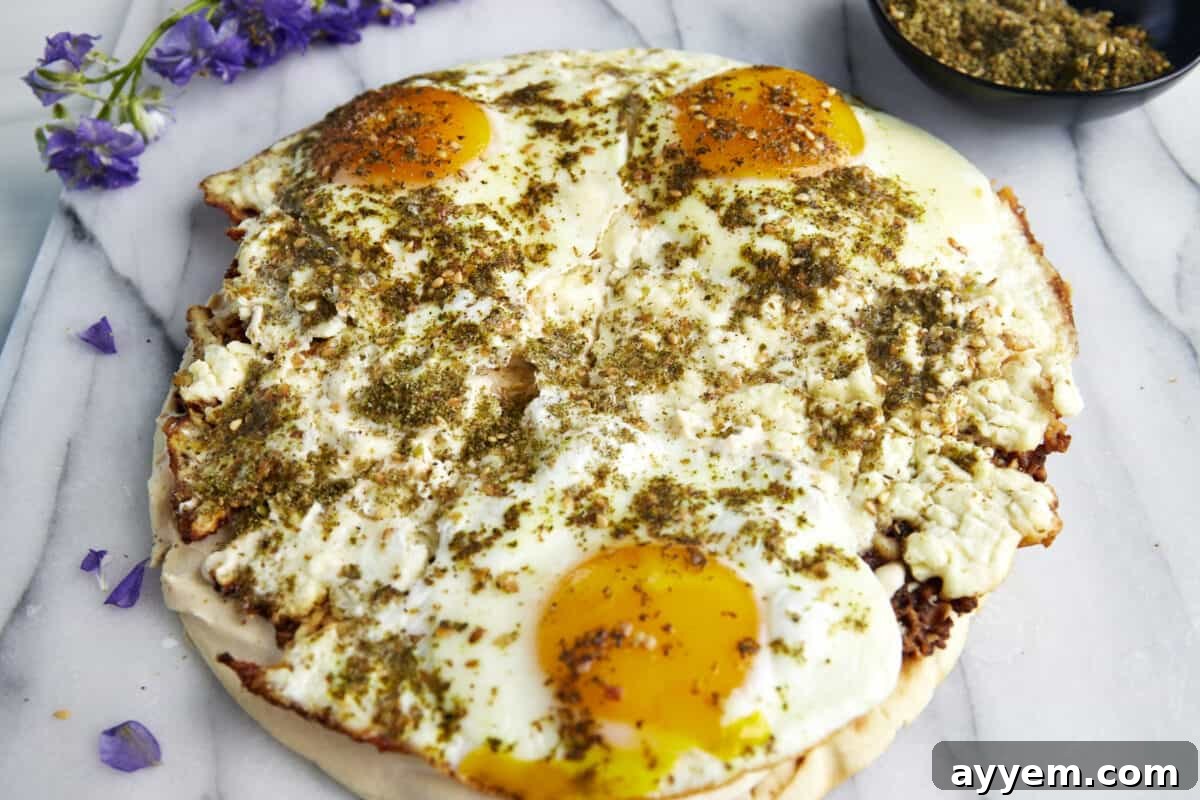
Fry, Plate, Savor: Mastering the Viral Feta Fried Eggs Recipe
Creating these sensational feta fried eggs is surprisingly simple and swift. Follow these straightforward steps to achieve a perfect, flavorful breakfast that will quickly become a favorite. The key is in gentle handling and precise timing to get those ideal crispy edges and runny yolks.
- Prepare Your Skillet: Begin by placing a good quality non-stick skillet over medium-low heat. Ensuring your pan is adequately heated before adding ingredients is crucial for achieving the desired crispiness of the feta without burning. A non-stick surface is paramount here to prevent the feta from sticking and making cleanup a breeze.
- Melt and Crisp the Feta: Add your preferred oil (extra virgin olive oil or avocado oil) to the warmed pan. Once the oil shimmers gently, introduce the crumbled feta cheese. Spread the feta evenly across the bottom of the pan to create a single, continuous layer. Allow it to cook undisturbed for a few minutes until the edges begin to turn golden brown and delightfully crispy. This forms a savory, cheesy base for your eggs.
- Fry the Eggs to Perfection: Gently crack your eggs directly over the bubbling, crispy feta layer. Take care not to break the yolks, as a runny yolk adds a luscious richness to the finished dish. Immediately after cracking, sprinkle the za’atar generously over the eggs and feta, followed by a pinch or two of red pepper flakes for a subtle heat. Cover the skillet tightly with a large plate or a lid. This traps steam, helping the egg whites cook evenly and quickly while keeping the yolks wonderfully soft and custardy. Cook for about 3-5 minutes, or until the whites are fully set and the yolks are to your desired doneness – typically soft and runny for the best experience.
- Warm the Pita and Spread Hummus: While your eggs are frying, take a moment to prepare your accompanying pita bread. You can warm it briefly in a separate dry pan, a toaster, or even a microwave until it’s soft and pliable. Once warm, spread a generous layer of creamy hummus over the pita. This creates a soft, flavorful foundation that complements the crisp eggs.
- Serve and Enjoy Immediately: As soon as the eggs reach your preferred doneness, carefully remove them from the skillet, lifting the entire feta-egg creation. Place this savory masterpiece directly on top of the hummus-smeared pita bread. Serve warm and enjoy immediately to experience the full spectrum of flavors and textures – the crispy feta, the perfectly cooked eggs, the aromatic za’atar, and the creamy hummus all come together in a symphony of taste.
Expert Tips and Tricks for Flawless Feta Fried Eggs
While this recipe for crispy fried eggs is remarkably straightforward, a few expert tips can elevate your results from good to absolutely fantastic. Paying attention to these small details will ensure your feta fried eggs turn out perfectly every time, delivering maximum flavor and an irresistible texture.
- Prioritize High-Quality Feta Cheese: Given the minimal number of ingredients in this dish, the quality of your feta cheese plays a starring role. Investing in a good quality, full-fat feta, ideally a block that you crumble yourself, will make a noticeable difference. High-quality feta offers a richer, creamier texture when melted and crisps up beautifully, imparting a more profound tangy and salty flavor. Trust us, your taste buds will thank you for the upgrade!
- Master Heat Control to Prevent Burning: The type of pan and the heat level are critical for achieving crispy feta without it turning bitter or sticking. Always use a non-stick pan; stainless steel or cast iron can cause the feta to adhere firmly. Sauté the ingredients over medium-low to medium heat, never high. This allows the feta to melt and crisp gradually. Keep a vigilant eye on the pan! The moment the egg whites are set and the feta is golden brown, remove the pan from the heat. Overcooking will lead to burnt feta, which can ruin the delicate balance of flavors.
- Don’t Skip the Lid! Covering the eggs while they cook is not merely a suggestion; it’s a vital step for a perfect result. The trapped steam creates an even cooking environment, ensuring the egg whites set quickly and uniformly without overcooking the bottom, and helps the yolk achieve that desirable runny, jammy consistency. It also reduces cooking time and helps infuse the flavors of the za’atar and red pepper flakes more deeply into the eggs.
- Create a “Nest” for Your Eggs: To prevent the egg whites from spreading too thin or sliding off the feta, try creating a slight well or thicker ring with the crumbled feta in the center of your pan. Crack the egg directly into this feta “nest.” This helps the egg hold its shape and cook within the cheesy ring, ensuring each bite is a perfect blend of egg and feta.
- Customize Your Spice Level: The amount of red pepper flakes is entirely up to your personal preference. If you love a fiery kick, feel free to be generous. For a milder flavor, use just a pinch. You can also experiment with other spices like a sprinkle of smoked paprika or a dash of black pepper for additional complexity.
Storage and Reheating Recommendations
These Mediterranean Feta Fried Eggs are unequivocally at their best when enjoyed fresh, straight from the skillet, while they are still warm, crisp, and vibrant. The crispy texture of the feta and the delicate consistency of the eggs are truly optimized at this point. As they cool, the feta can lose some of its crispiness and the eggs might become slightly less tender, potentially leading to a somewhat soggy texture upon reheating. Therefore, immediate consumption is highly encouraged for the ultimate experience.
- To Store: If you do find yourself with leftovers, transfer the feta fried eggs carefully to an airtight container. Store them promptly in the refrigerator for two to three days. It is important to note that due to the delicate nature of eggs and the texture of feta, we generally do not recommend freezing this recipe, as it can significantly compromise the texture and flavor upon thawing.
- To Reheat: For best results, it’s often preferable to enjoy leftover feta fried eggs cold, perhaps as part of a quick snack or a light lunch. If you prefer them warm, reheat them very gently. Place the eggs in a non-stick skillet over very low heat, covered, for just a couple of minutes until warmed through. Be cautious not to overcook them during reheating, as this can make the yolks firm and the whites rubbery. Avoid microwaving if possible, as it tends to make eggs rubbery.
Common Questions About Feta Fried Eggs
For superior texture and flavor, always opt for a block of Greek-style feta packed in brine. Crumbling it yourself just before cooking ensures a more consistent melt and crisper edges compared to pre-crumbled varieties. The brine-packed feta typically has a richer, tangier flavor that truly shines in this dish.
Absolutely! You can easily scale this recipe for multiple servings. The key is to use a large enough non-stick pan. Ensure you space the crumbled feta piles adequately apart – leave a few inches between each portion – so that when you crack the eggs, they don’t run into each other. This allows each egg to cook evenly and ensures individual crispy feta bases.
A simple trick is to sprinkle the crumbled feta in a rough, circular shape, creating a slightly thicker ring or “well” in the middle. When you crack the egg, gently guide it right into the center of this feta ring. The cheesy border will help the egg whites settle and stay contained as they cook, ensuring a beautiful presentation and a delicious blend of flavors in every bite.
Definitely! If you enjoy a bit more heat, there are several ways to amp up the spice. You can generously increase the amount of red pepper flakes sprinkled over the eggs. For a different flavor profile, consider adding a dash of harissa paste to your hummus, or drizzling a bit of hot honey over the finished eggs for a delightful sweet-and-spicy combination. Mixing a touch of chili oil directly into the crumbled feta before it hits the pan is another fantastic option.
While pita and hummus are classic, these feta fried eggs are incredibly versatile! You can serve them atop a slice of toasted sourdough bread or a bed of fresh greens for a lighter option. They are also fantastic with avocado toast, wrapped in a warm tortilla, or even alongside a simple side of roasted vegetables. The crispy, tangy eggs pair well with a wide variety of accompaniments.
Explore More Delicious Egg-Filled Breakfast Recipes
Are you continually on the lookout for exciting and inventive ways to incorporate eggs into your morning meals or brunch spreads? If you enjoyed the innovative approach of our Mediterranean Feta Fried Eggs, you’ll love diving into some of our other cherished egg-centric breakfast recipes. Each offers a unique twist on this versatile ingredient, ensuring your breakfast routine is anything but boring!
- Protein-Packed Egg Muffin Sandwiches: Ideal for meal prep and busy mornings, these portable sandwiches are a powerhouse of flavor and nutrition.
- Easy Eggs in Purgatory (Italian Baked Eggs): A rustic and comforting dish featuring eggs poached in a rich, spicy tomato sauce, perfect for a cozy weekend brunch.
- Easy Shakshuka with Feta: Dive into another Mediterranean favorite with this vibrant dish of eggs baked in a spiced tomato and pepper sauce, beautifully complemented by tangy feta.
- Greek Breakfast Casserole: A hearty and satisfying casserole packed with traditional Greek flavors, great for feeding a crowd or for make-ahead breakfasts.
- Turkish Poached Eggs with Cottage Cheese: A creamy and herbaceous twist on classic poached eggs, offering a refreshing and unique breakfast experience.
- Garlic Herb Boursin Scrambled Eggs: Elevate your scrambled eggs with the rich, creamy, and herby notes of Boursin cheese for an indulgent start to your day.
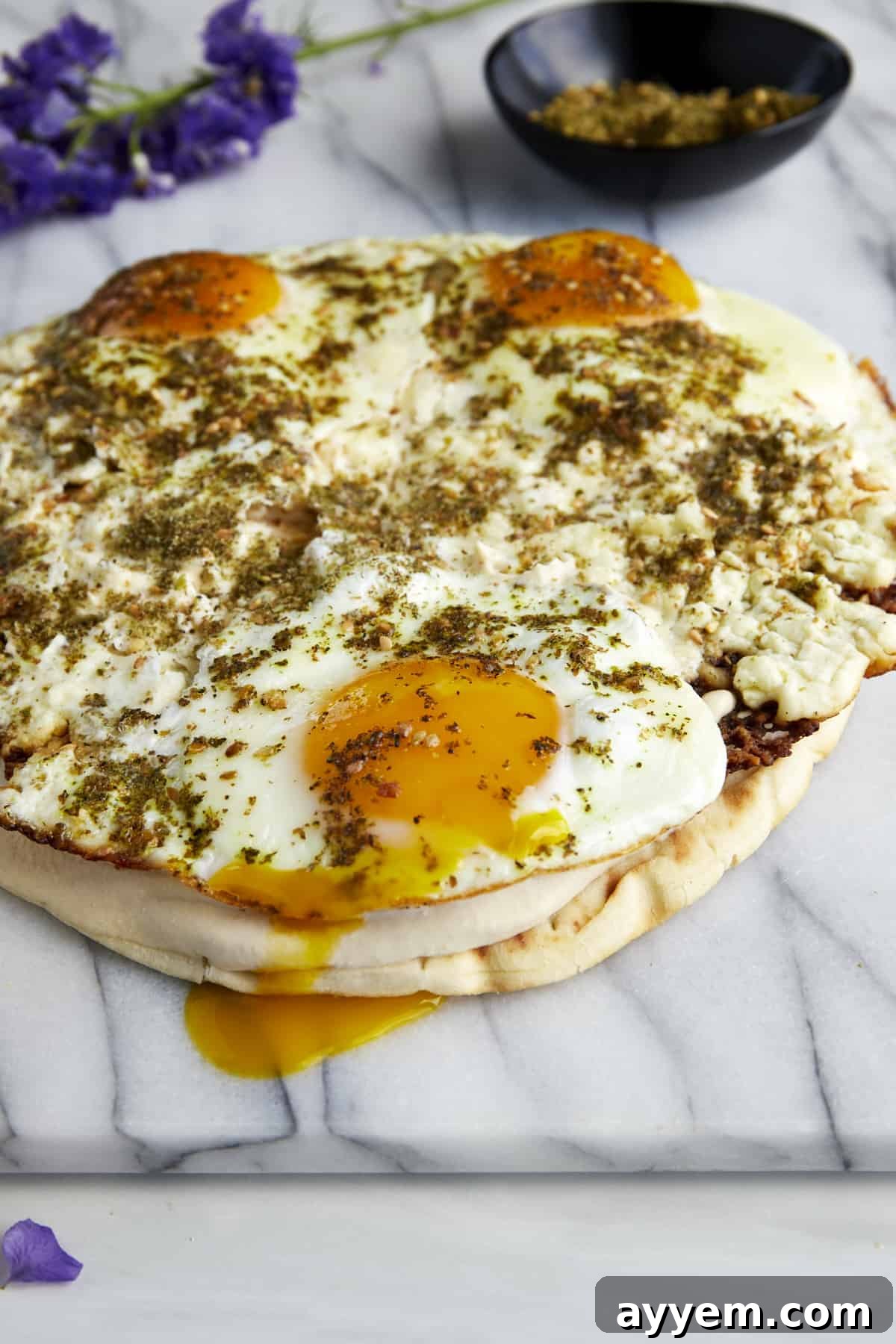
Mediterranean Viral Feta Fried Eggs Recipe
Food Dolls
1
serving
3
mins
5
mins
8
mins
Print Recipe
Email Recipe
Ingredients
-
3
large eggs -
3/4
cup
crumbled feta cheese -
1
pita bread -
1/4
cup
hummus -
2
teaspoons
za’atar - Red pepper flakes to taste
-
1
Tablespoon
olive oil
Instructions
-
Preheat a non-stick skillet or frying pan over medium-low heat.
-
Add the olive oil. Once the oil is warm, add the crumbled feta cheese to the skillet, and spread it evenly to create a bed for the eggs.1 Tablespoon olive oil,
3/4 cup crumbled feta cheese -
Carefully crack the three large eggs onto the feta cheese bed, making sure not to break the yolks.3 large eggs
-
Sprinkle 2 teaspoons of za’atar evenly over the eggs and feta.2 teaspoons za’atar
-
Add a pinch or two of red pepper flakes to taste.Red pepper flakes to taste
-
Cover the skillet with a lid or a large plate to create some steam and help cook the eggs evenly. Cook the eggs on the cooktop for about 3-5 minutes or until the egg whites are set, and the yolks are still slightly runny (or to the desired doneness).
-
While the eggs are cooking, warm the pita bread on the side in a separate pan, and spread the hummus on top.1 pita bread,
1/4 cup hummus -
Once the eggs are ready, remove the skillet from the heat, and serve the feta eggs on top of hummus and pita. Enjoy immediately!
Equipment
Nutrition
Serving:
1
serving
|
Calories:
872
kcal
|
Carbohydrates:
47
g
|
Protein:
43
g
|
Fat:
57
g
|
Saturated Fat:
22
g
|
Polyunsaturated Fat:
7
g
|
Monounsaturated Fat:
23
g
|
Trans Fat:
0.1
g
|
Cholesterol:
591
mg
|
Sodium:
2005
mg
|
Potassium:
476
mg
|
Fiber:
6
g
|
Sugar:
1
g
|
Vitamin A:
1282
IU
|
Vitamin C:
1
mg
|
Calcium:
738
mg
|
Iron:
8
mg
Nutrition information is automatically calculated, so should only be used as an approximation.
Like this recipe?
Please leave a comment!