
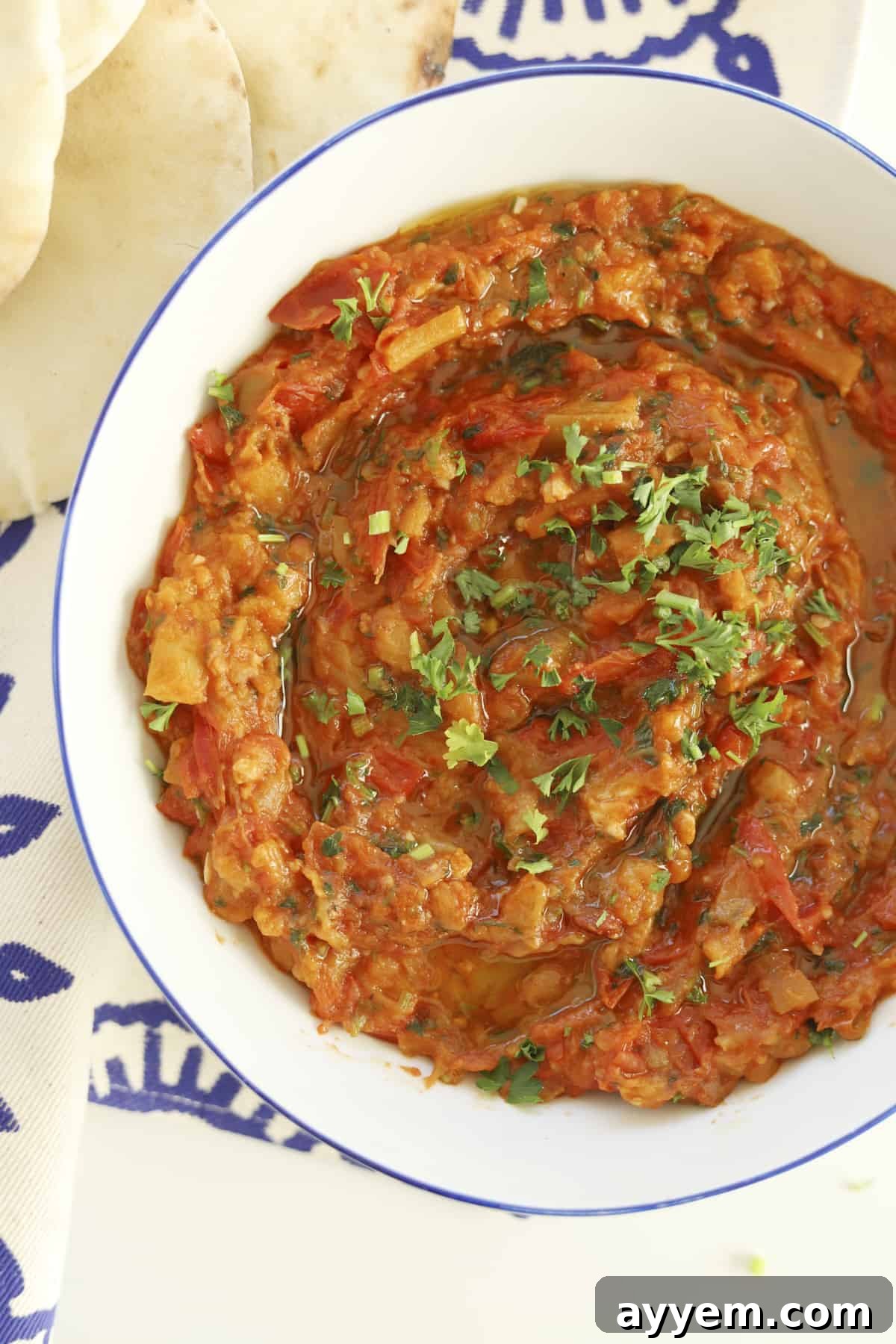
Get ready for an unparalleled culinary journey with this classic Moroccan Zaalouk, a truly plant-based dish that stands as a testament to nutrient-packed excellence! Fresh, healthy vegetables perform a delicate dance with an aromatic blend of herbs and exotic spices, culminating in a dish that is as captivating to the eye as it is delightful to the palate. This traditional Moroccan eggplant and tomato dip offers a burst of Mediterranean flavor that will elevate any meal.
Whether you are a devoted enthusiast of authentic Moroccan cuisine or simply seeking to infuse your dining experience with vibrant new tastes, Zaalouk is an absolutely irresistible choice. Serve it generously with warm, crusty bread, fresh pita, or fluffy naan for a versatile side dish, a hearty appetizer, or even a fulfilling plant-based main course. Its rich texture and complex flavors make it a staple in healthy, flavorful cooking.
Discovering Moroccan Salads: Beyond the Leafy Green
In Moroccan culinary tradition, salads hold a far more diverse and fascinating role than their Western counterparts. While American salads are often characterized by layers of crisp, cold leafy greens and raw vegetables, Moroccan salads frequently defy this convention. It’s a common misconception that salads always mean cold, raw produce. In Morocco, many salads are cooked, simmered, and served at varying temperatures – hot, cold, or even at a comforting room temperature. This distinctive approach transforms them into dishes that often resemble rich dips, vibrant spreads, or hearty vegetable stews, brimming with deep flavors and aromatic spices.
A typical Moroccan meal is a symphony of flavors, often featuring anywhere from one to three different types of these unique salads as integral side dishes. Each salad brings its own distinct character, showcasing a wide array of ingredients, tastes, and seasoning profiles. However, a recurring and beloved combination found in many of these cooked salads, including the star of our discussion, Zaalouk, is the harmonious pairing of tender eggplant and succulent tomatoes. This foundation forms the base for countless delicious variations, making Moroccan cuisine endlessly exciting and wonderfully healthy.
What Exactly is Zaalouk? An Authentic Moroccan Eggplant and Tomato Dip
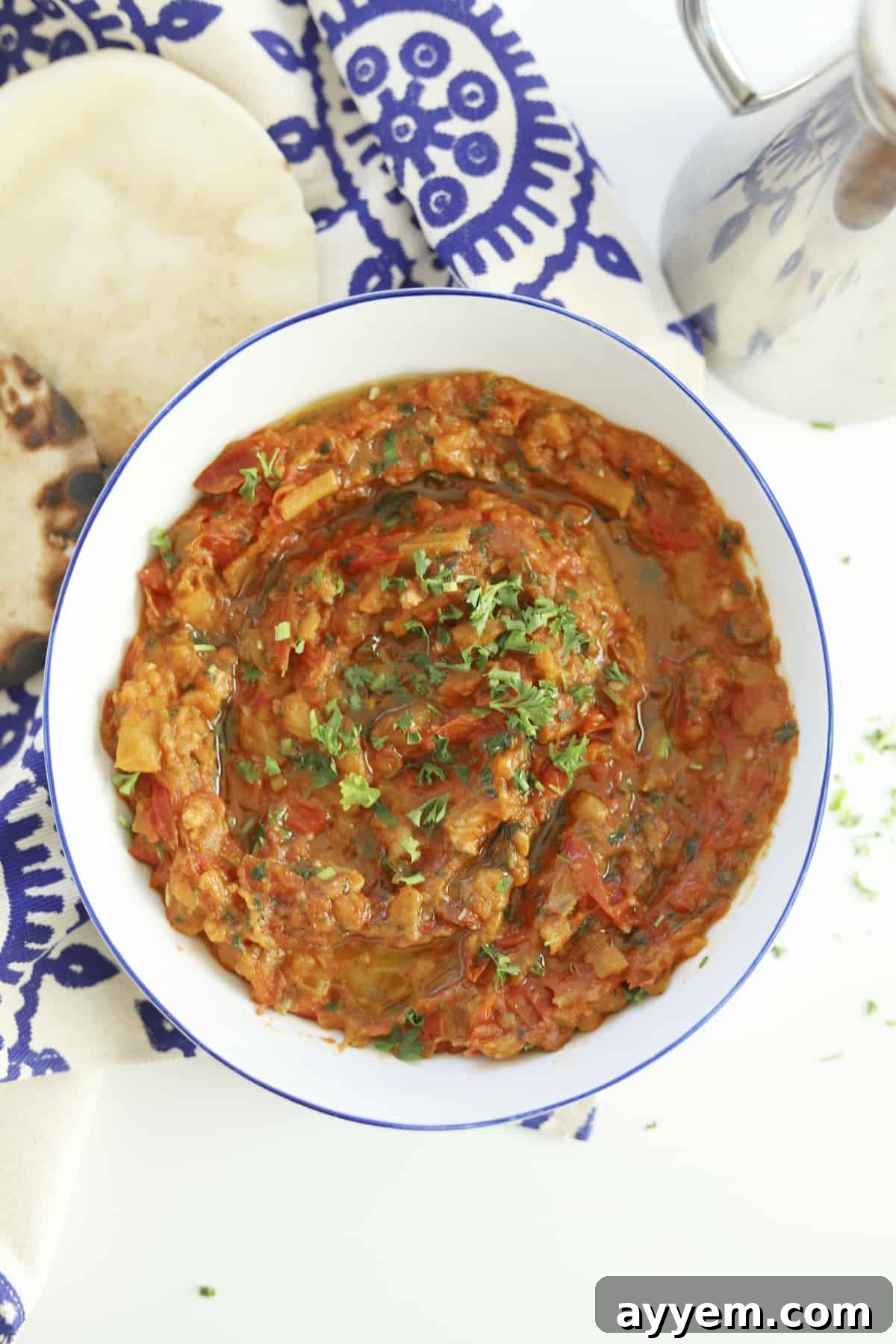
As you may have gathered, Zaalouk is not just any dip; it is a beloved and iconic Moroccan cooked salad or spread, often affectionately referred to as Moroccan eggplant dip. At its heart, Zaalouk is defined by the masterful combination of tender eggplant and ripe tomatoes, slow-simmered to perfection. This core duo is then elevated by a carefully selected medley of fresh herbs and exotic spices, creating a truly unique and deeply satisfying flavor profile that is both savory and incredibly aromatic. It’s a dish that beautifully embodies the rich culinary heritage of Morocco.
The magic of Zaalouk lies in the transformation of these humble ingredients into something extraordinary. The slow cooking process allows the eggplant to break down into a wonderfully soft, almost creamy texture, while the tomatoes release their sweet and tangy juices, creating a rich sauce. The secret to achieving the perfect Zaalouk lies in how the eggplant is prepared initially. Whether it’s roasted, boiled, or grilled, this initial step is crucial for developing the foundational flavors and textures that make Zaalouk so exceptionally tasty and a true staple in Moroccan kitchens.
This traditional dish is not just food; it’s an experience. It’s naturally vegan, gluten-free, and packed with fiber and nutrients, making it an excellent choice for a healthy lifestyle. Its versatility means it can grace your table as a sophisticated appetizer, a vibrant side dish, or even a light, wholesome meal on its own. The depth of flavor, combined with its ease of preparation, makes the Moroccan Zaalouk Recipe a must-try for anyone looking to explore the delights of North African cuisine.
Essential Ingredients for Your Zaalouk
Crafting an authentic Moroccan Zaalouk begins with a selection of simple, wholesome ingredients, many of which are likely already residing in your pantry. The true artistry of this dish, however, comes from understanding how each component contributes to its overall character and allowing for personal touches to make it uniquely yours. While the core ingredients remain consistent, the quality of your produce and spices will significantly impact the final flavor. Here’s a detailed look at the essentials:
- Eggplant: The foundational ingredient, providing a rich, tender base. Look for firm, glossy eggplants without blemishes.
- Tomatoes: These add a crucial tangy sweetness and moisture, forming a delicious sauce as they cook down. Ripe, juicy tomatoes are key.
- Water: Essential for simmering the vegetables, helping them soften and meld their flavors.
- Cumin: A cornerstone of Moroccan spice blends, imparting a warm, earthy, and slightly pungent aroma.
- Smoked Paprika: Adds a beautiful color, a touch of gentle heat, and a subtle smoky depth that complements the eggplant perfectly.
- Salt: Balances and enhances all the other flavors, drawing out the natural sweetness of the vegetables.
- Pepper: A dash of black pepper provides a subtle kick and further rounds out the spice profile.
- Olive Oil: A generous amount of good quality olive oil is vital for both cooking and finishing the dish, contributing to its luscious texture and authentic Mediterranean flavor.
- Fresh Parsley: Offers a burst of freshness, a vibrant green color, and a herbaceous counterpoint to the rich, cooked vegetables.
- Garlic: Minced garlic provides an indispensable pungent aroma and savory depth that is characteristic of Moroccan cooking.
Beyond these staples, feel free to explore and personalize. Some cooks might add a pinch of cayenne for extra heat, a touch of preserved lemon for tang, or fresh cilantro for an alternative herbaceous note. The beauty of Zaalouk lies in its adaptability, inviting you to experiment and discover your favorite rendition.
Flavorful Variations and Eggplant Preparation
While the fundamental ingredients of Zaalouk remain consistent, the dish offers wonderful flexibility, allowing home cooks to imbue it with their personal flair. Some chefs might adjust the precise ratio of eggplant to tomato, creating a dip that’s either more robust with eggplant or brighter with tomato. Spice combinations can also vary subtly, with additions like a pinch of cayenne pepper for heat or a whisper of turmeric for earthy warmth and color. However, one of the most significant and exciting ways to customize your Zaalouk is through the initial preparation of the eggplant itself.
The method you choose to cook the eggplant before combining it with the other ingredients will impart distinct flavors and textures to your final Zaalouk. Each technique—roasting, boiling, or grilling—offers a unique culinary signature, and all are equally delicious in their own right. Experimenting with these methods can lead to delightful discoveries and help you find your preferred style of Zaalouk.
Mastering Eggplant for Zaalouk: Three Essential Methods
The way you prepare your eggplant is paramount to the flavor and texture of your Zaalouk. Each method draws out different characteristics, offering a unique foundation for your delicious dip. Here are three popular and effective ways to get your eggplant ready:
Roasting for Depth: For a deeply caramelized flavor and tender interior, roasting is an excellent choice. Begin by slicing your eggplant into uniform pieces – rounds or cubes work well. Drizzle them generously with good quality olive oil, ensuring each piece is lightly coated. Spread the eggplant in a single layer on a parchment-lined baking sheet to prevent sticking and promote even cooking. Roast in a preheated oven at 450° Fahrenheit (230°C) for approximately 20-25 minutes. Make sure to flip the eggplant halfway through to achieve beautiful browning and softness on all sides. This method brings out a lovely sweetness and a slightly charred edge that adds complexity.
Boiling for Tenderness: If you prefer a very soft, melt-in-your-mouth eggplant that easily mashes, boiling is the way to go. Bring a large pot of salted water to a rolling boil. Add your chopped eggplant pieces and cook for 12-15 minutes, or until they are exceptionally soft and easily pierced with a fork. It’s crucial not to overcook to the point of complete disintegration, but rather until they are tender enough to mash without resistance. Drain the boiled eggplant thoroughly to remove any excess water, which could dilute the flavor of your Zaalouk.
Grilling for Smokiness: To infuse your Zaalouk with a wonderful smoky aroma and a slightly firmer texture, grilling is an unbeatable option. Slice the eggplant into substantial rounds or planks, about half an inch thick. Brush both sides liberally with olive oil and season with salt and pepper. Place the slices on a preheated grill over medium-high heat. Grill for a few minutes on each side, until the eggplant is tender with distinctive char marks. The smoky notes from the grill will add an incredible dimension to your finished dip.
*Chef’s Note: Don’t hesitate to experiment further! Varying the size and shape of your eggplant pieces can influence the final texture – smaller pieces will cook faster and integrate more seamlessly, while larger chunks will result in a more rustic, textured Zaalouk. Similarly, adjusting the amount of olive oil used during the preparation and final garnish can fine-tune the richness of your dish. Feel free to explore and customize to your taste!
Crafting Your Own Moroccan Zaalouk: A Simple Step-by-Step Guide
Creating this authentic Moroccan eggplant dip is surprisingly straightforward, proving that extraordinary flavors don’t always require complicated techniques. This recipe is designed for ease and accessibility, ensuring a delicious outcome every time. Just follow these simple, easy-to-understand instructions, and you’ll soon be enjoying a taste of Morocco:
- Prepare Your Vegetables: Begin by preparing your main ingredients. Peel and chop the large eggplant into bite-sized pieces. Dice the fresh tomatoes. Mince the garlic cloves finely. Consistency in chopping will help ensure even cooking.
- Combine Ingredients in a Pot: Transfer all the prepared eggplant, chopped tomatoes, minced garlic, along with water, cumin, smoked paprika, salt, pepper, and olive oil into a large, heavy-bottomed pot or Dutch oven. Ensure all ingredients are well combined before proceeding.
- Simmer to Perfection: Place the pot over medium-high heat. Bring the mixture to a gentle boil, then reduce the heat to a simmer. Cover the pot and let the ingredients cook for approximately 20 minutes. During this time, the eggplant and tomatoes will soften beautifully, and the flavors will meld together. Remember to stir occasionally to prevent sticking and ensure even cooking. The liquid should reduce, resulting in a rich, thick consistency.
- Achieve Desired Consistency (Optional): After simmering, you’ll have a hearty, chunky mixture. If you prefer a smoother, more dip-like consistency, gently crush the ingredients with a wooden spoon, a potato masher, or even an immersion blender directly in the pot. Mash to your desired texture – some prefer it nearly pureed, while others enjoy a more rustic, chunky Zaalouk.
- Finish and Serve: Once your Zaalouk has reached your desired consistency, stir in the fresh chopped parsley. Give it a final taste test and adjust seasonings if necessary. Serve warm or at room temperature with your favorite crusty bread, pita, or as a vibrant side dish.
Finding Your Perfect Zaalouk Consistency
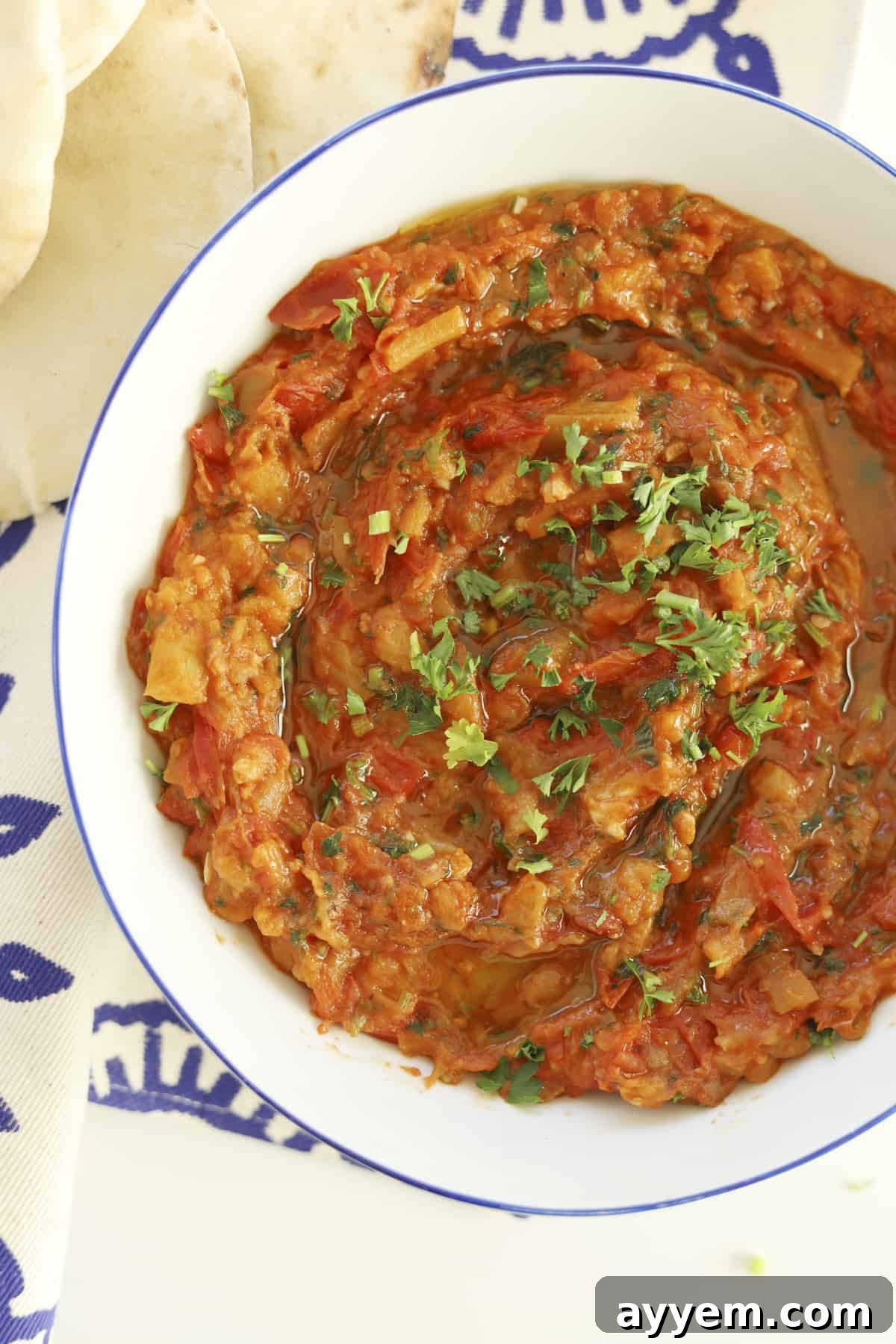
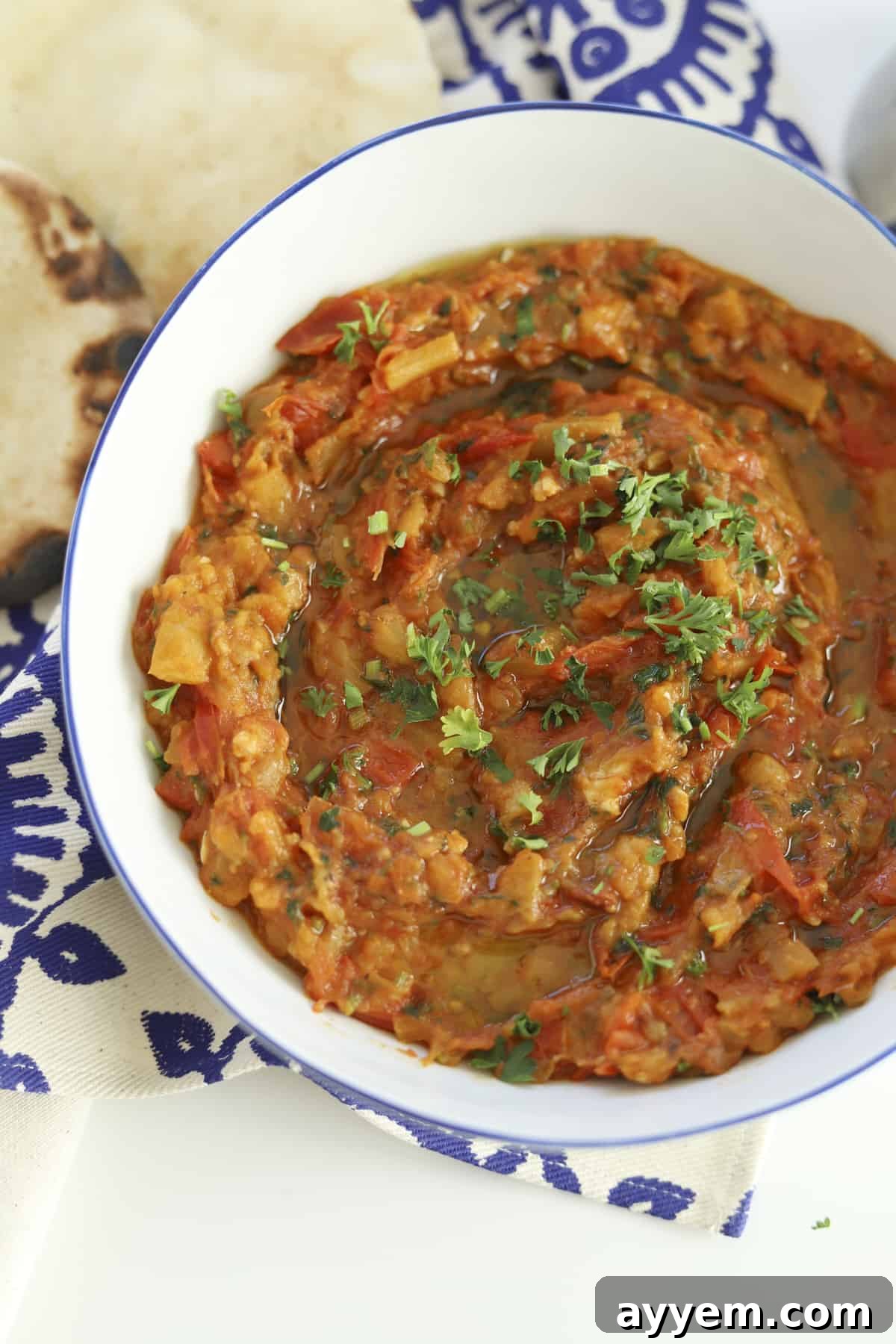
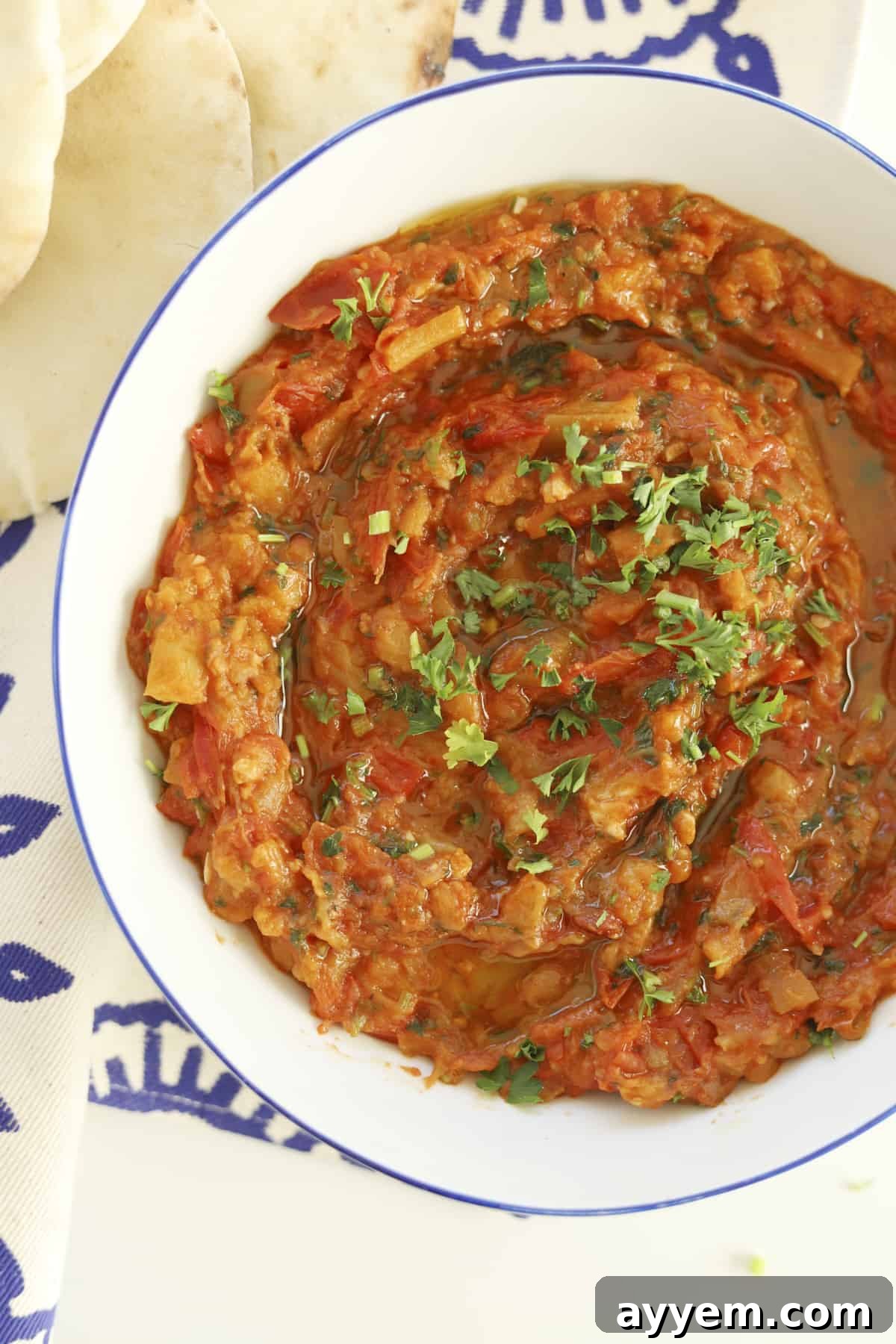
One of the beautiful aspects of making Zaalouk is that there’s no single “correct” consistency; it’s entirely up to your personal preference! This dish offers wonderful versatility in texture, allowing you to customize it to suit your palate and how you plan to serve it. We often lean towards a slightly chunkier Zaalouk in our kitchen. We achieve this by only lightly mashing the ingredients, preserving some of the distinct pieces of eggplant and tomato, which adds a lovely rustic feel and satisfying bite.
However, if you envision a smoother, more refined texture – perhaps something akin to a spread or a classic dip – you can absolutely take it further. Using a potato masher, the back of a wooden spoon, or even an immersion blender, you can thoroughly crush and blend the cooked vegetables until they form a paste-like, uniform consistency. A smoother Zaalouk is fantastic for spreading on flatbreads or using as a base in wraps. Ultimately, the choice is yours, and experimenting with different levels of mashing is part of the fun in discovering your perfect Zaalouk!
Creative Ways to Serve Your Delicious Zaalouk
Zaalouk is an incredibly versatile dish that can enhance almost any meal, making it a beloved staple in Moroccan cuisine. While traditionally served as an appetizer or side, its rich flavors and hearty ingredients mean it can play many roles on your table. Here are some of our favorite ways to enjoy this vibrant eggplant and tomato dip:
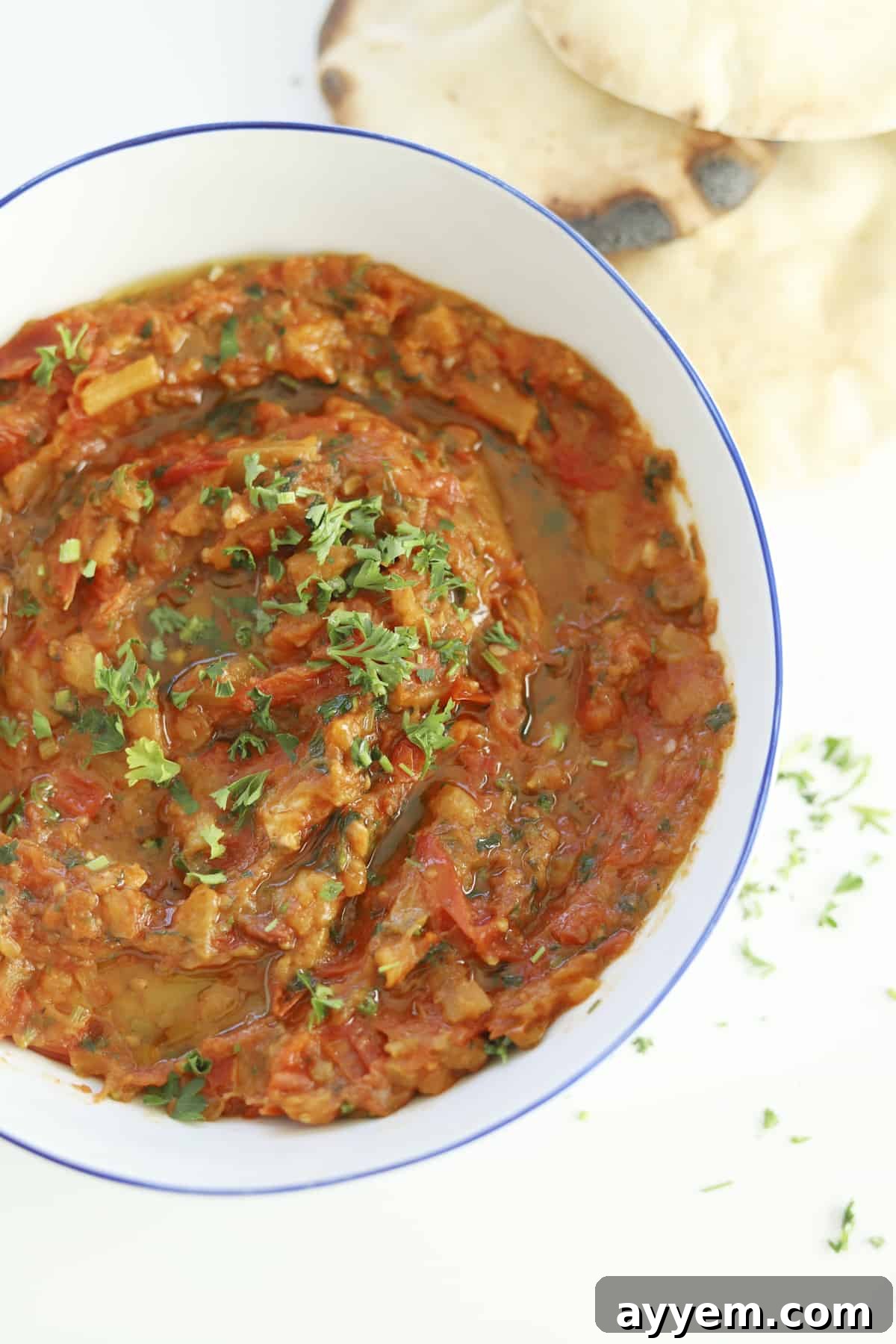
- The Classic Companion: The most traditional and arguably best way to enjoy Zaalouk is with a generous side of crusty bread. Moroccan khobz (flatbread) is ideal, but a good rustic baguette, a chewy pita, or warm naan also make perfect vehicles for scooping up every last bit of this flavorful dip.
- Part of a Mezze Platter: Elevate your entertaining by including Zaalouk on a Mediterranean-inspired mezze or tapas spread. Pair it with other dips like hummus or baba ganoush, olives, fresh vegetables, and cheese for a feast of flavors and textures.
- A Side to Main Courses: Zaalouk makes an excellent accompaniment to grilled meats like chicken or lamb, pan-seared fish, or even hearty stews and tagines. Its vibrant, savory profile complements rich proteins beautifully.
- Breakfast or Brunch Booster: Don’t limit Zaalouk to lunch or dinner. It’s fantastic alongside eggs, whether scrambled, poached, or fried. Spread it on toast or pair it with a fresh omelet for a wonderfully flavorful start to your day.
- Sandwich and Wrap Filling: Use Zaalouk as a flavorful spread inside sandwiches, wraps, or paninis. It adds moisture, depth, and a healthy dose of vegetables to your everyday lunch. It’s particularly good with grilled halloumi or falafel.
- Topping for Grains: Spoon Zaalouk over a bed of couscous, quinoa, or rice for a simple yet satisfying vegetarian meal. It transforms plain grains into a flavorful and nutritious dish.
- Garnish and Presentation: Always finish your Zaalouk with a generous swirl of extra virgin olive oil and a fresh sprinkle of chopped parsley. For an extra touch of color and a hint of spice, a light dusting of smoked paprika can also be added just before serving.
Storage and Meal Prep Made Easy
One of the many benefits of Zaalouk is its excellent shelf life and suitability for meal preparation. It often tastes even better the next day as the flavors have more time to meld and deepen, making it a fantastic dish to prepare ahead of time. Here’s how to store it effectively:
- Refrigerator Storage: To store your freshly made Zaalouk, simply transfer it to an airtight container. It will keep beautifully in the fridge for up to 4 days. This makes it perfect for prepping on a Sunday and enjoying throughout the week.
- Freezer Storage: For longer-term storage, Zaalouk freezes exceptionally well. Place it in a freezer-safe, airtight container or a heavy-duty freezer bag. It can be stored in the freezer for up to 3 months without significant loss of flavor or texture.
- Thawing Instructions: When you’re ready to enjoy your frozen Zaalouk, transfer the container from the freezer to the refrigerator and allow it to thaw overnight. This gentle thawing process helps maintain the texture and integrity of the dish.
- Reheating Tips: If you prefer to serve your Zaalouk warm, simply heat it gently in a saucepan on the stovetop over low to medium heat, stirring occasionally, until it is warmed through. You might find that the flavors have intensified during storage, so taste and adjust the seasonings as needed before serving. A fresh drizzle of olive oil and a sprinkle of parsley will revive its freshness.
Having Zaalouk prepped and ready means you always have a healthy, flavorful dip or side dish on hand, making healthy eating both convenient and delicious.
To Lemon or Not to Lemon? The Zaalouk Zest Debate
The question of whether to include a squeeze of fresh lemon juice in your Zaalouk is a matter of personal preference, and there’s no right or wrong answer. In Moroccan cuisine, acidity often plays a crucial role, brightening flavors and adding a fresh counterpoint to rich dishes. A dash of lemon juice can introduce a lovely tanginess that cuts through the richness of the eggplant and tomatoes, lending a vibrant, zesty finish to the dish.
However, many traditional Zaalouk recipes, including our preferred version, omit lemon altogether. The natural acidity of the tomatoes, combined with the earthy spices, often provides a perfectly balanced flavor profile that doesn’t necessarily require additional tartness. The beauty of Zaalouk is its inherent simplicity and the harmony of its core ingredients.
We encourage you to try the recipe first without lemon to appreciate its classic, unadulterated taste. Then, if you’re inclined, experiment by adding a small squeeze of fresh lemon juice to a portion of the Zaalouk. Taste it, and decide if that added tangy kick enhances your experience. It’s a fantastic way to personalize the dish and truly make it your own!
Common Questions About Moroccan Zaalouk
How do you eat Zaalouk?
Zaalouk is incredibly versatile and can be enjoyed in numerous ways. Traditionally, it’s scooped up with warm bread, especially Moroccan khobz, but pita or naan also work wonderfully. It can be served as a flavorful side dish alongside grilled meats, fish, or tagines, or as part of a larger spread of Moroccan salads and dips. Many Moroccans enjoy it at room temperature, allowing its complex flavors to fully develop. You can also spread it on sandwiches, spoon it over couscous or rice, or even serve it as a vibrant topping for eggs at breakfast or brunch. Its rich texture and savory taste make it a delightful addition to any meal.
Is Zaalouk served hot or cold?
Zaalouk is typically served at room temperature or slightly chilled. While it’s cooked warm, it’s usually allowed to cool down before serving, which allows the various flavors to meld and deepen beautifully. This makes it an ideal dish for preparing ahead of time, as its taste often improves with a little rest. Some people do enjoy it slightly warm, particularly during colder months, but the traditional preference is to let it cool to allow the eggplant and spices to fully absorb and showcase their rich aromas.
What’s the difference between Zaalouk and Baba Ganoush?
While both Zaalouk and Baba Ganoush are popular eggplant dips, they originate from different culinary traditions and boast distinct flavor profiles. Baba Ganoush, a staple of Levantine cuisine, is characterized by its smoky roasted eggplant, tahini (sesame paste), lemon juice, and garlic, giving it a creamy, nutty, and slightly tart taste. Moroccan Zaalouk, on the other hand, highlights the harmonious blend of simmered eggplant and ripe tomatoes, seasoned with a unique Moroccan spice blend featuring prominent notes of cumin and paprika, and fresh parsley. It typically does not contain tahini, resulting in a different texture and a richer, more savory tomato-based flavor.
Is Zaalouk vegan?
Yes, Zaalouk is naturally vegan, making it a wonderful plant-based option for everyone to enjoy! It is entirely free from animal products, relying on the wholesome goodness of vegetables like eggplant and tomatoes, combined with olive oil, fresh herbs, and aromatic spices for all its incredible flavor. This makes it an excellent choice for vegan diets, plant-based meal planning, or as an inclusive dish for guests with various dietary preferences. Furthermore, it is also typically gluten-free, adding to its appeal for those with dietary restrictions.
Moroccan Zaalouk Recipe
Food Dolls
4 servings
20 mins
20 mins
40 mins
Ingredients
- 1 large eggplant, peeled, chopped
- 2 cups tomatoes, chopped
- 3 cloves minced garlic
- ¼ cup water
- ½ teaspoon cumin
- ½ teaspoon smoked paprika
- 1 teaspoon salt
- ½ teaspoon pepper
- 3 Tablespoons olive oil
- ¼ cup chopped parsley
Instructions
- Prepare the eggplant and tomato.
- Combine all of the ingredients in a large pot.
- Cover, and let simmer over medium-high heat for 20 minutes or until the liquids have reduced, stirring occasionally.
- Use a spoon or potato masher to slightly crush the eggplant and tomato, if desired, for a smoother consistency.
- Serve with crusty bread.
Nutrition
Nutrition information is automatically calculated, so should only be used as an approximation.
Like this recipe?
Please leave a comment!
Have you ever had the pleasure of trying Zaalouk before? If you decide to give our detailed version a shot, we would absolutely love to hear your thoughts and experiences! Please share what you think in the comments section below. Your feedback helps us connect and inspires other home cooks to discover the incredible flavors of Moroccan cuisine.