
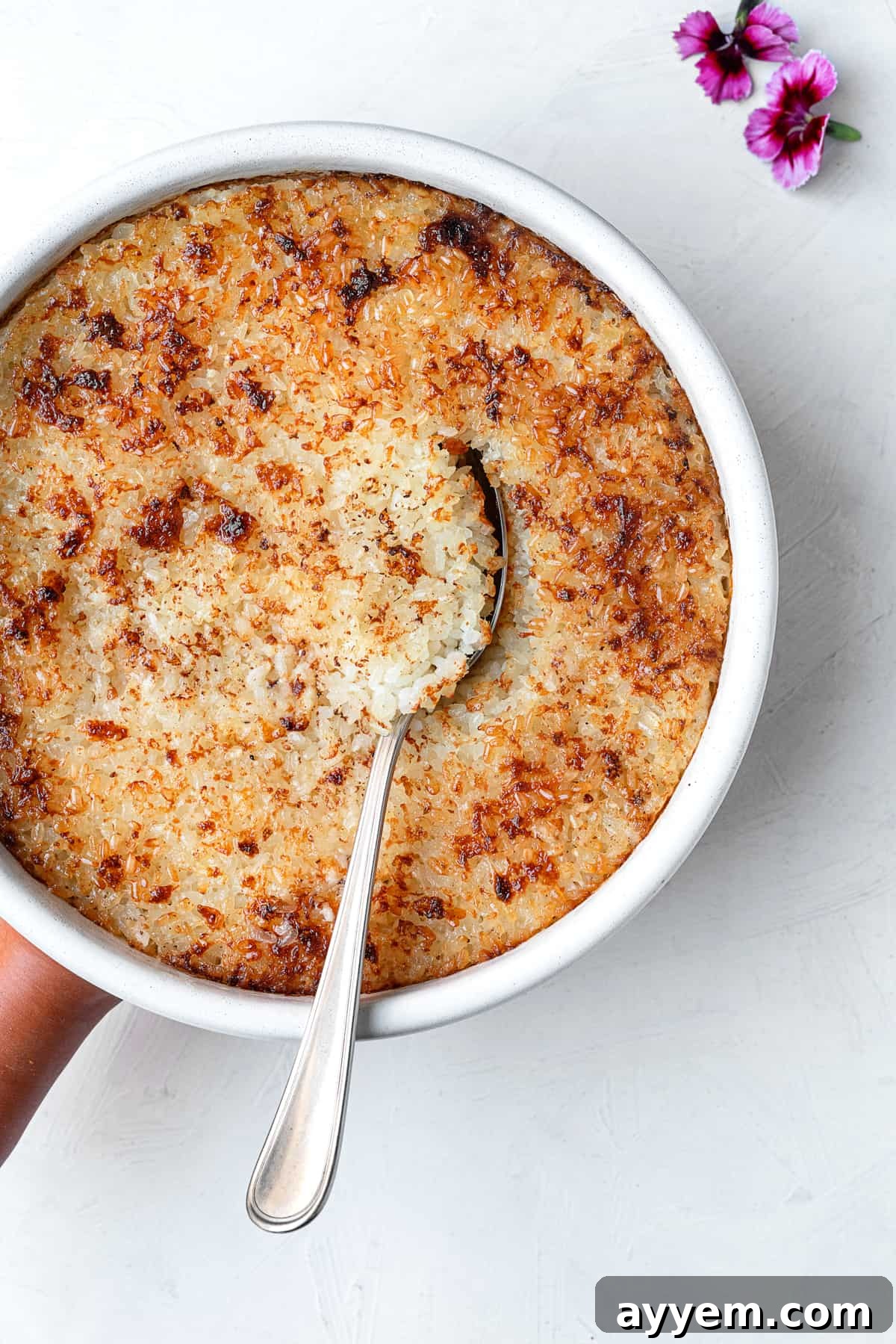
Experience the ultimate comfort food with our authentic Egyptian Baked Rice, lovingly known as Roz Maamar. This cherished savory dish, a staple in Egyptian households for generations, offers a symphony of textures and flavors. Imagine a golden, crispy exterior giving way to an incredibly tender, creamy interior, infused with rich butter and luscious clotted cream. It’s more than just a side dish; it’s a culinary journey to the heart of Egypt, a dish we grew up savoring and are thrilled to share with you. Simple yet profoundly satisfying, Roz Maamar is a testament to the magic of humble ingredients transformed into something truly extraordinary.
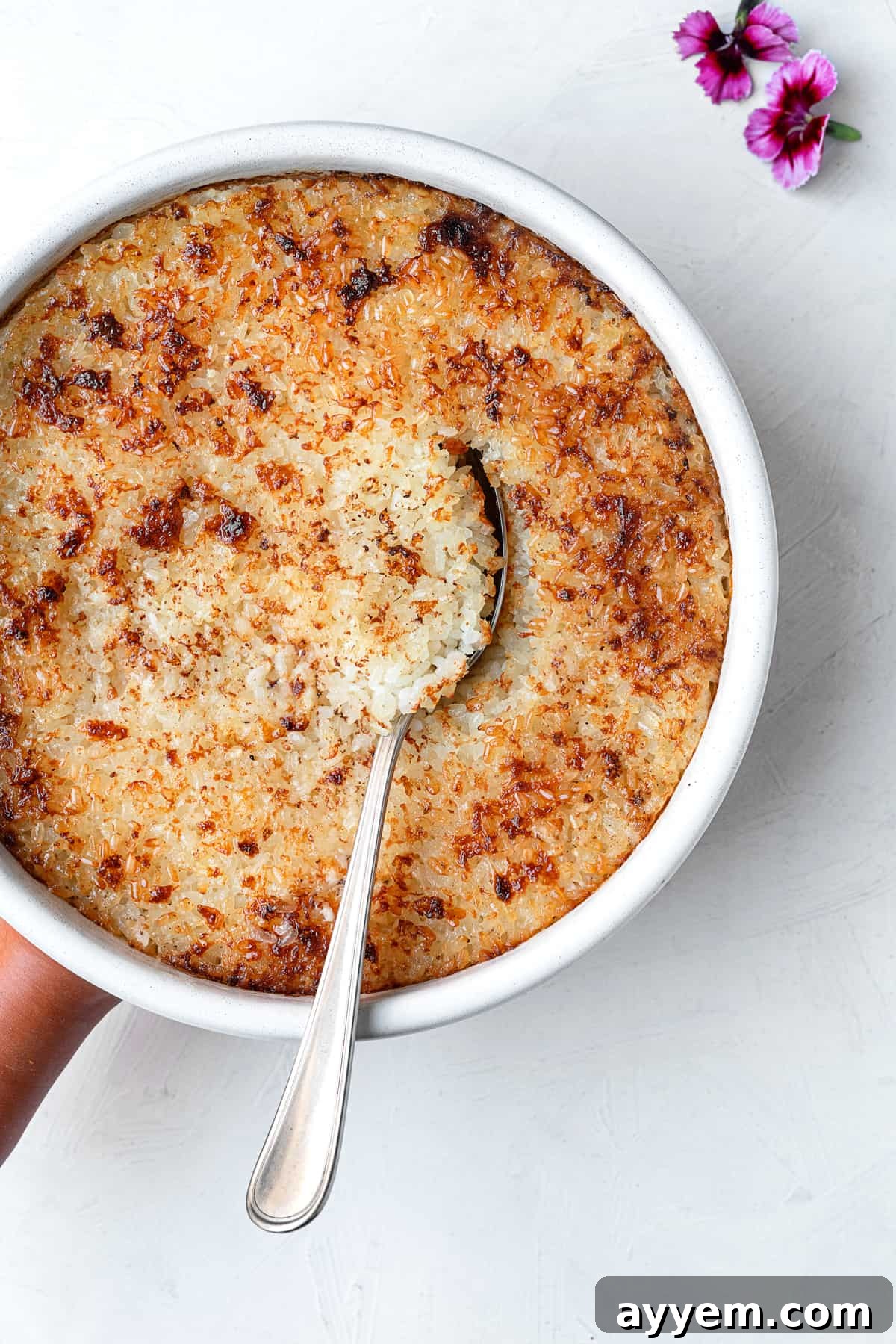
What Is Roz Maamar? An Egyptian Culinary Treasure
Roz Maamar, pronounced “Rōz Ma’āmar,” translates literally to “aged rice” or “cultivated rice,” reflecting its deep roots in Egyptian agricultural heritage. This iconic dish is a beloved part of Egyptian cuisine, particularly prevalent in the southern regions of the country. Unlike typical rice preparations, Roz Maamar is traditionally baked in a special clay pot known as a “bram” (برام), which imparts a unique earthy flavor and helps create its signature crispy crust. This isn’t just an everyday meal; it’s a dish reserved for significant events and festive gatherings.
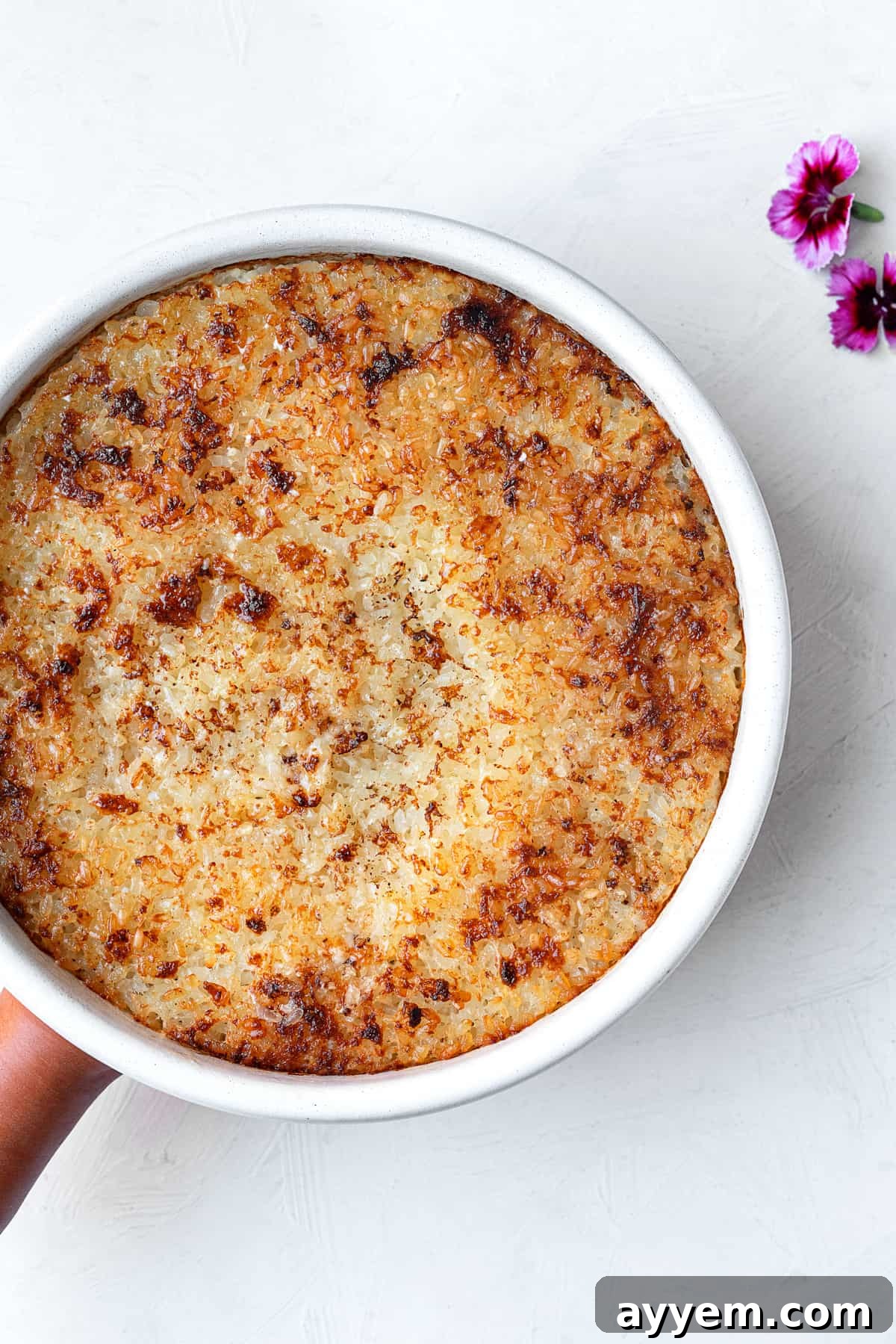
From joyous weddings and family celebrations to the blessed month of Ramadan, Roz Maamar holds a place of honor on the dining table. Its rich, indulgent character comes from generous amounts of full-fat butter and luxurious cream, making it a hearty and deeply satisfying accompaniment to any meal. While many rice dishes exist worldwide, Roz Maamar stands out due to its distinctive baking method and the opulent creaminess achieved through carefully selected ingredients. It’s a dish that embodies warmth, tradition, and hospitality, offering a luxurious flavor that, we promise, is well worth every delightful calorie.
Essential Ingredients for Savory Egyptian Baked Rice
The magic of Roz Maamar lies in the quality and combination of its core ingredients. Each component plays a vital role in achieving that perfect balance of crispy texture and creamy tenderness that makes this dish so irresistible.
Short Grain Rice: This is the foundation of our Roz Maamar. Short grain rice varieties, like authentic Egyptian rice or even Arborio rice, are essential because they contain a higher starch content compared to long grain varieties. This starch is crucial for achieving the desired plump, sticky, and incredibly soft texture once cooked. Without it, your baked rice simply won’t have the signature creamy mouthfeel we’re aiming for. Remember to rinse your rice thoroughly to remove excess surface starch, which helps prevent it from becoming overly gummy.
Room Temperature Butter: More than just a flavor enhancer, butter is key to the structural integrity and taste of this dish. Using room temperature butter ensures it spreads easily to coat the dutch oven, forming the delicious, crispy, golden-brown coating on the outside of the rice. It also contributes significantly to the rich, savory flavor that defines Roz Maamar.
Sour Cream: A slightly unexpected but brilliant addition, sour cream introduces a subtle tangy flavor that beautifully balances the richness of the butter and creams. Crucially, it also helps to lock in moisture, ensuring the rice remains incredibly soft, fluffy, and tender on the inside. This secret ingredient is what keeps your Roz Maamar from drying out during the long baking process.
Sea Salt and Black Pepper: These fundamental seasonings are not just for taste; they are vital for enhancing and bringing out the complex flavors of all the other ingredients. Proper seasoning ensures every bite is flavorful, so don’t be shy, but always taste and adjust to your preference.
Cream (Heavy Cream and Clotted Cream): In true, opulent Egyptian fashion, this baked rice recipe calls for a generous combination of both heavy cream and clotted cream. Heavy cream provides the necessary liquid for cooking the rice and infuses it with a milky richness. Clotted cream, however, is the secret weapon, delivering an unparalleled depth of flavor and an ultra-creamy, velvety texture that sets this Roz Maamar apart. This double dose of creaminess creates the robust, luxurious profile it’s renowned for.
Beef Broth: While water could cook the rice, beef broth is essential for infusing the dish with an extra layer of savory depth and umami. It ensures the rice cooks thoroughly while imparting a comforting, hearty flavor that complements the richness of the dairy.
Easy Alternatives and Flavorful Add-Ins
While our recipe for Roz Maamar delivers the most authentic and traditional flavor, we understand that sometimes ingredients are hard to find, or you might want to personalize the dish. Here are some easy alternatives and exciting add-ins to make this recipe your own:
If authentic clotted cream is unavailable, you have excellent substitutes. It can be replaced with an equal amount of either extra heavy cream or whole milk for a creamy consistency, though the flavor profile will be slightly less rich. For a closer alternative, creme fraîche works wonderfully, offering a similar tangy richness and thick texture.
Regarding the broth, while we believe beef broth provides the deepest and most traditional savory taste, practically any broth you have on hand can be used. Chicken broth will offer a lighter flavor, while vegetable broth is an excellent choice for a vegetarian version, though it will subtly alter the overall taste.
As for the rice, short grain rice truly provides the best texture. However, if long-grain rice is all you have, it can certainly be used. Just be aware that the final dish might not be quite as sticky, plump, or fluffy, resulting in a slightly different but still delicious outcome.
To transform this sumptuous side dish into a complete and hearty meal, consider adding protein. Tender, slow-braised beef or chicken, cut into bite-sized pieces, can be layered into the Dutch oven before baking. This makes for an incredibly satisfying main course, perfect for a family dinner or special gathering. For an even more luxurious touch, some traditional recipes incorporate small pieces of lamb.
Delving Deeper: What Is Clotted Cream?
If you’re unfamiliar with clotted cream, prepare to discover a truly indulgent ingredient that elevates this dish to new heights. Also known in some regions as Devonshire Cream or Cornish Cream (especially in the UK), clotted cream is a decadent dairy product common not only in the Middle East, particularly in Egypt (where it’s often called “Ishta”), but also in the United Kingdom. Its creation is a fascinating, traditional process: fresh heavy cream is gently heated over a long period, allowing the cream to “clot” and form a thick, golden layer on the surface. This thick layer is then carefully skimmed off, resulting in the rich, velvety product we know as clotted cream.
What makes clotted cream so special is its unparalleled softness, creaminess, and extraordinary richness. It boasts an impressive milk fat content, typically around 48%, which is significantly higher than heavy cream (36% milk fat) and vastly more than whole milk (just 4% milk fat). This high fat content gives it a distinctive, slightly nutty flavor and a luxurious texture that melts in your mouth. While most commonly enjoyed with scones, jam, and tea in the UK, in Egyptian cuisine, clotted cream is a prized ingredient in both sweet and savory dishes, like our Roz Maamar, where its richness contributes significantly to the dish’s signature profile. Once you try it, you’ll understand why it’s considered a delicacy!
Crafting the Perfect Roz Maamar: A Step-by-Step Guide
Creating the best Egyptian Baked Rice is a straightforward process, but a few key steps ensure that delightful crispy crust and tender interior. Follow these instructions carefully for a truly authentic experience:
- To begin, position an oven rack in the middle of your oven and preheat it to 350 degrees Fahrenheit (175°C). This moderate temperature is crucial for allowing the rice to cook evenly without burning, while still achieving a beautiful golden crust.
- Next, meticulously wash your short grain rice. Place the rice in a fine-mesh sieve or a large bowl and rinse it under cold running water, agitating it gently with your fingers. Continue rinsing and draining until the water runs completely clear. Do not skip this essential step! Rinsing removes excess surface starch, which is vital for preventing the rice from becoming overly sticky or gummy during baking, ensuring each grain is perfectly cooked.
- Once the rice is clean and well-drained, transfer it to a mixing bowl. Combine the rice with your measured sea salt and black pepper. Toss gently to ensure the seasonings are evenly distributed throughout the rice. This step ensures that every grain is infused with flavor from the start.
- Prepare your cooking vessel. Generously coat the bottom and sides of a 4-quart Dutch oven (or a similar heavy-bottomed, oven-safe pot) with a thick, even layer of room temperature butter. The butter layer is crucial for developing the irresistible crispy crust. Then, carefully spread the sour cream over the butter layer, ensuring an even coating. These two layers form the base that will prevent sticking and create the delightful texture.
- Now, carefully add the seasoned rice to the prepared Dutch oven, spreading it out evenly. Pour in the heavy cream (or whole milk), dollop the clotted cream over the top, and finally, add the beef broth.
- This next step is critical: be careful not to stir the ingredients vigorously! The layering is important for the texture of the dish. You can gently swirl the Dutch oven a few times to help the liquids settle around the rice, but avoid stirring with a spoon, especially disturbing the butter and sour cream layers at the bottom. This preserves the distinct layers that contribute to the contrasting textures of crispy exterior and tender interior.
- Securely cover the Dutch oven with its lid. Place it in the preheated oven and let it cook undisturbed for exactly 2 hours. The long, slow baking process allows the rice to absorb all the rich liquids, tenderize perfectly, and form that coveted golden crust.
- Once baked, carefully remove the Dutch oven from the oven. To achieve optimal tenderness and to keep the rice wonderfully warm for serving, wrap the entire pot (with the lid still securely on) in a thick blanket or a large, clean towel. Allow it to rest for at least 30 minutes, or even up to 4 hours, before serving. This “blanket method” is a traditional Egyptian secret; the retained heat gently steams the rice further, ensuring every grain is incredibly tender and moist, while maintaining its warmth until you’re ready to enjoy this magnificent dish.
Preventing Overcooked Baked Rice
Yes, it is certainly possible to overcook baked rice, particularly Roz Maamar. The most common pitfall is setting the oven temperature too high. If the heat is excessive, the liquid will evaporate too quickly, and the bottom layer of your rice will begin to caramelize and eventually burn before the rest of the rice has a chance to fully cook and tenderize. This results in a dish with a harsh, bitter burnt crust rather than the desired golden, savory crunch. To avoid this, always stick to the recommended temperature and ensure your Dutch oven has a tight-fitting lid to trap moisture and facilitate even cooking.
Optimal Storage and Reheating for Roz Maamar
One of the beauties of Roz Maamar is its ability to stay warm and delicious for an extended period, making it ideal for entertaining or meal preparation.
If you don’t plan on serving your baked rice immediately after its two-hour bake time, simply employ the traditional “blanket method.” Keep the lid on your Dutch oven, then wrap the entire pot snugly in a thick kitchen towel or a small blanket. This insulates the pot, allowing the residual heat to continue tenderizing the rice and keeping it wonderfully warm and moist for several hours – often up to 4 hours! This makes it a perfect dish to prepare ahead of a gathering.
For longer storage, once your Roz Maamar has cooled to room temperature, transfer it to an airtight container. It can then be stored in the refrigerator for up to 5 days.
When you’re ready to enjoy leftovers, reheating is simple. Place the desired portion of rice in a microwave-safe dish, add a splash of milk or broth to prevent it from drying out, and cover it loosely. Reheat in the microwave until thoroughly warmed through. Alternatively, you can reheat it in a covered oven-safe dish in a moderate oven (around 300°F/150°C) until hot. While freshly made Roz Maamar is always best, leftovers are still incredibly flavorful and satisfying.
Common Questions about Egyptian Baked Rice aka Roz Maamar
Absolutely! Roz Maamar is a deeply ingrained classic in Egyptian cuisine. It’s frequently prepared for special occasions, religious holidays like Eid, family gatherings, and during the holy month of Ramadan, signifying its importance in communal meals and celebrations.
While our traditional recipe calls for beef broth for its deep savory flavor, Roz Maamar can easily be adapted for vegetarians. Simply swap out the beef broth for an equal amount of high-quality vegetable broth. This substitution will slightly alter the overall flavor profile, but the rich, creamy texture, which is a hallmark of this dish, will remain just as delightful.
Despite its luxurious taste and impressive presentation, Roz Maamar is surprisingly simple to prepare. We don’t believe it’s difficult at all! By following our clear instructions and incorporating our helpful tips, you’ll be able to create a perfect Egyptian baked rice dish that will impress your family and friends with minimal effort.
Yes, Roz Maamar is an excellent dish for advance preparation. You can bake the dish up to 4 hours before you plan to serve it. By wrapping the Dutch oven in a blanket or towel (as per our “Taita’s Pro Tip” below), it will stay wonderfully warm and tender. While it can also be made further in advance and reheated, we find that serving it fresh or after a maximum of 4 hours of warming yields the absolute best texture and flavor.
Discover More Irresistible Rice Recipes
If you’ve fallen in love with the comforting versatility of rice, you’re in for a treat! Explore some of our other favorite savory rice recipes that are sure to become staples in your kitchen.
- Surprisingly good for you and bursting with fresh, aromatic flavor, Coconut Turmeric Rice is a delightful vegetarian dish that adds an exotic touch to any meal.
- Seasoned with a harmonious blend of warm spices and vibrant ingredients, Easy Spanish Style Rice is next-level good, perfect as a vibrant side or a light main course.
- The ultimate and easiest way to transform leftover white rice, Wok Fried Rice is packed with colorful veggies and savory goodness, making it an ideal quick and satisfying weeknight meal.
- If you adore the fresh, bright flavors of the Mediterranean as much as we do, this quick and flavorful Greek Rice Bake will undoubtedly impress and delight your palate!
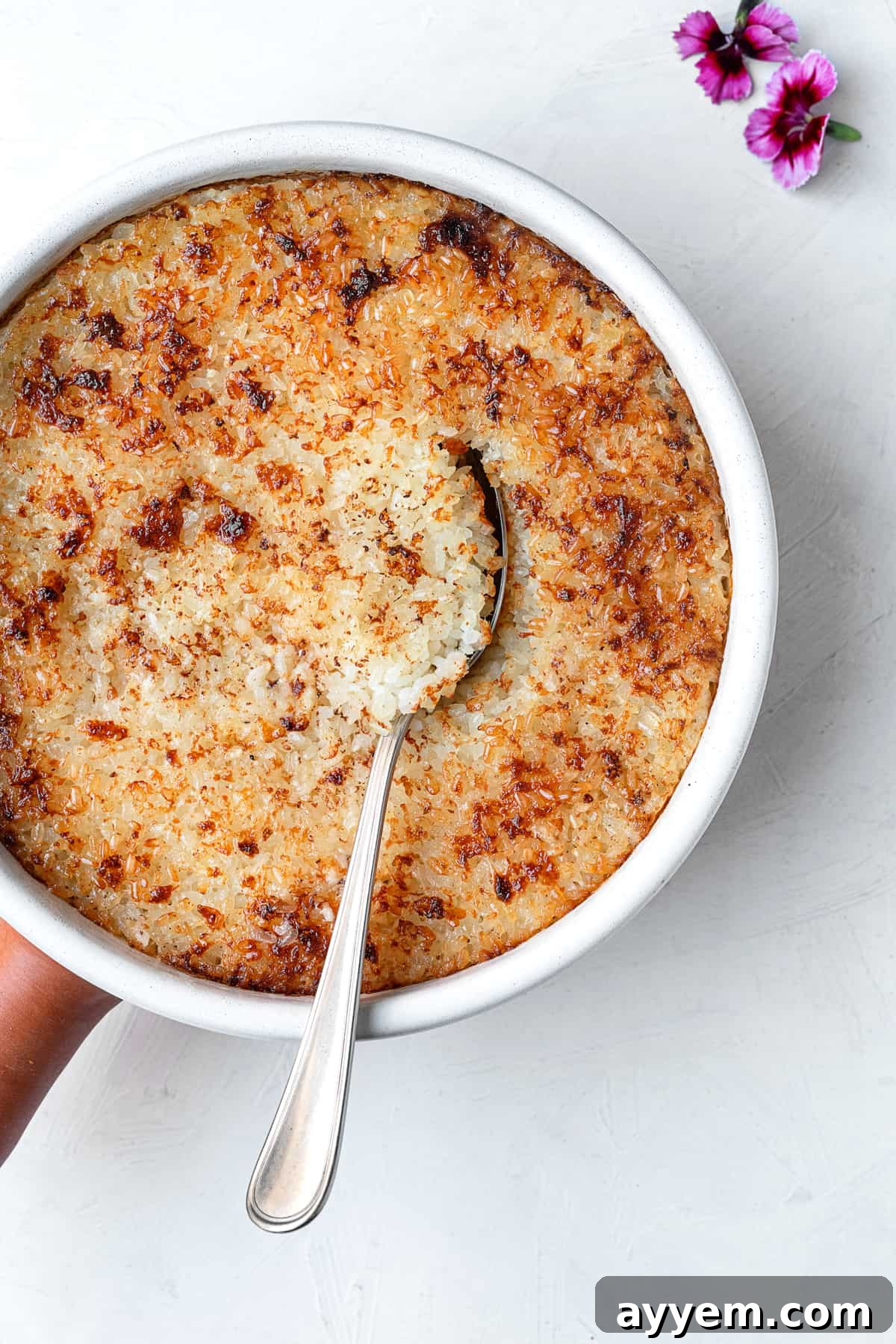
Egyptian Baked Rice Recipe (Roz Maamar)
Print Recipe
Email Recipe
Ingredients
- 4 cups short grain rice
- 1 Tablespoon sea salt
- 2-3 teaspoons black pepper more or less to taste
- 8 Tablespoons room temperature butter
- 1 cup sour cream
- 1 cup heavy cream or whole milk
- 1 cup *clotted cream aka ishta
- 2 cups beef broth
Instructions
-
Preheat oven to 350 degrees Fahrenheit (175°C).
-
Wash the short grain rice thoroughly under cold running water until the water runs clear. This step is crucial for preventing gummy rice!
-
In a bowl, combine the washed rice with sea salt and black pepper. Mix well to ensure the seasoning is evenly distributed.
-
In a 4-quart Dutch oven, add the room temperature butter and spread it thickly across the bottom and up the sides. Then, add the sour cream and spread it evenly over the butter layer.
-
Carefully add the seasoned rice to the Dutch oven. Then, pour in the heavy cream (or whole milk), dollop the clotted cream over the top, and finally, add the beef broth. Do not stir these ingredients together aggressively. You can gently swirl the pot to help distribute the liquids, but avoid disturbing the distinct layers at the bottom. Cover the Dutch oven tightly with its lid.
-
Bake in the preheated oven for 2 hours. Once done, remove from the oven and, with the lid still on, immediately wrap the Dutch oven in a large, thick blanket or towel. Let it rest for at least 30 minutes, or up to 4 hours, before serving. This traditional method helps the rice tenderize beautifully and keeps it warm for an extended period. Taita’s (Grandma’s) Pro Tip: Prepare this dish a few hours ahead, tightly wrap it in a blanket or towel, and it’ll be perfectly warm and ready to serve whenever desired!
Video
Equipment
Chef’s Notes and Tips
Important Notes:
– The Blanket Method: If you’re not serving the Roz Maamar right away, employ the traditional blanket method mentioned in the instructions. Wrapping the covered Dutch oven in a thick blanket or towel is key! This clever technique allows the pot to retain its temperature for hours, while the trapped steam continues to tenderize the rice, ensuring it remains incredibly soft, moist, and warm until you’re ready to enjoy. It might sound unusual, but it’s an age-old secret for perfect results!
– Clotted Cream Substitute: Should you find clotted cream difficult to source, you can successfully substitute it with additional heavy cream or whole milk. While the flavor profile will be slightly different, the dish will still maintain its wonderful creamy texture.
– Adding Protein: For a heartier main course, you can incorporate tender, pre-braised beef, chicken, or lamb into the dish. Simply layer the cooked meat alongside the rice before baking to infuse it with all the delicious flavors.
– Oven Temperature Adjustment: Our initial tests used a baking temperature of 375°F (190°C), which worked well in our oven. However, feedback indicated that this was sometimes too high for other ovens, leading to an overly crispy or even burnt rice bottom. We now recommend 350°F (175°C) to ensure a more universally consistent result with a perfectly golden crust and tender interior. Always know your oven and adjust accordingly if needed.
Nutrition Information (per serving)
Nutrition information is automatically calculated, so should only be used as an approximation.
Additional Tips for Success:
– Dutch Oven Alternatives: If you don’t possess a specific Dutch oven, any heavy-bottomed, oven-safe enameled pot with a tight-fitting lid will work beautifully to achieve similar results. The key is its ability to retain and distribute heat evenly.
– The Magic of the Blanket: As highlighted in our instructions, the step of wrapping your covered Dutch oven in a blanket or thick towel after baking is not to be underestimated. This creates a self-steaming environment, allowing the rice to continue cooking gently to ultimate tenderness while staying perfectly warm for hours. It’s a traditional “Taita’s” (grandma’s) secret that truly makes a difference in the final texture.
– Customizing with Protein: Elevate your Roz Maamar by adding pre-cooked, tender braised beef or chicken. Simply layer the meat pieces into the Dutch oven along with the rice and liquids before baking. This transforms the dish into a hearty, complete meal.
– Oven Temperature Insight: We originally tested this recipe at 375 degrees F. While it yielded excellent results in our test kitchen, we received feedback that this temperature could be too high for some ovens, potentially leading to an overly crispy or burnt bottom layer. To ensure consistent success for all home cooks, we’ve adjusted the recommended temperature to 350 degrees F. This lower temperature still achieves a beautiful golden crust while guaranteeing a perfectly tender and moist interior. Always remember to adjust cooking times slightly based on your oven’s unique characteristics.
Embrace the rich flavors and comforting textures of this authentic Egyptian Baked Rice (Roz Maamar). It’s a dish that promises to bring warmth and tradition to your table, whether for a special occasion or a delightful family meal.