

There’s a reason why the Starbucks Lemon Loaf has achieved cult-classic status among cafe goers: it’s an irresistible symphony of bright, citrusy flavor and unbelievably moist texture, topped with a sweet, tangy lemon glaze that simply melts in your mouth. For many, it’s a non-negotiable treat that brightens any day. But what if you could recreate that magic at home, making a version that’s not just comparable, but arguably even better than the original? Imagine enjoying that perfect slice of iced lemon loaf without the drive-thru wait or the premium price tag.
This Copycat Starbucks Lemon Loaf recipe is designed to deliver precisely that experience. Crafted with readily available ingredients, this recipe streamlines the baking process, ensuring a perfectly sweet, intensely lemony, and incredibly moist loaf is ready in a fraction of the time it takes to make a coffee run. It’s a delightful journey from your kitchen to a bakery-quality treat, promising satisfaction with every zesty bite.

The Enduring Appeal of Starbucks Lemon Loaf: A Deeper Dive
If you’ve ever indulged in the delightful experience of a slice of iced lemon loaf from Starbucks, you understand its widespread appeal. It’s more than just a sweet pastry; it’s a sensory delight. The loaf itself boasts a light, ethereal crumb, a characteristic moistness that prevents any dryness, and a harmonious balance of sweetness punctuated by a vibrant lemon tang. It’s this unique combination that has solidified its place as a beloved staple, making it worth every single indulgence.
However, frequent trips to satisfy those cravings can quickly add up. Driven by a desire to enjoy this iconic dessert more often and more affordably, we embarked on a mission to develop a homemade version that captures—and perhaps even surpasses—the essence of the original. Our investigation into the distinctive qualities of the Starbucks lemon loaf revealed several key elements that contribute to its celebrated profile:
- Fat Choice: Starbucks traditionally uses butter in their recipe, which imparts a rich flavor. While butter adds depth, we found that vegetable oil can yield an even more consistent and enduring moistness, which is crucial for a loaf that stays fresh.
- Triple Lemon Infusion: The original recipe cleverly utilizes not just lemon juice and zest, but also a hint of lemon oil. This multi-faceted approach ensures a profound, bright lemon flavor throughout the loaf, rather than just a superficial hint.
- Dual Leavening Agents: The incorporation of both baking powder and baking soda is a clever trick that contributes to the loaf’s tender, airy texture and helps it rise beautifully, preventing a dense, heavy crumb.
- Moisture with Tang: The addition of sour cream is a secret weapon for moisture and a subtle tang that complements the lemon perfectly, enhancing the overall flavor complexity and ensuring a super moist final product.
While our copycat recipe respectfully varies some of these original components, we confidently assert that we have not only achieved but potentially elevated the iconic taste and texture. In fact, many who try our homemade lemon loaf agree that it’s even better than the Starbucks original, offering a fresh, vibrant, and perfectly balanced treat you’ll be proud to bake.
Why Our Copycat Lemon Loaf Recipe Stands Out
Our copycat version isn’t just a close imitation; it’s an enhancement. By carefully selecting and balancing ingredients, we’ve created a lemon loaf that offers several distinct advantages over its drive-thru counterpart. First, the freshness is unparalleled. Baking at home means using the freshest ingredients, from newly cracked eggs to vibrant, zesty lemons, which translates into a more pronounced and authentic flavor profile. The lemon flavor, derived from both fresh juice and zest, truly shines, providing a natural brightness that manufactured products often struggle to replicate.
Furthermore, our recipe prioritizes moisture. While Starbucks’ loaf is good, it can sometimes lean towards dryness if not consumed immediately. Our strategic use of vegetable oil, coupled with full-fat Greek yogurt, ensures a loaf that remains incredibly moist and tender for days, retaining its delectable texture long after it comes out of the oven. The Greek yogurt also adds an extra layer of richness and a subtle tang that perfectly complements the lemon, creating a more complex and satisfying flavor experience.
Finally, there’s the satisfaction of creation and customization. When you bake this lemon loaf at home, you have complete control over the quality of ingredients and can even adjust the sweetness or lemon intensity to suit your personal preference. This isn’t just a dessert; it’s an experience that’s more rewarding, more delicious, and significantly more economical. Prepare to be delighted by a homemade iced lemon loaf that will become your new go-to.
Essential Ingredients for Your Perfect Lemon Loaf
Creating an exceptional lemon loaf begins with understanding the role of each ingredient. Here’s a detailed breakdown of what you’ll need and why each component is crucial for achieving that bakery-quality taste and texture:
For the Moist Lemon Loaf:
- All-Purpose Flour: This forms the foundational structure of your loaf. For optimal results, use a high-quality all-purpose flour and make sure to measure it correctly using the spoon-and-level method to avoid a dense loaf. For a gluten-free option, a 1:1 all-purpose gluten-free flour blend can be used.
- Baking Powder and Baking Soda: These are your essential leavening agents. Baking powder provides the primary lift, while baking soda reacts with acidic ingredients (like lemon juice and Greek yogurt) to create additional aeration and a tender crumb. Always ensure your leavening agents are fresh for the best rise.
- Vegetable Oil: Unlike butter, vegetable oil contributes a deep and consistent moisture to the loaf without adding too much richness. It ensures the loaf remains incredibly tender and prevents it from drying out, even after a few days.
- Granulated Sugar: Beyond sweetness, sugar plays a vital role in moisture retention, tenderness, and aiding in the beautiful golden-brown crust. It also helps to tenderize the gluten in the flour.
- Large Eggs: Eggs are crucial for structure, binding the ingredients together, and contributing to the loaf’s overall richness and golden hue. Using room-temperature eggs helps them emulsify better with other ingredients, leading to a smoother, more uniform batter.
- Fresh Lemons (Juice and Zest): This is where the magic happens! Fresh lemon zest contains aromatic oils that infuse the loaf with an intense, bright lemon flavor, while fresh lemon juice adds essential tang and acidity, activating the baking soda and enhancing the overall citrus profile. Always opt for fresh lemons over bottled juice.
- Full-Fat Greek Yogurt: This secret ingredient is key to achieving that signature moist and spongy texture. The acidity of the yogurt reacts with the baking soda, promoting a light crumb, while its fat content ensures incredible moisture and a subtle, delightful tang that perfectly complements the lemon.
For the Zesty Lemon Glaze:
- Powdered Sugar (Confectioners’ Sugar): This fine sugar is indispensable for creating a smooth, velvety glaze. Unlike granulated sugar, powdered sugar dissolves effortlessly, resulting in a perfectly pourable consistency without any grittiness.
- Freshly Squeezed Lemon Juice: This provides the signature tartness and liquid base for the glaze. The amount can be adjusted to achieve your desired consistency and lemon intensity.
- Vanilla Extract: A small amount of vanilla extract enhances the overall sweetness of the glaze and adds a subtle depth of flavor that beautifully rounds out the bright lemon notes.
Step-by-Step Guide: Crafting Your Bakery-Quality Iced Lemon Loaf
Baking this copycat Starbucks lemon loaf is a straightforward process that yields incredibly delicious results. Follow these steps carefully to ensure a perfect, moist, and flavorful loaf every time:
- Prepare Your Pan and Oven: Begin by preheating your oven to 350 degrees Fahrenheit (175°C). Then, generously butter and lightly flour a 9×5-inch loaf pan. This crucial step prevents sticking and ensures your loaf releases cleanly. Alternatively, you can line the pan with parchment paper, leaving an overhang on the sides for easy lifting.
- Infuse the Sugar with Lemon Zest: In a large mixing bowl, combine the granulated sugar and lemon zest. Using your fingertips, gently massage the zest into the sugar for about 1-2 minutes. This process releases the essential oils from the lemon zest, intensifying its flavor and aroma, which will permeate the entire loaf.
- Combine Wet Ingredients: Into the same bowl with the lemon-infused sugar, crack in the large eggs. Using a hand mixer or stand mixer, beat the eggs and sugar mixture on medium-high speed for 2-3 minutes until it becomes light, pale, and fluffy. This aeration adds lightness to the loaf. Next, gradually mix in the vegetable oil and vanilla extract until everything is well combined and smooth.
- Whisk Dry Ingredients: In a separate medium bowl, whisk together the all-purpose flour, baking powder, baking soda, and salt. Whisking ensures that the leavening agents and salt are evenly distributed throughout the flour, which is vital for an even rise and texture.
- Gently Combine Wet and Dry Mixtures: Gradually add the dry ingredient mixture to the wet ingredients in three batches, stirring gently with a spatula or on low speed with your mixer until just combined after each addition. Be extremely careful not to overmix the batter; overmixing can develop the gluten too much, resulting in a tough, dry loaf. Finally, gently fold in the fresh lemon juice and full-fat Greek yogurt until they are just incorporated.
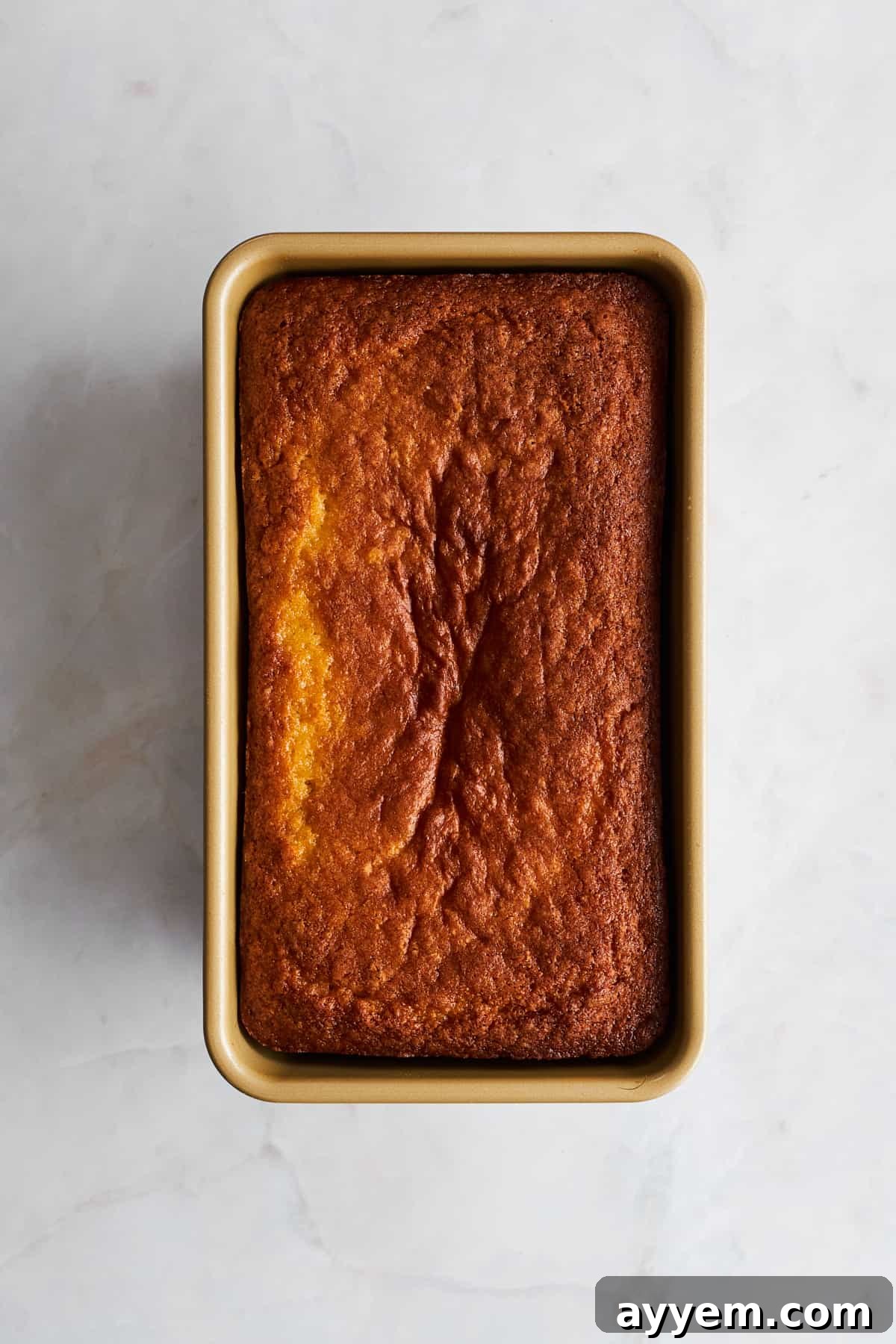
- Bake to Golden Perfection: Pour the prepared batter evenly into your greased and floured loaf pan. Transfer the loaf pan to the preheated oven. Bake for approximately 50-60 minutes, or until a wooden skewer or toothpick inserted into the center of the loaf comes out clean. If the top of the loaf begins to brown too quickly during baking (around the 45-minute mark), loosely tent it with aluminum foil to prevent excessive browning while allowing the inside to continue baking.
- Prepare the Irresistible Lemon Glaze: While the lemon loaf cools, prepare the glaze. In a small bowl, whisk together the powdered sugar, fresh lemon juice, and vanilla extract until smooth and free of lumps. The consistency should be thick enough to coat the back of a spoon but still pourable. If the glaze is too thin, add another tablespoon of powdered sugar; if it’s too thick, add an extra squeeze (about half a teaspoon) of lemon juice until the desired consistency is achieved.
- Cool, Glaze, and Serve: Allow the baked lemon loaf to cool completely in the pan on a wire rack for at least 20-30 minutes before attempting to remove it. Once removed, let it cool entirely on the rack before drizzling the lemon glaze over the top. Glazing a warm loaf will cause the glaze to melt and run off. Once glazed and set, slice the loaf into generous portions and enjoy your homemade, bakery-quality iced lemon loaf!

Expert Tips for Baking the Best Lemon Loaf
Achieving a truly outstanding lemon loaf involves a few key techniques and considerations. Incorporating these expert tips will elevate your baking and ensure a consistently delicious result:
- Embrace Room Temperature Ingredients: Always allow your eggs and Greek yogurt to come to room temperature before you begin mixing. This seemingly small step is crucial because room-temperature ingredients emulsify more effectively, creating a smoother, more uniform batter. This leads to a finer, more tender crumb and prevents overmixing, which can toughen the loaf.
- Prevent Over-Browning with Tenting: If you notice the top of your lemon loaf browning too quickly during the baking process, especially in the last 15-20 minutes, gently tent the loaf pan with a piece of aluminum foil. This shields the top from direct heat, allowing the interior of the loaf to finish baking thoroughly without the crust becoming overly dark or dry.
- Achieve Perfect Glaze Consistency: The ideal lemon glaze should be thick enough to create a distinct white layer over the loaf, but still fluid enough to drizzle and spread slightly. Start with the smaller amount of lemon juice for the glaze and gradually add more, a few drops at a time, until you reach your desired consistency. If it becomes too thin, whisk in a bit more powdered sugar.
- Do Not Overmix the Batter: This is a golden rule in baking, especially for quick breads like this lemon loaf. Once you combine the wet and dry ingredients, mix only until the flour streaks disappear. Overmixing develops the gluten in the flour excessively, resulting in a tough, chewy, and less moist loaf. A few small lumps in the batter are perfectly fine.
- Measure Flour Accurately: For precision in baking, use the “spoon and level” method for measuring flour. Gently spoon the flour into your measuring cup until it’s overflowing, then level it off with the back of a knife or straight edge. Avoid scooping directly with the measuring cup, as this can pack the flour, leading to an excess amount and a dry, dense loaf.
- Always Use Fresh Lemons: The vibrant flavor of this lemon loaf hinges on the quality of your lemons. Freshly squeezed lemon juice and freshly grated lemon zest offer an unparalleled brightness and aromatic quality that bottled juice simply cannot replicate. Organic lemons are often preferred as you’ll be using the zest.
Storage and Freezing Instructions
To keep your homemade copycat Starbucks lemon loaf fresh and delicious for as long as possible, proper storage is key. Following these guidelines will ensure you can enjoy your treat for days or even weeks.
- Storing Leftovers: Once the lemon loaf has completely cooled and the glaze has set, store any leftovers in an airtight container at room temperature. It will remain wonderfully moist and flavorful for up to four to five days. It is crucial NOT to refrigerate the lemon loaf, as the cold air in the refrigerator can quickly dry out the bread, making it dense and crumbly.
- Freezing for Longer Enjoyment: This lemon loaf freezes exceptionally well, making it perfect for meal prep or enjoying a slice whenever a craving strikes. To freeze, arrange individual frosted slices (or the entire glazed loaf) on a baking sheet and transfer them to the freezer for two to three hours, or until they are completely solid. This flash-freezing step prevents the slices from sticking together. Once solid, wrap each slice individually in plastic wrap, followed by a layer of aluminum foil. This double layer of protection helps prevent freezer burn. Finally, place the wrapped slices into a freezer-safe bag or container and freeze for up to two to three months. When you’re ready to enjoy, simply unwrap a slice and let it thaw at room temperature for an hour or gently warm it in the microwave for a few seconds.
Frequently Asked Questions About Homemade Lemon Loaf
Here are answers to some common questions that arise when baking this delightful lemon loaf:
- What type of yogurt is best for this recipe?
- For the best results, plain, full-fat Greek yogurt is highly recommended. The full-fat content contributes significantly to the loaf’s rich moisture and tender crumb, while the plain variety allows the lemon flavor to shine without competing with other added flavors. Its thickness also adds to the loaf’s structural integrity.
- How do I get that classic crack down the middle of the loaf?
- That charming crack is often a sign of a perfectly baked quick bread! To encourage it, ensure your batter is poured evenly into the pan and gently tap the pan on the counter a few times to release any large air bubbles. Baking the loaf at the suggested temperature (350°F / 175°C) also helps, as the rapid oven spring encourages the top to split as it rises. It’s a natural and desirable outcome that indicates a lovely fluffy interior.
- Can I bake this recipe as muffins instead of a loaf?
- Absolutely! This recipe adapts beautifully to muffin form. Simply divide the batter evenly among a 12-cup muffin tin lined with paper liners. The baking time will be significantly shorter, typically 20-25 minutes. Keep a close eye on them and test for doneness with a toothpick. The flavor will be the same, but you’ll have convenient, snack-sized portions!
- Do I need to use a stand mixer?
- While a stand mixer certainly makes the process easier and helps achieve that light and fluffy egg mixture, it’s not strictly necessary. You can absolutely mix all the ingredients by hand using a whisk and a sturdy spatula. Just be sure to beat the eggs and sugar vigorously until pale and fluffy, and be careful not to overmix once the dry ingredients are added.
- Can I make this lemon loaf gluten-free?
- Yes, you can! For a gluten-free version, substitute the all-purpose flour with a high-quality 1:1 gluten-free all-purpose flour blend. Ensure your blend contains xanthan gum, or add 1/2 teaspoon per cup of flour if it doesn’t, to help with structure and elasticity. Follow the rest of the recipe as directed.
- What if my lemon loaf turns out dry?
- A dry loaf is often the result of overmixing the batter or overbaking. Overmixing develops gluten, making the loaf tough, while overbaking dries out the moisture. Ensure you only mix until the dry ingredients are just incorporated and remove the loaf from the oven as soon as a toothpick comes out clean (a few moist crumbs are okay, but wet batter is not). Using room-temperature ingredients and full-fat Greek yogurt also helps prevent dryness.
More Zesty Lemon Dessert Recipes to Explore
If you’re a fan of the bright and tangy flavor of lemon, these additional recipes are sure to tantalize your taste buds and expand your dessert repertoire:
- Easy Lemon Cheesecake Bars
- Strawberry Lemon Bundt Cake
- Lemon Blueberry French Toast with Ricotta

Copycat Starbucks Lemon Loaf Recipe
Ingredients
Lemon Loaf:
- 1 cup granulated sugar
- 1 Tablespoon lemon zest
- 3 large eggs room temperature
- 1/2 cup vegetable oil
- 1 teaspoon vanilla extract
- 1 1/2 cups all-purpose flour
- 1 teaspoon baking powder
- 1/4 teaspoon baking soda
- 1/2 teaspoon salt
- 2 Tablespoons fresh lemon juice
- 3/4 cup full-fat Greek yogurt
Lemon Glaze:
- 1 cup powdered sugar
- 2-3 Tablespoons fresh lemon juice
- 1/2 teaspoon vanilla extract
Instructions
- Preheat the oven to 350 degrees Fahrenheit. Butter a 9×5 loaf pan, and set aside.
- In a bowl, gently massage the granulated sugar with lemon zest to infuse the sugar with the citrus aroma.
- In the same bowl as the sugar mixture, add the eggs. Beat for 2-3 minutes until light and fluffy. Then, add the oil and vanilla extract. Mix until well combined.
- In a separate bowl, add the flour, baking powder, baking soda, and salt. Whisk to combine.
- Gradually add the dry ingredients to the wet ingredients, stirring until just combined. Be careful not to overmix. Gently add in the lemon juice and Greek yogurt.
- Pour the batter into a prepared loaf pan.
- Bake for 50-60 minutes original or until a toothpick inserted into the center comes out clean. Tip: at the 45 minute mark, if it starts to brown too quickly, loosely cover with foil.
- For the glaze: mix together, if too thin, add another tablespoon of powdered sugar, if too thick, add another squeeze of lemon juice.
- Allow the lemon loaf to cool before pouring on the glaze, slicing and serving.
Equipment
Nutrition
Nutrition information is automatically calculated, so should only be used as an approximation.