
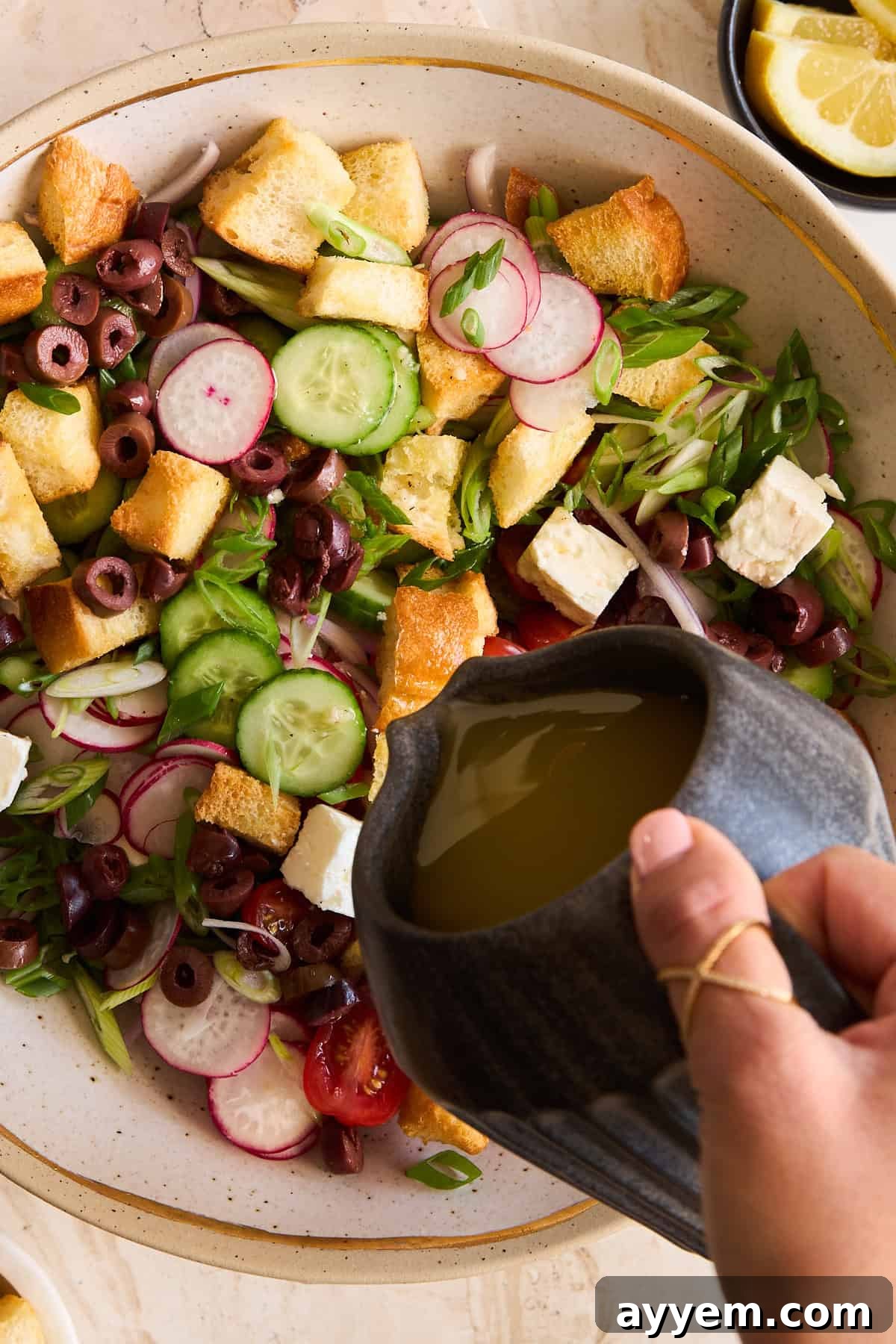
Mastering Homemade Vinaigrette: Your Essential Guide to Fresh Salad Dressings
Knowing how to make a vinaigrette from scratch is more than just a recipe; it’s a fundamental culinary skill that pays dividends in your kitchen every single time you cook. With just a handful of simple pantry staples and a basic understanding of ratios, you can effortlessly create a dressing that is not only fresh, perfectly balanced, and bursting with flavor, but also entirely customized to complement whatever dish you’re serving. Forget store-bought options loaded with preservatives and sugars; embrace the simplicity and superior taste of a homemade vinaigrette.

What Exactly is a Vinaigrette? The Science of Simple Dressing
At its very core, a vinaigrette is an elegant emulsion of fat and acid. Typically, the fat component is a high-quality oil, while the acid is most commonly vinegar or fresh citrus juice. On their own, oil and acid are immiscible; they naturally resist mixing and will quickly separate. However, with the correct proportions, a little mechanical energy (like whisking or shaking), and often the help of an emulsifying agent, these two distinct liquids can be coaxed into forming a smooth, cohesive, and incredibly flavorful dressing.
The beauty of vinaigrettes lies in their remarkable adaptability. You can stick to a clean, classic flavor profile, or you can venture into more complex layers by incorporating sweetness, subtle spice, fresh herbs, or aromatic ingredients. From enhancing a simple meal-prepped salad or a hearty grain bowl to drizzling over vibrant roasted vegetables, a well-made homemade vinaigrette adds a refreshing brightness and perfect balance to almost any dish without ever overwhelming its natural flavors. It’s a culinary cornerstone that brings vibrancy to everyday meals.
The Classic Vinaigrette Ratio: A Starting Point, Not a Strict Rule
The time-honored traditional vinaigrette ratio is famously three parts oil to one part acid. This proportion is widely considered ideal because it yields a dressing that is perfectly well-rounded, easy to drizzle, and possesses just enough acidity to brighten and enhance flavors without tasting overly sharp or aggressive. It’s a harmonious balance that has stood the test of time in countless kitchens.
However, it’s crucial to understand that this classic 3:1 ratio is a guideline, a foundational starting point, rather than an unbendable culinary law. The beauty of homemade vinaigrettes is their flexibility. For instance, when you’re dressing sturdier greens like kale, collards, or cabbage, slightly increasing the acid component can help tenderize the leaves and cut through their inherent bitterness. Conversely, for robust grain salads, creamy pasta salads, or hearty potato salads, a slightly oil-forward vinaigrette can help bind ingredients together and maintain cohesion as the dish sits and flavors meld.
When employing vinaigrette as a marinade, especially for meats or firm vegetables, leaning into a more acidic mixture can help tenderize proteins and allow flavors to penetrate more deeply and quickly. The key to success is to taste your creation as you go. Adjust the balance of oil, acid, and seasonings based on the specific ingredients you’re using and the overall flavor profile you aim to achieve. Your palate is your best guide!
Essential Ingredients for Your Basic Homemade Vinaigrette
Crafting a superb homemade vinaigrette starts with understanding the role each core ingredient plays. These pantry staples are the building blocks of endless flavor variations:
- Oil: The Foundation of Flavor and Texture – This is the primary fat component, providing richness, body, and a smooth mouthfeel to your vinaigrette. Extra-virgin olive oil is a perennial classic, offering a robust, fruity, and sometimes peppery flavor that shines in many applications. For a more neutral base that allows other flavors to dominate, opt for avocado oil, grapeseed oil, or sunflower oil. For specialty dressings, consider walnut oil or hazelnut oil for a subtle, nutty depth, or even toasted sesame oil for an Asian-inspired twist.
- Acid: The Brightness and Balance – The acid component provides that crucial zing and cuts through the richness of the oil, bringing all the flavors into sharp focus. Vinegar is a common choice: apple cider vinegar offers a gentle tang with a hint of fruitiness; red wine vinegar and white wine vinegar provide a sharper, more classic European profile; balsamic vinegar adds a sweet, complex, and syrupy depth; sherry vinegar brings a sophisticated nutty note; and rice wine vinegar is milder, perfect for Asian-inspired dressings. Freshly squeezed citrus juice, such as lemon, lime, or even orange, offers a vibrant, zesty freshness that can’t be replicated.
- Mustard: The Emulsifier and Flavor Enhancer – Often overlooked but indispensable, mustard acts as a natural emulsifier, helping to bind the oil and acid together into a stable mixture and preventing separation. Beyond its technical role, Dijon mustard, with its smooth texture and pungent, savory depth, significantly enhances the overall flavor profile of the vinaigrette. Whole-grain mustard can add a pleasant textural element.
- Salt & Pepper: The Seasoning Essentials – A pinch of fine sea salt or kosher salt is crucial for sharpening and amplifying the flavors of all the other ingredients, preventing the dressing from tasting flat or dull. Freshly ground black pepper adds a subtle warmth and aroma. Always season to taste, as the salt content in other ingredients (like mustard or cheese in a salad) can vary.
- Optional Sweetener: The Harmonizer – A small amount of sweetener can magically balance out the sharpness of vinegars, especially those with a strong acidic bite, rounding out the flavor profile without making the vinaigrette overtly sweet. Popular choices include pure maple syrup, honey, agave nectar, or a tiny pinch of granulated sugar. Use sparingly, tasting as you go, to achieve the perfect equilibrium.
How to Make a Vinaigrette: Three Easy and Effective Methods
Creating your own vinaigrette is remarkably straightforward, and there are several methods to suit your preference and kitchen tools:
1. Whisking by Hand: The Classic Approach
This method is the most traditional and satisfying, offering precise control over the emulsification process.
Begin by combining your chosen acid (vinegar or citrus juice), mustard, salt, pepper, and any optional sweetener or aromatics (like minced garlic or shallots) in a medium-sized bowl. Whisk these ingredients vigorously until well combined. Then, slowly and steadily drizzle in the oil in a thin stream while continuously whisking. This slow addition allows the oil to be gradually incorporated, forming a stable emulsion. Continue whisking until the vinaigrette appears unified, slightly thickened, and has a smooth, creamy texture. This method is perfect for developing a strong arm and a keen eye for emulsification.
2. Shaking in a Jar: Quick, Convenient, and Portable
For a rapid and fuss-free approach, the “shake it in a jar” method is unparalleled. Simply add all your vinaigrette ingredients—oil, acid, mustard, seasonings, and any herbs or aromatics—to a mason jar or any container with a tight-fitting lid. Secure the lid firmly, then shake vigorously for 30-60 seconds until all the ingredients are thoroughly combined and the mixture is emulsified. This method is incredibly handy for small batches you plan to store in the refrigerator, as it doubles as both a mixing and storage solution.
3. Using an Immersion Blender: Silky Smooth in Seconds
For an extra-smooth, perfectly emulsified vinaigrette in a matter of seconds, an immersion blender (also known as a stick blender) is your best friend. Combine all your ingredients in a tall, narrow container (such as the beaker that often comes with the blender, or a wide-mouth mason jar). Insert the immersion blender, ensuring the blade is fully submerged. Blend on low to medium speed, moving the blender up and down slightly, until the mixture is completely emulsified and smooth. This technique is particularly effective when you want to fully incorporate ingredients like fresh garlic, shallots, or fibrous fresh herbs, resulting in a uniform texture and maximum flavor distribution.
Storing Your Homemade Vinaigrette
Once prepared, homemade vinaigrettes can typically be stored in an airtight container in the refrigerator for about 1 to 2 weeks. Vinaigrettes made with fresh garlic or shallots might have a slightly shorter shelf life (around 1 week). If separation occurs during storage, simply give it a good shake or a quick whisk before serving to re-emulsify.
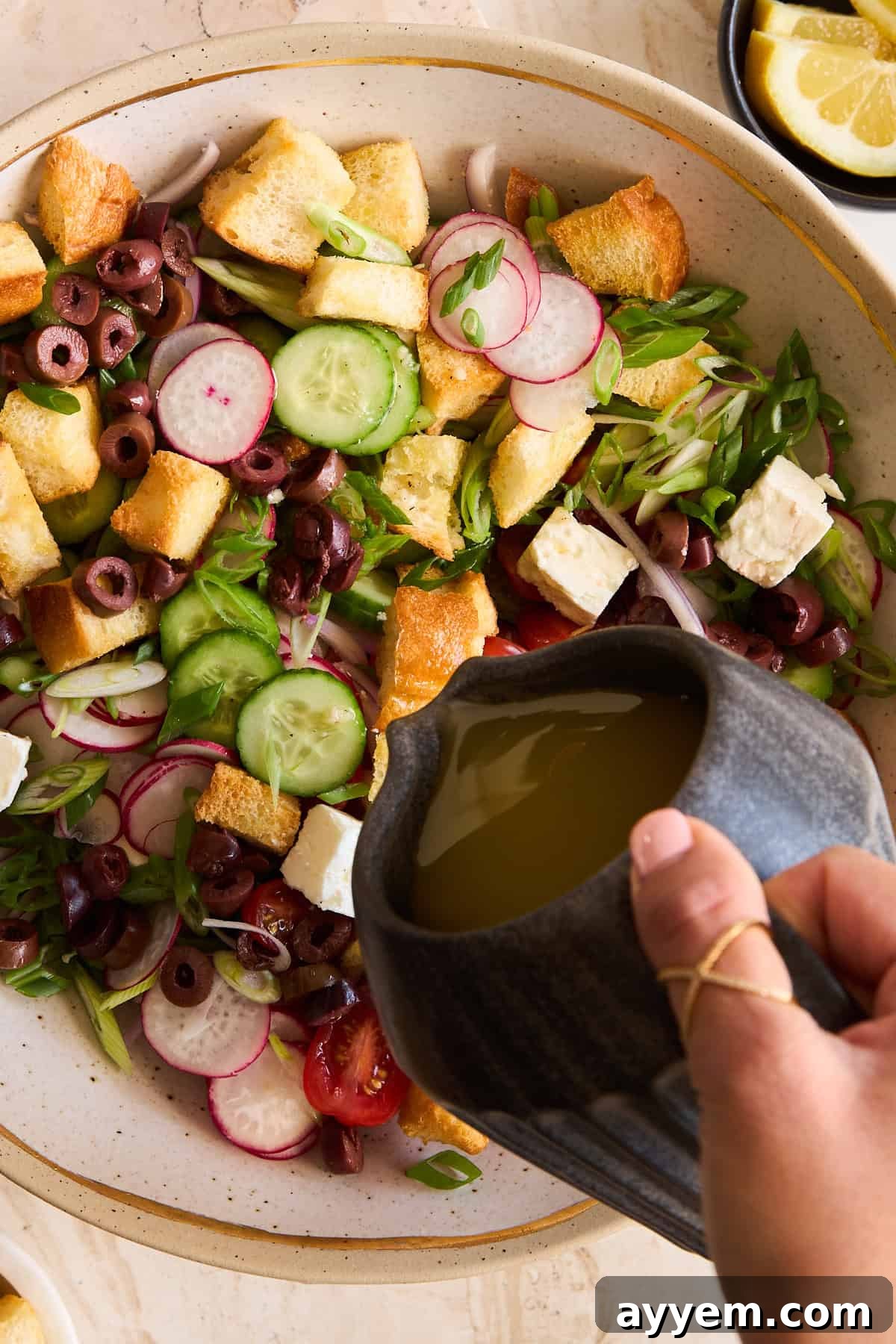
Unleashing Flavor: Creative Vinaigrette Combinations That Always Work
Once you’ve mastered the foundational base, a vinaigrette truly becomes a versatile canvas for culinary creativity. Here are some trusted flavor combinations to inspire your next homemade dressing:
- The Sweet & Tangy Balsamic: Pair rich balsamic vinegar with robust extra-virgin olive oil, a dollop of Dijon mustard, and a touch of maple syrup or honey. This creates a beautifully balanced dressing that complements hearty fall salads, roasted root vegetables, or grilled chicken.
- Zesty Lemon-Herb: Combine fresh lemon juice with light extra-virgin olive oil, a hint of Dijon, and an abundance of finely chopped fresh herbs like parsley, dill, chives, or thyme. Add a crushed garlic clove for extra punch. This vibrant and clean vinaigrette is a superb match for delicate seafood, light green salads, or refreshing grain bowls.
- Mediterranean Classic: Infuse red wine vinegar with good quality extra-virgin olive oil, dried oregano, and finely minced fresh garlic. This combination evokes the sunny flavors of the Mediterranean and pairs naturally with fresh tomatoes, cucumbers, and salty feta cheese.
- Nutty Sherry Vinaigrette: Blend elegant sherry vinegar with earthy walnut oil (or a mix of olive oil and a splash of walnut oil), finely minced shallots, and a pinch of black pepper. This sophisticated dressing offers a slightly nutty depth that beautifully complements bitter greens, goat cheese, or hearty lentil salads.
- Asian-Inspired Dressing: Combine rice wine vinegar, a touch of toasted sesame oil, a splash of soy sauce (or tamari for gluten-free), grated fresh ginger, and minced garlic. This offers a harmonious blend of sweet, salty, and umami, perfect for noodle salads, stir-fries, or as a marinade for tofu.
Don’t be afraid to experiment with different vinegars, oils, fresh produce, and spice blends to create unique flavor profiles tailored to your personal taste and the cuisine you’re preparing.
More Ways to Use Vinaigrette Beyond Green Salads: A Culinary Swiss Army Knife
Vinaigrettes are far too versatile to be confined solely to leafy greens. They are truly a secret weapon in the kitchen, capable of elevating a multitude of dishes:
- Marinades for Proteins: Their acid content helps tenderize meats, fish, chicken, or tofu, while the oil and aromatics infuse them with incredible flavor. Use a vinaigrette as a quick marinade before grilling, roasting, or pan-searing for a juicy, flavorful result.
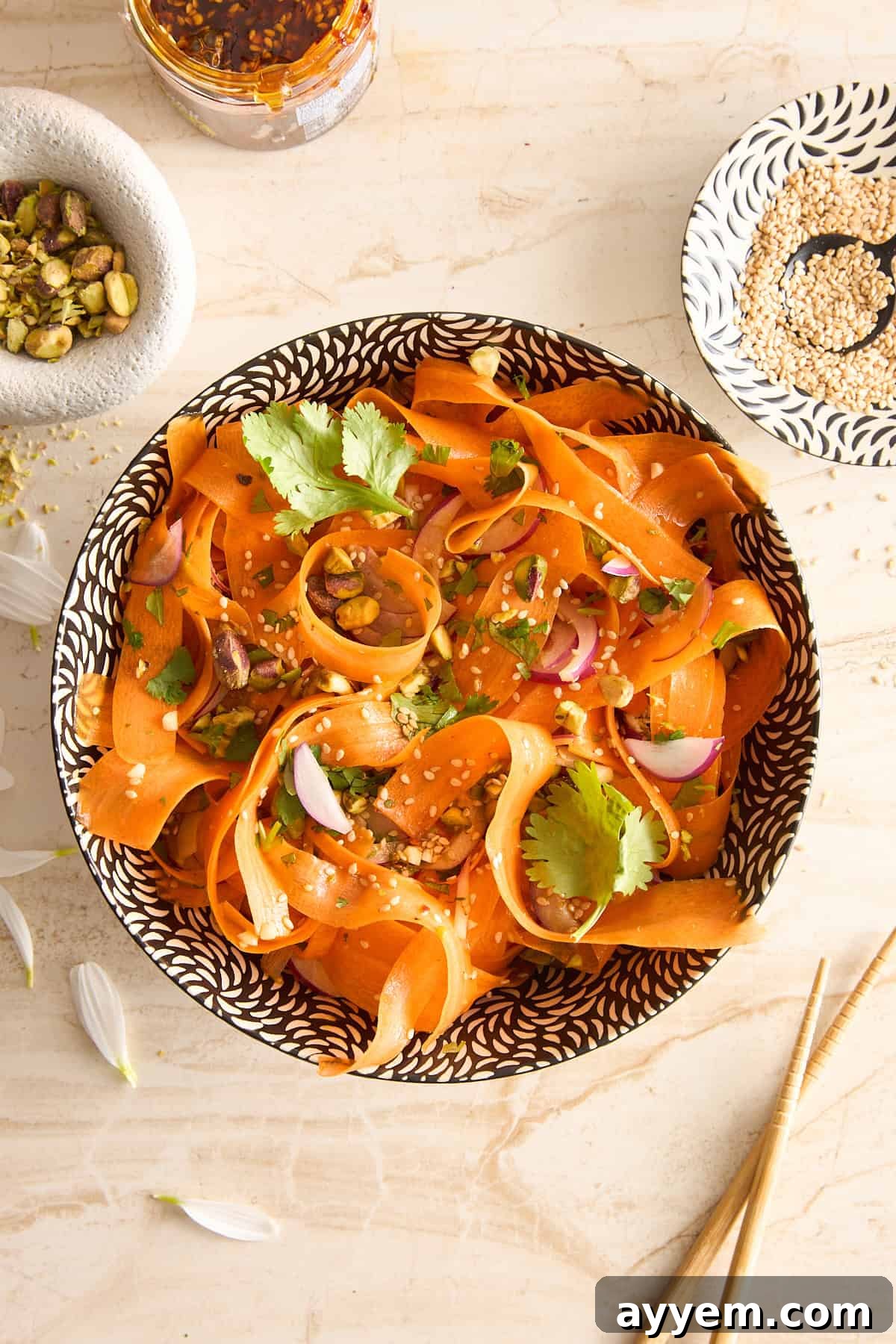
- Enhancing Roasted Vegetables: Drizzle a vibrant vinaigrette over roasted vegetables, especially right after they come out of the oven while they’re still warm. The heat helps the flavors bloom and absorb into the vegetables, adding a fresh, zesty finish to dishes like broccoli, asparagus, carrots, or Brussels sprouts.
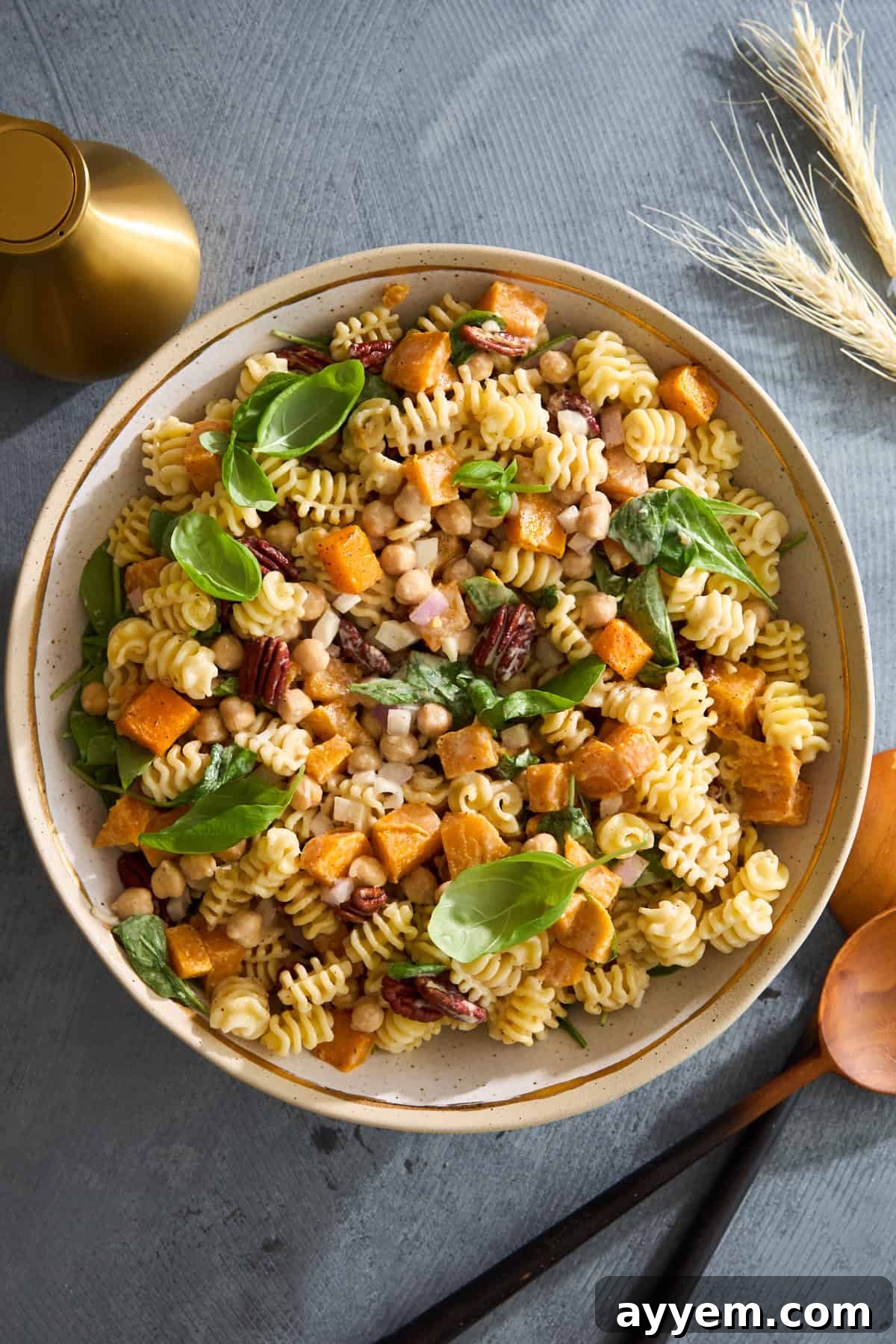
- Dressing Grain and Pasta Salads: Vinaigrettes are ideal for binding and flavoring grain salads (quinoa, farro, couscous, bulgur) or pasta salads. They add brightness and prevent the dish from becoming dry or heavy, unlike creamier dressings.
- Finishing Sauce for Grilled Dishes: Spoon a fresh, herb-packed vinaigrette over grilled meats, fish, or vegetables just before serving. It acts as a light, zesty finishing sauce, adding a burst of flavor and moisture without weighing down the dish.
- Alternative for Potato Salads or Coleslaw: For a lighter, tangier take on traditional potato salad or coleslaw, swap out the mayonnaise-based dressing for a mustard-forward vinaigrette. It offers a refreshing alternative, particularly appealing in warmer weather.
- Dipping Sauce Extraordinaire: Don’t overlook the simple pleasure of serving a flavorful vinaigrette as a dipping sauce. It’s exquisite alongside crusty breads like homemade pita or focaccia bread, raw vegetables, or even as an appetizer with fresh olives.
- Sandwiches and Wraps: Instead of heavier condiments like mayonnaise, a vibrant vinaigrette can add a gourmet touch and fresh flavor to sandwiches and wraps.
Because vinaigrettes are inherently lighter than many creamy dressings, they add robust flavor without adding unnecessary heaviness, allowing the natural goodness of your ingredients to shine.
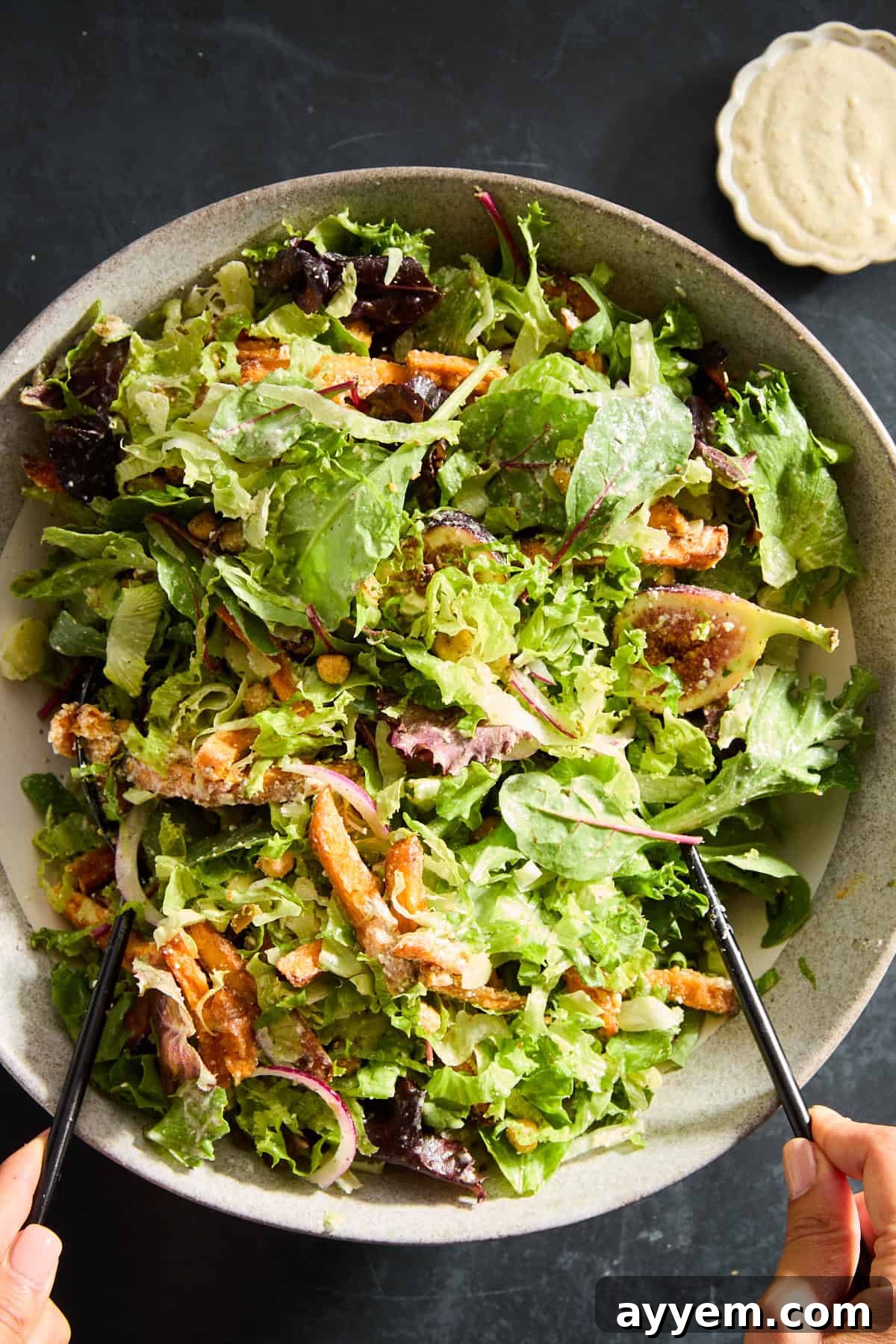
Troubleshooting: Common Vinaigrette Mistakes and Easy Fixes
Even seasoned home cooks encounter occasional hiccups when making vinaigrettes. The good news is that most common issues are incredibly easy to remedy:
- Problem: The vinaigrette tastes too sharp or acidic.
- Fix: This is a common issue when the acid-to-oil ratio is off. Simply whisk in a little more oil to mellow it out. Alternatively, a small splash of maple syrup, honey, or a pinch of sugar can help balance the acidity without making it overtly sweet. A tiny bit of warm water can also dilute and soften the sharpness.
- Problem: The vinaigrette feels too oily or greasy.
- Fix: This indicates too much oil relative to the acid. Whisk in a bit more vinegar or a fresh squeeze of citrus juice to bring the flavors back into balance. Adding another small spoonful of Dijon mustard can also help re-emulsify and lighten the greasy feel.
- Problem: The oil and acid keep separating.
- Fix: This is a sign of insufficient emulsification or not enough emulsifier. If it separates during mixing, keep whisking vigorously or shake the jar more. If it separates after resting, simply whisk or shake again before serving. Adding a small spoonful of Dijon mustard (if you haven’t already) or even a tiny amount of mayonnaise can act as a powerful stabilizer and help keep the mixture cohesive.
- Problem: The flavor feels muted or flat.
- Fix: A pinch more salt is often the magic bullet; salt awakens and enhances all other flavors. An extra splash of acid (vinegar or citrus) can also brighten the overall taste. Don’t forget freshly ground black pepper, and consider adding fresh herbs or minced garlic to boost the aroma and depth.
- Problem: The vinaigrette is too thick or too thin.
- Fix: For a vinaigrette that’s too thick, whisk in a tablespoon of warm water, more vinegar, or citrus juice until it reaches your desired consistency. If it’s too thin, slowly whisk in a little more oil to give it more body, or add another teaspoon of mustard to help thicken it through better emulsification.
Learning to troubleshoot these issues will make you even more confident and adaptable in your vinaigrette making endeavors.
Embrace Your Inner Chef: Make It Your Own
Learning how to make a vinaigrette is truly one of the most empowering skills you can cultivate in the kitchen. It provides a solid foundation that you can build upon endlessly, allowing for boundless creativity and customization. Once you grasp the fundamental ratio of oil to acid, understand the role of key ingredients, and master a few simple techniques, you gain the freedom to adjust flavors to perfectly match the season, complement the specific ingredients you’re using, or simply cater to whatever culinary inspiration strikes you in the moment. This skill transforms your cooking, adding freshness and vitality to every meal. So, grab your whisk, choose your favorite ingredients, and start crafting your signature homemade vinaigrette today!