
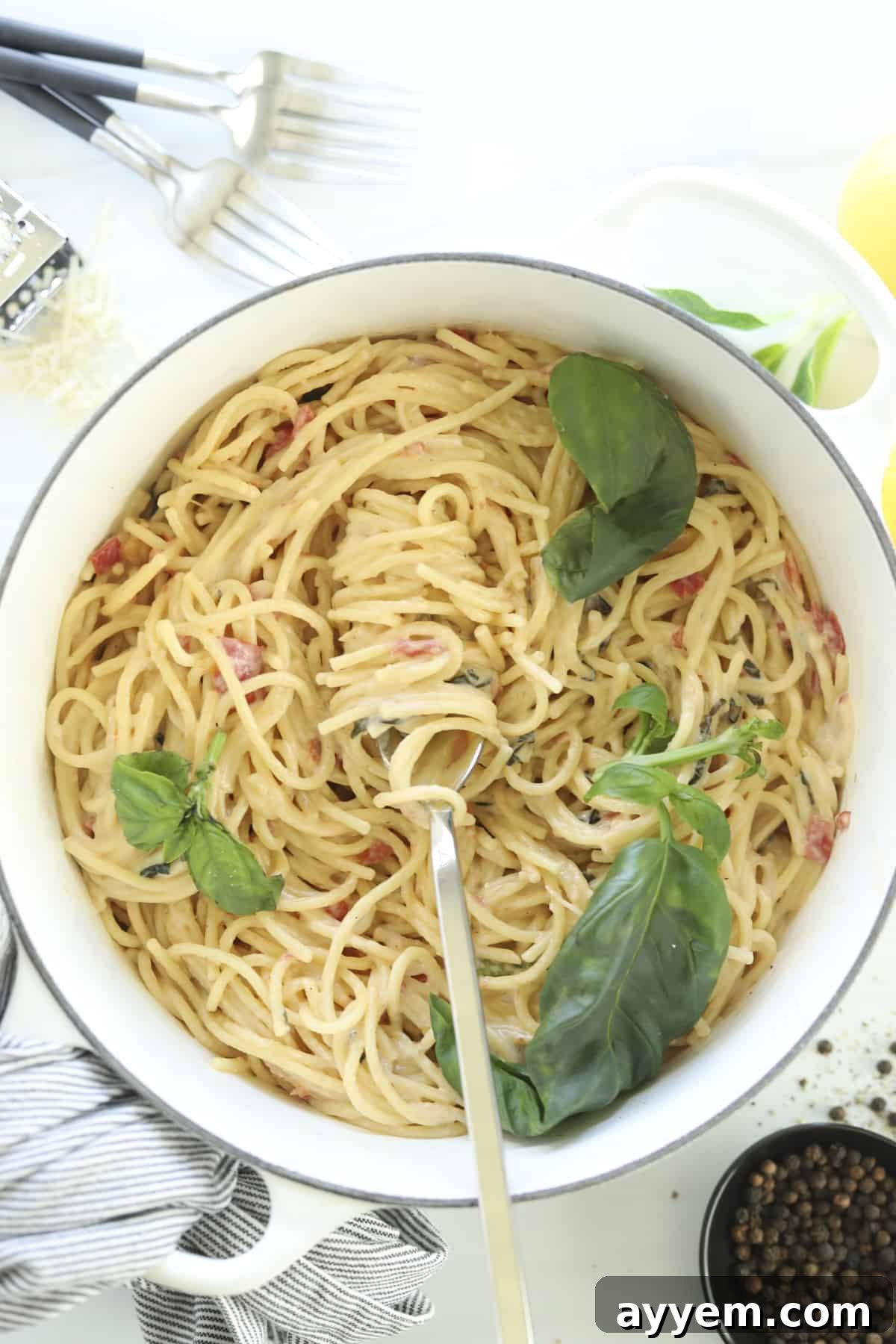
Are you constantly searching for that perfect, effortless dinner recipe that promises to impress without the usual kitchen chaos? Look no further. Dive into the world of one-pot pasta, where culinary simplicity meets exceptional flavor, making weeknight meals a true delight for your entire family.
We are utterly convinced that one-pot pasta creations are a game-changer for busy households. Beyond the sheer convenience, they deliver an explosion of flavors that traditional methods often miss. Think of our beloved One-Pot Parmesan Pasta, a truly lazy genius invention, alongside other fan favorites like our One-Pot Pasta Primavera and One-Pot Lemon Garlic Parmesan Pasta. The best part? These recipes aren’t just easy; they’re practically instantaneous, ensuring you spend less time scrubbing pots and more time savoring delicious food with loved ones.
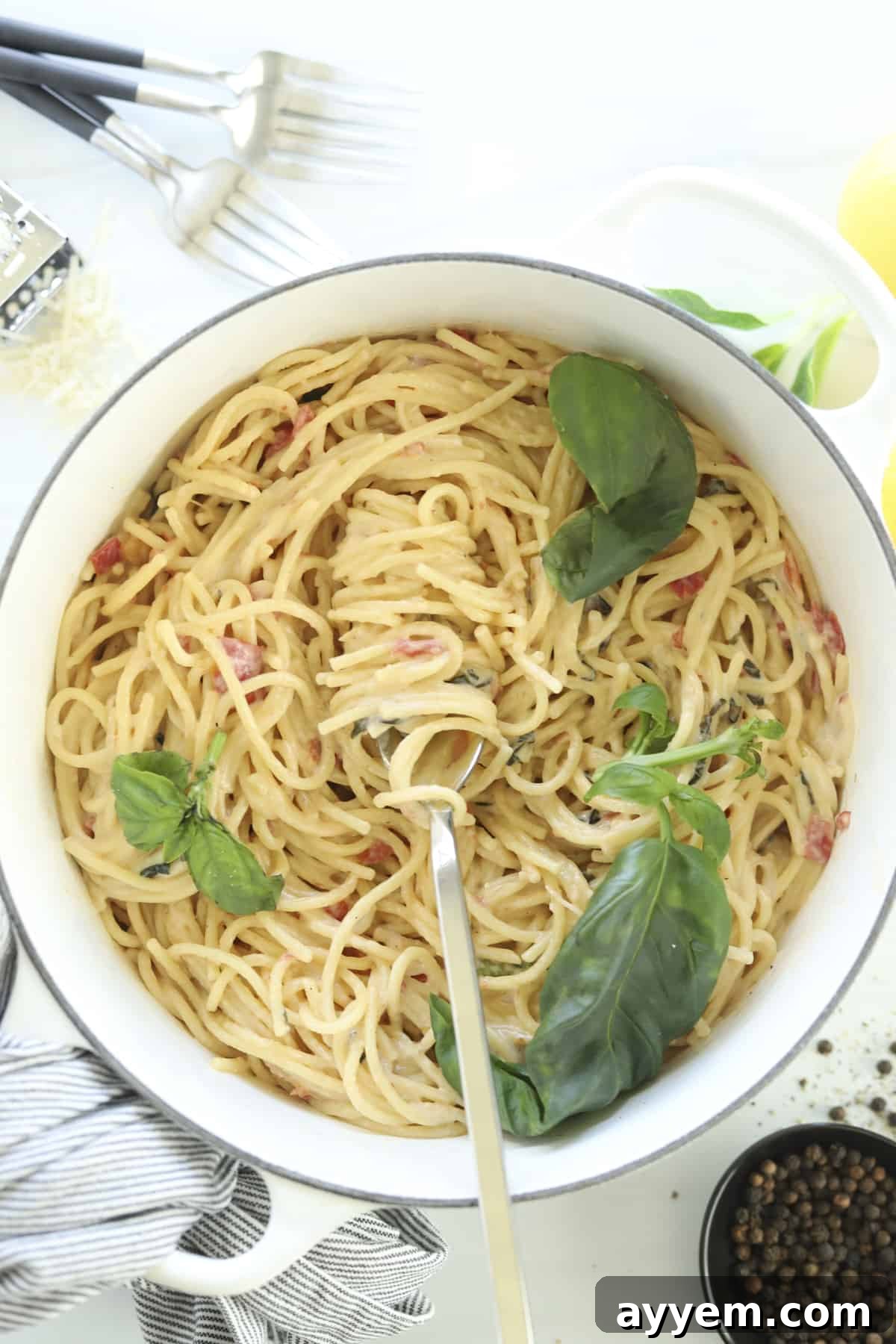
Unlocking the Simplicity of One-Pot Pasta: Your Weeknight Dinner Solution
One-pot pasta isn’t just a trend; it’s a revolutionary approach to cooking that has rightfully earned its spot as a weeknight dinner champion. Imagine a culinary method where every ingredient—from the dry pasta to the rich sauce components—comes together in a single pot. This eliminates the need for multiple boiling pots, straining pasta, and juggling various saucepans. It’s a symphony of flavors converging in one vessel, simplifying both the cooking process and, more importantly, the cleanup.
The magic of one-pot pasta lies in its ingenious design. Instead of boiling pasta in plain water and then combining it with a separate sauce, all ingredients simmer together. As the pasta cooks, it releases its starches directly into the liquid, naturally thickening the sauce and creating a creamy, cohesive dish that’s far more flavorful than conventionally prepared pasta. This method doesn’t just save time; it elevates the entire meal, allowing all the ingredients to truly meld and infuse the pasta with their essence. It’s a testament to how intelligent cooking can transform everyday meals into extraordinary culinary experiences.
Experience Unrivaled Flavor: Why Broth-Cooked Pasta Changes Everything
Prepare to have your perception of pasta perfection completely revolutionized. We confidently declare that cooking pasta directly in flavorful broth, rather than salted water, is not just a preference, but the absolute best way to prepare it. This technique is a total game-changer, not only making your life infinitely easier by drastically cutting down on dirty dishes but, more importantly, by packing an incredible depth of flavor into every single strand of pasta.
Consider the traditional method: you submerge your spaghetti in heavily salted boiling water. While the salt is crucial for seasoning and aiding the rehydration process, the pasta primarily absorbs plain water. All the complex flavors you want to infuse into your meal come solely from the sauce added later, typically coating the surface of already bland noodles.
Now, envision this: your spaghetti is bathed in a rich, savory chicken stock from the very beginning. As the pasta diligently cooks to al dente perfection, it doesn’t merely rehydrate; it actively absorbs the concentrated flavors of the broth. But the enhancement doesn’t stop there. In this particular Parmesan pasta recipe, your spaghetti is also simmering alongside aromatic herbs, pungent garlic, bright lemon juice, sweet tomatoes, and savory onions. Each ingredient contributes its unique profile to the cooking liquid, which the pasta then greedily soaks up. This means every bite offers a harmonious blend of all the components, resulting in noodles that are deeply flavorful from the inside out – a stark contrast to the surface-level taste achieved when cooked in water.
The result is a pasta dish where the flavors aren’t just sitting on top; they are intrinsically woven into the very fabric of each noodle. This method ensures a more profound and satisfying taste in every mouthful, making for a truly memorable meal. And, of course, the unparalleled convenience of only dirtying a single pot is a welcome bonus that makes this cooking style an undeniable winner.
Crafting Your Perfect One-Pot Parmesan Pasta: A Simple Guide
Making this incredible One-Pot Parmesan Pasta is wonderfully straightforward. Follow these simple steps for a truly delightful meal:
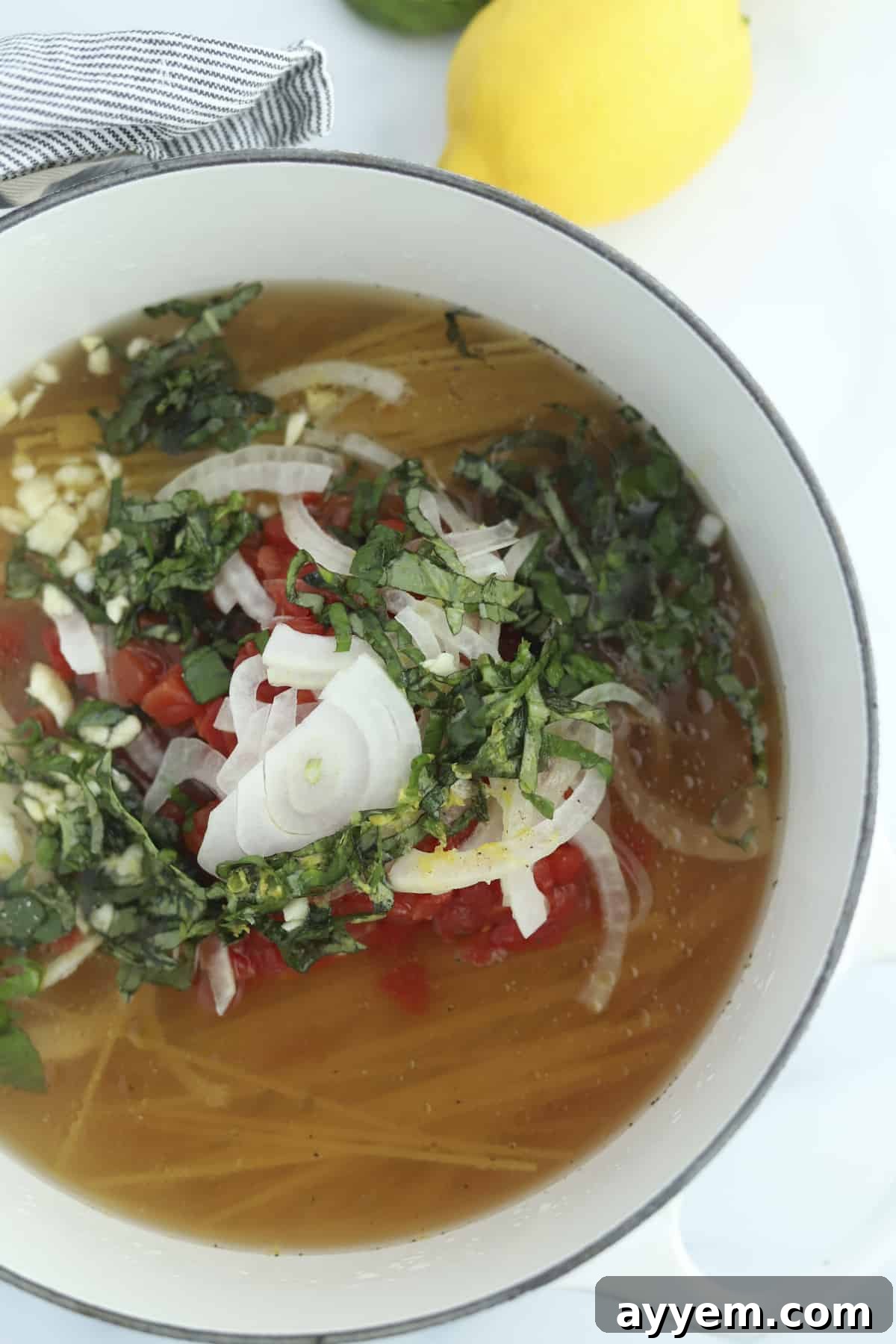
- Begin by gathering all your fresh ingredients. In a large, deep skillet or a heavy-bottomed pot, combine your spaghetti noodles, diced tomatoes (Rotel or petite diced for a subtle kick), thinly sliced small onion, fresh basil leaves, minced garlic, and the bright juice and zest of one lemon.
- Drizzle a generous amount of olive oil over all the ingredients. Season everything with sea salt and fresh ground black pepper to your taste, ensuring every component is ready to infuse its flavor.
- Pour in the low-sodium chicken stock, ensuring it generously covers the pasta and other ingredients. Give everything a good stir to combine thoroughly, making sure the pasta is submerged and the flavors are distributed.
- Place your pot on the stove over medium-high heat and bring the liquid to a rolling boil. Once boiling, reduce the heat to medium-low, cover the pot tightly, and let it simmer for 8-10 minutes.
- Important Note: About halfway through the cooking time (around the 4-5 minute mark), uncover your pot and stir the pasta and ingredients together. This crucial step helps to prevent the spaghetti strands from sticking to each other or the bottom of the pot, ensuring even cooking and a perfectly textured result. Re-cover and continue cooking.
- Check the texture of your pasta at the 8-minute mark. If it’s still a bit firm for your liking, continue cooking for an additional 2-3 minutes, or until the pasta reaches your desired al dente perfection.
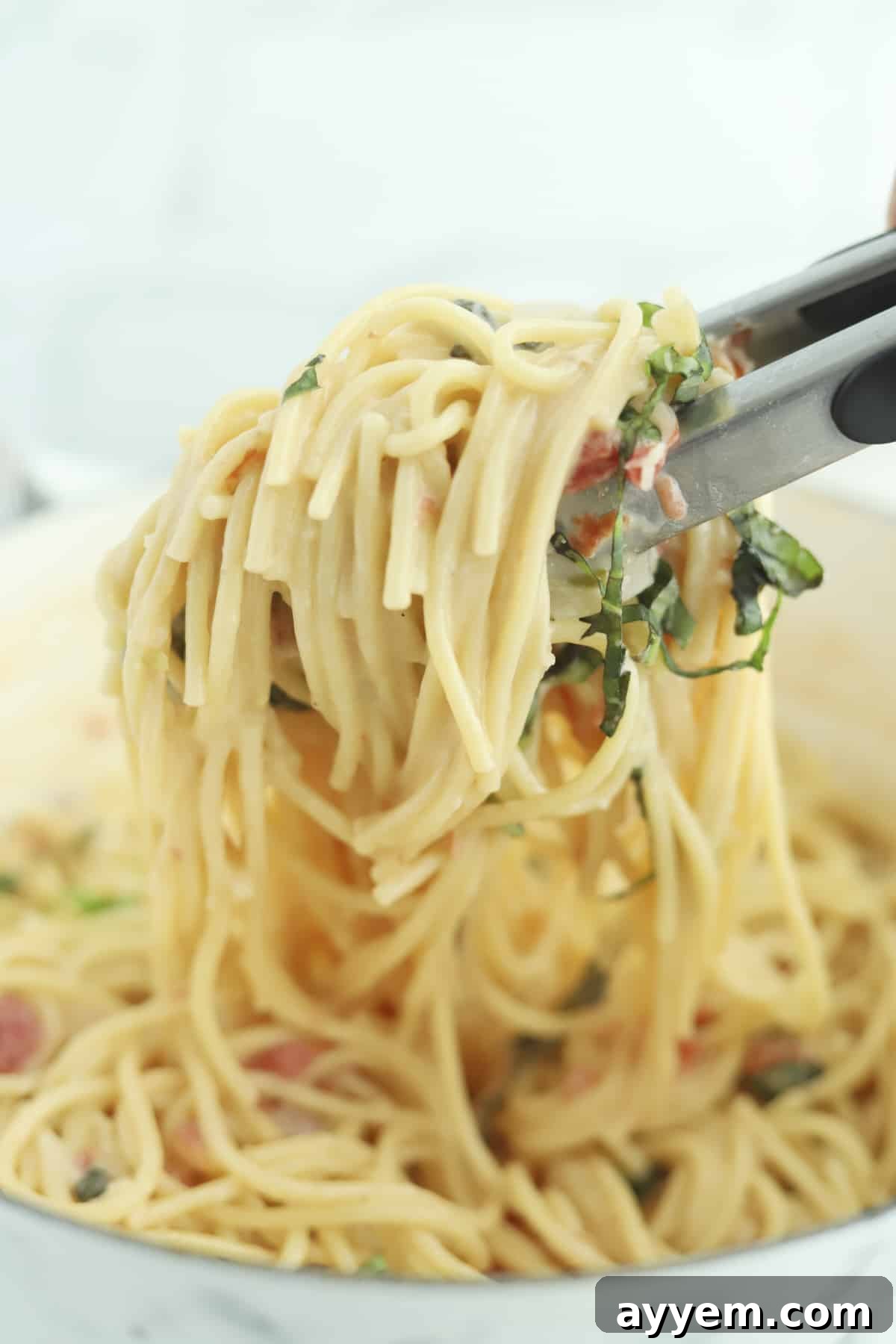
- Once the pasta is fully cooked and the liquid has mostly absorbed, turn off the heat. Stir in the heavy cream and a generous amount of shredded Parmesan cheese. Allow the dish to sit in the pot for a few minutes, uncovered, allowing the residual heat to melt the cheese and enable the sauce to thicken into a luxurious, creamy consistency.
- Serve immediately, perhaps with a sprinkle of extra fresh basil for garnish, and enjoy this incredibly flavorful and easy one-pot wonder!
Maximizing Your Leftovers: Storage and Reheating Tips
One-Pot Parmesan Pasta is just as delightful the next day, and properly storing your leftovers ensures you can enjoy its rich flavors for longer. For refrigeration, transfer any remaining pasta to an airtight container and store it in the fridge for 3-5 days. If you’re looking to enjoy this dish further down the line, it freezes beautifully for up to 3 months. Simply place the cooled pasta in a freezer-safe container, ensuring it’s sealed tightly to prevent freezer burn.
When it comes to reheating, a little hydration goes a long way. Pasta, especially when it sits, tends to absorb liquid and can become a bit dry. We highly recommend adding a splash of water, milk, or even a little extra broth to the mixture before reheating. This helps to rehydrate the pasta and revive the sauce’s creamy texture.
You have a couple of convenient options for reheating. If you’re in a hurry, you can safely pop the pasta in the microwave straight from the fridge. For best results, heat it in 1-minute intervals, stirring well after each interval until it’s heated through evenly. Alternatively, for a stovetop refresh, scoop the pasta into a pot with a splash of liquid and heat it over medium-low heat, stirring occasionally, until it’s warm and creamy again.
For frozen leftovers, planning ahead is key. Transfer the frozen pasta to your refrigerator the day before you plan to eat it, allowing it to thaw slowly overnight. This makes for much easier and more even reheating. While you can technically microwave it straight from the freezer, it will take considerably longer. If you choose this route, heat it in short rounds (e.g., 1.5-minute intervals), mixing thoroughly between each session to ensure uniform reheating and prevent hot spots.
Adapting to Dietary Needs: Making This Pasta Dish Gluten-Free
Absolutely! This versatile One-Pot Parmesan Pasta recipe can be easily adapted to be gluten-free, ensuring everyone at your table can enjoy this comforting meal. The key lies in selecting the right gluten-free pasta and making a couple of minor adjustments to the liquid quantity and cooking time, as gluten-free varieties often behave differently than traditional wheat pasta.
Through our experience, we’ve found that gluten-free pasta, particularly spaghetti, can be a bit more delicate and prone to sticking or breaking apart during the cooking process. To counteract this, we recommend starting with a slightly reduced amount of liquid—specifically, 3 1/4 cups of chicken stock instead of the standard 4 cups. Additionally, it’s beneficial to stir the pasta gently but a couple more times than usual while it’s cooking. This extra attention helps to prevent the strands from clumping together and tearing, maintaining their integrity.
Texture is paramount, so make sure to taste test a noodle at the 8-minute mark. Gluten-free pastas can sometimes cook faster or slower depending on the brand and specific ingredients. If you find your pasta is still a bit chewy or undercooked, simply add an extra 1/2 cup of stock. Continue cooking and stirring for a few more minutes, checking for your preferred al dente texture. With these thoughtful modifications, you can achieve a delicious and perfectly cooked gluten-free one-pot pasta that is just as satisfying as the original.
Frequently Asked Questions About One-Pot Parmesan Pasta
For an even richer and more luxurious sauce, there are a few tricks you can employ. We absolutely adore creamy sauces! Try stirring in an additional quarter or half cup of shredded Parmesan cheese at the end of cooking to boost both flavor and creaminess. Another fantastic option is to spoon in a dollop of cream cheese or Boursin cheese (garlic and herb varieties work wonderfully) when you add the heavy cream. These additions melt beautifully into the hot pasta, creating an incredibly smooth and decadent sauce that will delight your palate.
Absolutely! This One-Pot Parmesan Pasta is incredibly versatile and welcomes a variety of vegetables, making it even more nutritious and flavorful. Incorporating vegetables like fresh spinach, hearty kale, or sweet cherry tomatoes can significantly enhance the dish. For leafy greens like spinach or kale, stir them in during the last 2-3 minutes of cooking, allowing them just enough time to wilt into the hot pasta. Harder vegetables such as diced bell peppers, zucchini, or mushrooms can be added at the beginning with the other ingredients, ensuring they soften and meld perfectly with the sauce as the pasta cooks. This is a fantastic way to boost the nutritional value and customize the dish to your preference.
Yes, this recipe can be very easily adapted to be vegetarian-friendly. The primary non-vegetarian ingredient is chicken broth. To make this dish suitable for vegetarians, simply omit the chicken broth and use an equal quantity of high-quality vegetable broth or stock instead. Ensure your Parmesan cheese is also vegetarian (some traditional Parmesan uses animal rennet, so look for vegetarian-friendly alternatives if strict adherence is required). With this simple swap, you can enjoy a rich and savory vegetarian One-Pot Parmesan Pasta.
While we highly recommend using a longer, thinner pasta like spaghetti for this recipe, as it cooks evenly and integrates beautifully with the sauce, you certainly have the flexibility to experiment with other pasta shapes. Shorter pastas such as penne, rotini, or even farfalle can work well. However, just be mindful that different pasta shapes and thicknesses will absorb liquid at varying rates, meaning the cooking times and the total amount of liquid required may need slight adjustments. It’s always a good idea to monitor the pasta closely and taste test for doneness, adding a little extra liquid if the pot becomes too dry before the pasta is cooked through.
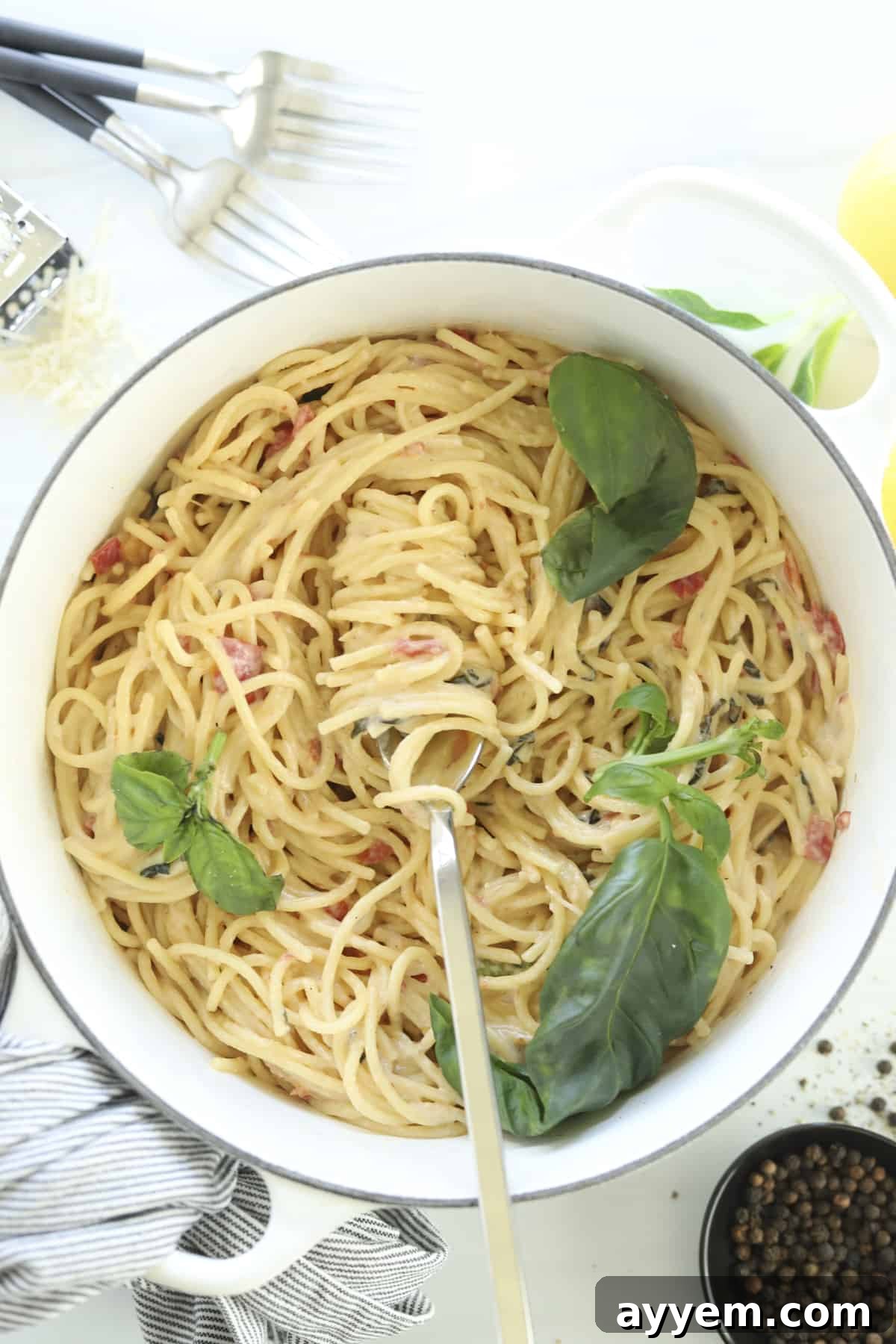
One Pot Parmesan Pasta
Food Dolls
8 servings
10
12
22
Print Recipe
Email Recipe
Ingredients
- 12 ounces spaghetti noodles
- 14.5 ounces Rotel or petite diced tomatoes
- 1 small onion sliced thin
- 1 cup fresh basil
- 3 cloves garlic minced
- 1 juice of a lemon + zest
- 3 Tablespoons olive oil
- 1/2 Tablespoon sea salt
- 1 teaspoon fresh ground black pepper
- 4 cups low-sodium chicken stock
- 1/4 cup heavy cream
- 1 cup shredded parmesan cheese
- more basil for garnish
Instructions
-
In a deep skillet or heavy bottom pot, add pasta, tomatoes, onions, basil, garlic, lemon juice, and zest.12 ounces spaghetti noodles, 1 small onion, 14.5 ounces Rotel or petite diced tomatoes, 1 cup fresh basil, 3 cloves garlic, 1 juice of a lemon + zest
-
Drizzle olive oil, then add salt and pepper to season.3 Tablespoons olive oil, 1/2 Tablespoon sea salt, 1 teaspoon fresh ground black pepper
-
Add chicken stock and stir all ingredients together until well combined.4 cups low-sodium chicken stock
-
Set the burner to medium-high heat and bring the liquid to a boil. Once boiling, cover and cook for 8-10 minutes. Halfway through cooking, uncover and give it a good stir to ensure the pasta does not stick together. Re-cover and cook for an additional 2-3 minutes, or until the pasta is cooked to your desired texture.
-
Turn off the heat and stir in the heavy cream and shredded Parmesan cheese. Let the pasta sit for a few minutes in the pot to allow the sauce to thicken up into a creamy consistency. Garnish with more fresh basil before serving.1/4 cup heavy cream, 1 cup shredded parmesan cheese, more basil for garnish
Recipe Video (Placeholder)
A video demonstrating the preparation of One-Pot Parmesan Pasta would be embedded here.
Equipment
Nutrition Facts (Approximate)
Nutrition information is automatically calculated and should be used as an approximation only. Actual values may vary based on specific ingredients and preparation methods.