
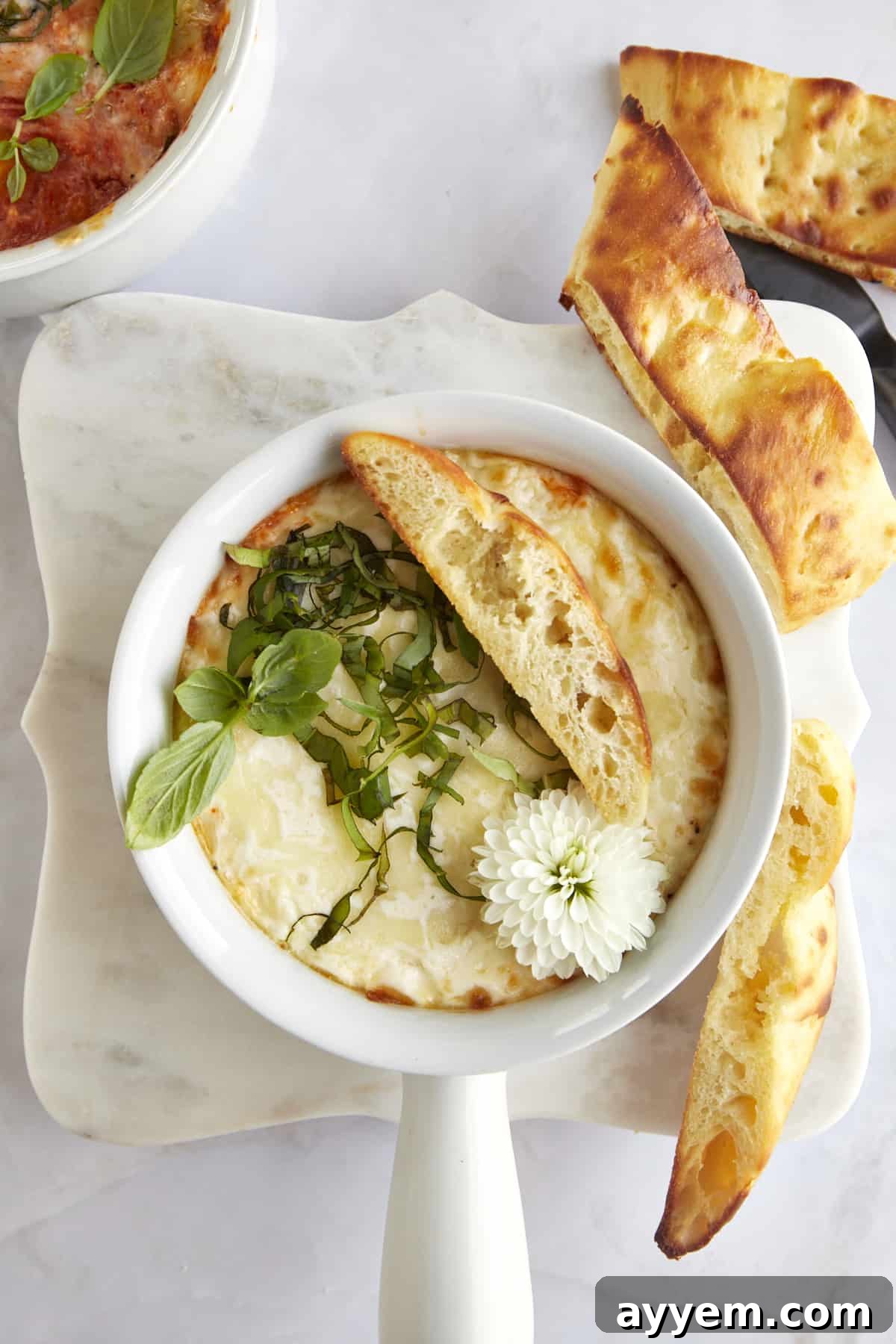
Welcome to the ultimate guide for preparing Eggs in Purgatory (Uova in Purgatoria), a cherished Italian classic that effortlessly blends simplicity with profound flavor. This delightful dish, renowned for its comforting warmth and vibrant spice, features perfectly cooked eggs nestled in a rich, bubbling marinara sauce. It’s a culinary masterpiece that feels special enough for any occasion, whether you’re seeking a hearty breakfast, a quick yet satisfying lunch, or a surprisingly elegant dinner. Forget complicated recipes; this easy-to-follow method ensures a flawless, mouthwatering result every single time, transforming humble ingredients into a truly unforgettable meal that will awaken your senses and soothe your soul. Dive into the world of Italian baked eggs and discover why this versatile, flavorful dish deserves a permanent spot in your recipe repertoire.
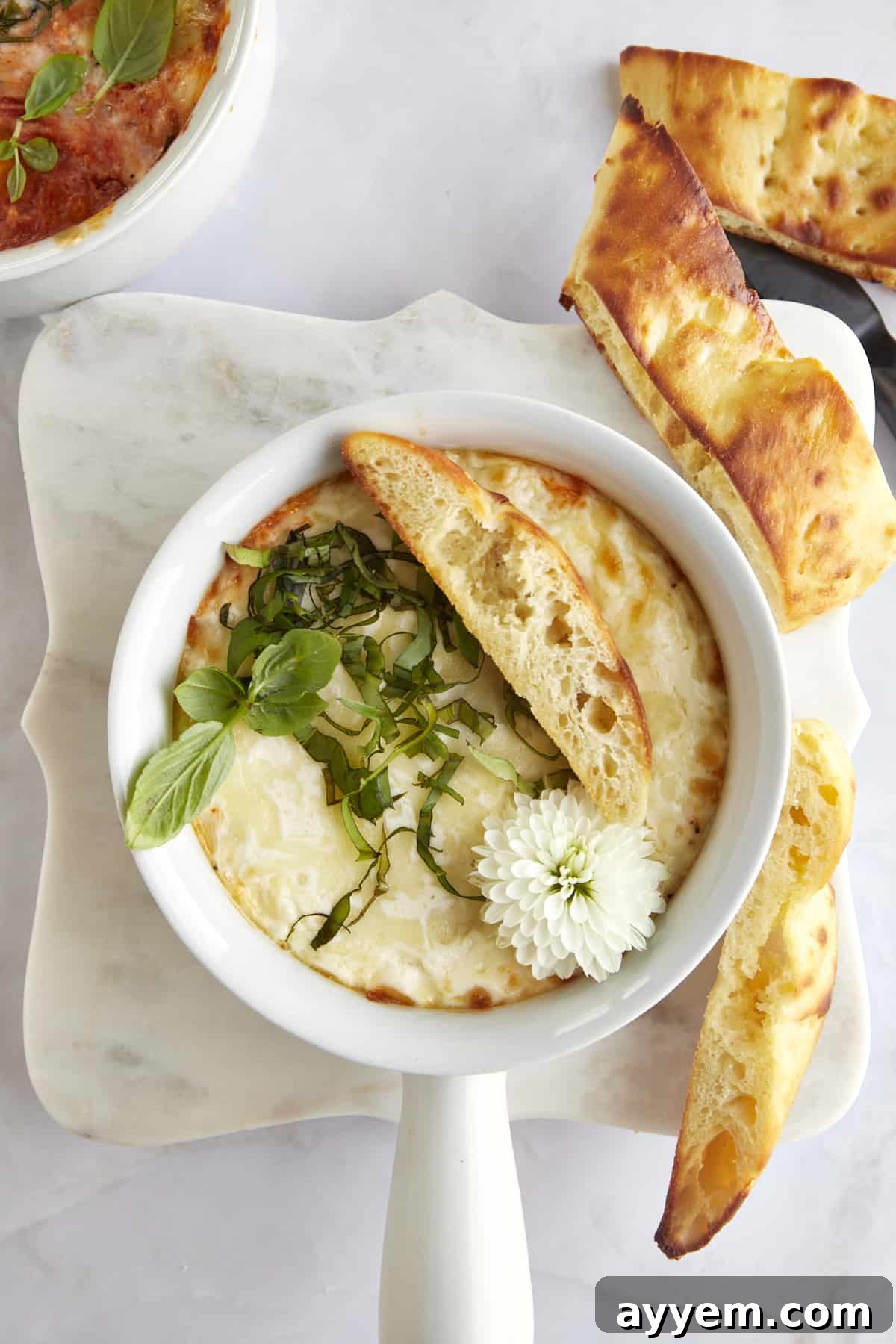
What Are Eggs in Purgatory (Uova in Purgatoria)?
Eggs in Purgatory, known in Italy as Uova in Purgatoria, is a traditional and rustic dish where fresh eggs are gently cooked directly in a savory, often spicy, tomato-based sauce. Imagine a deliciously hearty Italian cousin to the popular Middle Eastern dish Shakshuka, but with its own unique Mediterranean flair. This classic comfort food is characterized by its simplicity and depth of flavor, making it a beloved staple in Italian households for generations. The dish typically features a rich marinara or pomodoro sauce that cradles the eggs, allowing the whites to set while the yolks remain gloriously runny and luscious.
The evocative name, “Eggs in Purgatory,” carries a fascinating origin, believed to describe the visual of the eggs – pale white yolks peeking through a vibrant, fiery red tomato sauce. This imagery is said to allude to souls in purgatory, encircled by flames. Historically, this was a humble, peasant-style meal, a testament to its economical ingredients and straightforward preparation. Despite its simple beginnings, the combination of creamy eggs, robust tomato, and the optional addition of cheese and herbs creates an incredibly satisfying and flavorful experience. It’s a dish that embodies the heart of Italian cooking: taking simple, wholesome ingredients and transforming them into something truly extraordinary through careful preparation and a passion for flavor. Its versatility allows it to be enjoyed across various meal times, making it a perfect choice for any occasion.
Why You’ll Love This Easy Eggs in Purgatory Recipe
- Quick & Effortless: With minimal prep and cook time, this recipe is perfect for busy mornings, last-minute lunches, or weeknight dinners. It comes together in under 20 minutes from start to finish.
- Bursting with Flavor: A savory marinara base combined with gooey cheese, creamy eggs, and fresh basil creates a symphony of flavors that is deeply satisfying and incredibly delicious.
- Comfort Food at Its Best: There’s something inherently comforting about warm, saucy baked eggs. This dish offers a cozy, hearty meal that feels like a warm hug, perfect for any time of year.
- Highly Customizable: Whether you prefer a spicier kick, extra veggies, or different cheeses, this recipe is a fantastic canvas for your culinary creativity. You can easily adapt it to suit your taste preferences and what you have on hand.
- Visually Appealing: Served in individual ramekins, these Italian baked eggs are not only delicious but also beautifully presented, making them ideal for entertaining or a special brunch.
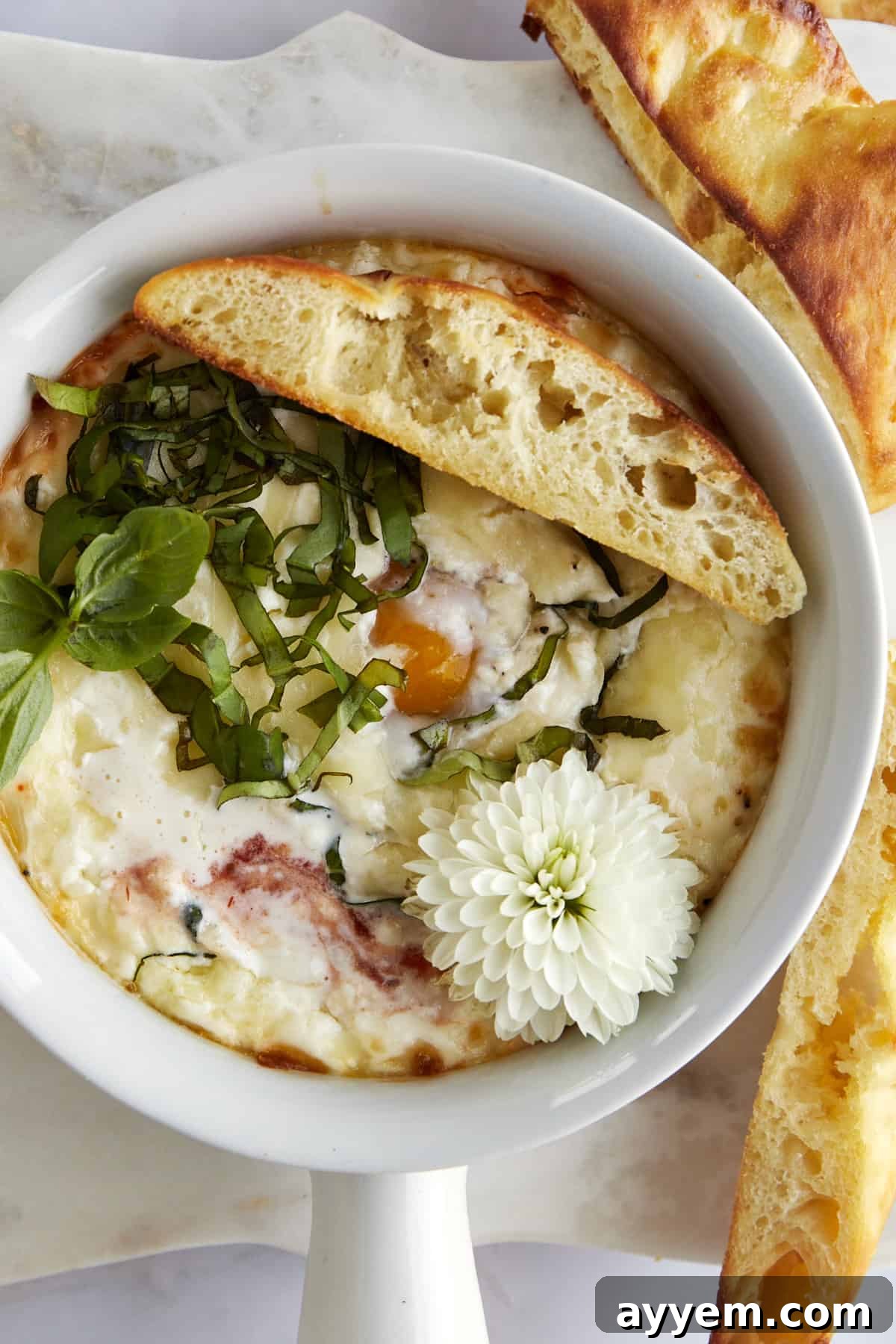
Essential Ingredients for Perfect Eggs in Purgatory
Crafting the perfect Eggs in Purgatory starts with selecting quality ingredients. Each component plays a vital role in building the dish’s rich flavor profile and comforting texture. Here’s a closer look at what you’ll need:
- Marinara Sauce: This forms the soul of your Eggs in Purgatory. While a homemade marinara sauce offers unparalleled depth, a high-quality jarred version is a fantastic time-saver without compromising flavor. Look for brands with minimal added sugars and authentic Italian flavors. A good marinara will provide a robust, slightly sweet, and tangy foundation for the eggs.
- Eggs: The star of the show! Fresh, large eggs are crucial. We gently crack them directly into the simmering sauce, aiming for perfectly set whites and runny, jammy yolks. The quality of your eggs will significantly impact the final texture and richness.
- Heavy Cream: A small drizzle of heavy cream elevates the dish with a luxurious, velvety texture and a subtle richness. It softens the acidity of the tomato sauce and adds a gourmet touch, making the dish feel extra special without extra effort.
- Cheese: This recipe utilizes a dynamic duo of feta and mozzarella. Feta cheese contributes a delightful salty tang and creamy texture, cutting through the richness of the sauce. Mozzarella, on the other hand, melts beautifully, creating those irresistible gooey, stretchy cheese pulls that make every spoonful a delight. This combination ensures a balanced and satisfying cheese experience.
- Salt and Pepper: These fundamental seasonings are essential for enhancing and balancing the flavors. A good pinch of kosher salt will brighten the sweetness of the tomato, while freshly ground black pepper adds a subtle warmth and aromatic complexity. Always season to taste, adjusting as needed after assembly.
- Fresh Basil Leaves: The aromatic finish. Fresh basil is indispensable, adding a vibrant, peppery, and slightly sweet herbal note that brightens the entire dish. Tearing the leaves just before serving releases their essential oils, infusing the eggs with a fresh, authentic Italian essence.
How to Make Easy Eggs in Purgatory: Step-by-Step Guide
Creating this Italian delight is simpler than you might imagine. Follow these steps for perfectly baked Eggs in Purgatory every time:
- Prepare Your Oven and Ramekins: Begin by preheating your oven to a robust 425°F (220°C). This high temperature helps the eggs cook quickly and evenly. While the oven heats, lightly oil two 12-ounce ramekins or coat them generously with nonstick spray. This ensures your baked eggs won’t stick and will be easy to serve.
- Lay the Sauce Foundation: Carefully spoon half of your marinara sauce into the prepared ramekins, ensuring it’s evenly distributed and forms a thick, flavorful layer across the bottom. This saucy cushion is essential for cradling the eggs and infusing them with flavor as they bake.
- Crack the Eggs: With a gentle hand, crack two large eggs into each ramekin. Position them carefully so the yolks remain intact and centered within the marinara sauce. The goal is for the yolks to stay perfectly soft and runny, so avoid breaking them at this stage.
- Add Cream and Cheese: Drizzle about 2 tablespoons of heavy cream over the eggs and sauce in each ramekin. Follow this with an even sprinkle of feta cheese and mozzarella cheese over the surface. The cream adds richness, while the cheeses will melt into a luscious, gooey topping.
- Season Generously: Finish by seasoning each ramekin with a pinch of kosher salt and several cracks of freshly ground black pepper. These seasonings are crucial for enhancing all the savory flavors and balancing the dish.
- Bake to Perfection: Place the filled ramekins onto a sturdy baking sheet. Transfer the baking sheet to your preheated oven and bake for approximately 10-12 minutes. The baking time may vary slightly depending on your oven and desired yolk consistency. You want the egg whites to be fully set and opaque, but the yolks should still be beautifully soft, runny, or jammy.
- Garnish and Serve: Once baked, carefully remove the ramekins from the oven and let them cool for a few minutes. This allows the dish to set slightly and prevents burns. Just before serving, generously top each ramekin with torn fresh basil leaves. Serve warm, ideally with the remaining marinara sauce on the side and plenty of crusty bread for dipping to soak up every last drop of that incredible sauce.
Pro Tips for the Best Eggs in Purgatory
- Don’t Overcrowd: Ensure there’s enough space in your ramekins for the eggs and sauce to cook evenly. Overfilling can lead to uneven cooking.
- Warm Your Sauce: For a faster and more even cook, consider gently warming your marinara sauce on the stovetop before adding it to the ramekins. This helps the eggs cook more consistently.
- Choose Your Eggs Wisely: Fresher eggs tend to hold their shape better, making for a prettier presentation and firmer whites.
- Visual Cues are Key: Oven temperatures can vary. Instead of strictly timing, watch for the egg whites to solidify and turn opaque. Gently shake a ramekin; if the yolk jiggles but the white is firm, it’s ready.
- Experiment with Spice: If you enjoy a kick, stir a pinch of red pepper flakes into your marinara sauce before baking.
- Serve Immediately: While leftovers can be stored, Eggs in Purgatory is truly at its best when enjoyed straight from the oven, allowing you to savor the perfect runny yolks and warm, gooey cheese.
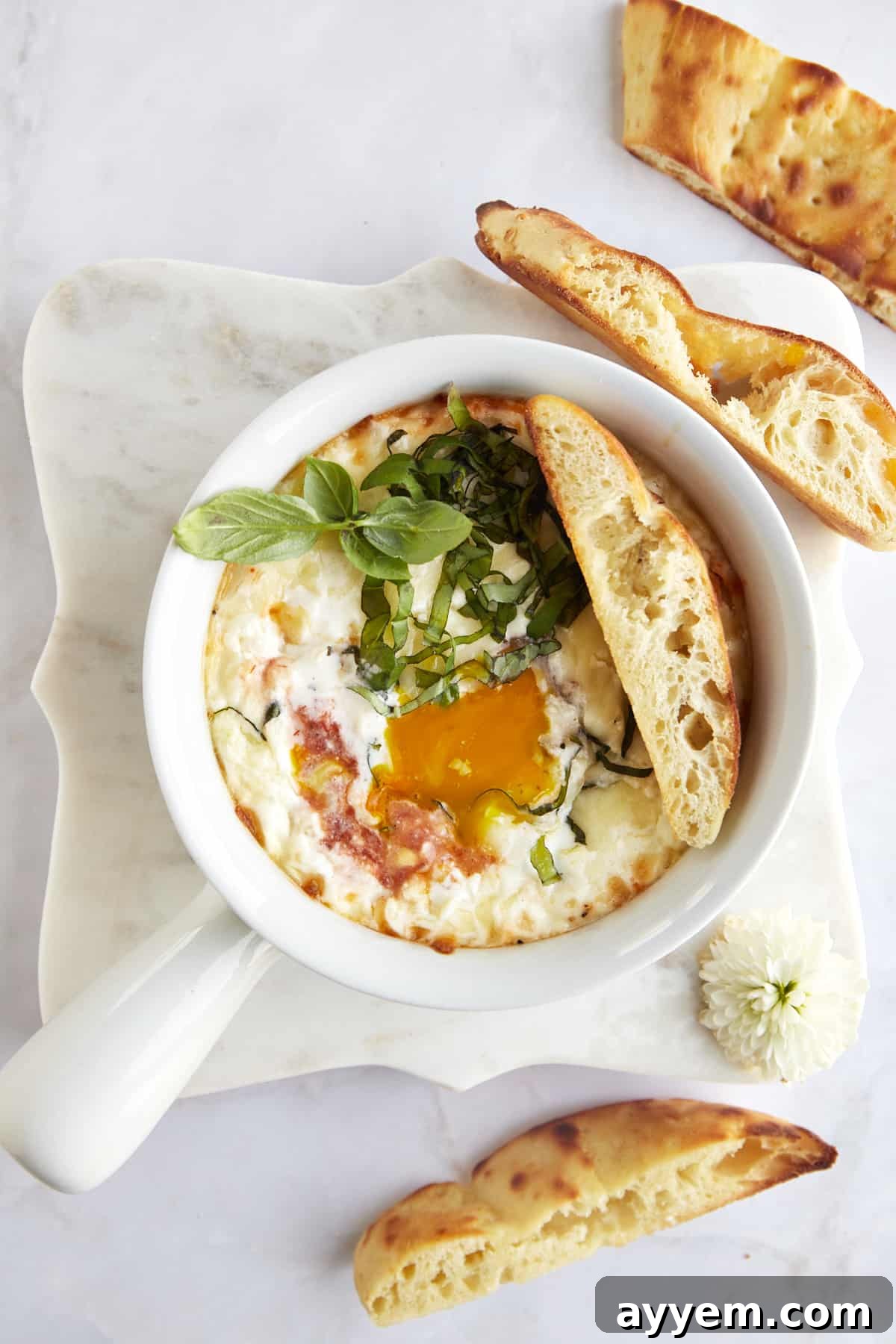
Creative Variations & Customizations for Eggs in Purgatory
One of the beauties of Eggs in Purgatory is its incredible adaptability. This simple recipe serves as a perfect canvas for culinary experimentation. Feel free to personalize it with your favorite ingredients and flavors:
- Protein Boost: Enhance the heartiness of your dish by adding cooked and crumbled Italian sausage, crispy bacon bits, diced prosciutto, or even sautéed mushrooms. These additions contribute additional savory depth and texture.
- Spice It Up: For those who love a fiery kick, stir crushed red pepper flakes directly into your marinara sauce before baking. You can also add a touch of Calabrian chili paste for an authentic Italian heat.
- Cheese Swap: While feta and mozzarella are fantastic, don’t hesitate to experiment with other cheeses. Try grated Parmesan for a sharp, nutty flavor, creamy goat cheese for a tangy contrast, or dollops of fresh ricotta for a softer, milder texture. Provolone or fontina would also melt beautifully.
- Veggie Power-Ups: Boost your nutrient intake and add vibrant colors by stirring in some fresh greens like spinach or kale (they will wilt down significantly). Sautéed bell peppers, onions, zucchini, or even a handful of cherry tomatoes can also be incorporated into the sauce for extra flavor and substance.
- Skillet Style: Instead of individual ramekins, make a larger, family-style batch in a small oven-safe skillet (like a cast iron pan). This creates a rustic, communal presentation that’s perfect for sharing. Adjust baking time as needed for a larger volume.
- Flavor Twists: A drizzle of vibrant pesto just before serving adds a fresh, garlicky, and herbaceous dimension that complements the rich tomato sauce beautifully. A splash of balsamic glaze can add a sweet and tangy complexity, while a pinch of smoked paprika can offer a subtle, smoky undertone.
- Perfect Pairings: The best way to enjoy Eggs in Purgatory is with something to sop up every last bit of that delicious sauce. Toasted sourdough bread, warm pita bread, crusty baguette slices, or creamy polenta are all excellent choices. For a more substantial meal, consider serving it alongside garlic bread, roasted potatoes, or a light green salad with a vinaigrette to balance the richness.

Storage and Leftovers for Eggs in Purgatory
While Eggs in Purgatory is undeniably at its peak when served fresh, hot, and with those perfectly runny yolks, you might find yourself with leftovers. It’s important to note that the eggs will continue to cook as they cool and during reheating, altering the texture from its original delicate state.
If you do have leftovers, allow the dish to cool completely before transferring it to an airtight container. Store it in the refrigerator for up to 2 days. When reheating, gently warm in the microwave or a low oven until heated through. Be mindful that the yolks will likely become firm, and the cheese might not be as gooey. While still edible and flavorful, the magical texture of freshly baked Eggs in Purgatory is hard to replicate.
Freezing this recipe is generally not recommended. The delicate structure of the eggs and the texture of the cheese tend to break down upon thawing and reheating, resulting in a less appealing dish. For the best experience, plan to enjoy your Eggs in Purgatory soon after preparation.
Common Questions about Eggs in Purgatory
The name “Eggs in Purgatory” (Uova in Purgatoria) is largely a visual and metaphorical one. It refers to how the pale, white eggs appear nestled in a vibrant, fiery red tomato sauce, reminiscent of souls floating amidst the flames of purgatory in religious tradition. It’s a vivid and poetic description for a humble yet incredibly flavorful dish.
You can certainly do some prep work in advance to save time. The marinara sauce can be prepared a day or two ahead, and you can even assemble the sauce and cheese layers in the ramekins. However, for the very best texture, especially those desired runny yolks, it’s highly recommended to crack the eggs and bake the dish just before you plan to serve it. This ensures optimal freshness and egg consistency.
Both dishes feature eggs poached in a flavorful tomato sauce, but their origins and flavor profiles differ. Shakshuka, typically associated with Middle Eastern and North African cuisines, often includes spices like cumin, paprika, and sometimes caraway, along with bell peppers and onions in its tomato base. Eggs in Purgatory, being Italian, leans on a simpler marinara sauce, often seasoned with basil, oregano, and garlic, and commonly includes Italian cheeses like mozzarella or Parmesan. While similar in concept, their distinct spice blends and regional ingredients give them unique tastes.
It can be, depending on your preference and the marinara sauce used! Traditional Italian versions often have a subtle warmth or a moderate kick, usually from a touch of red pepper flakes. You have full control over the spice level. Use a mild marinara for a gentle flavor, or add more red pepper flakes to taste if you enjoy a spicier dish. You can also choose a pre-spiced arrabbiata sauce for an extra punch.
The best marinara sauce is one you love! If you have a homemade recipe, that’s ideal. For store-bought options, choose a high-quality brand with a rich tomato flavor, simple ingredients, and minimal added sugar. Brands labeled “fire-roasted” or “San Marzano tomato” often provide excellent depth. You can also customize a basic marinara with garlic, onion, and herbs to elevate its flavor.
More Egg Recipes for Any Meal
If the simplicity and satisfaction of Eggs in Purgatory have sparked your interest in versatile egg dishes, you’re in for a treat! Eggs are a fantastic source of protein and an incredibly adaptable ingredient for any meal. Whether you’re planning a savory breakfast, a light lunch, or a comforting dinner, these additional egg-focused recipes are sure to delight:
- Egg Tortilla Bake (3 Ways): Explore different variations of a hearty egg and tortilla bake.
- Eggs and Dates (Egyptian Eggs with Agwa): A unique and surprisingly delicious combination of savory eggs and sweet dates.
- Greek Egg Bake Casserole: A flavorful casserole perfect for feeding a crowd or meal prepping.
- Turkish Poached Eggs with Cottage Cheese: A light yet satisfying dish with a creamy twist.
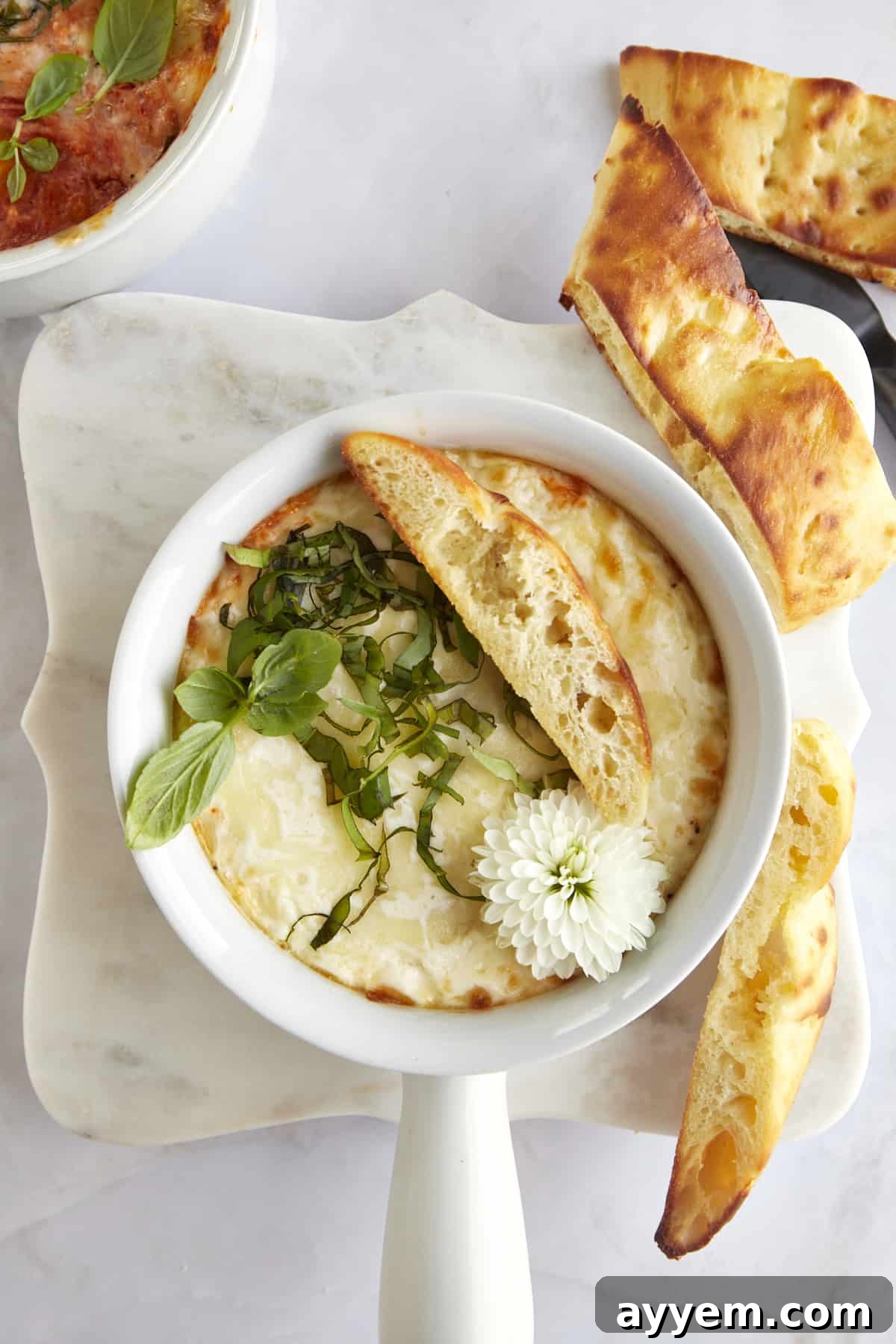
Easy Eggs in Purgatory Recipe
Ingredients
- 1 cup marinara sauce divided
- 4 large eggs
- ¼ cup heavy cream divided
- ¼ cup feta cheese divided
- ¼ cup Mozzarella cheese divided
- Kosher salt to taste
- Freshly ground black pepper to taste
- ¼ cup basil leaves divided
Instructions
-
Preheat the oven to 425 degrees F (220 degrees C). Lightly oil two 12-ounce ramekins, or coat them with nonstick spray.
-
Divide half of the marinara sauce evenly between the ramekins, spreading it to cover the bottom.1 cup marinara sauce
-
Crack 2 eggs into each ramekin, taking care not to break the yolks.4 large eggs
-
Drizzle 2 tablespoons of heavy cream into each ramekin, being careful to distribute it evenly.¼ cup heavy cream
-
Sprinkle 2 tablespoons of feta cheese and 2 tablespoons of Mozzarella cheese over each ramekin.¼ cup feta cheese, ¼ cup Mozzarella cheese
-
Season with kosher salt and freshly ground black pepper to taste.Kosher salt to taste, Freshly ground black pepper
-
Place the ramekins on a baking sheet, and transfer them to the preheated oven.
-
Bake for about 10-12 minutes, or until the egg whites are set but the yolks are still slightly runny.
-
Remove the ramekins from the oven, and let them cool for a few minutes.
-
Garnish each ramekin with basil leaves.¼ cup basil leaves
-
Serve the baked eggs with the remaining marinara sauce on the side.
Equipment
Nutrition
Nutrition information is automatically calculated, so should only be used as an approximation.
More Egg-Filled Breakfast Recipes
If you’ve savored every bite of this easy Eggs in Purgatory recipe, you’ll be thrilled to explore more incredible egg dishes that are perfect for any time of day. Eggs are a versatile ingredient, forming the foundation for countless delicious and satisfying meals, whether you’re craving a protein-packed start to your morning or a comforting breakfast-for-dinner option.
Here are some of our favorite egg-centric recipes that promise to bring flavor and comfort to your table:
- Turkish Poached Eggs with Cottage Cheese: A delightful and fresh take on poached eggs, combining rich flavors with a creamy element.
- Greek Breakfast Casserole: Perfect for feeding a crowd, this casserole is packed with savory ingredients and Mediterranean flair.
- Easy Oven Baked Eggs: A straightforward and delicious method for perfectly cooked eggs every time.
- Oven Baked Shakshuka: If you loved Eggs in Purgatory, you’ll appreciate this spiced tomato and egg dish baked to perfection.