
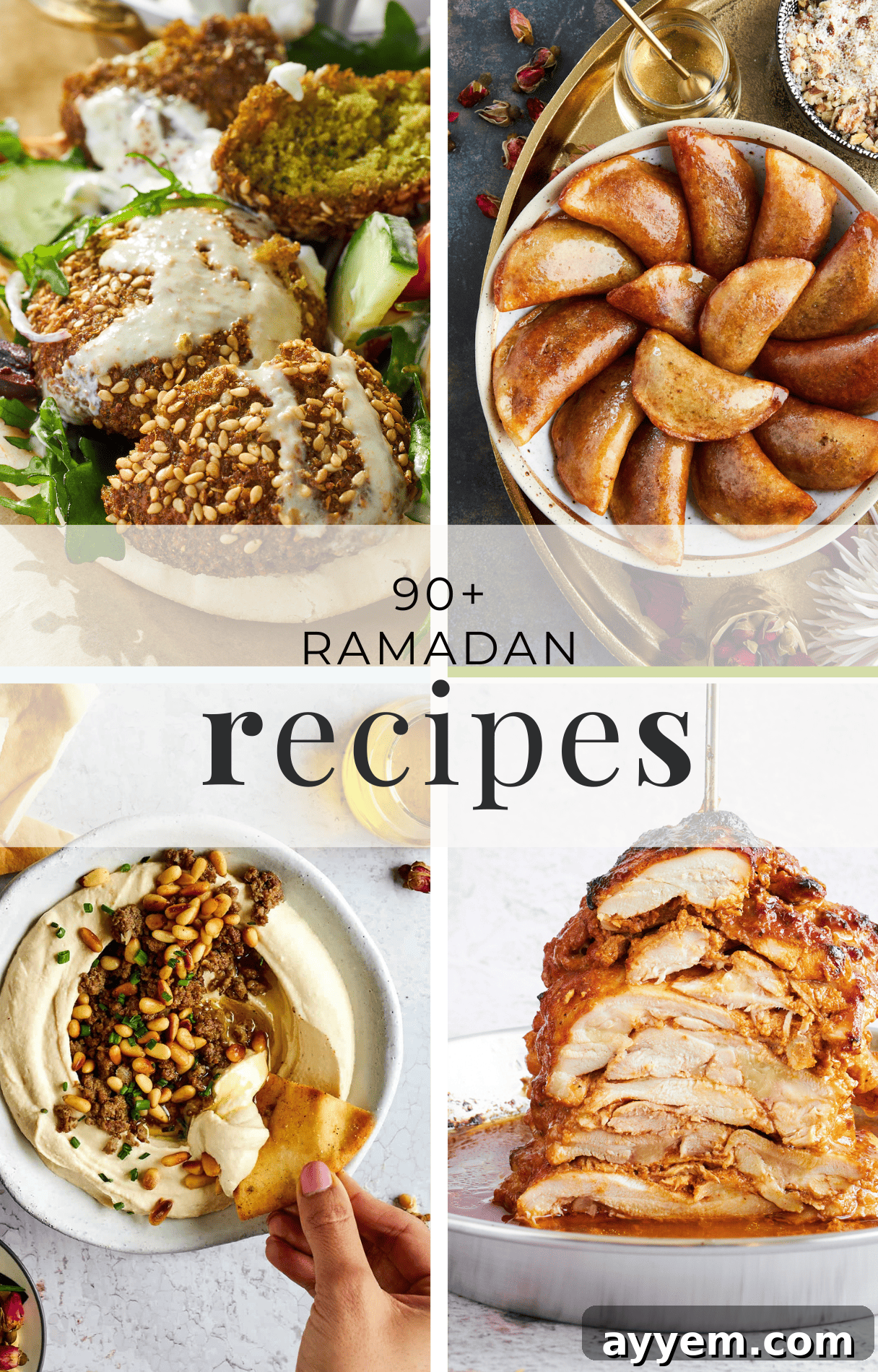
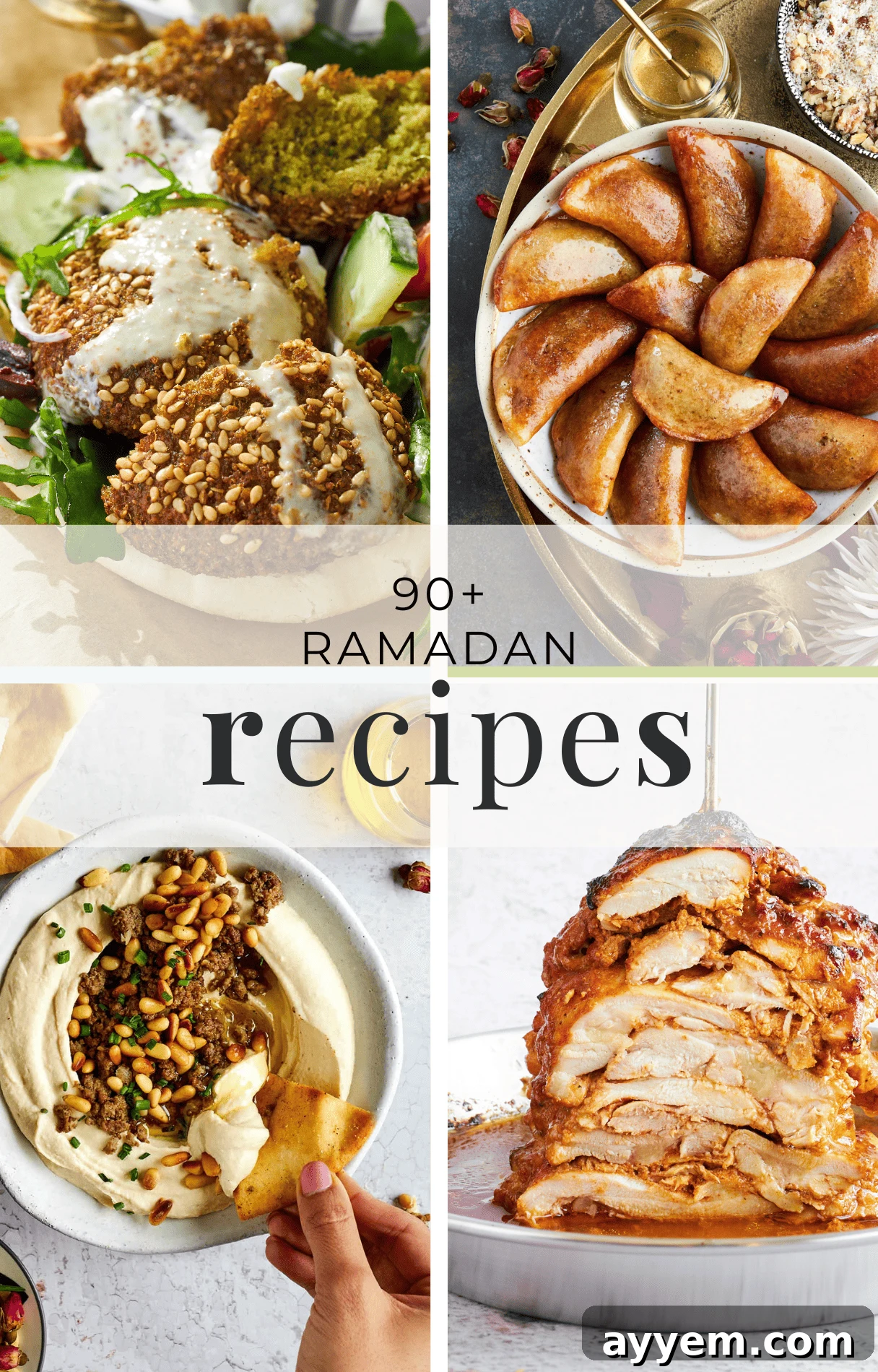
Embark on a culinary journey this holy month with over 100 exquisite Ramadan recipes designed to nourish your body and soul. Beyond just breaking your fast, these carefully curated dishes and essential tips will help you stay healthy, satisfied, and energized throughout Ramadan. Whether you observe the fast or simply appreciate a rich tapestry of flavors, these easy-to-prepare, taste-packed Ramadan food ideas are truly too delightful to overlook. Discover traditional favorites and modern twists that promise to bring warmth and joy to your Iftar and Suhoor tables.
Understanding Ramadan: A Month of Reflection and Community
Ramadan is a sacred month in the Islamic calendar, observed by Muslims worldwide as a period of intense prayer, fasting, reflection, and community. It falls on the ninth month of the lunar Islamic calendar, meaning its timing shifts each year, beginning and ending with the sighting of the crescent moon. This spiritual journey typically spans 29 to 30 days, inviting believers to deepen their connection with God and with one another.
The significance of Ramadan stems from historical events, most notably the belief that in 610 A.D., God revealed the first verses of the Qur’an, Islam’s holy book, to Prophet Muhammad. This profound moment marked Muhammad’s prophecy and the beginning of his mission to spread God’s divine message. Consequently, Ramadan is a time to honor this revelation through dedicated study of the Qur’an and a heightened focus on spiritual growth.
Beyond its historical roots, Ramadan today is celebrated as a month of profound personal and communal reflection. Muslims dedicate extra time to prayer, charity, and acts of kindness, fostering a spirit of gratitude, compassion, and self-discipline. The most prominent practice during this month is fasting from dawn until sunset, abstaining from all food and drink, including water. This fast is not merely about physical denial but is a powerful spiritual exercise designed to purify the soul, develop empathy for those less fortunate, and strengthen one’s resolve.
The communal aspect of Ramadan is equally important, with families and friends gathering for Suhoor (the pre-dawn meal) and Iftar (the meal to break the fast). These gatherings are vibrant occasions filled with delicious food, shared stories, and renewed bonds, emphasizing unity and mutual support. It’s a time when generosity flourishes, and communities come together to support each other and those in need.
*For a deeper dive into the origins, customs, and spiritual traditions of Ramadan, comprehensive information is available on reputable resources such as those provided by USA Today and Islamic Networks Group (ING). These sites offer detailed insights into the rich history and diverse practices observed during this holy month.
Traditional Ramadan Foods: Fueling Your Body and Soul
During Ramadan, the importance of consuming proper, nourishing foods cannot be overstated. With only two designated meals a day – Suhoor before dawn and Iftar after sunset – mindful eating becomes critical for maintaining health and energy levels throughout the fasting period. This is precisely why we’ve compiled a collection of delicious and balanced recipes tailored for Ramadan, helping you prepare meals that are both flavorful and beneficial.
The pre-dawn meal, known as Suhoor, is designed to sustain fasters through the long daylight hours. Traditionally, it focuses on hearty, nutrient-dense foods that release energy slowly. Staples often include complex carbohydrates like breads (such as pita or flatbread), accompanied by rich sources of fiber and vitamins like fresh fruit. Dairy products, eggs, and grains are also popular choices, providing essential protein and fats to help keep hunger at bay and maintain stable blood sugar levels.
In contrast, the evening meal, Iftar, is a celebratory occasion to break the fast. It typically begins gently, often with dates and water, following the tradition of Prophet Muhammad. Dates provide an immediate burst of natural sugars and energy, helping to rehydrate and revitalize the body after a day of fasting. Following this initial break, Iftar unfolds into a multi-course feast. Common components often include light yet restorative soups, serving as a comforting and hydrating starter. These are then followed by substantial main dishes, rich in protein and a variety of vegetables. The meal concludes with delightful sweet desserts, marking the joyful end of the day’s fast.
The specific types of traditional foods enjoyed during Ramadan vary significantly from region to region, reflecting the diverse culinary landscapes of Muslim communities worldwide. However, some universally beloved items include dates (essential for breaking the fast), haleem (a hearty wheat and meat stew), sambusa (savory fried pastries), flavorful kebabs, fresh fattoush salad, refreshing jallab (date molasses drink), vibrant fresh fruit salads, and sweet pastries like maamoul and baklava. These foods are not just sustenance; they are integral to the cultural and spiritual experience of Ramadan, bringing families and communities together in shared celebration.
Mindful Eating: Foods to Limit During Ramadan
While there are no religious restrictions on specific types of food during Ramadan (apart from general Islamic dietary laws), it is highly recommended to be mindful of certain food choices that can negatively impact your health and comfort during the fasting hours. The goal is to maximize your energy and minimize dehydration and lethargy, ensuring you feel your best throughout the day. Prioritizing whole, unprocessed foods, abundant fruits and vegetables, and healthy fats is an excellent strategy for providing your body with the sustained nourishment it needs.
Here are some food categories and items to consider limiting or avoiding to optimize your well-being:
- Fried and Fatty Items: Deep-fried and excessively fatty foods, while delicious, can be heavy on the stomach and lead to indigestion. They often cause feelings of sluggishness and can contribute to thirst, making the fast more challenging. Opt for healthier cooking methods like baking, grilling, or air-frying.
- Foods that Contain a High Sodium Content: Salty foods, such as pickles, processed meats, and highly seasoned snacks, are notorious for increasing thirst. Consuming them during Suhoor can lead to severe dehydration during the day. It’s best to reduce salt intake and choose fresh ingredients.
- Excessively Sugary Foods: While desserts are a cherished part of Iftar, consuming too many highly sugary foods, especially during Suhoor, can lead to a rapid spike and crash in blood sugar levels. This can leave you feeling tired and hungry much sooner into the fast. Prioritize natural sugars from fruits or opt for smaller portions of sweets.
- Caffeine: Coffee, tea, and caffeinated sodas are diuretics, meaning they can increase urine output and lead to dehydration. Additionally, regular caffeine drinkers might experience withdrawal headaches if they stop suddenly during Ramadan. Gradually reduce caffeine intake before Ramadan or limit it to Iftar if necessary, followed by plenty of water.
By making conscious food choices and focusing on balanced, wholesome meals, you can navigate Ramadan with greater ease and vitality, allowing you to fully engage in the spiritual and communal aspects of the month.
Beyond Spirituality: The Health Benefits of Fasting
Fasting during Ramadan offers a profound spiritual experience, but its benefits extend far beyond, encompassing significant positive impacts on physical and mental health. While not a medical treatment, and always subject to individual health conditions (consult your doctor before undertaking any fasting regimen), regular intermittent fasting, as practiced in Ramadan, has been widely acknowledged for its potential health advantages. This disciplined abstention from food and drink, particularly from dawn to dusk, can foster enhanced willpower and self-control, alongside a range of physiological improvements:
- Reduce Hypertension: Studies suggest that intermittent fasting can contribute to lower blood pressure, which is crucial for cardiovascular health. This is often linked to improved metabolic markers and weight management.
- Improve Brain Function: Fasting can stimulate autophagy, a cellular cleaning process that removes damaged cells and regenerates new ones, potentially enhancing cognitive function, memory, and neuroplasticity.
- Assist with Weight Loss: By creating a controlled eating window and often leading to a natural reduction in calorie intake, fasting can be an effective strategy for weight management and body fat reduction.
- Reduce the Risk of Cancer: Preliminary research indicates that fasting may play a role in inhibiting tumor growth and enhancing the effectiveness of certain cancer treatments by altering metabolic pathways.
- Reduce Inflammation: Chronic inflammation is linked to numerous diseases. Fasting has been shown to reduce inflammatory markers in the body, potentially mitigating the risk of conditions like arthritis and heart disease.
- Lower Blood Sugar: By giving the body a break from constant food intake, fasting can improve insulin sensitivity and help regulate blood sugar levels, which is particularly beneficial for preventing or managing type 2 diabetes.
These health benefits underscore that Ramadan fasting, when approached with proper nutrition during non-fasting hours, can be a holistic practice that nurtures both the spirit and the body.
*Important Note: The information provided here is for general knowledge and should not be considered medical advice. Always consult with your healthcare provider or a qualified medical professional before attempting to fast or making any significant dietary or lifestyle changes, especially if you have pre-existing health conditions.

Essential Tips for Staying Healthy and Energized During Ramadan
While the spiritual and physical benefits of fasting during Ramadan are truly remarkable, abstaining from food and drink for extended periods can be challenging. Therefore, it is absolutely crucial to nourish your body properly during the non-fasting hours to ensure you remain healthy, hydrated, and energized throughout the entire month. Thoughtful preparation and mindful eating practices are key to a successful and comfortable Ramadan.
Of course, building well-rounded meals is of paramount importance. Our Ramadan recipes are specifically designed to provide balanced nutrition. Be sure to load up on high-quality protein, healthy fats, fiber, and an abundance of vitamins and minerals from fresh fruits and vegetables. In addition to smart meal choices, we also highly recommend incorporating the following strategies:
- Prepping Meals Ahead of Time: One of the most effective ways to ensure healthy eating during Ramadan is to prepare your meals in advance. Having nutritious, pre-made options readily available reduces the temptation for less healthy, quick fixes when hunger strikes. Imagine not having to stand over a hot stove after a long day of fasting – simply heat and enjoy! Batch cooking soups, casseroles, or marinating proteins can save immense time and energy.
- Never Skip Suhoor: It can be incredibly tempting to hit the snooze button and forgo the pre-dawn meal. However, we strongly urge you to make sure you wake up early enough to eat Suhoor. This vital first meal of the day provides the necessary fuel and nutrients to carry you through the fasting hours. A balanced Suhoor, rich in complex carbs and protein, will help you feel your best, minimize hunger pangs, and sustain your energy until Iftar.
- Prioritize Hydration: Dehydration is a common challenge during Ramadan. To combat this, aim to limit or completely avoid diuretic beverages like caffeine. Instead, focus on consuming hydrating foods such as brothy soups, juicy fruits (like watermelon and oranges), and water-rich vegetables. Most importantly, drink plenty of water during the non-fasting hours, from Iftar until Suhoor. Space out your water intake to ensure optimal absorption and avoid bloating.
- Embrace Complex Carbohydrates: While low-carb diets may be trendy, Ramadan is generally not the ideal time to restrict carbohydrates. Carbs are your body’s primary source of energy. Opt for complex carbohydrates, which are rich in vitamins, minerals, and fiber. These release energy slowly, providing sustained power and helping you feel fuller for longer. Examples include whole grains, oats, legumes, and certain vegetables.
- Avoid Processed and Packaged Foods: Highly processed and packaged foods often contain excessive amounts of added salt, sugar, and unhealthy fats. These ingredients can lead to rapid energy crashes, increased thirst, and feelings of lethargy. They offer little nutritional value and are likely to leave you feeling worse than before eating them. Prioritize fresh, homemade meals to maximize your nutrient intake and overall well-being.
By integrating these tips into your Ramadan routine, you can experience a month filled with spiritual fulfillment, abundant energy, and excellent health.
A Culinary Journey: 100+ Irresistible Ramadan Recipes
Now that we’ve covered the essential insights for a healthy and fulfilling Ramadan, it’s time to delve into the most exciting part: the food! Below, you’ll discover a comprehensive list of our absolute favorite Ramadan recipes – a collection we cherish and prepare not only during the blessed month but throughout the entire year. These dishes are designed to be both nourishing and incredibly flavorful, making every Iftar and Suhoor a memorable occasion. Prepare to explore a diverse array of culinary delights that promise to satisfy every craving and bring joy to your table.
Energizing Breakfast Ideas for Suhoor
For Suhoor, the pre-dawn meal, sustaining energy is paramount. While classic, protein-rich choices like scrambled eggs offer a quick and satisfying start, we often prefer to prepare a more elaborate spread. This ensures a diverse and appealing meal, complete with both sweet and savory options, setting us up for a successful and comfortable fasting day. No matter what we serve, a side of fresh berries is always a welcome addition, providing essential nutrients and fiber. Don’t worry, we’ll share tips on how to store them to keep them fresh!



- 3-Ingredient Coconut Chia Pudding – Quick to prepare, this sweet recipe is packed with healthy fats and fiber to keep you feeling full and energized.
- Cheesy Breakfast Brioche Sliders – High in protein and incredibly flavorful, these satisfying sliders are perfect for making in bulk for easy Suhoor meals throughout the week.
- Date & Apricot Overnight Oats– These sweet oats are nutritious, creamy, and made with complex carbs, ideal for prepping ahead of time and enjoying a nourishing Suhoor.
- Double Chocolate Banana Bread – An indulgent yet energizing breakfast that also doubles as a delightful dessert, sure to make waking up for Suhoor a pleasure.
- Easy Baklava Granola Recipe – Infused with the flavors of your favorite dessert, this homemade granola is fantastic on its own, with yogurt, or sprinkled over fruit.
- Easy Shakshuka with Feta – A comforting vegetarian dish with warm spices, creamy feta, and fresh tomatoes, guaranteed to keep you full and satisfied.
- Greek Breakfast Casserole – This hearty casserole, with a vegetarian option, is rich in protein and veggies, making it an excellent, easy-to-make Suhoor choice.
- Healthy Baked Banana Bread Oatmeal– The perfect way to use overripe bananas, this baked oatmeal is full of fiber and nutrients, with a hint of chocolate for a sweet touch.
- Oven Baked Shakshuka – A convenient baked version of our savory breakfast favorite, this shakshuka is a perfect hands-off recipe for a relaxed Suhoor.
- Peach Blueberry Baked Oats – Simple and naturally sweet, this fruity oatmeal is delicious on its own or enhanced with a dollop of yogurt for extra creaminess.
- Peanut Butter Energy Balls– Ideal for a quick, energy-rich bite, these snacks are packed with sustaining ingredients to power your day.
- Pistachio Walnut Cinnamon Rolls – Elevated beyond average, these cinnamon rolls feature sweetened nuts for an irresistible extra layer of flavor and crunch.
- Protein Packed Egg Muffin Sandwiches – Better than any fast food, these breakfast sandwiches are incredibly tasty and secretly loaded with protein and healthy veggies.
- The Best Breakfast Charcuterie Board – A showstopping spread of pancakes and waffles, allowing the whole family to customize their perfect, fun, and hearty Suhoor.
- Turkish Eggs with Roasted Red Peppers and Yogurt – Smooth, creamy, and ultra-savory, this elegant breakfast promises a unique and memorable Suhoor experience.
- Hibiscus Tea Recipe (Karkarde) – This easy hibiscus tea, made with just five ingredients, offers a sweet, tart, and refreshing drink with numerous health benefits for Suhoor.
- Greek Egg Bake Casserole – A savory breakfast option featuring sautéed veggies, fresh pita bread, eggs, and cheese, making for an easy and delicious meal.
- Ful Medames Beans (Egyptian Fava Beans) – This classic Egyptian recipe is full of savory flavor, hearty, and filling enough to keep you satisfied throughout the fasting day.
- Eggs and Dates (Egyptian Eggs with Agwa) – A simplified version of traditional eggs with agwa dishes, made with just four ingredients and minimal cook time for a sweet and savory Suhoor.
Delectable Snack and Appetizer Recipes for Iftar
While the concept of “snacking” is set aside during the fasting hours of Ramadan, appetizers play a vital role in kicking off the Iftar meal. These flavorful bites help to gently ease the body back into eating after a long fast, tantalizing the taste buds and preparing the stomach for the main courses to follow. Our collection of Ramadan appetizers are some of our absolute favorites, perfect for sharing and savoring at sunset.
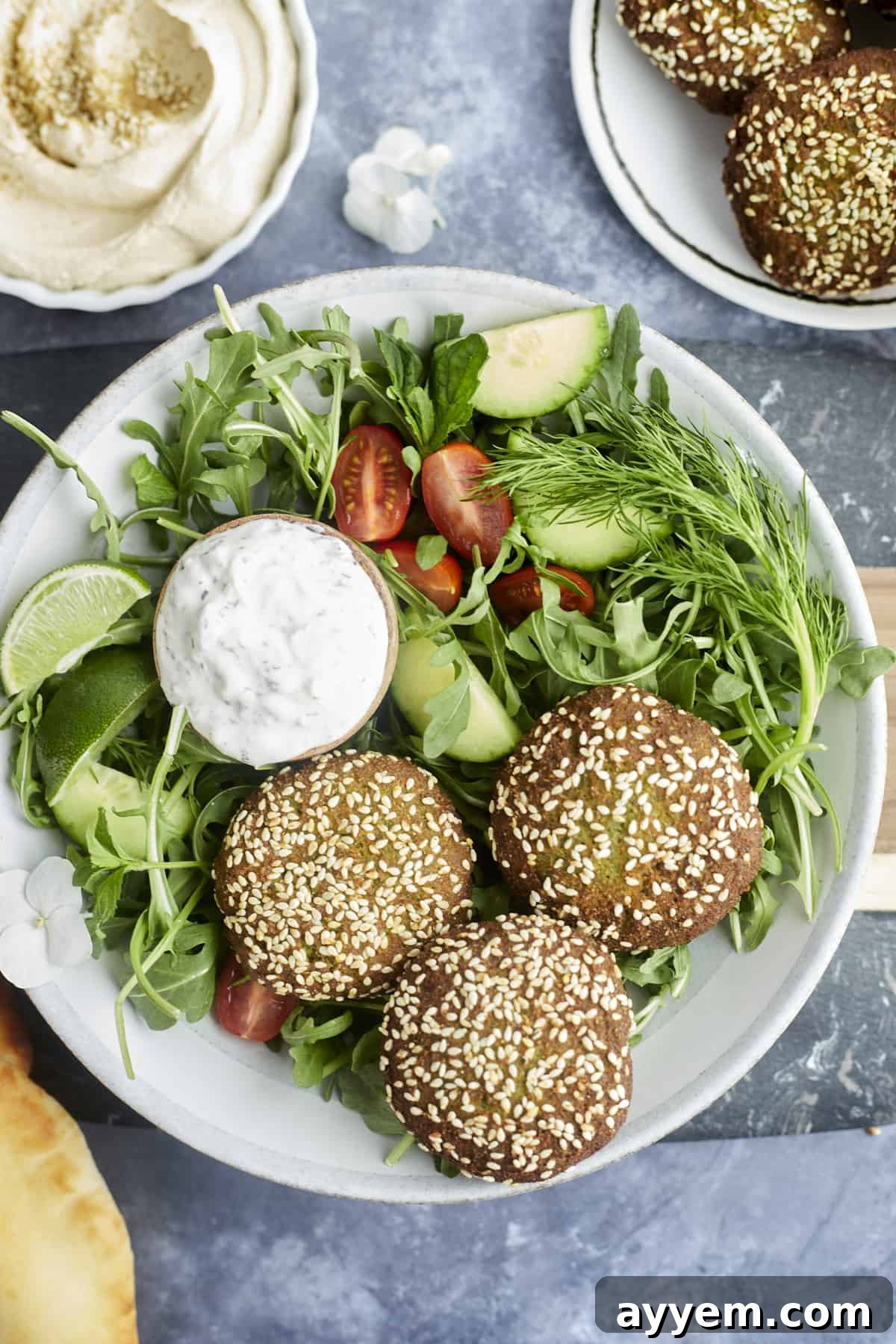
- Air Fryer Falafel – A healthier take on a beloved Middle Eastern classic, this protein-packed falafel is crispy and delicious without the deep-frying.
- Air Fryer Sesame Crusted Feta – These satisfying feta cubes, rich in healthy fats, make for an incredibly flavorful and unique appetizer.
- Burrata with Roasted Tomatoes and Za’atar Pita – A robust and elegant appetizer, this is a perfect way to break your fast with a burst of fresh, savory flavors.
- Chunky Garlic Hummus Recipe (Masabaha) – An easy version of Middle Eastern Masabaha, this hummus is perfect for dipping fresh pita or vegetables.
- Easy Labne with Persian Marinated Olives – Tangy and utterly satisfying, this creamy dip pairs beautifully with pita, crackers, or any of your favorite dippers.
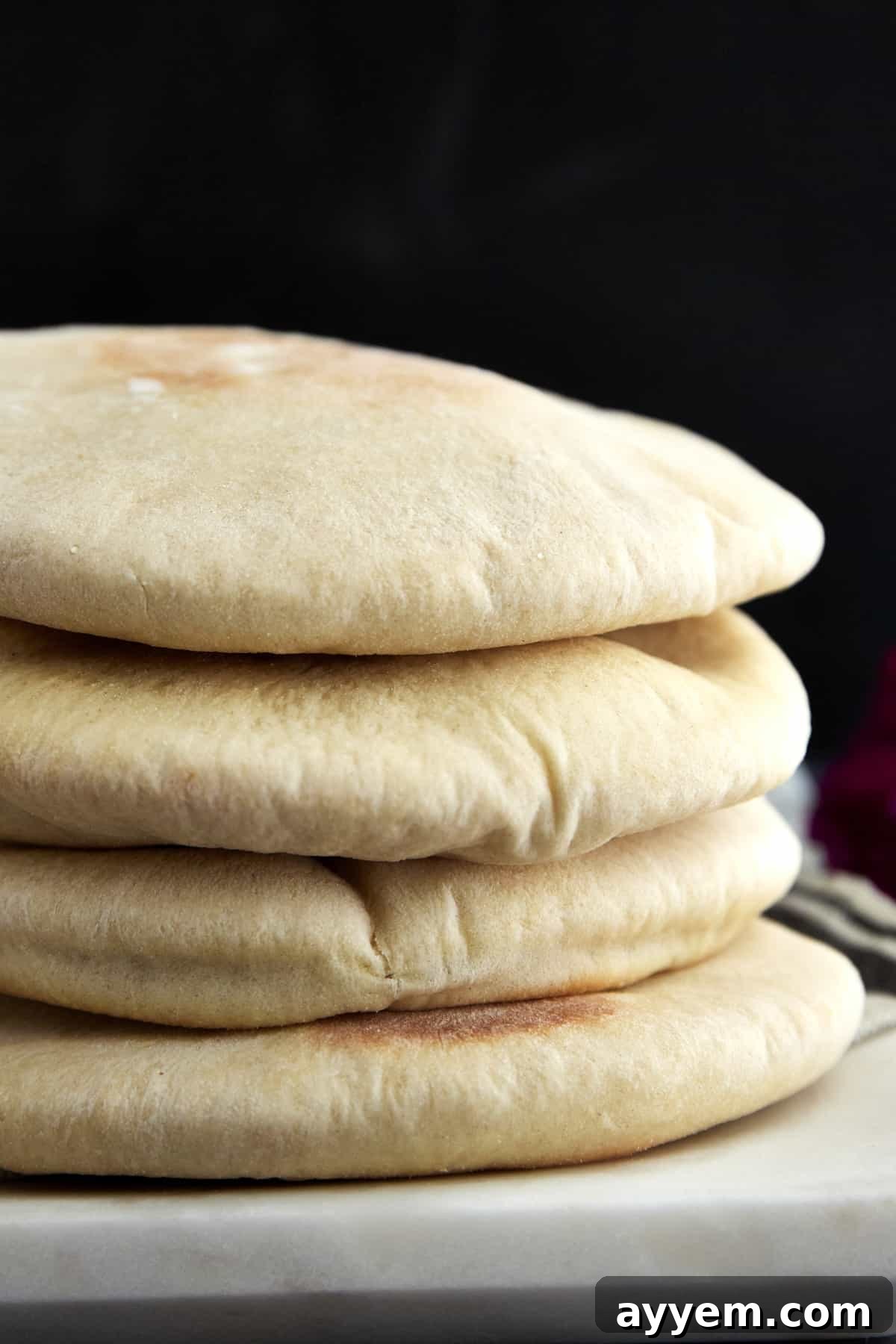
- Easy Pita Bread Recipe – Elevate your Iftar by making your own warm, fluffy pita bread from scratch with this simple recipe.
- Falafel – The classic fried falafel is the ultimate crowd-pleasing finger food, bursting with aromatic herbs and spices.
- Fire Roasted Baba Ganoush– Earthy and smoky with a vibrant depth of flavor, just one bite of this baba ganoush will make you a believer.
- Fried Feta Rolls with Hot Honey – Requiring only three ingredients, these rave-worthy rolls offer a delightful combination of savory and sweet.
- Hummus with Roasted Tomatoes and Olives – You can never go wrong with hummus, and this version, topped with sweet roasted tomatoes and briny olives, is incredibly satisfying.
- Olive Tapenade Bruschetta – An irresistible blend of salty, briny tapenade on crisp, crunchy bread, offering two appetizers in one delightful bite.
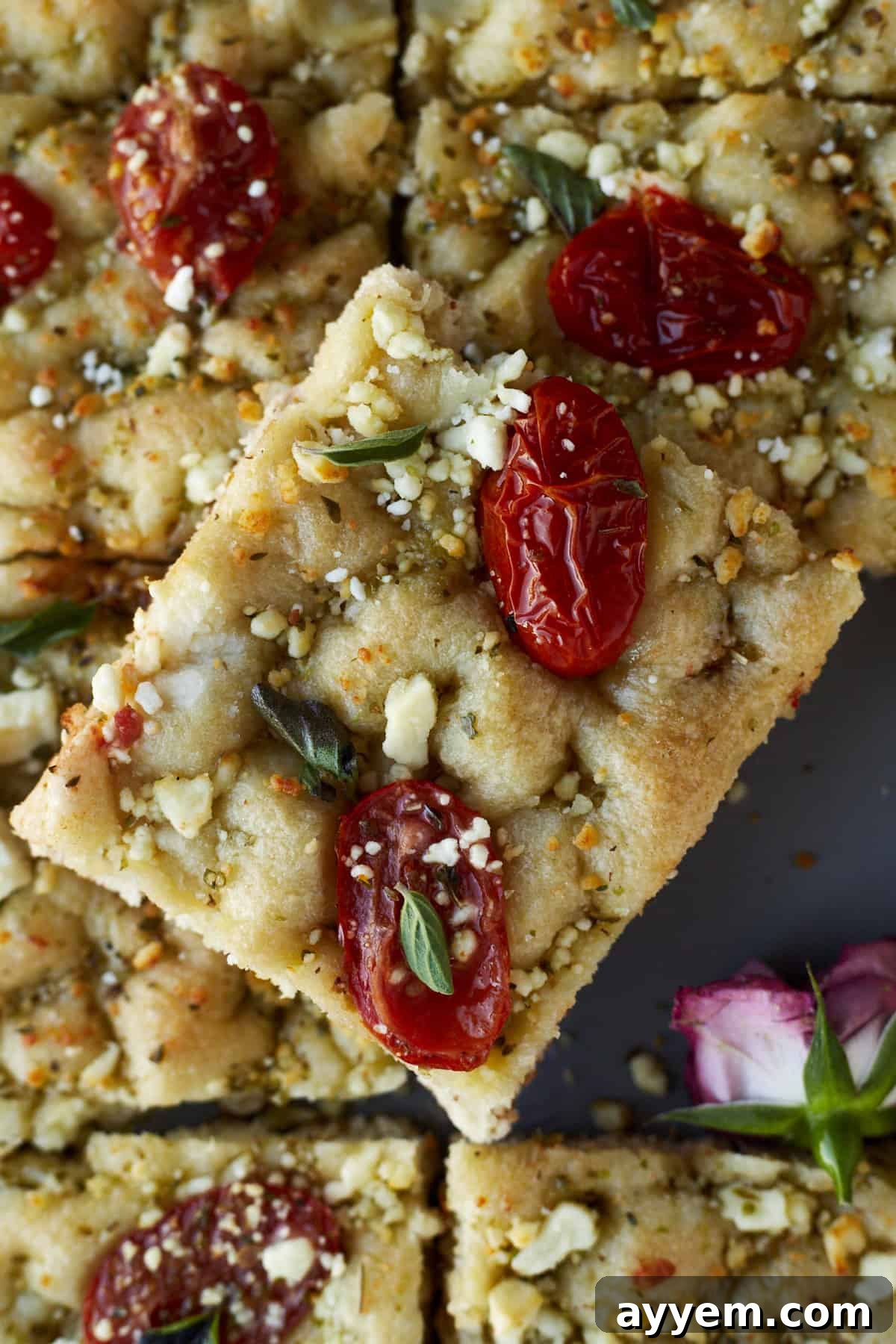
- Quick Focaccia Recipe with Za’atar Seasoning – This focaccia bread bursts with incredible flavor and comes together with just three simple ingredients, perfect for soaking up juices.
- Roasted Eggplant and Tomatoes with Yogurt Dip – Elevate humble vegetables by pairing them with a cool, creamy yogurt dip for a refreshing Iftar starter.
- Roasted Red Pepper Feta Dip with Crispy Chickpeas – A smooth, creamy dip bursting with nutrients, whipped up in minutes, and complemented by crunchy chickpeas.
- The Best Baba Ganoush Recipe (Eggplant Dip) – Classic baba ganoush made even better with a topping of crispy chickpeas for added plant-based protein, fiber, and texture.
- Healthy Chickpea Hummus – Superior to any store-bought version, this homemade hummus is simple, incredibly delicious, and packed with goodness.
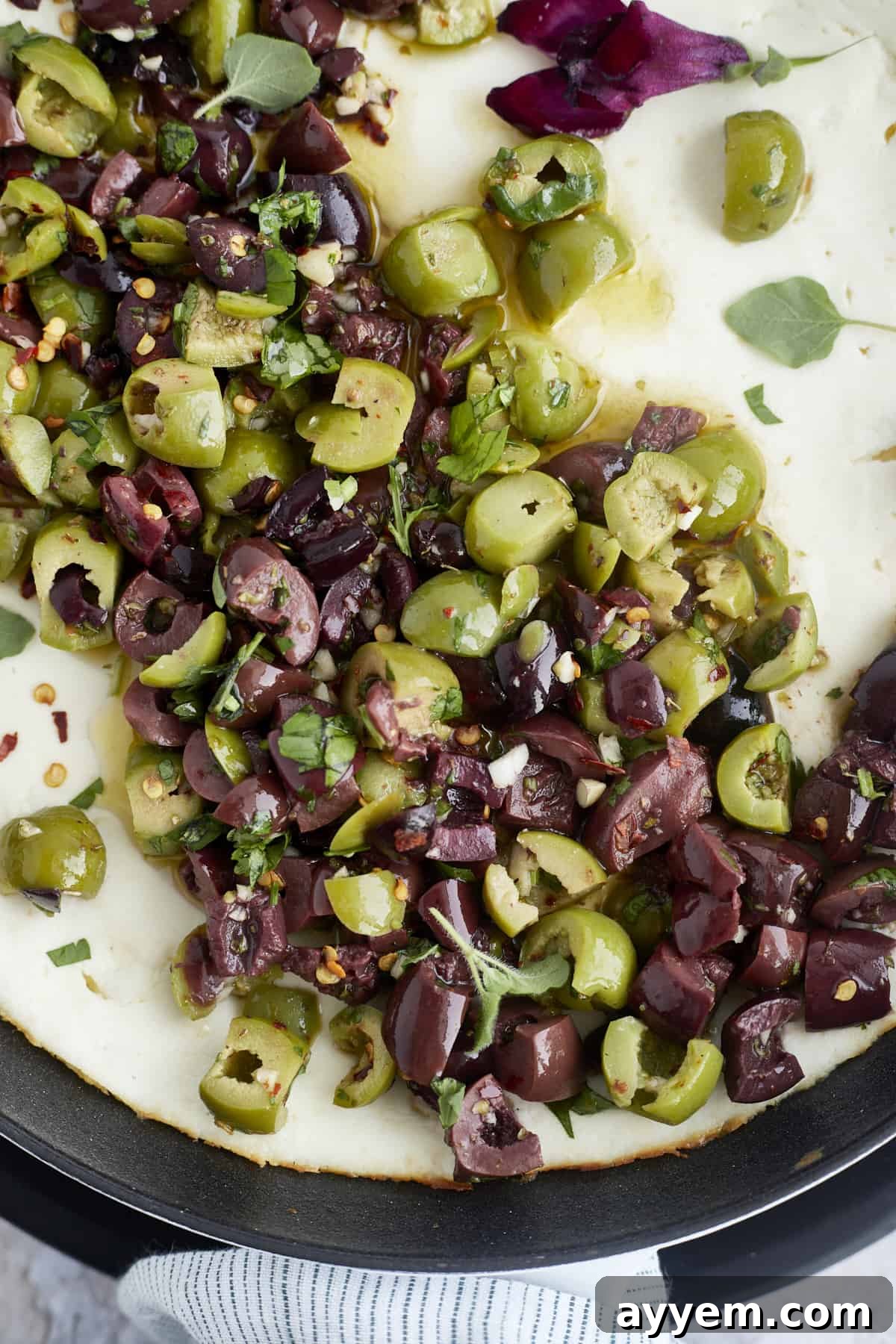
- Warm Feta Dip with Marinated Olives– A unique combination of warm, savory flavors and textures, this dip is quick, easy, and incredibly tasty for Iftar.
- Whipped Feta Recipe with Roasted Peppers – Creamy, savory, and visually vibrant, this unique appetizer pairs wonderfully with a variety of Iftar meals.
- Whipped Feta with Batata Harra (Spicy Middle Eastern Potatoes) – This popular Lebanese side dish offers a delightful contrast of spicy, creamy, and cool flavors all in one hearty bite.
- Za’atar Hummus with Olive Tapenade – The ultimate appetizer, combining three distinct flavor profiles into one irresistible, complex dish.
- Spicy Feta Dip Recipe (Tirokafteri) – Prepare this creamy, spicy, and salty classic Greek dip in just ten minutes for a tantalizing Iftar starter.
- Hummus with Ground Beef – A savory and satisfying appetizer or snack, this dish is loaded with protein, fiber, and healthy fats, perfect for Iftar.
- Whipped Cottage Cheese with Marinated Butter Beans – Discover your new favorite healthy snack or appetizer with this quick and easy recipe, offering a delightful blend of textures.
- Homemade Pita Chips – Learn to make healthy, flavorful pita chips with simple ingredients you likely already have, ideal for dipping into various Iftar spreads.
- Middle Eastern Spicy Chex Mix – Skip the store-bought versions and curb your Iftar hunger with this unique sweet and spicy homemade Chex mix.
- Phyllo Spanakopita Roll – This easy phyllo roll with a rich, creamy spinach and cheese filling makes for an irresistible appetizer or a light main course.
- 7 Layer Greek Dip– A vibrant, no-bake recipe bursting with flavors from creamy hummus, tzatziki, fresh veggies, chickpeas, spices, and feta.
Nutrient-Rich Side Dishes and Salads for Ramadan
While a simple side like sweet potato fries is always enjoyable, during Ramadan, we often gravitate towards hearty and nutrient-dense side dishes and salads. These dishes are essential for replenishing the body with sustained energy and vital nutrients after a day of fasting, ensuring you remain satisfied and well-nourished. Our selection emphasizes fresh, wholesome ingredients that complement any Iftar meal beautifully.
- Best Egg Salad Recipe with Cottage Cheese – This recipe elevates traditional egg salad with a delightful Middle Eastern flair, offering a protein-rich side.
- Chickpea and Cucumber Tahini Salad – A refreshing, filling, and easy-to-make plant-based side dish, loaded with fiber, nutrients, and healthy fats.
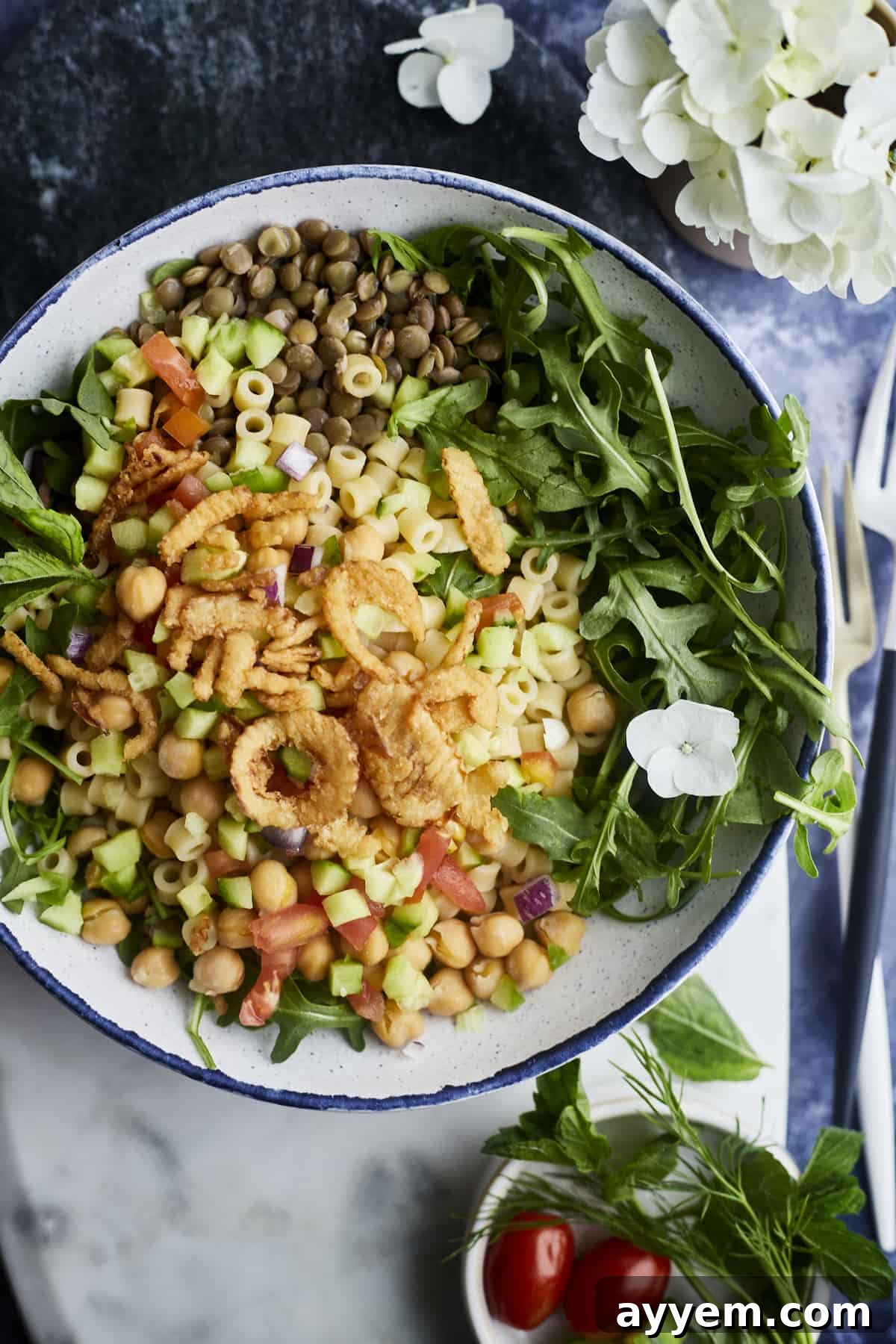
- Chickpea and Lentil Salad (Koshari Salad) – Enjoy all the beloved flavors of koshari in a healthier, nutrient-packed salad format you can feel good about.
- Chickpea Cucumber Feta Salad – Refreshing, light, and savory, this budget-friendly salad combines simple ingredients for a quick and easy burst of flavor.
- Coconut Turmeric Rice – Not your average rice, this side is a delightful blend of sweet, spicy, and incredibly fluffy, making it a unique addition to Iftar.
- Crinkle Phyllo Easy Spanakopita Recipe – Buttery, flaky, and savory, this easy spanakopita is a comforting dish that hits the spot any time of the day.
- Easy Fruit Salad – Tossed with a vibrant citrus dressing, this fresh fruit salad is so tasty you’ll be surprised it’s incredibly good for you and helps with hydration.
- Easy Persian Rice (Tadhig Recipe) – A popular side dish, this rice is perfectly crispy on the outside, soft and moist in the center, and brimming with savory flavor.
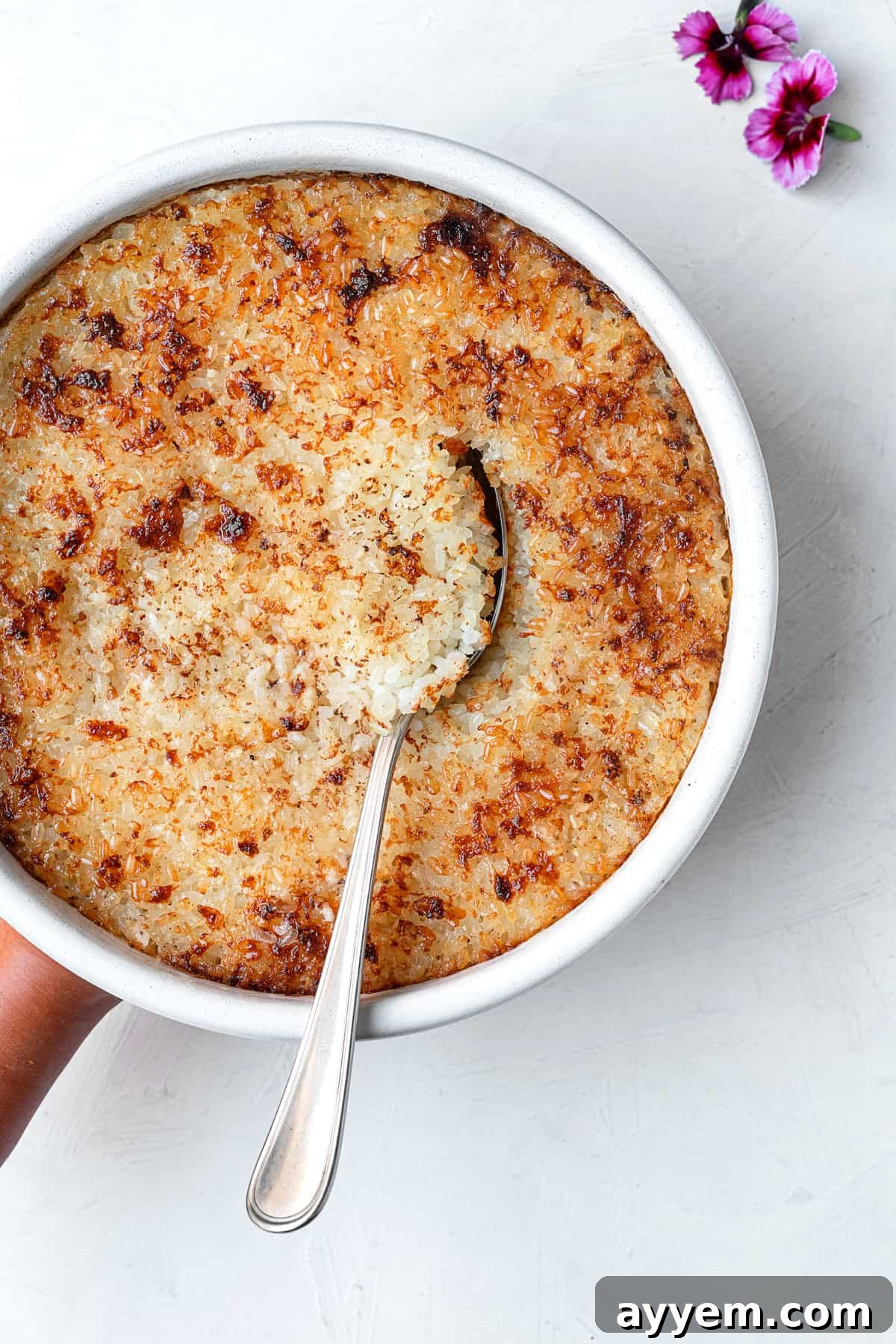
- Egyptian Baked Rice (Roz Maamar) – There are many variations, but this recipe always yields a crispy, tender, and rich rice dish, perfect for a fulfilling Iftar.
- Egyptian Cucumber & Tomato Salad (Salata Baladi) – Bright, fresh, and bursting with flavor, this budget-friendly recipe is sure to become a staple in your Ramadan dinner rotation.
- Greek Meatballs Recipe (Keftedes) – Made with chicken, breadcrumbs, tangy red onion, and fresh herbs, these meatballs are crisp outside and juicy tender inside, a delightful side or main.
- Greek Potatoes with Whipped Feta – Bold Greek flavors meet crispy potatoes and smooth, creamy feta dip for a symphony of textures and tastes that will leave you wanting more.
- High-Protein Feta Cucumber Sauce – This tzatziki-inspired sauce is the perfect way to add a burst of flavor and a boost of protein to all your favorite Iftar meals.
- Lebanese Garlic Sauce (Toum Recipe) – A creamy, intensely garlicky sauce that pairs beautifully with nearly anything, from grilled meats to vegetables, adding a rich flavor profile.
- Lentil Salad Recipe – Loaded with fresh vegetables, herbs, and creamy tahini, this hearty vegan meal is bursting with flavor and nutrients, making it a satisfying side.
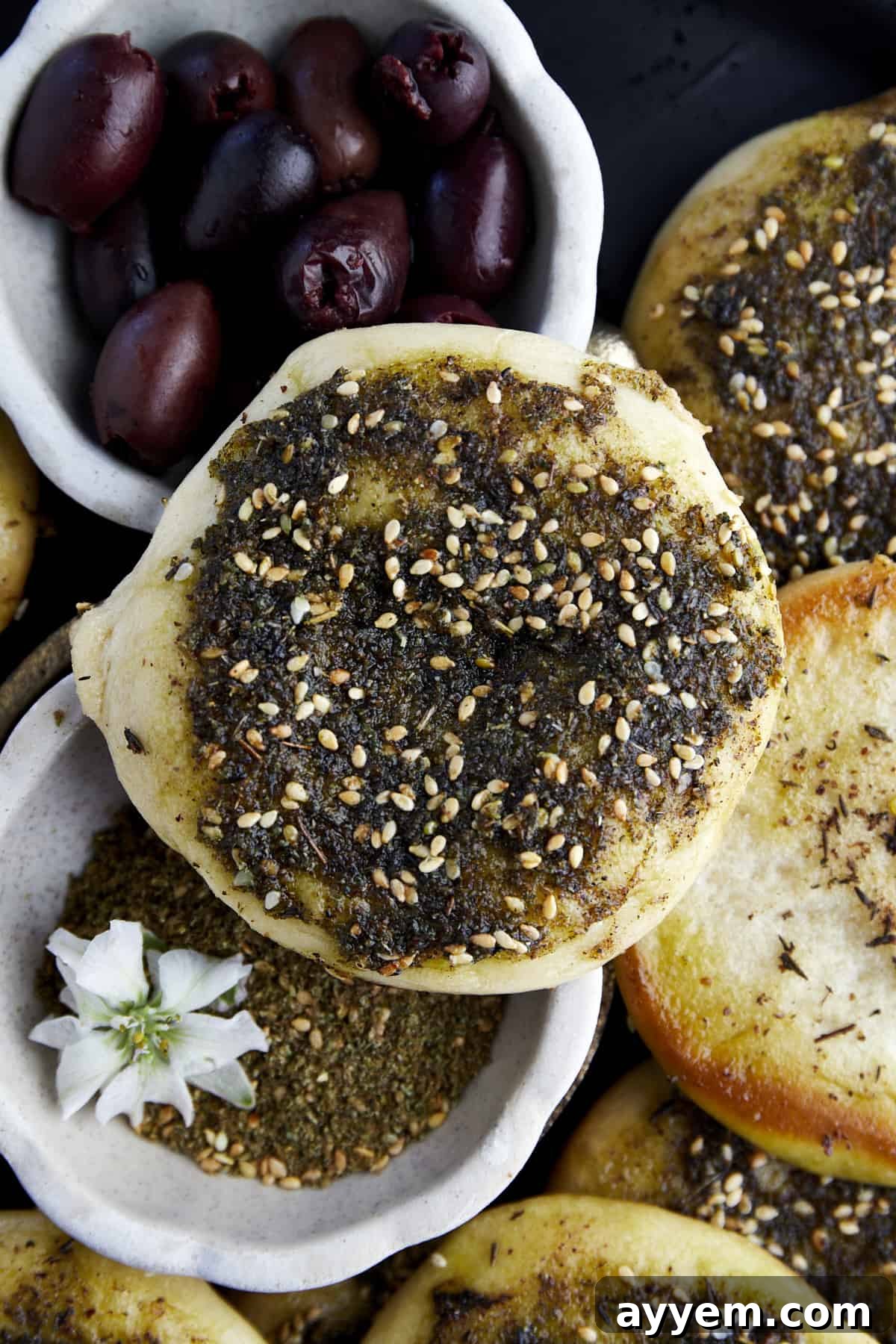
- Manakeesh – An easy take on traditional manakeesh, this versatile recipe is perfect to make ahead and serve for both Suhoor and Iftar as a wholesome bread.
- Mediterranean Chickpea Salad Recipe (Greek Cowboy Caviar) – We’ve given cowboy caviar a refreshing Greek twist with this sweet and savory salad recipe, ideal for a vibrant side.
- Mediterranean Quinoa Salad – This powerhouse recipe is loaded with plant-based protein, a myriad of fresh veggies, and a refreshing dressing for a healthy and satisfying salad.
- Parmesan Potatoes – Hands down the perfect side dish, these potatoes are wonderfully buttery, soft, and crusted with savory parmesan cheese.
- Persian Jeweled Rice – A truly special side dish combining warm spices, sweet dried fruit, and crunchy chopped nuts for the most delicious rice you’ll ever taste.
- Spiraled Cucumber Yogurt Salad – Suitable for various dietary needs, this refreshing cucumber salad comes together in minutes with just six simple ingredients.
- Bulgur Pilaf – The best way to vary your carb intake, this Middle Eastern staple is loaded with nourishing veggies and aromatic warm spices, a great alternative to rice.
- Greek Salad – This easy Greek salad is simply better, healthier, and more budget-friendly than any restaurant version, bursting with fresh flavors.
- Vermicelli Rice – This comforting dish offers the best combination of delicate pasta and fluffy rice, creating the ultimate cozy side or base for your main courses.
- Whipped Feta with Cucumber and Tomato Salad (Salata Baladi) – Smooth, creamy, crunchy, and savory – this appetizer is a delightful combination of textures and flavors you’ll love.
- Easy Focaccia Muffins – Skip complicated dough and enjoy these easy, bite-sized focaccia muffins with your favorite toppings, perfect as a versatile side.
- Easy Turmeric Rice – Upgrade your favorite side dish into a vibrant, flavorful recipe with this easy rice cooker turmeric rice, adding color and warmth to your meal.
- Sanyet El Batates (Egyptian Baked Potatoes) – A lightened-up version of this comforting Egyptian dish, full of flavor and ready in about an hour, perfect for a wholesome Iftar.
- Tomato and Burrata Salad with Za’atar – Prepare this restaurant-worthy salad for a side dish or appetizer full of tantalizing savory flavors, perfect for a fresh Iftar start.
Hearty Main Course Recipes for Ramadan Iftar
These are the dishes we most eagerly anticipate after a day of fasting – the main courses that bring warmth, flavor, and immense satisfaction to the Iftar table. Far from being your standard fare, these recipes offer a culinary journey that goes beyond simple chicken tenders. While all are surprisingly easy to prepare, they are robustly flavored, comforting, and guaranteed to fill you with joy and contentment. There’s truly nothing better than these hearty recipes after the sun sets and it’s time to break your fast.

- Beef Kofta Meatballs – Made effortlessly in the air fryer, these tender and juicy meatballs are fantastic on their own or paired with your favorite grains and vegetables.
- Beef Pot Roast Recipe in the Oven – A melt-in-your-mouth delicious pot roast that is juicy, flavorful, and loaded with tender veggies, creating the ultimate comfort food dinner.
- Chicken Shawarma – There’s nothing quite like the classic flavor of juicy chicken shawarma, made easily from your own oven, a definite crowd-pleaser.
- Creamy Herb Chicken – You’ll eagerly anticipate biting into this succulent chicken, coated with a rich, savory herb gravy, a truly comforting Iftar choice.
- Easy Beef Kofta (Mama’s Recipe) – This authentic beef kofta, straight from our mom’s recipe book, promises to transport your taste buds directly to the heart of the Middle East.
- Egyptian Orzo Pasta (Lesan El Asfour) – Inspired by a cherished childhood favorite, this savory orzo recipe offers unparalleled comfort and wholesome goodness.
- Middle Eastern Chicken – Marinated overnight with fresh veggies and warm spices, this chicken is baked until perfectly juicy, offering a deeply flavorful main dish.
- Middle Eastern Chicken and Potatoes – If you’re seeking a hearty, delicious, and simple dinner to make, this chicken and potato recipe is precisely what you need.
- One Pot Mediterranean Orzo Pasta – With just 20 minutes and a single pot, you can create a healthy and flavorful pasta dish to enjoy throughout the week.
- Peri Peri Chicken Drumsticks – An East African inspired dish, the vibrant and bold flavors of this chicken are truly out of this world, offering a unique taste.
- Skillet Veggie Phyllo Pie – Inspired by our delicious Egyptian Goulash, this phyllo pie is a crowd-pleasing vegetarian recipe suitable for any meal.
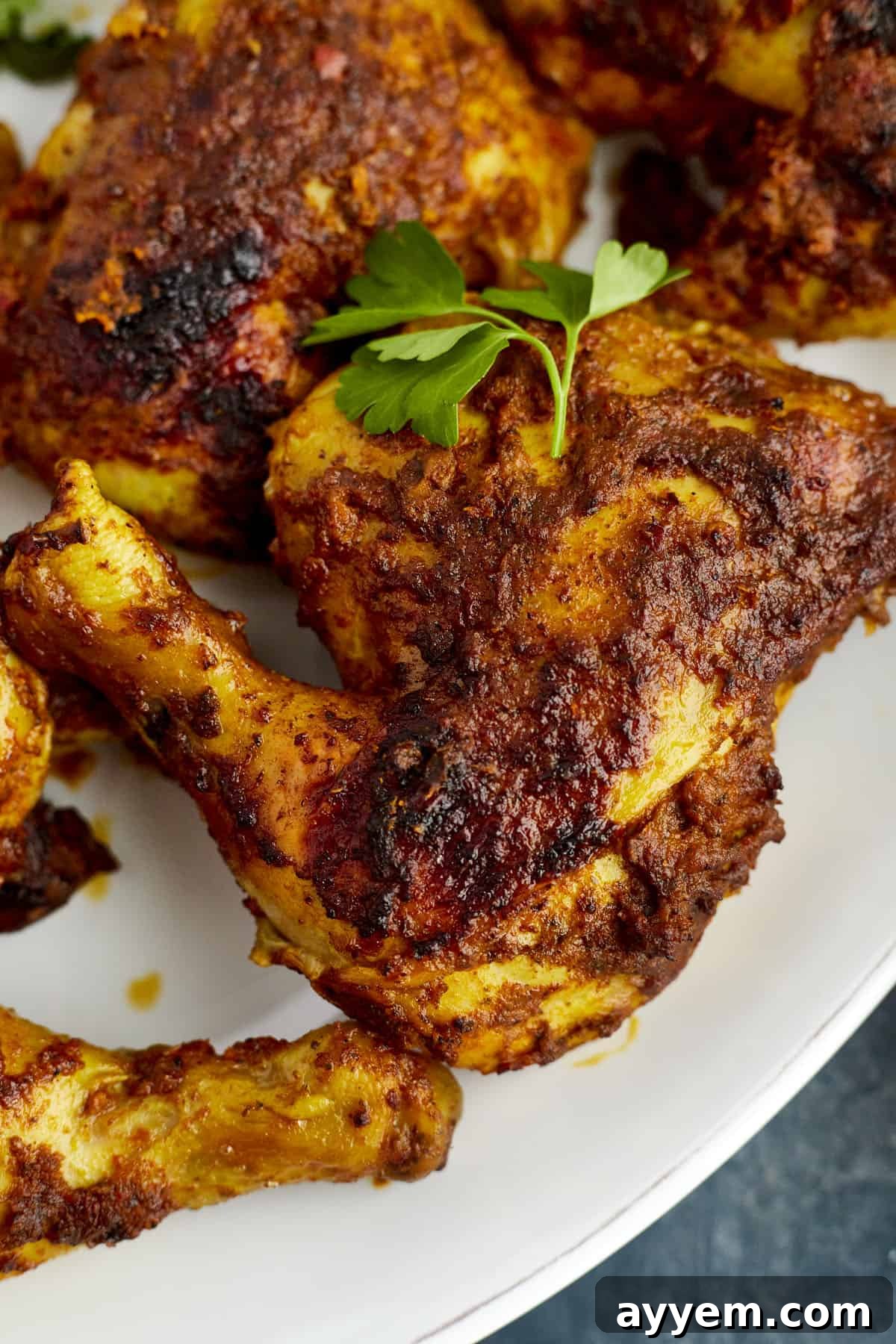
- Baked Chicken Tandoori – Learn to create incredibly flavorful tandoori chicken at home, achieving authentic tastes without the need for a traditional clay oven.
- Za’atar Chicken with Vegetables – This recipe is a testament that delicious and amazing meals don’t have to be complicated or unhealthy, packed with fresh flavors.
- Air Fryer Chicken Milanese with Mediterranean Salad – Prepare this chicken in the air fryer and pair it with a fresh Mediterranean salad for a healthy dinner ready in under 30 minutes.
- Cheesy Ground Beef Sliders – These cheesy ground beef sliders can be made in about 30 minutes, offering a flavor-loaded, crowd-pleasing option for an appetizer or main course.
- Whole Roasted Chicken Tikka – Roast this whole chicken tikka in the oven for a juicy, flavorful dish perfect for meal prep or feeding a large gathering during Iftar.
- Mediterranean Vegetable Galette Recipe – This easy galette is generously loaded with fresh vegetables and bold flavors, ensuring you stay full and satisfied for hours.
- Slow Cooker Mediterranean Stuffed Peppers with Rice – A hearty, hands-off meal, these slow cooker stuffed peppers are packed with flavor, protein, and nutrients, perfect for a busy Ramadan evening.
- Mediterranean Cream Cheese Ball – Elevate your favorite appetizer with the rich, savory flavor and creamy, crunchy textures of this easy cream cheese ball recipe.
- Beef Rolls – Make these easy ground beef rolls with fewer than ten ingredients and in under 30 minutes for a savory, high-protein appetizer, snack, or main course.
- Phyllo Rolls with Ground Beef – These easy rolls with ground beef offer a savory appetizer, snack, or main course, boasting plenty of protein, veggies, and delicious flavor.
- Honey Whipped Ricotta with Roasted Dates – Prepare this elegant appetizer or snack with less than 10 ingredients, offering a delightful blend of sweet and savory flavors.
- Lemon Greek Chicken and Potatoes – This one-pan dish yields tender potatoes and juicy, flavorful chicken with minimal prep and quick cooking, making it a family-friendly Iftar meal.
Comforting Soups, Stews, and Chili Recipes for Ramadan Iftar
More often than not, a warm and comforting bowl of soup, stew, or chili is our preferred choice for Iftar. These dishes are not only a fantastic way to pack in essential nutrients and protein after a day of fasting, but they also serve as an excellent source of liquids. This helps to rehydrate your body gently and effectively, without the need to chug excessive amounts of water, making them ideal for breaking the fast.
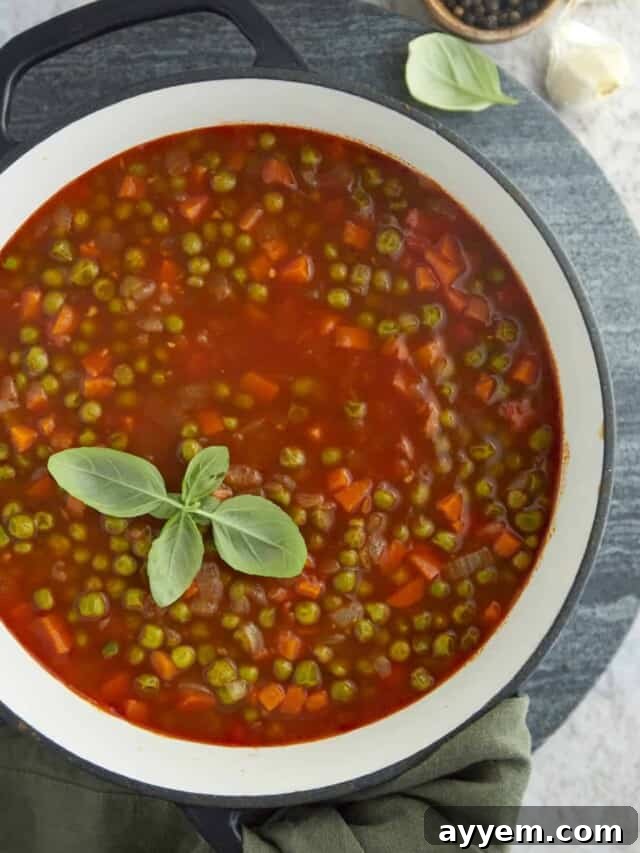
- Black-Eyed Pea Stew (Lobiya) – Comfort food doesn’t get much easier or more budget-friendly than this simple, hearty, and satisfying stew, ideal for Iftar.
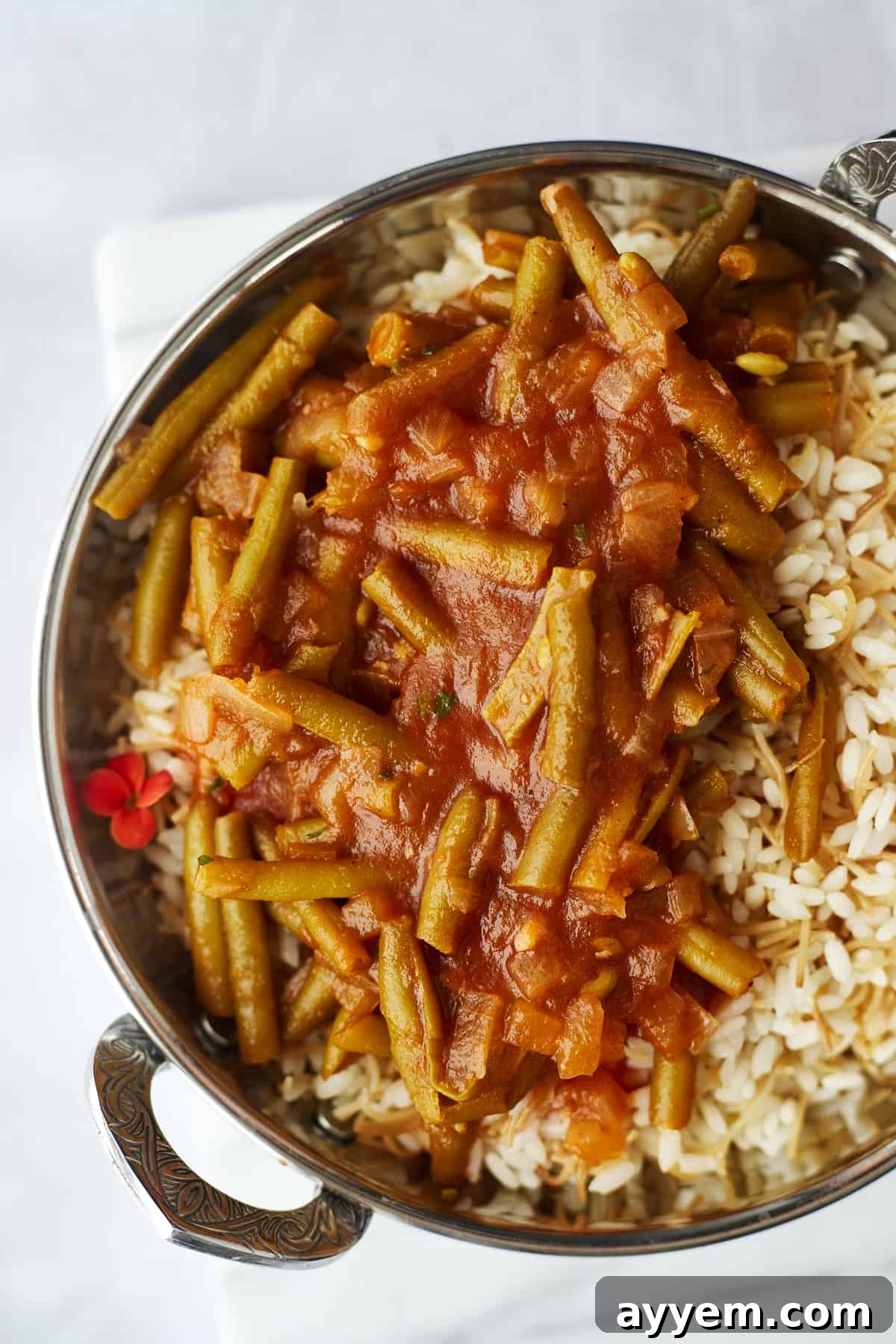
- Egyptian Green Bean Stew (Fasooliya) – A traditional Egyptian dish, this savory stew is naturally gluten-free, vegetarian, and packed with nutrients to replenish your body.
- Egyptian Lentil Soup (Shorbet Ads) – A cherished childhood favorite, this warm soup is filling, easy on digestion, and the perfect appetizer or meal after a long day of fasting.
- Middle Eastern Beef Chili Recipe – This recipe elevates traditional beef chili with the unique addition of warm spices, fava beans, and chickpeas, creating a rich flavor.
- Middle Eastern Crock Pot Beef Stew – Classic beef stew meets comforting Middle Eastern flavors with this warm spiced, slow-cooked recipe, perfect for a tender, savory meal.
- Minestrone Soup (Olive Garden Copycat Recipe) – Even better than the restaurant version, this classic vegetable soup will warm you from the inside out and offers plenty of nutrition.
- Pea and Carrot Vegetarian Stew (Bisilla) – Inspired by our mom’s recipe, this wholesome stew is affordable, quick to make, and unbelievably satisfying for a vegetarian option.
- Roasted Red Pepper and Cauliflower Soup – Savory with a hint of sweetness, this creamy soup is so tasty even picky eaters won’t realize how healthy it is.
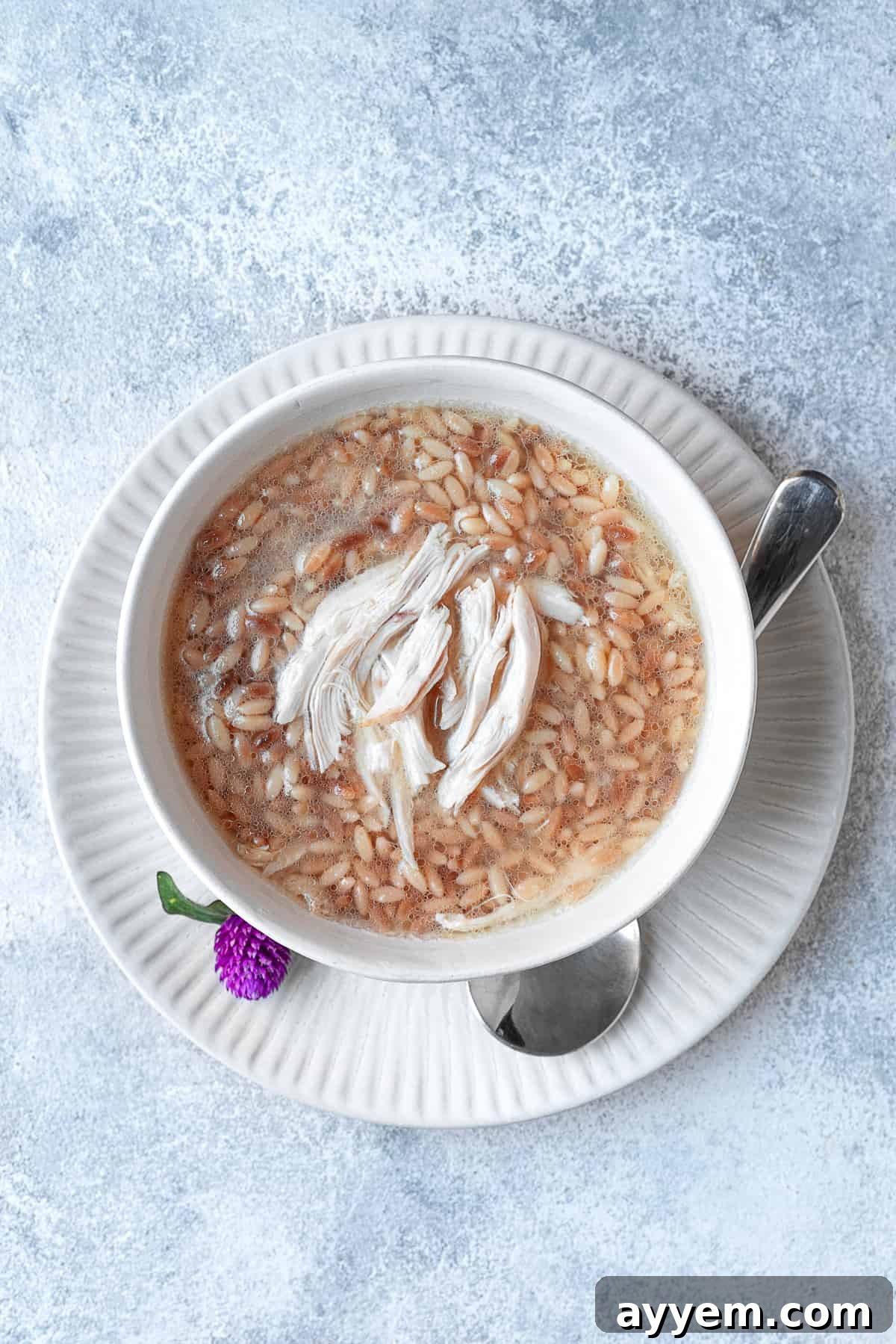
- Shorbet Lesan El Asfour (Middle Eastern Orzo Soup) – Recipes don’t get more nostalgic than this simple, comforting Middle Eastern Orzo Soup, a staple for many Iftar tables.
- Slow Cooker Moroccan Harira Soup – Prepared conveniently in the slow cooker, this robust soup is ideal for making ahead of time, ensuring a warm, filling meal ready when you break your fast.
- Easy Cannellini Bean Soup with Vegetables – Make this hearty bean soup with vegetables in one pot for a wholesome, healthy, and comforting Iftar meal.
- Slow Cooker Lentil Soup – This easy slow cooker lentil soup recipe offers a hands-off, comforting dinner packed with veggies and plant-based protein, ideal for busy evenings.
- Easy Roasted Cauliflower Soup – Create this nutrient-rich, comforting roasted cauliflower soup with a handful of ingredients and about 30 minutes, perfect for a gentle Iftar start.
Sweet Endings: Indulgent Dessert Recipes for Ramadan Iftar
This is the part we’ve all been eagerly awaiting! No list of Ramadan food ideas would be complete without highlighting our favorite dessert recipes. While we delight in these treats all year round, they hold a special place during the holy month, offering a sweet and satisfying conclusion to the Iftar meal. These desserts are designed to be enjoyed and shared, adding a touch of celebratory joy to your evenings.

- Almond Joy Dates – A healthier, guilt-free version of your favorite candy, these dates perfectly satisfy your sweet tooth after Iftar.
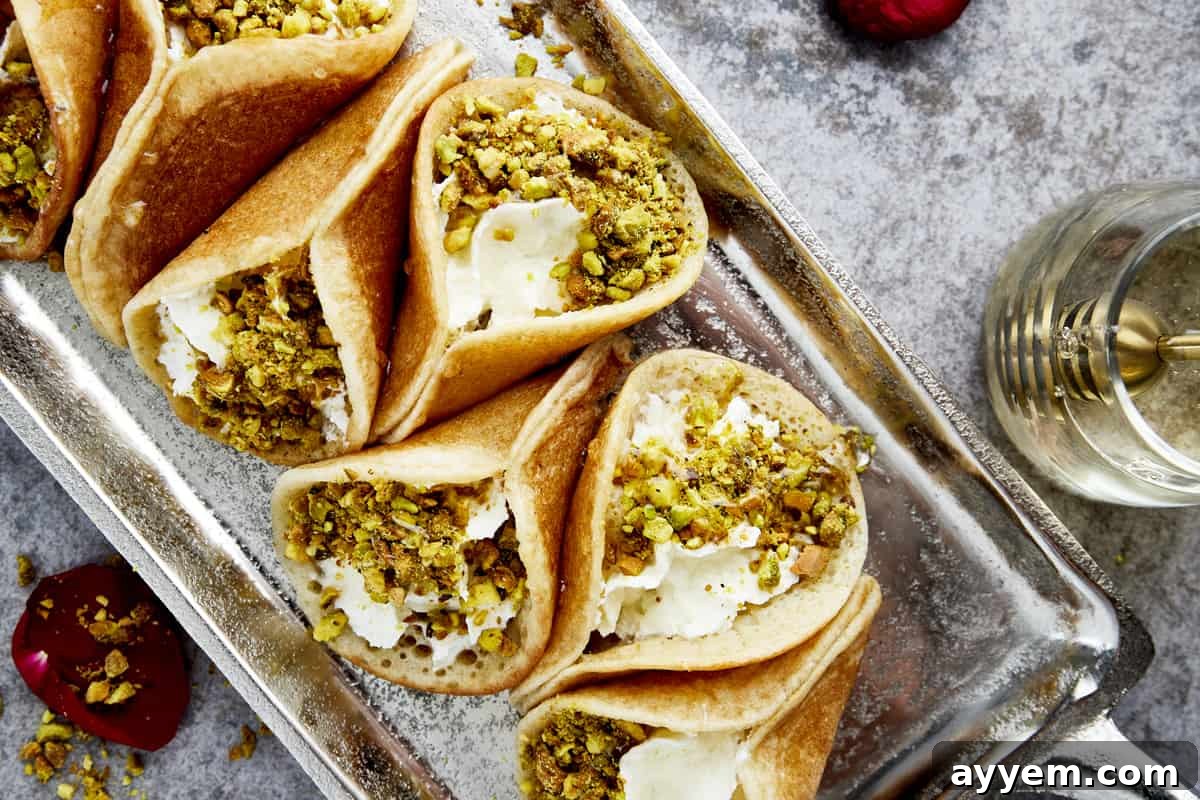
- Atayef with Cream Cheese Filling (Ishta Filling) – Sweet and crisp, this dessert is our absolute favorite Ramadan food to break our fast with, offering a delightful texture contrast.
- Atayef with Whipped Cream and Pistachios – This recipe is perfect for making in large or small batches year-round, ensuring all your guests enjoy this elegant treat.
- Baklava Puff Pastry Cinnamon Rolls – A truly irresistible creation, part baklava, part cinnamon roll, a dessert no one can resist for its unique fusion.
- Chocolate Hazelnut Stuffed Phyllo – Gooey, crunchy, and melt-in-your-mouth buttery, if you adore baklava, you absolutely must try this delectable treat.
- Classic Qatayef with Nuts – Topped with sweet syrup, this simple dessert features a fluffy pancake-like batter stuffed with a sweet, crunchy nut filling and fried until golden.
- Crinkle Phyllo Dough Recipe – Made with just six ingredients, this Crinkle Phyllo Dough Recipe is one of the easiest and most impressive desserts you’ll ever bake.
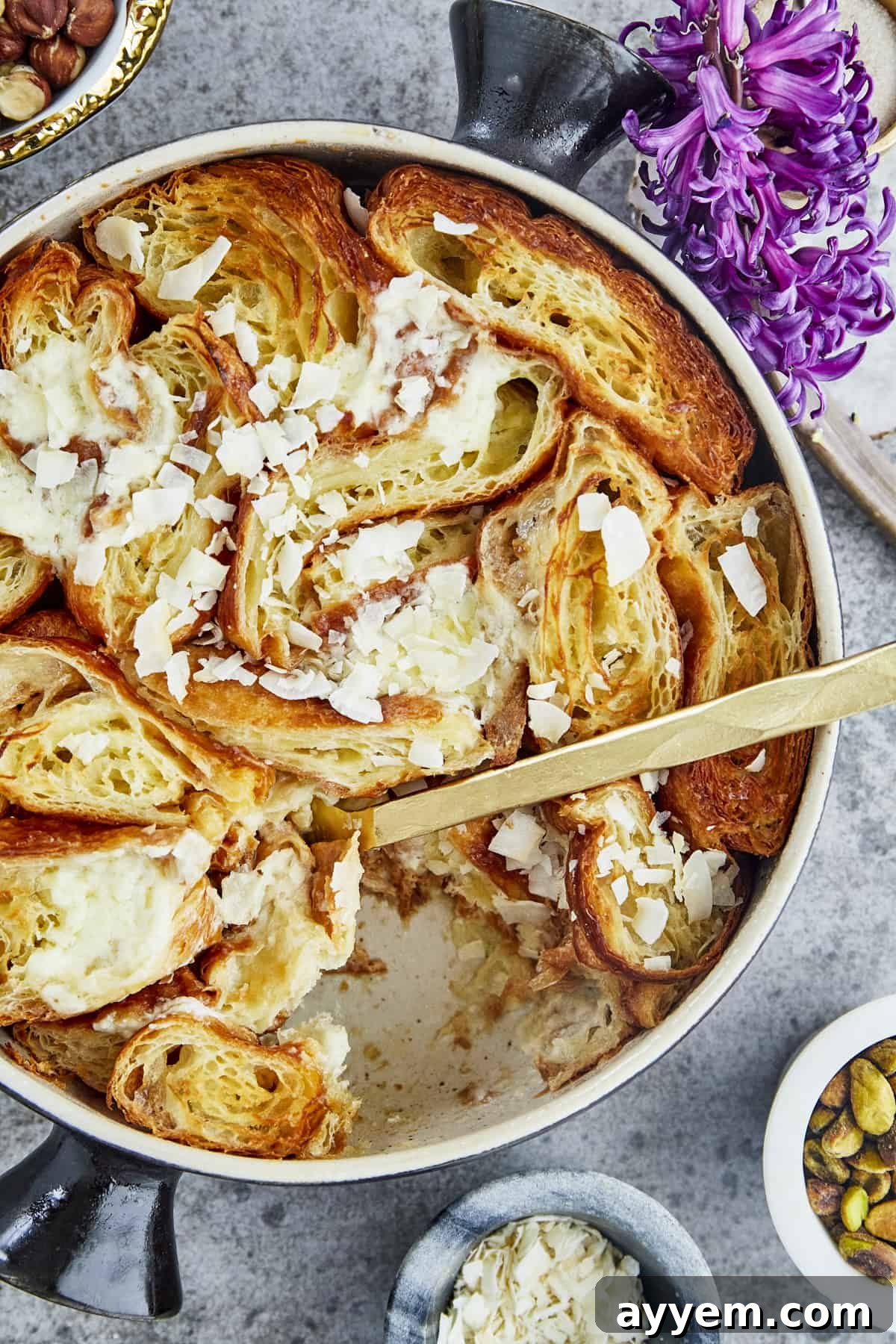
- Egyptian Bread Pudding (Om Ali) – A classic Egyptian dessert, this Om Ali is soft, flaky, crisp, sweet, buttery, and creamy all at once – a recipe that will simply blow your mind.
- Heart-Shaped Stuffed Medjool Dates – Prepare these charming dates in minutes for a quick, wholesome treat that satisfies your sweet cravings and is good for you, too.
- Phyllo Cup Cannoli Bites – Bite-sized and elegantly pretty, these treats are almost too cute to eat, offering a delightful twist on classic cannoli.
- S’mores Stuffed Dates – A healthier and fun take on s’mores, these dates are a joy to make and are guaranteed to disappear quickly from any Iftar spread.
- Salted Tahini Chocolate Chip Cookies – Elevate your traditional chocolate chip cookies with a unique drizzle of nutty tahini and a sprinkle of savory salt for an unforgettable flavor.
- Persian Love Cake – Make this easy Persian love cake with simple ingredients for a light, fluffy cake brimming with floral and citrus flavors, a beautiful Iftar dessert.
- Dried Fruit Compote Drink (Khoshaf) – Prepare this Middle Eastern dried fruit compote drink for a sweet and refreshing breakfast, snack, or dessert, full of nutrients and vibrant flavor.
- Pan-Banging Chocolate Chip Cookies – Create easy, bakery-worthy pan-banging chocolate chip cookies with crisp edges, soft centers, and gooey chocolate in every delightful bite.
- Tiramisu Dip – Enjoy all the beloved flavors of your favorite tiramisu dessert with half the work, thanks to this quick and easy tiramisu dip recipe, perfect for sharing.
- Sahlab Recipe (Middle Eastern Milk Pudding) – Prepare this easy Sahlab recipe for a sweet, creamy Middle Eastern milk pudding drink, a comforting treat to satisfy your sweet tooth after fasting.
- Baklava Sticky Buns – Transform your favorite dessert into an irresistible breakfast treat with this quick and easy baklava sticky buns recipe, ideal for a special Suhoor.
- Baklava Cheesecake – Impress your guests and enjoy two favorite desserts in one with this easy, bakery-worthy baklava cheesecake recipe, a truly decadent Iftar finale.
We hope you thoroughly enjoyed this extensive collection of Ramadan recipes and found inspiration for your Iftar and Suhoor meals. Whether you’re seeking traditional flavors or new culinary adventures, these dishes are crafted to bring joy and nourishment throughout the holy month. If you have any questions, comments, or perhaps your own beloved Ramadan recipes to share, please don’t hesitate to let us know in the comments below! May your Ramadan be filled with blessings, delicious food, and cherished moments with loved ones.