
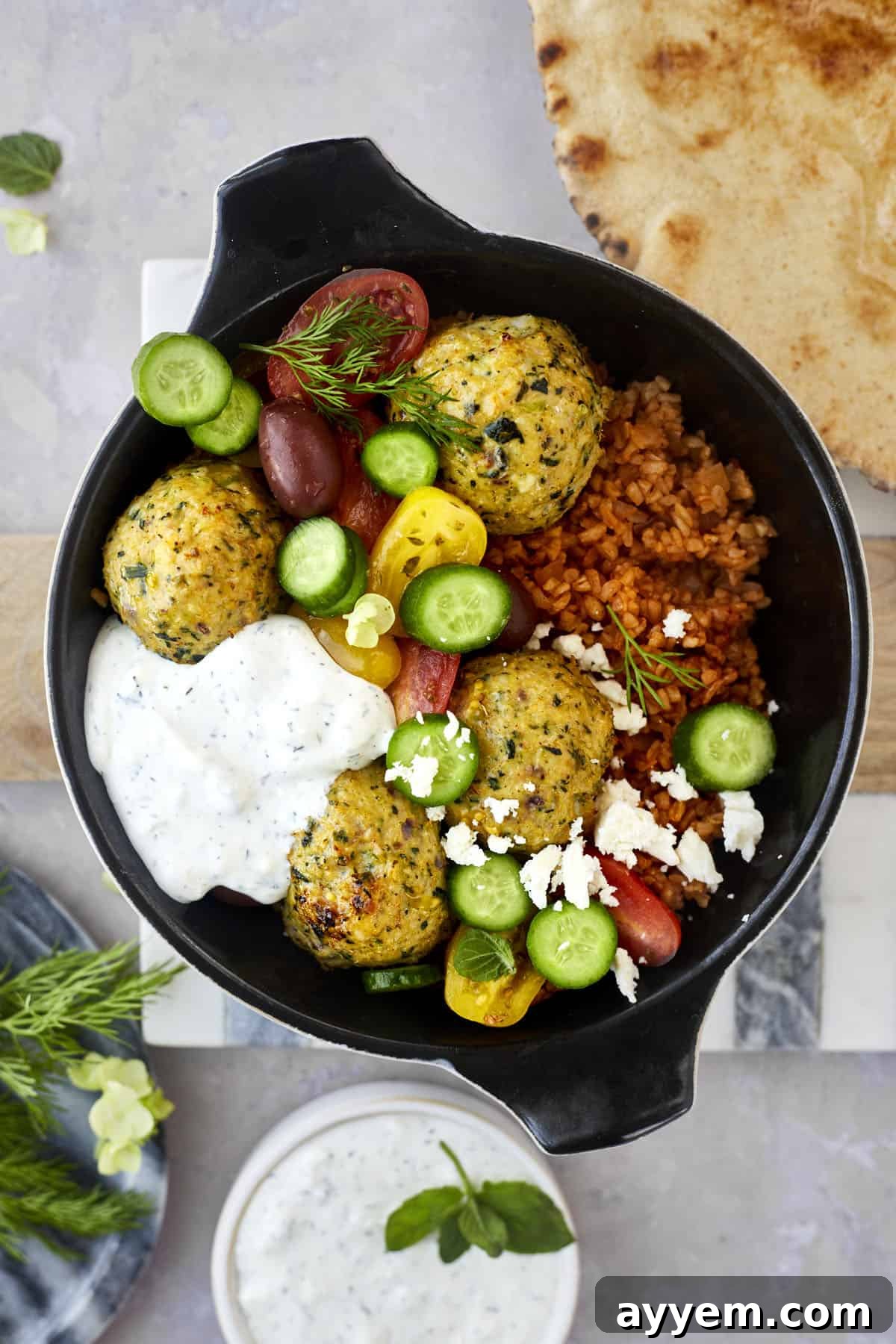
Welcome to the world of authentic Greek flavors! These incredible Greek Meatballs, known as Keftedes, are truly little bites of heaven. Each one boasts a beautifully crispy exterior, giving way to a wonderfully tender and juicy interior. Crafted with lean ground chicken, wholesome breadcrumbs, a vibrant kick from red onion, and a fragrant blend of fresh herbs and spices, they’re bursting with Mediterranean zest and surprisingly simple to prepare. Whether you’re a seasoned chef or a kitchen novice, this recipe promises a delightful culinary journey that will transport your taste buds straight to the sun-drenched shores of Greece.
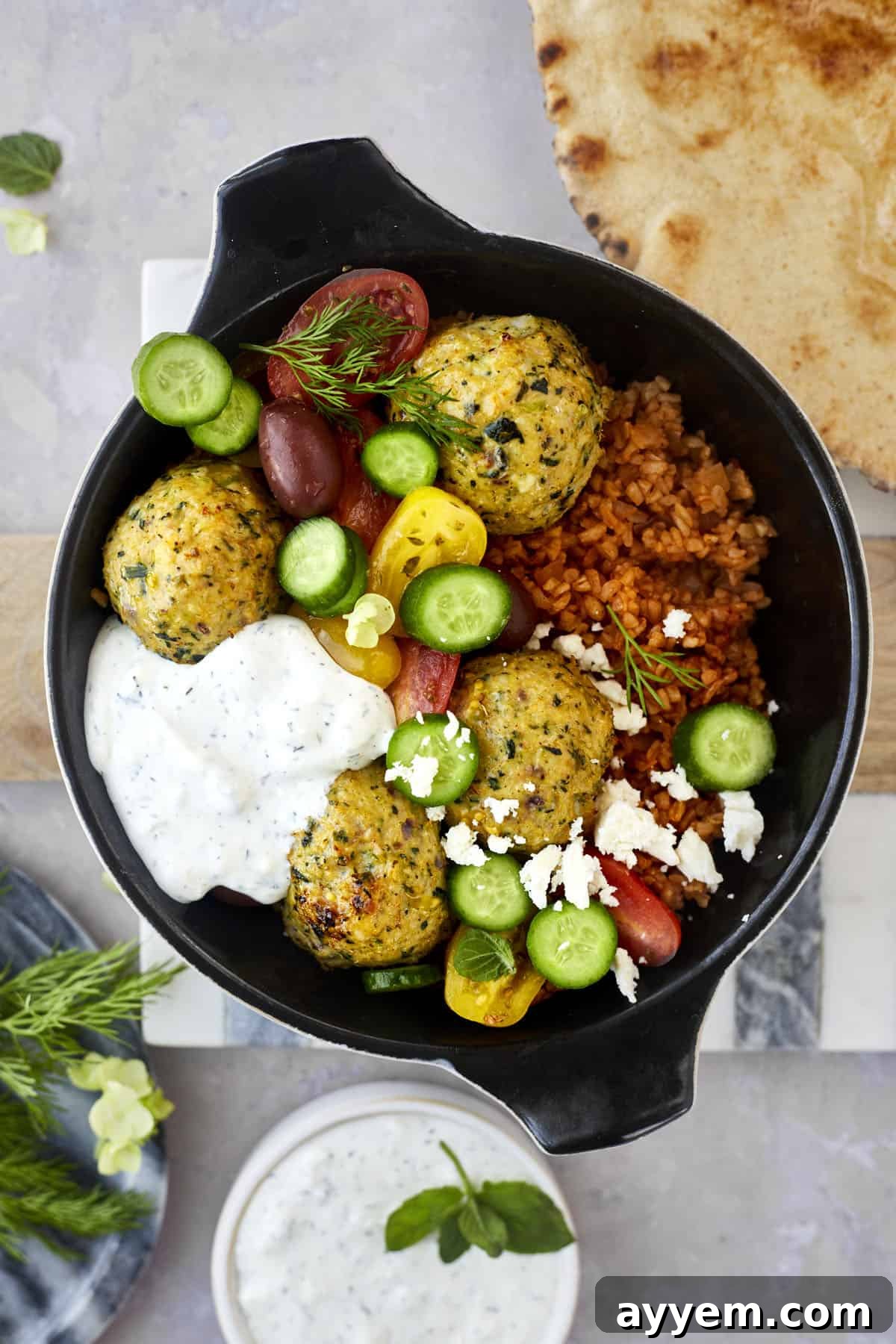
Unveiling Keftedes: The Heart of Greek Meatballs
Keftedes (pronounced kef-TET-des, or sometimes Keftethes) are much more than just meatballs; they are a cherished staple of Greek cuisine with roots stretching back centuries. These flavorful morsels originated in Greece and have evolved over time, with nearly every region and household boasting its own unique twist on the classic recipe. Traditionally, Keftedes are made from a mixture of ground beef, pork, or lamb, generously seasoned with a specific selection of Mediterranean herbs and aromatic spices, then lightly fried in golden olive oil until perfectly crisp and cooked through.
Beyond being a delicious dish, Keftedes hold a special place in Greek culture. They are frequently served as a delightful appetizer (meze) at family gatherings, taverna meals, and festive celebrations. Imagine a table laden with various small plates – olives, cheeses, dips, and, of course, a platter of warm, enticing Keftedes. They embody the communal spirit of Greek dining, inviting everyone to share and savor the rich flavors together. While traditionally fried for that signature golden crust, modern variations, like our baked chicken version, offer a lighter, equally delicious alternative that still captures the essence of this beloved Greek dish.
Greek vs. Global Meatballs: What Sets Keftedes Apart?
While meatballs are a universal comfort food found in countless cuisines around the globe, Greek Keftedes possess distinctive characteristics that set them apart from their counterparts. The primary difference lies in the choice of meat and, more importantly, the signature blend of herbs and spices that define their unique flavor profile.
Traditional Greek meatballs typically feature a robust combination of ground beef, pork, or lamb. This blend contributes to a rich, savory taste and a tender texture. However, the true soul of Keftedes comes from the Mediterranean herbs. Ingredients like fresh parsley, vibrant spearmint, and pungent oregano are not merely additions; they are integral to the authentic Greek taste, infusing the meat with a bright, aromatic, and slightly peppery complexity. Sometimes, a hint of garlic, onion, and even a touch of cinnamon or cumin can be found, adding depth and warmth to the overall flavor.
In contrast, “regular” or “normal” meatballs encompass an incredibly vast category. They can be made with virtually any type of ground meat, from beef and chicken to turkey or even vegetarian alternatives. The seasoning possibilities are equally diverse, ranging from the savory garlic and basil of Italian-inspired meatballs served with marinara sauce, to the ginger and soy notes of Asian-inspired varieties, or the rich, smoky paprika and cumin found in Middle Eastern kofta. Each culinary tradition brings its own set of ingredients and flavor profiles to the humble meatball. Our particular recipe, using chicken, offers a lighter, healthier interpretation of Keftedes while still embracing the vibrant Mediterranean herb blend that makes them distinctly Greek.
Essential Ingredients for These Flavor-Packed Chicken Keftedes
These Greek-inspired chicken meatballs are veritable flavor bombs, packed with wholesome ingredients you can feel genuinely good about savoring. We’ve carefully selected components that deliver maximum taste while keeping the recipe refreshingly light and nutritious. Here’s a closer look at the key players that bring these Keftedes to life:
- Ground Chicken: While many classic Greek meatball recipes traditionally call for beef, pork, or lamb, we’ve opted for ground chicken in this recipe. This choice makes our Keftedes a fantastic lean protein option, significantly reducing the fat content without compromising on the robust, delicious flavor. Chicken absorbs the aromatic herbs and spices beautifully, resulting in a moist and tender meatball that’s both healthy and incredibly satisfying.
- Fresh and Vibrant Vegetables: A colorful medley of vegetables isn’t just for show – it adds layers of flavor and a significant nutritional boost.
- Red Onion: Provides a sharp, zesty punch that brightens the entire mixture. Its slightly sweet undertones balance the savory chicken.
- Green Onions: Offer a milder, fresher onion flavor, contributing a delicate allium note and a lovely hint of green color.
- Frozen Spinach: Thawed and thoroughly drained, spinach is a powerhouse of nutrients. It adds moisture, a subtle earthy flavor, and helps to “hide” extra veggies for the pickier eaters in your family. Make sure to squeeze out as much excess water as possible to prevent soggy meatballs.
- Garlic: No Greek recipe is complete without the pungent, aromatic kick of fresh garlic. It’s essential for that classic Mediterranean depth of flavor.
- Large Egg: This humble ingredient is absolutely crucial for the structural integrity of your meatballs. It acts as a binder, holding all the delightful ingredients together and preventing the meatballs from crumbling during the baking process.
- Crumbled Feta Cheese: For an unmistakable taste of Greece! Full-fat feta cheese melts slightly when baked, lending a creamy texture and an irresistible salty, tangy pop that perfectly complements the herbs and chicken. It’s a flavor highlight you won’t want to skip.
- Breadcrumbs: These are essential for creating that desirable golden-brown exterior and a delightfully crisp texture. Breadcrumbs also help bind the mixture and absorb excess moisture, ensuring your meatballs are firm yet juicy.
- Aromatic Herbs and Spices: This carefully selected blend elevates the Keftedes from simple chicken balls to a truly Mediterranean experience.
- Fresh Cilantro: While perhaps not as traditional as mint or parsley in Greek cooking, cilantro adds a bright, fresh, and slightly citrusy note that we find incredibly delicious in this chicken-based version.
- Kosher Salt and Black Pepper: Fundamental seasonings that enhance all the other flavors.
- Paprika: Contributes a beautiful color and a mild, sweet, peppery warmth that ties the spice blend together.
- Optional additions (for a more traditional twist): Consider adding a teaspoon of dried oregano and a tablespoon of fresh mint for an even more authentic Greek herb profile.
How to Master This Effortless Greek Meatball Recipe
One of the best things about this Greek Meatball recipe is how incredibly straightforward it is to make, even for weeknight dinners. And here’s a little secret: these meatballs are so packed with flavor that even the kids won’t realize they’re happily eating their veggies! Follow these simple steps for perfectly tender and juicy Keftedes every time:
- Prepare Your Workspace: Begin by preheating your oven to 400 degrees Fahrenheit (200 degrees Celsius). While the oven heats up, lightly grease a large baking sheet. You can use cooking spray or a thin layer of olive oil. Set it aside, ready for your meatballs.
- Combine the Flavorful Base: In the bowl of a robust food processor, add all of your ingredients except for the ground chicken. This includes the chopped red onion, cilantro, green onion stalks, thawed and well-drained spinach, garlic cloves, large egg, crumbled feta cheese, breadcrumbs, kosher salt, black pepper, and paprika. Pulse the food processor several times until all these ingredients are finely chopped and thoroughly combined into a coarse, vibrant mixture. This ensures an even distribution of flavor and texture.
- Incorporate the Chicken: Now, add the ground chicken breasts to the food processor with the vegetable and herb mixture. Pulse again, this time just until everything is smoothly combined and forms a cohesive “batter.” Be careful not to over-process; you want the mixture to be smooth but not paste-like. Over-mixing can lead to tough meatballs.
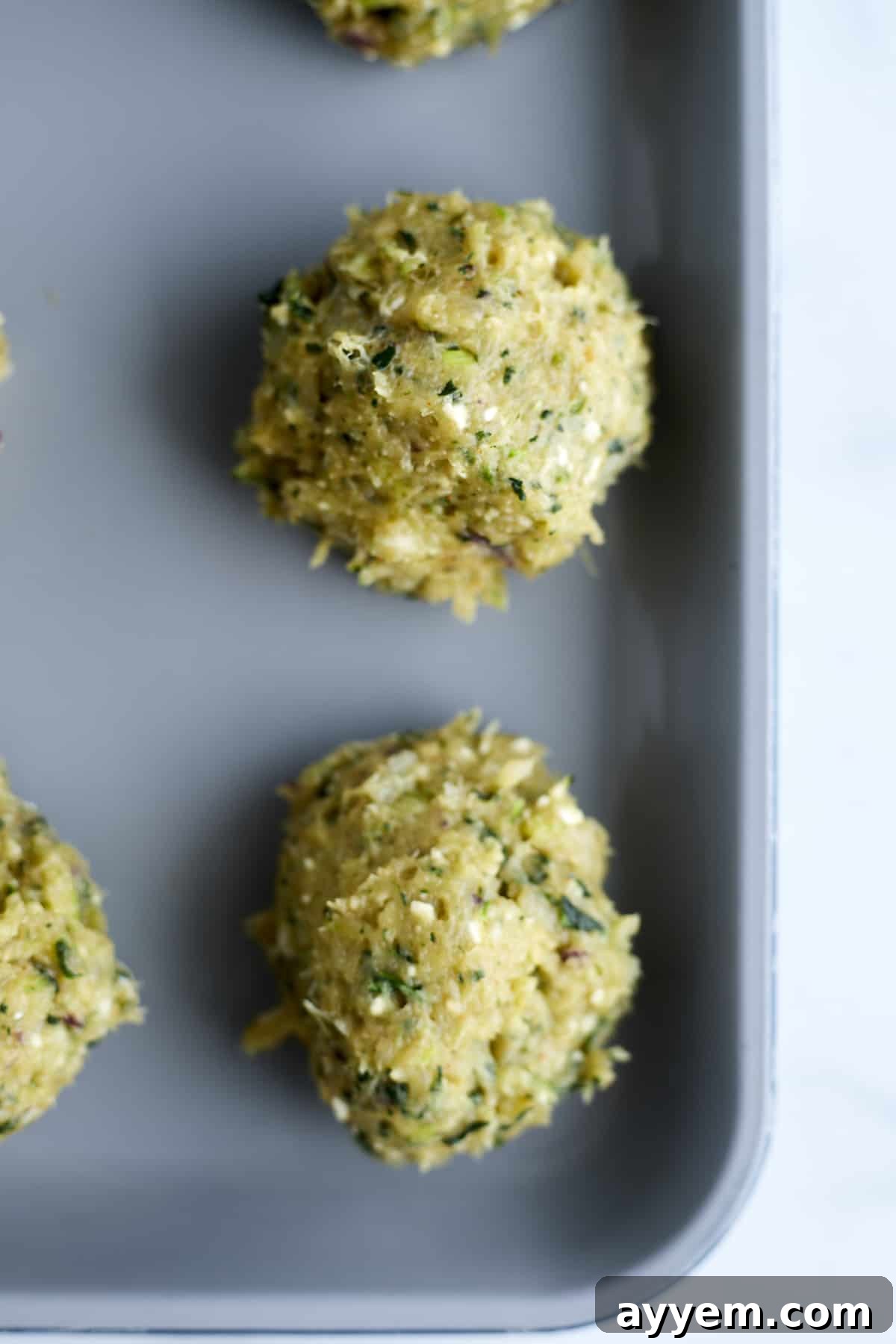
- Form the Meatballs with Ease: To ensure uniform size and even cooking, use a large cookie or ice cream scoop to portion out the chicken mixture. Then, gently roll each portion between your palms to form perfectly spherical meatballs. If the mixture feels a bit sticky, slightly dampen your hands with water – this trick makes the rolling process much smoother and prevents sticking.
- Bake to Golden Perfection: Arrange your freshly formed meatballs on the greased baking sheet, ensuring there’s a little space between each one for even browning. Transfer the sheet to your preheated oven and bake for approximately 25-30 minutes. The meatballs are cooked through when they’re golden brown on the outside and have reached an internal temperature of 165 degrees Fahrenheit (74 degrees Celsius). Use a meat thermometer to check for accuracy, especially with chicken.
- Serve and Enjoy: Once baked, remove the meatballs from the oven. Let them cool for a few minutes before serving them hot with your favorite Greek accompaniments like creamy tzatziki, fluffy rice, or fresh salad. Enjoy your homemade taste of Greece!
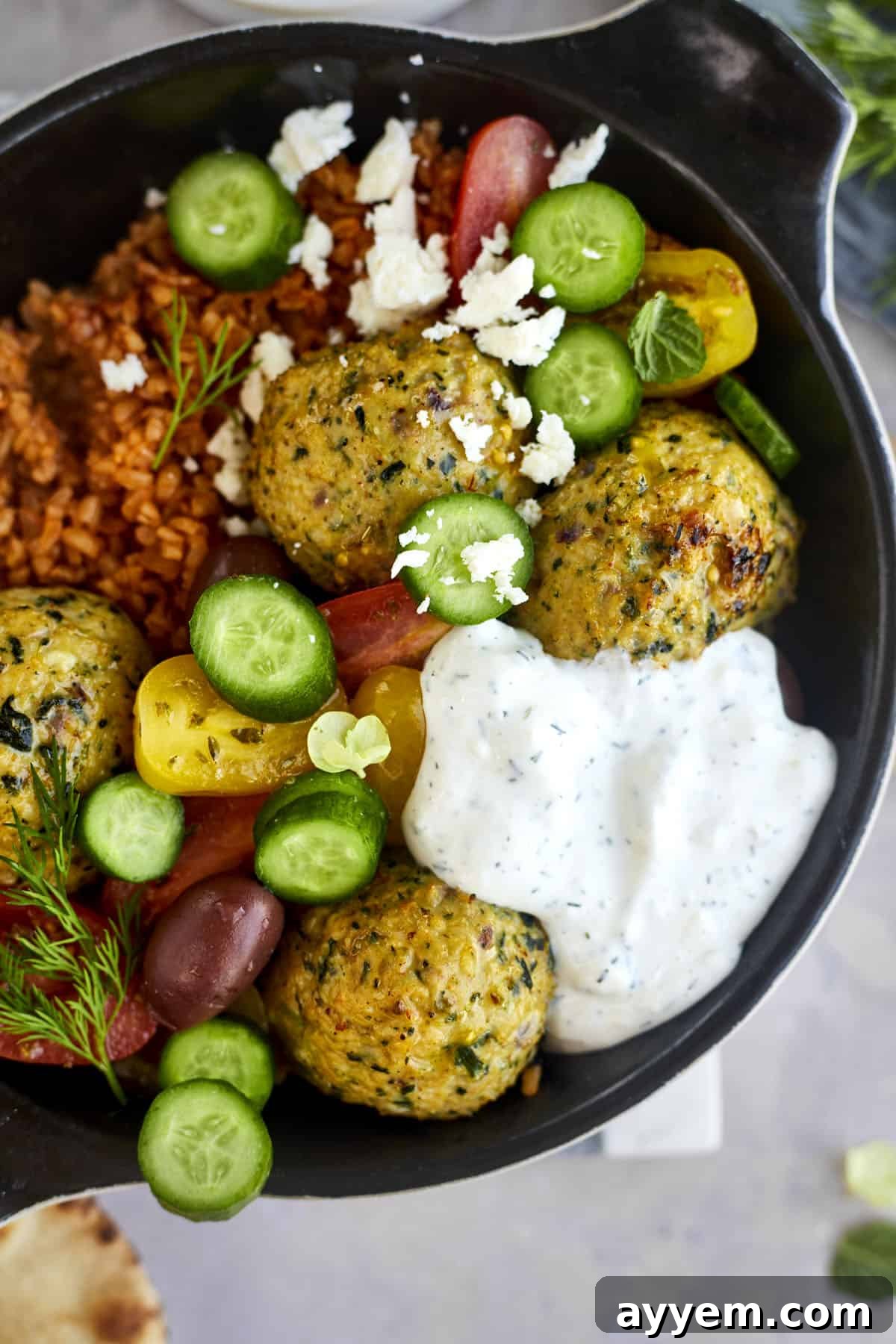
Expert Tips and Tricks for Unforgettable Greek Meatballs
While this recipe is designed to be quick and easy, a few insider tips can elevate your Greek Meatballs from simply delicious to absolutely sensational. These small adjustments will ensure perfect results every time, impressing even the most discerning palates:
- Keep Your Hands Moist: Before you even start shaping the meatballs, lightly wet your hands with a bit of water. This simple trick is a game-changer! It creates a non-stick surface, preventing the meat mixture from clinging to your fingers and making the rolling process much easier and cleaner. Re-wet your hands as needed throughout the process.
- Boost the Crispiness with a Flour Dredge: If you crave an extra-crispy exterior for your Keftedes, consider a quick dredge. After forming the meatballs, lightly roll them in a thin layer of all-purpose flour or extra breadcrumbs before placing them on the baking sheet. This creates an additional coating that crisps up beautifully in the oven, adding another layer of delightful texture.
- Embrace the Chill: Prepare Ahead for Enhanced Flavor: We’ve discovered that these Greek chicken meatballs are even more flavorful when prepared in advance. After you’ve mixed and formed the meatballs, arrange them on a plate or baking sheet, cover them loosely, and let them chill in the refrigerator for at least an hour, or even up to 24 hours, before baking. This resting period allows the myriad of flavors from the herbs, spices, and feta to meld and deepen, ensuring every bite is infused with deliciousness. It also helps the meatballs hold their shape better during cooking.
- Don’t Overmix: When combining the ingredients in the food processor, pulse just until everything is well combined and cohesive. Overmixing can lead to a dense, tough texture in your finished meatballs, so aim for a light touch.
- Mind the Temperature: To guarantee juicy and safe-to-eat chicken meatballs, always ensure they reach an internal temperature of 165°F (74°C). A reliable meat thermometer is your best friend here, providing accuracy and peace of mind.
Make Ahead and Storage Options for Busy Lifestyles
Greek meatballs are an excellent choice for meal prepping, making them perfect for those busy weekdays when you need a quick yet wholesome meal. Their deliciousness only seems to improve with a little time, and they store beautifully!
Refrigerator Storage: If you have any delicious leftovers, simply transfer your cooked and cooled Greek meatballs to an airtight container. They will keep perfectly in the fridge for up to 4 days, ready for quick lunches or easy dinners.
Freezer Storage (Cooked): For longer storage, cooked Greek meatballs freeze exceptionally well. First, ensure they are completely cooled. Then, arrange them in a single layer on a baking sheet and place them in the freezer for about an hour, or until they are solid. This flash-freezing step prevents them from sticking together. Once solid, transfer the meatballs to a heavy-duty freezer bag or an airtight freezer-safe container. They will maintain their quality for up to 2 months. You can take out just the amount you need for a single serving or for a family meal.
Freezer Storage (Uncooked): Yes, you can freeze uncooked Keftedes too! After forming the meatballs, arrange them on a baking sheet lined with parchment paper, making sure they don’t touch. Flash-freeze them until solid (about 1-2 hours). Once frozen, transfer them to a freezer-safe bag or container. They can be stored in the freezer for up to 3 months. When ready to cook, you can bake them directly from frozen, adding an extra 10-15 minutes to the baking time, or thaw them in the refrigerator overnight before baking as directed.
To Reheat: The best way to bring your frozen Greek meatballs back to life is to thaw them in the fridge overnight. Once thawed, you can warm them up in a skillet with a drizzle of olive oil over medium heat. Gently turn them until they are heated through to your desired temperature, regaining their delicious crispness and tenderness. Alternatively, you can reheat them in the oven at 350°F (175°C) for about 10-15 minutes, or until warmed through.

Exquisite Serving Suggestions: Completing Your Greek Feast
These versatile Greek Meatballs are incredibly delicious on their own as a healthy and satisfying appetizer, but they truly shine when paired with complementary Greek flavors. Don’t forget the essential dips for dunking; they elevate the experience dramatically! Serve them alongside a vibrant spread or turn them into a hearty, filling meal with these delicious suggestions:
- Classic Greek Dips:
- Tzatziki: The quintessential accompaniment! Its cool, creamy, and tangy yogurt base with cucumber and garlic offers a refreshing contrast to the savory meatballs. Learn how to make the perfect tzatziki sauce here!
- Hummus: A smooth and rich dip made from chickpeas, tahini, lemon juice, and garlic. Its earthy notes are a wonderful match for the Keftedes. Try this hummus with roasted tomatoes and olives.
- Whipped Feta Dip: A decadent and tangy dip that combines the salty goodness of feta with a light, creamy texture. Discover this whipped feta and roasted olives recipe.
- Hearty Grain Bases:
- Vermicelli Rice or Greek Rice: Fluffy, flavorful rice is a comforting foundation that soaks up all the delicious juices and dips.
- One Pot Greek Couscous: A quick and easy alternative to rice, this flavorful couscous is packed with Mediterranean herbs and vegetables.
- Warm Pita Bread: Essential for scooping up meatballs and dips, fresh pita bread is a must-have for a true Greek dining experience. You can also stuff the meatballs into pita pockets with fresh veggies and tzatziki for a delicious sandwich.
- Fresh Salads and Vegetables:
- Authentic Greek Salad: The crisp freshness of cucumbers, tomatoes, red onion, bell peppers, Kalamata olives, and feta, all drizzled with a simple lemon-herb vinaigrette, provides a perfect balance to the rich meatballs.
- Roasted Vegetables: A simple side of roasted asparagus, bell peppers, or zucchini tossed with olive oil, lemon, and oregano makes a healthy and flavorful addition.
- Lemon Roasted Potatoes: Tender potatoes roasted with lemon, garlic, and oregano are another traditional and incredibly satisfying Greek side dish.
Common Questions about Greek Meatballs (Keftedes)
Tzatziki reigns supreme as the classic accompaniment for Keftedes. Its refreshing blend of cooling yogurt, crisp cucumber, and zesty garlic perfectly balances the savory richness of the meatballs. However, the options don’t stop there! Other popular choices include a simple drizzle of good quality Greek olive oil infused with fresh lemon juice and a pinch of oregano, or a light tomato-based sauce often enhanced with warm spices like cinnamon or allspice for a unique depth. For those who enjoy a sweet-savory contrast, a delicate drizzle of Greek honey can also be surprisingly delightful!
In Greece, Keftedes are commonly served as a star component of a meze spread – an array of small dishes designed for sharing. They are often accompanied by warm pita bread, various flavorful dips like tzatziki, hummus, or melitzanosalata (eggplant dip), and fresh salads such as the iconic Greek salad with ripe tomatoes, cucumbers, and feta. For a more substantial meal, Keftedes pair beautifully with lemon-roasted potatoes, fluffy Greek rice pilaf, or even stuffed into warm pita pockets with fresh tomatoes, thinly sliced red onions, and a generous dollop of tzatziki for a satisfying street-food style sandwich.
Absolutely! Freezing uncooked Keftedes is an excellent way to prepare meals in advance. To do so, form the meatballs and arrange them in a single layer on a baking sheet lined with parchment paper, ensuring they don’t touch each other. Place the sheet in the freezer until the meatballs are frozen solid (this usually takes 1-2 hours). Once frozen, transfer them to an airtight freezer-safe bag or container. They can be stored for up to three months. This method prevents them from sticking together and allows you to easily take out and cook only the amount you need, without having to thaw the entire batch. When ready to cook, you can bake them from frozen, adding approximately 10-15 minutes to the baking time, or thaw them in the refrigerator overnight before baking as per the recipe.
Greek meatballs can indeed be a very nutritious addition to your diet, especially when prepared thoughtfully. Our recipe uses lean ground chicken and is baked rather than fried, which significantly reduces the fat content. They provide an excellent source of protein, essential for muscle health and satiety. Furthermore, the rich medley of Mediterranean herbs and spices traditionally used in Keftedes, such as oregano, mint, and garlic, are packed with antioxidants and anti-inflammatory compounds. When served alongside a fresh Greek salad, a healthy grain like rice or couscous, and a yogurt-based tzatziki dip, these meatballs become a perfectly balanced and delicious part of a wholesome Mediterranean diet.
While traditionally Keftedes are pan-fried in olive oil for a rich, crispy crust, baking offers a significantly healthier and less messy alternative, especially for larger batches. Baking still yields a wonderfully tender and juicy interior with a beautifully browned exterior, thanks to the breadcrumbs and proper oven temperature. Air frying is another excellent modern option, providing maximum crispiness with minimal oil. The “best” method often depends on your preference for texture and your health goals. For this chicken keftedes recipe, baking is recommended for its convenience and lighter profile.
More Protein-Rich Mediterranean-Inspired Recipes to Explore
If you’ve enjoyed the savory flavors and satisfying protein of these Greek Meatballs, you’re in for a treat! Whether you’re searching for more crowd-pleasing appetizers, healthy main courses, or just new ideas to liven up your dinner routine, these protein-packed dishes, many with a delightful Mediterranean influence, are sure to hit the spot and expand your culinary repertoire:
- Easy Chicken Kofta: Another lean and flavorful ground chicken recipe, seasoned with Middle Eastern spices and perfect for grilling or baking.
- Easy Beef Kofta: A robust and juicy beef version of the popular kofta, offering a slightly different spice profile but equally delicious.
- Beef Kofta Meatballs: If you love the meatball format, this recipe combines the rich flavors of beef kofta in an easy-to-serve ball.
- Oven-Baked Chipotle Chicken Skewers: For a departure from Greek flavors but still packed with protein, these zesty chicken skewers are simple to make and incredibly satisfying.
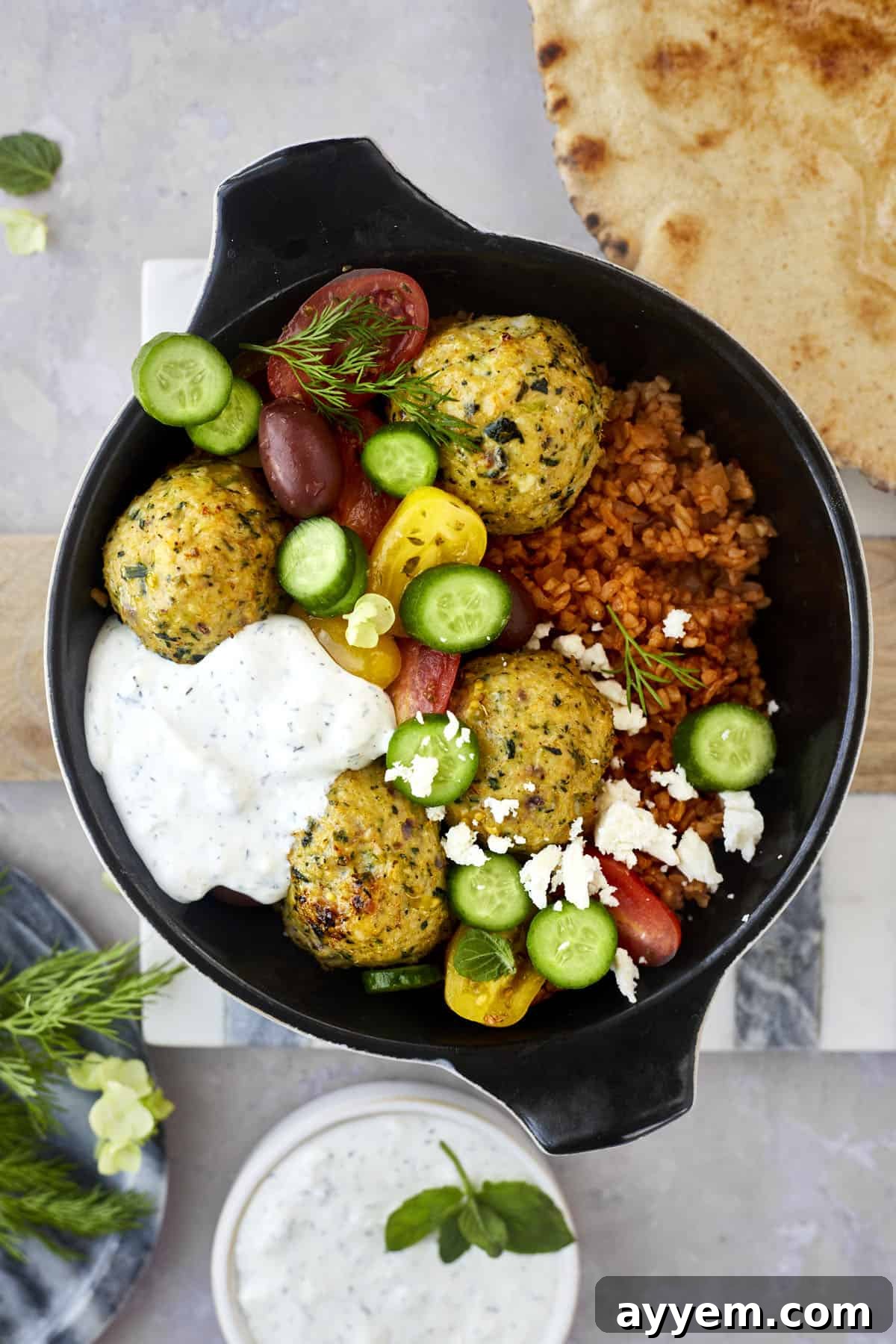
Greek Meatballs Recipe (Chicken Keftedes)
Food Dolls
4 servings
10 mins
25 mins
35 mins
Print Recipe
Email Recipe
Ingredients
- ½ red onion, chopped
- ½ bunch fresh cilantro, roughly chopped
- 3 green onion stalks, (~½ cup), chopped
- ½ cup frozen spinach, thawed and thoroughly drained
- 5 cloves garlic, minced
- 1 large egg
- ¼ cup feta cheese, crumbled
- ¼ cup breadcrumbs
- 1 teaspoon kosher salt
- ½ teaspoon black pepper
- 1 teaspoon paprika
- 1 pound (~2 large) chicken breasts, trimmed and cut into chunks
Instructions
- Preheat your oven to 400°F (200°C). Lightly grease a baking sheet and set it aside.
- In the bowl of a food processor, combine all ingredients except for the chicken: red onion, cilantro, green onion, spinach, garlic, egg, feta, breadcrumbs, salt, pepper, and paprika. Pulse until everything is finely chopped and well combined.
- Add the trimmed chicken breast chunks to the food processor. Pulse again until the chicken is finely ground and thoroughly mixed with the other ingredients, forming a cohesive mixture. Be careful not to over-process.
- Using a large cookie scoop, portion out the mixture. Roll each portion between your palms to form smooth, circular meatballs. If the mixture is sticky, dampen your hands slightly with water.
- Place the formed meatballs on the prepared baking sheet, ensuring they are spaced evenly. Bake for 25-30 minutes, or until the meatballs are golden brown and cooked through, reaching an internal temperature of 165°F (74°C).
- Remove from the oven and let rest for a few minutes. Serve hot with tzatziki, hummus, or alongside rice and salad, as desired.
- Store any leftovers in an airtight container in the refrigerator for up to 4 days.
Equipment
Nutrition
Calories: 217kcal
Carbohydrates: 10g
Protein: 29g
Fat: 7g
Saturated Fat: 2g
Polyunsaturated Fat: 1g
Monounsaturated Fat: 2g
Trans Fat: 0.02g
Cholesterol: 122mg
Sodium: 902mg
Potassium: 589mg
Fiber: 2g
Sugar: 1g
Vitamin A: 2567IU
Vitamin C: 8mg
Calcium: 114mg
Iron: 2mg
Nutrition information is automatically calculated and should only be used as an approximation.
Enjoyed this delightful recipe?
Please share your thoughts and leave a comment below!