
Garlic, a cornerstone of culinary delight across countless cuisines, is celebrated for its pungent aroma and distinctive flavor. From Italian pasta sauces to savory Asian stir-fries, its presence elevates dishes from ordinary to extraordinary. However, a common challenge for home cooks and culinary enthusiasts alike is how to effectively store garlic to maintain its freshness, potency, and usability for as long as possible. Nobody wants to find their precious garlic sprouted, shriveled, or, worse yet, moldy. Proper storage not only preserves its quality but also helps reduce food waste and ensures you always have this essential ingredient on hand when inspiration strikes.
This comprehensive guide dives deep into various time-tested and innovative methods for storing garlic, whether you’re dealing with whole bulbs, individual cloves, or minced preparations. We’ll explore techniques suitable for both short-term convenience and long-term preservation, covering everything from simple pantry solutions to advanced freezing strategies. By adopting these expert tips and tricks, you’ll unlock the secret to keeping your garlic fresh, flavorful, and ready to enhance your next culinary creation. Get ready to transform your approach to garlic storage and ensure this versatile ingredient always performs at its best!
Method 1: Storing Unpeeled Garlic Bulbs and Cloves
For optimal long-term freshness, the simplest and often most effective method for storing garlic is to keep it in its natural, unpeeled state. Whether you have a whole head of garlic or individual unpeeled cloves, the principles remain the same. The papery skin acts as a natural protective barrier, shielding the cloves from moisture loss and external elements that can accelerate spoilage. This method is ideal for those who purchase garlic regularly and prefer to peel it just before use.
To store unpeeled garlic, select a cool, dry place that is well-ventilated and away from direct sunlight. Ideal locations include a pantry, a breathable mesh bag hung in your kitchen, or even a countertop fruit bowl, provided it’s not near a heat source like a stove or a sunny window. Aim for temperatures between 60-65°F (15-18°C) to prevent sprouting, which can happen quickly in warmer environments. Avoid storing garlic in airtight containers or plastic bags, as these can trap moisture and lead to mold growth or premature sprouting. When stored correctly, whole unpeeled garlic bulbs can last for an impressive three to six months, sometimes even longer, maintaining their robust flavor and firm texture. Regularly check your stored garlic and remove any cloves that show signs of softening or sprouting to prevent them from affecting the rest.
Method 2: Storing Peeled Garlic Cloves in the Refrigerator
While unpeeled garlic boasts an impressive shelf life, convenience often calls for having peeled cloves ready to go. Many cooks prefer to peel a batch of garlic ahead of time to streamline meal preparation, especially when cooking frequently. However, once the protective papery skin is removed, garlic cloves become more vulnerable to drying out and spoilage. Therefore, a different approach is required for peeled garlic.
To store peeled whole garlic cloves, it’s crucial to place them in an airtight container immediately after peeling. A glass jar with a tight-fitting lid or a high-quality food storage container works best. The goal is to minimize exposure to air, which can cause the cloves to dry out, become rubbery, and lose their pungent flavor. Store the sealed container in the refrigerator, ideally in the crisper drawer, which helps maintain a consistent, cool temperature. While this method offers convenience, it is a short-term solution. Peeled garlic cloves stored in the refrigerator are best used within two to three days to ensure they retain their optimal freshness and flavor. Beyond this timeframe, they may start to develop a sour taste or show signs of deterioration. Always check for any discoloration or softness before use.
Method 3: Freezing Minced Garlic in Mini Muffin Tins for Portion Control
For those who frequently use minced garlic in recipes and want to extend its shelf life significantly, freezing is an excellent option. This method not only preserves garlic for months but also provides convenient, pre-portioned amounts, saving you time during meal preparation. The mini muffin tin technique is particularly popular for its ease of use and individual servings.
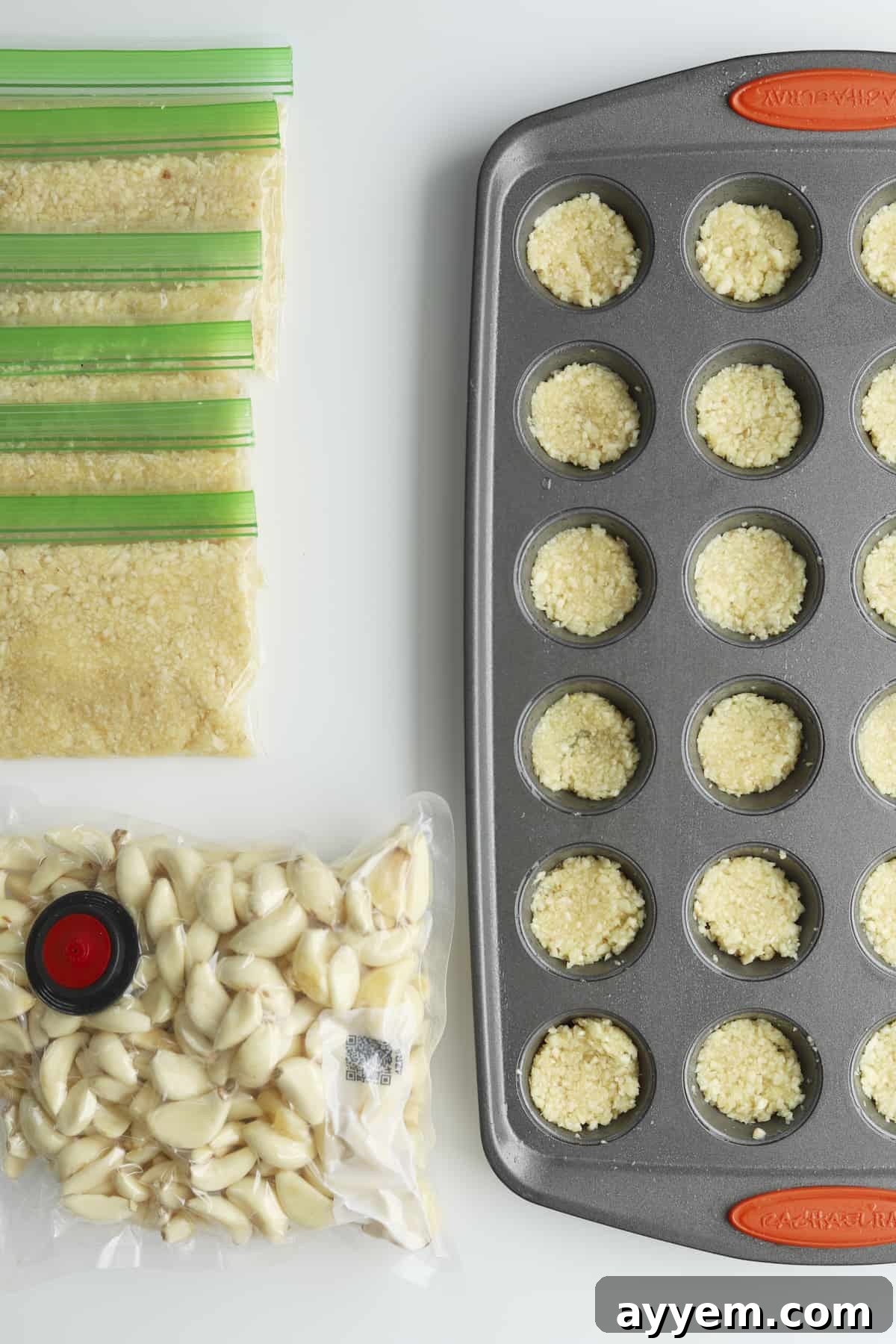
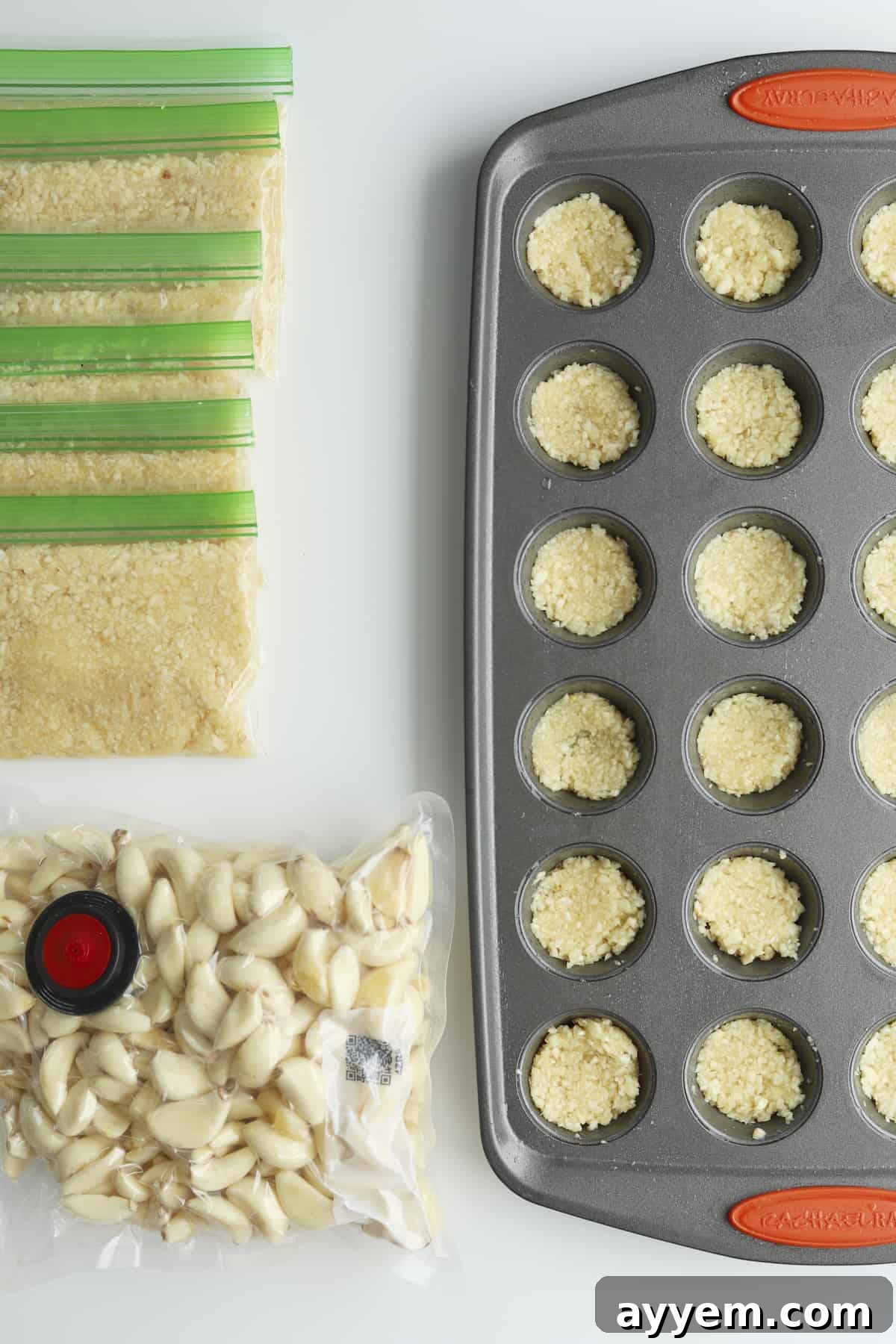
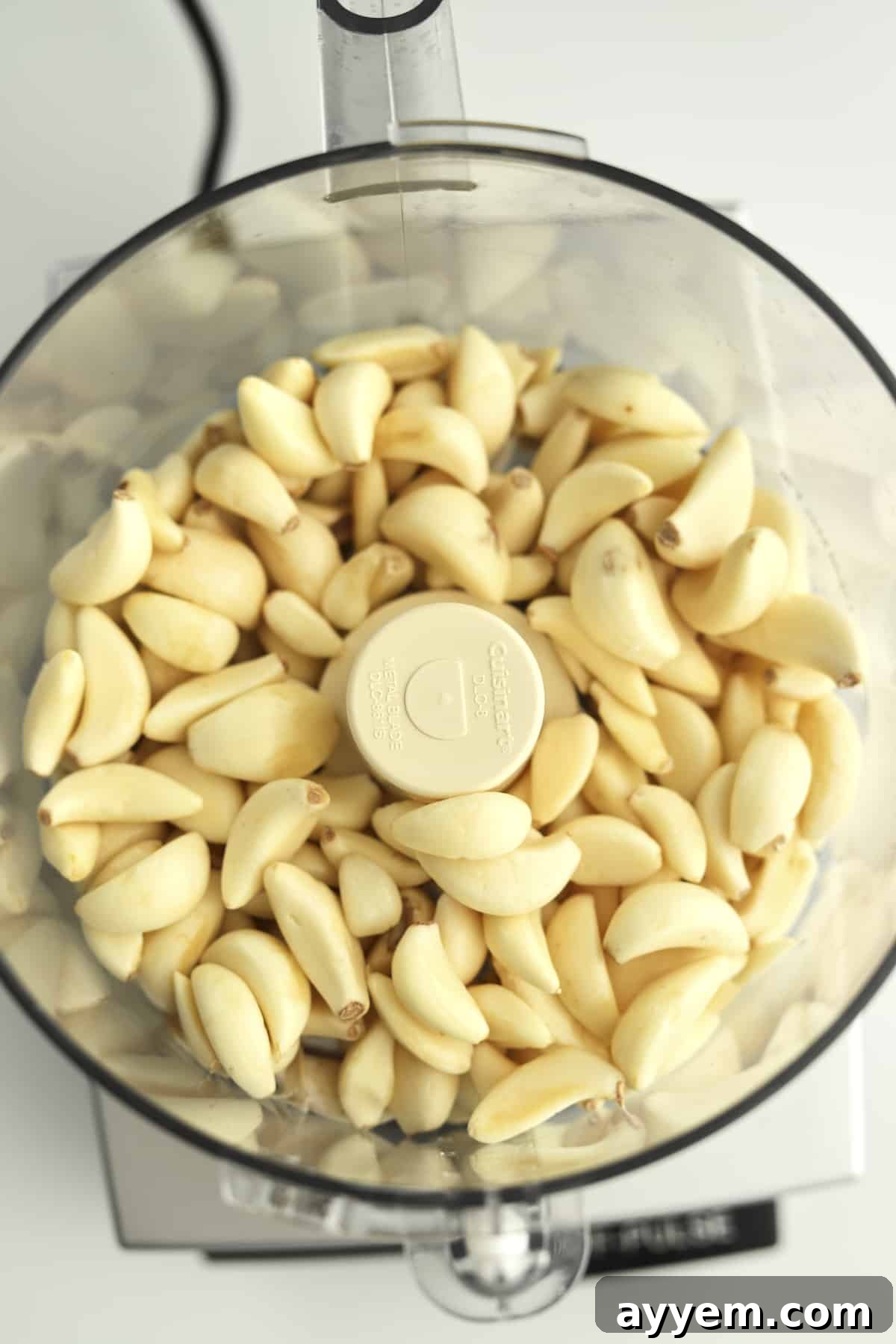
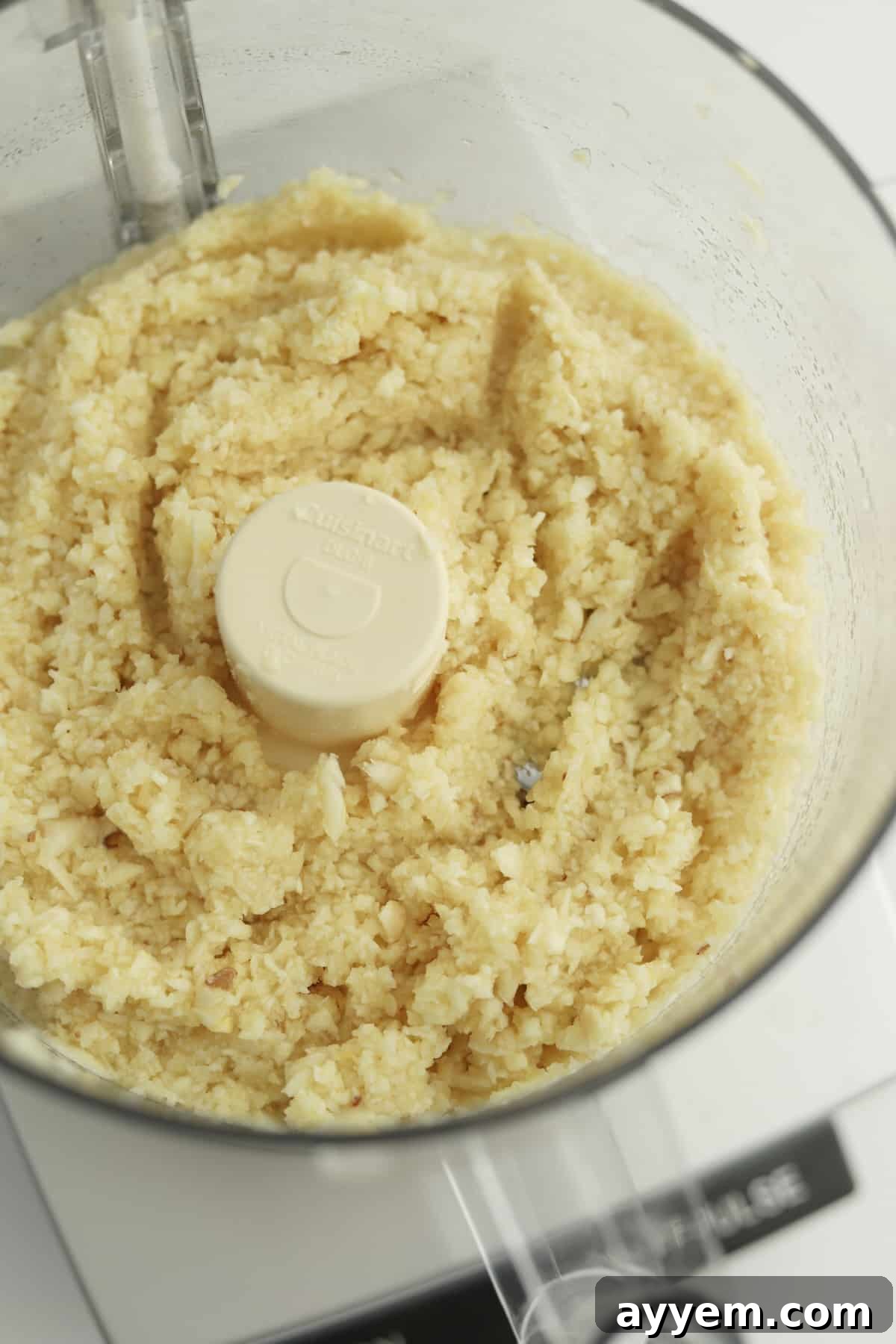
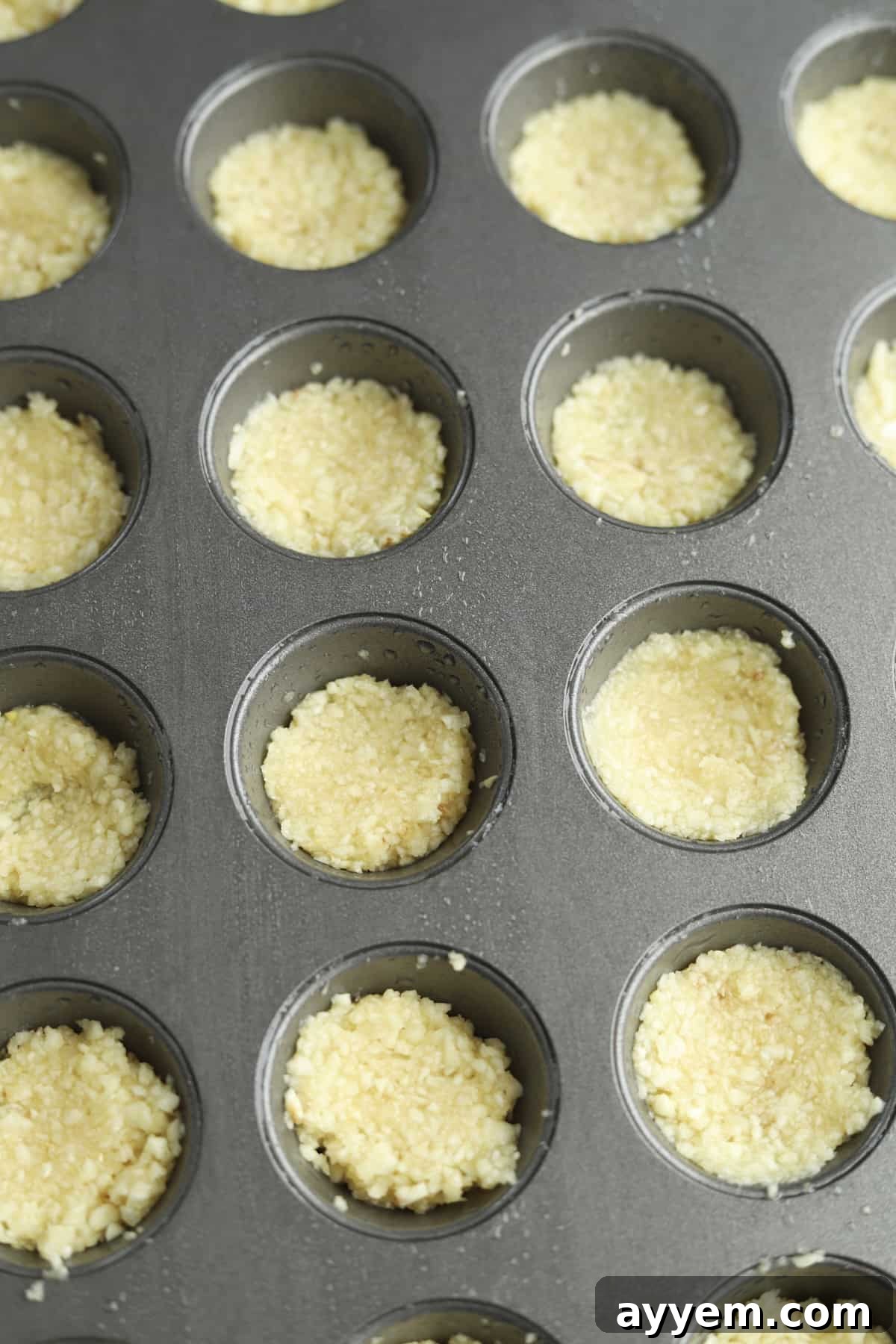
The first step for this method involves preparing your garlic. Begin by peeling a generous amount of garlic cloves. Then, place the peeled cloves into a food processor and blend them until they reach a finely minced consistency. Alternatively, you can purchase pre-minced garlic for a quicker start, though fresh mincing generally yields better flavor. Once minced, scoop out a spoonful at a time – approximately one to two teaspoons, depending on your typical recipe needs – and place it into the wells of a non-stick mini muffin tin. If your tin isn’t non-stick, a light spray of cooking oil or using silicone liners can prevent sticking. Gently flatten and press down the minced garlic into each tin compartment to create compact pucks.
After filling the muffin tin, wrap the entire tin tightly with aluminum foil to protect the garlic from freezer burn and odors. Place it in the freezer and allow the garlic to freeze solid, which typically takes a few hours. Once completely frozen, carefully pop out the individual garlic pucks. These frozen portions can then be transferred into snack-sized Ziploc bags or any freezer-safe airtight container. Ensure the bags are sealed completely, removing as much air as possible to prevent freezer burn. Label with the date. These frozen garlic portions can be stored for up to six months and can be dropped directly into hot pans or soups without thawing, making them incredibly convenient for everyday cooking.
Method 4: Freezing Minced Garlic in Snack-Sized Ziploc Bags
Another highly effective and versatile method for freezing minced garlic involves using small, snack-sized Ziploc bags. This technique is particularly useful for those who prefer to store larger quantities of minced garlic without the need for muffin tins, offering flexibility in portioning. It’s also an excellent choice for maximizing freezer space, as the flattened bags can be stacked efficiently.
Similar to the muffin tin method, you’ll start by peeling and blending garlic cloves in a food processor until finely minced. Once you have a batch of uniformly minced garlic, carefully spoon it into individual snack-sized Ziploc bags. For greater convenience, you can flatten the minced garlic inside each bag into a thin, even layer. Before sealing, press out as much excess air as possible from the bag. This step is crucial for preventing freezer burn, which can compromise the flavor and texture of your garlic over time. You can even use a rolling pin or the flat side of a knife to create score marks or a grid pattern on the flattened garlic layer, allowing you to easily break off smaller portions as needed without thawing the entire bag.
Once sealed and flattened, store the bags in the freezer. Laid flat initially, they will freeze quickly and can then be stacked vertically or horizontally to optimize freezer space. Label each bag with the date to keep track of freshness. Minced garlic stored in this manner can remain fresh and potent in the freezer for up to six months. When a recipe calls for garlic, simply break off a piece of the frozen slab (if you scored it) or use the contents of a whole small bag. There’s no need to thaw; the frozen garlic can be added directly to your cooking, melting quickly into your dish and infusing it with its characteristic aroma and taste.
Method 5: Refrigerating Minced Garlic with Olive Oil
For those who prefer not to freeze their garlic but want the convenience of pre-minced cloves, storing garlic in olive oil in the refrigerator can be a flavorful and practical option for short-term use. This method allows the garlic to infuse the oil with its robust flavor, creating a delicious garlic-infused oil that can be used in dressings, sautés, and marinades.
To prepare, peel your garlic cloves and place them into a food processor. Pulse until the garlic is finely minced. Then, transfer the minced garlic into a clean, sterilized glass mason jar. Pour a few tablespoons of high-quality olive oil over the garlic, ensuring that all the garlic is submerged and coated. Stir it all together to distribute the oil evenly. The oil acts as a barrier, preventing the garlic from drying out and slowing down oxidation. Seal the jar tightly with a lid.
**CRITICAL SAFETY NOTE:** It is absolutely essential to store garlic in oil ONLY in the refrigerator. Garlic stored in oil at room temperature creates an anaerobic environment where the dangerous bacterium Clostridium botulinum can thrive and produce toxins, leading to botulism. For safety, this method is strictly for refrigerated storage and has a limited shelf life. Store the garlic in oil in your refrigerator for up to seven days. Beyond this period, even refrigerated, the risk of bacterial growth increases. Always discard if you notice any bubbling, cloudiness, or off-odors. The garlic-infused oil can be a fantastic addition to your cooking, adding depth of flavor to almost any savory dish, but always prioritize safety.
Method 6: Freezing Whole Garlic Cloves
Sometimes, recipes call for whole garlic cloves, or you might prefer the flexibility of mincing or slicing them fresh after storage. Freezing whole garlic cloves is a simple yet effective method that preserves their flavor and texture for an extended period, offering convenience without compromising quality. This approach bypasses the need for immediate mincing, allowing you to prepare your garlic however you like once thawed or added to a dish.
To freeze whole garlic cloves, start by carefully peeling each clove. While this can be a tedious task, methods like shaking cloves in two bowls or blanching them briefly in hot water can help loosen the skins. Once peeled, trim off any woody ends or discolored spots. Ensure the cloves are completely dry before proceeding; excess moisture can lead to ice crystals and freezer burn.
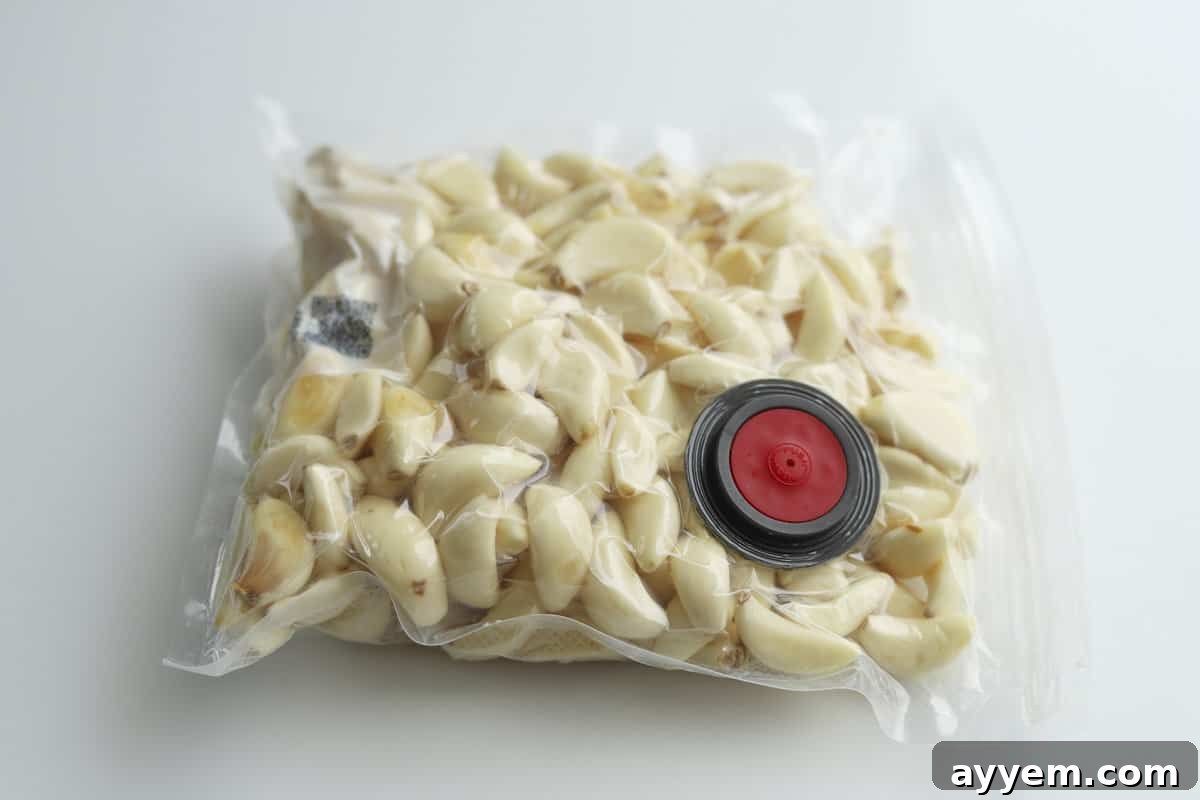
For best results and maximum shelf life, place the peeled and trimmed garlic cloves into a vacuum-sealable plastic bag. Using a vacuum sealer, remove all the air from the bag and create a tight seal. Vacuum sealing is highly recommended as it prevents freezer burn and keeps the garlic’s flavor locked in. If you don’t have a vacuum sealer, you can use heavy-duty freezer bags. Place the cloves in the bag, then partially seal it, leaving a small opening. Submerge the bag (leaving the opening above water) into a bowl of water to force the air out around the garlic, then quickly seal the bag. This creates a makeshift vacuum seal. Label the bag with the date.
Store the garlic in the freezer. Whole garlic cloves stored this way can last for up to 12 months, maintaining much of their original flavor and firm texture. When you need garlic, simply take out the desired number of cloves. They can be minced, sliced, or used whole directly from the freezer; they thaw very quickly or can be added directly to hot dishes. Freezing whole cloves is a fantastic way to ensure you always have fresh-ttasting garlic on hand, ready for any culinary adventure.
Frequently Asked Questions About How to Store Garlic
If you’re not using garlic immediately and prefer the convenience of peeling it just before cooking, the best way to store whole, unpeeled garlic bulbs or individual unpeeled cloves is at room temperature. Keep them in a cool, dry, and well-ventilated spot away from direct sunlight, such as a pantry or an open mesh bag. This method preserves their freshness and flavor for several weeks to months.
Generally, whole, unpeeled garlic should not be stored in the fridge. The cold and humid environment of a refrigerator can cause unpeeled garlic to sprout prematurely, become rubbery, and develop mold more quickly, diminishing its flavor and texture. Only peeled garlic or garlic stored in oil should be refrigerated for short-term use, and frozen garlic is stored in the freezer for long-term preservation.
For long-term storage and maximum shelf life, it is always better to keep garlic unpeeled. The papery outer layers act as a natural protective shield, preventing moisture loss and spoilage. Peeled garlic, on the other hand, is much more perishable and should only be stored for a few days in the refrigerator or preserved through freezing for extended periods.
Unpeeled whole garlic bulbs or individual unpeeled cloves can last for an impressive three to six months when stored properly at room temperature in a cool, dry, and well-ventilated place. However, it’s always best to use them as soon as possible for peak flavor and to minimize any risk of drying out, sprouting, or mold development over time.
Garlic often sprouts when exposed to warm temperatures, especially when combined with humidity. The green sprout in the center of the clove is the plant beginning to grow. While sprouted garlic is generally safe to eat, the sprout itself can sometimes impart a bitter flavor to your dishes. You can remove the green sprout before using the garlic to mitigate this bitterness.
No, absolutely not. Storing garlic in oil at room temperature creates an anaerobic (oxygen-free) environment, which is ideal for the growth of Clostridium botulinum, the bacterium that causes botulism. This is a severe food safety risk. Garlic in oil must always be stored in the refrigerator and consumed within 7 days. For longer storage in oil, it must be properly acidified or frozen.
More Food Storage and Kitchen Tips for the Savvy Cook
Mastering the art of garlic storage is just one step in becoming a more efficient and waste-conscious home cook. Expanding your knowledge of proper food storage techniques can significantly impact your grocery budget, reduce spoilage, and ensure you always have fresh ingredients at your fingertips. Explore these additional resources to further hone your kitchen skills and keep your pantry and refrigerator stocked with vibrant, flavorful produce and proteins.
- How to Store Ginger: Extend the life of this aromatic root.
- How to Store Parsley: Keep your fresh herbs bright and green.
- How to Store Uncooked Ground Beef: Essential tips for meat safety and freshness.
- How to Cut a Cantaloupe (3 Ways): Maximize flavor and minimize mess with these cutting techniques.
By implementing these food storage strategies and kitchen hacks, you’ll not only save money but also unlock new levels of culinary convenience and creativity. Happy cooking!