

Are you tired of rummaging through cluttered cabinets and disorganized drawers every time you cook? Imagine a kitchen where every spice is exactly where it should be, making your culinary adventures not just easier, but truly joyful. Learning how to organize spices is a game-changer for any home cook, transforming everyday meal prep into a seamless and enjoyable experience. Join us as we explore the best storage options, clever organizational hacks, and essential tips to create a spice sanctuary in your kitchen.

Mastering Spice Organization: Transform Your Kitchen & Elevate Your Cooking
Why Smart Spice Organization is a Culinary Game-Changer
For many home cooks, the spice cabinet or drawer is a source of constant frustration. Jars are often jumbled, half-empty containers hide behind forgotten bottles, and finding that elusive pinch of cumin feels like a treasure hunt. This disarray not only wastes precious time but can also stifle your creativity in the kitchen. We understand this struggle firsthand! Our own spice storage used to be a chaotic mess, making every cooking session feel ten times harder than it needed to be.
However, just like we transformed other areas of our kitchen with efficient utensil organizers and clever plastic bag organizers, we realized our spices deserved the same attention. It was time to conquer the clutter and discover the absolute best methods for creating an organized, Instagram-worthy spice collection that makes cooking a genuine pleasure. The good news? We’ve done the hard work for you, sifting through countless options to bring you the most effective and aesthetically pleasing solutions.
Embracing proper spice organization offers a multitude of benefits that extend far beyond just tidiness:
- Boosted Efficiency: No more frantic searching! With an organized system, you’ll instantly locate the spices you need, saving valuable prep time and making your cooking flow effortlessly.
- Reduced Waste & Cost Savings: When your spices are visible and accounted for, you’re less likely to buy duplicates of what you already have. This mindful approach prevents unnecessary purchases and ensures you use your spices before they lose potency, ultimately saving you money.
- Enhanced Culinary Creativity: A well-organized spice collection encourages experimentation. When you can easily see all your options, you’re more likely to try new flavor combinations and expand your cooking repertoire.
- Maintained Freshness & Flavor: Proper storage, away from heat and light, helps spices retain their aroma and flavor for longer, ensuring your dishes always taste their best.
- A Serene Kitchen Environment: A tidy and functional kitchen workspace reduces stress and makes the act of cooking more enjoyable and therapeutic.
Once you experience the joy of an organized spice collection, you might just feel compelled to declutter your entire kitchen – and perhaps even your whole home! If you embark on this rewarding journey, don’t forget to share your beautifully organized spice setups with us on Instagram by tagging @fooddolls. We love to see your transformations!
(Ready to organize more? Explore our guide to zen-like fridge organization and essential coffee and tea drawer storage solutions, too!)
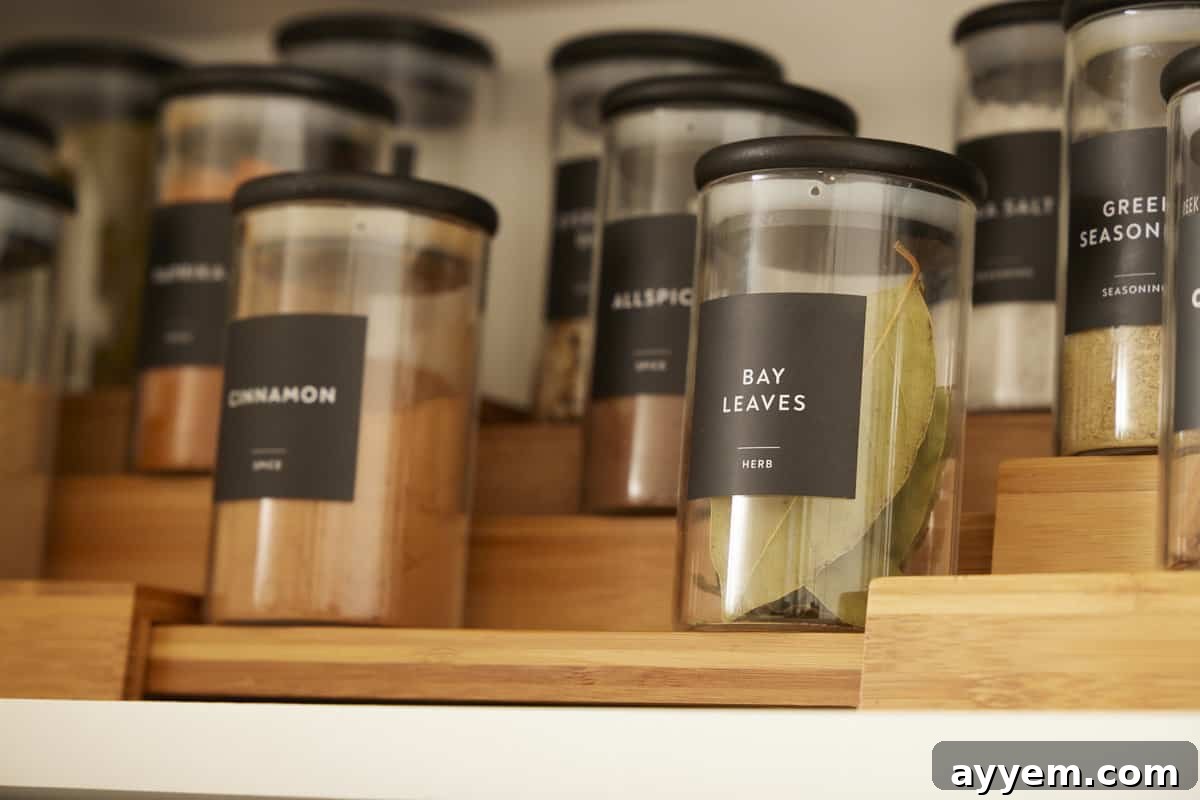
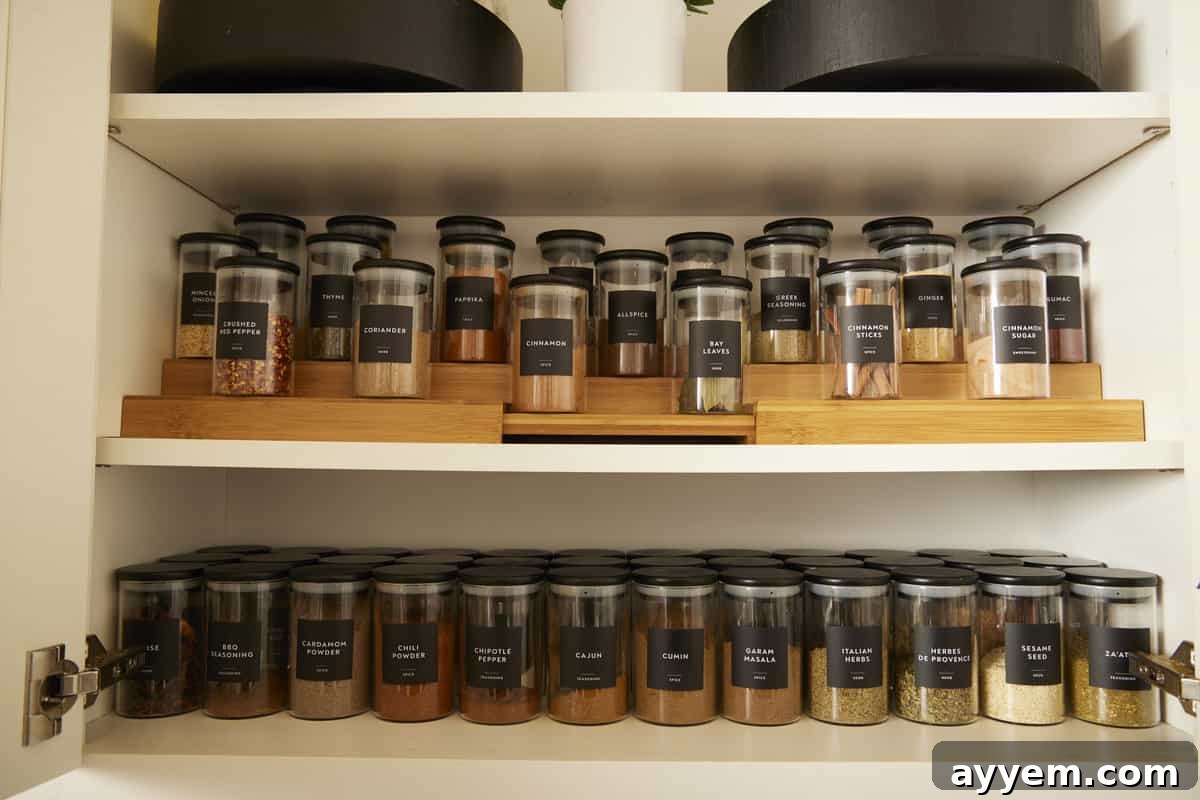
How to Organize Spices: A Step-by-Step Guide
Transforming your spice collection from chaotic to harmonious doesn’t have to be overwhelming. We’re here to guide you through effective strategies and innovative tools that will help you declutter your cabinets and drawers, regardless of their size. The key is to find a system that resonates with your kitchen layout and cooking habits. Feel free to mix and match our favorite methods to create your ultimate spice organization system.
Step 1: The Great Spice Audit & Declutter
Before you even think about buying organizers, the first crucial step is to go through your existing spice collection. This decluttering phase is essential for building a truly functional system.
- Empty Everything Out: Remove all spices from your cabinets, drawers, and racks. Lay them out on a counter or table so you can see everything you have.
- Check Expiry Dates: Most ground spices lose potency after 1-2 years, while whole spices can last 3-4 years. Check printed expiry dates. If there isn’t one, use your senses: smell the spice. If it lacks a strong aroma or vibrant color, it’s likely past its prime. Toss anything that’s bland or expired.
- Consolidate Duplicates: If you have two half-empty jars of the same spice, combine them into one, assuming they’re both still fresh. This frees up space and reduces visual clutter.
- Identify Seldom-Used Spices: Be honest with yourself. Are there spices you bought for one recipe and haven’t touched since? Consider if you truly need to keep them or if they’re just taking up valuable real estate.
- Clean Your Storage Space: Once empty, wipe down your cabinets, drawers, or pantry shelves. A fresh start makes a big difference.
Step 2: Choosing the Right Storage Solutions & Tools
Now that you know exactly what spices you have, it’s time to select the perfect tools to house them. The best solution depends on your kitchen layout, available space, and personal preferences.
Cabinet & Pantry Solutions:
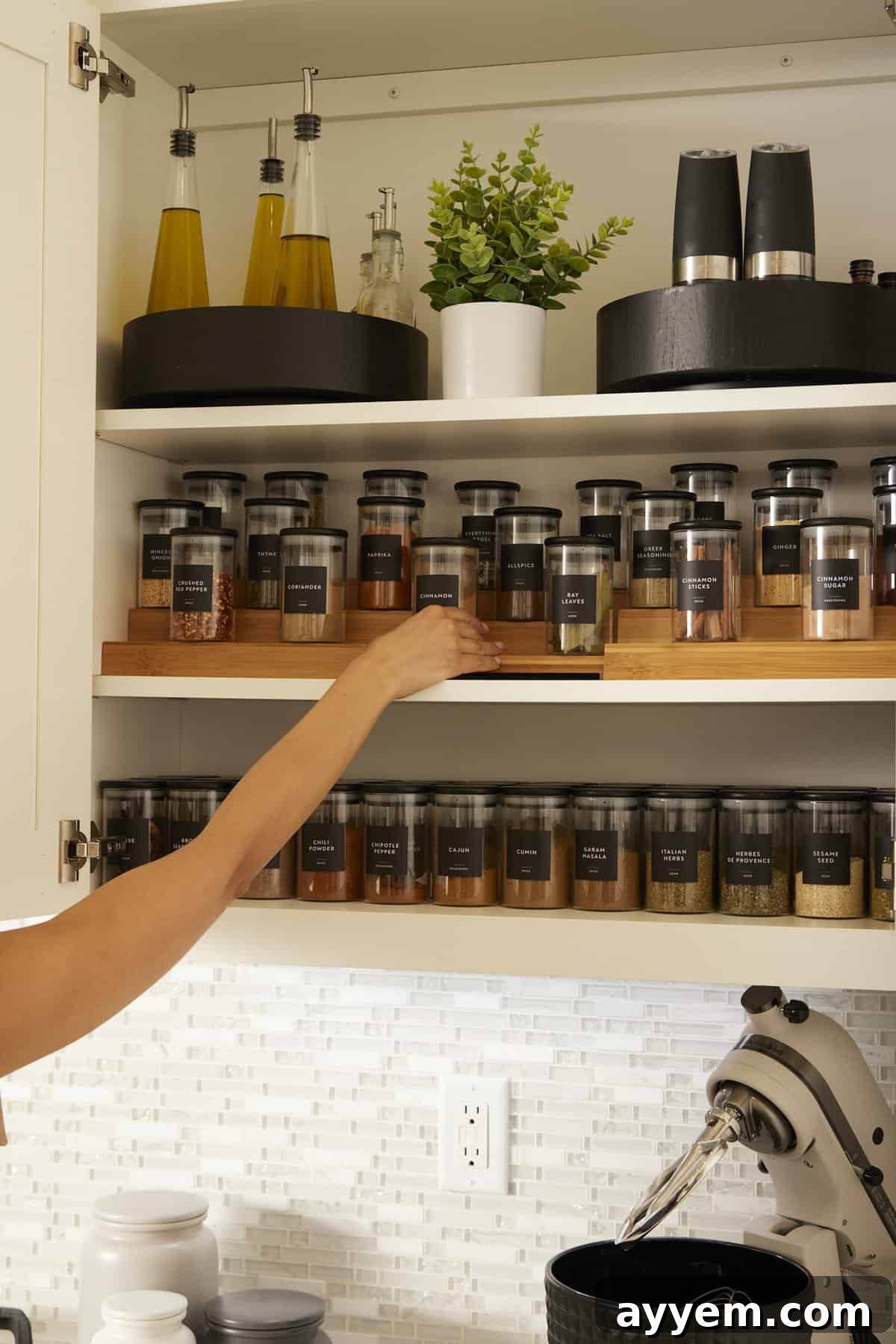
- Tiered Spice Risers: These are fantastic for maximizing vertical space in cabinets. They elevate spices at the back, allowing you to see every jar without having to move others around. Available in plastic, bamboo, or wire, they can be customized to fit various cabinet widths.
- Door-Mounted Spice Racks: If cabinet space is limited, consider racks that attach to the inside of your pantry or cabinet doors. These utilize often-wasted space and keep frequently used spices readily accessible. Ensure your cabinet doors can close properly with the added depth.
- Lazy Susans (Turntables): A lazy susan is a classic for a reason! Perfect for corner cabinets or deeper shelves, it allows you to rotate your entire collection with a gentle spin, bringing every spice within easy reach. They come in various sizes and materials, making them both functional and decorative.
- Bins or Wire Baskets: This is arguably one of the fastest ways to get your spices under control. Group similar spices (e.g., baking spices, Indian spices) into bins. This makes them portable – just grab the bin you need for a specific recipe – and prevents individual jars from scattering. Wire baskets add a rustic touch, while clear acrylic bins offer excellent visibility.
Drawer Solutions:
- Angled Drawer Inserts: For shallow drawers, angled inserts are a game-changer. They lay your spice jars on their side at an incline, allowing you to read labels at a glance. This keeps them neatly arranged and prevents them from rolling around, transforming a messy drawer into an organized display.
- In-Drawer Spice Racks/Dividers: Similar to inserts, these racks or adjustable dividers create dedicated compartments for each spice jar, ensuring they stay upright and organized within the drawer.
Countertop & Specialty Storage:
- Magnetic Spice Racks: These can be mounted on a wall, backsplash, or even the side of your refrigerator. Magnetic jars (often with clear tops) adhere to a metal plate, offering a visually appealing and highly accessible storage method, especially for small kitchens.
- Dedicated Bottles for Oils & Vinegars: Just like spices, olive oil and vinegar deserve proper organization. Investing in matching, attractive bottles creates a cohesive and elegant look on your countertop or in your pantry. We believe everything should match! 😉
- Stylish Salt & Pepper Mills: For us, salt and pepper are non-negotiables to keep out on the counter or table. Having freshly ground salt and pepper makes a significant difference in flavor, and having stylish mills adds to your kitchen’s aesthetic.
Step 3: Mastering Your Organization System & Tips
Once you have your chosen storage solutions, it’s time to arrange your spices in a way that makes sense for you.
Effective Arrangement Methods:
- Organize Alphabetically: This is a universally popular method for a reason. Arranging your spices from A to Z (or Z to A, if you prefer!) makes finding any specific spice incredibly fast, just like you would in a grocery store aisle. This works wonderfully for tiered racks and drawer inserts.
- Sort By Category or Cuisine: This method is fantastic, especially when using bins or baskets. Group spices by their common use or culinary origin. For example, create a “Baking Spices” bin (cinnamon, nutmeg, cloves), a “Mexican Spices” bin (chili powder, cumin, oregano), an “Indian Spices” bin (garam masala, turmeric, curry powder), or even a “Everyday Essentials” bin. When you’re preparing a specific type of meal, you can simply grab the relevant bin and have everything at your fingertips.
- Organize by Frequency of Use: Keep your most frequently used spices (e.g., salt, pepper, garlic powder, onion powder) at the front and within easy reach. Less common spices can be stored further back or on higher shelves.
The Power of Labeling:
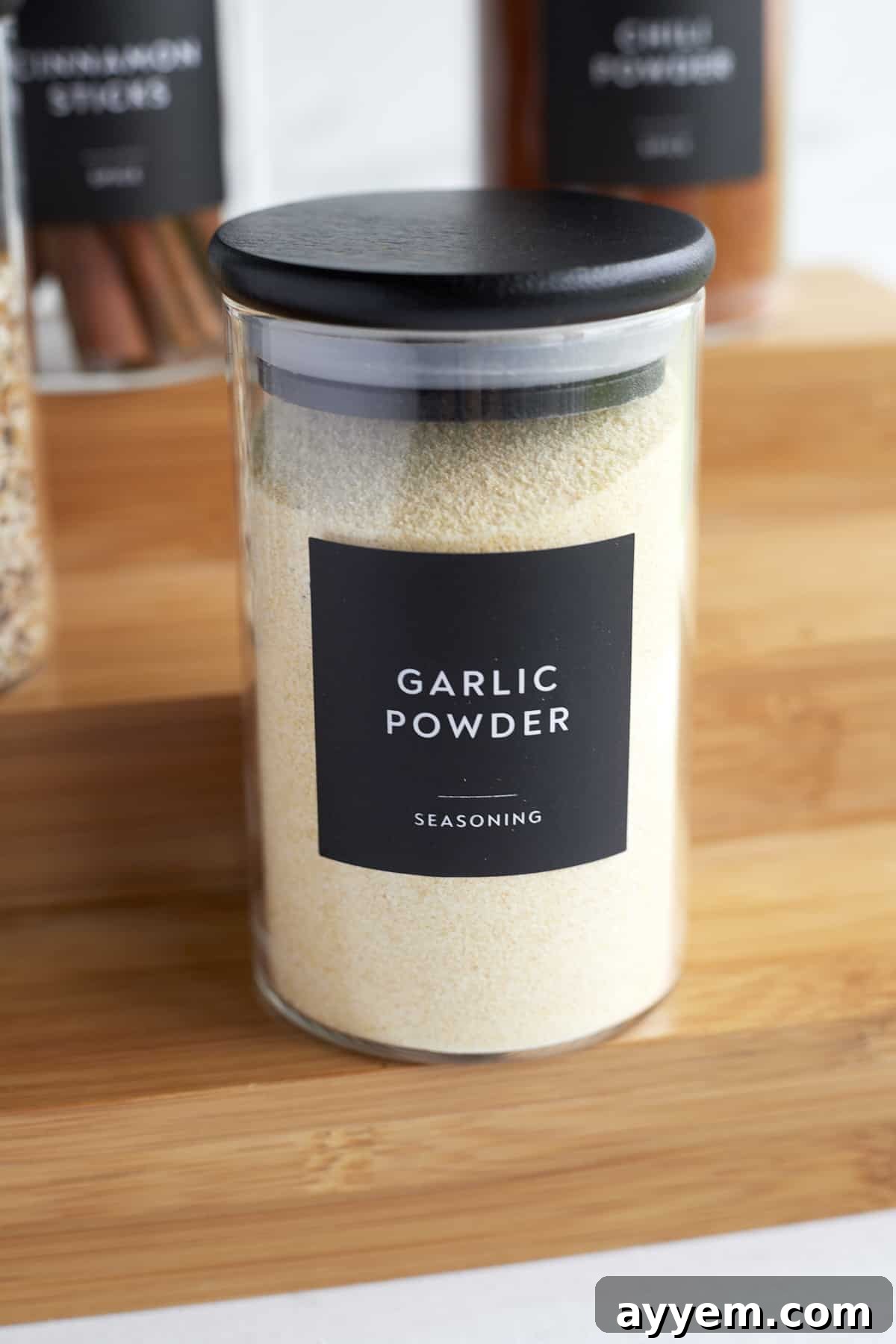
- Add Clear Labels to Everything: This is perhaps the single most impactful tip for successful spice organization – seriously, it’s a game-changer! No matter how you choose to store your spices, clear and consistent labeling is paramount.
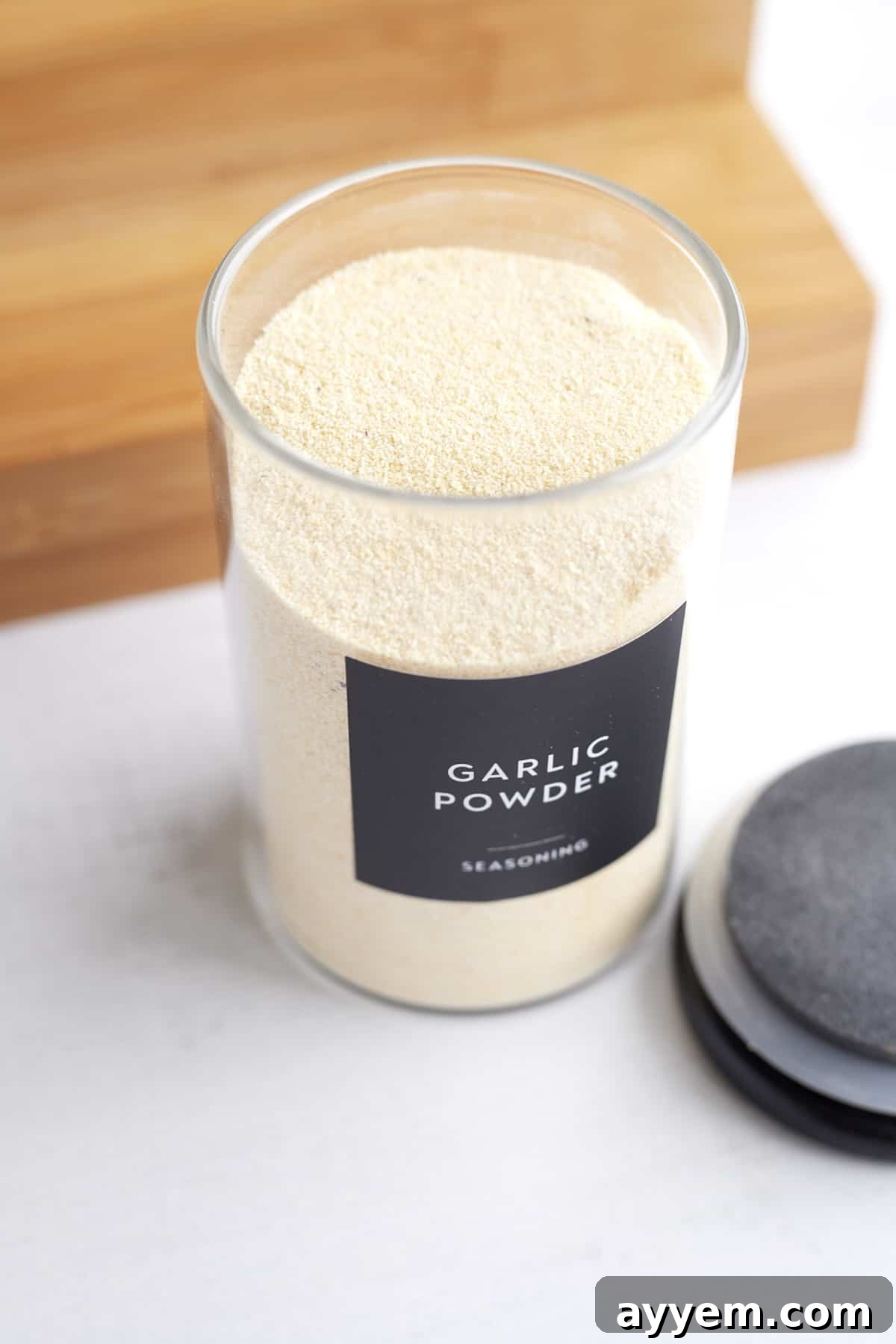
- Label Consistency: Consider transferring all your spices to uniform clear jars. Not only does this look incredibly aesthetic and professional, but it also creates a consistent visual that makes locating spices much easier. For instance, using these large jars with accompanying stickers for the top of the lids is perfect if storing upright in bins or drawers. Alternatively, if you’re aiming for that super aesthetic feel, transfer all spices to smaller, clear jars and apply these elegant labels to the front.
- Include Dates: For an extra layer of organization and to help with freshness, consider adding the purchase date or a “best by” date to your labels, perhaps on the bottom or back of the jar.
Step 4: Maintaining Your Spice Sanctuary
Organization isn’t a one-time event; it’s an ongoing process. To keep your spice collection pristine and functional:
- Regular Audits: Periodically (every 6-12 months) do a quick check for expired spices or duplicates.
- Refill Efficiently: When a spice jar is getting low, consider refilling it from a larger, more economical bulk purchase. Always label new refills with the current date.
- Quick Tidy-Ups: After cooking, take a moment to put spices back in their designated spots. A few seconds of maintenance prevents hours of future re-organizing.
Recipes to Test Your Newly Organized Spices!
Now that your spices are impeccably organized, it’s time to put your new system to the test! Dive into these flavor-packed recipes, where finding the right spice will be a breeze, not a chore.
- Discover one of our cherished comfort foods, Koshari. This Egyptian national dish and popular street food is a delightful blend of rice, macaroni, and lentils, topped with a spicy tomato sauce and crispy fried onions.
- Explore the vibrant flavors of the Maghreb with this authentic Moroccan Zaalouk Recipe. This classic dish features healthy vegetables, fresh herbs, and an array of aromatic spices for a truly flavorful plant-based option that’s perfect as a side or dip.
- Skip the store-bought packets and elevate your taco night by learning how to make your own Taco Seasoning from scratch with this incredibly easy and customizable blend! You’ll never go back to pre-made.
- Whether cooked in the oven or your trusty air fryer, these Beef Kofta Meatballs are deliciously seasoned, perfectly spiced, and remarkably easy to prepare for a quick weeknight meal or a flavorful appetizer.
Common Questions About Spice Organization
For optimal freshness and potency, spices are best stored in a cool, dark place, making cabinets or pantries ideal. Exposure to heat, light, and moisture can significantly degrade their flavor and aroma over time. While countertop racks can be convenient for frequently used items, ensure they are not placed directly next to the stove, oven, or a window where they would be exposed to direct heat or sunlight. Direct heat can quickly dull the flavor of your spices, reducing their effectiveness in your cooking.
Absolutely! Investing in good spice organization can definitely save you money in the long run. When your spices are clearly visible, neatly arranged, and properly labeled, you’re much less likely to accidentally buy duplicates of spices you already own but couldn’t find. This eliminates unnecessary purchases. Furthermore, an organized system encourages you to use your spices more frequently and efficiently before they lose their potency and expire, reducing overall waste. It fosters a more mindful approach to your pantry inventory, leading to smarter shopping habits.
To maximize the shelf life and potency of your spices, proper storage is paramount. Always keep them in airtight containers to prevent exposure to air and moisture, which can cause them to lose flavor and clump. Store these containers in a cool, dark place, such as a pantry or cabinet, away from direct sunlight, stove heat, and humidity. Whole spices (like whole peppercorns or cumin seeds) generally retain their freshness and flavor longer than ground spices, as grinding exposes more surface area to the air. For best results, consider buying whole spices and grinding them as needed. Additionally, buying spices in smaller quantities and transferring them to smaller, well-sealed jars after opening can help maintain their potency by reducing the amount of air in the container.
Undoubtedly! One of the most immediate and satisfying benefits of an organized spice collection is the significant boost in cooking speed and efficiency. When every spice is labeled, easily visible, and grouped logically (whether alphabetically or by cuisine), you eliminate the frustrating hunt for ingredients. Instead of rummaging, you can quickly locate and grab what you need, streamlining your prep time. This subtle but powerful change makes the entire cooking process feel smoother, more enjoyable, and less stressful, allowing you to focus on the creative aspects of meal preparation rather than inventory management.
The best containers are typically glass jars with airtight lids. Glass is non-reactive and doesn’t absorb odors, keeping your spices pure. Airtight seals (like screw-top lids with liners or clip-top jars with rubber gaskets) are crucial for preserving freshness. Clear jars allow you to see the spice inside, which is convenient, especially when combined with consistent labeling. While plastic containers are an option, they can sometimes absorb odors and may not offer the same level of airtightness or longevity as glass.
For most home cooks, a thorough reorganization and audit of your spices once or twice a year is sufficient to keep things in top shape. This allows you to check for expired spices, consolidate refills, and reassess if your current system is still working for your cooking habits. However, quick tidy-ups after each cooking session – simply putting jars back in their designated spots – will prevent daily clutter from accumulating and make the larger reorganizations much easier.