Baking and Beyond: Substitutes for Sugar
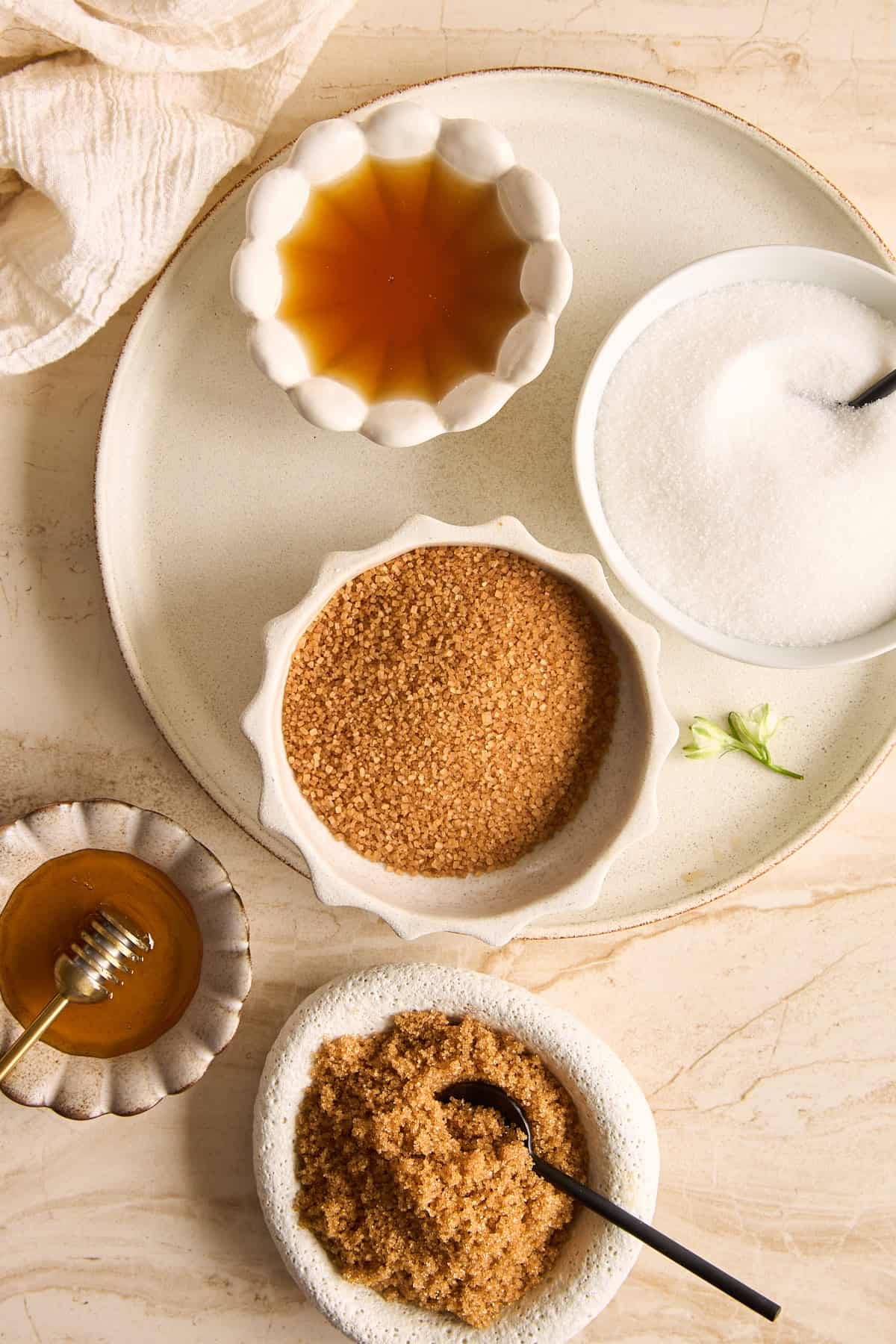
Sugar substitutions can feel simple on the surface, but once you start swapping ingredients, the results can vary quickly. Sugar plays different roles depending on whether it’s used in cookies, cakes, sauces, marinades, or dressings, which is why choosing the right replacement matters. In this guide to Substitutes for Sugar (Baking and Beyond), we’re covering practical, reliable sugar swaps for both sweet and savory recipes, including sugar substitutes for baking, keto-friendly options, and natural substitutes that work outside the dessert world, too.
Why Sugar is Important in Baking
In baking, sugar does more than sweeten. It helps incorporate air when creamed with butter, contributes to tenderness by holding onto moisture, and supports browning through caramelization. It also balances bitterness and acidity, which is especially important in chocolate-based desserts. When sugar is replaced, at least one of these functions changes, so understanding the role sugar plays in your specific recipe is key to choosing the right substitute.
Substitutes for White Sugar (Granulated Sugar)
Granulated sugar is one of the most common sweeteners and one of the most frequently replaced.
Ingredients you can use:
- Honey – This adds moisture and smooth sweetness with subtle floral notes. Reduce other liquids in the recipe by about ¼ cup per cup of honey used, and lower the oven temperature slightly to prevent over-browning.
- Maple syrup – This is a natural substitute that works well in muffins, speedy breads, sauces, and glazes. Use about ¾ cup per cup of granulated sugar and reduce other liquids slightly.
- Agave nectar – Sweeter than sugar and speedy to dissolve, agave nectar is a good choice for batters, beverages, and cold applications. Use about ⅔ cup per cup of sugar, and lower the cooking temperature by about 25 degrees Fahrenheit.
- Coconut sugar – One of the easiest swaps, coconut sugar can typically be used 1:1. It adds light caramel notes and slightly darkens baked goods.
- Monk fruit or allulose blends – These are popular sugar substitutes for keto baking that provide bulk and sweetness with fewer carbs. These work finest in recipes designed for alternative sweeteners. Check the labels for the appropriate ratio.
Substitutes for Brown Sugar
Brown sugar contributes moisture and chew due to its molasses content, which affects texture just as much as flavor.
Ingredients you can use:
- Granulated sugar plus molasses – Mix 1 cup granulated sugar with 1 tablespoon molasses for light brown sugar or 2 tablespoons for dark brown sugar. This delivers the closest match in both structure and flavor.
- Coconut sugar – Naturally similar in color and taste, coconut sugar works well as a 1:1 replacement in cookies, bars, and muffins. A little extra butter or oil may be needed to retain moisture.
- Maple syrup or honey – These can replace brown sugar when added moisture is welcome, though they may soften the structure in crisp cookies.
Substitutes for Powdered Sugar (Confectioners Sugar)
Powdered sugar is finely milled, which affects how it dissolves and sets in frostings and glazes. We love it for topping our Key Lime Bread and Orange Cake, but there are simple alternatives.
Ingredients you can use:
- DIY powdered sugar – Blend 1 cup granulated sugar with 1 tablespoon cornstarch until very fine. This works well for glazes and icings.
- Powdered coconut sugar – Blend coconut sugar until fine, keeping in mind that the result will be darker with deeper caramel notes.
- Powdered monk fruit or erythritol blends – These are reliable substitutes for powdered sugar in keto and low-carb frostings when labeled specifically for baking.
Natural Substitutes for Sugar
Natural substitutes for sugar are often less refined and bring additional flavor or moisture.
Ingredients you can use:
- Date sugar or date paste – Date sugar works finest in muffins, crumbles, and streusel toppings, while date paste adds richness and moisture to bars and cakes. We even use dates to sweeten our Fudgy Date Brownies.
- Unsweetened applesauce – Can replace part of the sugar in cakes and speedy breads while adding moisture and subtle sweetness.
- Mashed bananas – Finest for breads and muffins, bananas contribute sweetness and softness, though they will add their own flavor.
Sugar Swaps for Keto and Low-Carb Baking
Keto baking requires sweeteners that won’t spike blood sugar while still supporting structure.
Ingredients you can use:
- Monk fruit blends – One of the most common sugar substitutes for keto recipes, especially when blended for balanced sweetness.
- Erythritol – This sweetener is granular and sugar-like, though it does not caramelize the same way, making it better for cookies than cakes.
- Allulose – Behaving similarly to sugar in browning and moisture, it can work, but it’s less sweet, so recipes may require adjustment.
Using Sugar Substitutes in Savory Recipes
Sugar shows up in savory cooking more often than many people realize. It balances acidity, tames bitterness, and helps with browning and caramelization.
In savory dishes, sugar is commonly used in marinades, salad dressings, barbecue sauce, tomato-based sauces, and stir-fries. The goal is rarely sweetness on its own, but balance.
Ingredients you can use:
- Honey – This works well in marinades, vinaigrettes, and glazes for meats and roasted vegetables. It pairs especially well with mustard, citrus, and soy-based sauces.
- Maple syrup – We love this as a great option for barbecue sauces, roasted vegetables, and pan sauces where a warm sweetness enhances savory flavors.
- Coconut sugar – Ideal for Asian-inspired dishes, dry rubs, and sauces, coconut sugar’s mild caramel notes can complement soy sauce, ginger, or garlic.
- Date paste – This sweetener adds body and subtle sweetness to sauces, stews, and tagines without tasting sugary.
- Monk fruit blends – Use these in small amounts for savory sauces and dressings when sweetness is needed without added sugar.
How to Choose the Right Sugar Substitute
Consider what role sugar plays in the recipe. If it’s there for browning, choose a substitute that caramelizes. If it’s there for balance, milder sweeteners often work finest. Baking relies on structure and chemistry, while savory cooking allows more flexibility and adjustment to taste.
Final Thoughts
Whether you’re swapping granulated sugar in cookies, finding substitutes for brown sugar, experimenting with keto-friendly options, or balancing flavors in savory dishes, the right sugar substitute can make all the difference. Understanding how each option behaves allows you to adjust intentionally and cook with confidence, both in baking and beyond!