
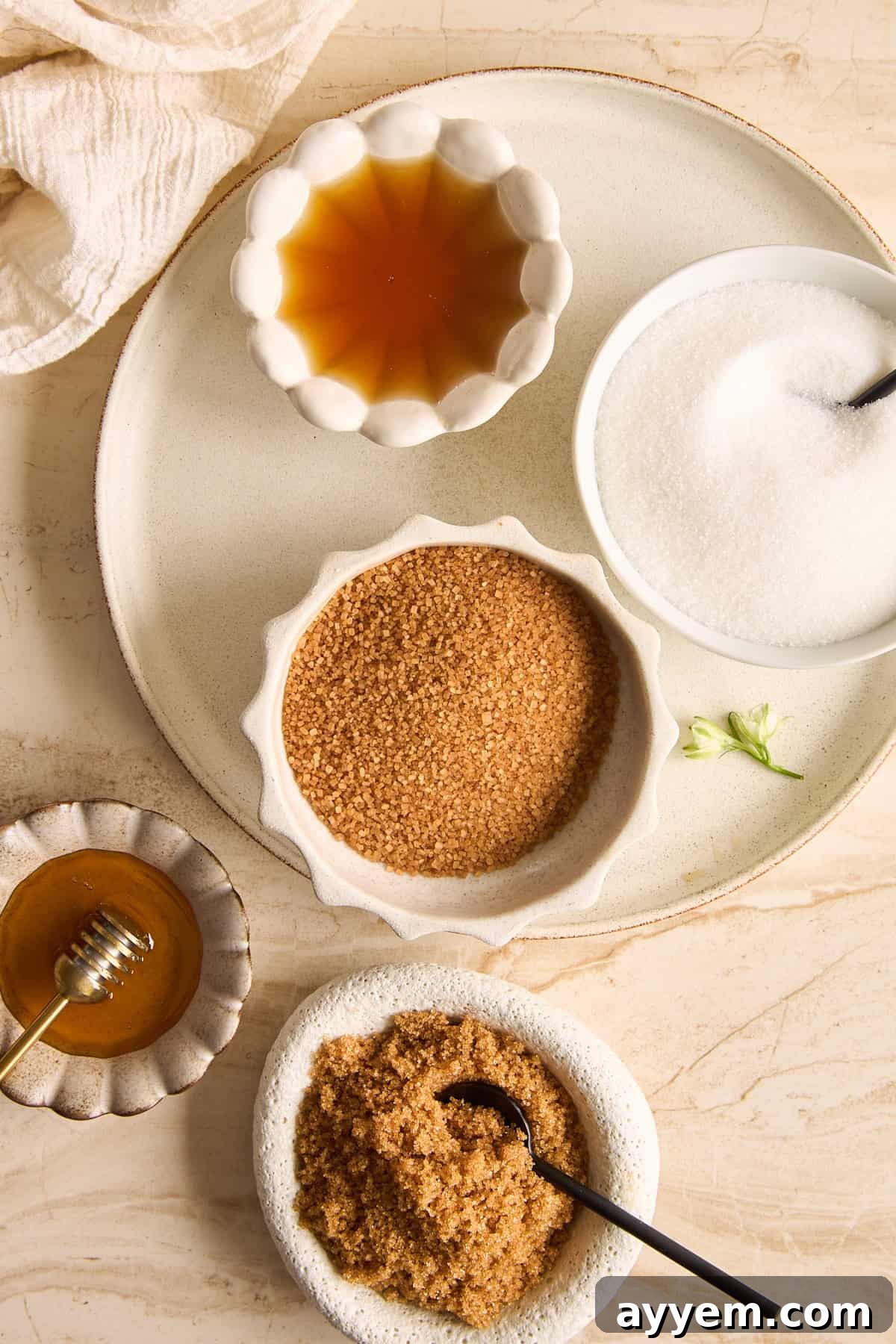
Embarking on the journey of sugar substitution can seem straightforward at first glance. However, as soon as you begin swapping ingredients, the results can differ dramatically. This is because sugar is far more than just a sweetener; it plays a multifaceted role in cooking and baking, adapting its function whether it’s enhancing cookies, adding structure to cakes, balancing flavors in sauces, or tenderizing meats in marinades and dressings. Recognizing these diverse functions is paramount to selecting the most appropriate replacement for your culinary creations. In this comprehensive guide to Substitutes for Sugar (Baking and Beyond), we delve into practical, reliable sugar swaps designed for both sweet and savory recipes. We’ll cover everything from essential sugar substitutes for baking to keto-friendly options and a variety of natural sweeteners that seamlessly integrate into dishes far beyond the dessert realm. Our aim is to equip you with the knowledge and confidence to make intentional choices, ensuring delicious outcomes every time.
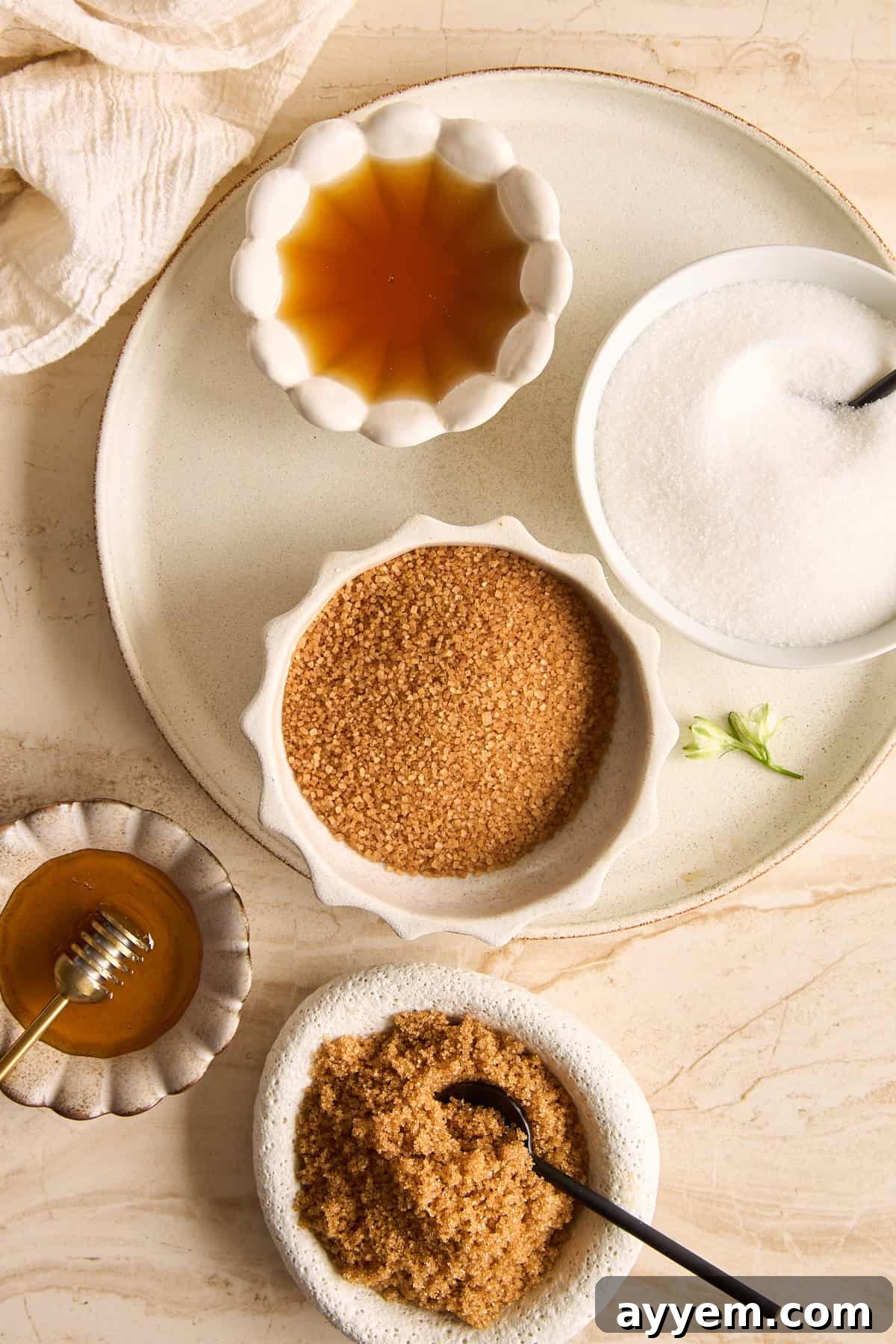
Why Sugar is Indispensable in Baking
In the intricate world of baking, sugar transcends its primary role of merely adding sweetness. It is a foundational ingredient that significantly influences the texture, structure, appearance, and shelf life of baked goods. When sugar is creamed with butter, it creates tiny air pockets, which are crucial for leavening and contributing to a light, airy texture in cakes and cookies. Furthermore, sugar is a hygroscopic ingredient, meaning it attracts and holds onto moisture, preventing baked goods from drying out and enhancing their tenderness. This moisture-retention property is vital for a soft crumb and extended freshness.
Beyond texture, sugar plays a critical role in browning, particularly through caramelization and the Maillard reaction, which contribute to the golden crusts of breads and the rich, complex flavors found in many desserts. It also provides structure to batters and doughs, aids in stabilizing egg foams, and acts as a tenderizer by interfering with gluten development, ensuring that your cakes and muffins are never tough. Moreover, sugar can balance and mellow out the bitterness or acidity found in ingredients like chocolate, coffee, or citrus, creating a harmonious flavor profile. Understanding these diverse functions is the first step toward successful substitution, as replacing sugar will inevitably alter one or more of these characteristics. Therefore, a successful substitute not only needs to match sweetness but also emulate these functional properties as closely as possible, making the choice highly dependent on the specific recipe and desired outcome.
Effective Substitutes for White (Granulated) Sugar
Granulated sugar is perhaps the most ubiquitous sweetener in pantries globally, making it one of the most frequently sought-after replacements. Its neutral flavor and fine crystal structure contribute primarily to sweetness and structure. Here are some versatile alternatives:
- Honey: This natural liquid sweetener imparts a distinctive floral sweetness and considerable moisture. When using honey, you’ll typically want to reduce other liquids in your recipe by about ¼ cup for every cup of honey used to maintain the correct consistency. Additionally, honey browns more quickly than granulated sugar, so lowering your oven temperature by 25 degrees Fahrenheit can prevent over-browning. It’s excellent in muffins, quick breads, and sauces where its unique flavor profile is welcome.
- Maple Syrup: A beloved natural substitute, pure maple syrup offers a warm, earthy sweetness that pairs beautifully with autumnal flavors. It works exceptionally well in muffins, pancakes, quick breads, and various glazes. Similar to honey, it’s a liquid sweetener, so use approximately ¾ cup of maple syrup for every cup of granulated sugar and slightly reduce other liquids in the recipe. Its delicate flavor can sometimes be masked by stronger ingredients, so consider the overall flavor balance.
- Agave Nectar: Derived from the agave plant, this nectar is sweeter than sugar and boasts a relatively neutral flavor, making it highly versatile. It dissolves quickly and is a good choice for batters, beverages, and cold applications like salad dressings. Use about ⅔ cup of agave nectar for every cup of granulated sugar, and because it can contribute to faster browning, consider lowering your cooking temperature by about 25 degrees Fahrenheit. Its lower viscosity means it can also impact the final texture of baked goods.
- Coconut Sugar: Produced from the sap of the coconut palm, coconut sugar is often hailed as one of the easiest 1:1 swaps for granulated sugar. It features light caramel notes, reminiscent of brown sugar, and a similar granular texture. While it substitutes readily in most recipes, be aware that it will impart a slightly darker color to your baked goods. It’s an excellent choice for cookies, crumbles, and cakes where its subtle caramel flavor can shine.
- Monk Fruit or Allulose Blends: These are popular choices for keto and low-carb baking due to their minimal caloric impact and ability to provide sweetness without significantly raising blood sugar levels. They often come in blends to mimic the bulk and mouthfeel of sugar. It is crucial to check the specific product label for the appropriate conversion ratio, as the sweetness intensity can vary widely between brands and blends. These sweeteners perform best in recipes specifically designed for alternative sweeteners, as their functional properties (like browning and moisture retention) differ significantly from traditional sugar.
Versatile Substitutes for Brown Sugar
Brown sugar owes its distinctive moistness, chewiness, and rich flavor to its molasses content. This component not only dictates its taste but also profoundly influences the texture of baked goods, contributing to their characteristic softness and chew.
- Granulated Sugar Plus Molasses: This is arguably the most accurate substitute for brown sugar, delivering the closest match in both structural properties and flavor. To create light brown sugar, combine 1 cup of granulated white sugar with 1 tablespoon of dark molasses. For a darker brown sugar, increase the molasses to 2 tablespoons. Thoroughly mix until uniformly combined. This homemade version provides the essential moisture and deep flavor notes that are critical in recipes calling for brown sugar.
- Coconut Sugar: With its natural caramel notes and slightly coarser texture, coconut sugar is a commendable 1:1 replacement for brown sugar in many recipes. It works particularly well in cookies, bars, and muffins where a hint of caramel is desirable. However, coconut sugar can sometimes result in a slightly drier final product compared to brown sugar, so you might consider adding a touch of extra butter or oil to help retain moisture and achieve that coveted chewy texture.
- Maple Syrup or Honey: These liquid sweeteners can serve as viable brown sugar substitutes, especially in recipes where added moisture is beneficial and a slightly softer structure is acceptable. They infuse a natural, complex sweetness along with their unique flavor profiles. While they excel in items like spice cakes, oatmeal, or certain sauces, be mindful that they may soften the structure in recipes aiming for a crisp texture, such as crunchy cookies. Adjust other liquids in the recipe to account for their liquid volume.
Reliable Substitutes for Powdered Sugar (Confectioners’ Sugar)
Powdered sugar, also known as confectioners’ sugar, is distinguished by its incredibly fine, powdery texture. This characteristic is crucial for how it dissolves seamlessly and sets into smooth, stable frostings, glazes, and dustings. We adore its delicate finish on treats like our Key Lime Bread and Orange Cake, but there are simple and effective alternatives.
- DIY Powdered Sugar: The most straightforward substitute is to make your own. Blend 1 cup of granulated sugar with 1 tablespoon of cornstarch (which helps prevent clumping) in a high-speed blender or food processor until it reaches a very fine, powdery consistency. This homemade version functions remarkably well for glazes, icings, and dusting, offering a neutral sweetness and smooth texture.
- Powdered Coconut Sugar: For those seeking a natural, less refined alternative, coconut sugar can be processed in a blender or food processor until it achieves a fine, powdery state. Bear in mind that powdered coconut sugar will retain its characteristic light brown hue and deeper caramel notes, which can add an interesting dimension to your frostings or glazes, especially when paired with complementary flavors.
- Powdered Monk Fruit or Erythritol Blends: These finely milled, low-carb sweeteners are excellent choices for keto and low-carb frostings and glazes. When specifically labeled for baking, these blends are designed to mimic the texture and setting properties of powdered sugar without the carbohydrate load. They provide a smooth finish and clean sweetness, making them ideal for dietary-conscious applications where traditional powdered sugar is not an option. Always check product labels for specific usage instructions and conversion rates, as formulations can vary.
Wholesome Natural Substitutes for Sugar
Natural sugar substitutes are often less refined than white sugar and frequently bring additional beneficial properties like fiber, nutrients, or unique flavor profiles. They offer a wholesome approach to sweetening.
- Date Sugar or Date Paste: Derived from dried dates, date sugar is a whole-food sweetener with a caramel-like flavor. It works best in recipes where its fibrous texture is acceptable, such as muffins, crumbles, and streusel toppings. Date paste, made by blending pitted dates with water, adds incredible richness, moisture, and natural sweetness to bars, cakes, and even savory dishes. We proudly use dates to sweeten our Fudgy Date Brownies, showcasing their versatility and depth of flavor.
- Unsweetened Applesauce: This fruit puree can effectively replace a portion of the sugar in cakes, quick breads, and muffins, simultaneously adding moisture and a subtle, natural sweetness. It’s an excellent way to reduce refined sugar while incorporating fruit. For best results, replace up to half of the sugar with an equal amount of unsweetened applesauce, and consider slightly reducing other liquids in the recipe to maintain proper batter consistency.
- Mashed Bananas: Ripe mashed bananas are a fantastic natural sweetener, particularly suited for breads, muffins, and oatmeal. They contribute both sweetness and softness to baked goods, alongside their distinct banana flavor. This is a great way to use overripe bananas, adding a moist texture and a nutritional boost. The riper the banana, the sweeter and more effective it will be as a sugar substitute.
- Stevia: A highly concentrated natural sweetener derived from the stevia plant. It’s calorie-free and significantly sweeter than sugar, so only a tiny amount is needed. Stevia works well in beverages, sauces, and some baked goods, but it often lacks the bulk and browning properties of sugar, and some people detect a slight aftertaste.
- Yacon Syrup: Harvested from the yacon plant, this syrup has a low glycemic index and a subtly sweet, molasses-like flavor. It can be used in dressings, desserts, and as a topping. It’s a natural source of prebiotics and adds a unique flavor dimension.
Strategic Sugar Swaps for Keto and Low-Carb Baking
Keto and low-carb baking present a unique set of challenges, as sweeteners must not only provide an enjoyable taste but also avoid spiking blood sugar levels, all while supporting the structural integrity of the baked good. The key lies in selecting sweeteners that offer minimal net carbs and act as close to sugar as possible.
- Monk Fruit Blends: Among the most favored sugar substitutes for keto recipes, monk fruit extract is intensely sweet but typically used in blends with other ingredients like erythritol to provide bulk and a balanced sweetness profile. These blends are excellent for a wide range of keto desserts, from cheesecakes to cookies, offering a clean taste without a strong aftertaste for many users. Their precise sweetness ratio makes them a versatile choice when following keto-specific recipes.
- Erythritol: This sugar alcohol is known for its granular, sugar-like texture and mild sweetness, about 70% as sweet as sugar. It’s well-tolerated by most and has virtually no calories or net carbs. While it’s great for cookies and other baked goods where its granular nature is an asset, erythritol does not caramelize or brown in the same way as sugar, making it less ideal for applications where browning is crucial, such as certain cakes or glazes. It can also produce a “cooling” sensation in large quantities.
- Allulose: A “rare sugar” found in small quantities in wheat, figs, and raisins, allulose is gaining popularity in keto baking due to its remarkable similarity to sugar in terms of browning, moisture retention, and texture. It acts much like sugar, helping with caramelization and creating a soft crumb. However, allulose is less sweet than sugar (about 70% as sweet), so recipes may require adjustments to achieve the desired level of sweetness. It’s a fantastic option for cakes, custards, and anything requiring a good browning effect.
- Xylitol: Another sugar alcohol, xylitol is as sweet as sugar and provides a similar bulk. It’s often used in sugar-free gums and candies. While it works well in baking, it’s highly toxic to dogs, so extreme caution must be exercised if you have pets. Like erythritol, it doesn’t caramelize exactly like sugar and can have a slight cooling effect.
Mastering Sugar Substitutes in Savory Recipes
Sugar’s presence in savory cooking is far more pervasive than many realize. It serves not merely to sweeten, but to create harmony, balancing acidity in tomato sauces, taming bitterness in vegetable dishes, and facilitating the rich browning and caramelization that enhance depth of flavor in everything from roasted meats to stir-fries. In savory dishes, the objective is almost never pure sweetness, but rather a subtle enhancement and textural contribution.
Common savory applications for sugar include marinades for tenderizing and flavoring meats, vibrant salad dressings, robust barbecue sauces, comforting tomato-based sauces, and dynamic stir-fries. Here, the goal is often to achieve a nuanced balance that rounds out flavors without making the dish overtly sweet.
- Honey: With its viscous texture and distinct floral notes, honey is an exceptional choice for savory applications. It shines in marinades for chicken or pork, vinaigrettes that pair well with hearty greens, and glazes for roasted vegetables or meats. Its sweetness perfectly complements pungent ingredients like mustard, brightens citrus-based sauces, and adds a layer of complexity to soy-based stir-fry sauces.
- Maple Syrup: This natural sweetener brings a warm, earthy sweetness that can elevate a wide array of savory dishes. We particularly love it as a key ingredient in homemade barbecue sauces, providing a rich, smoky-sweet base. It’s also fantastic for caramelizing roasted root vegetables like carrots or sweet potatoes, or incorporating into pan sauces for pork or duck, where its nuanced flavor truly enhances the overall savory profile.
- Coconut Sugar: Boasting mild caramel notes and a granular texture, coconut sugar is ideally suited for Asian-inspired dishes, where it can provide a subtle sweetness that balances soy sauce, ginger, garlic, and chili. It also works wonderfully in dry rubs for meats, contributing to a delicious crust and depth of flavor, or in a variety of sauces where a touch of unrefined sweetness is desired without being overpowering.
- Date Paste: This wholesome sweetener adds not only a gentle, unrefined sweetness but also body and richness to savory sauces, hearty stews, and traditional tagines. Its natural fibers and thick consistency can help to emulsify and thicken dishes, providing a subtle fruitiness without tasting explicitly sugary. It’s an excellent way to introduce natural sweetness and texture.
- Monk Fruit Blends: When precise sweetness is needed without adding carbohydrates or calories, monk fruit blends can be used judiciously in savory sauces and dressings. Due to their high potency, only small amounts are typically required. They are effective in dressings, glazes, or even in spice rubs where a touch of sweetness is needed to balance heat or acidity, ensuring the dish remains low-carb without compromising flavor.
Strategic Selection: How to Choose the Right Sugar Substitute
Choosing the optimal sugar substitute is a decision that extends far beyond simply matching sweetness. It requires a thoughtful evaluation of the specific role sugar plays in your recipe and an understanding of how each alternative will perform. If sugar is primarily there to facilitate browning and develop rich caramelized notes, then selecting a substitute that can withstand heat and undergo similar reactions (like allulose or some forms of honey/maple syrup with adjusted temperatures) will be crucial. Conversely, if sugar’s main contribution is to balance acidity or bitterness, a milder sweetener with a neutral flavor profile will often yield the best results, preventing any overpowering tastes.
It’s important to distinguish between baking and savory cooking environments. Baking relies heavily on precise ratios and intricate chemical reactions; therefore, the bulk, moisture content, and chemical properties of a sugar substitute can profoundly impact the final texture, structure, and rise of your baked goods. Small adjustments to liquid content, leavening agents, or oven temperature may be necessary. Savory cooking, on the other hand, often allows for greater flexibility and “to taste” adjustments, making it a more forgiving arena for experimentation with various sweeteners. Consider your dietary goals (keto, low-carb, natural, calorie reduction) as well as the desired outcome: Do you need structure? Moisture? A specific flavor? By asking these questions, you can make an informed choice that leads to delicious and successful results, whether you’re whipping up a delicate meringue or perfecting a robust barbecue sauce.
Final Thoughts on Sweetening Smarter
Navigating the diverse landscape of sugar substitutes empowers you to cook and bake with greater intentionality and adaptability. Whether your culinary adventure involves swapping granulated sugar in your favorite cookies, seeking out the perfect substitute for brown sugar in a chewy bar, experimenting with keto-friendly options to maintain a low-carb lifestyle, or subtly balancing flavors in complex savory dishes, the right sugar substitute truly can make all the difference. The key to success lies not in finding a universal replacement, but in understanding the unique properties and behaviors of each alternative.
By grasping how honey adds moisture and browning, how allulose mimics sugar’s structure, or how date paste contributes natural richness, you gain the confidence to adjust recipes thoughtfully and creatively. This knowledge transcends simple ingredient swaps; it transforms you into a more intuitive and skilled cook. Embrace the journey of discovery in your kitchen, knowing that with the right information, you can achieve delicious, satisfying results in baking and beyond, perfectly tailored to your tastes and dietary needs.