

We’ve all been there – the kitchen is filled with inviting aromas, you ladle out a comforting bowl of soup or stew, take a hopeful taste, and BAM! It’s overwhelmingly salty. That sudden jolt of too much sodium can instantly turn culinary triumph into a moment of panic. Before you consider pouring your hard work down the drain, take a deep breath. Rescuing oversalted soup or stew is not just possible; it’s often surprisingly simple! With a few clever kitchen tricks, you can bring that flavor profile back into perfect balance and transform a cooking mishap into a delicious meal. This comprehensive guide will equip you with tried-and-true methods to save your overly seasoned dishes, ensuring no more wasted ingredients or culinary despair.

Dilute Your Dish: Add Water or Unsalted Broth
The most immediate and intuitive remedy for an oversalted dish is dilution. By increasing the overall volume of your liquid, you effectively spread the salt out, reducing its concentration. This is often the first step in any kitchen emergency involving excessive sodium. For soups with a thin consistency or broth-based recipes, adding water is a quick fix. However, to maintain the depth of flavor you’ve worked hard to build, unsalted broth or stock is often a superior choice.
Begin by adding a small amount—think ½ cup at a time—of either water or unsalted broth. Stir it thoroughly into your simmering soup or stew, allowing it to meld for a few minutes before taking another taste test. The key here is patience and incremental additions. Your goal is to gently reduce the saltiness without completely washing out the rich flavors. If you add too much liquid and your soup becomes thinner than desired, simply let it simmer uncovered for a while. This allows some of the liquid to evaporate, concentrating the flavors and thickening the consistency back to your liking, all while the salt remains diluted.
For heartier stews, which rely heavily on robust flavors, opting for unsalted beef, chicken, or vegetable stock instead of plain water is highly recommended. This strategy allows you to effectively dilute the salt while simultaneously preserving and even enhancing the richness and complexity of the dish. Remember, when diluting, always use unsalted liquids to avoid reintroducing more sodium into your culinary rescue mission. This method is incredibly effective for a wide range of recipes, from delicate chicken noodle soups to hearty beef stews.

Absorb Excess Salt: Incorporate a Starch Like Potato or Rice
One of the oldest and most widely recognized kitchen hacks for salvaging an oversalted dish involves the humble potato. This method leverages the natural absorbent properties of starches to literally soak up excess sodium from your soup or stew. It’s a wonderfully effective, chemical-free way to restore balance to your culinary creation without altering its intended flavor profile significantly.
To employ the potato trick, simply peel one or two medium-sized raw potatoes and cut them into quarters. Drop these potato pieces directly into your simmering, overly salty soup or stew. Allow them to cook for approximately 15 to 20 minutes, or until they are tender. During this cooking period, the potatoes will diligently absorb a significant amount of the excess salt from the surrounding liquid. Once cooked, carefully remove and discard the potato pieces before serving. They have served their purpose by sacrificing themselves for the greater good of your meal.
Beyond potatoes, other starches offer similar salt-absorbing capabilities and can double as a hearty addition to your dish. Consider adding a small amount of cooked rice, pasta, barley, or even quinoa directly into the pot. These starches, as they rehydrate and cook further in the broth, will naturally draw in some of the saltiness. An added benefit is that they also make your soup or stew more filling and substantial, transforming a potential disaster into an even more satisfying meal. This approach is particularly useful if your dish could benefit from some extra bulk and texture.
When using cooked starches, aim for about ½ cup initially and monitor the salt reduction. Remember to taste as you go, ensuring you reach the desired balance without over-diluting the flavors. This method is versatile and perfect for a wide array of recipes, from creamy chowders to robust minestrone.
Ingredients for Starch Fix:
- 1–2 medium potatoes (peeled and quartered)
- OR ½ cup cooked rice, barley, or pasta
Mellow the Flavor: Incorporate Cream or Dairy
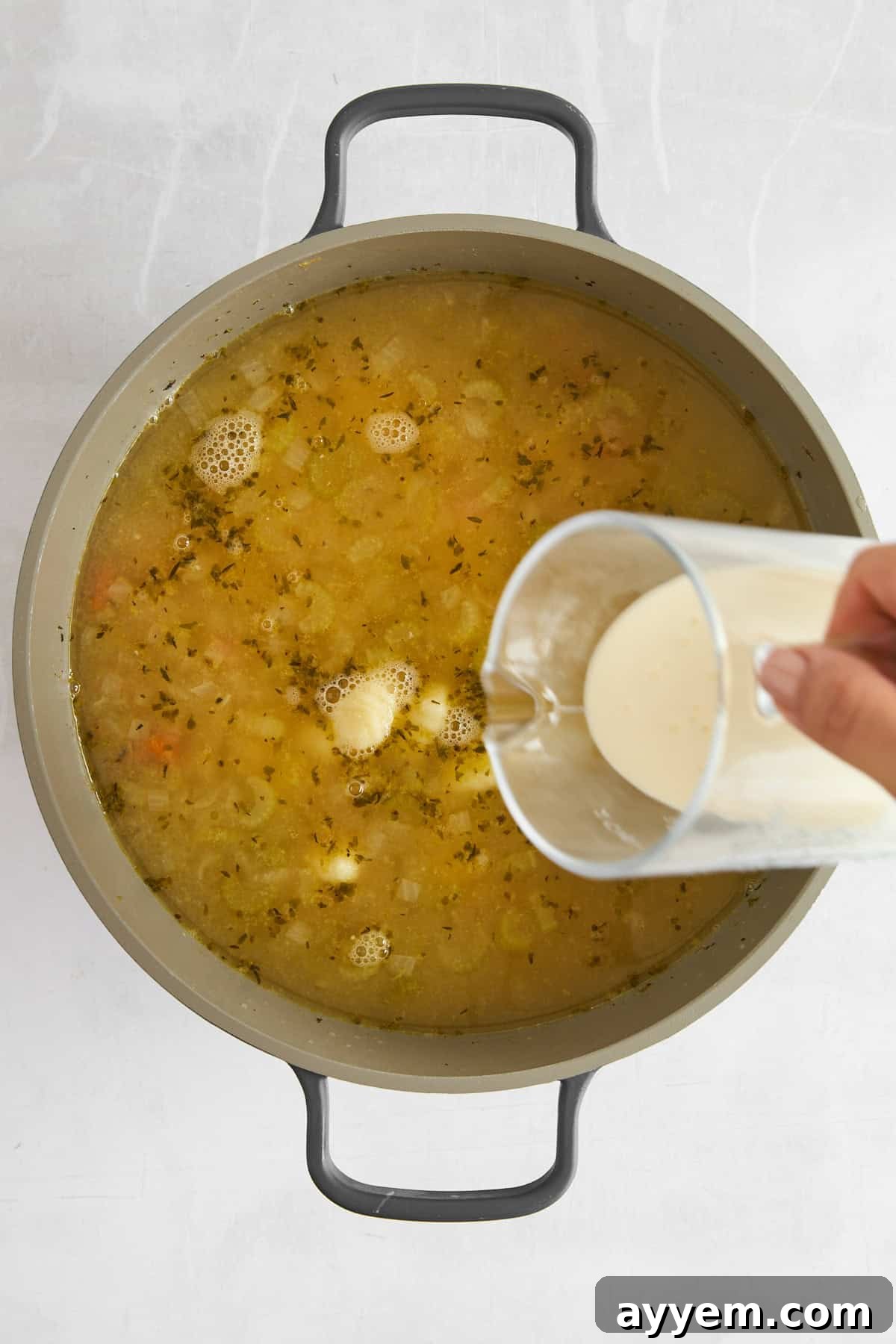
Dairy products are celebrated for their ability to temper strong flavors and add a luxurious, silky texture to dishes. When your soup or stew turns out too salty, incorporating cream or another dairy ingredient can work wonders by rounding out the sharp edges of the sodium and introducing a comforting richness that balances the palate. The fat in dairy helps coat the tongue, reducing the perception of saltiness.
Consider stirring in a generous splash of heavy cream, half-and-half, or full-fat milk. For a tangier note and a thicker consistency, a spoonful of sour cream or plain Greek yogurt can also be incredibly effective. This technique is particularly well-suited for creamy soups such as chowders, bisques, and various cream-based vegetable soups, where dairy is often a natural component of the recipe. It seamlessly blends in, making the fix undetectable to your diners.
Even if your stew isn’t traditionally cream-based, a swirl of cream or a dollop of yogurt added just before serving can provide a rich, balancing finish. This not only helps to mute the saltiness but also adds an appealing visual element and an extra layer of flavor complexity.
Pro Tip: When adding dairy to a hot soup or stew, it’s crucial to lower the heat significantly, or even remove the pot from direct heat, especially if using thinner dairy like milk or yogurt. Rapid boiling or high heat can cause dairy to curdle, resulting in an unappetizing texture. Stir the dairy in slowly and gradually, allowing it to incorporate smoothly. Always taste after each addition to ensure you achieve the perfect balance without overdoing it. This method not only fixes the salt issue but can also elevate the overall creaminess and mouthfeel of your dish.

Brighten and Balance: Add an Acidic Ingredient
The culinary magic of acid cannot be overstated, especially when it comes to balancing flavors. A touch of acidity acts as a counterpoint to saltiness, cutting through the heavy sodium taste and awakening the other flavors in your dish. It doesn’t remove the salt, but rather changes your perception of it, making the overall profile more harmonious and vibrant.
Fresh lemon juice is a classic choice for this technique, offering a bright, clean tang. Alternatively, various types of vinegar, such as apple cider vinegar, white wine vinegar, or even red wine vinegar (depending on your soup’s profile), can be equally effective. For heartier, tomato-based dishes, a tablespoon of tomato paste can introduce both acidity and a depth of umami flavor that helps to mask the salt.
The key to success with acidic ingredients is to add them incrementally. Squeeze in a small amount of fresh lemon juice or stir in just a teaspoon of your chosen vinegar at a time. After each addition, stir well and taste carefully. You’ll notice how the acidity brightens the flavors and pushes the saltiness into the background, without making the dish taste overtly sour. The goal is to achieve a balanced flavor, where the salt is tamed, and the soup or stew tastes fresh and lively.
This method is particularly effective in vegetable-based soups, lentil stews, or tomato-heavy recipes, where the natural tang of acid beautifully complements the existing ingredients. It’s also a fantastic trick for clear broths that need a flavor lift. Embrace the power of acid to transform an overly salty experience into a perfectly seasoned delight.
Ingredients for Acid Fix:
- 1–2 teaspoons lemon juice or vinegar
- OR 1 tablespoon tomato paste

Enhance Perception: Balance With Sweetness or Fat
Sometimes, the solution to an oversalted dish isn’t to remove the salt, but to shift the palate’s perception of it by introducing other dominant flavors. A small amount of sweetness or fat can effectively temper the harshness of too much sodium, creating a more rounded and palatable experience. These elements work by coating the tongue and distracting the taste buds from the overwhelming saltiness, making the dish feel more balanced.
For added richness and a softening effect, try stirring in a pat of unsalted butter, a drizzle of high-quality olive oil, or a spoonful of coconut milk. These fats add a luxurious mouthfeel that can make the salt less prominent. Coconut milk is particularly excellent for Asian-inspired soups or creamy vegetable concoctions, offering a subtle sweetness alongside its creamy texture. For a touch of sweetness, a tiny pinch of sugar (granulated or brown), a drizzle of honey, or a touch of maple syrup can subtly counterbalance the salt on your palate without making the dish overtly sweet. Remember, the goal is not to create a sweet soup, but to use sweetness as a strategic counterpoint.
As with all flavor adjustments, precision and caution are paramount. Start with a very small amount—perhaps a quarter teaspoon of sugar or honey, or a tablespoon of fat—and stir it in thoroughly. Then, taste and assess. The idea is to incrementally build towards balance, not to introduce an entirely new flavor profile or make your dish overtly sweet or greasy. The subtle addition of sweetness or fat can often be the secret ingredient that pulls an oversalted dish back from the brink, allowing the intended flavors to shine through without the harsh metallic edge of too much salt.

The Ultimate Rescue: Make a Salt-Free Base to Combine Later
Sometimes, despite your best efforts with dilution, starch, dairy, acid, or fat, a soup or stew can still feel irredeemably salty. This is often the case when you’ve added several layers of salty ingredients, or simply been incredibly heavy-handed with the salt shaker. But don’t despair – even in this seemingly dire situation, there’s a powerful and effective rescue mission you can undertake: creating a second, unsalted batch of the same dish.
This method involves preparing a smaller, or even full-sized, identical batch of your soup or stew, but with one critical difference: you add absolutely no salt, and use unsalted broths/stocks. Once this “blank slate” base is cooked, you then combine it with your overly salty original batch. By mixing the two, you instantly and significantly dilute the salt concentration across the entire volume of food, bringing the overall flavor profile back into an acceptable, balanced range.
While this approach requires more time and additional ingredients, it is arguably the most foolproof way to salvage a truly oversalted dish, especially when other methods haven’t quite done the trick. It’s particularly useful for large-batch cooking, such as preparing for a big family gathering, meal prepping for the week, or making a soup that relies on a very specific, complex flavor base that you want to preserve. Instead of starting from scratch and wasting your initial efforts, this method allows you to amplify your yield while correcting a major flavor imbalance. Think of it as doubling your recipe, but with a strategic purpose – ensuring that every spoonful is perfectly seasoned.

The Art of the Final Taste Test and Adjustment
After employing one or several of these ingenious rescue methods, your journey to culinary balance isn’t quite over. The critical final step is the comprehensive taste test and subsequent fine-tuning. Take a moment to savor a small spoonful, allowing the flavors to fully register on your palate. Has the saltiness receded to an acceptable level? Do the other ingredients shine through as intended? This is where your taste buds become the ultimate arbiters.
It’s rare for a single adjustment to perfectly hit the mark, so be prepared for a final round of subtle enhancements. If the dish still feels a bit flat, perhaps a tiny squeeze more of lemon juice or a dash of vinegar can lift the flavors and cut through any lingering heaviness. If it’s lacking a certain richness, a swirl of olive oil or a small knob of unsalted butter can add that comforting depth. Consider fresh herbs like parsley, cilantro, or chives; these can introduce a layer of freshness and complexity that distracts from any residual saltiness. Remember, seasoning is an art of layering and nuance, not about overpowering one flavor with another. Your goal is harmony, where all elements play nicely together.
Prevention is Key: Avoiding Oversalting in the First Place
While it’s reassuring to know you can rescue an oversalted dish, the best strategy is always prevention. Mindful seasoning habits can significantly reduce the chances of encountering this common kitchen mishap. Here are a few invaluable tips to help you salt like a pro:
- Taste As You Go: This is arguably the most important rule. Add a little salt, stir, and taste. Repeat as needed throughout the cooking process. Flavors evolve, and what tastes perfectly seasoned early on might become too salty as liquids reduce.
- Understand Your Ingredients: Many common ingredients, such as broths, canned tomatoes, cured meats (bacon, ham), cheeses, and condiments (soy sauce, Worcestershire sauce), already contain significant amounts of sodium. Account for these inherent salts before adding more. Opt for low-sodium or unsalted versions when possible, especially for broths and stocks.
- Salt from a Height: When adding dry salt, hold your hand a foot or so above the pot and sprinkle evenly. This helps distribute the salt more broadly, preventing concentrated pockets and ensuring a more consistent seasoning.
- Finish Seasoning Last: While it’s good to season components as you cook them, reserve the final, most critical seasoning adjustments for the very end, just before serving. This allows you to taste the dish in its completed form and make precise additions.
- Start Small, Build Up: It’s always easier to add more salt than to remove it. Begin with less salt than you think you need, and gradually increase it until the flavor brightens without becoming overtly salty.
- Use Kosher or Sea Salt: These salts have larger crystals than fine table salt, making it easier to control the amount you add. They also tend to have a cleaner flavor.
By integrating these practices into your cooking routine, you’ll minimize the need for emergency rescues and consistently produce perfectly seasoned, delicious soups and stews.
Recipes for Soups and Stews
Now that you’re armed with all the knowledge to fix a soup or stew if you get a little heavy-handed with the salt shaker, it’s time to get cooking! Try some of our most popular recipes that are basically warm, comforting hugs in a bowl. Enjoy perfecting your culinary creations!
Cheesy Potato Soup
Middle Eastern Crockpot Beef Stew
Creamy Mushroom Soup
Egyptian Green Bean Stew (Fasooliya)