
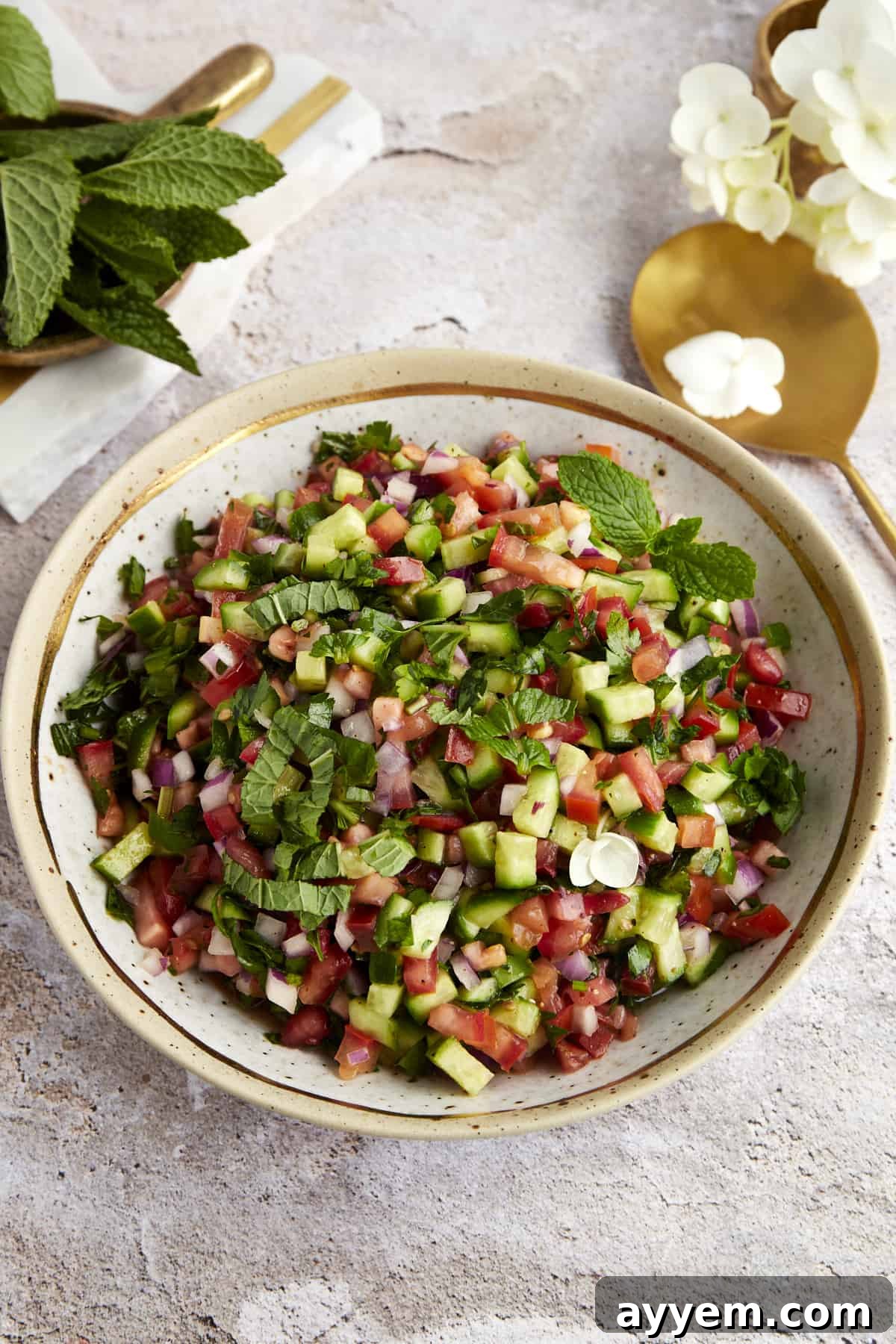
Refreshing Shirazi Salad: A Zesty Cucumber and Tomato Delight
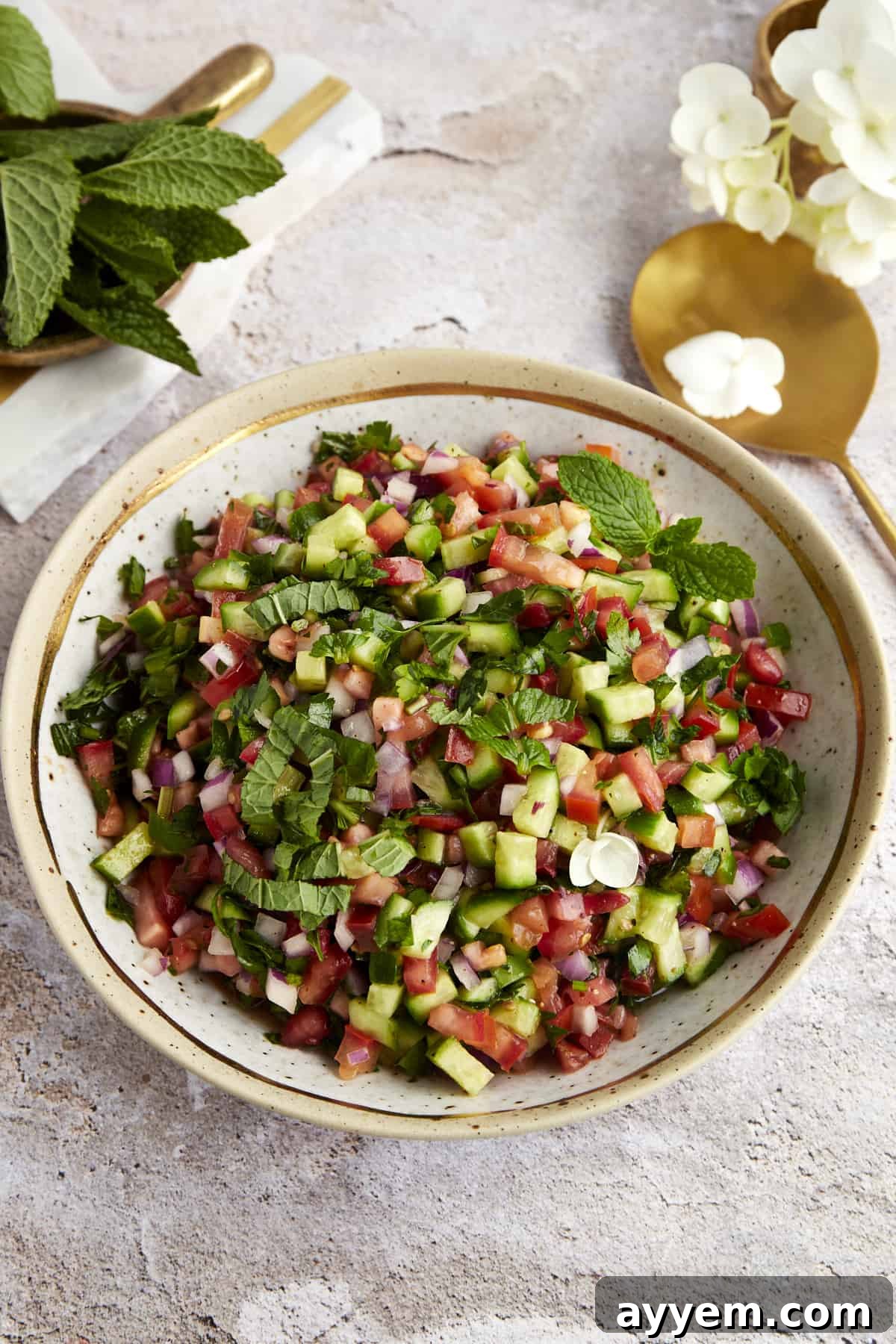
Discover the vibrant flavors of the Middle East with this irresistible Shirazi Salad recipe, also known as Salad-e Shirazi in Farsi. This simple, lettuce-free salad is a staple in Persian cuisine, celebrated for its refreshing medley of finely diced cucumbers, tomatoes, and onions, all brought together with a bright, herbaceous, and tangy olive oil dressing. Perfect as a light side dish, a vibrant starter, or a healthy accompaniment to nearly any meal, Shirazi Salad offers a burst of freshness that invigorates the palate. Its ease of preparation and nutritious profile make it a go-to for healthy eating enthusiasts and anyone seeking a deliciously crisp salad experience.
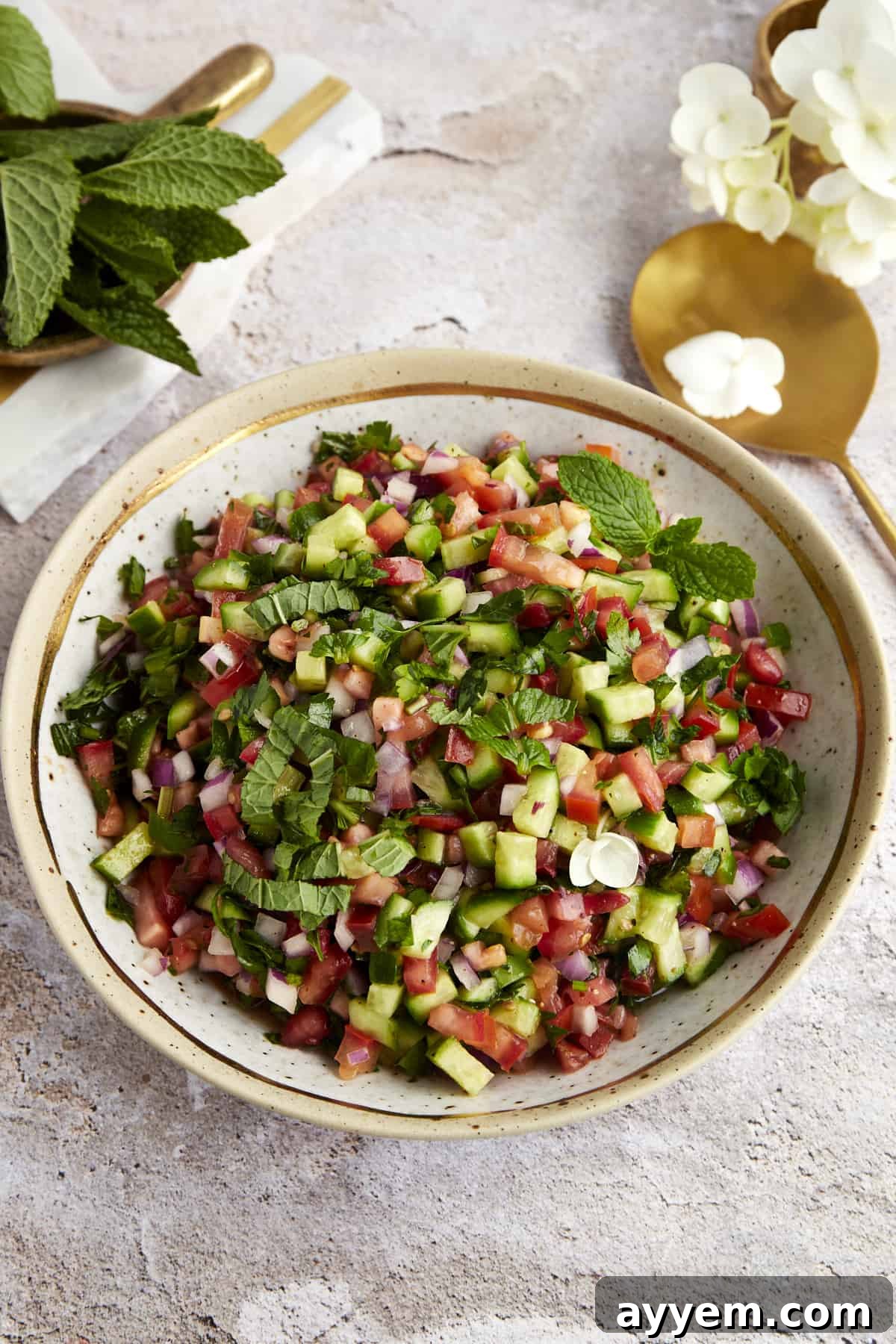
What is Shirazi Salad? Exploring its Persian Roots
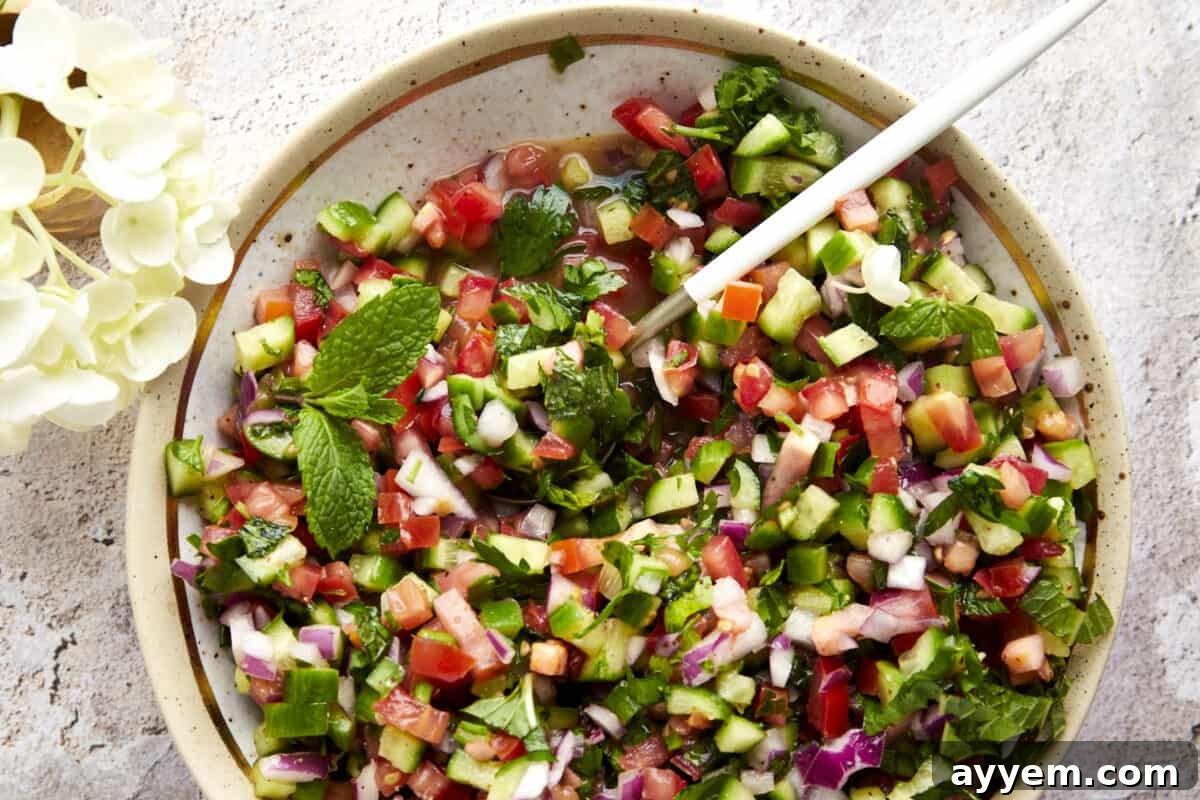
Shirazi Salad is a traditional Persian side dish hailing from Shiraz, a historic city in Iran renowned for its poetry, gardens, and rich culinary heritage. At its core, Shirazi Salad is a simple yet profoundly flavorful combination of diced cucumbers, tomatoes, and red onions, elevated by fresh herbs and a tart, zesty dressing. While it might superficially resemble other Middle Eastern or Mediterranean cucumber and tomato salads, such as Egyptian Salata Baladi or even a classic Greek salad without the feta, Shirazi Salad distinguishes itself with specific ingredients and a signature dressing that provides its unique character.
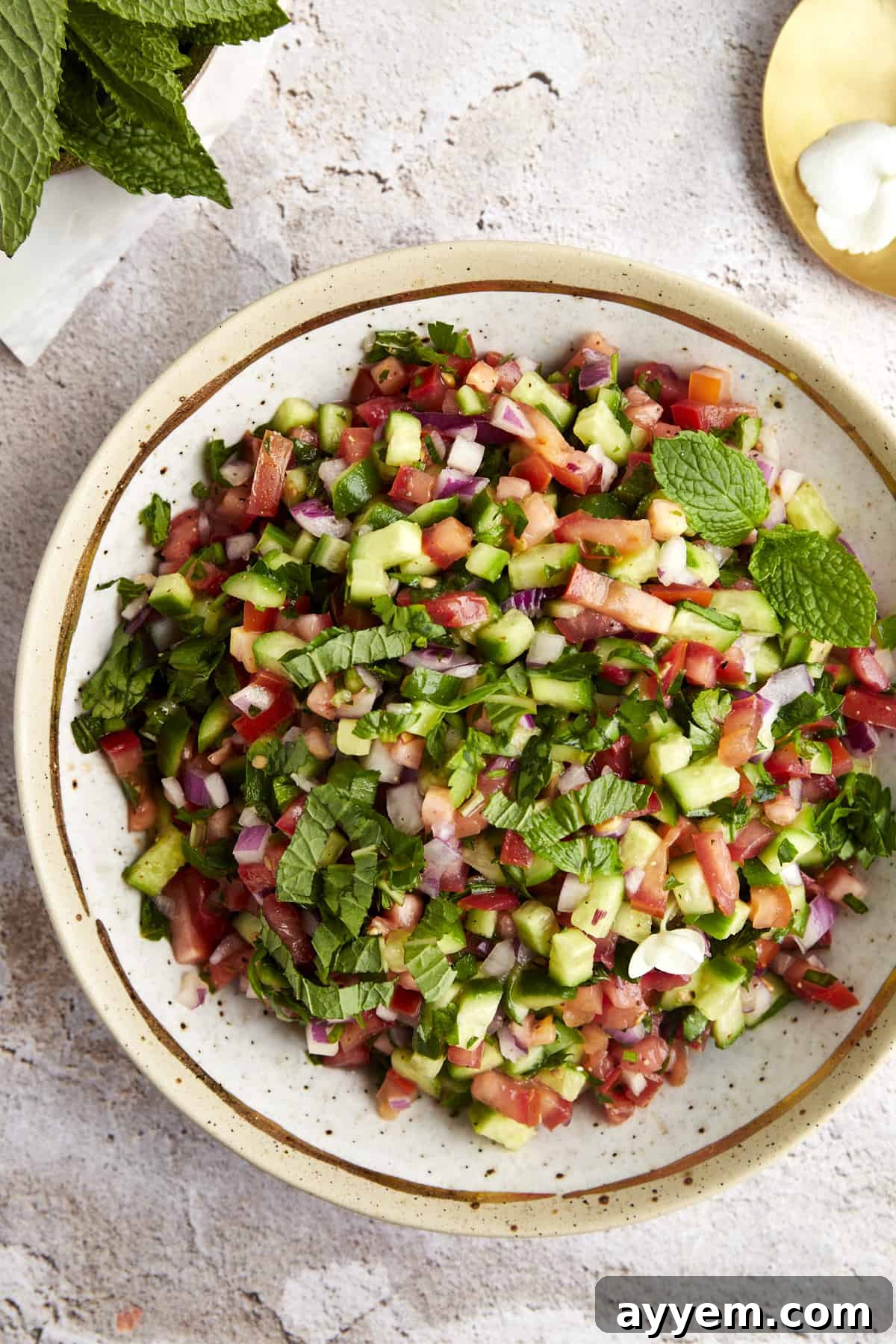
Traditionally, this Iranian dish is prepared with crisp Persian cucumbers, ripe tomatoes, and pungent red onions, all finely chopped into small, uniform pieces. The authentic dressing features olive oil and Ab Ghooreh, which is the juice of unripe, sour grapes. This ingredient imparts a distinct tartness that is central to the salad’s traditional flavor profile. In our modern adaptation, we opt for readily available ingredients to replicate that beloved bold, tangy essence without compromising on taste or authenticity. The result is a quick-to-prepare salad that is incredibly versatile and pairs wonderfully with almost any main course, from grilled meats to hearty stews.
The Cultural Significance of Shirazi Salad
Beyond its simple ingredients, Shirazi Salad holds a special place in Persian cuisine and culture. It’s not just a side dish; it’s an integral part of many meals, often served alongside rice dishes, kebabs, and various stews to cut through the richness and provide a refreshing contrast. The act of preparing and sharing this salad is a reflection of Persian hospitality, offering guests a fresh and wholesome addition to their meal. Its vibrant colors—red from tomatoes, green from cucumbers and herbs, and purple from onions—also make it an aesthetically pleasing dish, adding beauty to any table spread.
Essential Ingredients: What Makes Shirazi Salad So Flavorful?
Our Shirazi Salad recipe aims for deliciousness and ease, using ingredients you can easily find at your local grocery store. While we make a few minor adjustments from the strictest traditional methods, the essence and bold flavors remain true to the original. Here’s a detailed look at what you’ll need to create this fantastic salad:
- Tomatoes: For the best Shirazi Salad, we highly recommend using firm Roma tomatoes. Their lower water content and meaty texture make them ideal for dicing, ensuring your salad doesn’t become overly watery. When selecting, look for tomatoes that are firm to the touch with just a slight give. Avoid overly soft or mushy tomatoes. If your diced tomatoes seem to release too much liquid, you can gently drain them in a colander before combining with other ingredients.
- Cucumbers: Persian cucumbers are undoubtedly the star here. They are known for their crisp texture, subtle sweetness, and minimal seeds, making them far less watery than standard slicing cucumbers. This quality is crucial for a Shirazi Salad that maintains its refreshing crunch. If Persian cucumbers are unavailable, English cucumbers are an excellent substitute due to their similar thin skin and small seed count. Whatever you do, steer clear of large, waxy slicing cucumbers, as their thick skin and high water content will detract from the salad’s desired texture and flavor.
- Red Onion: The red onion adds a crucial pungent bite and beautiful color contrast. Finely chopping the onion is key to distributing its flavor evenly without overpowering the other ingredients. For those who prefer a milder onion flavor, finely diced shallots can be used as a fantastic, slightly sweeter alternative. Soaking the chopped onion in cold water for 10-15 minutes can also reduce its sharpness.
- Fresh Herbs: This is where the Shirazi Salad truly comes alive and differentiates itself. Fresh mint and fresh parsley are indispensable, infusing the salad with a bright, aromatic, and slightly sweet undertone that is profoundly refreshing. The combination of these two herbs creates a complex flavor profile that elevates the simple vegetables.
Pro Tip for Herbs: Don’t let leftover herbs go to waste! Properly storing parsley and mint can keep them fresh for longer, allowing you to add their vibrant flavors to many more meals throughout the week. You can chop them and store them in an airtight container with a damp paper towel or freeze them in olive oil in ice cube trays for later use.
- Olive Oil: A good quality extra virgin olive oil forms the rich, smooth base of our dressing, carrying the tangy flavors beautifully. Choose one with a mild, fruity profile that complements, rather than overwhelms, the fresh vegetables.
- Lime Juice: In our adapted recipe, freshly squeezed lime juice stands in for the traditional Ab Ghooreh, providing that essential bright, tart, and zesty kick. Lemon juice is also an excellent substitute if lime is not available. The fresher the juice, the more vibrant the dressing will be, so always opt for freshly squeezed over bottled alternatives.
- Spices: A trio of sumac, salt, and black pepper adds layers of flavor and a subtle tang. Sumac is a deep red spice with a distinctly sour, almost lemony flavor that is widely used in Middle Eastern cuisine. It enhances the overall zestiness of the salad, making it truly authentic. Adjust salt and pepper to your personal preference.
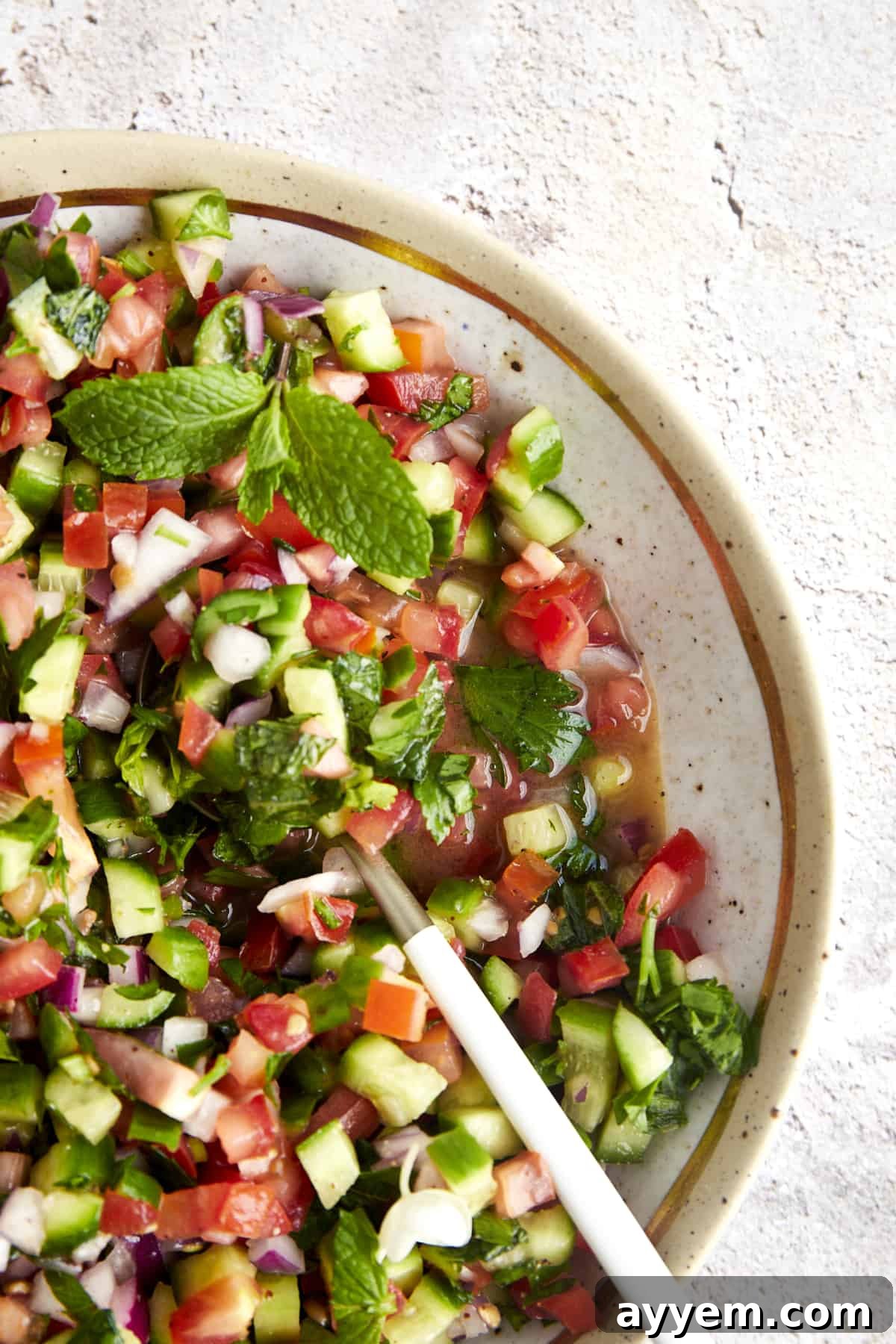
Understanding Persian Cucumbers: The Heart of Shirazi Salad
A true Shirazi Salad shines brightest when made with authentic Persian cucumbers. But what exactly makes a Persian cucumber so special, and why is it preferred for this recipe?
Persian cucumbers are a distinct variety characterized by their smooth, thin skin, small size, and minimal seed content. They are typically narrower and shorter than common slicing cucumbers, usually growing to about five to six inches in length. Critically, they contain less water and boast a remarkably crisp texture, making them ideal for salads where you want a firm bite without excess moisture. Their delicate, slightly sweet flavor also complements the other ingredients beautifully, contributing to the overall freshness of the Shirazi Salad.
Persian vs. English Cucumbers: A Comparison
While Persian cucumbers are often difficult to source outside of specialty markets, English cucumbers (also known as hothouse or seedless cucumbers) serve as an excellent and widely available alternative. The primary difference between the two lies mainly in their size and subtle nuances in texture. English cucumbers are generally much longer, averaging around twelve inches, but share many desirable traits with Persian cucumbers, including thin skin (which means no peeling is necessary), small seeds, and a mild, refreshing taste.
Because of their nearly identical taste and texture profiles, Persian and English cucumbers are largely interchangeable in recipes like Shirazi Salad. If you can find Persian cucumbers, they are certainly recommended for the most authentic experience. However, if not, rest assured that English cucumbers will deliver a very similar and equally delicious result.
Toss, Rest, and Serve: Crafting Your Easy Shirazi Salad
One of the many joys of Shirazi Salad is its effortless preparation. Requiring no cooking, it’s easily one of our favorite go-to side dish recipes. The process is straightforward, especially if you streamline your chopping with a veggie chopper, as many home cooks do! Here’s how to bring this vibrant salad to life:
- Prepare the Salad Ingredients: Begin by washing and finely dicing all your vegetables and herbs. Aim for small, uniform pieces of tomatoes, Persian cucumbers, and red onion. Add these chopped ingredients, along with the fresh parsley and mint, to a large mixing bowl. The key to a great Shirazi Salad is the fine dice, which ensures every spoonful offers a balanced mix of flavors and textures.
- Whisk the Dressing: In a separate, small bowl, combine the olive oil, freshly squeezed lime juice, sumac, salt, and pepper. Whisk these ingredients vigorously until they are well emulsified and smooth. This creates a balanced, tangy dressing that will coat every piece of vegetable.
- Combine and Toss: Pour the freshly prepared dressing over the chopped salad ingredients in the large bowl. Gently toss everything together using a large spoon or salad tongs, ensuring all the produce is thoroughly coated with the flavorful dressing. Be careful not to overmix, as this can bruise the delicate herbs.
- Rest and Serve: Taste the salad and adjust the seasonings if needed, adding more salt, pepper, or lime juice to suit your preference. Then, set the salad aside for at least 10-15 minutes before serving. This crucial resting period allows the flavors to meld and deepen, creating a more harmonious and delicious final product. Serve chilled as a refreshing side dish or as an accompaniment to your favorite main courses.
Expert Tips for the Best Shirazi Salad
While Shirazi Salad is inherently simple, a few expert tips can elevate your creation from good to extraordinary:
- Chop Veggies Uniformly and Finely: This is arguably the most important tip. Small, evenly diced vegetables ensure that each bite delivers a harmonious blend of all the ingredients. It also improves the texture and makes the salad easier to eat. Invest in a good knife or a reliable veggie chopper to achieve this precision.
- Maintain Crispness: If you prefer your vegetables to be exceptionally crisp, delay adding the dressing until just before serving. While the flavors won’t meld as deeply, you’ll preserve maximum crunchiness. Alternatively, ensure your vegetables are very cold before dicing, and lightly salt them, allowing them to release excess water before dressing.
- Deseed Tomatoes for Less Watery Salad: To prevent your Shirazi Salad from becoming watery, especially if your tomatoes are particularly juicy, consider deseeding the tomatoes before chopping them. Simply halve them, scoop out the seeds and watery pulp with a spoon, then dice the remaining flesh.
- Use Freshly Squeezed Citrus: The difference between fresh and bottled lime (or lemon) juice is immense. Freshly squeezed juice provides a brighter, more aromatic, and less artificial tang that significantly enhances the dressing.
- Taste and Adjust: Always taste your dressing and then the final dressed salad. Seasoning is a personal preference, so don’t hesitate to add a pinch more salt, a grind of pepper, or an extra squeeze of lime juice to perfect the flavor balance.
Flavor Variations to Personalize Your Shirazi Salad
While this Shirazi Salad recipe stays true to its traditional roots, the kitchen is a place for creativity! Don’t be afraid to experiment with additional ingredients to put your unique spin on this classic dish. Here are some tasty mix-ins to inspire you:
- Add Cheese: For a creamier texture and savory depth, consider crumbling in some feta cheese or tossing in small mozzarella balls (bocconcini). The salty tang of feta pairs particularly well with the fresh vegetables.
- Explore Different Herbs: While mint and parsley are traditional, other fresh herbs can introduce exciting new dimensions. Try adding finely chopped fresh basil for an Italian twist, cilantro for an earthy note, or dill for a subtle licorice-like aroma. A combination of herbs can also create a truly unique profile.
- Introduce Bell Peppers: Diced bell peppers (red, yellow, or orange) are a fantastic way to add extra crunch, vibrant color, and a boost of nutrients. They offer a mild sweetness that complements the tangy dressing beautifully.
- Vary the Dressing: While the lime-sumac dressing is classic, you can easily switch it up. A light Italian dressing, a balsamic vinaigrette, or even a splash of apple cider vinegar instead of lime juice can create a completely different yet equally delicious salad experience.
- Spice it Up: For those who enjoy a little heat, a tiny amount of finely diced jalapeño or a pinch of crushed red pepper flakes can add a delightful kick without overpowering the freshness.
- Add Texture with Nuts or Seeds: Toasted pine nuts, chopped pistachios, or sunflower seeds can add a wonderful textural contrast and a hint of nutty flavor.
Common Questions About Shirazi Salad
Traditionally, Shirazi Salad is not spicy. Its primary flavor profile is refreshing, tangy, and herbaceous. However, if you enjoy a kick, you can certainly add a little finely diced chili pepper or a sprinkle of crushed red pepper flakes to your salad.
Absolutely! Shirazi Salad is actually excellent when made slightly ahead of time. We recommend preparing it and allowing it to chill in the refrigerator for at least 30 minutes to an hour before serving. This resting period allows the flavors to truly meld and deepen, enhancing the overall taste. However, for maximum crispness, you can add the dressing just before serving.
This versatile salad pairs wonderfully with practically any main course! It’s a fantastic refreshing counterpoint to rich or grilled dishes. It’s traditionally served alongside grilled meats like chicken or beef kebabs, kofta, or various Persian stews and rice dishes. It also complements Mediterranean-inspired meals, sandwiches, wraps, or can be enjoyed as a light and healthy lunch on its own.
Without a doubt! Shirazi Salad is incredibly healthy. It’s packed with fresh, nutrient-rich produce like cucumbers, tomatoes, and herbs, making it naturally low in calories and fat. The high water content of the vegetables also makes it very hydrating. Furthermore, it’s naturally gluten-free and vegan, making it suitable for a wide range of dietary preferences. It’s a delicious way to boost your daily vegetable intake.
Discover More Tasty Salad Recipes
If you’ve enjoyed the fresh and vibrant flavors of Shirazi Salad, you’re in for a treat! We have a plethora of easy and delicious salad recipes that are perfect for any occasion. Explore some of our other favorite options below to expand your salad repertoire:
- Balela Salad (Middle Eastern Chickpea Salad): A hearty and flavorful salad bursting with chickpeas, tomatoes, and herbs.
- Easy Tabbouleh Salad: A classic Middle Eastern bulgur, parsley, and tomato salad that’s incredibly fresh.
- Mediterranean Chickpea Salad: A vibrant and satisfying salad with chickpeas, olives, feta, and fresh vegetables.
- Chickpea Cucumber Feta Salad: A simple yet flavorful salad combining wholesome ingredients for a quick meal.
- Black Bean and Corn Salad: A Tex-Mex inspired salad that’s perfect for potlucks and gatherings.
Easy Shirazi Salad Recipe
Ingredients
- 2 cups (4-6) small Roma tomatoes, chopped
- 2 cups Persian cucumbers chopped*
- 1 small red onion chopped
- 1/4 cup fresh parsley chopped
- 3 Tablespoons fresh mint chopped
- 3 Tablespoons olive oil
- Juice of 1 lime
- 1 teaspoon sumac
- 1 teaspoon salt
- 1/2 teaspoon pepper
Instructions
-
In a large bowl, combine the chopped tomatoes, Persian cucumbers, red onion, parsley, and mint.
-
In a separate small bowl, whisk together the olive oil, lime juice, sumac, salt, and pepper.
-
Pour the dressing over the salad ingredients in the large bowl.
-
Gently toss all the ingredients together until well coated with the dressing.
-
Taste, and adjust the seasonings if needed.
-
Let the salad sit for about 10-15 minutes to allow the flavors to meld together.
-
Serve the Shirazi Salad chilled as a refreshing side dish or accompaniment to grilled meats or kebabs.
-
Store leftovers in an airtight container in the fridge for up to 3-4 days. NOTE: The longer the salad sits, the soggier the veggies will get.
Equipment
Notes
Nutrition
Nutrition information is automatically calculated, so should only be used as an approximation.