One Pot Vegetarian Ramen dish
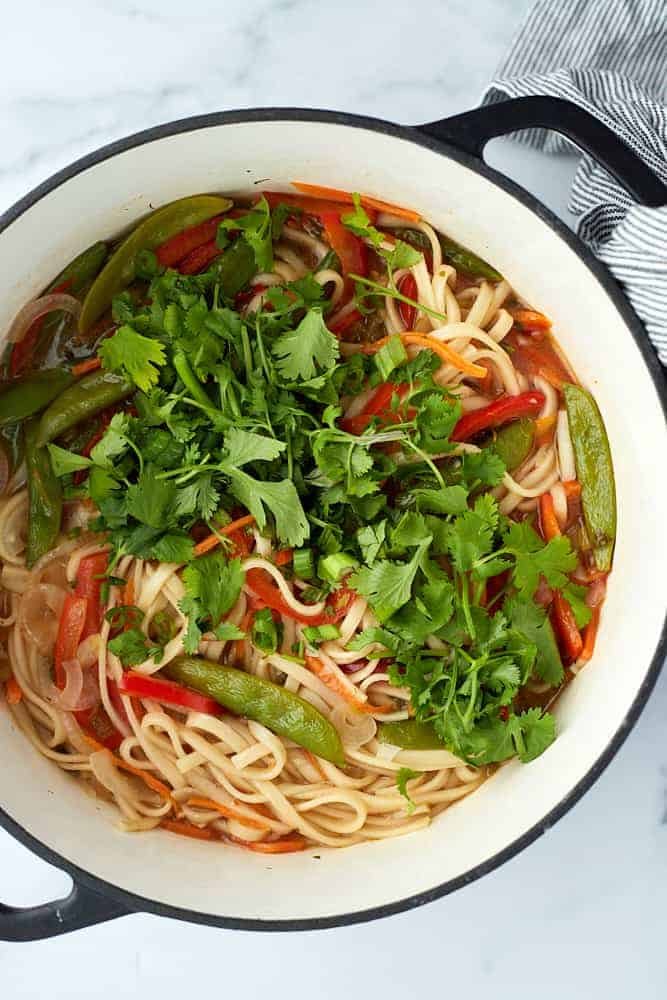
Toss aside those boring packaged noodles, and have some fun with this simple One Pot Vegetarian Ramen Recipe! It’s not just a healthy meal; it’s a speedy, flavorful dish that everyone will rave about. Ready in less than 30 minutes, it’s the superhero of satisfying crowds without sacrificing your sanity!
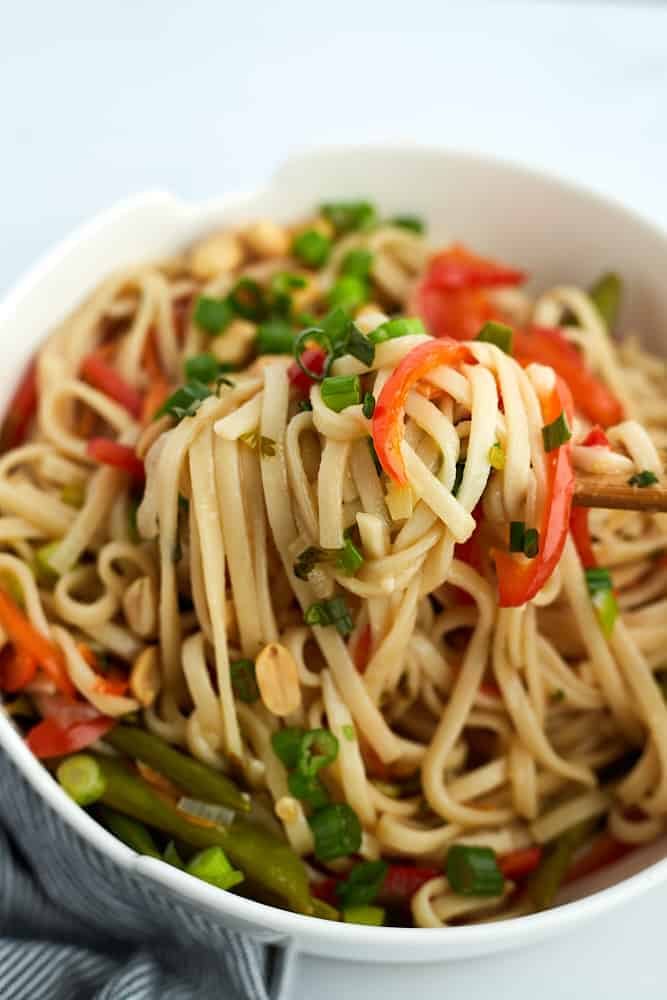
What Is Ramen?
Although it has recently exploded in popularity in the United States, Ramen is a Japanese noodle soup. There are thousands of variations, but they all contain a combination of rich-flavored broth commonly seasoned with miso or soy sauce, noodles, and an assortment of meat and veggies. Many versions also contain a boiled egg placed on top.
The dish is heavily regionalized and varies in ingredients and taste depending on where you are in Japan. However, it is so common that it is considered a type of fast food and is sold by many small restaurants and street vendors.
Origins of Ramen
Although modern ramen dishes are considered to be part of Japanese cuisine, the origins of ramen actually trace back to China in the 1800s. It is believed that the noodle broth was brought to Japan by Chinese immigrants in the 19th or 20th Century.
In 1947, Fukuoka, the now famous ramen dish, was made by mistake by restaurant chefs who accidentally overboiled pork broth only to find out it was tasty. It wasn’t long before regional variations of the creation began to appear, and the rest is history with ramen being a beloved food enjoyed all over the globe!
What Types of Ramen are Vegetarian?
You might think that all ramen noodles are vegan and vegetarian, but be careful! While they’re typically made from wheat and oil, most ramen noodles come with seasoning packets that are not vegetarian, depending on your definition of the word.
In this case, you can simply toss out the seasoning packets. Or, opt for vegetarian-specific ramen noodle brands. Some of our go-to options are Top Ramen Soy Sauce Flavor, Top Ramen Chili Flavor, and Soken Brand Ramen.
Of course, always read the ingredient list on whatever noodles you choose to determine whether they’re right for you!
Reasons Why You’ll Never Go Back to Storebought Ramen Again
If you grew up eating microwave ramen cups, get ready for a flavor explosion that will leave those store-bought versions in the dust! One bite of this one-pot ramen, and you’ll be waving goodbye to the old and welcoming the new with open arms. Get ready for a taste that’ll knock your socks off and redefine your ramen standards!
This vegetarian ramen recipe is:
- Made with minimal prep time, a cook time of less than 20 minutes, and a total time of under 30 minutes!
- Full of veggies to keep you full.
- Simple to customize.
- Great to prep ahead of time and reliable for feeding a crowd.
What’s In a Vegetarian Ramen Recipe?
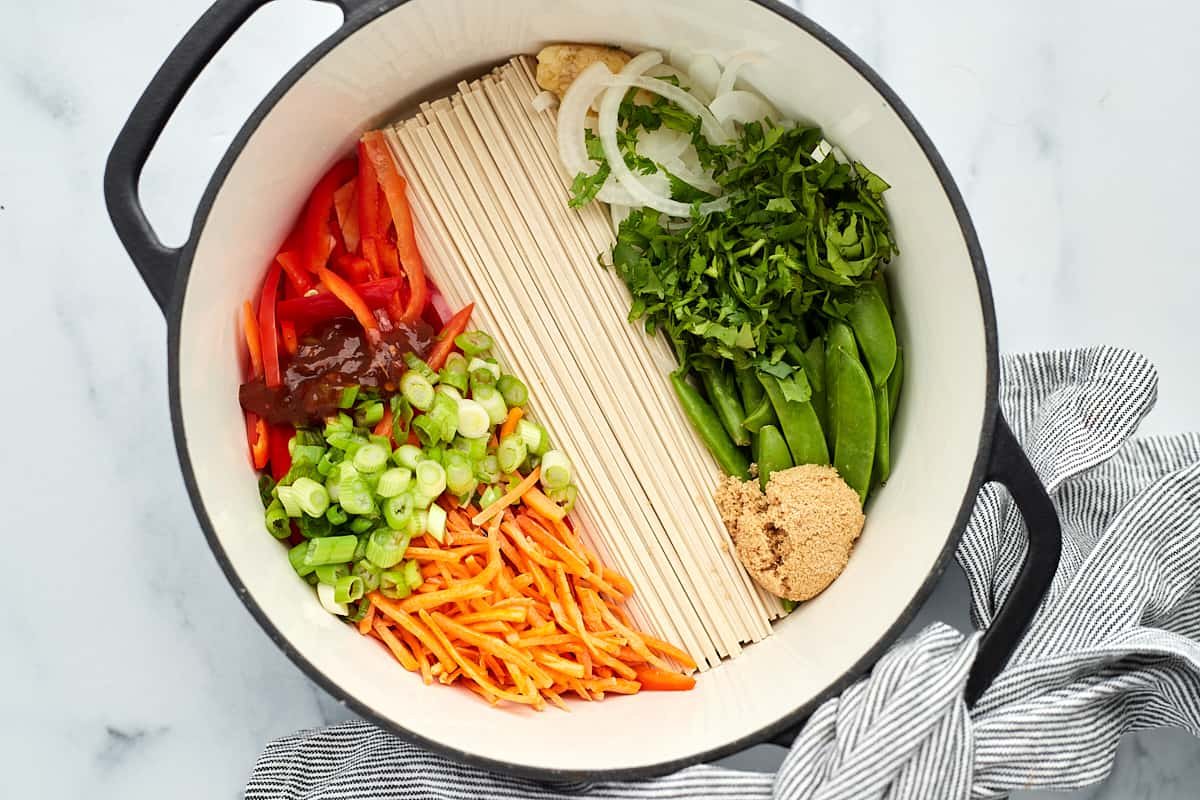
What we adore about this ramen recipe is its built-in versatility. The broth lays the foundation for a stellar taste experience, but the real fun lies in the mix-and-match possibilities of ingredients and toppings. Consider it your culinary playground — customize to your heart’s content and create a bowl of ramen that caters to your unique cravings and preferences. It’s like a flavor adventure in a bowl!
Here’s what we use:
- Organic Ramen Noodles – We love the Hakubaku brand for a more authentic taste and texture, but any ramen noodles you can find will work!
- Veggies – We include red peppers, carrots, snap peas, white onion, and bok choy for lots of color, vitamins, nutrients, taste, and texture. However, feel free to include whatever veggies you like finest. It’s a great way to use up leftovers, too!
- Minced Garlic – Use whole, fresh garlic cloves for the finest taste. Garlic is a great source of anti-inflammatory properties and infuses the broth with extra depth and a sweet, savory taste.
- Sesame Oil – When it comes to sesame oil, a little goes a long way, but it adds a wonderful nutty taste to the flavor of your broth. It also provides a good source of fats to make this bowl more satiating!
- Grated Ginger – Not only is ginger extremely good for you, but it also helps create a bit of a tangy or slightly spicy flavor that will leave you coming back for seconds.
- Light Brown Sugar – Adding a touch of sweetness helps cut through the heavy oils and spice to even out this dish.
- Soy Sauce – Soy sauce is crucial to creating the base of your vegetarian ramen recipe and adds a salty, umami taste that enhances the other ingredients. If you prefer, miso can be used instead.
- Chili Paste – We love to add just a dash of chili paste to help add heat and peppery flavor. Find it in the Asian section at your local grocery store!
- Fish Sauce – Containing a slightly sweet and salty flavor, fish sauce helps contribute to the umami taste of vegetarian ramen, making it even more satisfying.
- Sriracha – Use more or less sriracha sauce to suit your spice preferences.
- Vegetable Broth – Unlike traditional ramen recipes that use meat-based broths, we included vegetable broth to make our dish vegetarian-friendly. However, feel free to use whatever you have on hand!
Topping Ideas
Let’s talk about the real star of any ramen bowl—the toppings! We’re big fans of throwing in some crushed peanuts for that extra crunch, but the beauty here is that the topping possibilities are as vast as your imagination. Whether it’s a sprinkle of green onions, a swirl of Sriracha, or a poached egg taking a luxurious dip, the options are limited only by your creativity. Dive into the topping adventure and make your ramen bowl truly your own!
Here are just a few options:
- Green onions (scallions)
- Corn
- Bean sprouts
- Seaweed
- Poached eggs
- Tempeh
- Garlic Chili Sauce
Do I Need Any Special Equipment to Make From-scratch Ramen?
Not for our simple one pot ramen recipe! As long as you have a large Dutch oven or a heavy pot with a lid, you’ll be good to do.
The Three Magic Steps to Make One Pot Ramen
You might’ve heard that ramen is difficult to make, and traditional recipes can be! However, for our version, we made things as simple as could be.
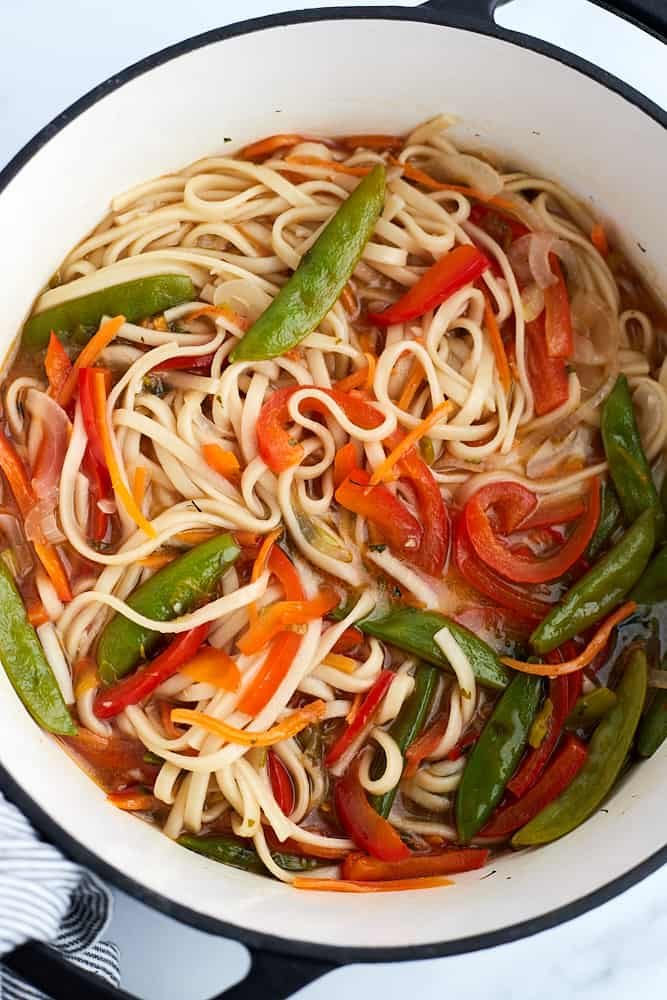
- Combine. Add all the ingredients to a large Dutch oven, and stir to combine.
- Cook. Bring the liquid to a boil over high heat. Then, cover the pot, and reduce the heat to medium-low. Continue to cook until the noodles are tender.
- Serve. Give the mixture a stir, adjust the seasonings to taste, and enjoy warm with all your go-to toppings!
How Do You Cook Eggs for Ramen?
For this one pot ramen, we don’t include an egg, but you definitely can! You’ll want to soft boil it in a separate pan for about seven minutes or so. Then, add it on top of your ramen bowl just before serving.
Make Ahead and Storage Options
The longer ramen is leftover, the more it loses the intensity of its flavor. Therefore, it’s finest to enjoy it right away while it’s still warm. However, if you want to make it ahead of time, there are some tips and tricks to make it last longer and taste better!
- To Store: For the finest results, we recommend separating all of the ingredients and storing them in individual containers. This helps preserve the flavor! Keep the ingredients in the fridge for two to three days.
- To Freeze: If you want to keep your ramen longer, we recommend storing it in the freezer. To do so, you’ll want to separate the broth, noodles, and veggies into separate sealable bags. Then, freeze them for up to one month.
- To Reheat: When you’re ready to eat, let your ingredients thaw in the fridge overnight. Then, warm them in a pot over medium heat on the stove or in the microwave until your desired temperature is reached.
Common Questions About This One-Pot Vegetarian Ramen Recipe
Can I make one pot vegetarian ramen in advance?Yes, but with some strategy! The broth component of your vegetarian ramen can definitely be made days in advance – in fact, it often tastes even better after the flavors have had time to meld. However, the noodles should be cooked just before serving to maintain their texture. For meal prep, make a big batch of broth and prepare your toppings, then quickly cook fresh noodles in the reheated broth when you’re ready to eat for that reliable ramen experience.
What’s the difference between vegetarian ramen and miso ramen?Vegetarian ramen refers to any ramen made without meat or fish products, while miso ramen specifically uses miso paste as the key flavoring ingredient in the broth. Many miso ramen recipes can be vegetarian, but traditional versions might include pork or fish-based ingredients. The defining characteristic of miso ramen is its savory, umami-rich flavor profile and slightly cloudy broth texture from the fermented soybean paste, which gives it a distinct taste compared to other ramen varieties.
How do you make one pot ramen silky without dairy?You can make silky vegetarian ramen without any dairy by adding a tablespoon of tahini, a dollop of coconut milk, or a spoonful of blended silken tofu to your broth. Another fantastic technique is to blend some white miso paste with a ladle of the hot broth until smooth, then stir it back into the pot. For an extra-rich option, try making a slurry with a bit of cornstarch and cold water, or simply mash some of the softer vegetables in your soup to thicken the broth naturally.
What toppings go well with vegetarian ramen?The finest vegetarian ramen toppings include sliced shiitake or enoki mushrooms, corn kernels, baby bok choy, thinly sliced carrots, bean sprouts, cubed tofu (either fried or silken), and sliced green onions. For extra texture, add some crunchy elements like sesame seeds, thinly sliced nori (seaweed), or crackly fried onions. A soft-boiled jammy egg (if you eat eggs) adds richness, while a squeeze of lime brings brightness to the whole bowl.
More One-Pot Dishes
Looking for more one pot recipes to make meal times simple? Try out more of our go-to options below!
- One Pot Hummus Pasta
- One-Pot Pasta with Zucchini
- One Pot Greek Spaghetti
- One Pot Mbakbaka (Spicy Libyan Pasta)
the Ayyem kitchenServings: 6 servingsPrep: 5 mins
Cook: 12 mins
Total: 17 mins
Make this simple one pot vegetarian ramen recipe in less than 30 minutes for a filling, savory comfort food dinner the whole family will love! Email
Ingredients
- 10 ounces Organic Ramen Noodles
- 1 small red pepper, sliced
- 1/2 cup crinkle-cut carrots
- 1/2 cup snow peas
- 1/4 cup white onion, chopped
- 2 green onions, chopped
- 1 cup bok choy, chopped
- 3 cloves garlic, minced
- 1 teaspoon sesame oil
- 1 Tablespoon fresh ginger, grated
- 1 Tablespoon light brown sugar
- 1/4 cup soy sauce
- 2 Tablespoon chili paste
- 2 teaspoon fish sauce
- 2 Tablespoon sriracha more or less to taste
- 4 cups vegetable broth or choice of broth
- Optional: crushed peanuts and fresh cilantro for serving
Instructions
- In a deep Dutch oven or a heavy-bottomed pot, add all the ingredients, stirring to combine.10 ounces Organic Ramen Noodles , 1 small red pepper, sliced, 1/2 cup crinkle-cut carrots, 1/2 cup snow peas, 1/4 cup white onion, chopped, 2 green onions, chopped, 1 cup bok choy, chopped , 3 cloves garlic, minced, 1 teaspoon sesame oil, 1 Tablespoon fresh ginger, grated, 1 Tablespoon light brown sugar, 1/4 cup soy sauce, 2 Tablespoon chili paste, 2 teaspoon fish sauce, 2 Tablespoon sriracha, 4 cups vegetable broth
- Bring the liquid to a boil over high heat. Then, cover, and reduce the heat to medium-low. Cook for 12-14 minutes or until the noodles are tender.
- Remove the lid, and stir.
- Serve warm with crushed peanuts and cilantro, if desired.Optional: crushed peanuts and fresh cilantro for serving
Equipment
 1 Dutch Oven
 Notes
- To Store: For the finest results, we recommend separating all of the ingredients and storing them in individual containers. This helps preserve the flavor! Keep the ingredients in the fridge for two to three days.
- To Freeze: If you want to keep your ramen longer, we recommend storing it in the freezer. To do so, you’ll want to separate the broth, noodles, and veggies into separate sealable bags. Then, freeze them for up to one month.
- To Reheat: When you’re ready to eat, let your ingredients thaw in the fridge overnight. Then, warm them in a pot over medium heat on the stove or in the microwave until your desired temperature is reached.
Nutrition
Serving: 1serving| Calories: 261kcal
| Carbohydrates: 41g
| Protein: 7g
| Fat: 8g
| Saturated Fat: 4g
| Polyunsaturated Fat: 1g
| Monounsaturated Fat: 3g
| Sodium: 2419mg
| Potassium: 293mg
| Fiber: 3g
| Sugar: 7g
| Vitamin A: 3410IU
| Vitamin C: 42mg
| Calcium: 48mg
| Iron: 3mg
Nutrition information is automatically calculated, so should only be used as an approximation.