
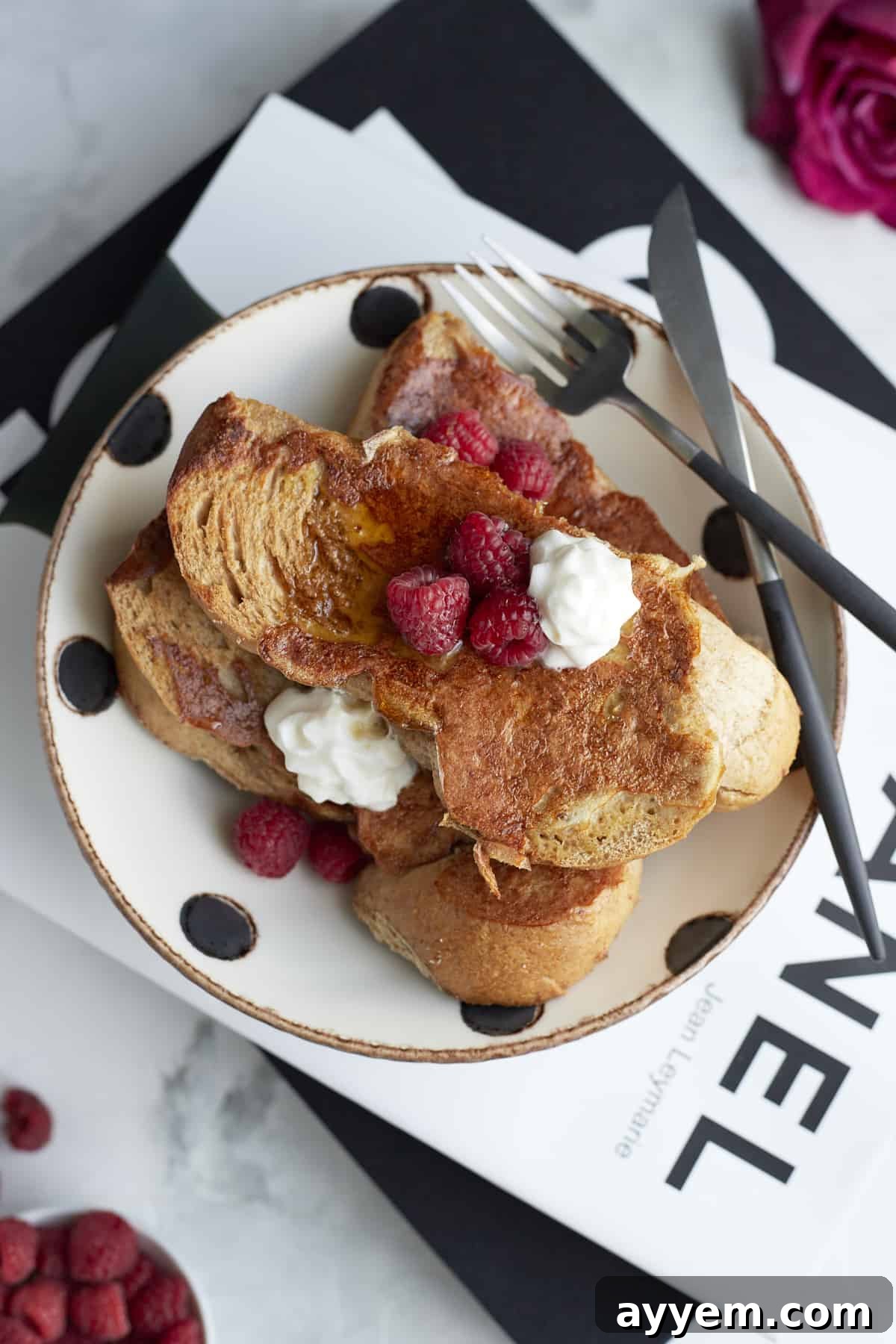
Effortless Sheet Pan French Toast: Your Guide to a Perfect Breakfast
Are you searching for a breakfast solution that combines indulgence with incredible ease? Look no further than our **Sheet Pan French Toast**! This revolutionary method takes the classic breakfast staple and transforms it into a hands-off, time-saving masterpiece. Forget standing over a hot stove, flipping individual slices; with this recipe, you simply prepare, bake, and enjoy. It’s the ultimate hack for busy mornings, allowing you to relax, get ready for your day, or effortlessly mingle with guests during a leisurely brunch gathering. Prepare to say goodbye to tedious cooking and hello to a perfectly golden, fluffy, and consistently delicious French toast experience, all made possible with the magic of your oven.
This approach ensures every piece of French toast is cooked to perfection simultaneously, delivering that beloved soft interior and gently crisp exterior without the usual fuss. It’s not just a recipe; it’s a game-changer for anyone who loves French toast but dreads the effort. Get ready to embrace stress-free breakfast bliss!
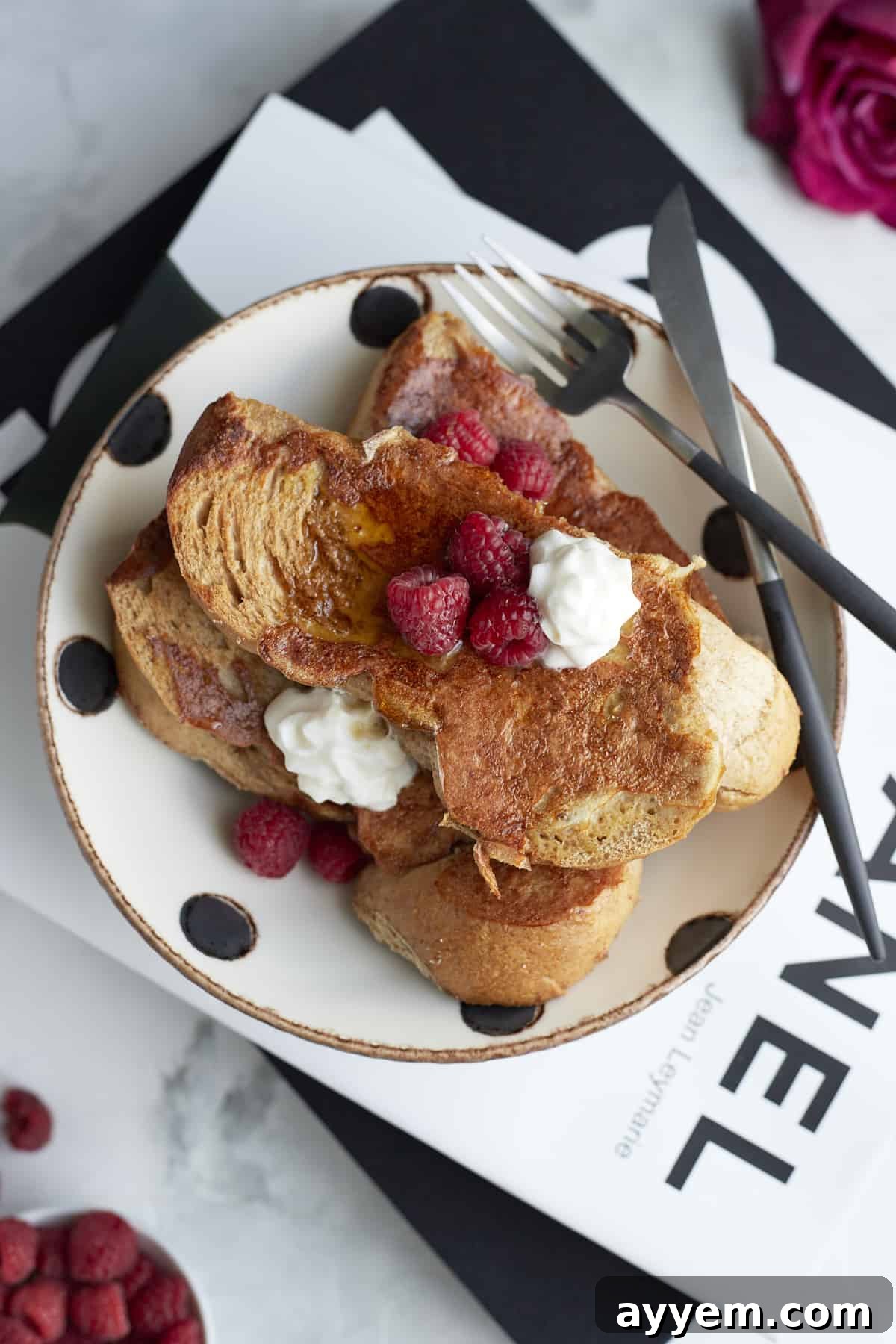
The Magic of Sheet Pan French Toast: A Culinary Revolution for Breakfast Lovers
For too long, French toast has been a labor of love, requiring individual attention to each slice, a constant vigil over the griddle, and the inevitable dilemma of serving a warm batch while the first pieces turn cold. Our **Baked French Toast** method on a sheet pan revolutionizes this experience, transforming a time-consuming task into a remarkably efficient and enjoyable one. This hands-free approach means you no longer have to sacrifice precious morning minutes to achieve a delightful breakfast. Instead, you can prepare the bread and custard, arrange it on a sheet pan, pop it into the oven, and simply “set it and forget it” until the timer signals perfection.
The beauty of **Oven Baked French Toast** lies in its consistent results and minimal effort. Each slice receives uniform heat, baking evenly to develop a beautiful golden crust and a custardy, tender interior. This eliminates the common frustrations of unevenly cooked or soggy French toast. Furthermore, preparing French toast on a sheet pan significantly reduces the mess, keeping your stovetop clean and simplifying cleanup. This makes it an ideal choice for busy weekdays when every minute counts, or for special weekend brunches where you want to spend more time with your family and guests rather than being tied to the kitchen.
Whether you’re feeding a large family, hosting a brunch party, or simply looking for an easy way to enjoy a classic comfort food, **Sheet Pan French Toast** delivers on all fronts. It’s a smart, flavorful, and incredibly satisfying solution that will quickly become your go-to breakfast recipe. Its simplicity allows for endless customization with toppings, making it a versatile dish that pleases every palate. This truly is an **easy French toast** recipe that doesn’t compromise on taste or texture.
Crafting the Quintessential French Toast: Fundamental Elements for Flavor and Texture
While our **Sheet Pan French Toast** recipe brings modern convenience, it still adheres to the fundamental principles that make any French toast truly outstanding. A great French toast is a symphony of textures and flavors – a delicate balance between a crispy exterior and a soft, custardy inside. Here are the core components we focus on to achieve that perfect bite, bringing this beloved breakfast back to its delicious basics:
The Bread: The Foundation of Flavor and Texture
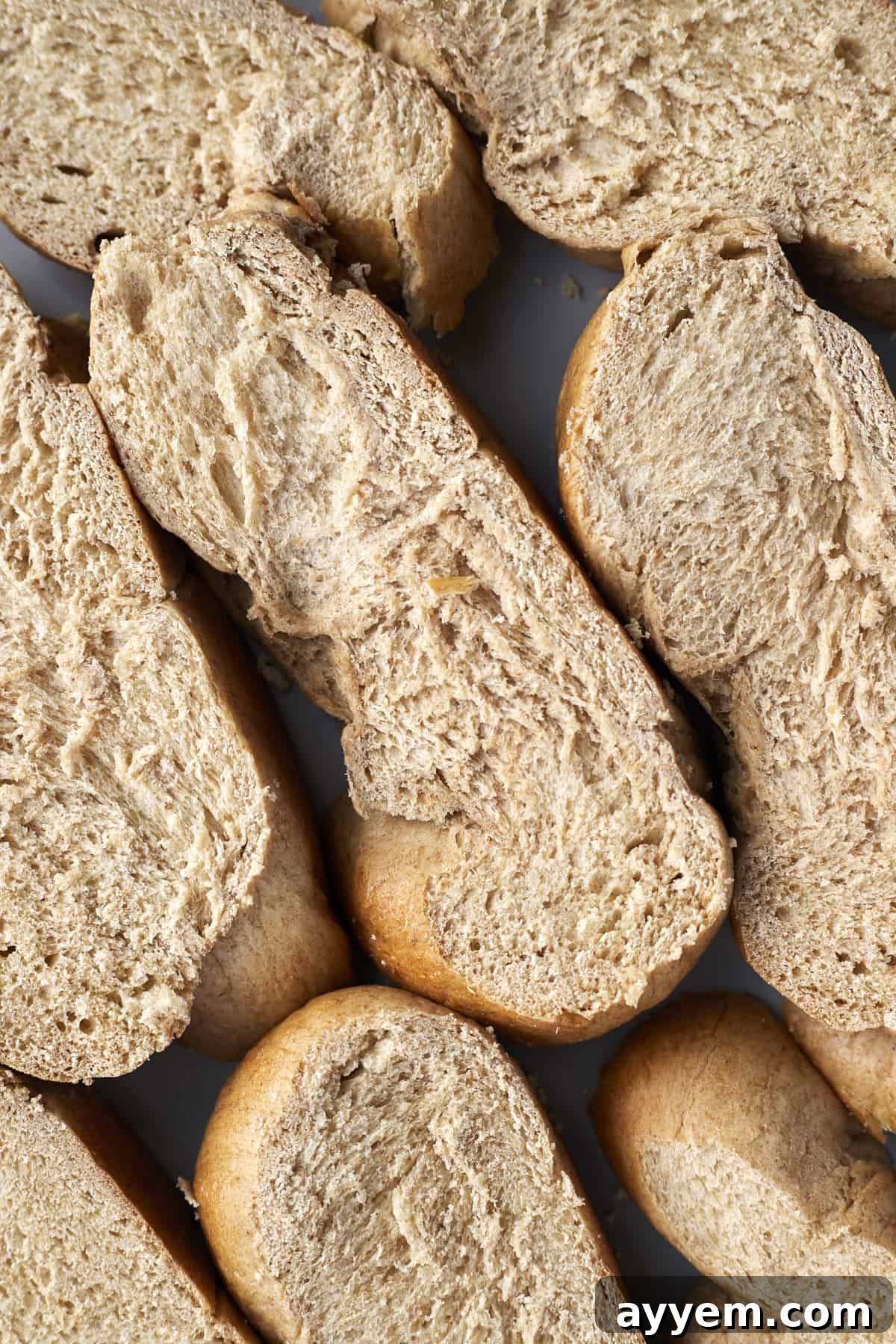
The choice of bread is paramount to the success of your French toast. For our recipe, we have a profound appreciation for **challah bread**, and for good reason. Challah is a traditional Jewish braided bread, renowned for its rich, slightly sweet flavor, its incredibly soft and fluffy interior, and its beautiful golden crust. Its unique texture, enriched with eggs and often a touch of sugar, makes it exceptionally absorbent, allowing it to soak up the egg custard beautifully without becoming mushy. This creates a wonderfully tender and flavorful French toast that truly stands out.
A secret weapon for superior French toast is using slightly stale bread. When bread is a day or two old, it loses some of its moisture, making it firmer and more porous. This improved porosity allows it to absorb even more of the delicious egg wash, resulting in a more custardy and less soggy final product. If you only have fresh challah, you can quickly achieve a similar effect by slicing it and then toasting it lightly in a low oven (around 250°F or 120°C) for about 10-15 minutes, or simply leaving it exposed to the air for a few hours before soaking. Other excellent bread choices include brioche, thick-cut white bread, or Texas toast, all of which offer a good balance of firmness and absorbency.
The Custard (Egg Wash): The Heart of French Toast
The egg wash is what transforms ordinary bread into French toast. It’s a deceptively simple mixture, but its composition is key to that signature taste and texture. Our classic custard combines:
- Eggs: Provide the binding and richness, creating a delicate crust during baking and contributing to the custardy interior.
- Milk: Adds moisture and tenderness, preventing the French toast from drying out and enhancing the creamy texture. Whole milk is preferred for its richness, but any milk will work.
- Flavorings: A generous splash of **vanilla extract** infuses a warm, comforting aroma and taste. **Ground cinnamon** adds a delightful spice, synonymous with classic French toast. A **pinch of salt** is often overlooked but crucial, as it balances the sweetness and enhances all the other flavors, preventing the French toast from tasting flat.
The key here is to whisk these ingredients thoroughly until completely combined and smooth. A uniform custard ensures that every part of the bread gets an even coating, leading to consistent flavor and perfect baking across all your slices.
The Sweet Touch: A Hint of Caramelization
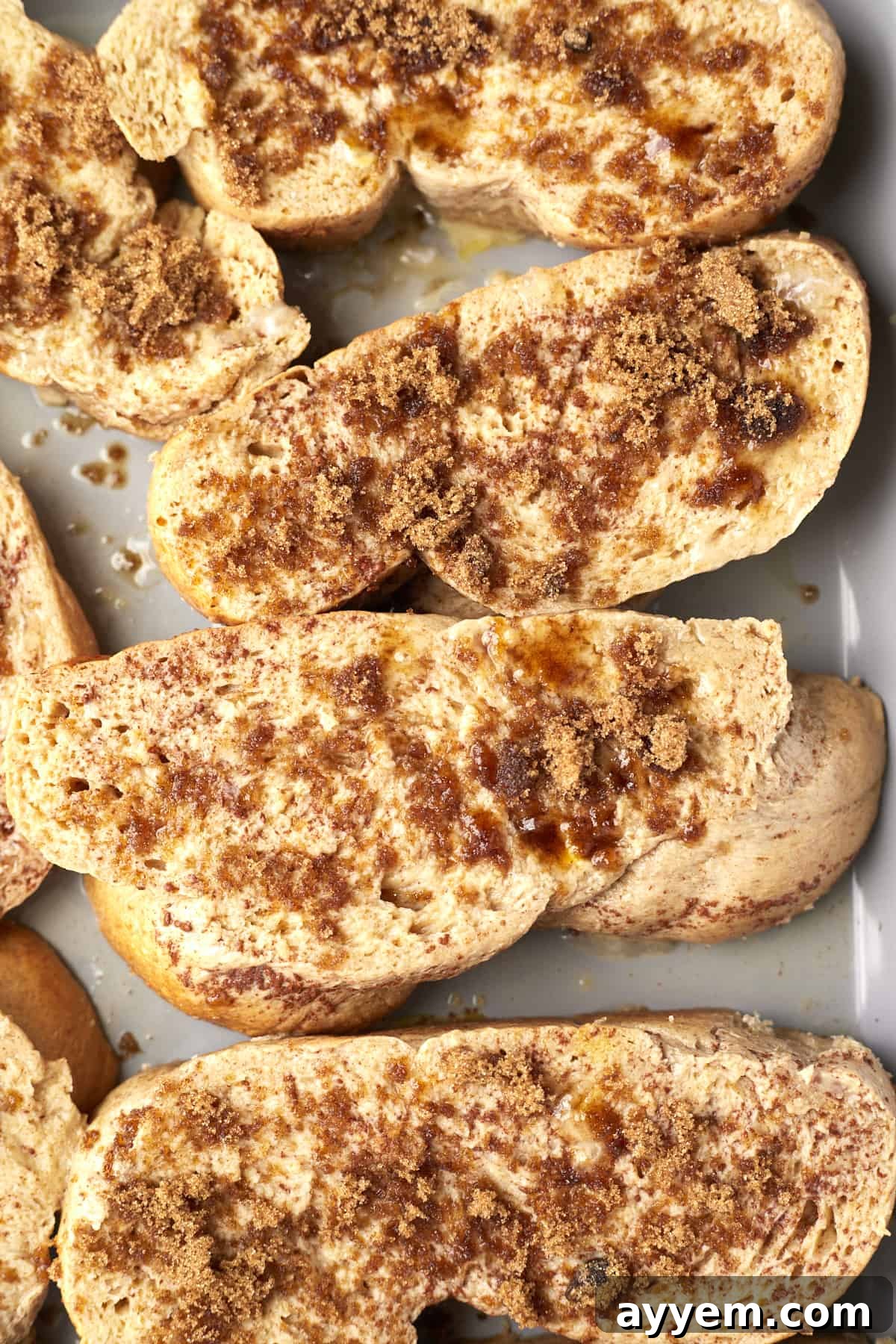
While maple syrup is the traditional finishing touch, incorporating a bit of sweetness before baking adds another layer of flavor and texture. A sprinkle of **light brown sugar** over the top of your French toast slices before they go into the oven is a game-changer. As it bakes, the brown sugar melts and caramelizes, creating a wonderfully crisp, sweet, and slightly chewy crust that is utterly irresistible. This caramelization adds depth and a beautiful golden-brown finish, elevating the entire dish. You can also experiment with a dusting of granulated sugar or a very light drizzle of maple syrup directly on the bread before baking for similar effects, though brown sugar provides the best texture contrast.
Step-by-Step Guide: How to Make Our Easy Sheet Pan French Toast
Creating this delicious **Oven Baked French Toast** is surprisingly straightforward. Follow these simple steps for a perfect batch every time, ensuring a stress-free and delightful breakfast:
- Preheat Your Oven: Start by preheating your oven to **350 degrees Fahrenheit (175°C)**. This ensures your French toast bakes evenly from the moment it enters the oven, contributing to that perfect golden finish. If your sheet pan isn’t non-stick, a light coating of cooking spray or butter will prevent sticking.
- Prepare the Challah Bread: Using a sharp serrated knife, slice your challah bread into uniform **3/4-inch thick slices**. This thickness is ideal because it allows the bread to thoroughly absorb the egg wash without becoming flimsy, yet isn’t so thick that it remains dry in the center. Consistent slices also ensure even cooking.
- Whisk the Rich Custard: In a medium-sized bowl or a large measuring cup (one with a pouring spout makes this step even easier), combine the wet ingredients and flavorings. Add **4 large eggs**, **1 cup of whole milk**, **1/2 teaspoon of ground cinnamon**, a **pinch of salt**, and **2 teaspoons of vanilla extract**. Whisk vigorously until all the ingredients are thoroughly combined and the mixture is smooth and uniform. This ensures that every bite of French toast will be infused with rich flavor.
- Create the Soaking Bed: Pour the whisked egg custard evenly into the bottom of a **13×9 inch non-stick baking sheet**. Make sure the custard covers the entire surface of the pan, creating a shallow pool for the bread to soak in.
- Soak the Bread for Perfection: Carefully arrange each slice of your challah bread onto the egg wash in the baking sheet. Allow the bread to sit for a couple of minutes on one side to begin absorbing the liquid. Then, gently flip each slice over to ensure both sides are thoroughly saturated with the custard. This on-pan soaking method is not only efficient but also ensures that the bread absorbs just the right amount of liquid without becoming overly soggy.
- Add the Caramelized Topping: Once the slices are well-soaked, generously **sprinkle 1/2 cup of light brown sugar** evenly over the top of all the French toast slices. The brown sugar will melt and caramelize during baking, adding a delicious sweet crust and a beautiful golden-brown color.
- Bake to Golden Perfection: Carefully transfer the baking sheet to your preheated oven. Bake for approximately **11-12 minutes**, or until the tops of the French toast slices are golden brown, slightly puffed, and the custard is set. The exact timing may vary slightly depending on your oven, so keep an eye on them.
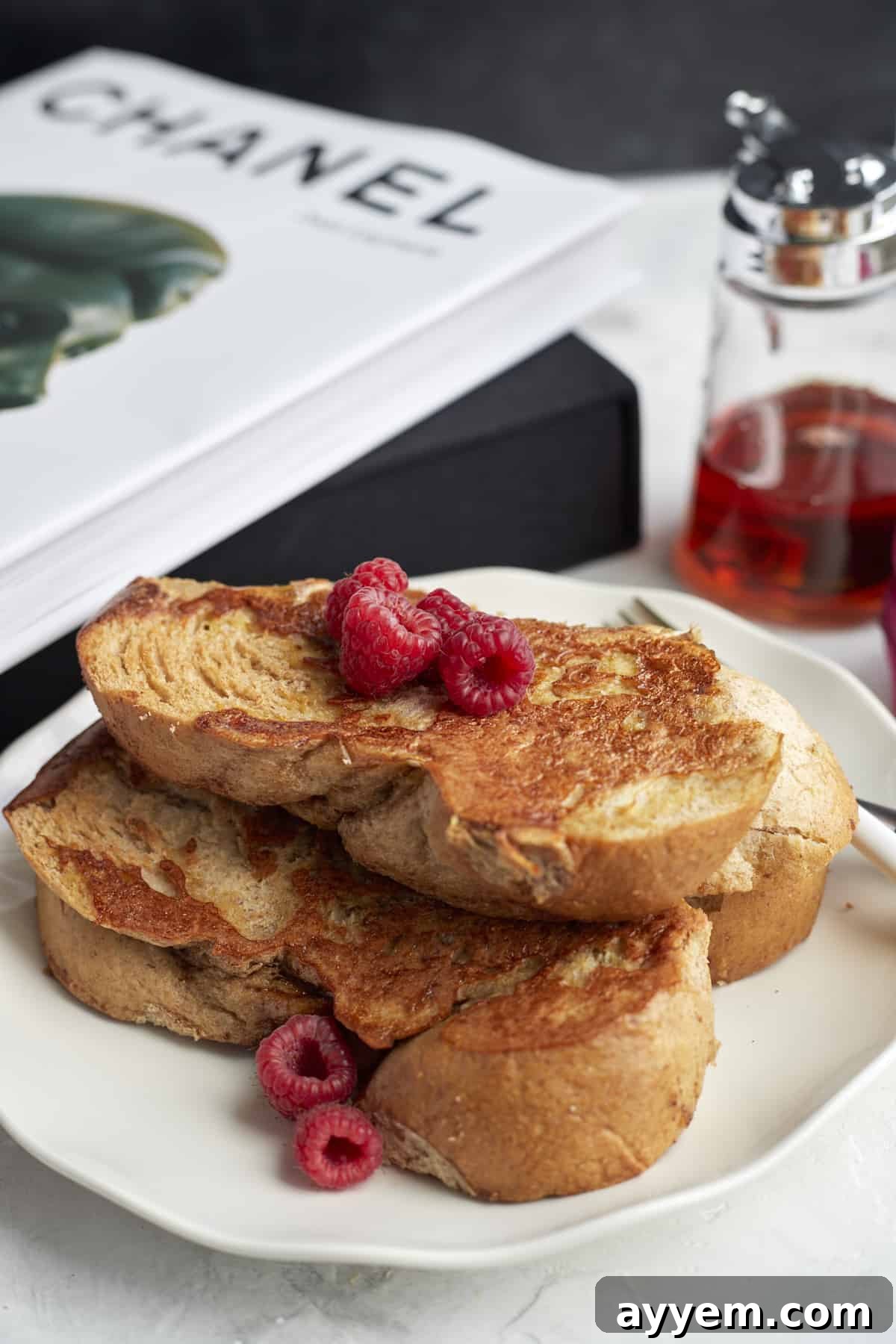
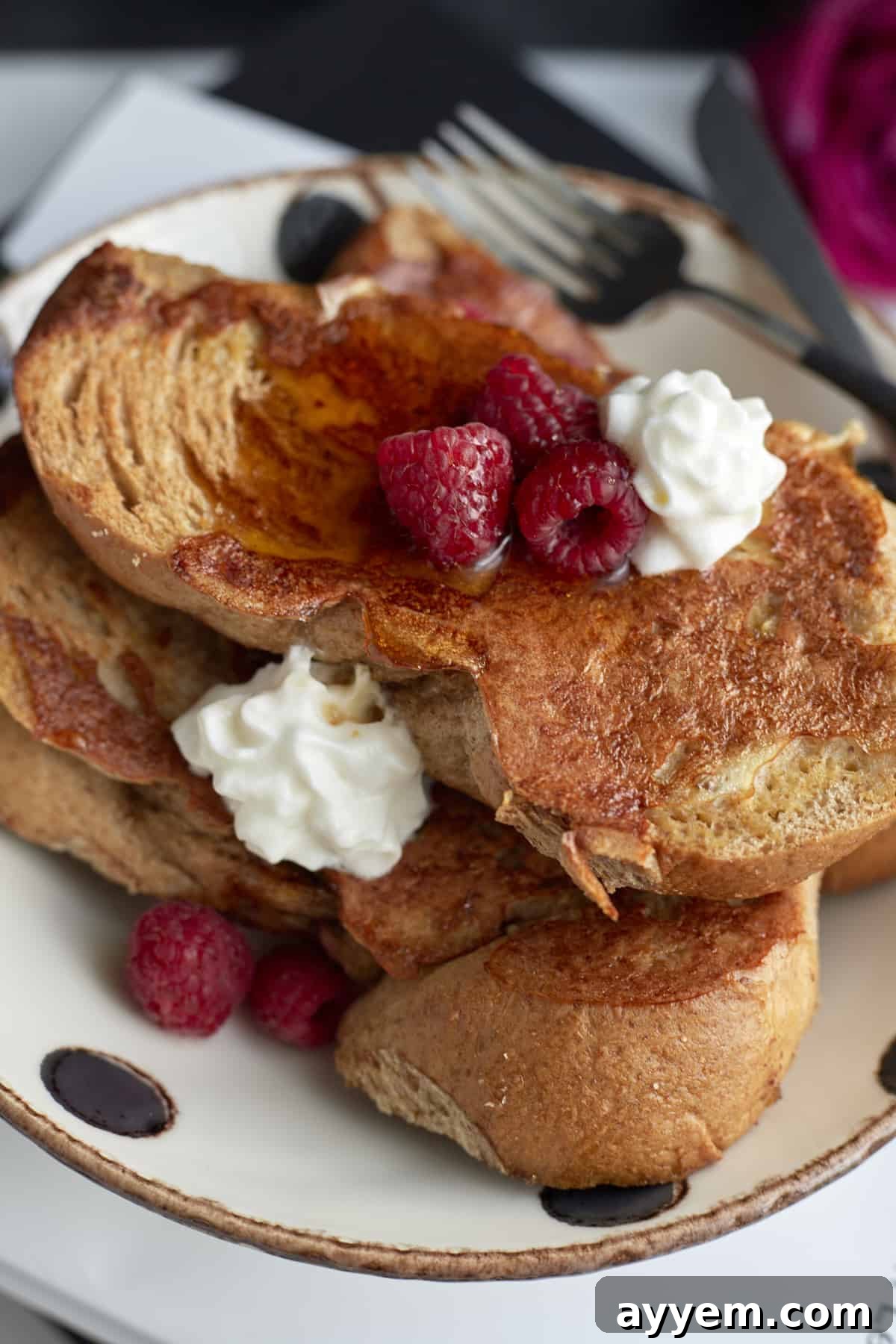
- Serve Warm and Enjoy: Once baked, remove the Sheet Pan French Toast from the oven. Serve immediately while warm, piled high with your favorite toppings. A drizzle of rich maple syrup, a handful of fresh berries (like raspberries or blueberries), a dollop of whipped cream, or a dusting of powdered sugar are classic and delightful choices. Enjoy your effortlessly decadent breakfast!
Storing and Reheating Your Baked French Toast
One of the many advantages of our **Easy Sheet Pan French Toast** is how wonderfully it stores and reheats, making it an excellent candidate for meal prep or enjoying leftovers. Preparing a large batch means you can enjoy a quick and delicious breakfast even on the busiest weekdays.
To store any leftover French toast, allow the slices to cool completely to room temperature. This is crucial to prevent condensation, which can make the French toast soggy. Once cooled, arrange them in a single layer or stack them with parchment paper in between slices inside an **airtight container**. Store in the refrigerator for up to 3-4 days.
When you’re ready to enjoy them again, reheating is a breeze:
- Oven Method (Recommended for crispiness): For the best texture, preheat your oven to 350°F (175°C). Place the French toast slices in a single layer on a baking sheet. Heat for 5-10 minutes, or until warmed through and the edges are slightly crisp. This method helps restore some of that freshly baked quality.
- Microwave Method (Quickest): If time is of the essence, you can microwave individual slices for 30-60 seconds, or until heated through. Be aware that the microwave tends to make French toast softer rather than crispy.
- Toaster Oven/Air Fryer Method: A toaster oven or air fryer works wonderfully for reheating individual slices, delivering crisp edges in just a few minutes. Set to 350°F (175°C) and heat for 3-5 minutes.
No matter how you reheat it, your **make-ahead breakfast** will be ready to top and enjoy in minutes!
Frequently Asked Questions About Sheet Pan French Toast
Sheet pan French toast is a versatile canvas for an array of delightful toppings! Classic choices include warm maple syrup, a dusting of powdered sugar, and a generous dollop of whipped cream. For fruit lovers, fresh berries (strawberries, blueberries, raspberries), sliced bananas, or a warm fruit compote (like apple cinnamon or mixed berry) add natural sweetness and vibrant color. For an extra touch of indulgence, consider chocolate chips, a drizzle of Nutella, or a sprinkle of chopped nuts (pecans, walnuts) for crunch. Savory enthusiasts might enjoy a side of crispy bacon or sausage, or even a creative pairing with avocado and a touch of chili flakes for an unexpected twist!
The primary difference lies in their structure and cooking method. **Sheet pan French toast** involves individual slices of bread laid flat on a baking sheet, allowing them to cook evenly with more surface area exposed. This typically results in a delightful balance of a crispy exterior and a tender, custardy interior. **French toast casserole**, on the other hand, usually features bread cubed or torn into pieces, often arranged in a deeper baking dish, with the custard poured over and thoroughly absorbed. Casseroles are generally more uniform in texture, often softer and more custardy throughout, and commonly include mix-ins like cream cheese or fruit baked directly into the dish. Sheet pan versions tend to cook faster and offer distinct slices, while casseroles are ideal for a softer, scoopable presentation.
Absolutely! You can create a delicious egg-free sheet pan French toast using plant-based alternatives. A popular substitution involves a mixture of mashed bananas (for binding and sweetness), your favorite plant milk (almond, soy, oat), a small amount of cornstarch or flax egg (1 tablespoon ground flaxseed meal mixed with 3 tablespoons water, let sit for 5 minutes) for thickening, and of course, vanilla and cinnamon for flavor. Another option is silken tofu blended with plant milk and spices, which provides a creamy, custardy texture. While the texture might be slightly different from traditional egg-based French toast, with the right flavor profile, it will still be a wonderfully comforting breakfast!
Preventing soggy French toast is key to success! Here are a few tips: Use slightly stale bread, as it absorbs the custard better without breaking down. If your bread is fresh, lightly toast it in a low oven or leave it out for a few hours. Don’t over-soak the bread; a few minutes on each side is usually sufficient for challah. Ensure your **oven is fully preheated** to the correct temperature before placing the pan inside, as a hot oven sets the custard quickly. Finally, **avoid overcrowding the sheet pan**. Leave a little space between slices to allow for proper air circulation and even baking, which helps the edges crisp up rather than steaming.
Sheet Pan French Toast
Food Dolls
8 servings
10 mins
12 mins
22 mins
Ingredients
- 1 loaf challah bread
- 4 large eggs
- 1 cup whole milk
- 1/2 teaspoon ground cinnamon
- pinch of salt
- 2 teaspoons vanilla extract
- 1/2 cup light brown sugar
Instructions
-
Preheat oven to 350 degrees Fahrenheit (175°C).
-
Slice the challah bread into 3/4-inch slices.
-
In a small bowl or large measuring cup, combine 4 large eggs, 1 cup whole milk, 1/2 teaspoon ground cinnamon, a pinch of salt, and 2 teaspoons vanilla extract. Whisk thoroughly until smooth.
-
Pour the egg wash evenly into the bottom of a non-stick 13×9 baking sheet.
-
Place each slice of challah bread onto the egg wash. Allow it to sit for a couple of minutes to absorb the liquid, then gently flip each slice over to ensure both sides are saturated.
-
Sprinkle 1/2 cup of light brown sugar evenly over the top of the French toast slices.
-
Bake for 11-12 minutes, or until the top is golden brown and the custard is set.
-
Serve warm with maple syrup, fresh fruit, and whipped cream!
Video
Nutrition
Nutrition information is automatically calculated, so should only be used as an approximation.
Like this recipe?
Please leave a comment!
We hope this comprehensive guide inspires you to try our **Sheet Pan French Toast** and transform your breakfast routine. It’s a testament to how simple yet incredibly satisfying a meal can be when prepared with a bit of clever thinking. Enjoy the ease, savor the flavors, and relish those extra moments saved, proving that delicious doesn’t have to mean difficult. Happy baking!