
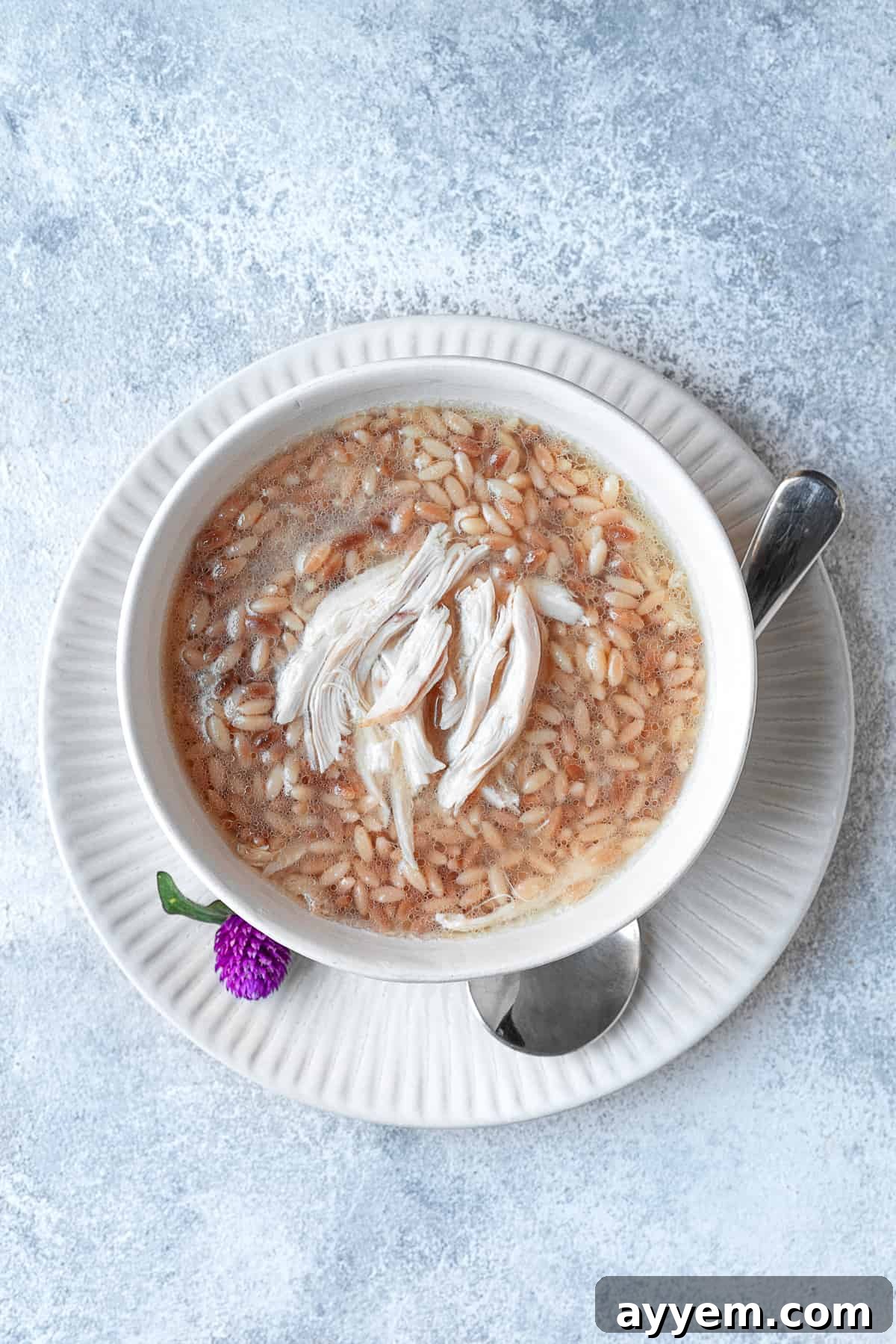
Welcome to the heartwarming world of Middle Eastern Orzo Soup, a culinary gem known in Egypt as Shorbet Lesan El Asfour. This isn’t just a recipe; it’s an invitation to a tradition of comfort, flavor, and family. Beyond its deeply satisfying taste, this classic Egyptian soup is remarkably kind to your wallet, incredibly fast to prepare, and generously portioned to delight everyone at your table. Whether you’re seeking a soul-soothing solo meal or a robust starter for a larger feast, this orzo soup promises a warm embrace that will earn rave reviews from all who taste it.
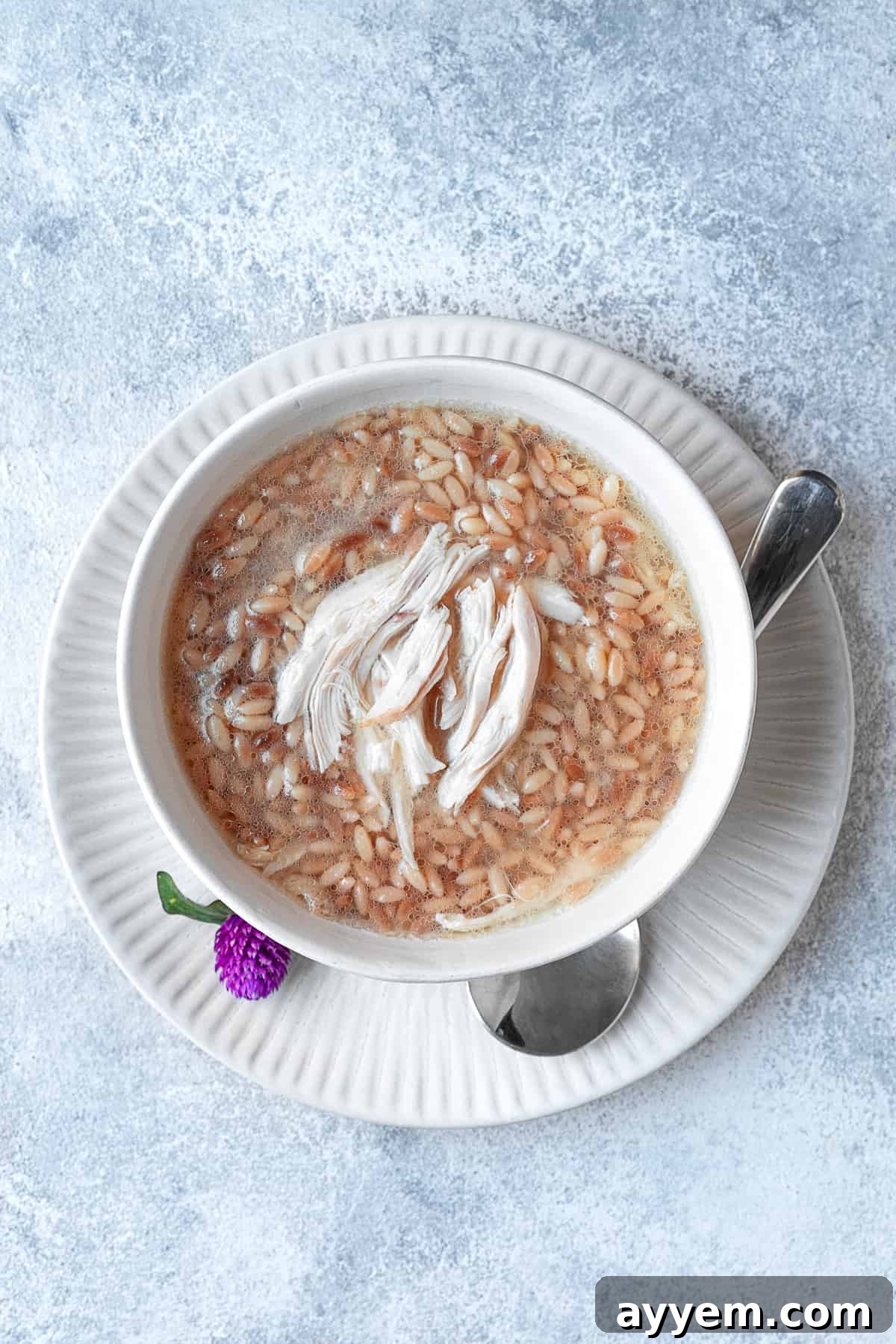
Why You’ll Love Middle Eastern Orzo Soup
For many, this hearty and comforting Egyptian classic is more than just food; it’s a cherished memory, a taste of childhood, and a cornerstone of family gatherings. We practically grew up with this soul-warming delight, a tradition passed down through generations that continues to thrive in our homes today. Each spoonful transports you back to simpler times, making it a truly nostalgic experience. This isn’t just about tradition, though; it’s about a dish that stands the test of time, consistently delivering immense satisfaction. Packed with wonderfully aromatic spices and generous portions of tender chicken, it’s the ultimate antidote to a chilly winter day, hitting just the right spot every time.
But the reasons to adore Shorbet Lesan El Asfour don’t stop there. It’s a versatile marvel, equally perfect as a grand feast for the entire family or a brilliant choice for meal prepping, ensuring delicious and wholesome lunches or dinners for days to come. Its universal appeal and ease of preparation make it a clear winner in any kitchen. To sum it up, this incredible soup is:
- Effortlessly Simple to Make: Don’t be intimidated by its rich flavor; the cooking process is straightforward and enjoyable.
- Wholesome and Hugely Filling: Loaded with protein and pasta, it provides sustained energy and deep satisfaction.
- Budget-Friendly and Economical: Made with readily available, affordable ingredients, it’s a smart choice for any household.
- Even More Flavorful the Next Day: Like many great soups, the flavors meld and deepen overnight, making leftovers a highly anticipated treat.
What Is Orzo?
One of the most frequently asked questions we encounter about this dish is, “Is orzo pasta or rice?” It’s a perfectly valid question, given its deceptive appearance! At first glance, its small, grain-like shape might lead you to believe it’s a type of rice. However, despite its visual similarity to a grain, orzo is unequivocally a member of the pasta family. In Italy, where it originated, it’s often affectionately referred to as pastina, a term used for various small pasta shapes.
The name “orzo” itself offers a clue to its appearance, as it translates directly to “barley” in Italian. This nomenclature perfectly describes its resemblance to the barley grain. Traditionally, orzo is crafted from a blend of durum wheat semolina flour, though some pasta manufacturers may also use white flour or even whole grain flour to create different varieties. For those with dietary restrictions, gluten-free versions of orzo are also increasingly available in many stores. After the dough is expertly formed and rolled out, it is then meticulously punched into its characteristic oblong shape. Once cooked, orzo develops a delightful, slightly chewy texture that is indeed reminiscent of rice, making it a fantastic and unique addition to a wide array of dishes, particularly in comforting soups like Shorbet Lesan El Asfour.
How Did Shorbet Lesan El Asfour Get Its Name?
Unraveling the name of this delightful soup reveals a charming linguistic and cultural insight. “Shorbet” is an Arabic word that quite simply means “soup.” Therefore, whenever you encounter the word “shorbet” preceding a recipe, as in our equally scrumptious Shorbet Ads (Egyptian Lentil Soup), you can immediately deduce that the dish in question is a soup. This foundational understanding sets the stage for the rest of the name.
The latter part, “Lesan El Asfour” (which you might also see spelled as Lisan al-asfour), directly translates to “bird’s tongue.” Before you fret, rest assured that you won’t find any actual avian tongues among the ingredients for this recipe! The name is purely an homage, cleverly inspired by the distinct shape of the orzo pasta used to complete the dish. If you take a moment to examine a single piece of orzo closely, you will observe its slender, elongated form, which indeed bears a striking resemblance to a tiny bird’s tongue. It’s a poetic and descriptive name that perfectly captures the essence of this unique pasta shape.
So, when you combine these two words, “Shorbet Lesan El Asfour” literally means “bird’s tongue soup.” However, for convenience and simplicity, many often refer to it simply as “orzo soup.” Regardless of what you choose to call this beloved recipe, its exceptional taste and comforting nature remain constant, always delivering a satisfying and flavorful experience.
When to Enjoy Shorbet Lesan Al Asfour
Shorbet Lesan El Asfour holds a special place in the hearts and homes of many, particularly during significant cultural and family moments. Each year, as the holy month of Ramadan begins, we eagerly anticipate gathering around the table with our loved ones to share this exquisite soup during Iftar. Iftar is the cherished mealtime that takes place after sundown, marking the breaking of our fast each night. It is a profoundly spiritual and communal time, fostering faith, gratitude, and togetherness with families throughout this sacred month. The warmth and nourishment of Shorbet Lesan El Asfour make it an ideal dish to gently break the fast, providing comfort and strength after a day of abstinence.
Beyond Ramadan, this delightful orzo soup remains a constant favorite in our regular meal rotation, especially during the colder months. Its ability to provide warmth, comfort, and deep nourishment with every bowl makes it a perfect choice for the wintertime, akin to the universal appeal of chicken noodle soup. Its rich, aromatic broth and tender chicken and pasta create a truly satisfying and wholesome experience, making it a go-to dish for weeknight dinners, weekend lunches, or any occasion that calls for a comforting embrace.
Moreover, Shorbet Lesan El Asfour has long been considered the ultimate remedy when you’re feeling under the weather. Our mothers lovingly prepared it for us when we had colds as children, a tradition we proudly continue today for our own children. Its hydrating broth, easily digestible pasta, and nourishing chicken offer a soothing balm for sore throats and a gentle boost to recovery. It’s a testament to the soup’s intrinsic health benefits and its enduring role as a staple of care and comfort.
Essential Ingredients for Middle Eastern Orzo Soup
The beauty of this recipe lies in its simplicity. A handful of common ingredients, combined with a few key Middle Eastern spices, converge to create a flavor profile that is truly unique and utterly irresistible. We are confident you are going to fall in love with this combination! Here’s a closer look at everything you’ll need to bring this comforting soup to life:
- Whole Chicken: The star of the show! Utilizing a whole chicken, especially one with bones and skin, is crucial. It not only provides a substantial protein component, transforming the soup into a complete and satisfying meal, but also infuses the broth with unparalleled richness and depth of flavor. The fat from the dark meat renders beautifully, contributing to a savory and comforting base.
- Onion: A foundational aromatic, the onion is essential for building a robust flavor base for the broth. When simmered, it releases its sweet and savory notes, enhancing the overall complexity of the dish. Beyond its flavor contributions, onions also offer a subtle boost to the soup’s fiber content.
- Seasonings and Flavor Enhancers: This is where the soup truly shines with its distinctive Middle Eastern character.
- Cardamom Pods: These aromatic pods release a wonderfully earthy, slightly citrusy, and sweet perfume into the broth as they simmer, adding a depth that is irreplaceable.
- Ground Cardamom: A touch of ground cardamom further enhances the warm, exotic spice profile, ensuring the flavor is present in every spoonful.
- Salt & Black Pepper: Fundamental for seasoning, these elevate all the other flavors, making them pop. Remember to taste and adjust!
- Bay Leaves: These classic aromatics contribute a subtle, herbal, and slightly floral note to the broth, rounding out the savory profile.
- Mastic Gum: A truly unique ingredient, mastic gum adds a refreshing, piney, and subtly floral aroma, giving the broth an authentic touch that sets this soup apart.
- Water: The humble base of our incredible broth. As the chicken and aromatics simmer, the water transforms into a golden, flavorful liquid that forms the heart of the soup, perfectly cooking the orzo until it’s tender.
- Toasted Orzo Pasta: While often simply boiled, toasting the orzo beforehand is a game-changer for this recipe. It imparts a delightful nutty flavor and helps the pasta retain its structure, preventing it from becoming overly mushy in the broth. As a carb-rich ingredient, orzo ensures this soup is wonderfully filling and satisfying.
Crafting Middle Eastern Orzo Soup: A Step-by-Step Guide
While the rich flavors and traditional essence of this Middle Eastern Orzo Soup might suggest a complex culinary endeavor, you’ll be pleasantly surprised to discover how straightforward it is to prepare. With a little guidance, you’ll master this recipe in no time. Follow these simple steps to create a truly authentic Shorbet Lesan El Asfour:
- Prepare the Broth Base: Begin by pouring 6-8 cups of water (or enough to fully submerge your chicken) into a large, sturdy stockpot. Add the quartered onion, whole cardamom pods, ground cardamom, bay leaves, mastic gum, kosher salt, and ground black pepper. Bring this mixture to a rolling boil over high heat. For easier removal later, consider placing the bay leaves, whole cardamom pods, and mastic gum into a small mesh spice bag or cheesecloth sachet before adding them to the pot.
- Cook the Chicken: Once the water is boiling vigorously, carefully add the cleaned whole chicken to the pot, ideally breast side up. Reduce the heat to medium-high, then cover the pot with a lid. Allow the chicken to simmer gently for approximately 1 hour, or until it reaches a safe internal temperature of 165 degrees Fahrenheit (74 degrees Celsius). Ensure the lid is slightly ajar or has a vent to allow steam to escape.
- Remove Chicken and Aromatics: Once the chicken is thoroughly cooked, carefully remove it from the pot and set it aside on a plate. At this point, also retrieve and discard the cooked onion, bay leaves, cardamom pods, and mastic gum from the broth. The aromatic essences will have already infused the liquid, and these solid pieces are no longer needed.
- Toast the Orzo: In a separate, dry skillet or medium-sized pan, add the 8 ounces of orzo pasta. Toast the orzo over low heat, stirring frequently, for about 1-2 minutes. Continue until the pasta turns a light golden-brown and releases a fragrant, nutty aroma. This crucial step enhances flavor and helps prevent the orzo from becoming mushy.
- Cook the Orzo: Bring the chicken broth in the stockpot back to a gentle simmer. Add the toasted orzo pasta directly into the simmering broth. Cook the orzo on low heat for approximately 8 minutes, or according to package instructions, until it reaches an al dente texture – tender but with a slight bite.
- Shred the Chicken: While the orzo is cooking, use two forks to shred the cooked chicken into bite-sized pieces. Alternatively, you can slice the chicken into larger portions if you prefer to serve it on the side of the soup.
- Combine and Serve: Once the orzo is cooked to perfection, stir the shredded chicken back into the soup. Ladle the hot Shorbet Lesan El Asfour into individual bowls. Serve immediately, garnished with a generous squeeze of fresh lime juice (or lemon for a brighter note) and a sprinkle of fresh chopped herbs, such as parsley, for added color and freshness. Enjoy!
Mastering Shorbet Lesan El Asfour: Essential Preparation Tips
Having perfected this cherished recipe over countless years, we’ve gathered a wealth of insights and techniques to ensure your Shorbet Lesan El Asfour is nothing short of spectacular. Consider us your culinary mentors, guiding you past common pitfalls and straight to success. Why spend ages troubleshooting when we’ve already done the groundwork? Here are our tried-and-true tips, shared to help you achieve a truly authentic and delicious result:
- Thorough Chicken Preparation: Before you begin cooking, it’s paramount to prepare your whole chicken properly. Ensure it is meticulously cleaned, inside and out. This includes rinsing it under cold water and carefully removing any giblets or excess fat. This foundational step guarantees a clean-tasting and fresh broth.
- Strategic Aromatic Bundling: To streamline the cooking process and avoid a frustrating hunt for spices later, we highly recommend wrapping the bay leaves, whole cardamom pods, and mastic gum in a small mesh spice bag or a piece of cheesecloth tied with kitchen twine. Think of it as creating a “tea bag” for your soup. This allows the aromatics to infuse the broth with their incredible flavors while making their removal effortless once their job is done.
- Allow for Steam Venting: When simmering the chicken, it’s crucial to prevent excessive pressure buildup and ensure proper evaporation. If your stockpot lid has a small steam vent hole, utilize it. If not, simply set the lid slightly askew, leaving a small gap. This allows steam to escape steadily throughout the cooking process, preventing condensation from dripping back into the pot and helping to concentrate the flavors of your rich broth.
- Season Generously and Taste Frequently: Salt is a flavor enhancer, not just a seasoning. A common mistake is not adding enough. If the broth tastes bland or uninspired, it likely needs more salt. Start with the recommended amount, but make sure to taste the soup at various stages, especially after the chicken has cooked and again once the orzo has been added. Adjust the seasoning as needed to achieve a perfectly balanced and flavorful broth. A well-seasoned broth is the cornerstone of this magnificent soup.
- Don’t Skip the Toasted Orzo: As mentioned in the instructions, toasting the orzo is not an optional step; it’s essential. This simple technique imparts a delightful nutty depth to the pasta and helps it maintain its texture, preventing it from turning mushy when submerged in the hot broth. It adds a layer of flavor and integrity that elevates the entire dish.
Demystifying Cardamom: Pods vs. Ground Spice
In our culinary playbook, cardamom is an exquisitely aromatic spice that is often profoundly underrated, particularly in savory applications. Hailing originally from the lush landscapes of India and Indonesia, its complex flavor profile can best be described as an enchanting blend of earthy, slightly piney, citrusy, and subtly sweet notes. This unique combination makes it an absolute gem for savory recipes, providing a warmth and depth that few other spices can match. What makes cardamom particularly fascinating is its dual utility in cooking: it is commonly used in both its whole pod form and as a finely ground spice.
Cardamom Pods: These whole pods function similarly to bay leaves, in that their primary purpose is to infuse flavor into soups, stews, and broths as they gently simmer. The outer shell protects a cluster of tiny, intensely aromatic black seeds. While these seeds hold a potent, concentrated flavor, accidentally biting into a whole cardamom pod is generally not a pleasant experience due to its intense, sometimes bitter, and almost medicinal taste. However, when left to slowly release its essence into a simmering liquid, the flavor mellows beautifully, softening and expanding to harmoniously round out and deepen the overall taste of the dish. They are often removed before serving.
Ground Cardamom: In contrast, ground cardamom offers a much milder, yet still wonderfully fragrant, flavor. This difference in intensity is largely attributed to the processing. The drying and grinding process effectively breaks down the cell walls and exposes the delicate essential oils within the seeds, which are responsible for the fresh, bright, and less bitter notes. While the whole pods are for a slow, deep infusion, ground cardamom is typically added later in the cooking process or as a finishing spice to contribute a more immediate and pervasive aroma and taste. It provides a nuanced layer of flavor that, in many ways, can be considered the “cherry on top” for dishes like orzo soup. The soup simply wouldn’t be complete, nor possess its signature warmth, without the inclusion of ground cardamom.
Unveiling Mastic Gum: A Unique Aromatic
Mastic gum is a fascinating and ancient ingredient, particularly prominent in Mediterranean and Middle Eastern cuisines. It is essentially a sticky, aromatic, sap-like resin, harvested from the mastic tree (Pistacia lentiscus) found primarily on the Greek island of Chios. When it first exudes from the tree, it’s a clear liquid, which then hardens into irregular, translucent, yellowish “tears” or crystals.
In its culinary application, mastic possesses a truly distinctive flavor profile. It offers a refreshing, slightly piney, resinous, and subtly floral taste, with a hint of citrus. This complex aroma adds an incredible depth and a unique brightness to dishes, making it a prized ingredient in both sweet and savory preparations. In Shorbet Lesan El Asfour, small pieces of mastic gum are typically added to the broth to infuse it with its characteristic fragrance, elevating the soup to another level of authentic Middle Eastern flavor. Beyond its unique taste, mastic gum is also celebrated for a range of potential health benefits, which have been recognized since ancient times. You can explore more about its uses and advantages here.
Storing Your Shorbet Lesan El Asfour: Tips for Freshness
While Shorbet Lesan El Asfour is undoubtedly a superstar enjoyed fresh right off the stove, careful consideration is needed when storing leftovers, particularly due to the orzo pasta. The orzo, being a small pasta, tends to absorb more liquid over time. After a couple of days in the refrigerator, it might swell and become a bit too soft and mushy for some palates.
If you’re a forgiving type who doesn’t mind a softer pasta texture, you can safely store the complete soup in an airtight container in the refrigerator for 3-5 days. Simply reheat gently on the stovetop or in the microwave.
However, for a truly optimal leftover experience that preserves the orzo’s al dente texture and the soup’s fresh taste, we recommend a clever storage strategy: prepare the soup, but leave out the orzo. Once the chicken broth with its shredded chicken is cooled, transfer it to an airtight container and freeze it for up to 3 months. When you’re ready to enjoy it, simply thaw the frozen broth in the refrigerator overnight. Then, warm the broth on the stovetop, and only add fresh, untoasted orzo directly to the simmering broth. Cook the orzo according to package directions until al dente. In a matter of minutes, you’ll have a bowl of Shorbet Lesan El Asfour that tastes just as vibrant and comforting as if it were freshly made!
Common Questions about Middle Eastern Orzo Soup
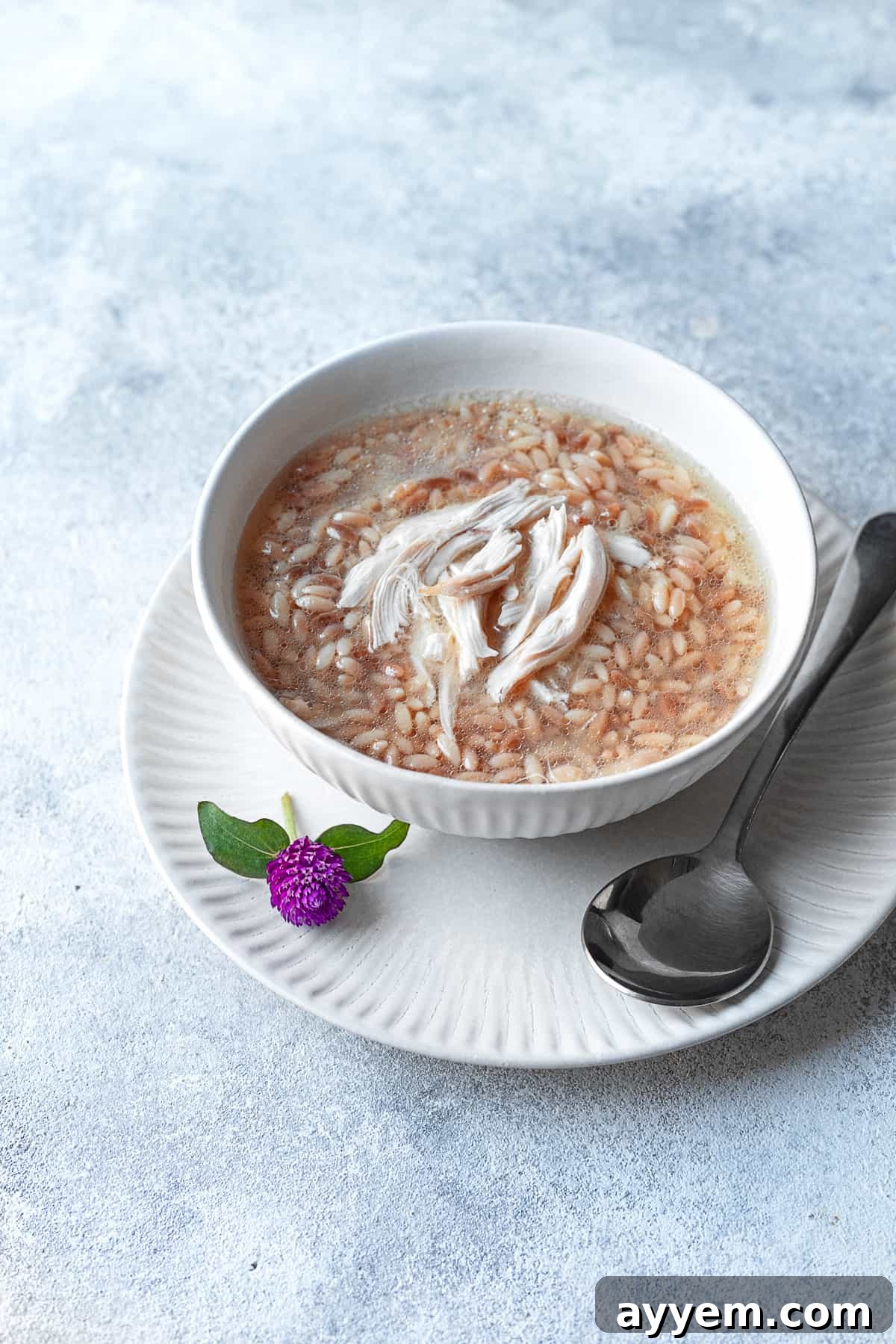
We love serving this soup piping hot in deep bowls, accompanied by plenty of fresh, crusty bread for dipping—warm pita bread is an absolute dream. Offering fresh lime or lemon wedges allows everyone to add a bright, zesty squeeze to their individual serving, enhancing the flavors. A light sprinkle of fresh parsley on top not only adds a lovely pop of color but also a burst of herbaceous freshness.
While they share the comforting characteristics of a brothy soup with chicken and pasta, Shorbet Lesan El Asfour and classic chicken noodle soup are more like cousins than twins! The key distinction lies in their aromatic profiles. Shorbet Lesan El Asfour boasts a warm, complex spice blend featuring notes from cardamom, bay leaf, and often a hint of mastic, which provides a unique, aromatic depth typically absent in Western chicken noodle soups. Additionally, orzo pasta is significantly smaller than the traditional egg noodles found in chicken noodle soup, giving the Egyptian version a distinct and refined texture.
Absolutely! This soup is incredibly versatile. To make it vegetarian, simply omit the chicken entirely. For a more substantial and protein-rich vegetarian version, you can add cooked chickpeas or red lentils to the simmering broth. To further deepen the flavor without meat, we highly recommend using a rich vegetable broth instead of just water as the base.
We certainly consider this soup to be quite healthy and wholesome! When prepared with lean chicken, it’s packed with quality protein, and the generous amount of savory broth is incredibly hydrating. It’s a nourishing meal that provides comfort without being overly heavy, making it a fantastic option for a balanced diet.
Explore More Delightful Orzo Recipes
If Shorbet Lesan El Asfour has captured your heart and taste buds, prepare for a delightful culinary journey into the world of orzo! We’re thrilled to share that our recipe collection is brimming with an array of equally warm, comforting, and incredibly flavorful dishes featuring this versatile pasta. These recipes are just waiting to become cherished additions to your weekly menu or an exciting part of your meal prep routine.
- Our Egyptian Orzo Pasta offers a non-soup interpretation of this beloved dish, delivering all the rich flavors in a wonderfully satisfying pasta format that is absolutely to die for!
- If you’re seeking a meal that’s both easy and incredibly flavorful, look no further than our One Pot Mediterranean Orzo Pasta. It’s a hands-off delight that promises maximum taste with minimal cleanup.
- Indulgent, creamy, and surprisingly packed with hidden veggies, this Creamy Parmesan Orzo Pasta is a comfort food masterpiece. It’s guaranteed to have all your guests clamoring for seconds and thirds!
- For a refreshing and vibrant side dish, our Greek Orzo Pasta Salad is an absolute delight. It’s bursting with fresh Mediterranean flavors and makes an incredible accompaniment to any meal.
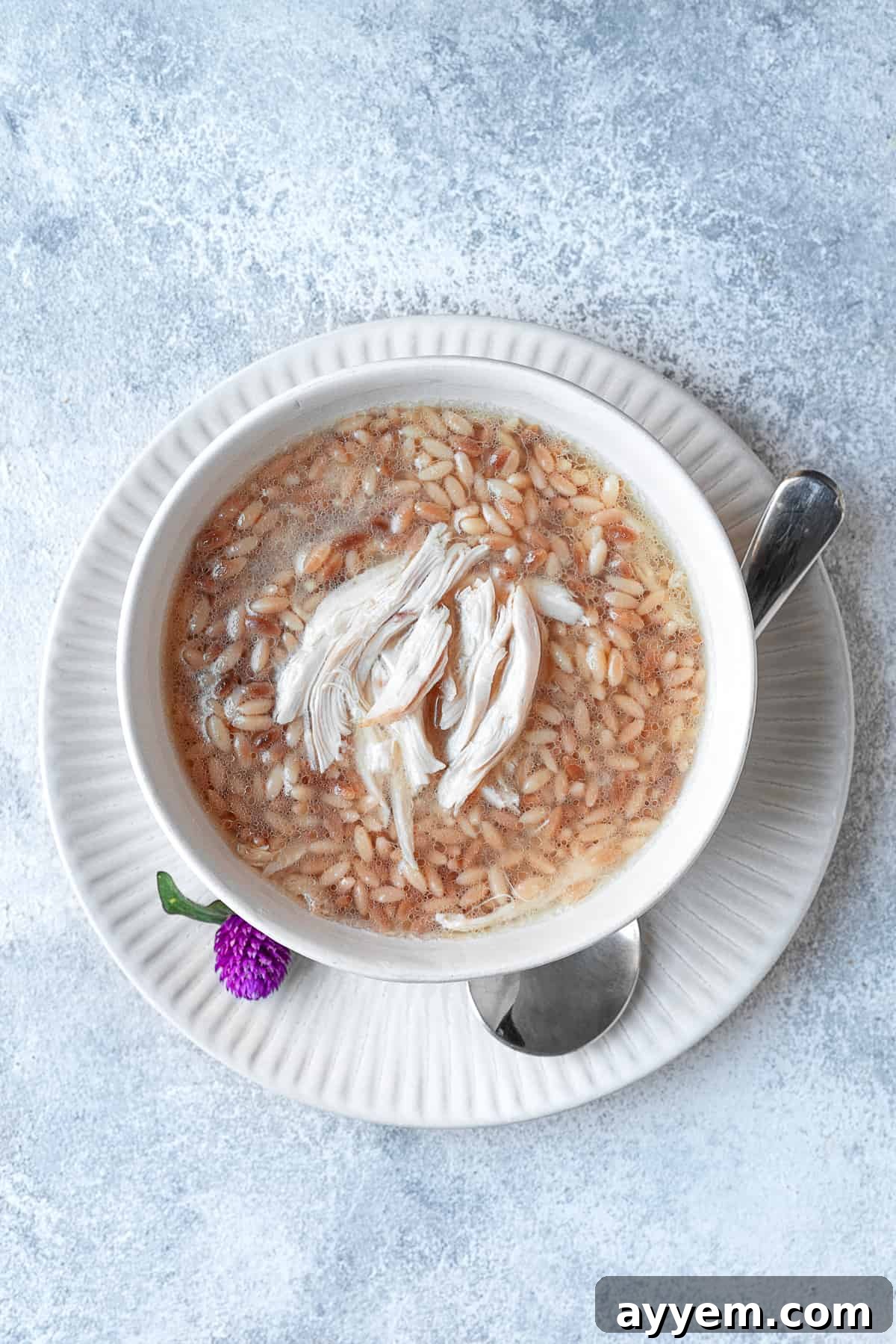
Middle Eastern Orzo Soup (Shorbet Lesan El Asfour)
A traditional Egyptian comfort food that’s budget-friendly, quick to make, and perfect for feeding a crowd! Serve it on its own or with your favorite sides for a warm meal the whole family will love!
Author: Food Dolls
Servings: 12 servings
Prep Time: 15 mins
Cook Time: 1 hr 8 mins
Total Time: 1 hr 23 mins
Ingredients
- 6-8 cups water (or enough water to completely cover the chicken)
- 1 onion, peeled and quartered
- 3-4 whole cardamom pods
- 1/2 teaspoon ground cardamom
- 2 dry bay leaves
- 3 small pieces of mastic gum
- 1 Tablespoon kosher salt (or to taste)
- 1 teaspoon ground black pepper
- 4-5 pound whole chicken, cleaned and gizzards removed
- 8 ounces toasted orzo pasta
- Optional Garnish: fresh lime juice, fresh parsley
Instructions
- Pour the water into a large stock pot. Add the quartered onion, cardamom pods, ground cardamom, bay leaves, mastic, salt, and pepper to the pot. Bring the ingredients to a boil. Note: For easy removal, wrap the bay leaf, cardamom pods, and mastic in a mesh bag.
- Once boiling, add the chicken to the pot, breast side up. Turn the heat down to medium-high, and cover the pot. Cook for 1 hour or until the chicken reaches an internal temperature of 165 degrees Fahrenheit. (See notes for pot venting)
- Remove the chicken and aromatics (bay leaf, cardamom pods, and mastic). Set aside.
- In a separate dry pan, toast the orzo pasta on the stovetop over low heat for 1-2 minutes or until fragrant and lightly golden.
- While the broth is still simmering, add the toasted orzo to the pot. Cook on low heat for 8 minutes or until the pasta reaches al dente.
- In the meantime, shred the cooked chicken to be added back to the soup. Or, slice it, and serve it on the side.
- Serve the soup warm with a fresh squeeze of lime juice and a sprinkle of fresh parsley.
Equipment
- 1 Large Pot
- 1 Skillet
Notes
We recommend using a pot with a lid that has a steam vent hole, or setting the lid slightly to the side to allow steam to escape while the chicken is cooking. This helps to concentrate the broth’s flavor and prevents over-boiling.
Nutrition Information (Approximate per serving)
Serving: 1 serving | Calories: 232 kcal | Carbohydrates: 15g | Protein: 16g | Fat: 11g | Saturated Fat: 3g | Polyunsaturated Fat: 2g | Monounsaturated Fat: 5g | Trans Fat: 0.1g | Cholesterol: 54mg | Sodium: 58mg | Potassium: 202mg | Fiber: 1g | Sugar: 1g | Vitamin A: 104 IU | Vitamin C: 2mg | Calcium: 21mg | Iron: 1mg
Nutrition information is automatically calculated and should only be used as an approximation. Actual values may vary based on ingredients and preparation.